
Alex Atala
Alex Atala explores Brazil through ingredients, producers and the possibilities of a contemporary restaurant. At D.O.M., Amazonian flavours meet techniques developed with a long-standing kitchen team.
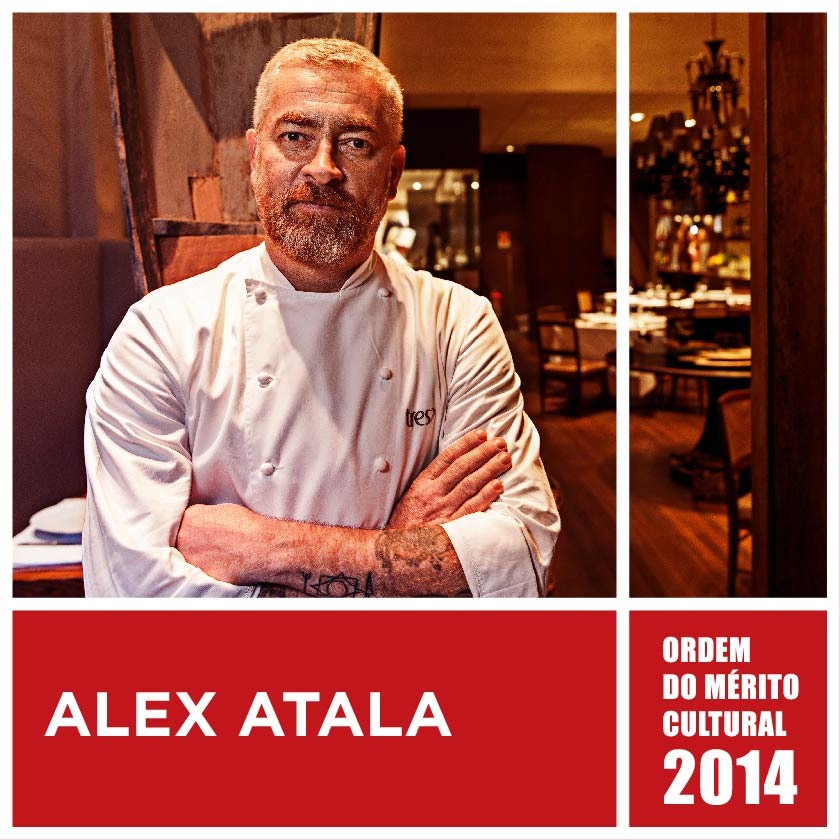
Photograph: Secretaria Especial da Cultura do Ministério da Cidadania · CC BY 2.0
From European kitchens to Brazilian ingredients
Alex Atala trained and worked in Belgium, France and Italy before returning to Brazil with a renewed interest in its ingredients. Childhood fishing and camping memories became part of a professional exploration of landscapes, products and food traditions. Rather than treating European training as a fixed culinary identity, he used that experience to investigate the possibilities of his own country. D.O.M., opened in 1999, became an important setting for this work.
D.O.M. and the research behind a menu
At D.O.M., Atala and Geovane Carneiro develop menus through research and relationships with producers, artisans and communities across Brazilian biomes. Ingredients such as tucupi, jambu, bacuri and priprioca connect contemporary techniques with a much wider food culture. The restaurant retained two Michelin stars in the 2026 selection. Dalva e Dito, opened in 2009, is a separate project with a different approach to traditional Brazilian dishes and its own restaurant experience.
Palm hearts, arracacha and a wider pantry
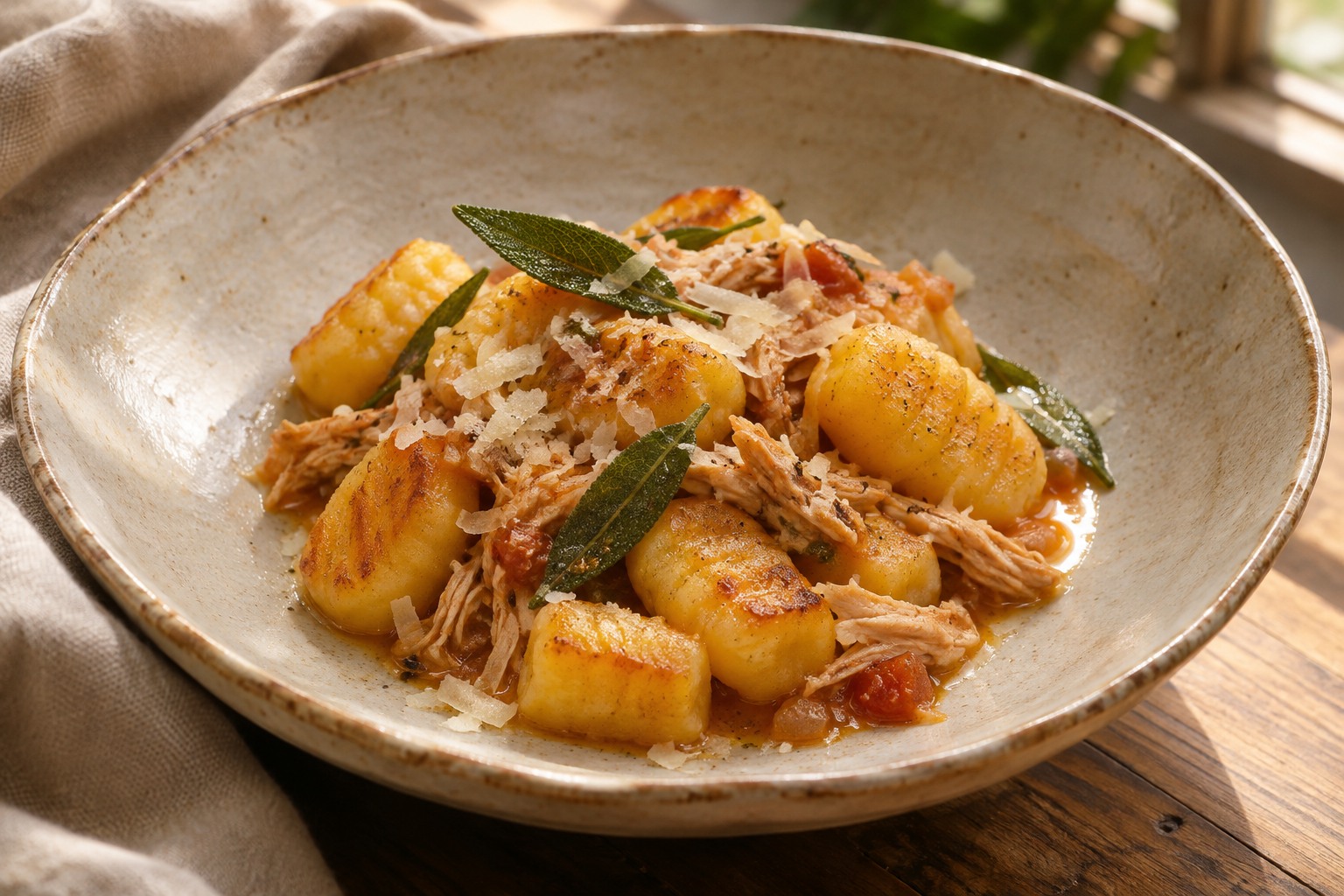
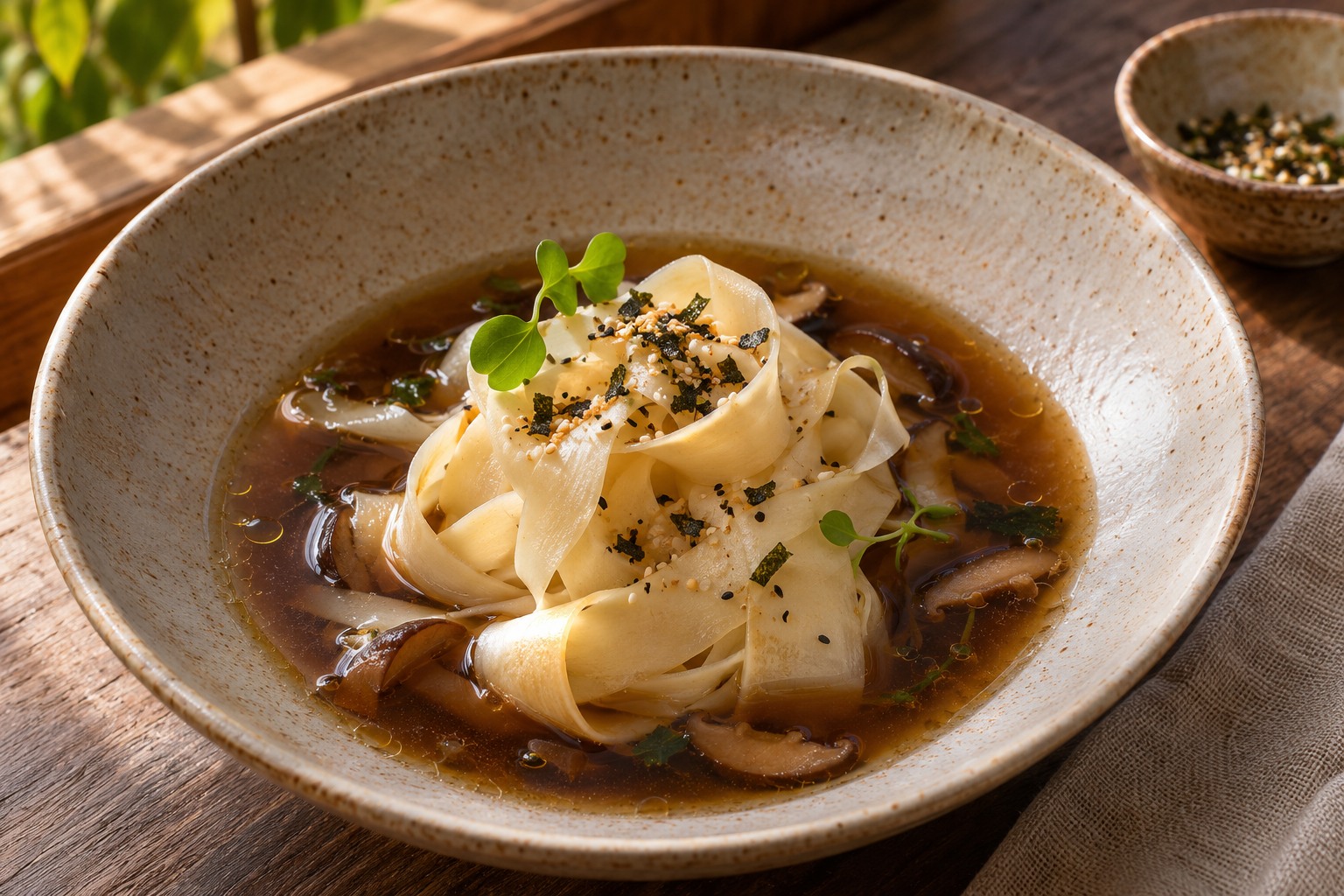
Two public cooking lessons offer approachable ways into this culinary world. Tastemade’s D.O.M. film shows tender peach-palm-heart ribbons served like fettuccine, with mushroom broth and furikake. Atala’s own 2025 lesson uses arracacha, known in Brazil as mandioquinha, for gnocchi with chicken ragù, sage and Parmesan. Arracacha is a different root from cassava. His books also follow this interest in ingredients, including the cassava-focused Mandioca and D.O.M.: Rediscovering Brazilian Ingredients.
A chef portrait and two cooking lessons
Munchies’ 2015 Being Frank episode follows Atala around São Paulo, including markets and Mocotó, showing the city beyond his own dining room. Tastemade’s 2018 film focuses on the palm-heart preparation at D.O.M. The longer 2025 gnocchi lesson gives more room to method, while the Culinary Institute of America’s 2014 portrait introduces his ingredient-led thinking. These films record different moments in the career, with older menus and rankings belonging to their publication dates.
Visiting the Jardins restaurant
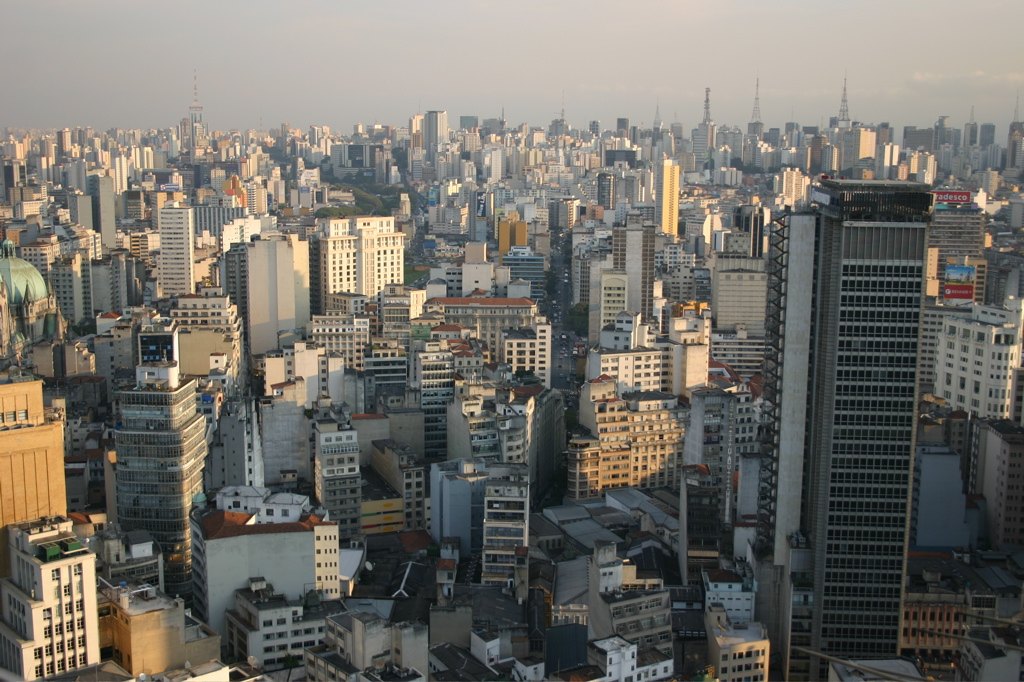
D.O.M. is at Rua Barão de Capanema 549, Jardins. Contact the restaurant on +55 11 96918 9947 or dom@domrestaurante.com.br and use the official site’s reservation link for current availability. The operator lists lunch and dinner from Monday to Friday, dinner on Saturday and closure on Sunday. Discuss dietary requirements before booking the chosen menu. Jardins also offers an easy setting for a longer city food walk, with the restaurant providing a focused introduction to Brazil’s varied pantry.
D.O.M.
Rua Barão de Capanema, 549, Jardins, São Paulo, SP 01411-011, Brazil
Alex Atala's Ultimate Guide to Brazil on Being Frank
Video language: English
Munchies follows Atala around São Paulo in 2015, including markets and Mocotó, exploring the food culture beyond his own restaurant.
O Fettuccine de Palmito Pupunha do D.O.M. | DISH
Video language: Português
This 2018 Tastemade film visits D.O.M. for Atala’s peach-palm-heart fettuccine with mushroom broth and furikake.
NHOQUE DE MANDIOQUINHA por ALEX ATALA
Video language: Português
Atala’s 2025 cooking lesson demonstrates arracacha gnocchi with chicken ragù, sage and Parmesan, explaining the ingredients and preparation.
Brazil Part 3: Chef Alex Atala of Sao Paulo's DOM
Video language: English
The Culinary Institute of America’s 2014 portrait introduces Atala’s research into Brazilian ingredients and the thinking behind D.O.M.
Explore together
Sources and editorial notes +
- Photograph: Secretaria Especial da Cultura do Ministério da Cidadania · CC BY 2.0. Resized and cropped. Photographic adaptations are shared under the source photograph’s licence.
- domrestaurante.com.br ↗
- domrestaurante.com.br ↗
- domrestaurante.com.br ↗
- www.michelin.com ↗
- www.youtube.com ↗
- www.youtube.com ↗
- www.youtube.com ↗
- www.youtube.com ↗