Tea
Gaiwan tea in Chengdu
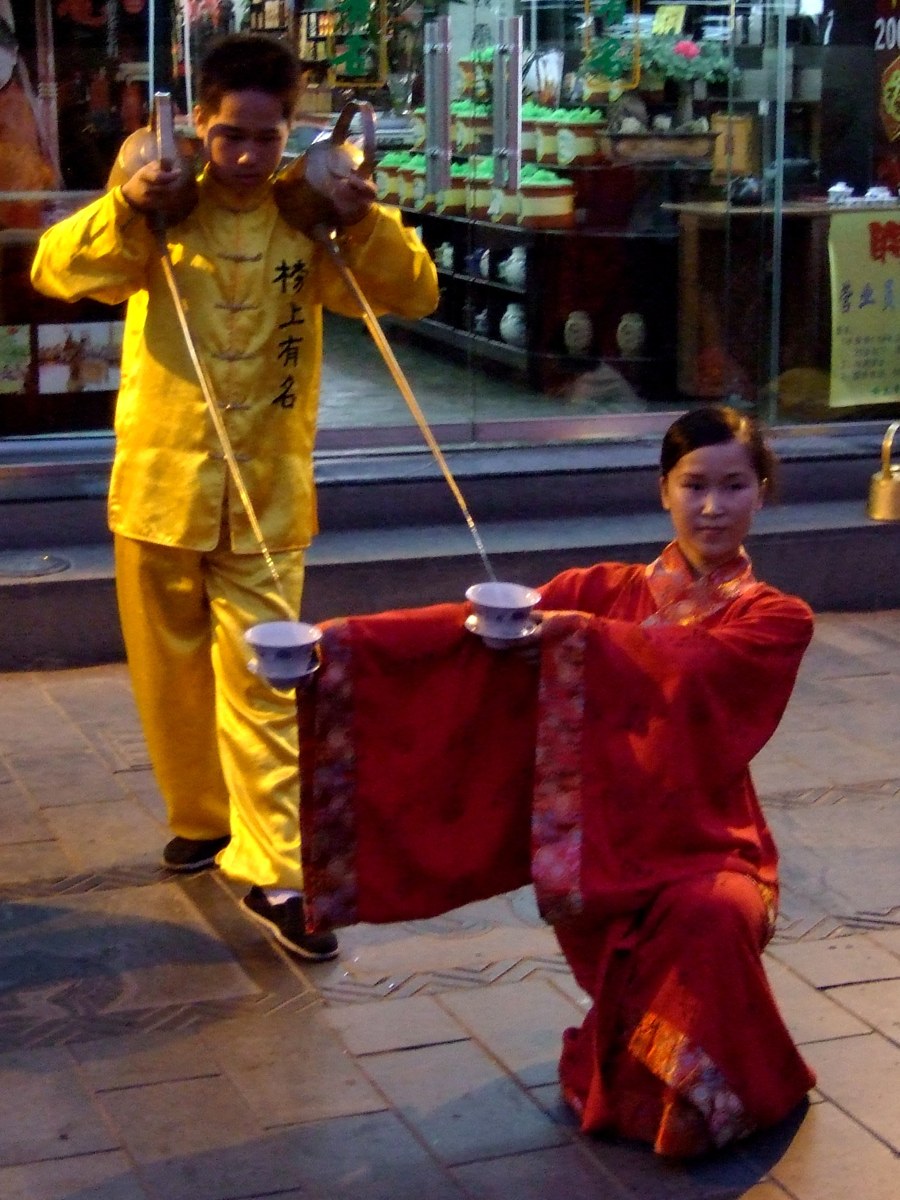
A gaiwan is a lidded bowl for brewing and drinking, not a variety of tea. Teahouse stops in People’s Park introduce Chengdu’s everyday tea culture.

A gaiwan is a lidded bowl for brewing and drinking, not a variety of tea. Teahouse stops in People’s Park introduce Chengdu’s everyday tea culture.
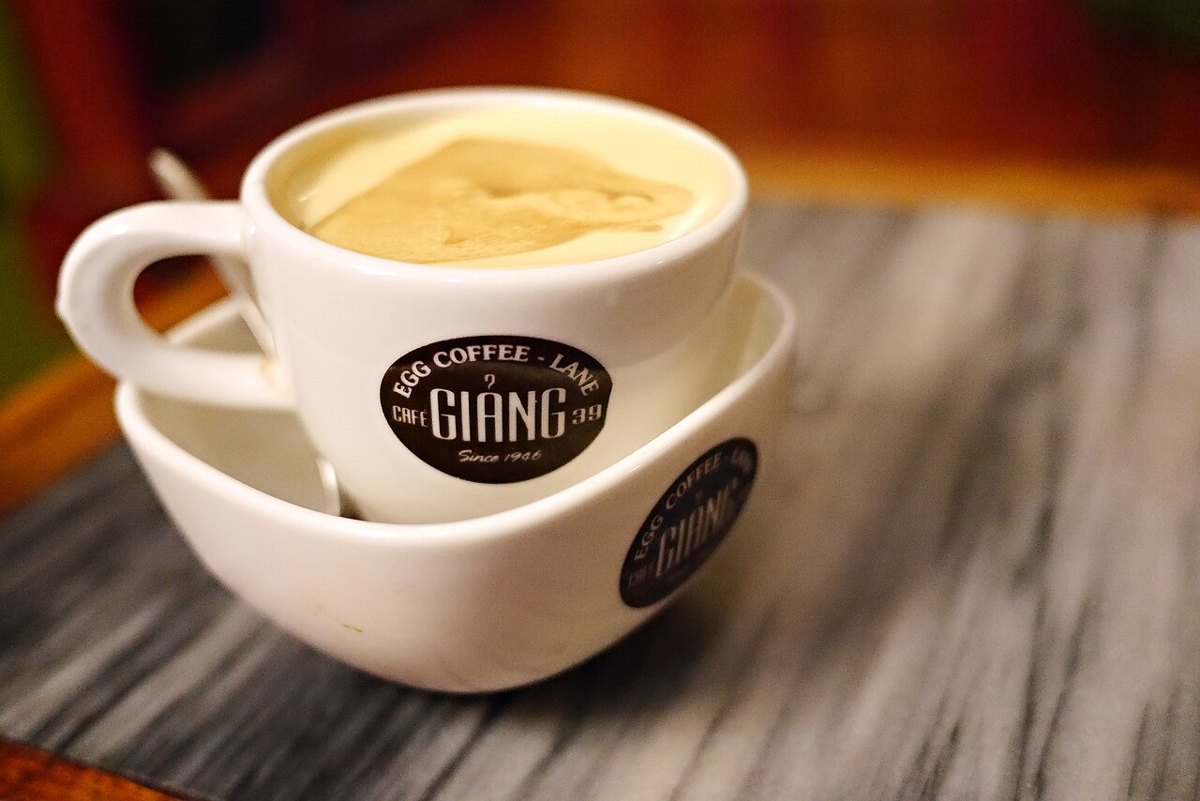
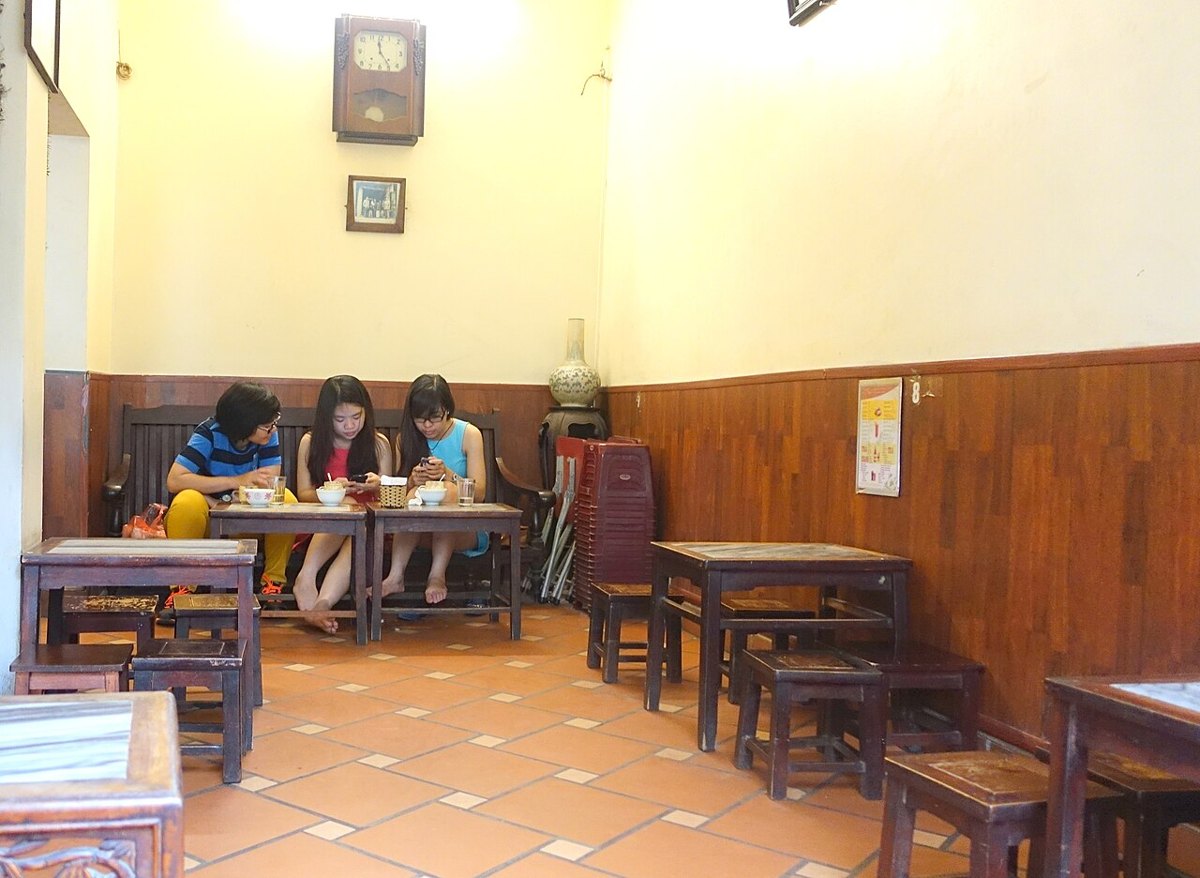
Coffee topped with a whipped egg-and-sweet-milk cream, strongly associated with Café Giảng in Hanoi. Think of the drink’s texture as well as its coffee flavour.
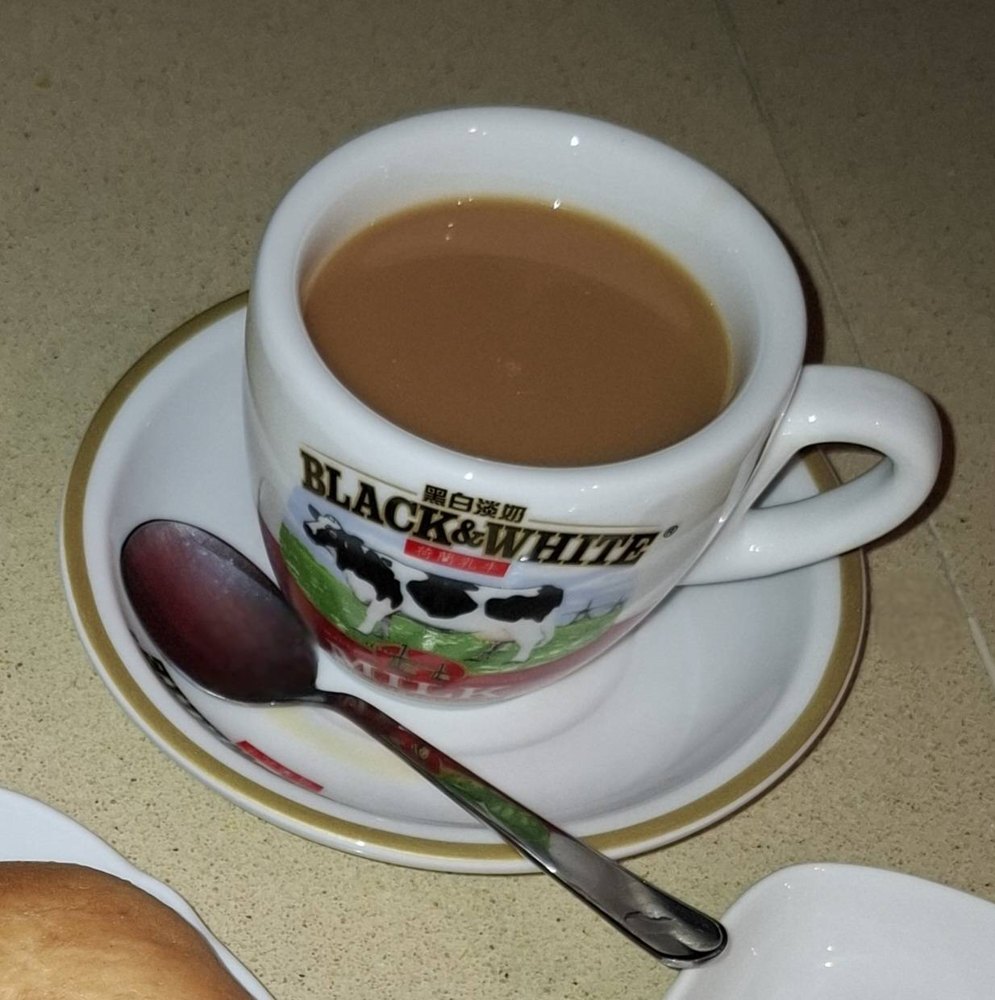
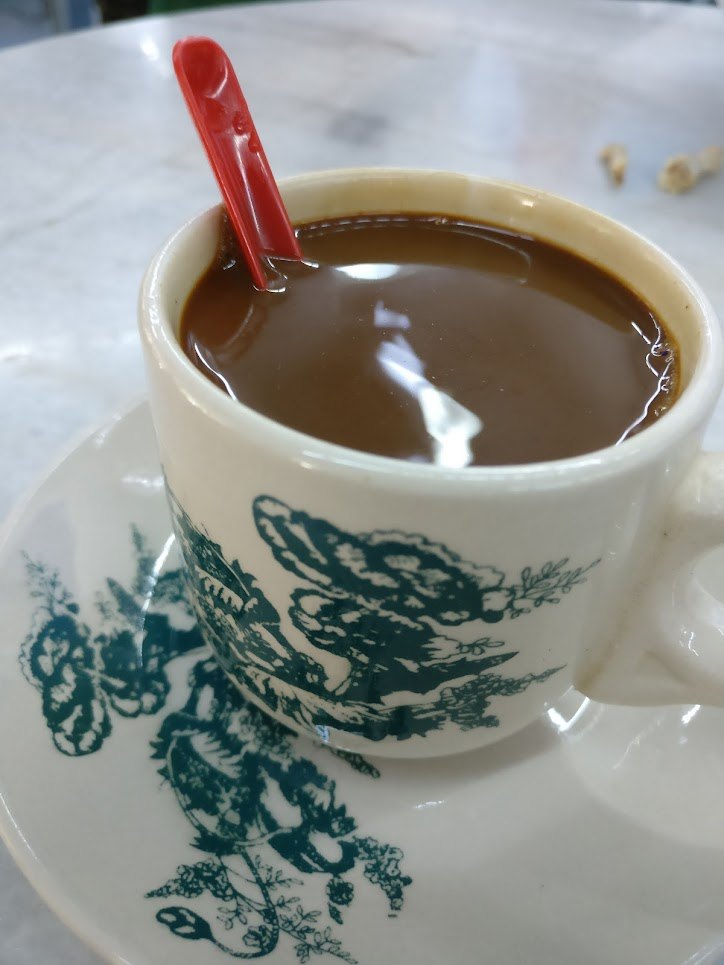
A cha chaan teng classic pairing a strong black-tea blend with milk. The cloth-filter tradition gives rise to the silk-stocking nickname.
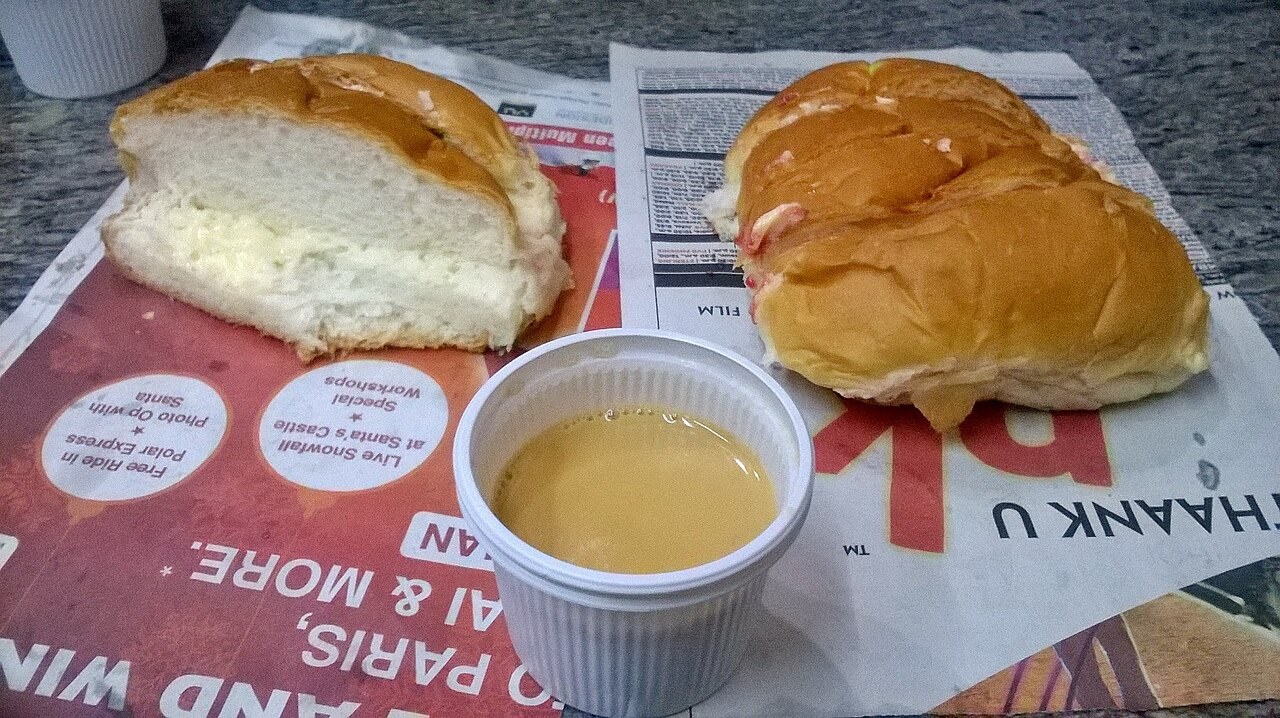
Milk tea, buttery bun maska and a long conversation: a taste of tea time in Mumbai’s Irani cafés.
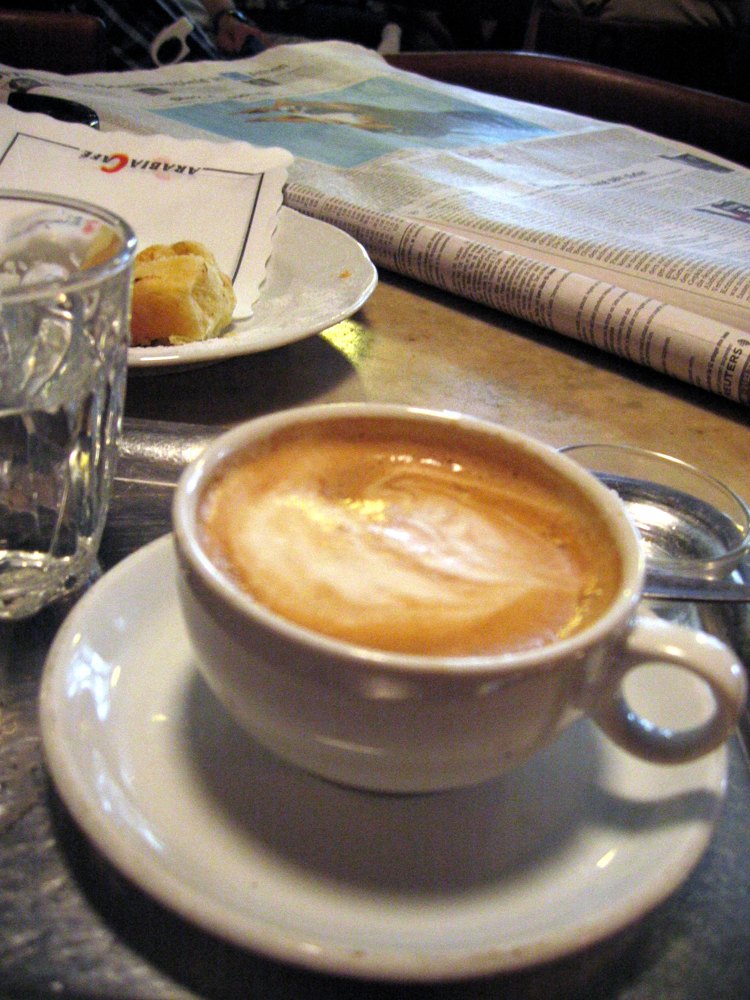
Viennese coffeehouse interpretations of coffee, warm milk and milk foam. Cup size, coffee base and foam ratio can vary between establishments.
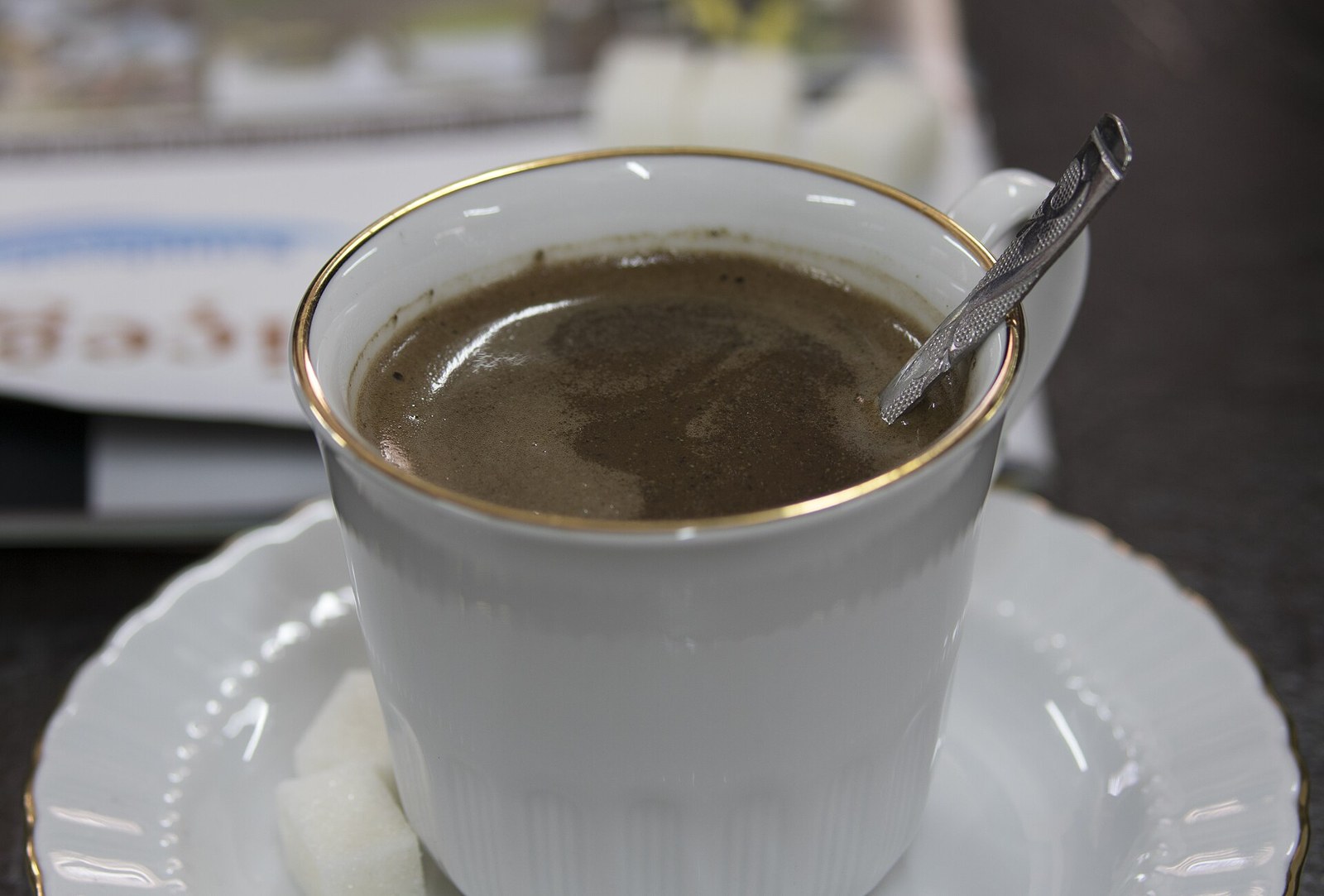
Menengiç kahvesi
A regional drink made from roasted terebinth fruit. This home adaptation uses milk.
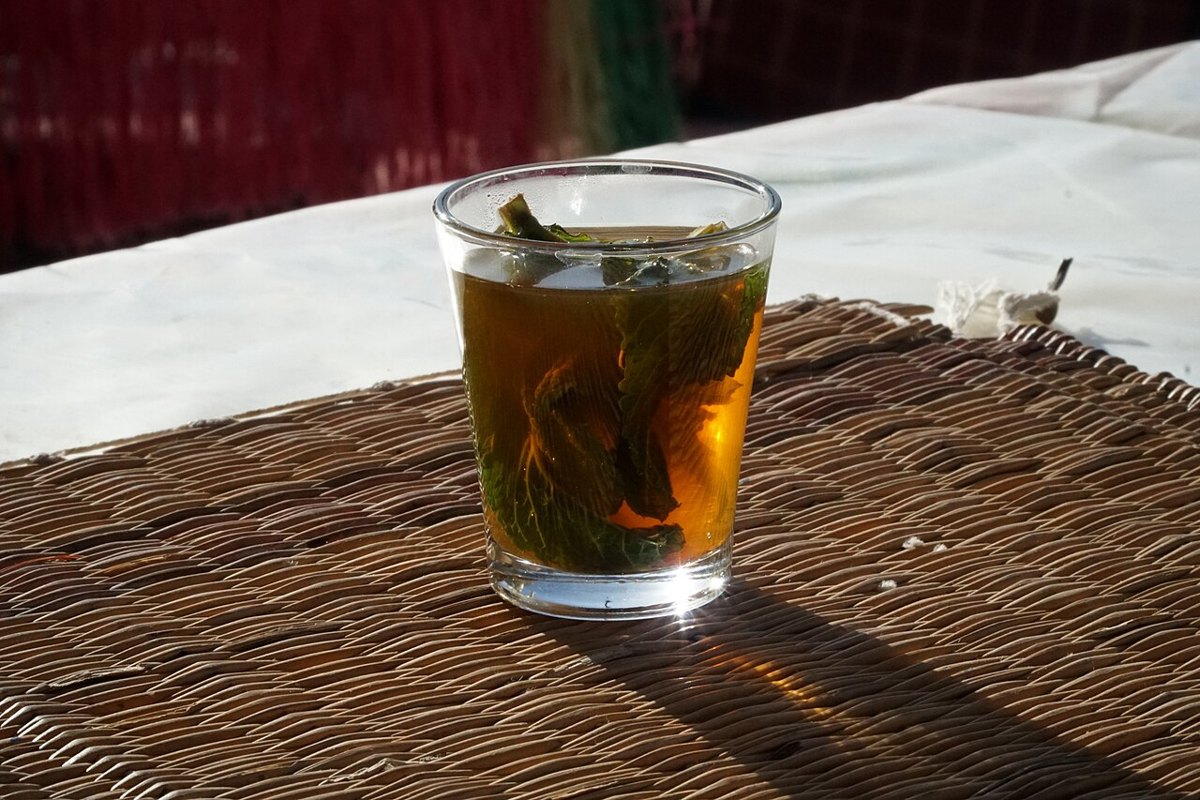
Green tea with fresh mint and commonly sugar, shared in small glasses. A tradition found across Morocco rather than belonging exclusively to Marrakesh.
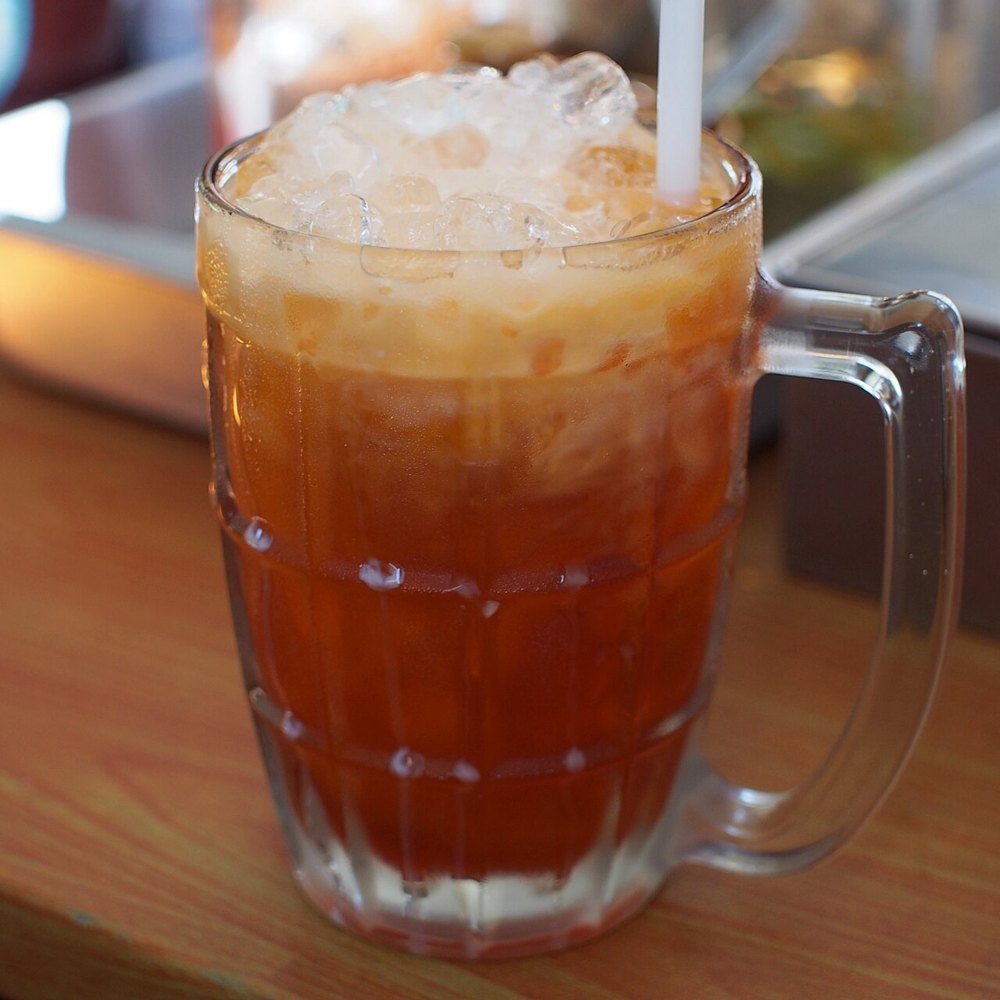
Strong tea served over ice with sugar and milk ingredients. Its orange colour can come from colouring in commercial blends rather than being the natural colour of every tea.
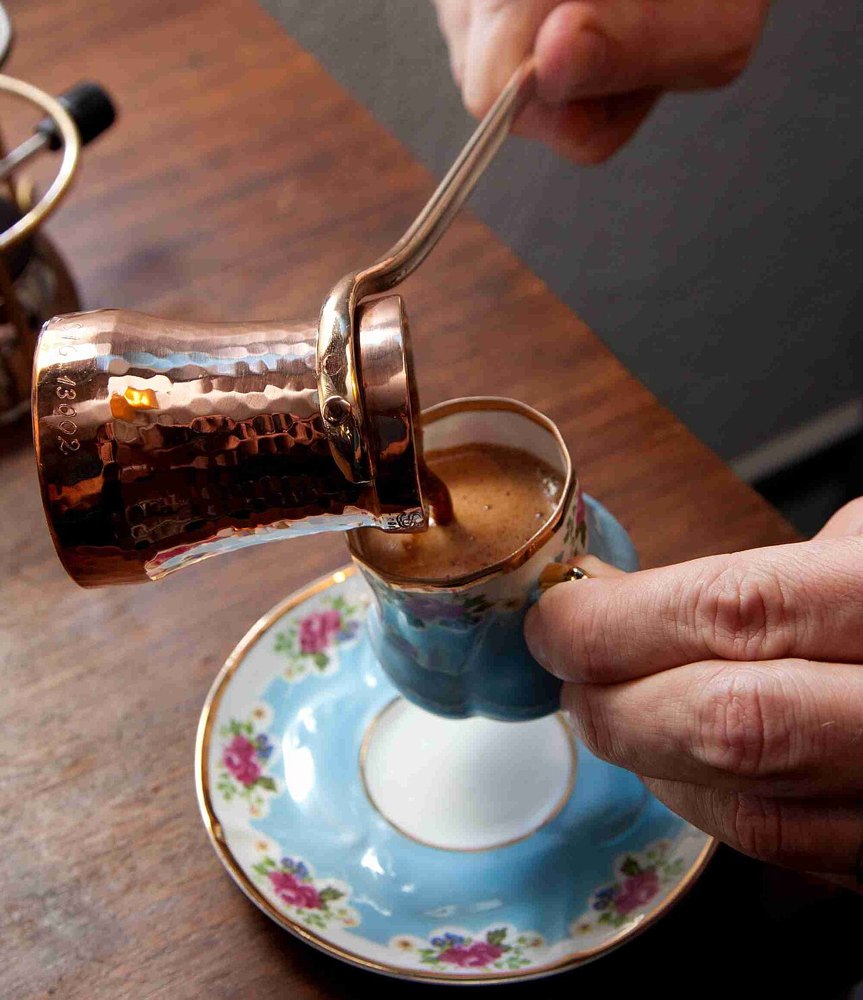
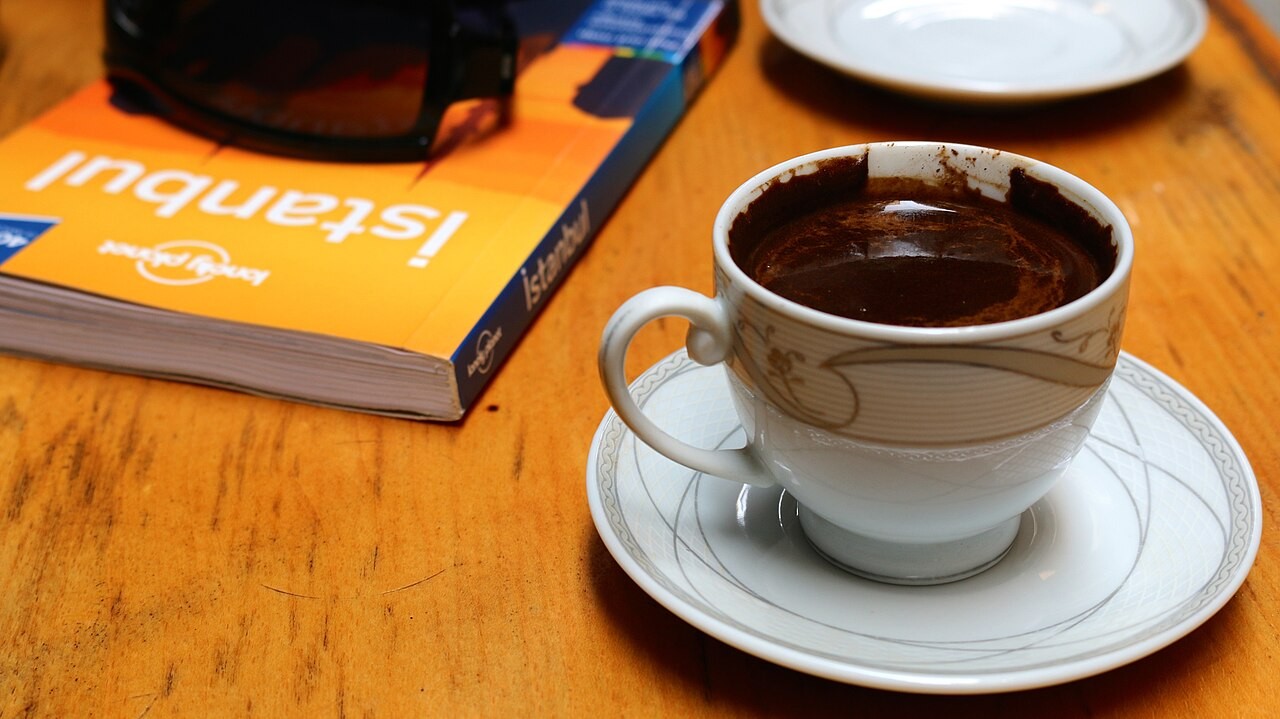
Finely ground coffee heated with water in a cezve and served unfiltered in a small cup. A tradition shared across Türkiye and the wider region.
Café Brújula began in Oaxaca in 2006. Its work connects baristas and roasters with producers across the state, following coffee from farm to cup. At Santo Domingo, the coffee stop becomes another way to discover Oaxaca’s agricultural landscape.
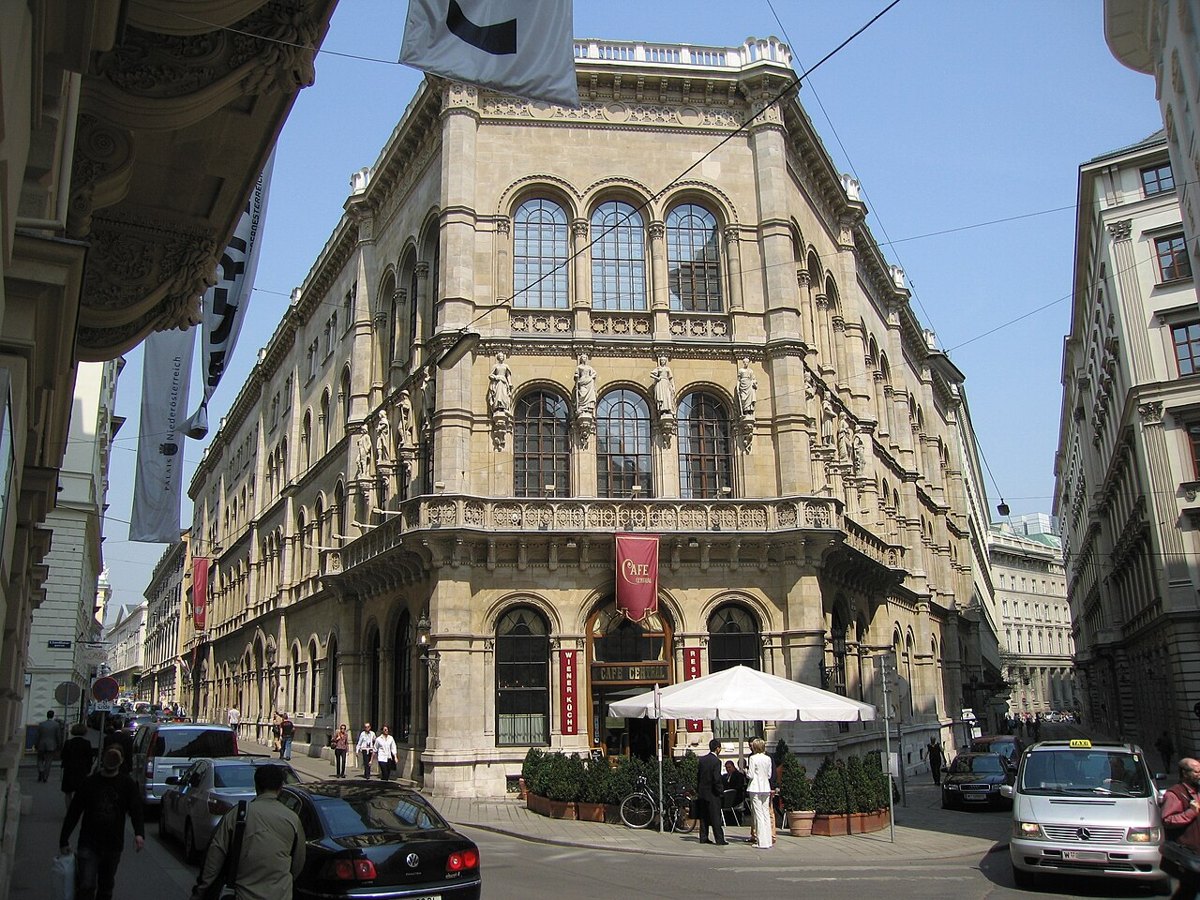
Temporarily closed for renovation.
A historic home of Viennese coffee and pastry culture in Palais Ferstel.
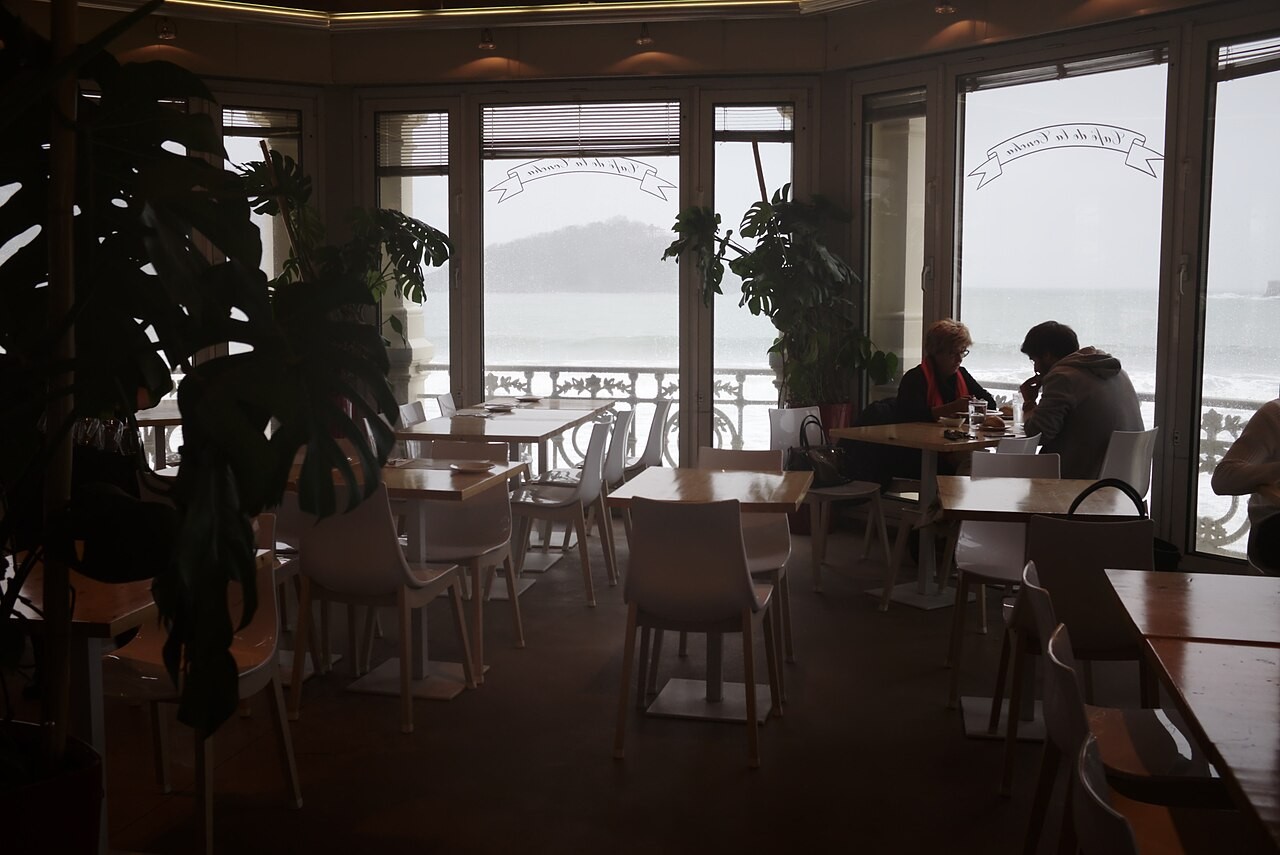
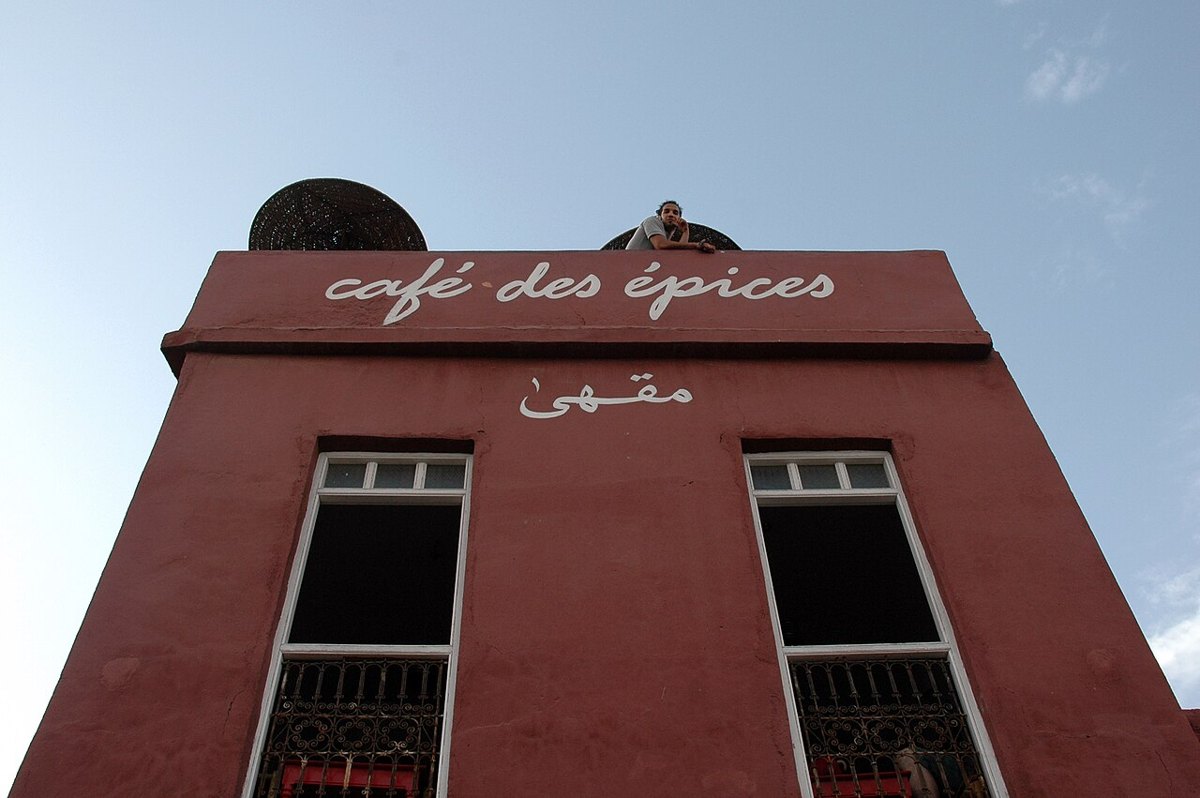
A tea-and-coffee stop on the spice square; check terrace and seating options with the café.
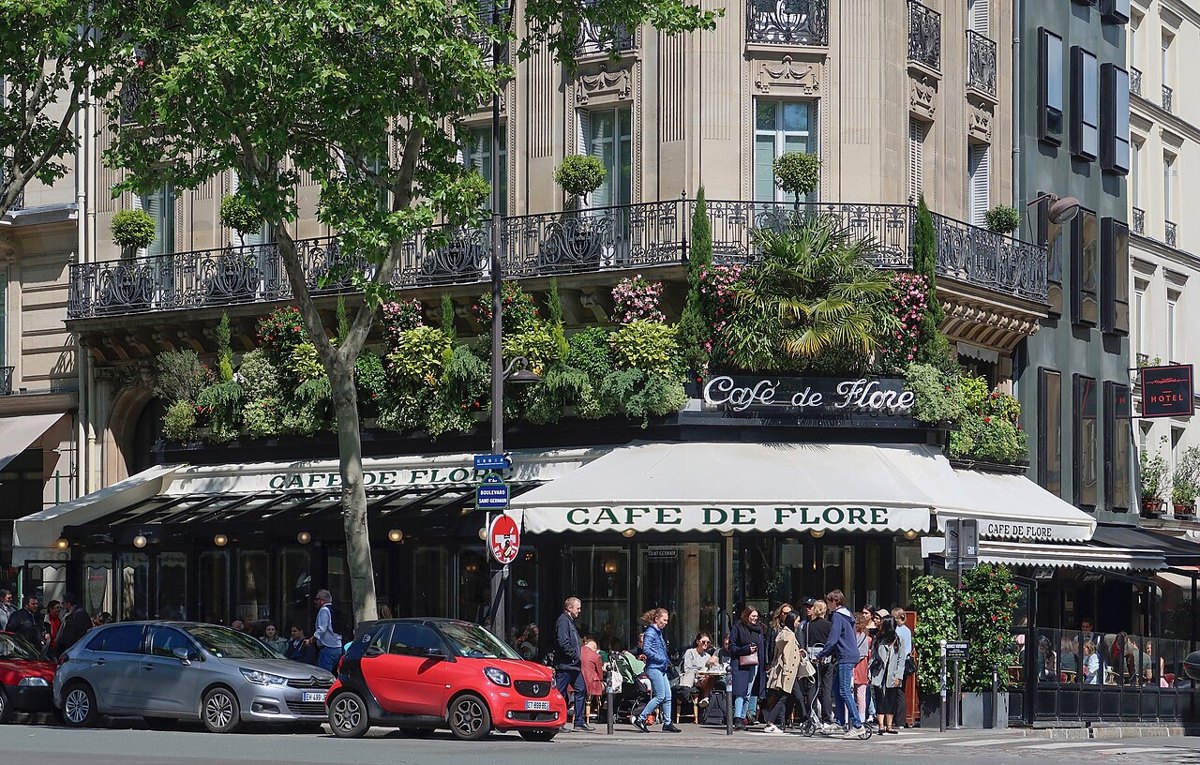
A Saint-Germain-des-Prés café associated with pavement seating and literary culture.
An Irani chai and bun maska stop in Mahim, distinct from other historic cafés in Marine Lines.
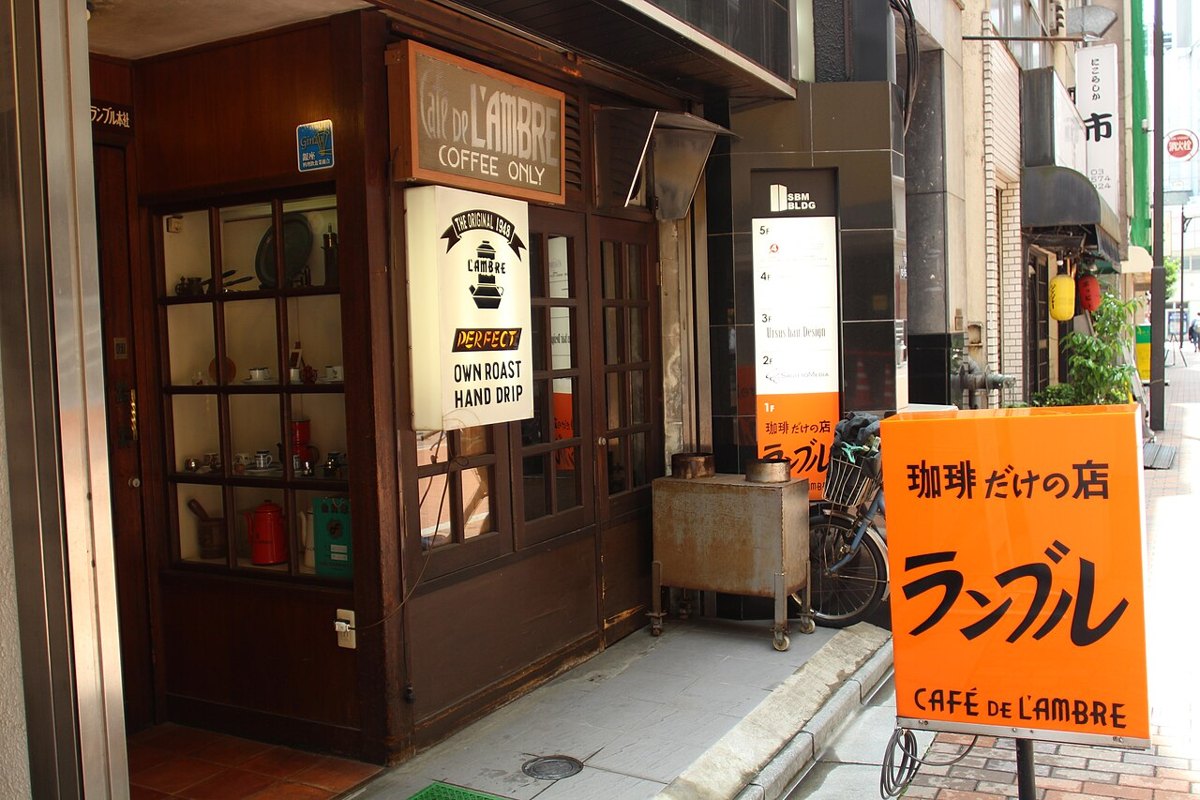
A coffee-focused Ginza kissaten. Ask about the beans and roast before choosing a cup.
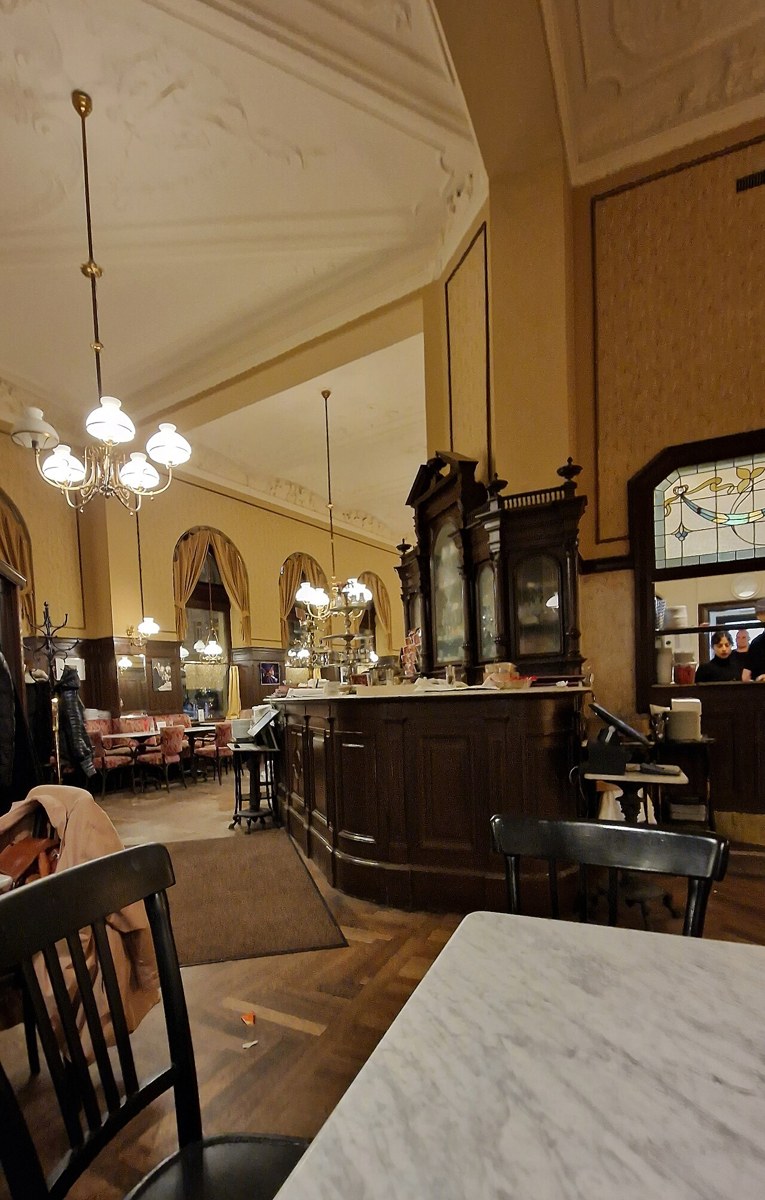
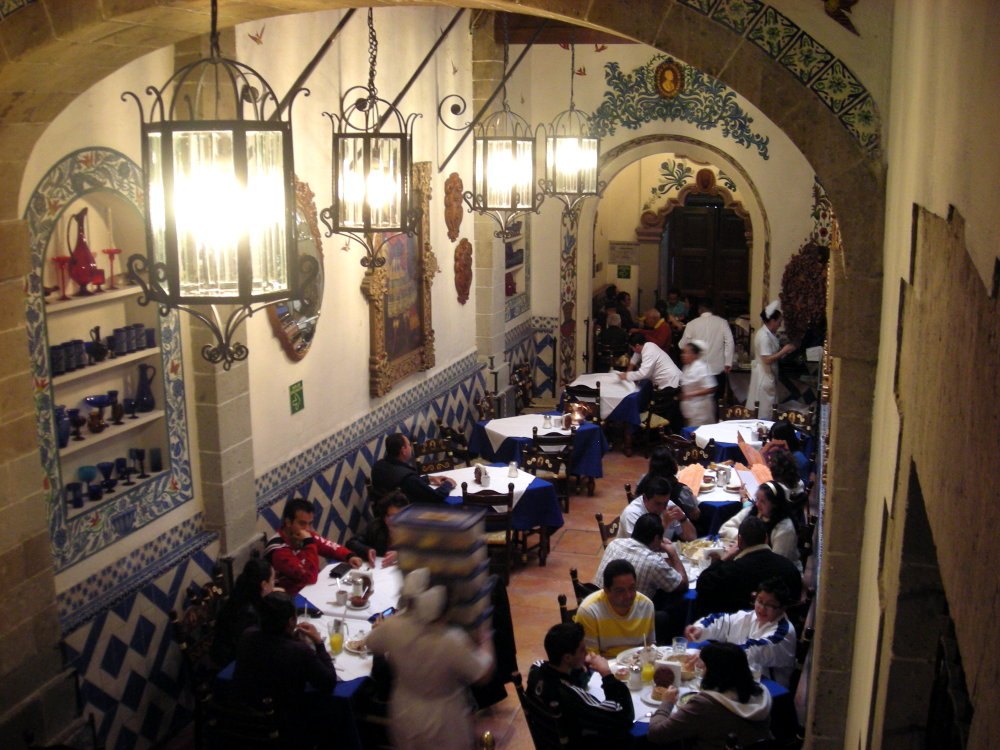
A historic central café-restaurant combining coffee, breakfast and traditional Mexican dishes.
The Younes roasting story began in 1935. The Hamra Coffee Roaster connects a neighbourhood café with that family expertise: beans, roasting and the preparation of a cup are the main attraction, rather than an elaborate restaurant meal.
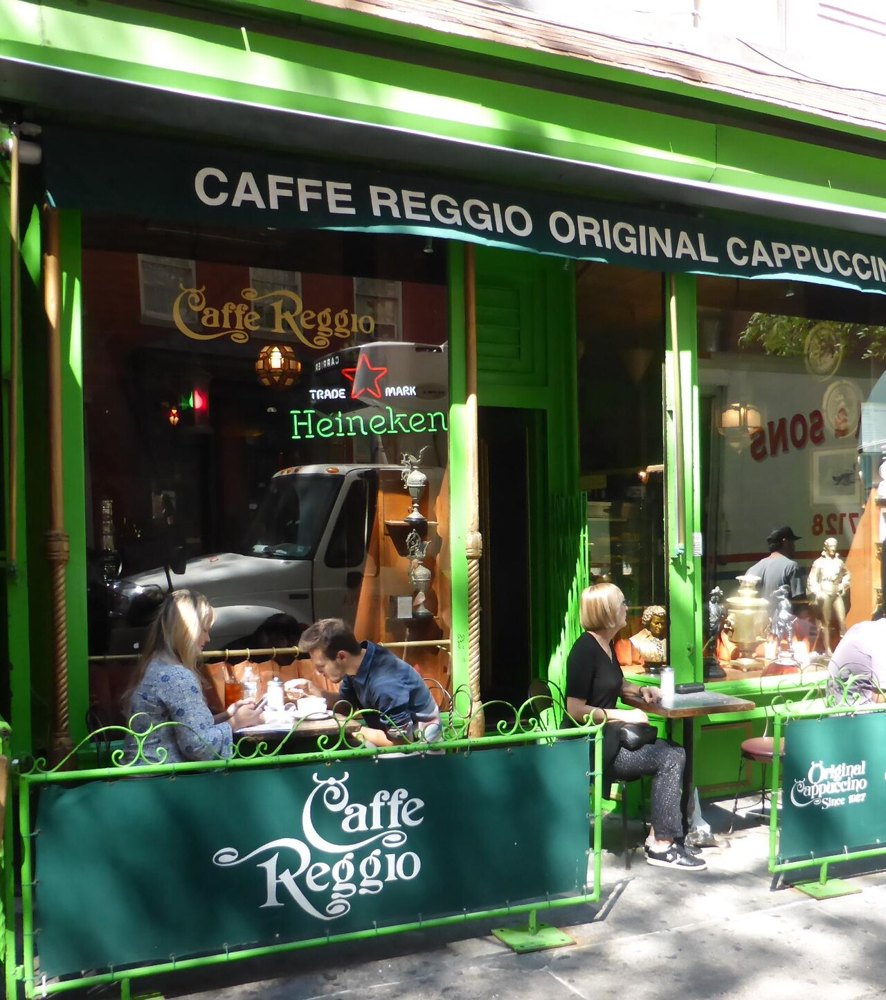
A MacDougal Street stop for espresso culture and an old café setting in Greenwich Village.
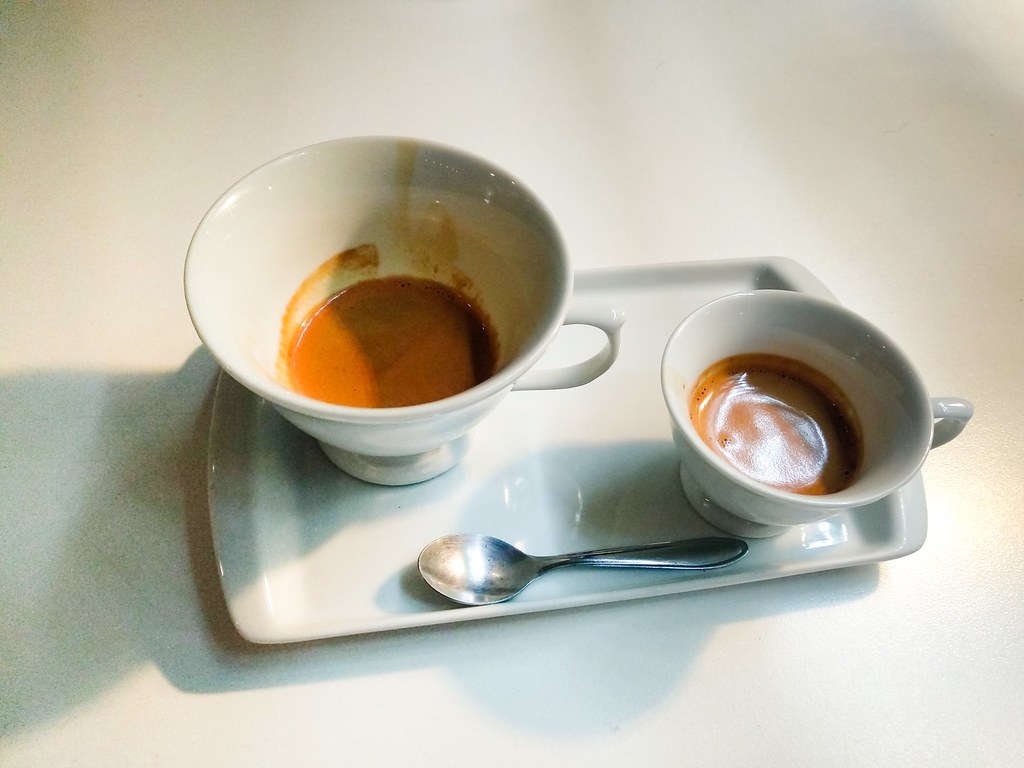
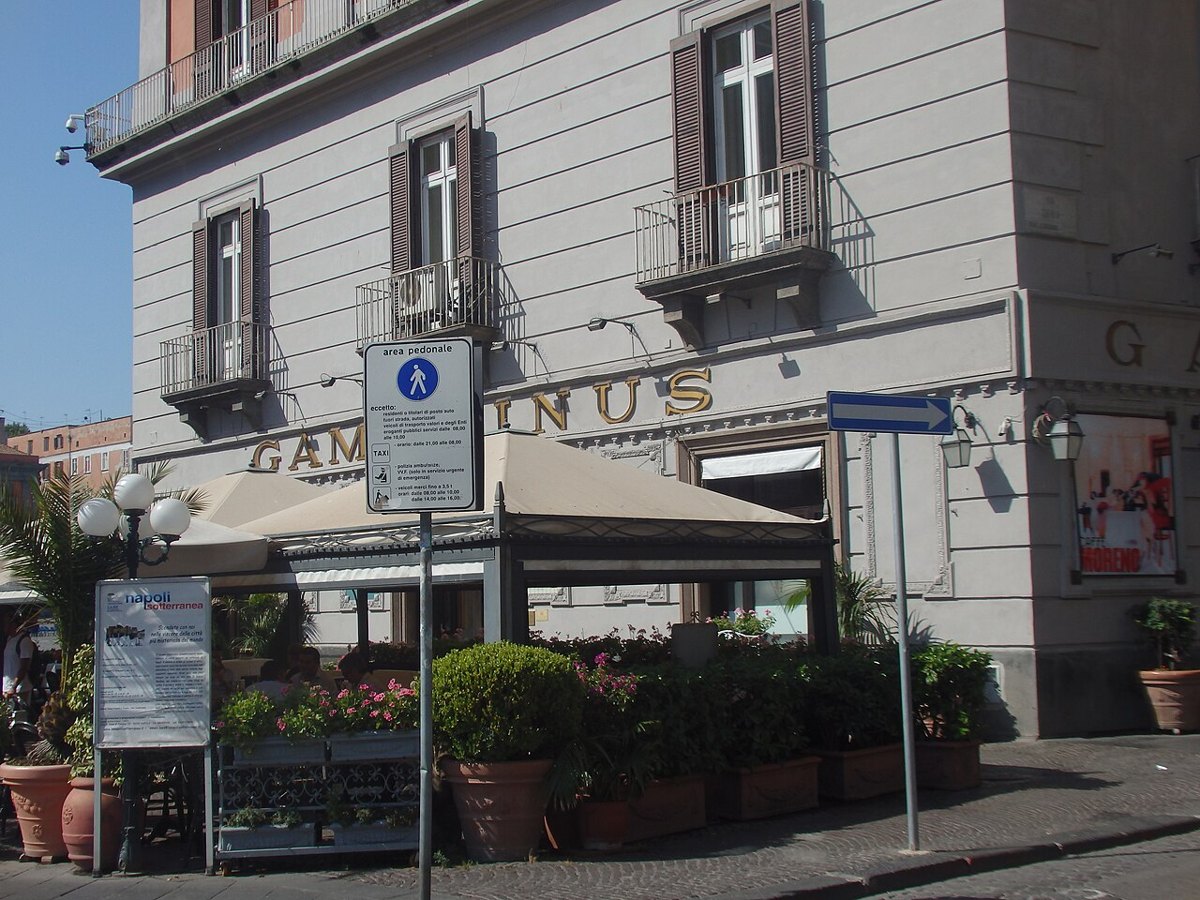
An address for exploring Naples’ historic café culture over espresso and pastries.
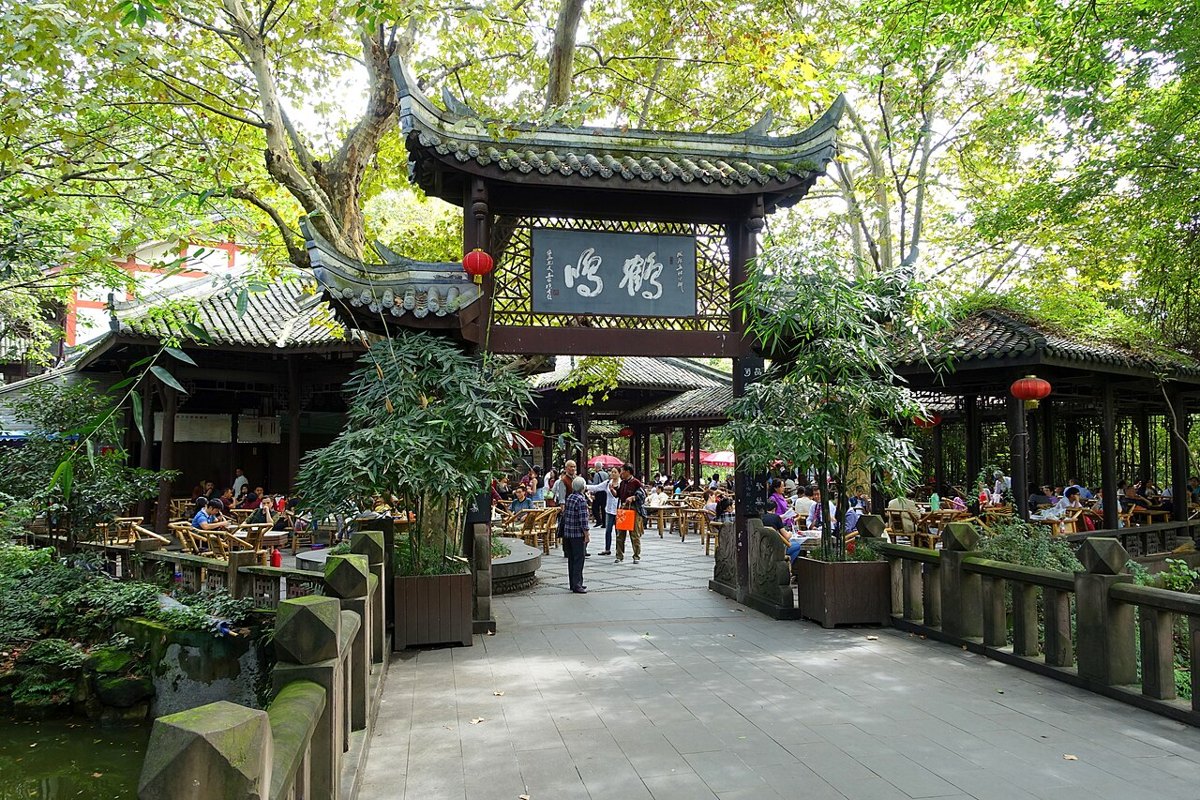
The People’s Park teahouse is associated with gaiwan service and an unhurried tea break.
The Sao Chingcha branch offers a stop for old Bangkok coffee and breakfast culture.
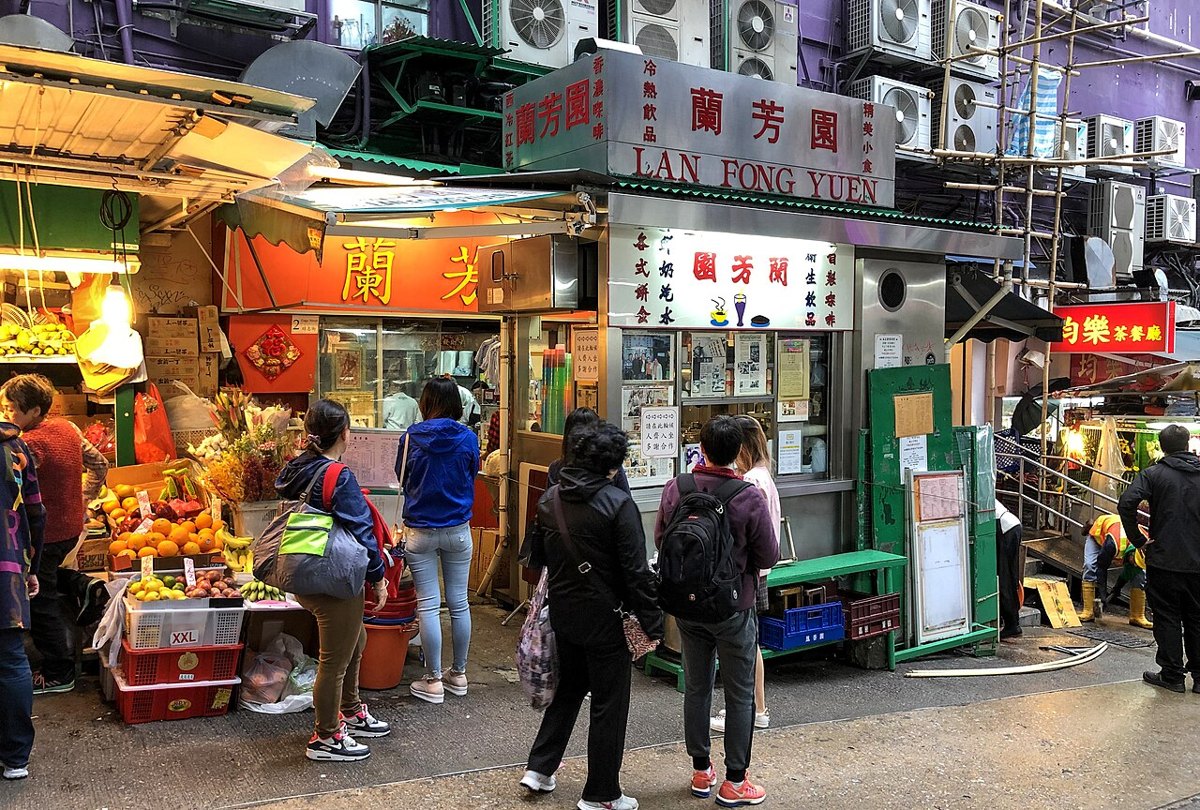
Marufuku began in Osaka in 1934 and moved its main shop to Sennichimae in 1946. Its deeply roasted, concentrated coffee belongs to the kissaten tradition, with the main shop offering a slower counterpoint to the streets around Namba.
Onion Anguk occupies a hanok dating to the 1920s, preserving its wooden hall and courtyard. Coffee sits beside a busy bakery counter; vanilla-bean latte, tall sugar-dusted pandoro and salty butter bread give the traditional setting a contemporary daily rhythm.
El Pan de la Chola makes the baker’s work visible through an open bakery. Bread, sandwiches and coffee define the La Mar stop; its La Chola Blend is selected and roasted with Café Verde, connecting the loaf and the cup through craft.
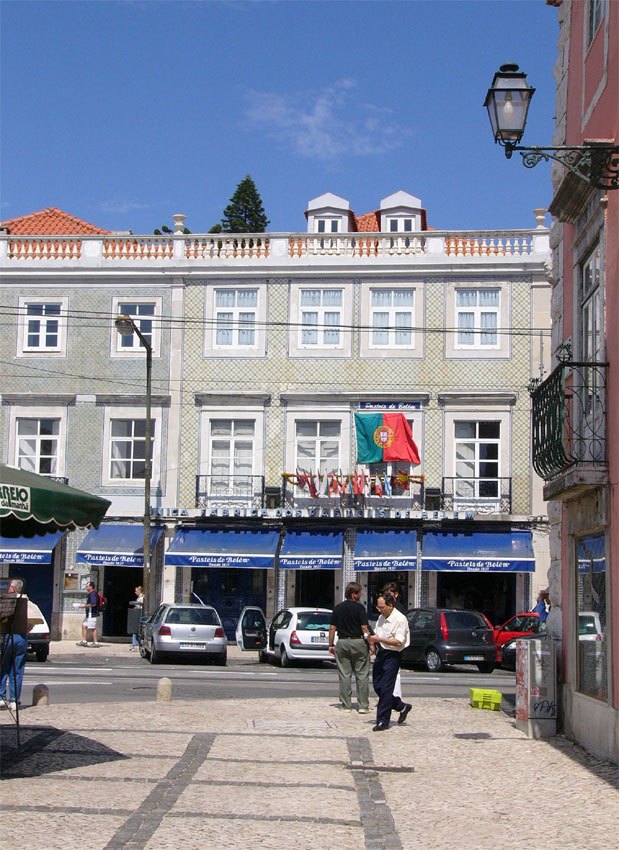
The historic Belém bakery serves its own pastry alongside coffee; the brand name is distinct from generic pastel de nata.
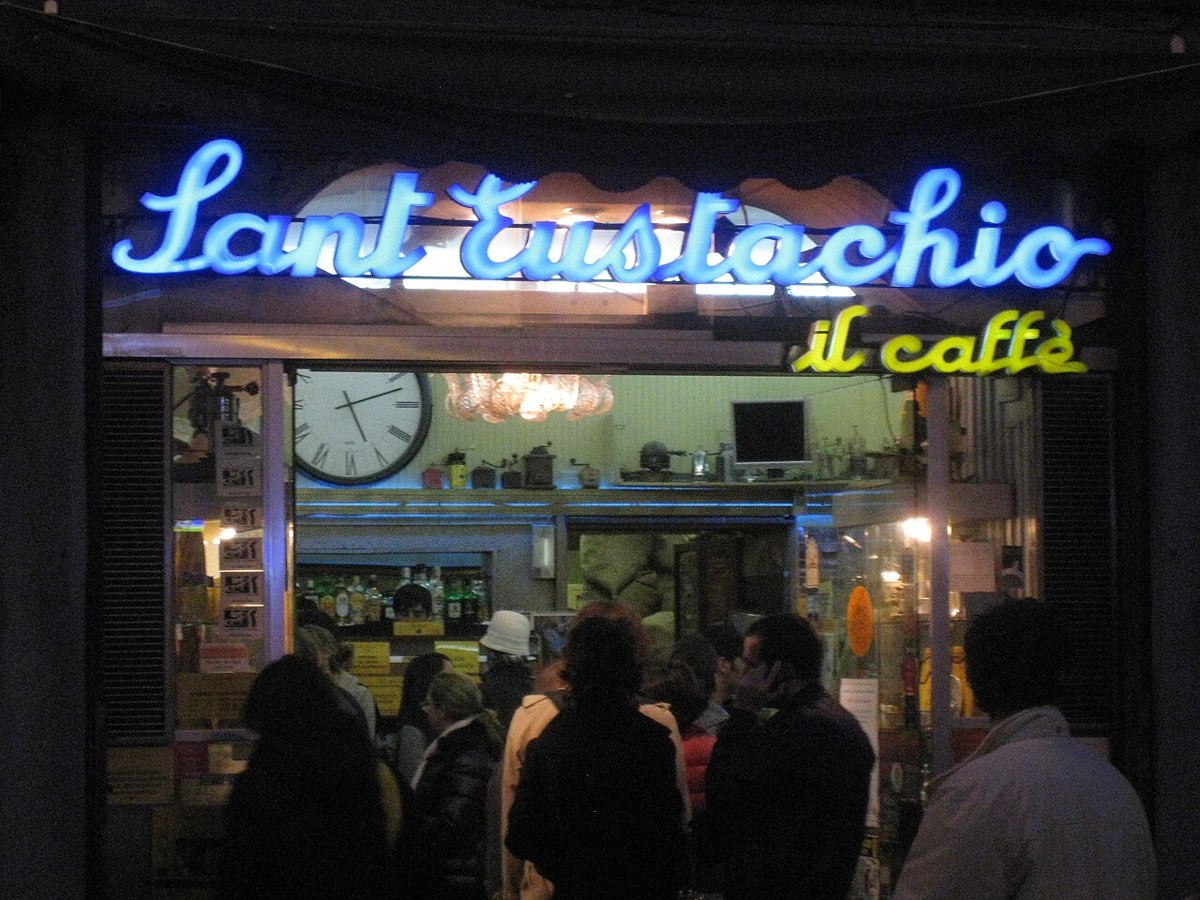
The coffee bar on Piazza Sant’Eustachio; ask about counter and table service before ordering.
Robin and Camille opened Slake Jacobins in 2015 after developing their coffee skills in New Zealand. Specialty coffee, house-made cakes and brunch carry that journey into Lyon’s Presqu’île, with espresso as welcome as a longer breakfast.
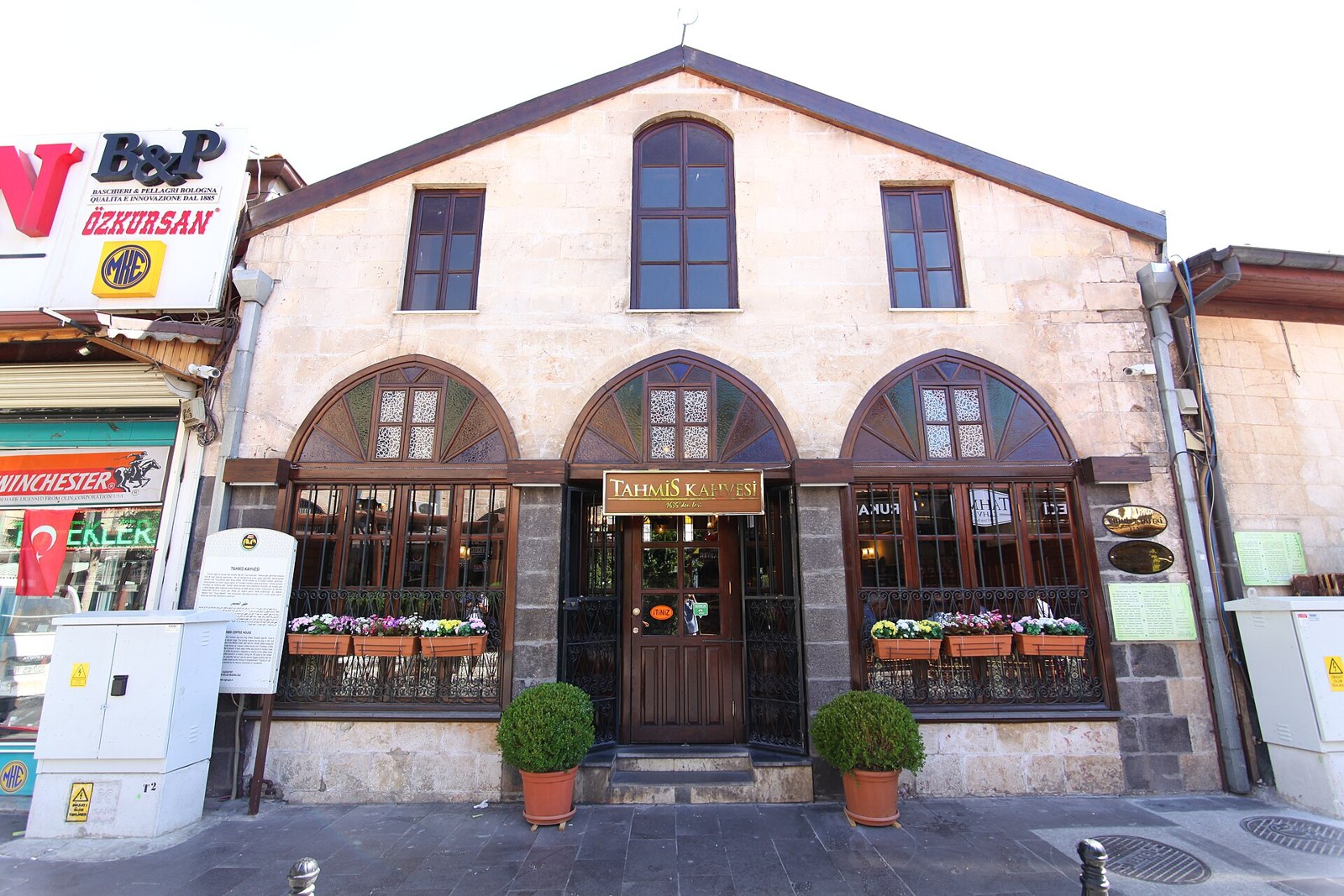
Manuel Terzi opened his Bologna coffee house in 2001, treating coffee as a fresh agricultural product rather than an anonymous commodity. The Oberdan bar makes espresso, bean origin and roast the centre of the visit.
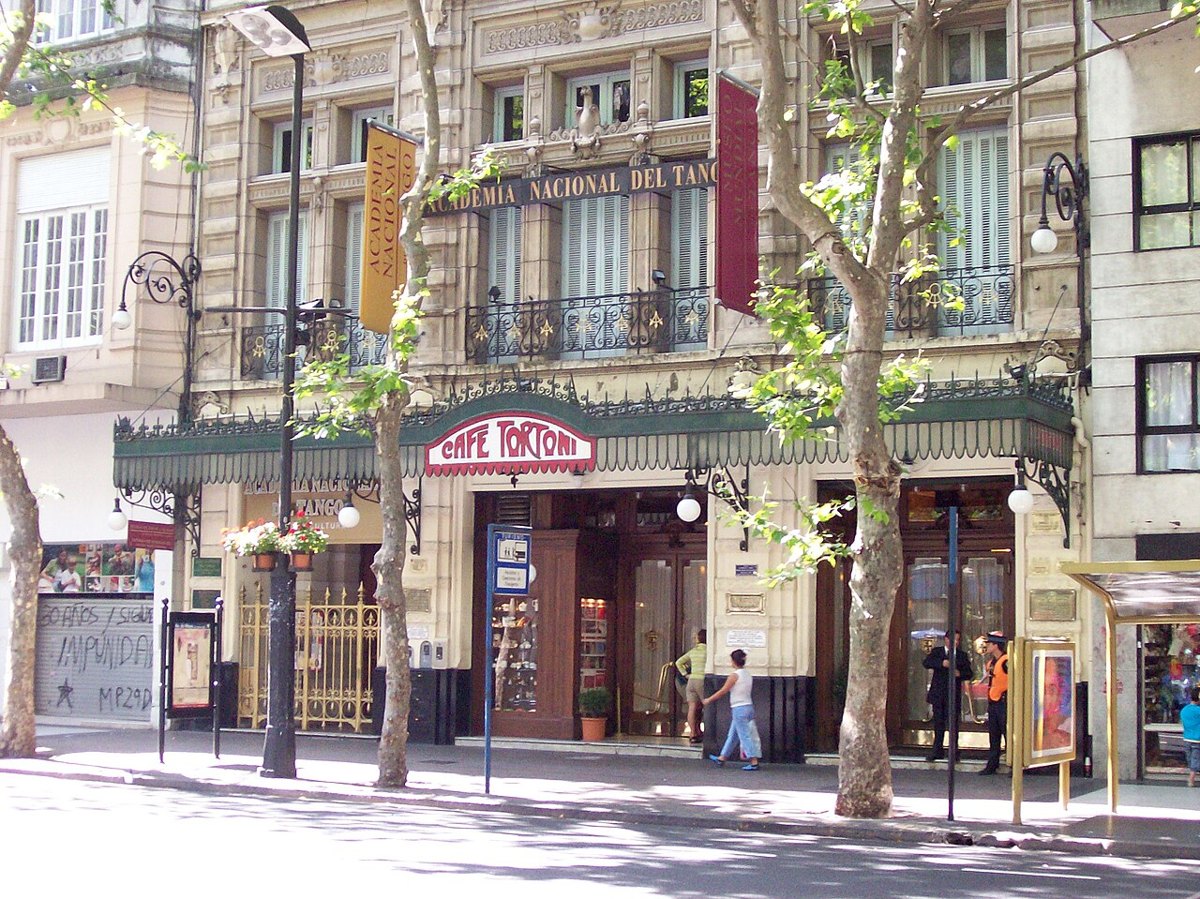
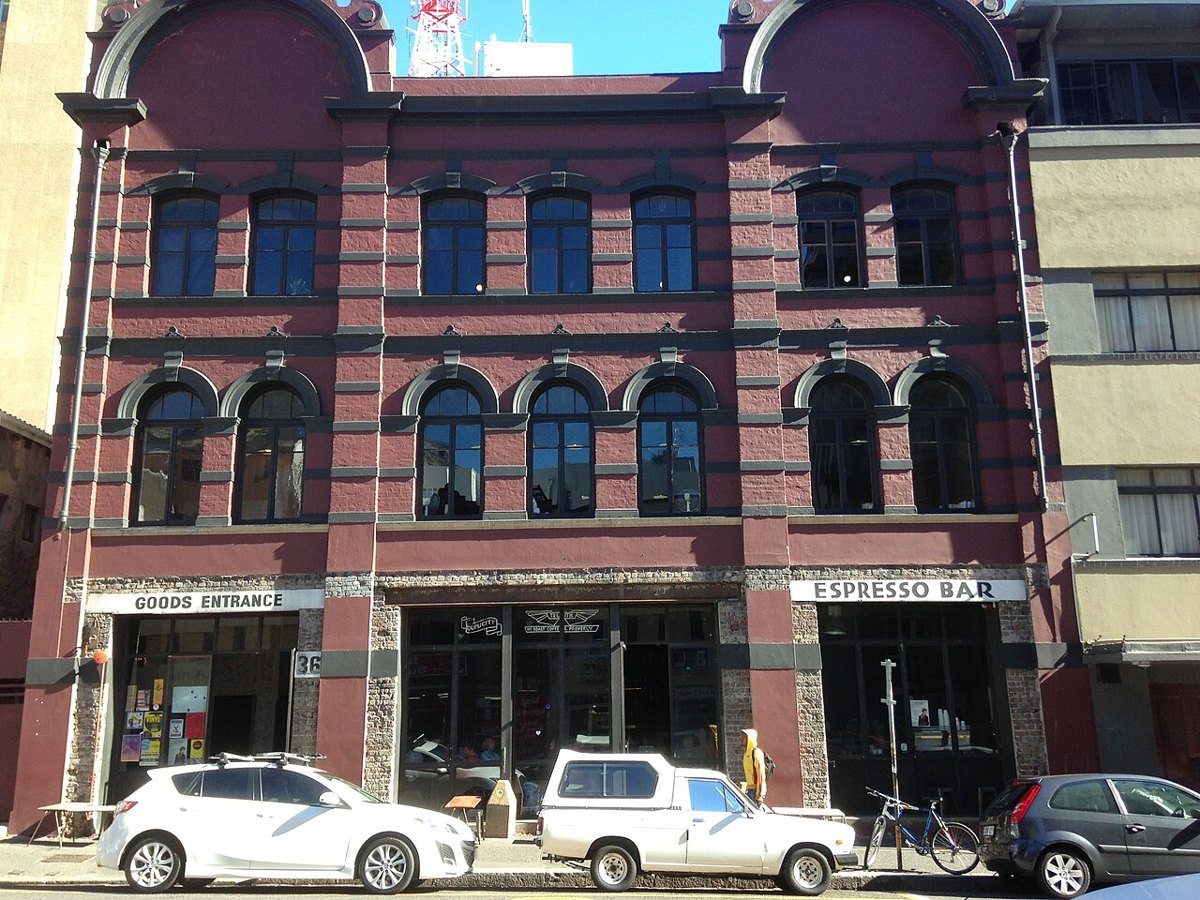
The Buitenkant Street address brings together coffee roasting and a café in one building.
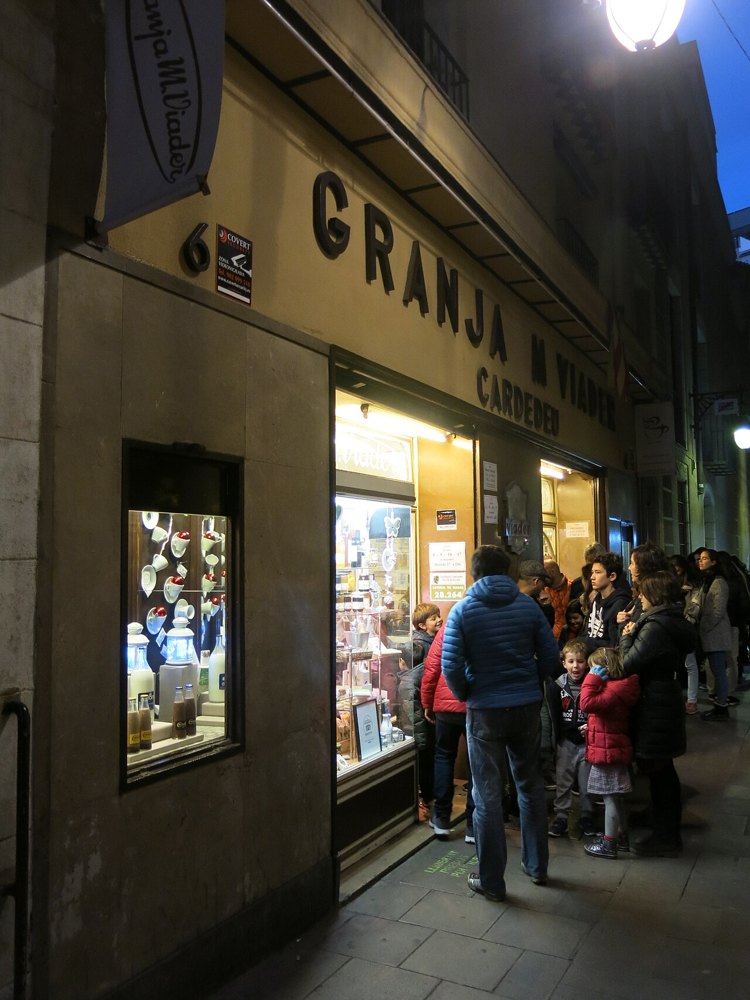
A historic Raval granja associated with dairy drinks, chocolate and breakfast culture.
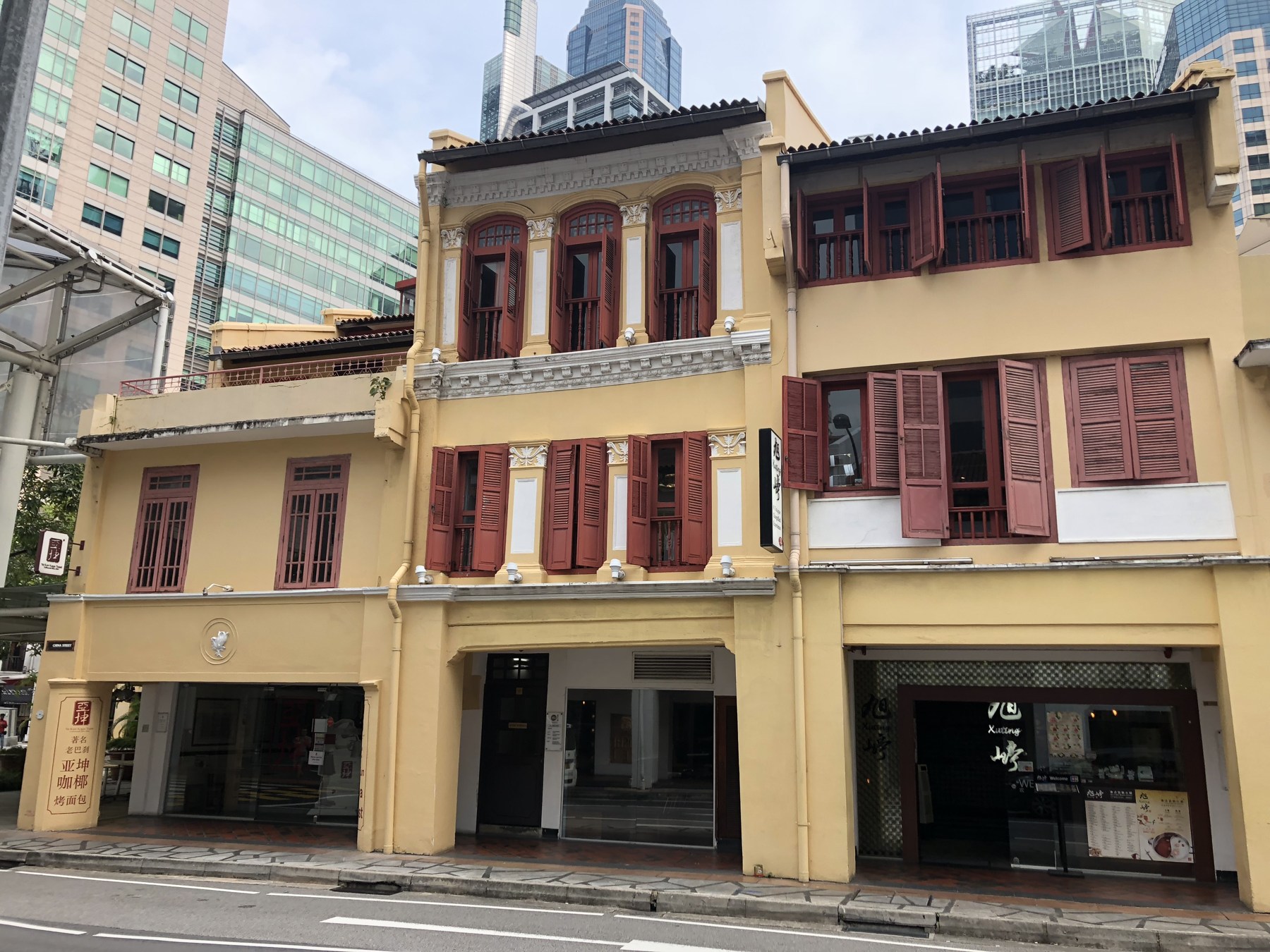
Explore kaya toast and kopi together at the Far East Square branch.
No dishes match your search.