Restaurant
2am:dessertbar
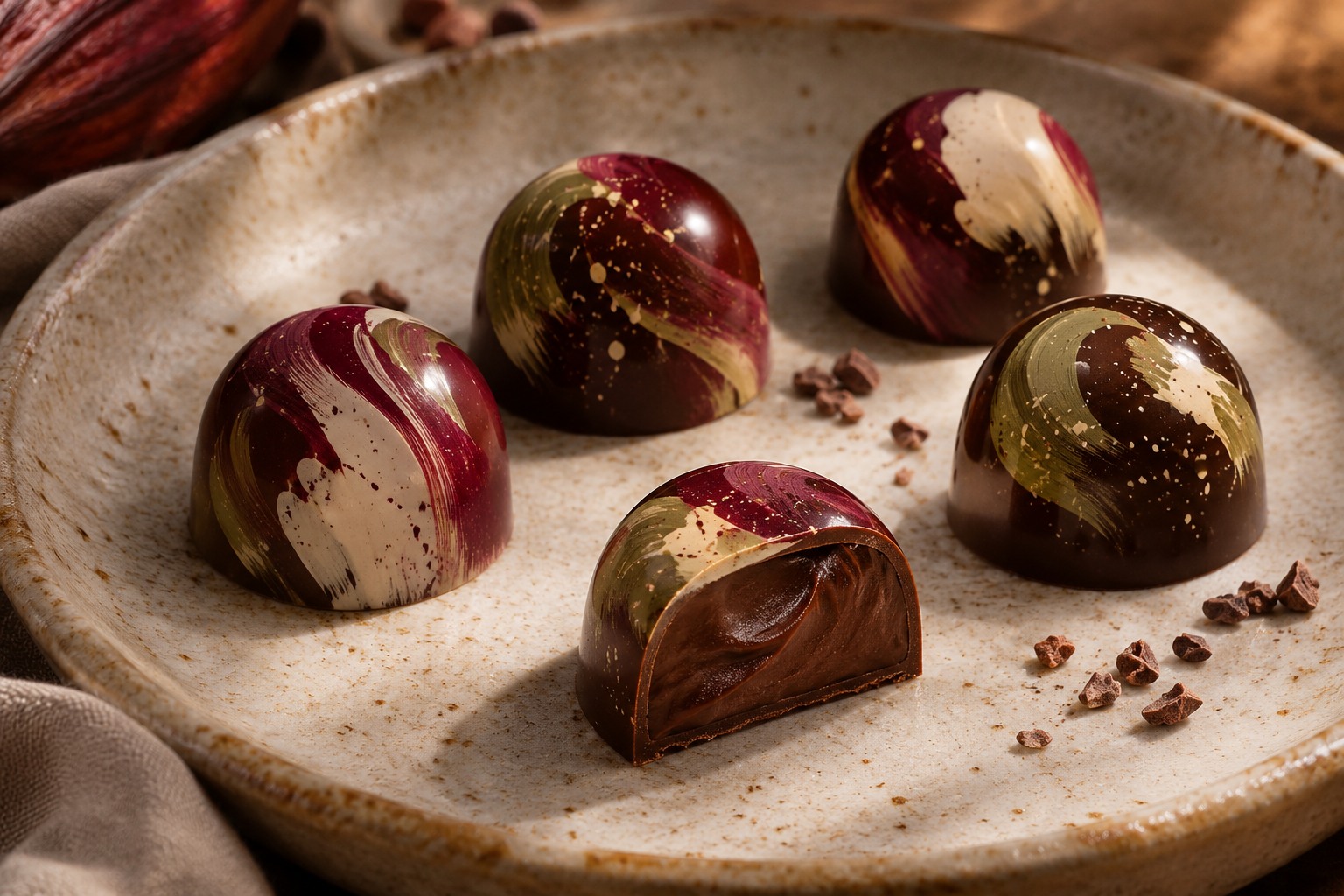
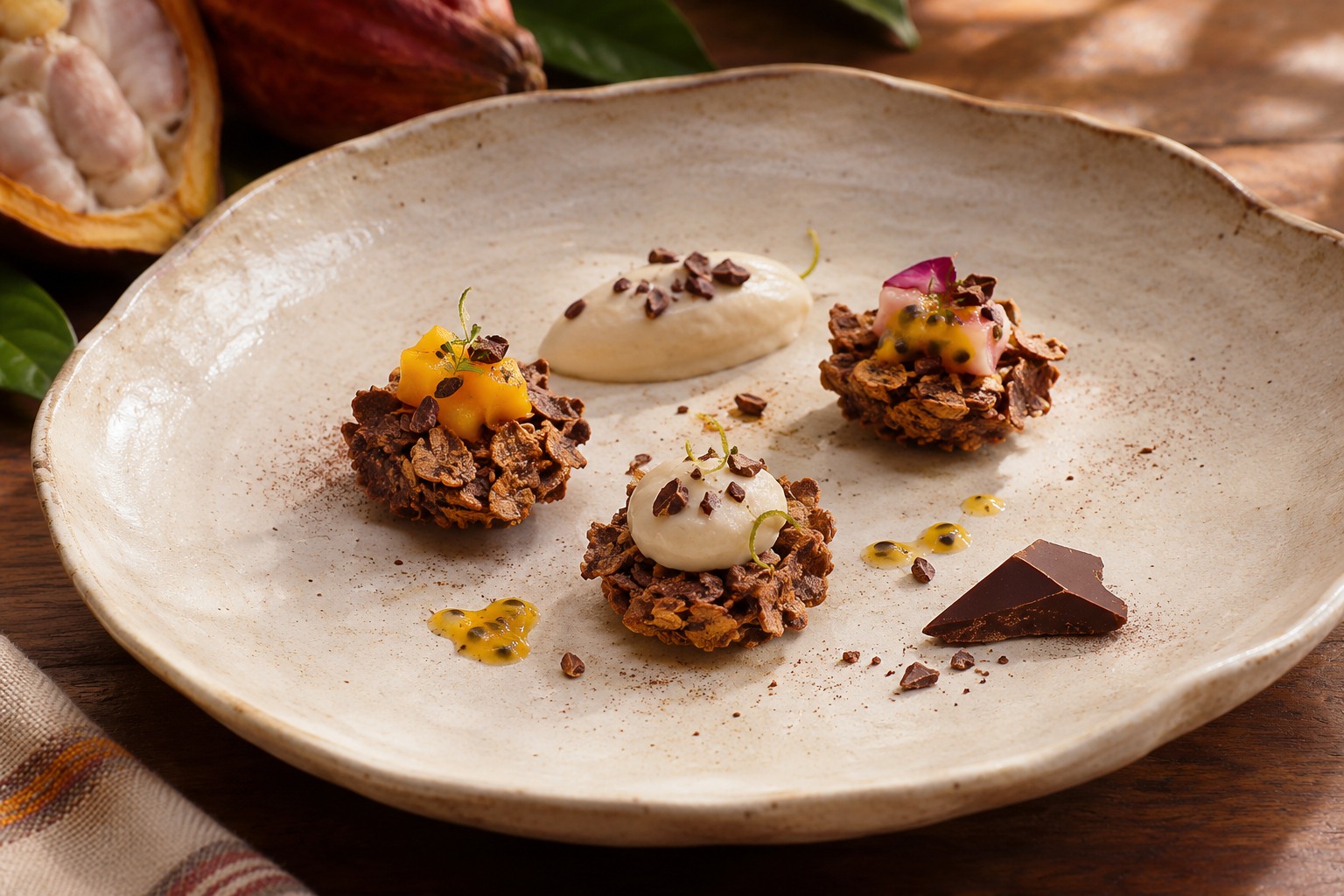
Janice Wong works between pastry, chocolate and edible art. At 2am:dessertbar in Holland Village, colour and texture become part of a dessert experience that invites curiosity.

Janice Wong works between pastry, chocolate and edible art. At 2am:dessertbar in Holland Village, colour and texture become part of a dessert experience that invites curiosity.
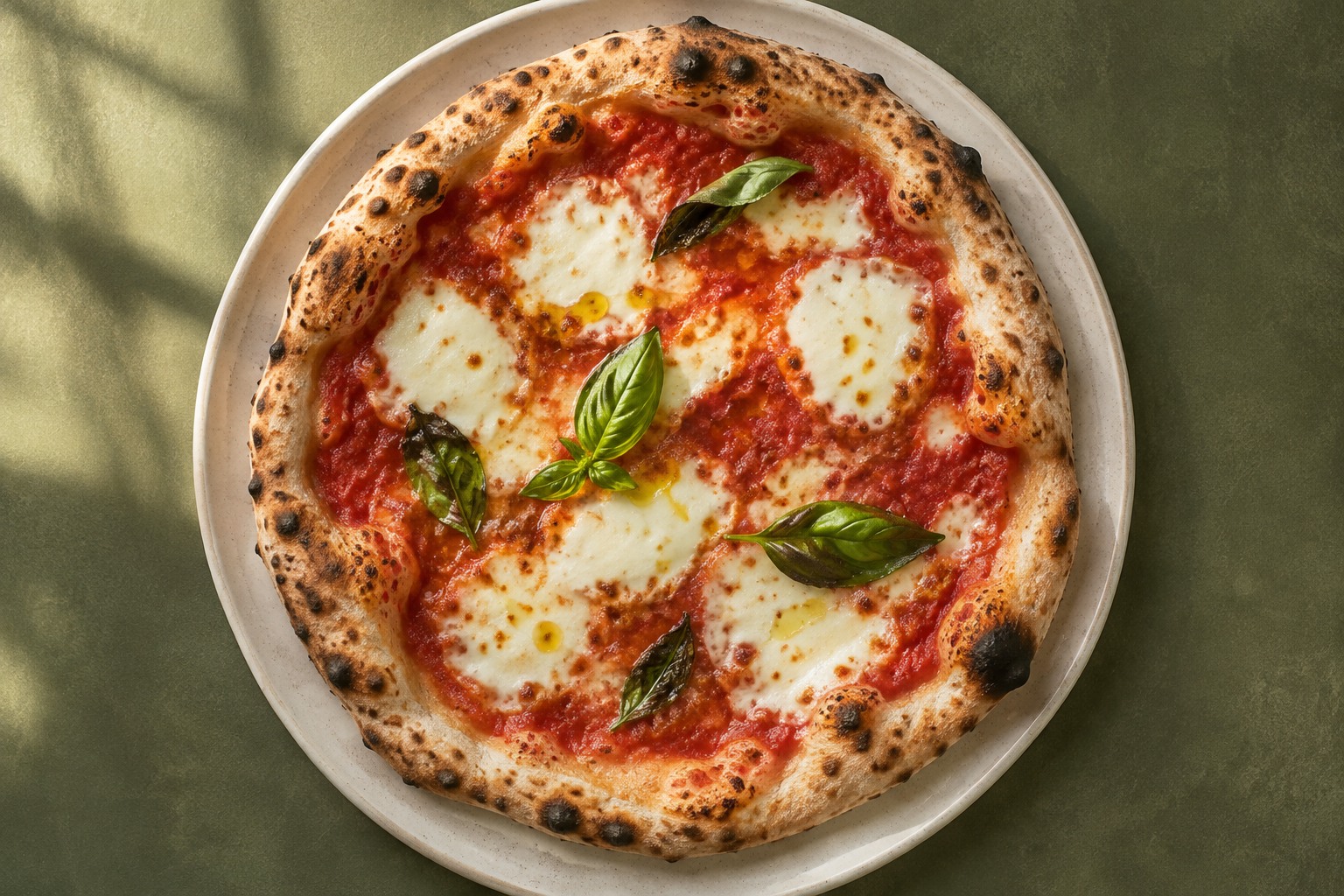
Ciro Salvo explores what a few pizza ingredients can become through patient dough work and careful sourcing. At 50 Kalò, Neapolitan tradition meets seasonal vegetables, Campanian cheeses and finishing olive oils.
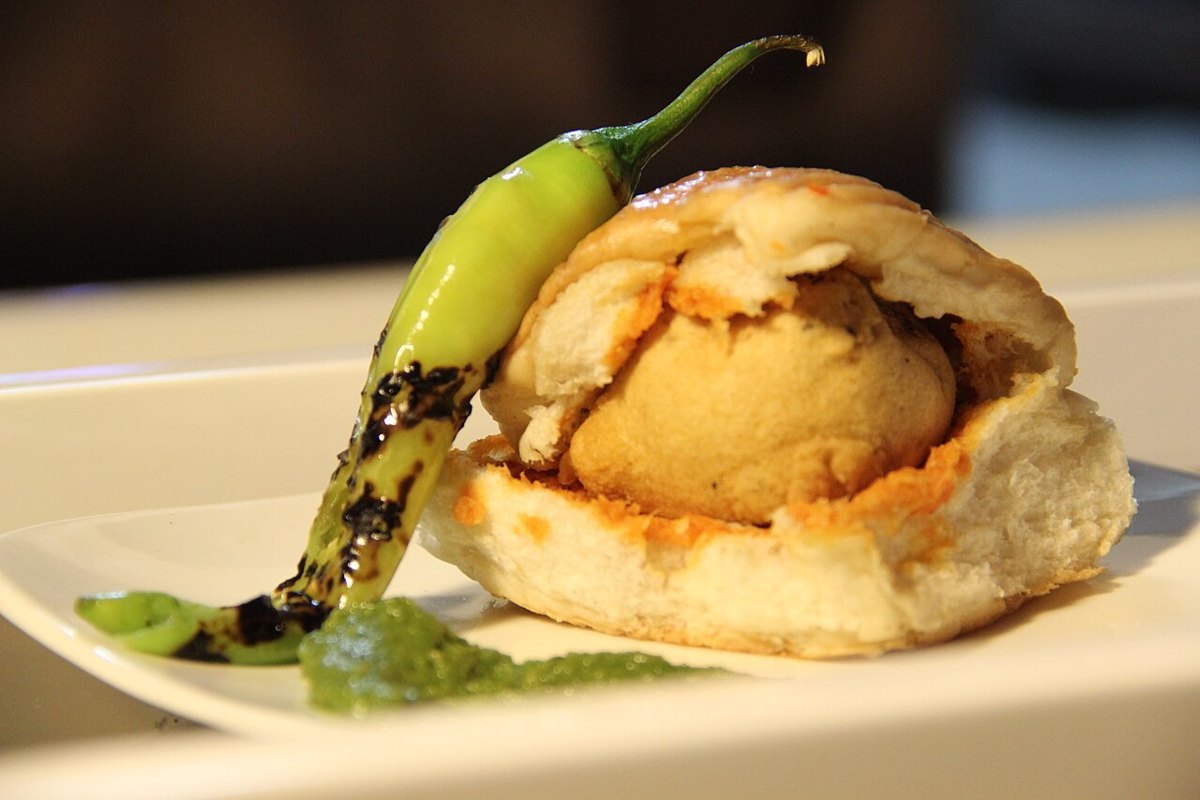
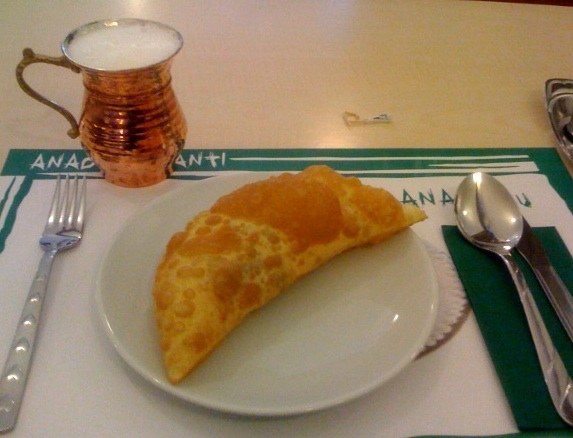
Open in the Bakırcılar bazaar since 1962, Akay connects Bursa with Crimean Tatar cooking through çibörek and boiled dumplings.
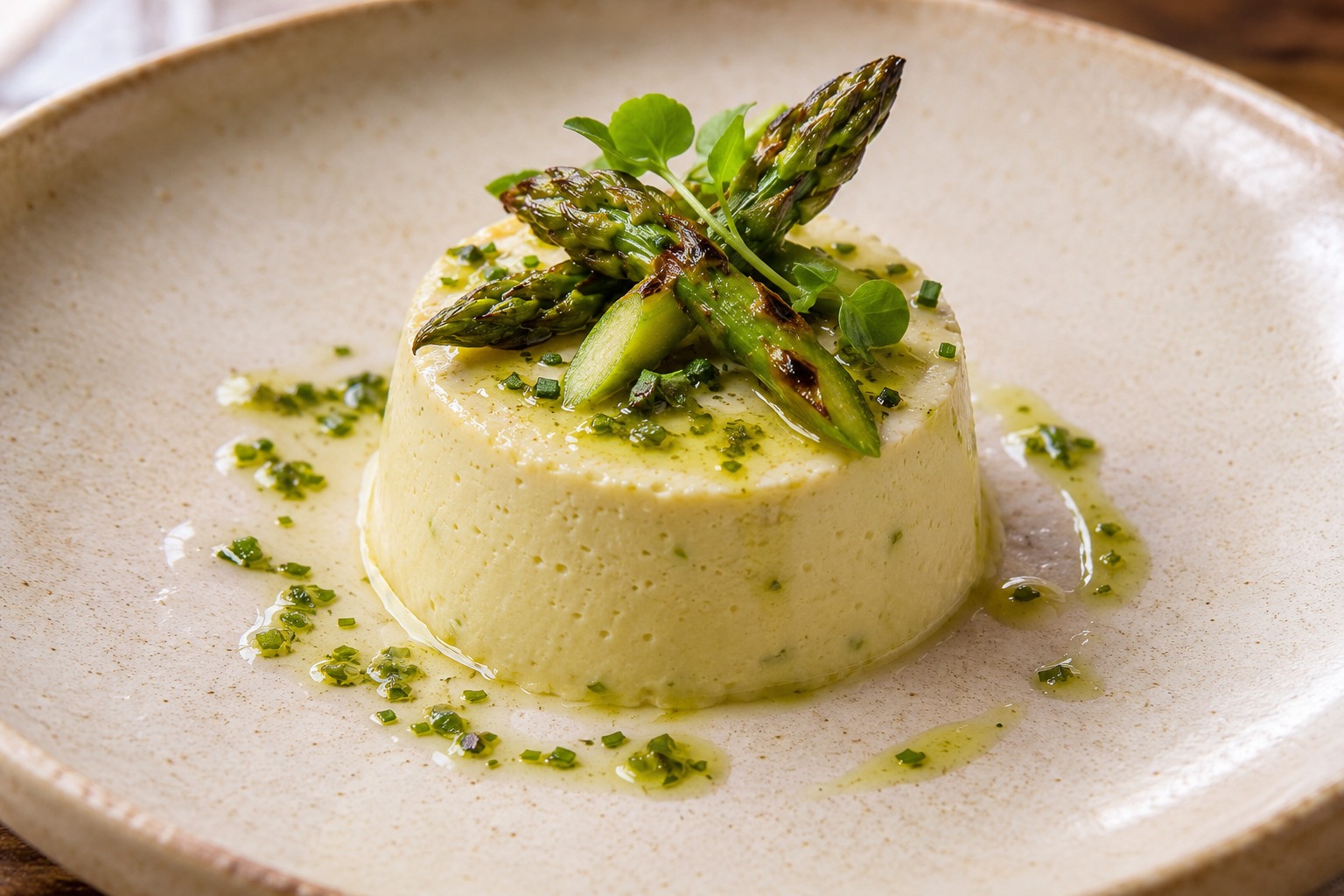
Pedro Subijana helped shape New Basque Cuisine and has spent decades developing Akelarre. Above the Bay of Biscay, ingredients, a research kitchen and the pleasure of teaching remain connected.
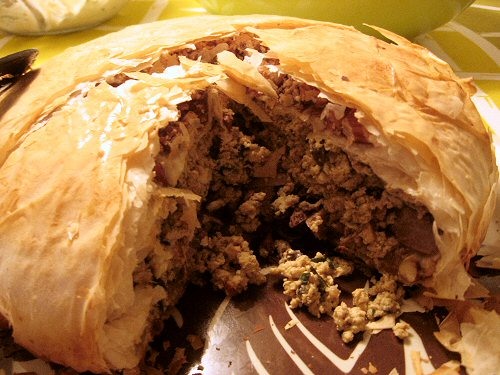
Al Fassia’s kitchen and dining room are led by women. The Guéliz restaurant’s Moroccan repertoire includes pigeon pastilla, couscous and tagines, joining crisp pastry, slowly cooked meat and fragrant grains at one table.
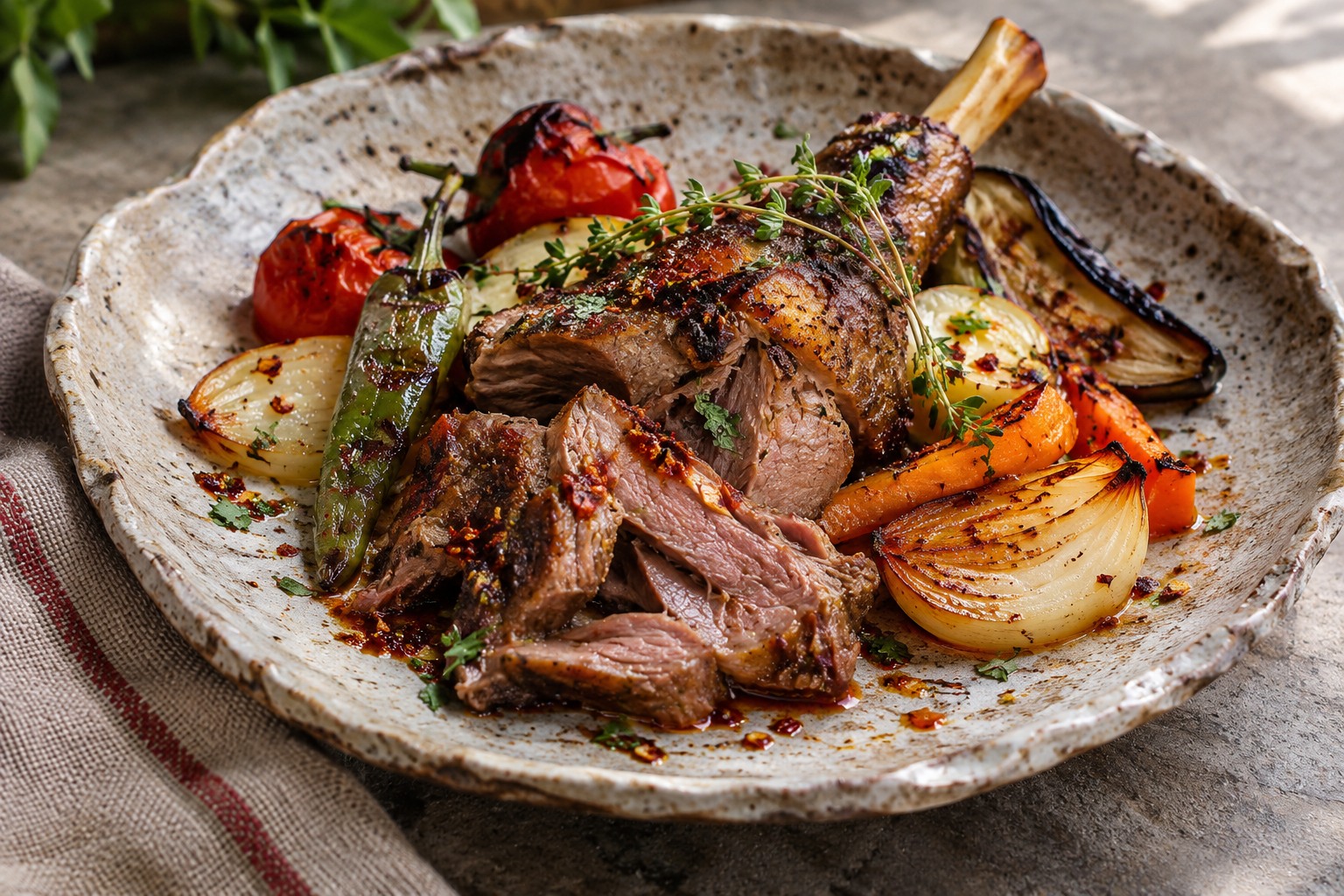
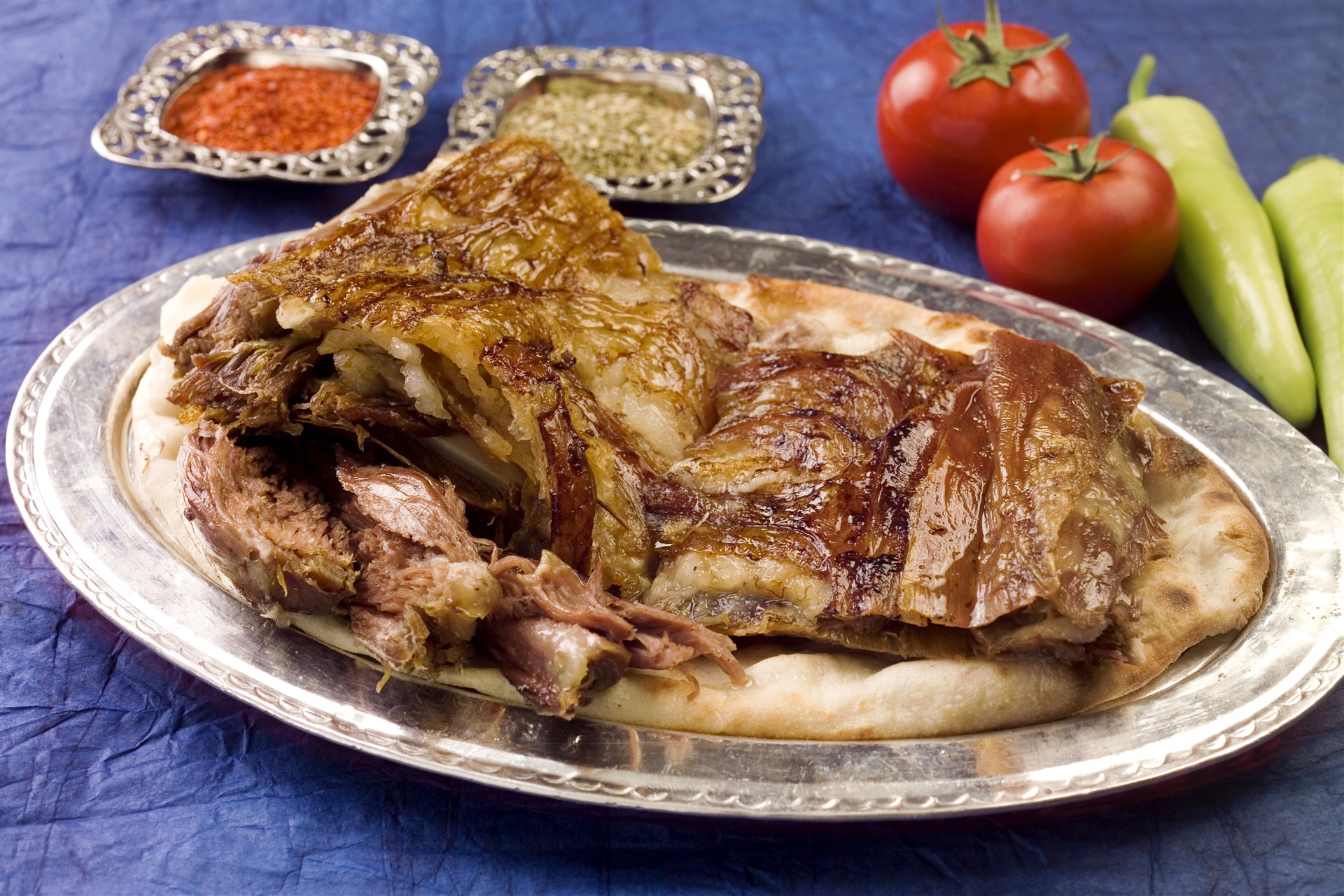
Founded by Ali İyigökler in 1974, Ali Baba centres on oven-roasted lamb served with ridged pide and raw onion.
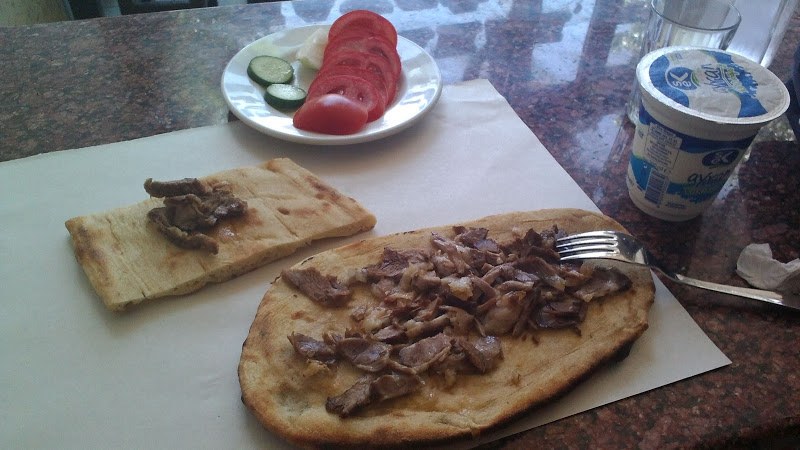
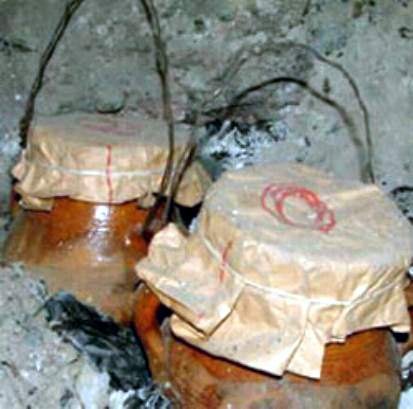
Opposite Çarşı Camii in central Siirt, Ali Büryan Salonu focuses on büryan. Meat slowly cooked in a pit oven meets warm pide bread.
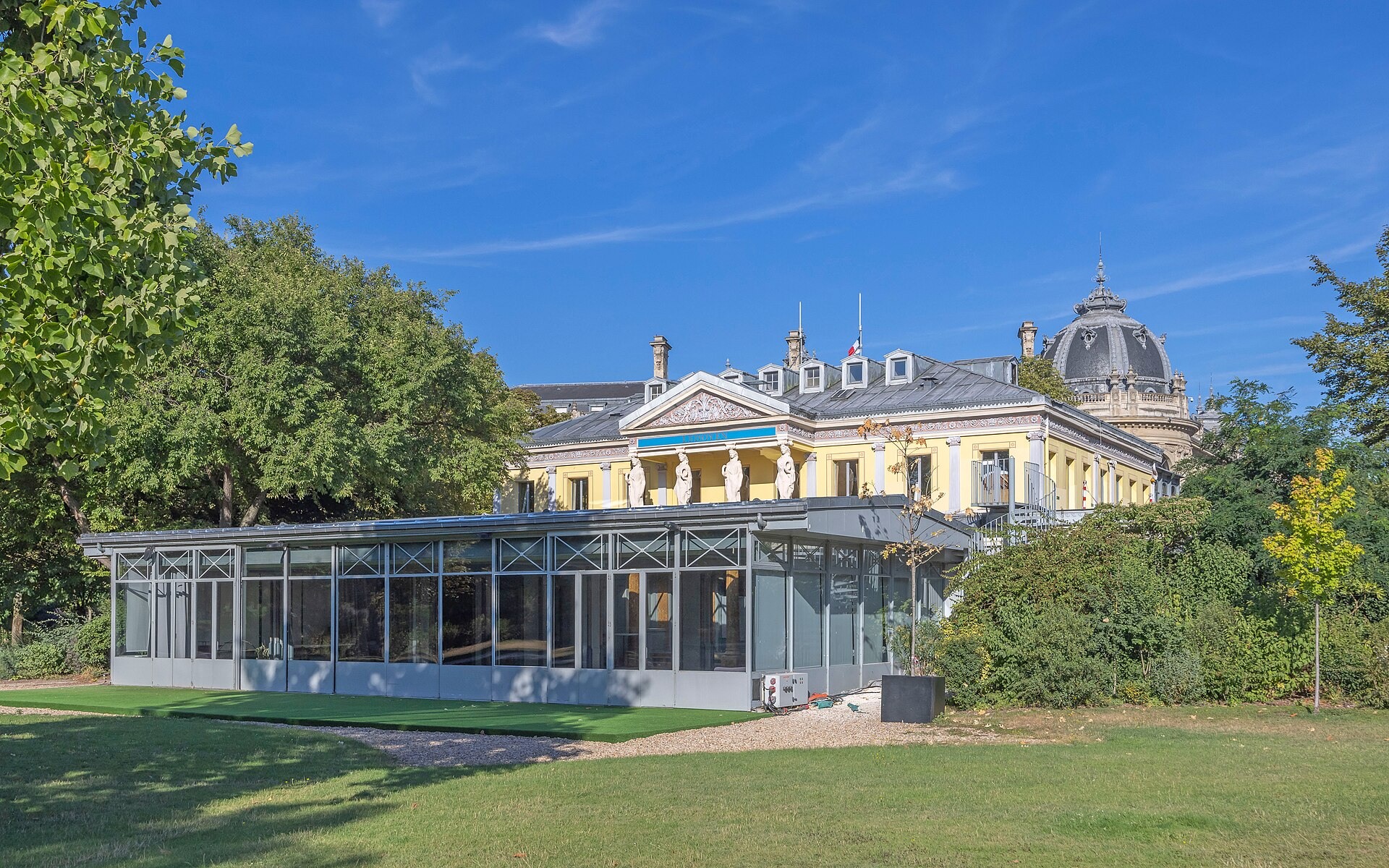
Yannick Alléno places sauces at the centre of his modern French cuisine. At Pavillon Ledoyen, his work connects classical training, research and a carefully personalised restaurant experience.
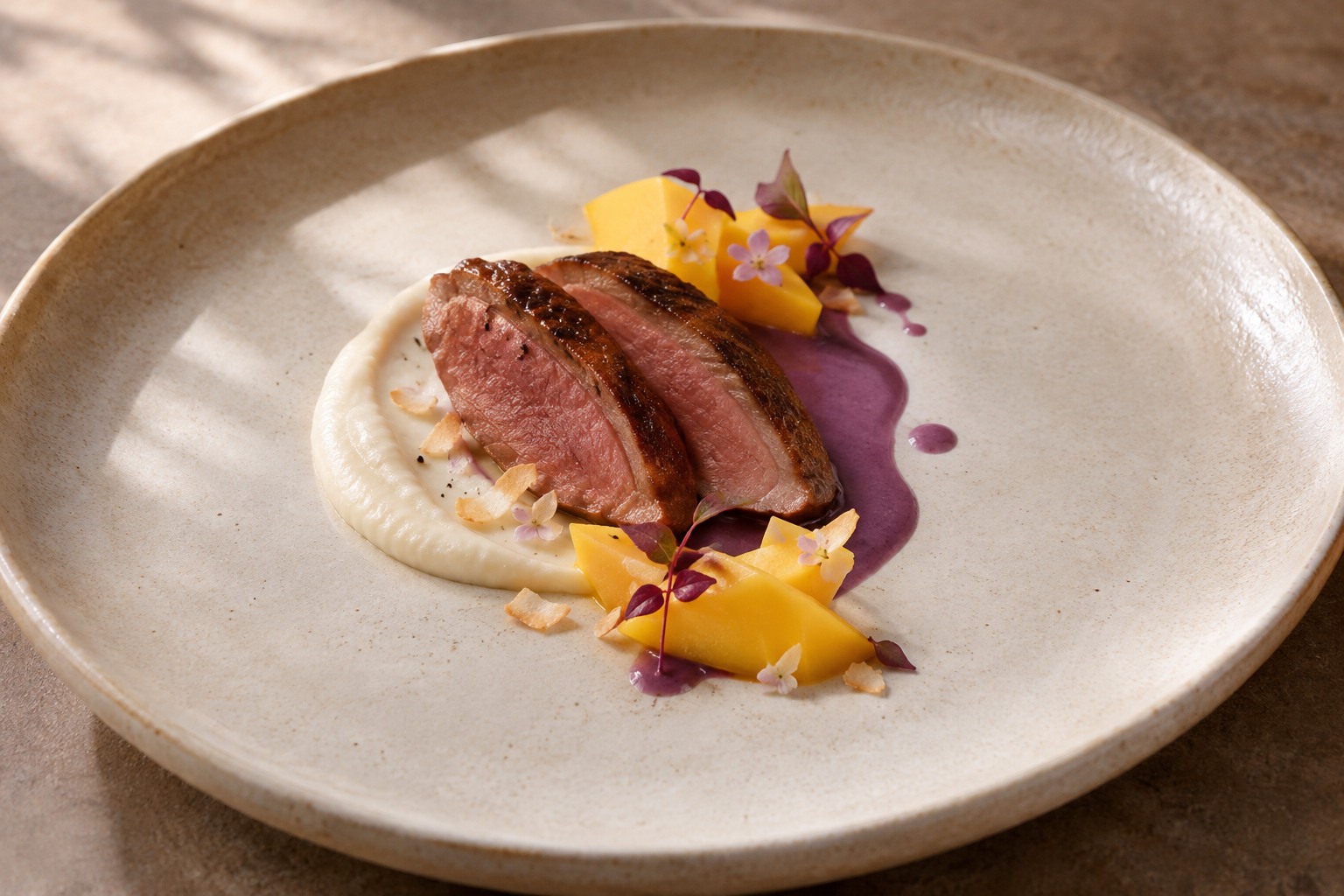
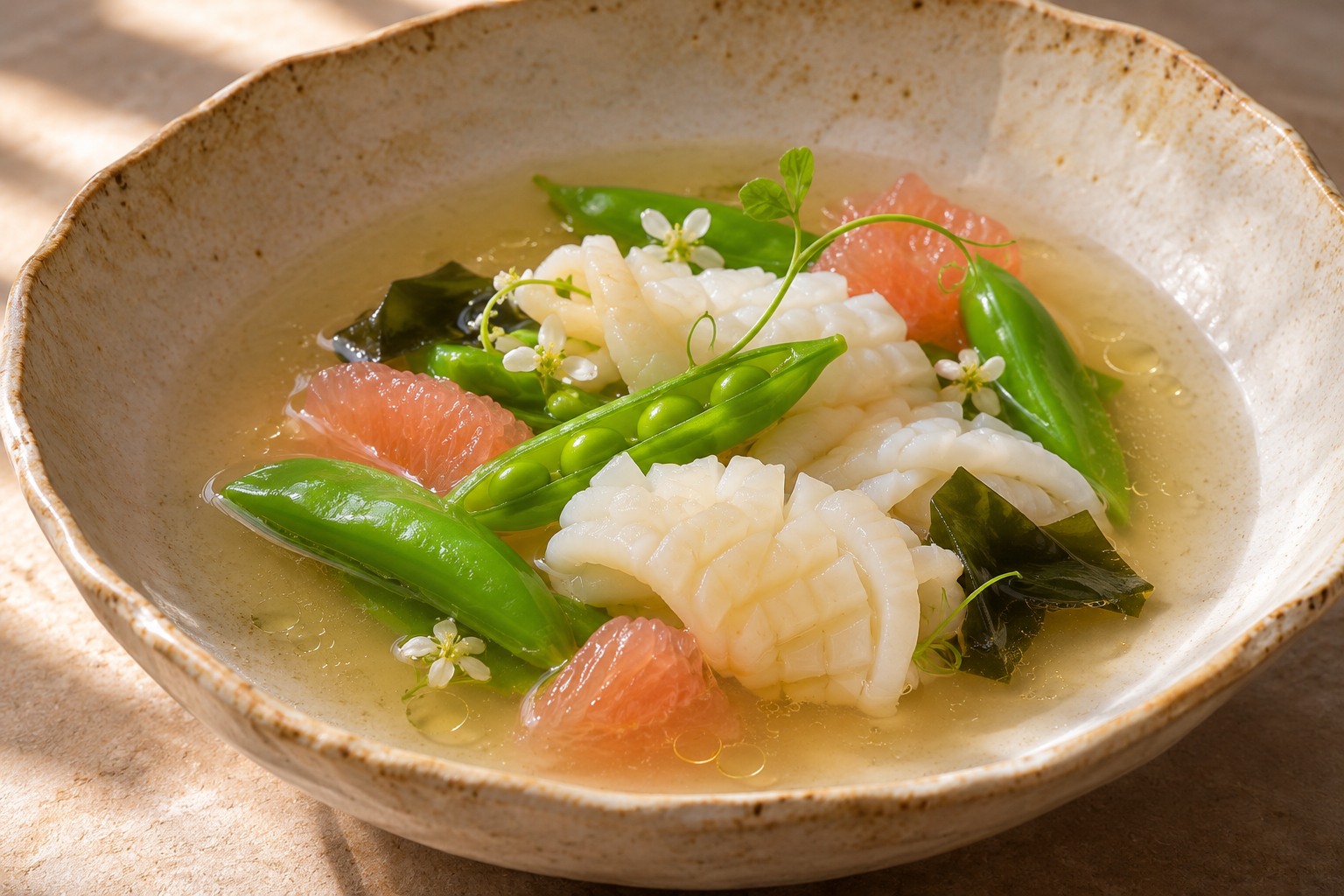
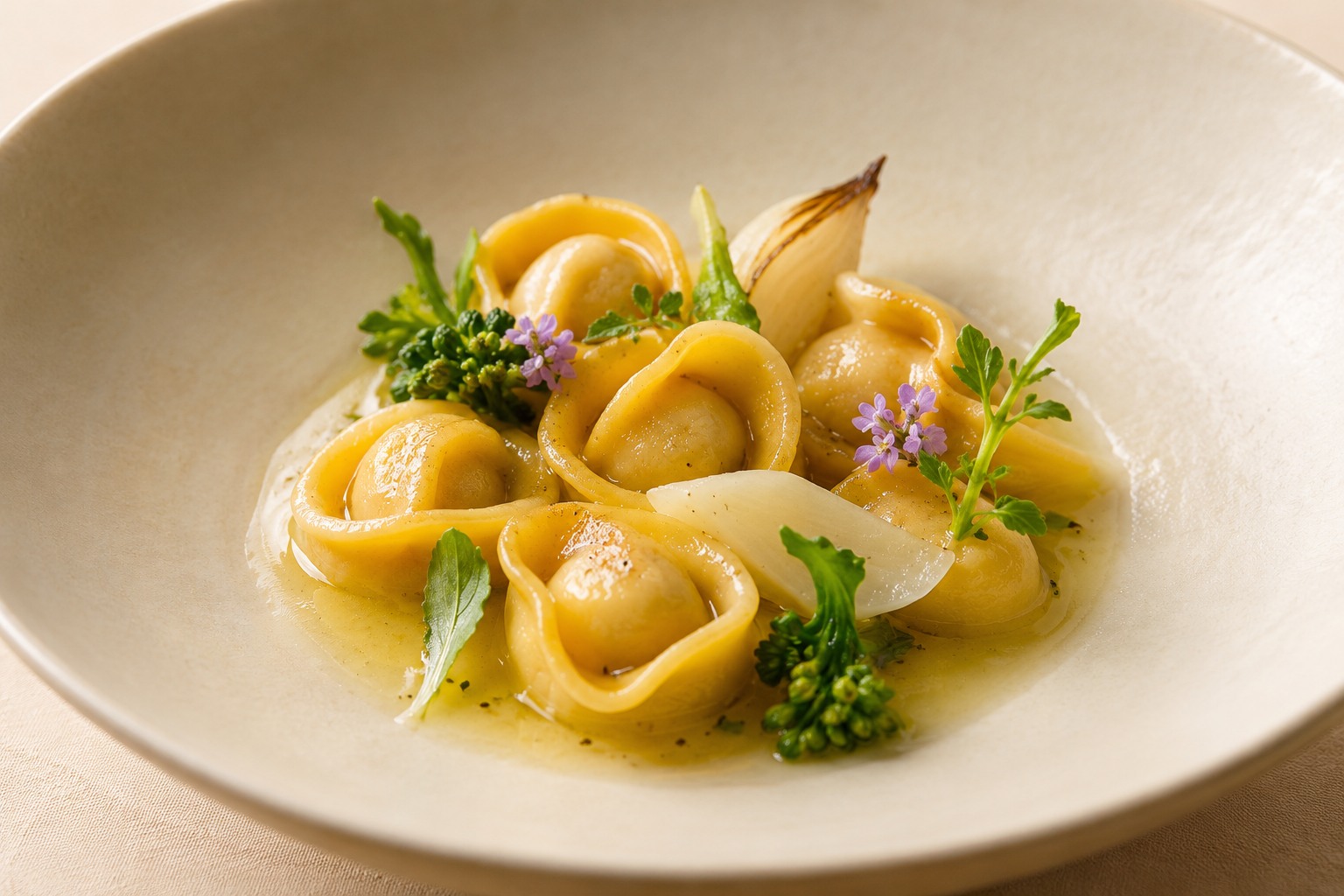
Paulo Airaudo brings Argentine experience, Italian roots and a fascination with Japanese flavours to Amelia. Its new Hotel María Cristina chapter centres on the sea and a twenty-seat open-kitchen experience.
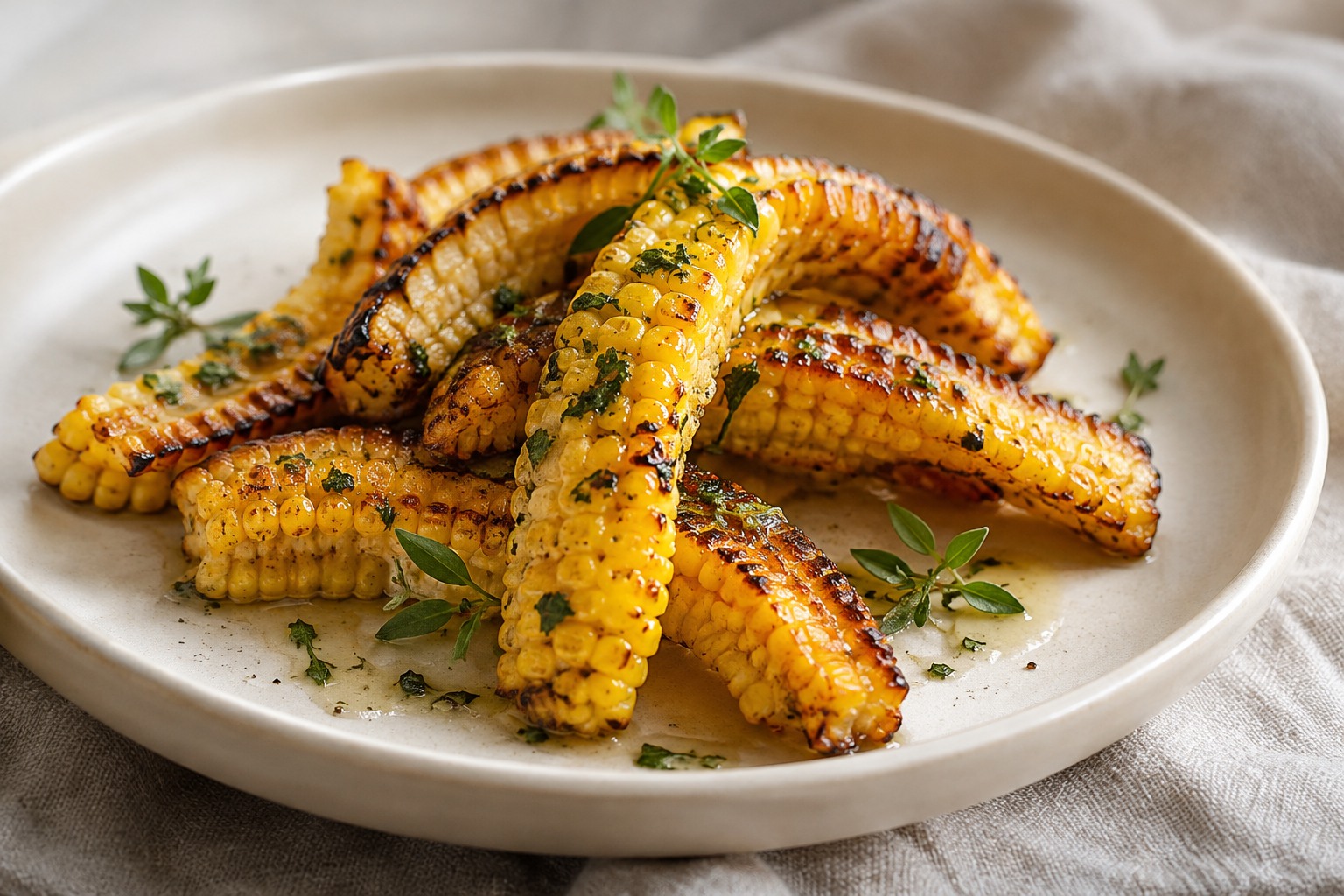
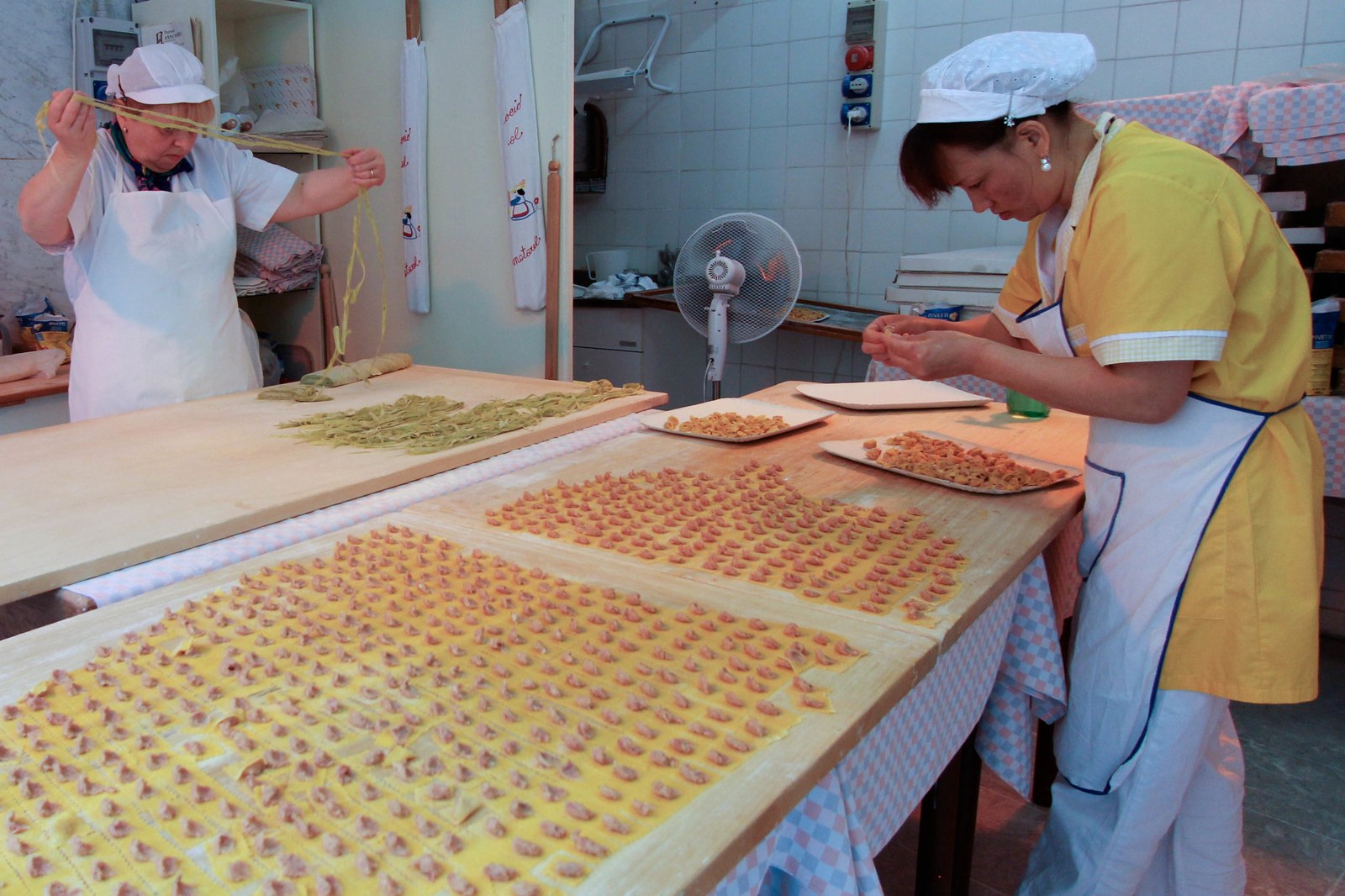
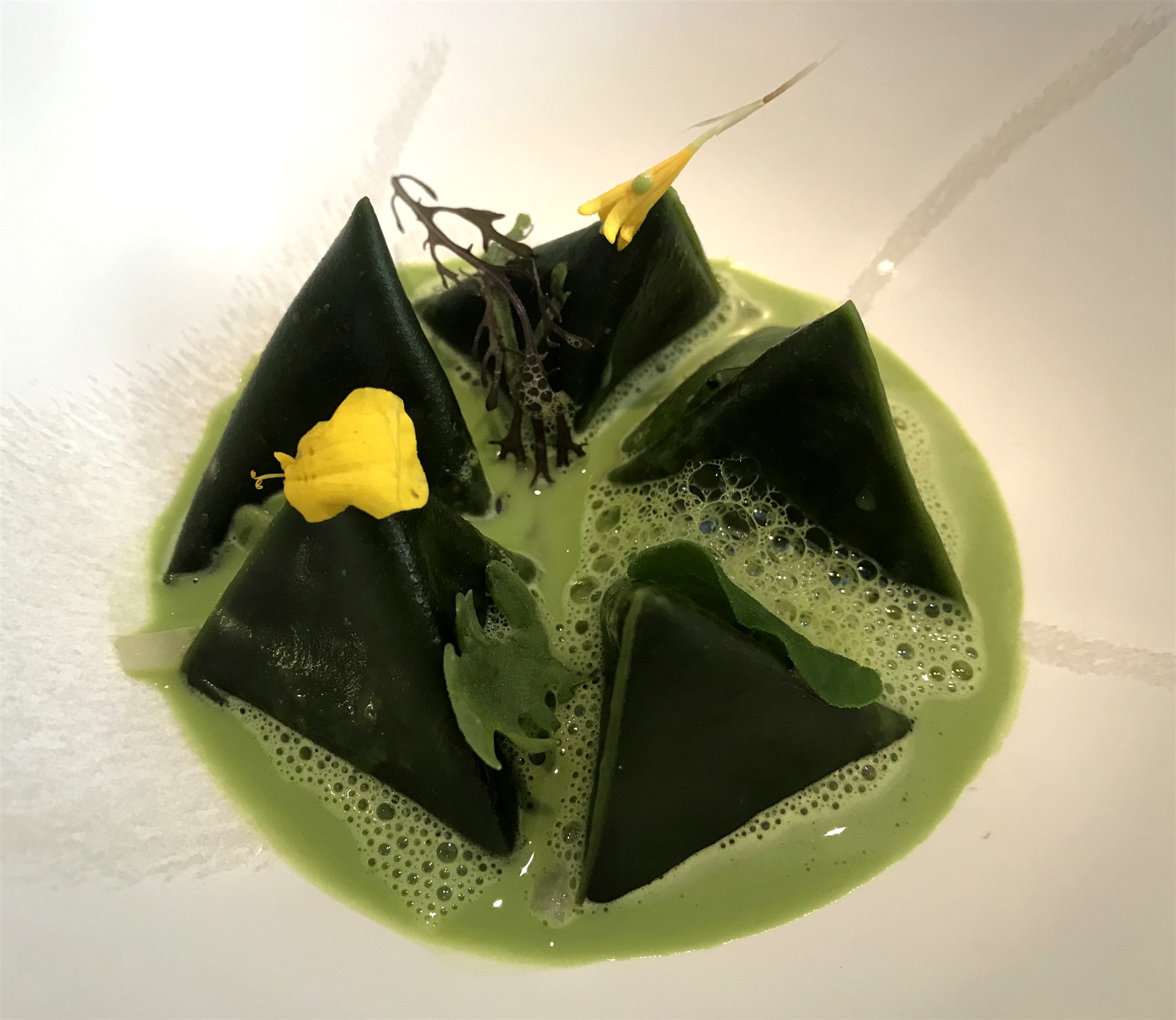
Anne-Sophie Pic explores aroma, memory and unexpected flavour combinations. Her new Paris restaurant brings that approach into conversation with contemporary art at the Fondation Cartier.
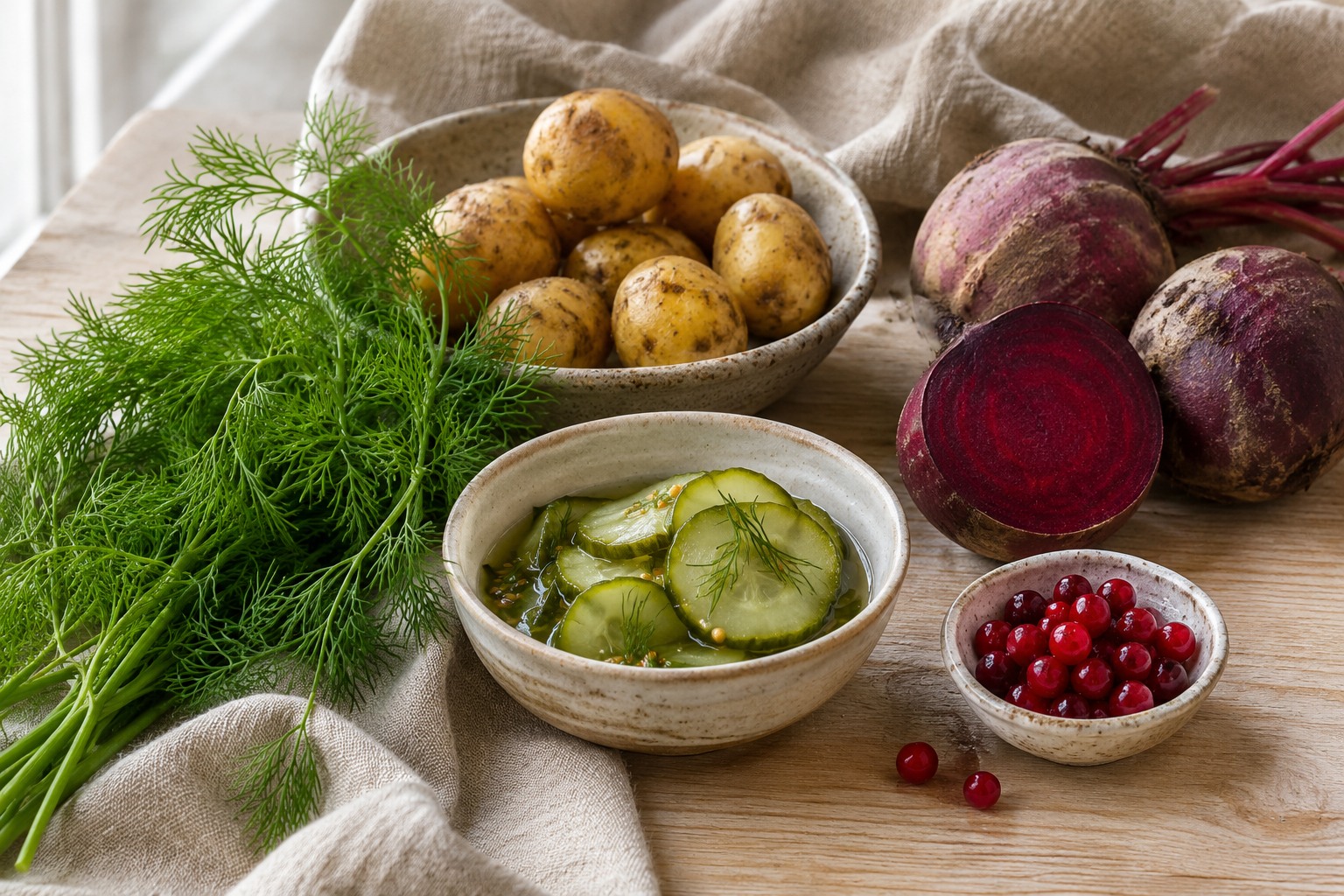
Emma Bengtsson brings a pastry chef’s precision and memories of Sweden’s west coast to Aquavit, where Nordic ingredients become both comforting dishes and intricate desserts.
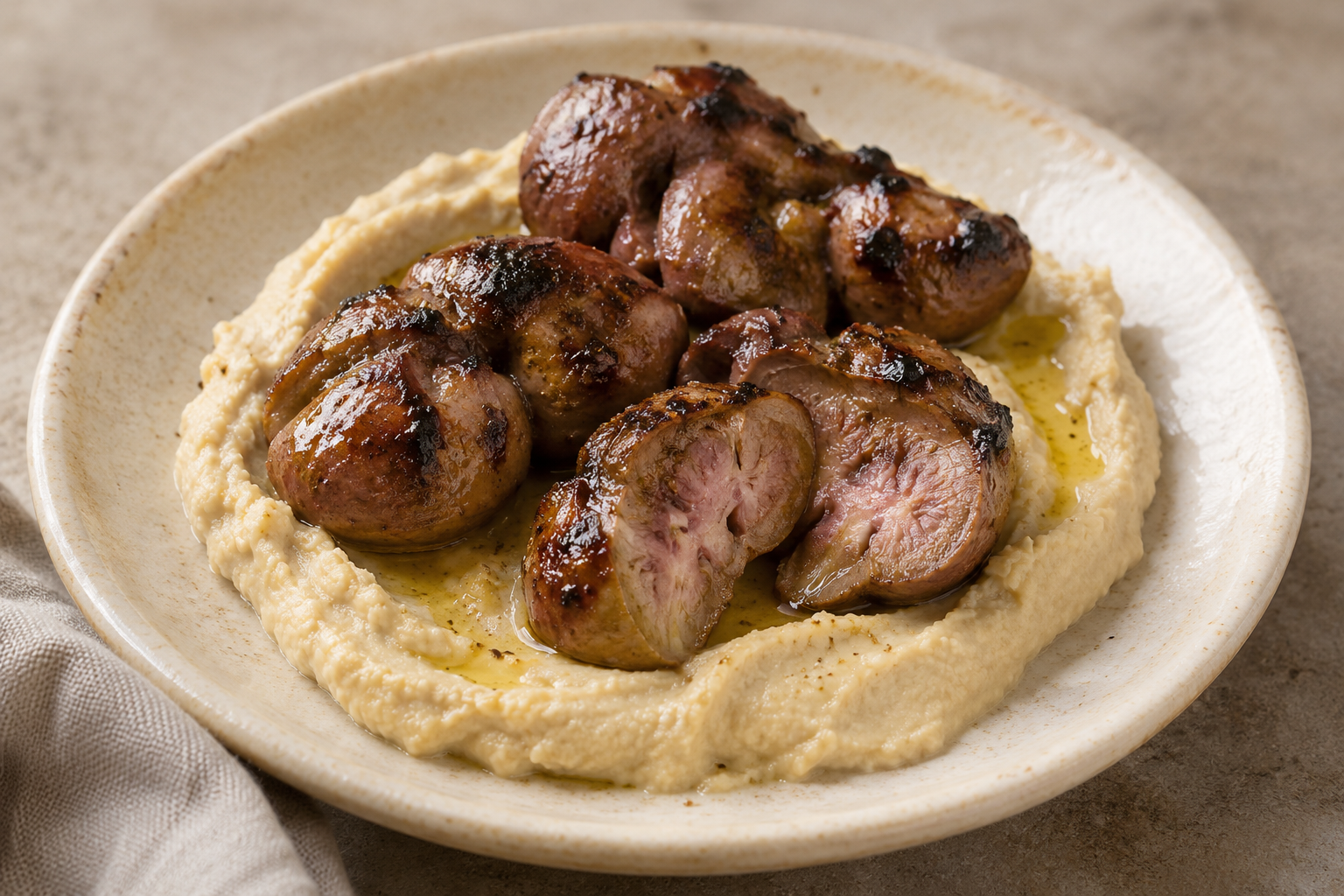
Charcoal-grilled kidneys over hummus: browned edges and a soft, creamy chickpea base. Tender lung pieces on pita, with beef jus, yogurt dressing, spices and mint.
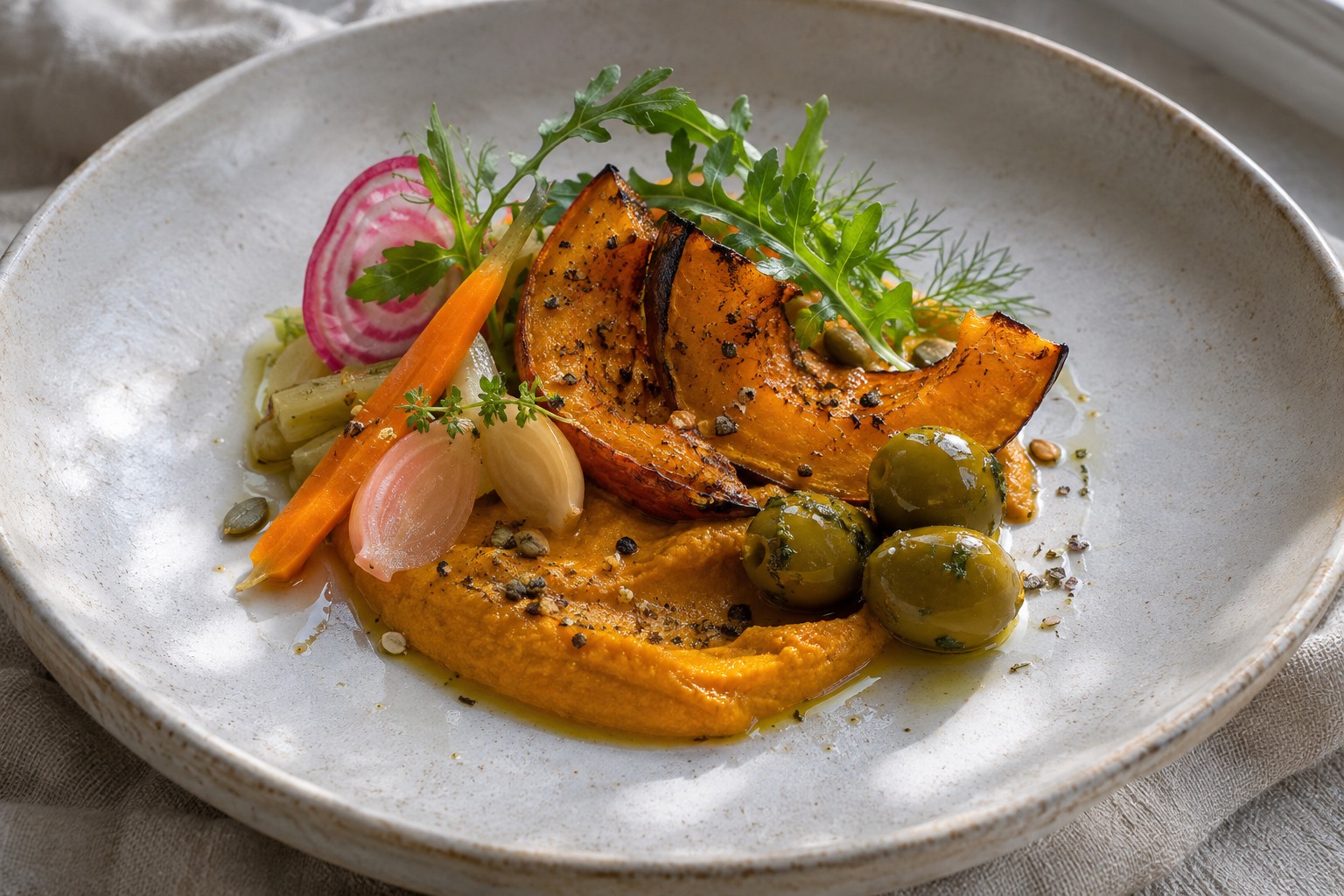
At Araka in Yeniköy, founder Zeynep Pınar Taşdemir builds a personal culinary language around vegetables, herbs and the changing seasons of the garden.
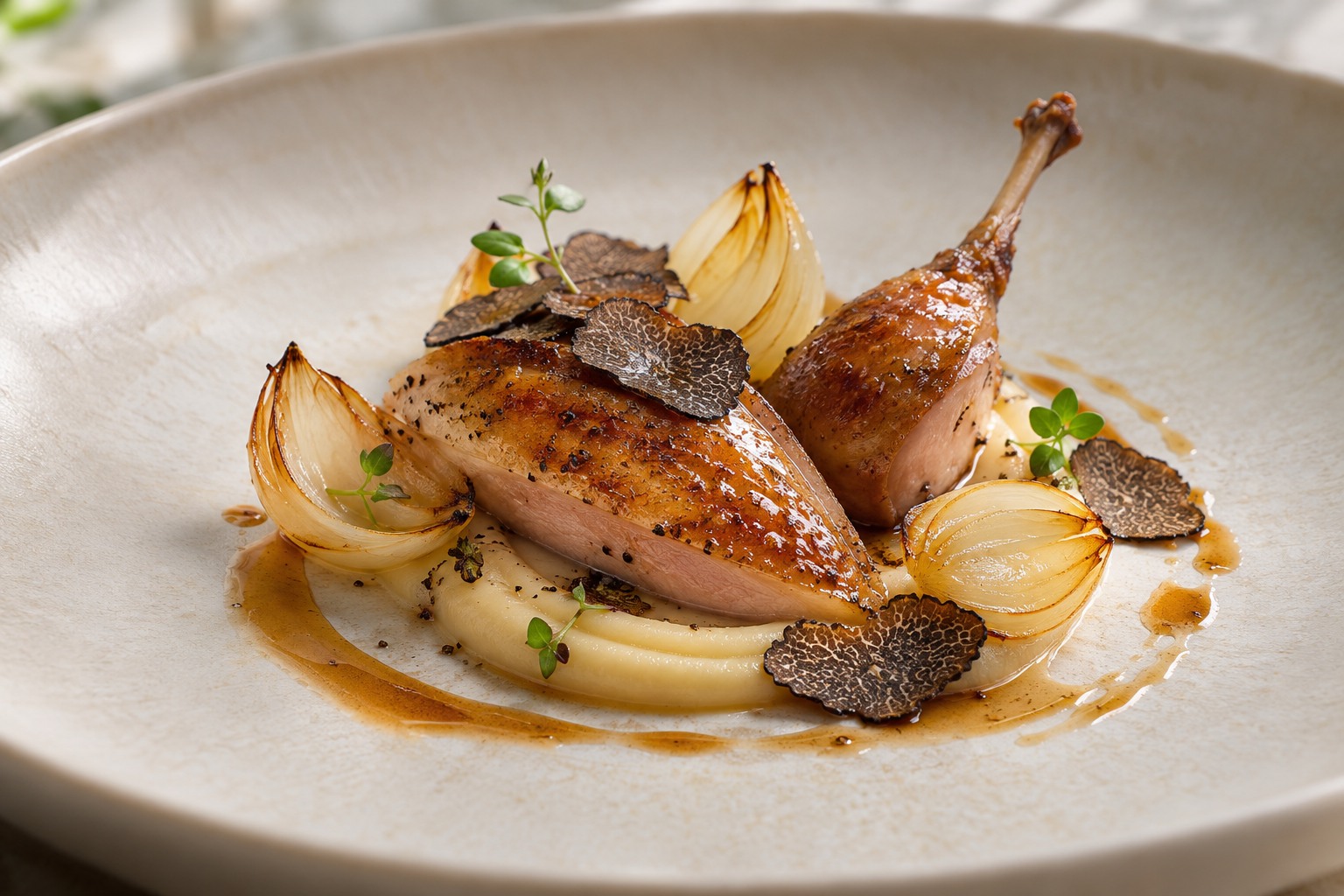
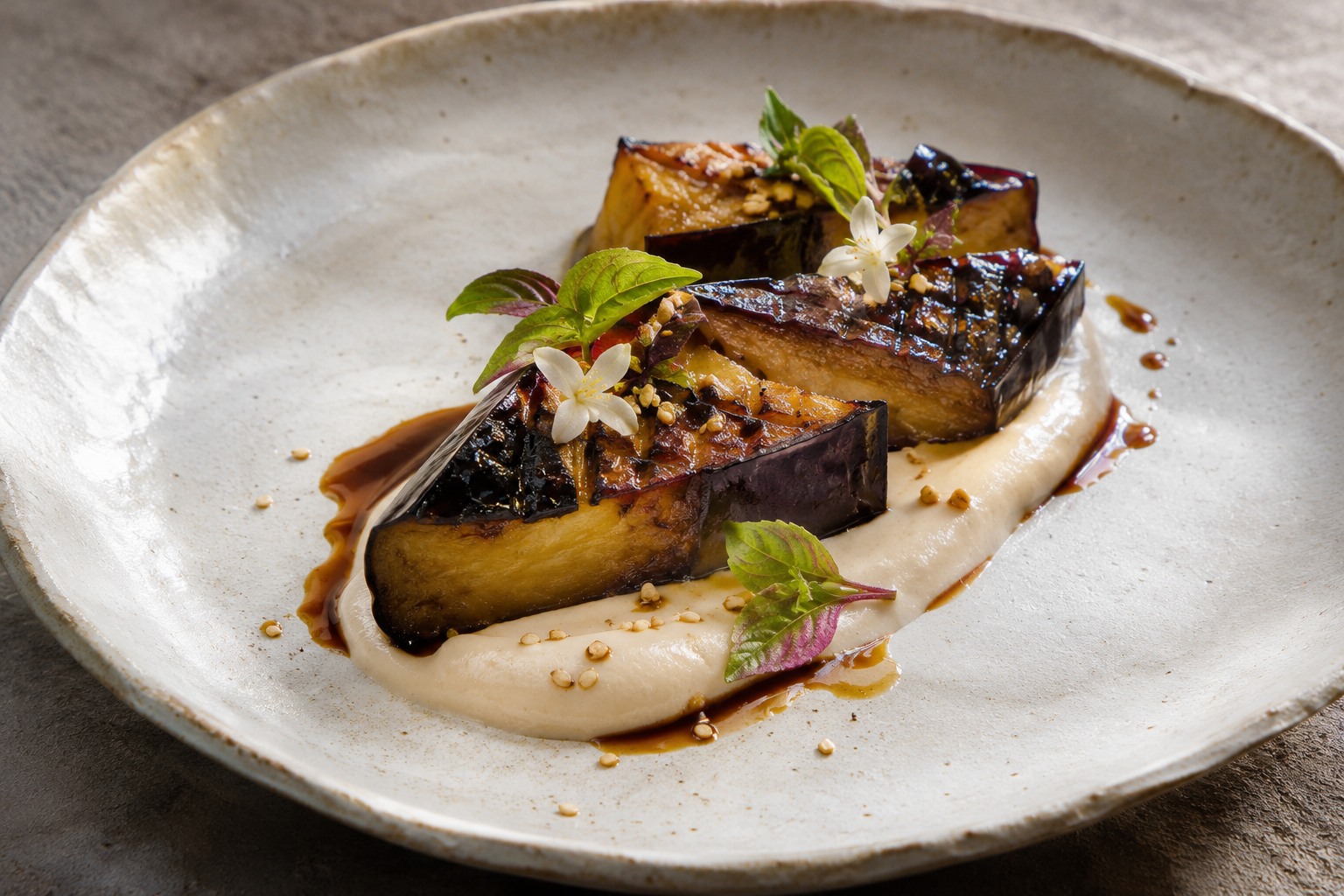
At Arkestra, chef and co-founder Cenk Debensason connects French technical training, flavours gathered abroad and Istanbul’s appetite for music.
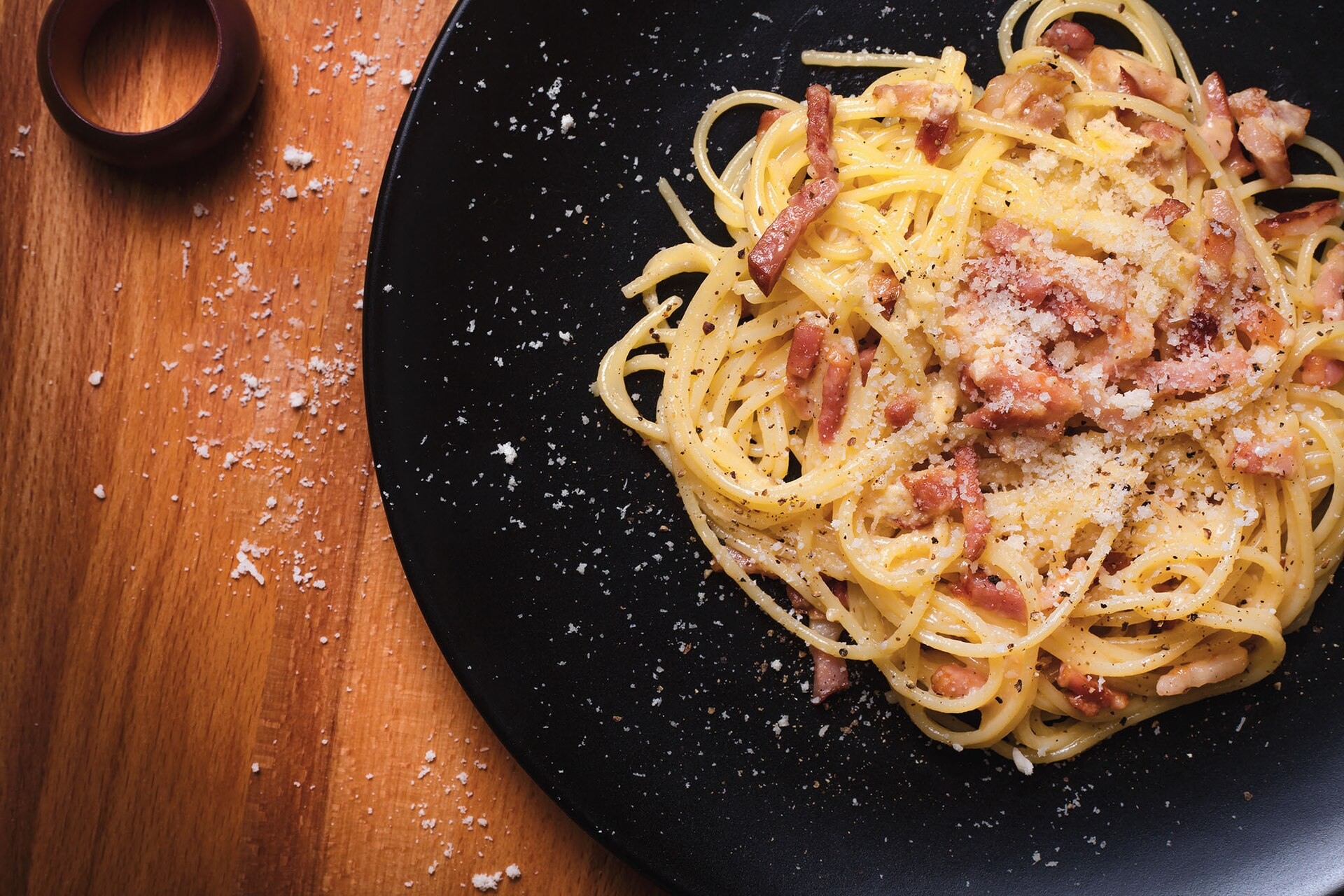
Armando Gargioli opened the restaurant beside the Pantheon in 1961. The family’s Roman cooking centres on pasta, seasonal vegetables and meat dishes; carbonara makes the relationship between egg, pecorino, cured pork and pasta water especially clear.
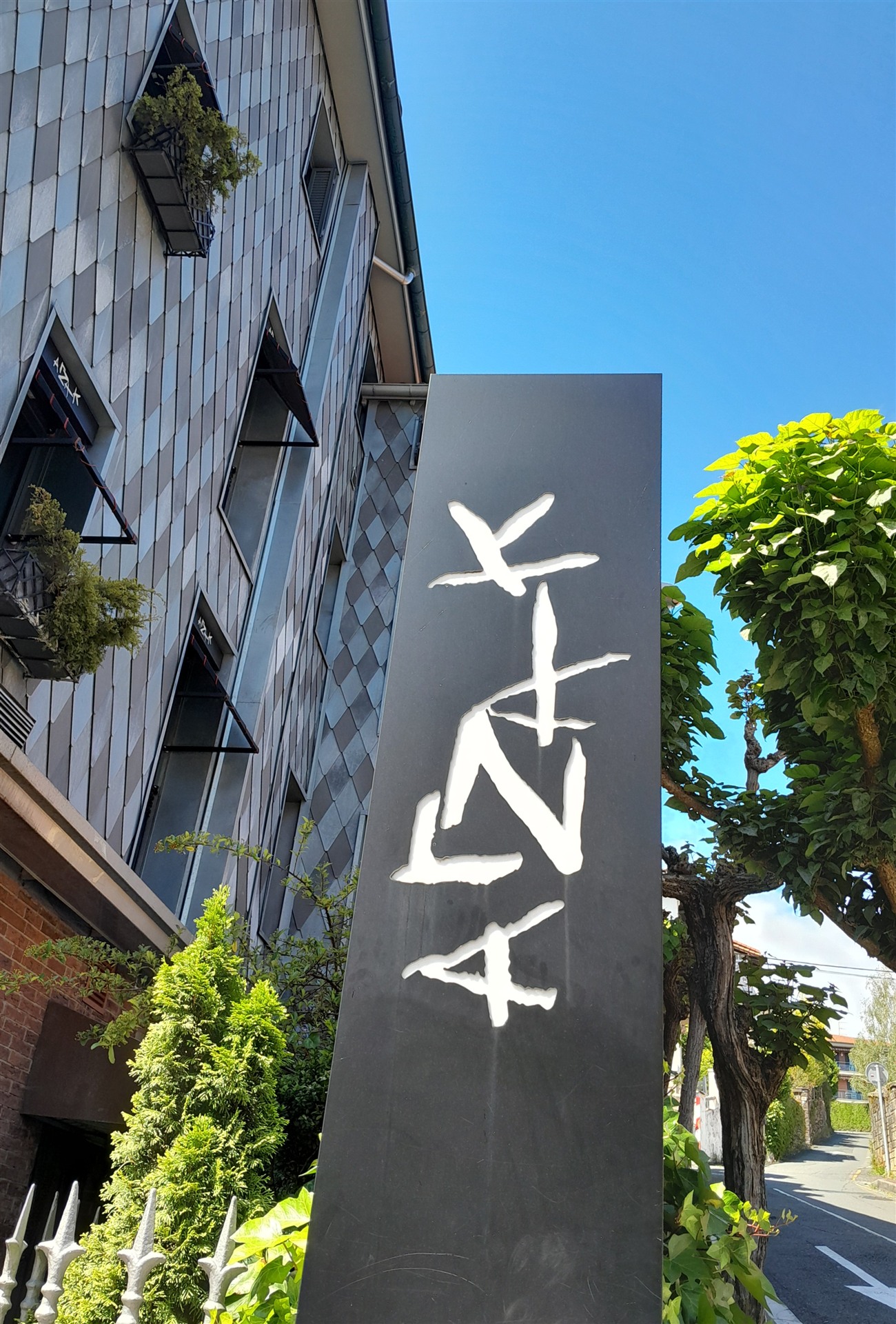
Elena Arzak brings a fourth generation of family cooking into conversation with an adventurous flavour laboratory. Basque memories, teamwork and playful textures meet at Arzak in San Sebastián.
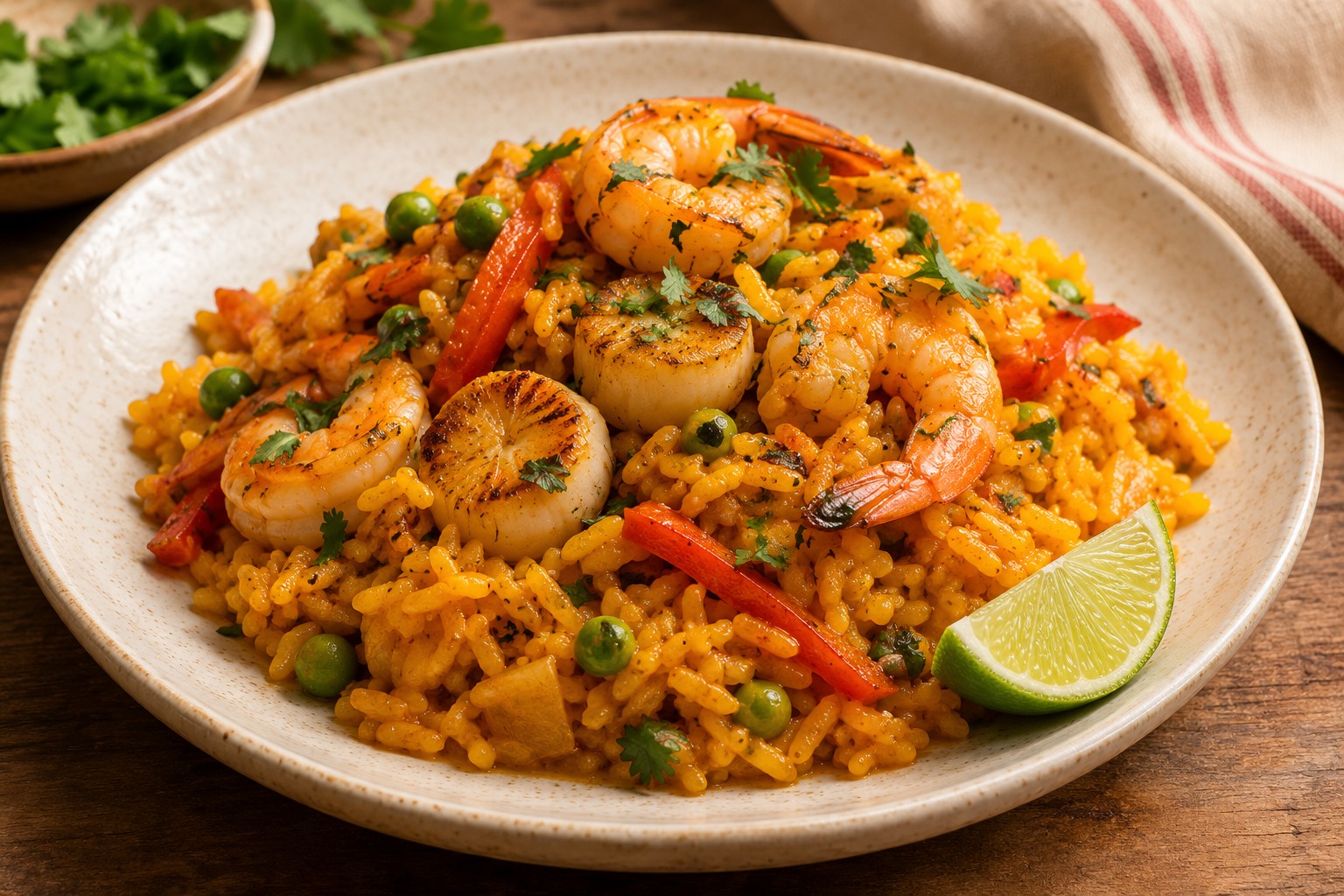
Gastón Acurio helped bring Peruvian cooking to a wider world. Astrid & Gastón, founded with Astrid Gutsche, connects that story with a contemporary meal at Casa Hacienda Moreyra.
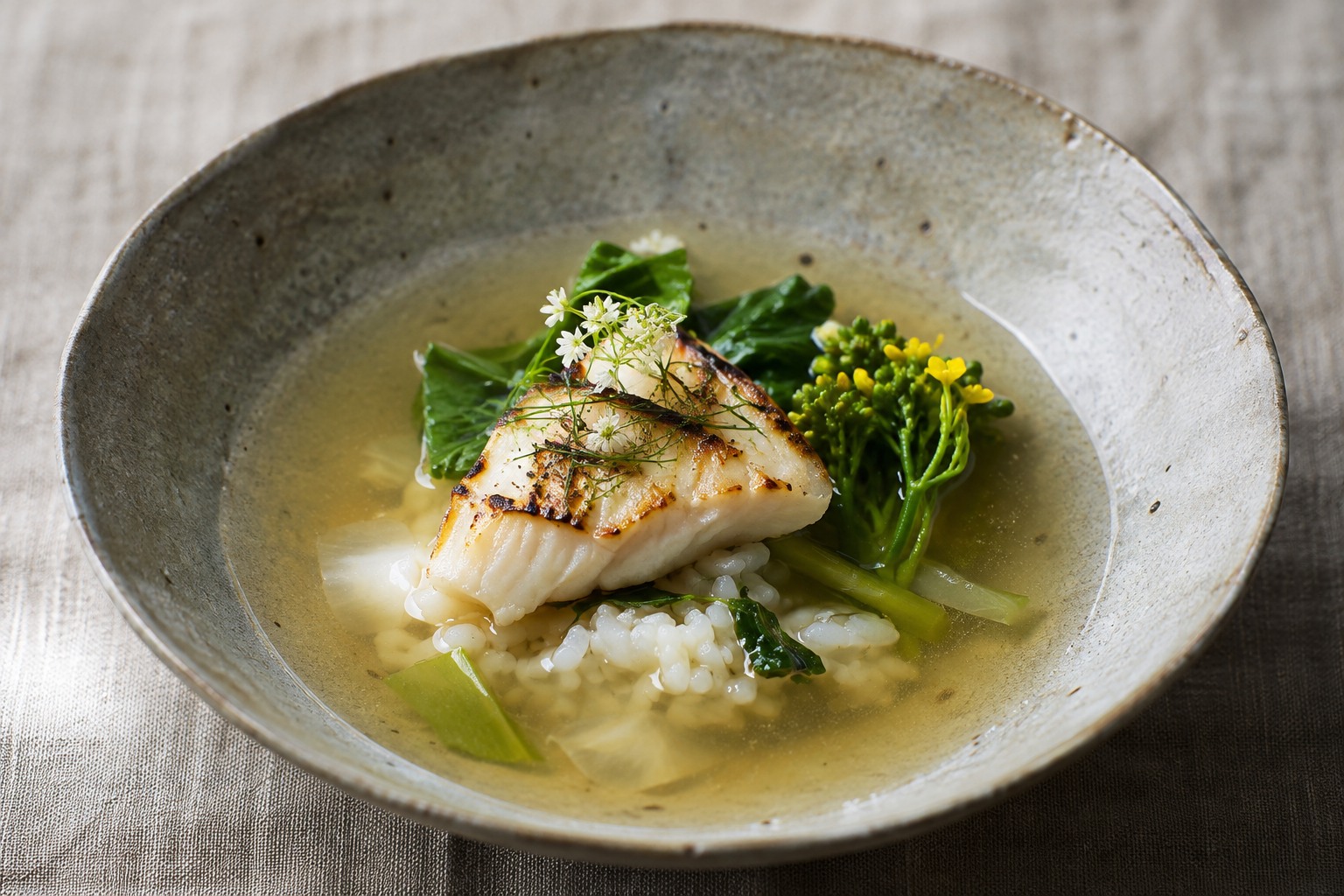
Junghyun ‘JP’ Park and Ellia Park use New York as a setting for contemporary Korean food at Atomix, where a tasting menu opens a conversation about ingredients, craft and hospitality.
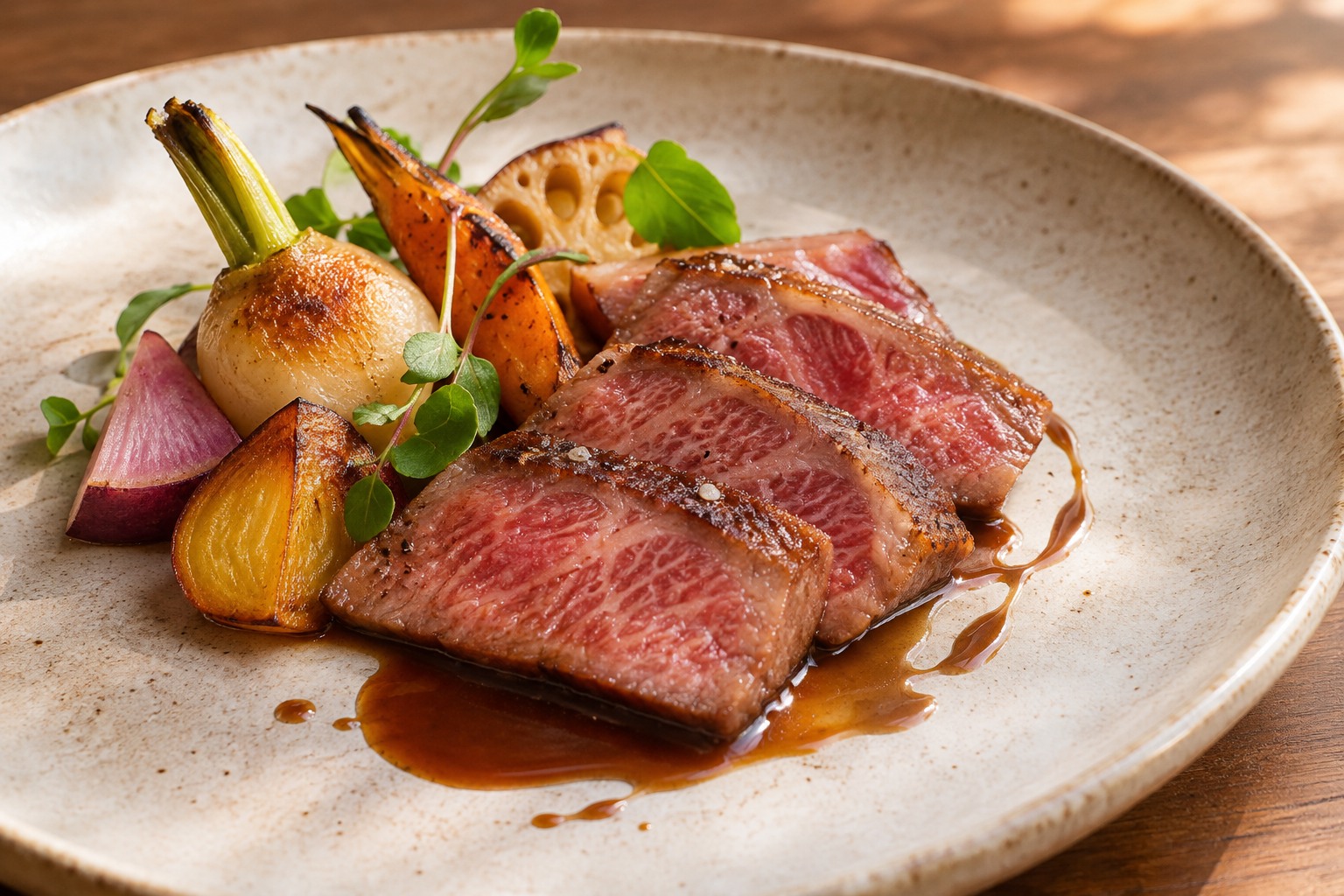
Tsuyoshi Arai brings Japanese ingredients and memories to a French culinary foundation. At Au 14 Février in Vieux Lyon, a seasonal surprise menu explores texture, aroma and unexpected combinations.
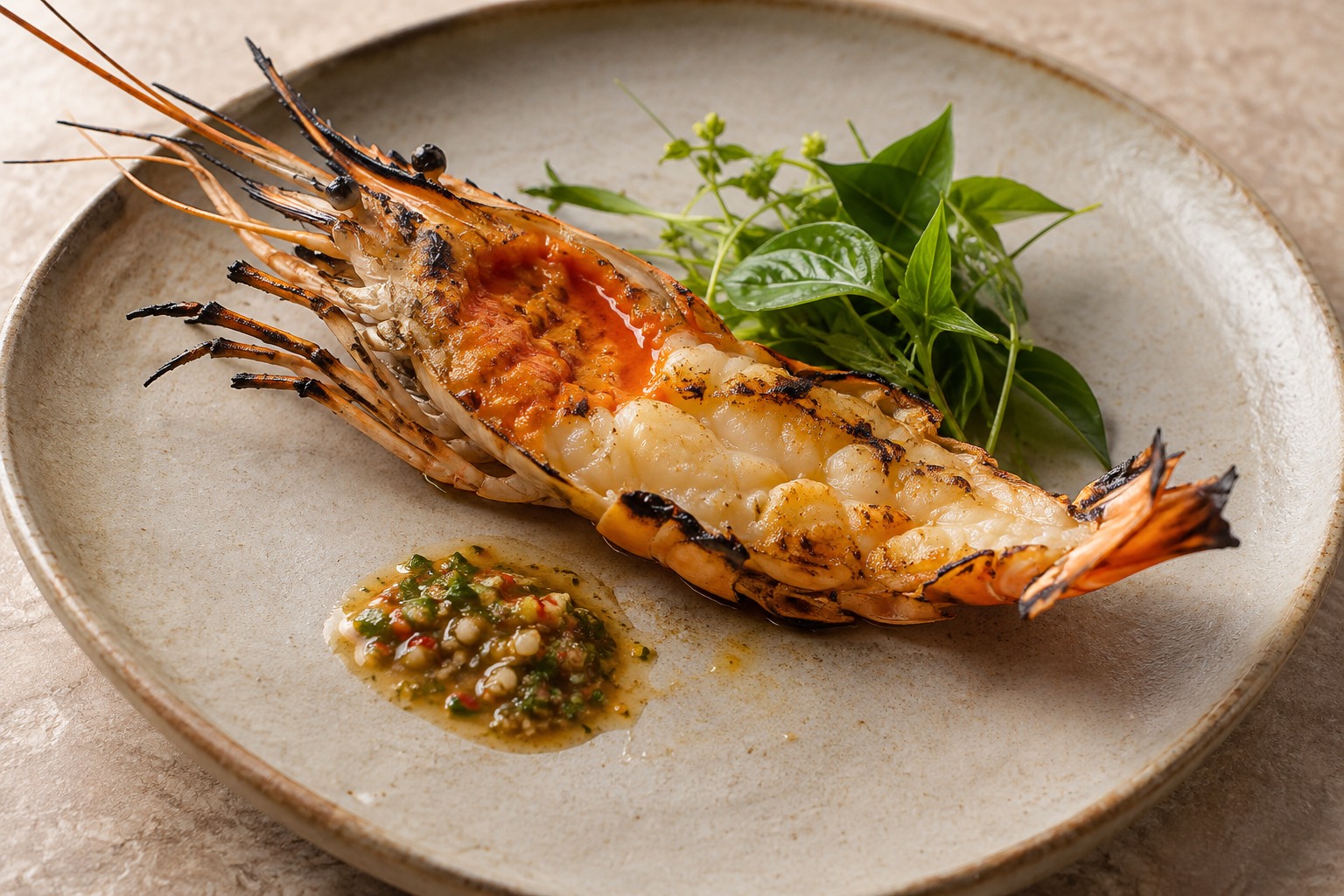
Chef Tam connects Thai ingredients, farming and family history at Baan Tepa, turning a house and garden into a place for exploring how food is grown, cooked and shared.
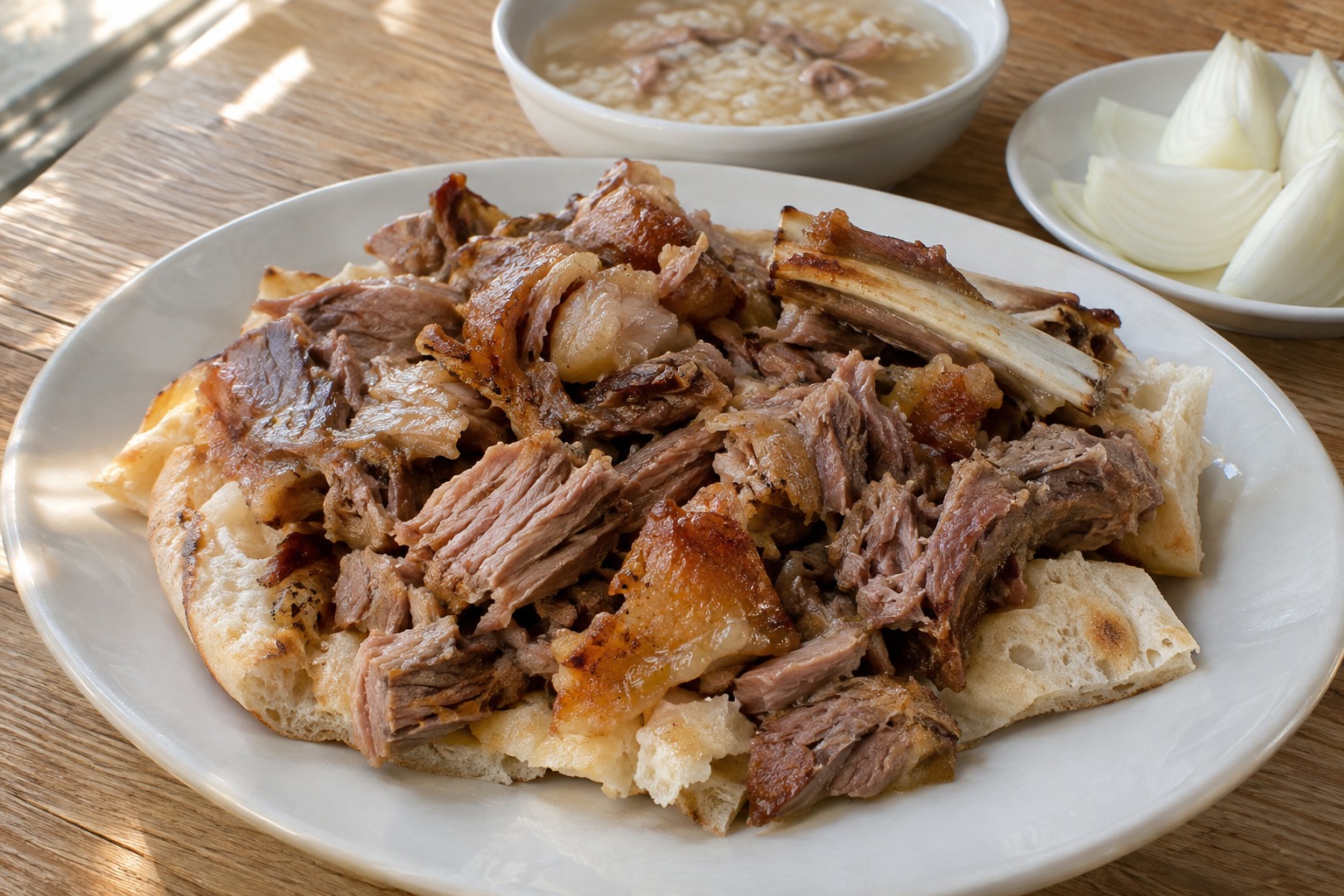
Babaoğlu’s kuyu kebabı in Tire belongs to a local tradition of eating meat for breakfast. Slow-cooked meat and hot soup shape a morning stop in Hasır Pazarı.
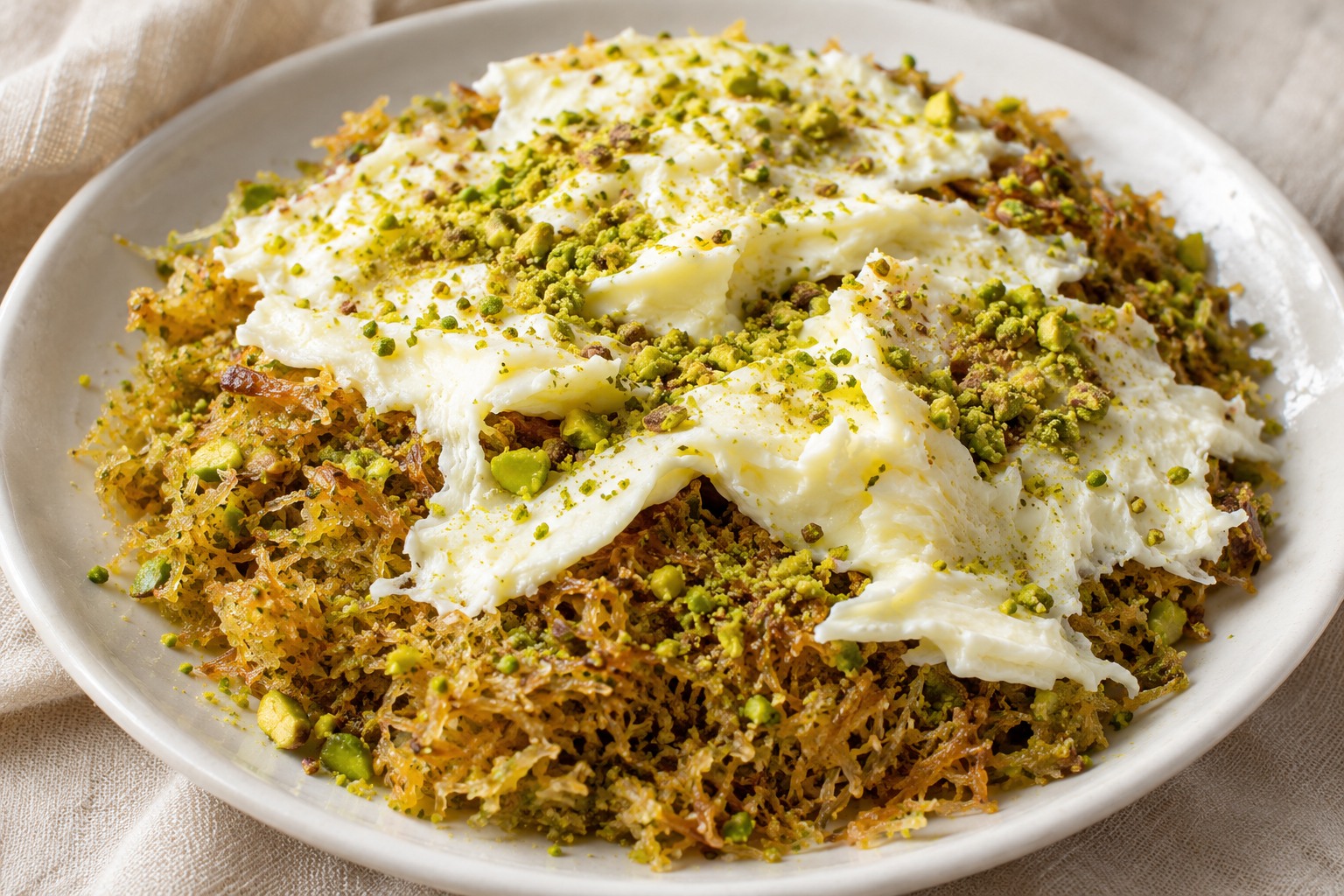
A stop in the Kilis bazaar for cennet çamuru with kaymak and pistachio sweets.
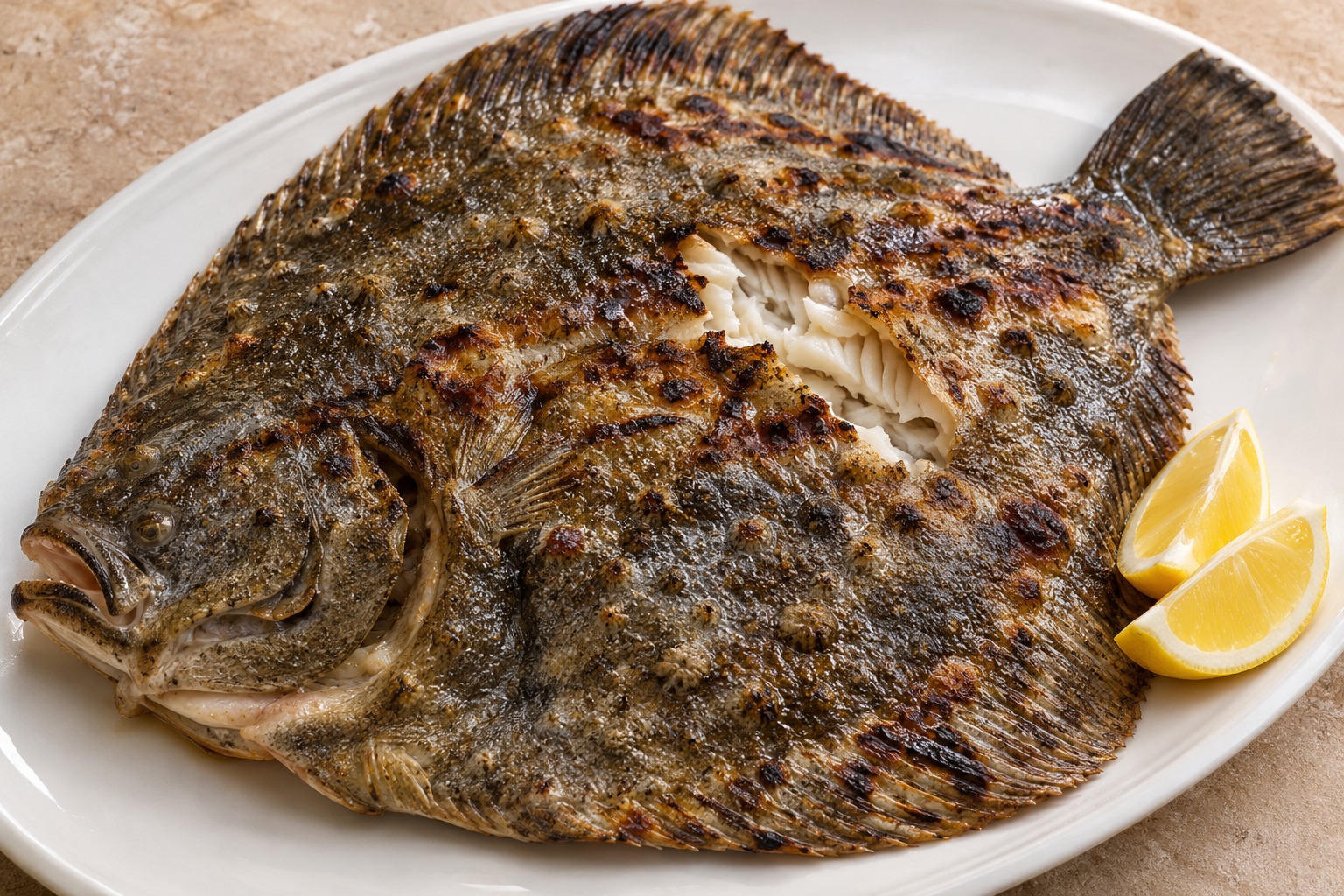
Kahraman Altun opened Balıkçı Kahraman in Rumeli Kavağı in 1996. Turbot cooked over tandır fire anchors a meal shaped by Black Sea fish-cooking traditions.
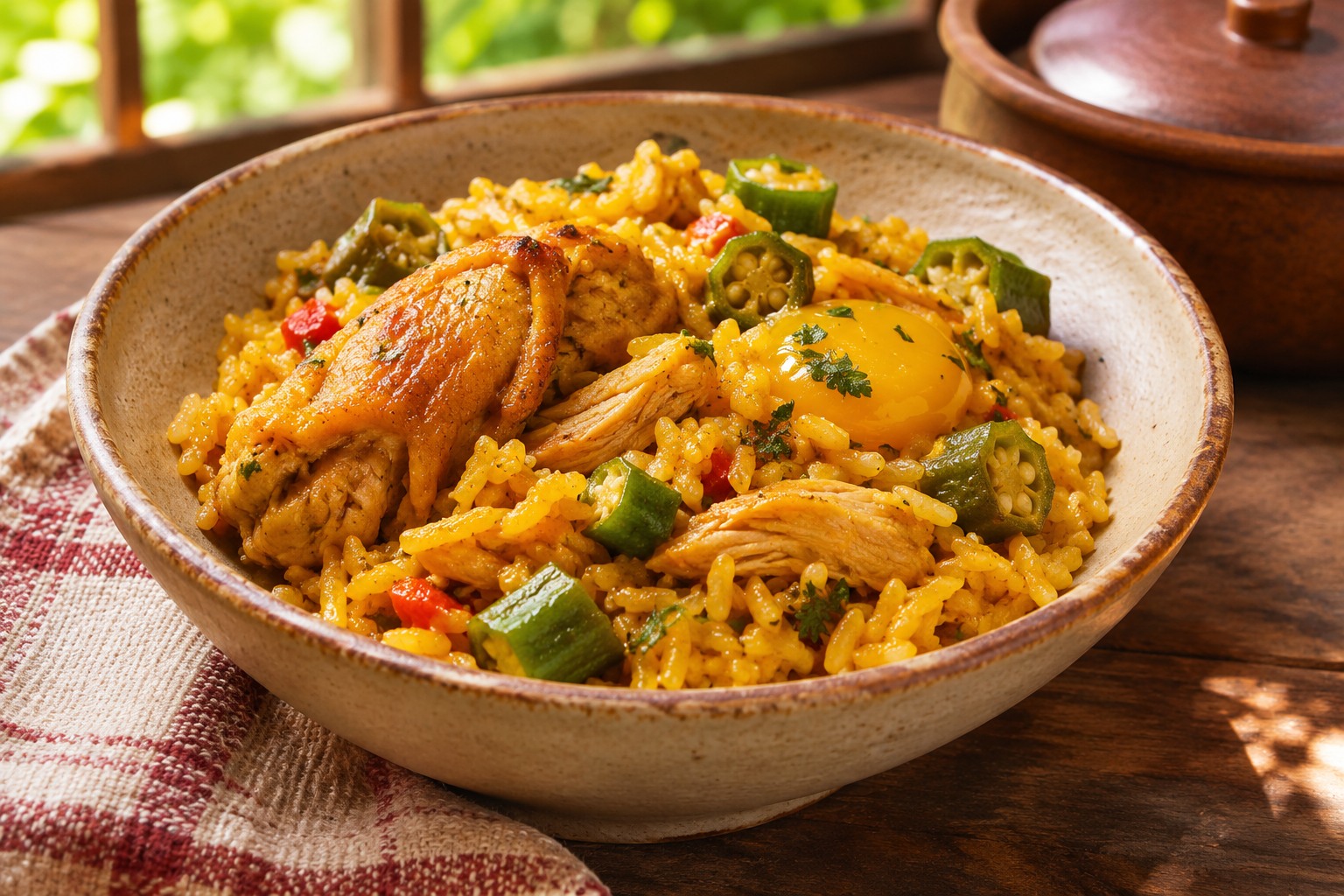
Janaína Torres connects Brazilian comfort food with the energy of central São Paulo. At Bar da Dona Onça, family memories, city life and the pleasure of welcoming people meet around the table.
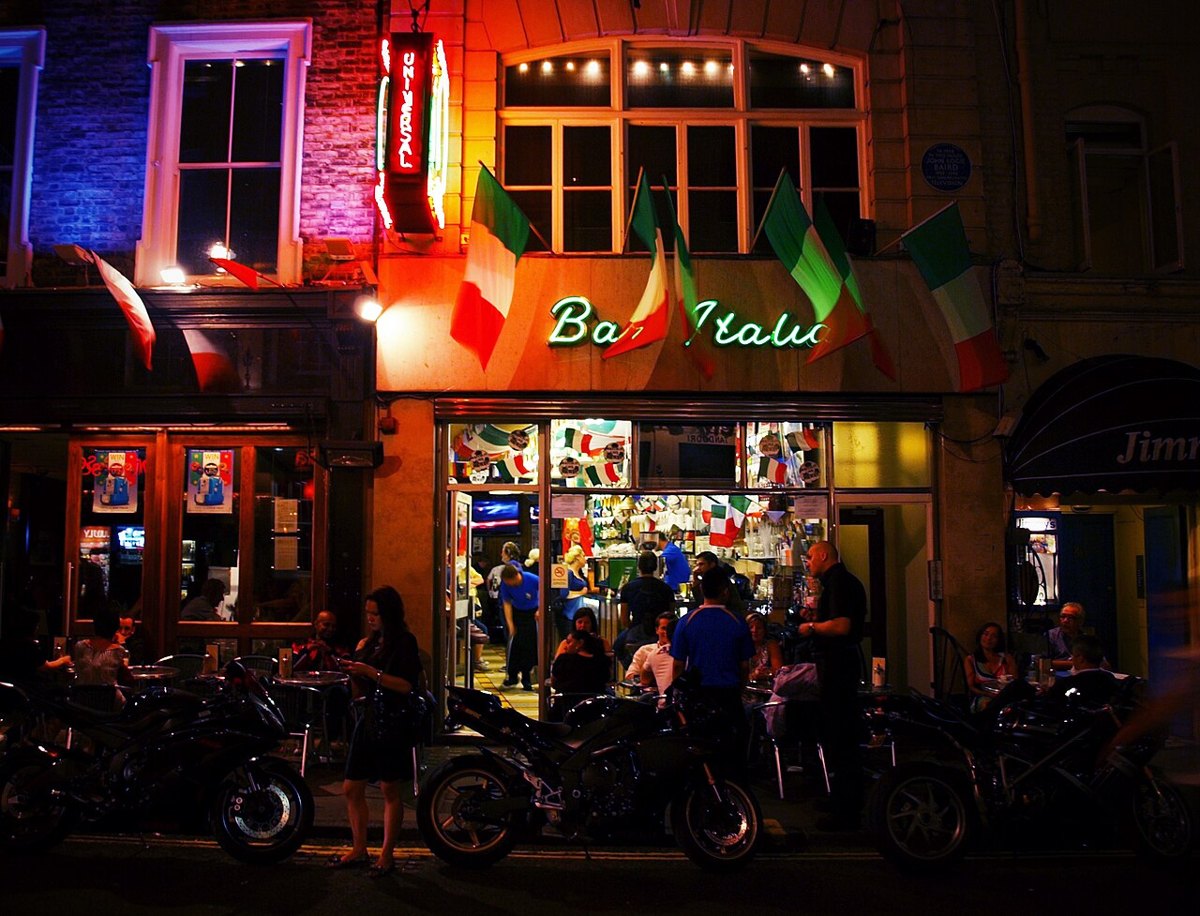
José Avillez brings Portuguese ingredients, food memories and a playful contemporary approach to Belcanto, while Lisbon’s everyday restaurants remain part of his wider culinary world.
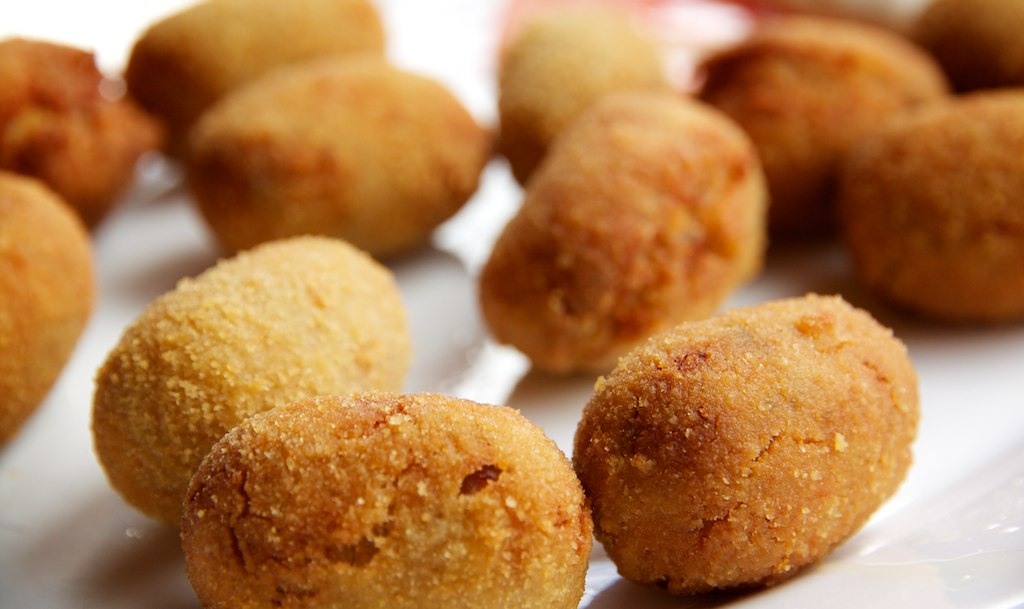
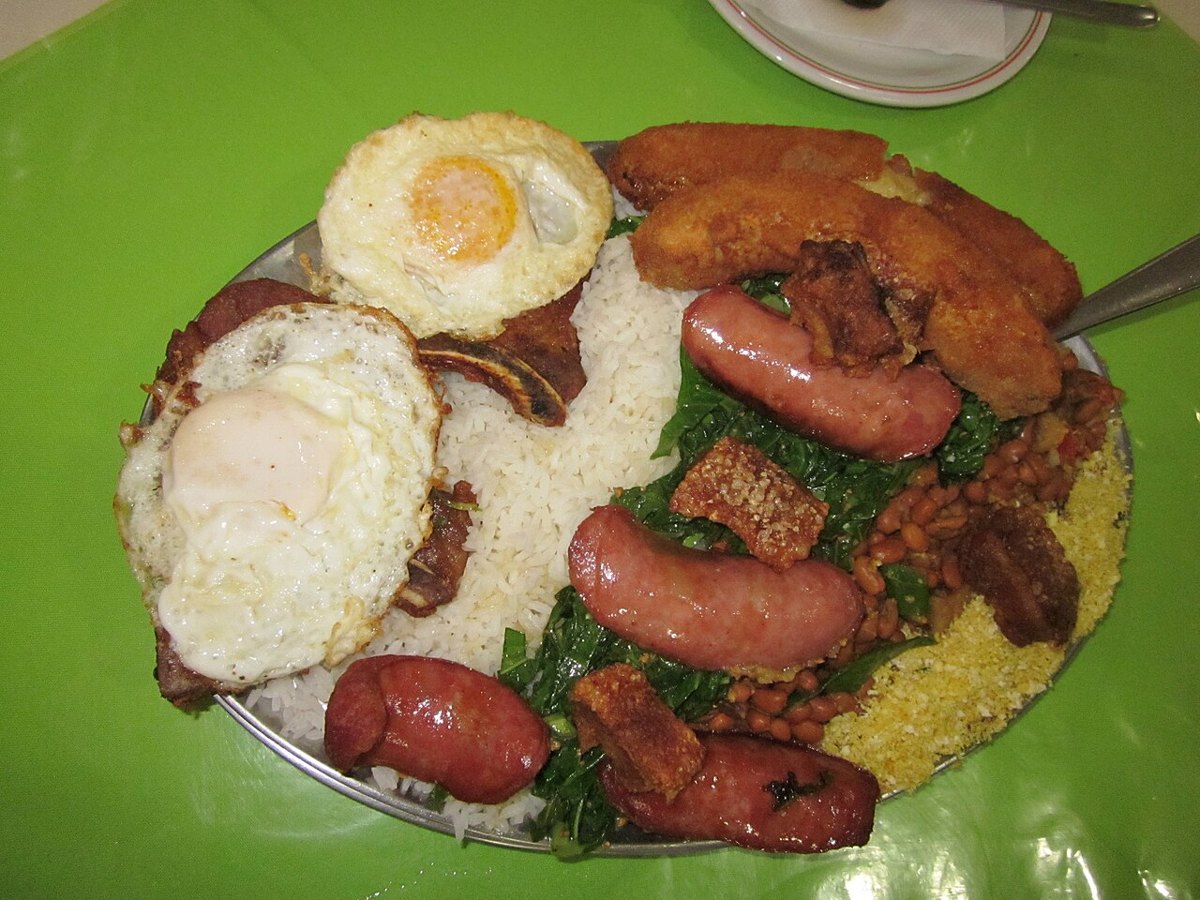
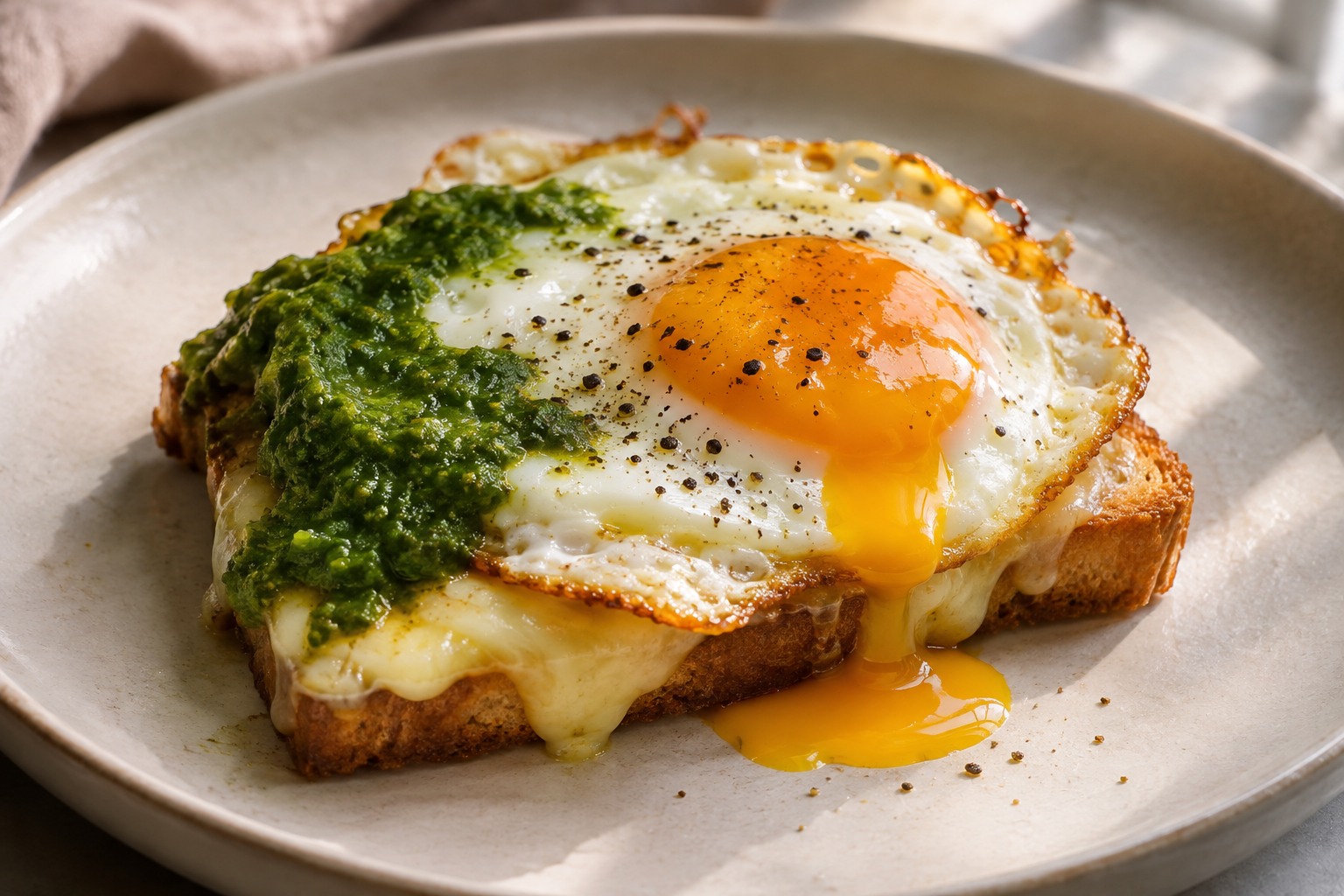
Hussain Shahzad brings regional Indian recipes, seasonal produce and restaurant craft together at The Bombay Canteen. Eggs Kejriwal, corn locho and changing larger plates offer an inviting route into his food.
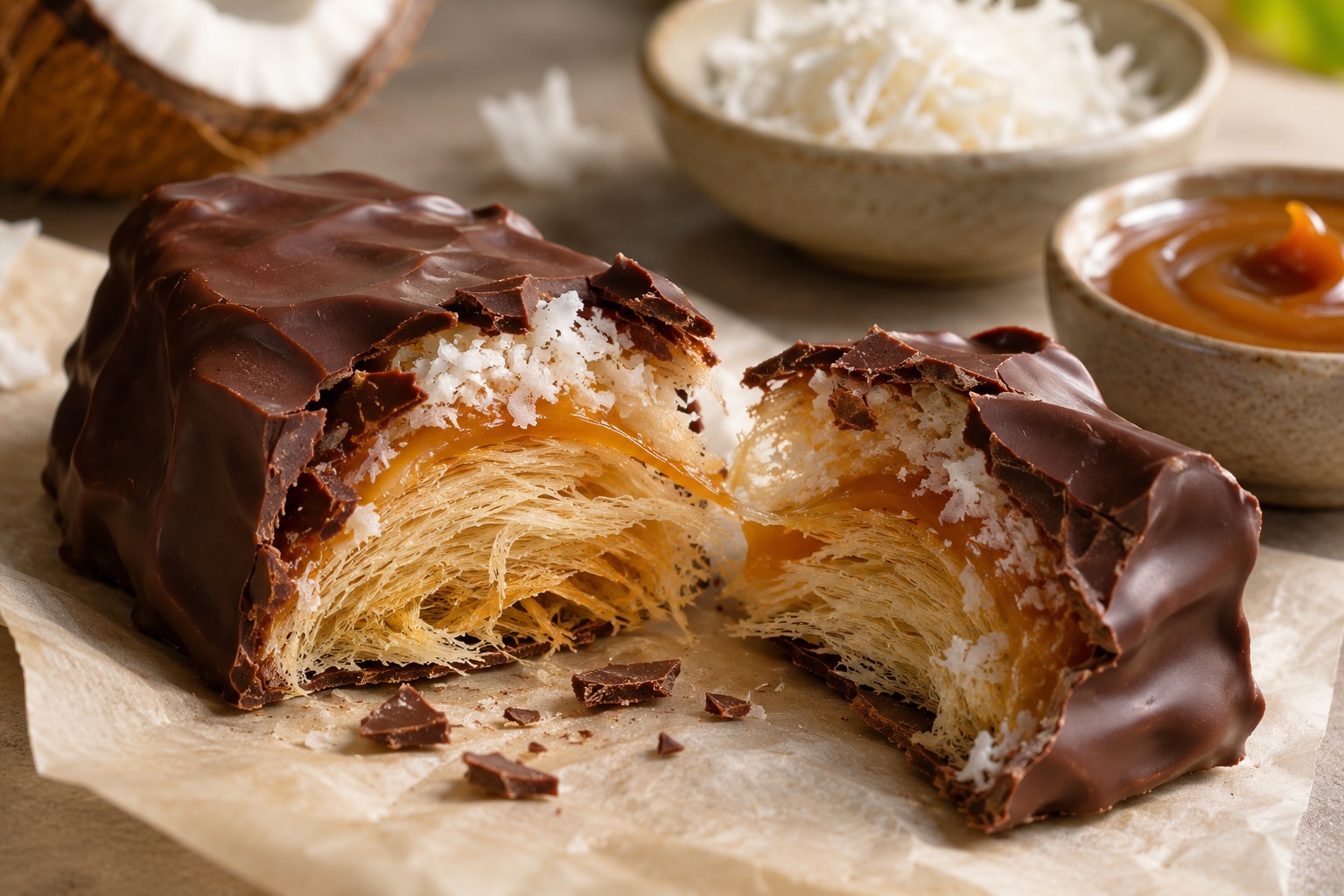
Girish Nayak reimagines Indian mithai at Bombay Sweet Shop. Regional sweet-making, pastry training and playful combinations meet in treats such as coconut patissa bars and coffee rasgulla tiramisu.
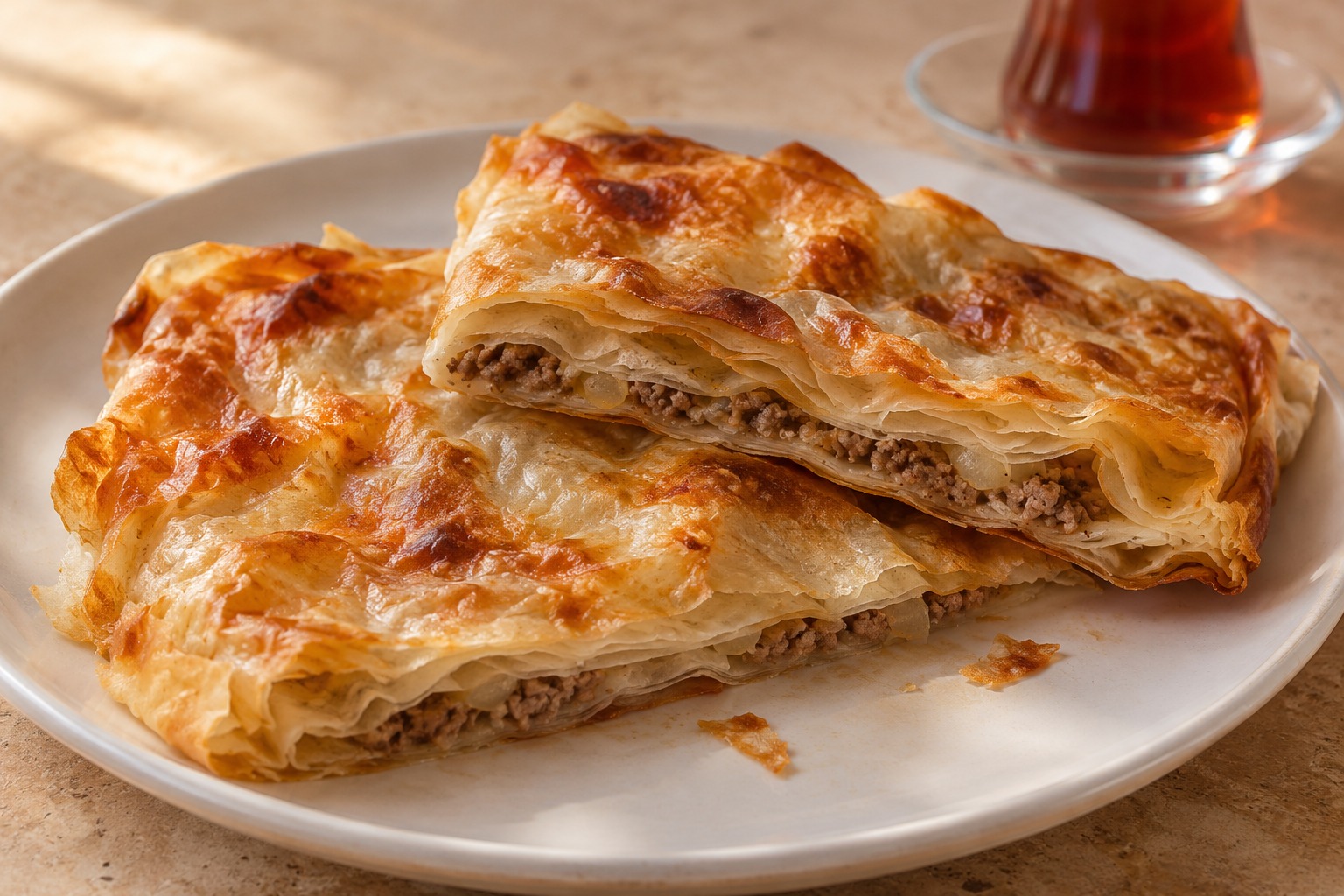
At Tevfik Çalışkaner’s Antalya shop, serpme börek continues a three-generation craft. Hand-stretched dough is filled with minced meat or cheese, folded and baked.
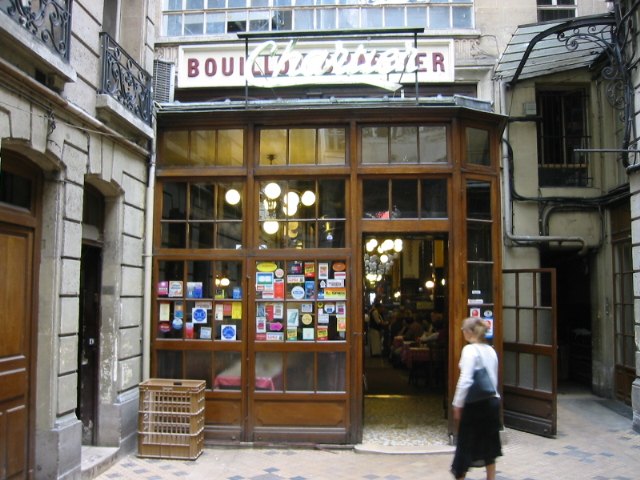
The Grands Boulevards dining room offers a setting for exploring the French bouillon tradition.
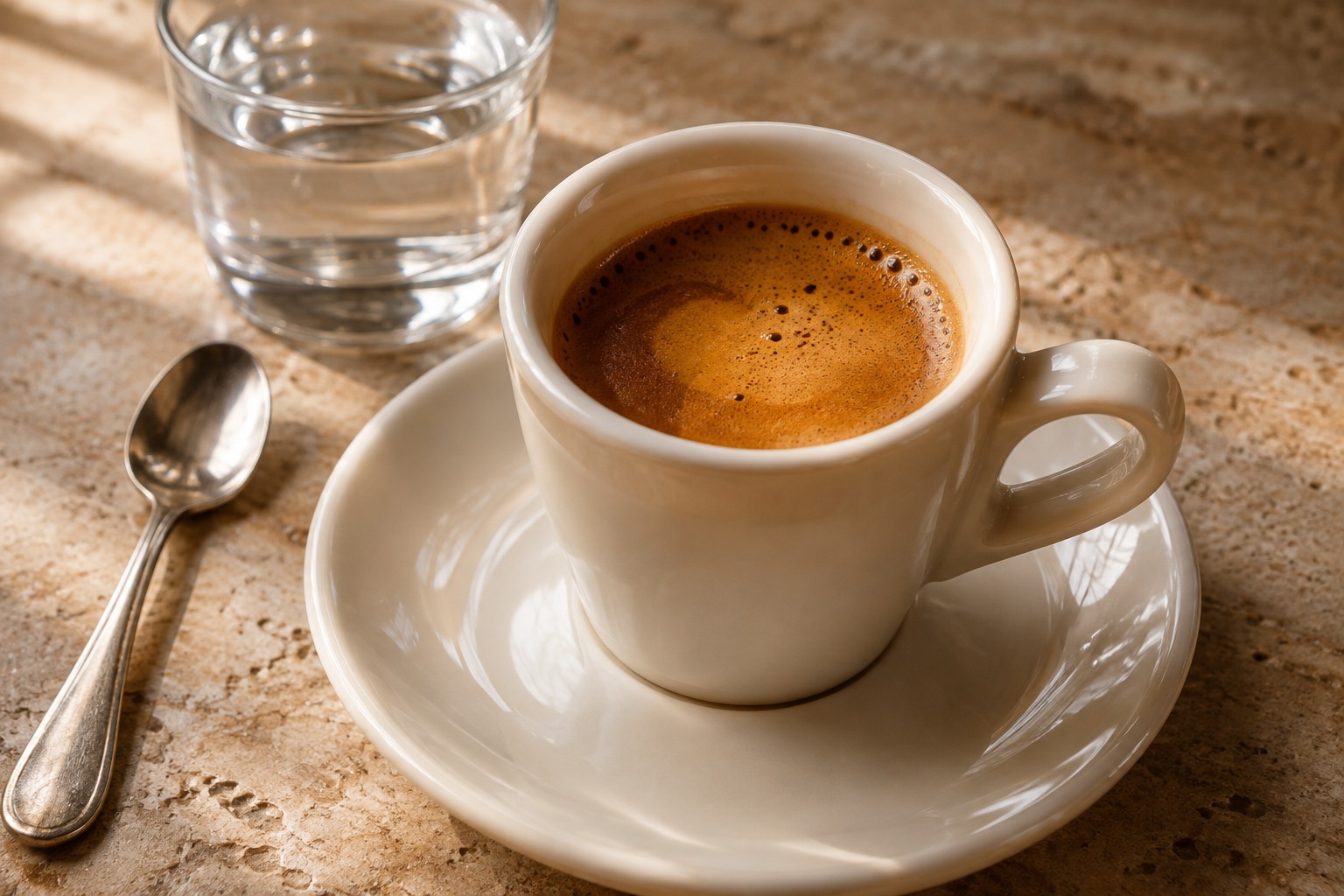
Café Brújula began in Oaxaca in 2006. Its work connects baristas and roasters with producers across the state, following coffee from farm to cup. At Santo Domingo, the coffee stop becomes another way to discover Oaxaca’s agricultural landscape.
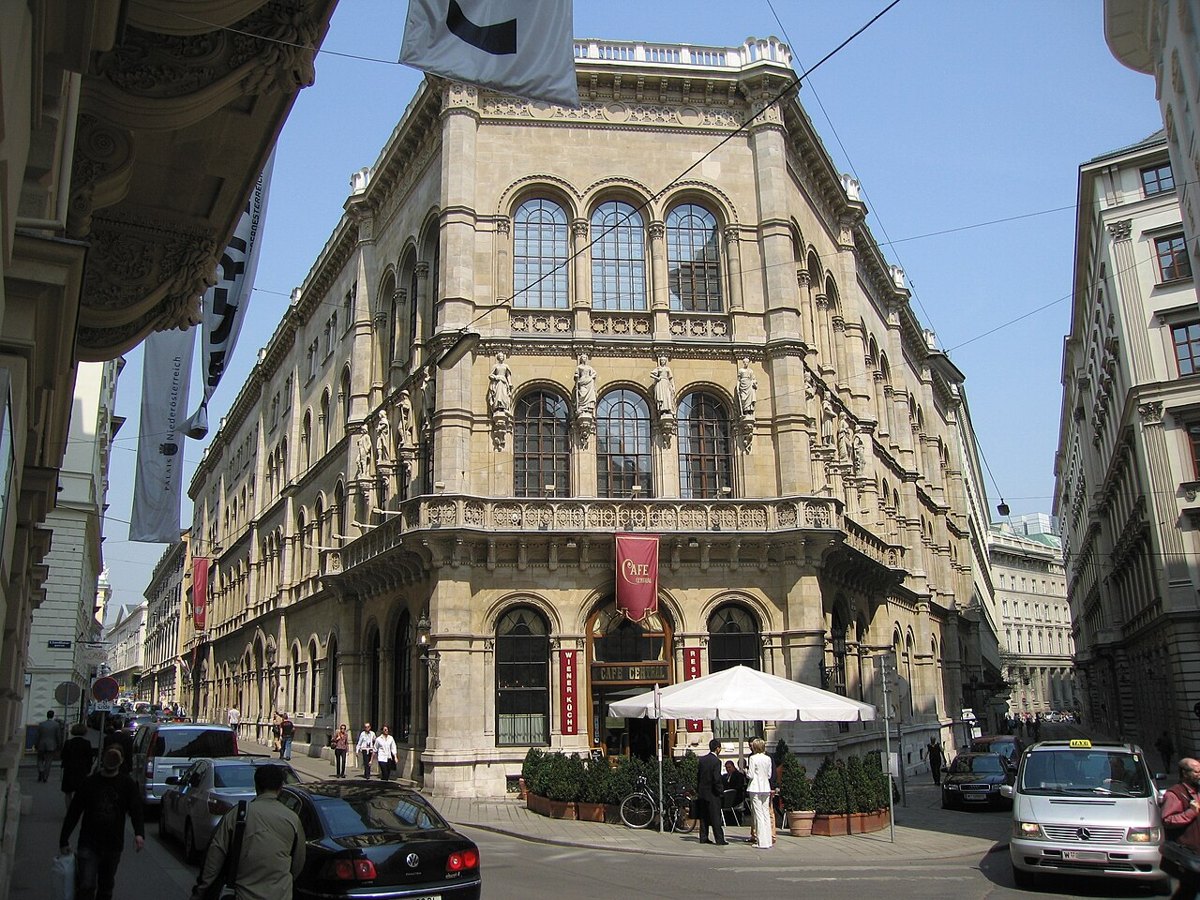
Temporarily closed for renovation.
A historic home of Viennese coffee and pastry culture in Palais Ferstel.
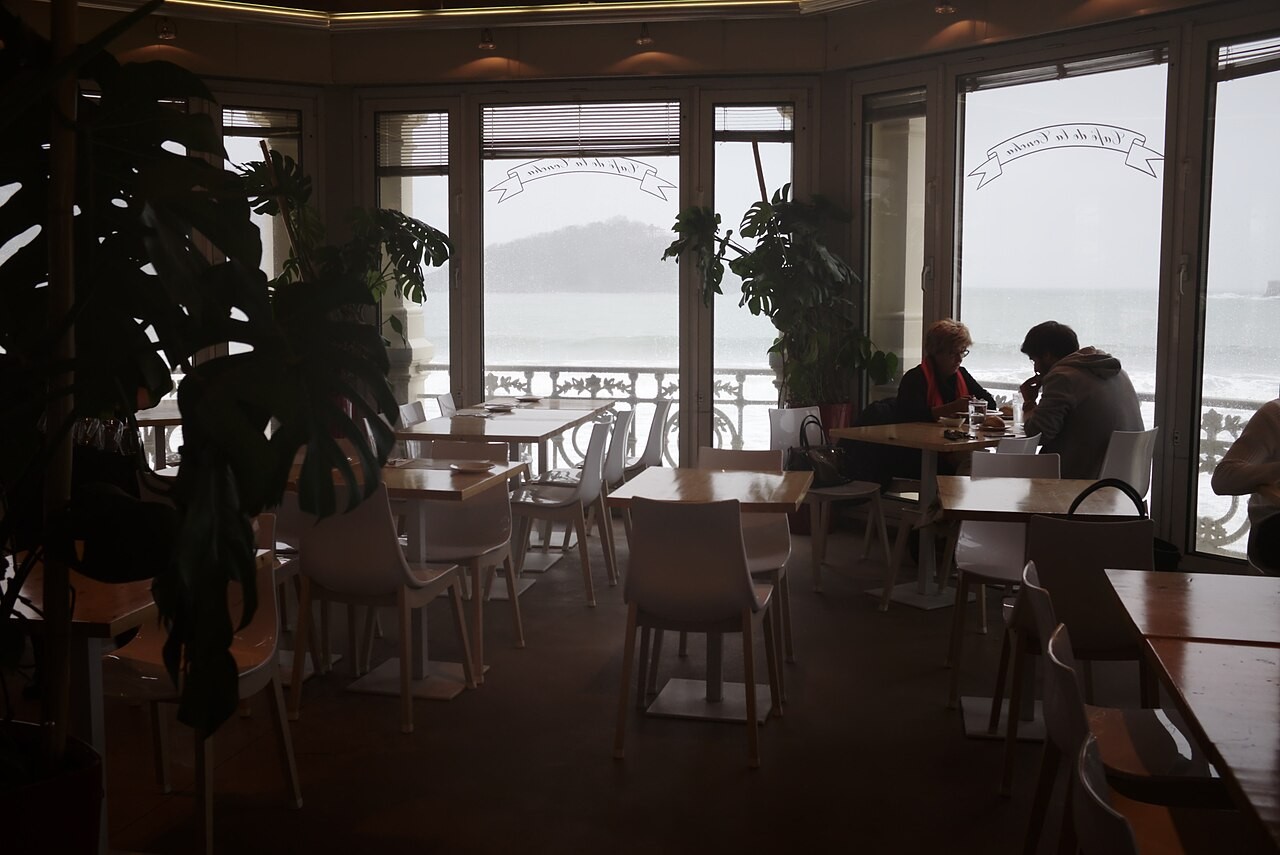
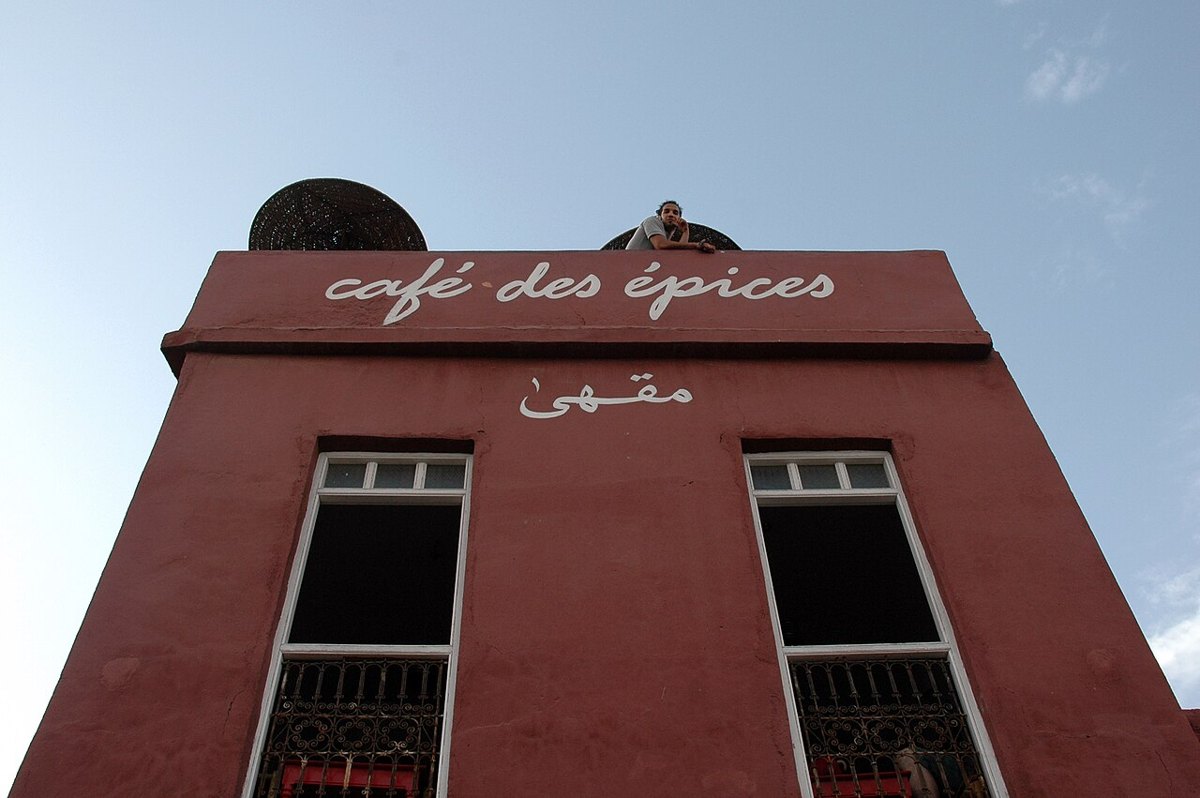
A tea-and-coffee stop on the spice square; check terrace and seating options with the café.
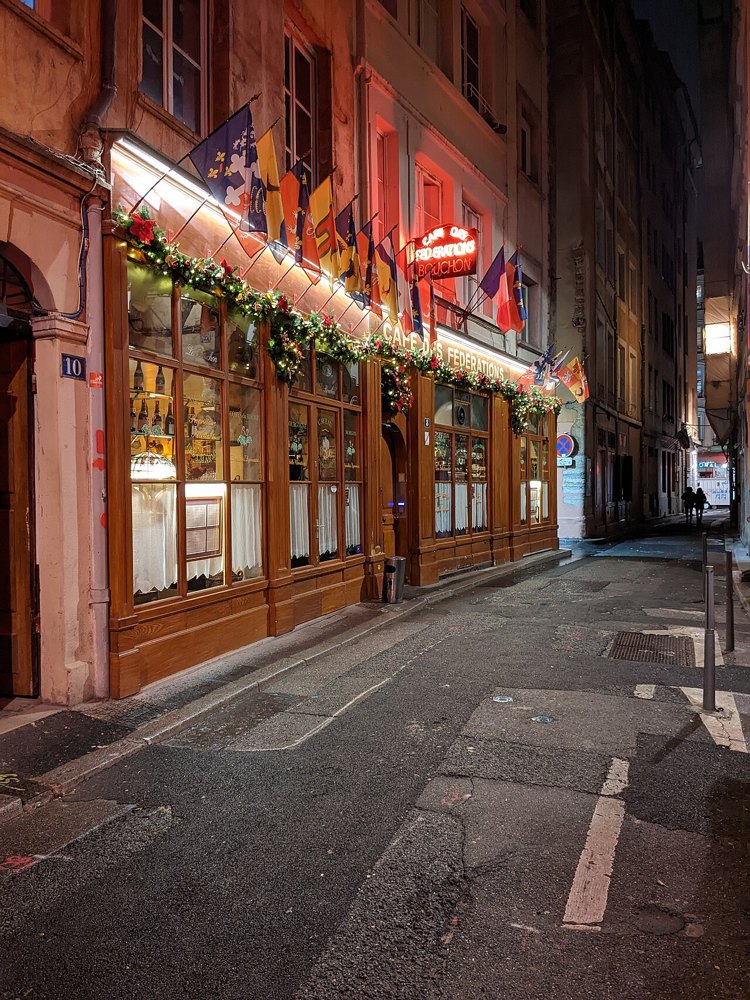
A stop for exploring Lyon’s bouchon tradition through local dishes and shared-table dining.
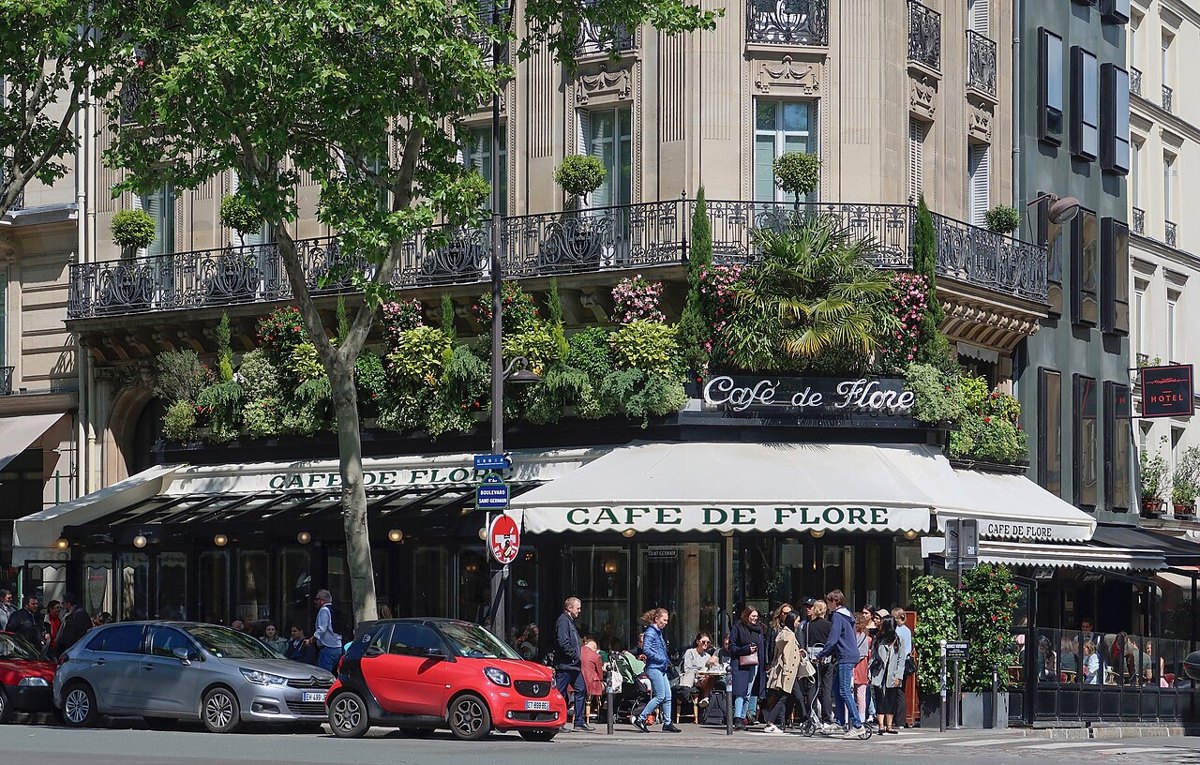
A Saint-Germain-des-Prés café associated with pavement seating and literary culture.
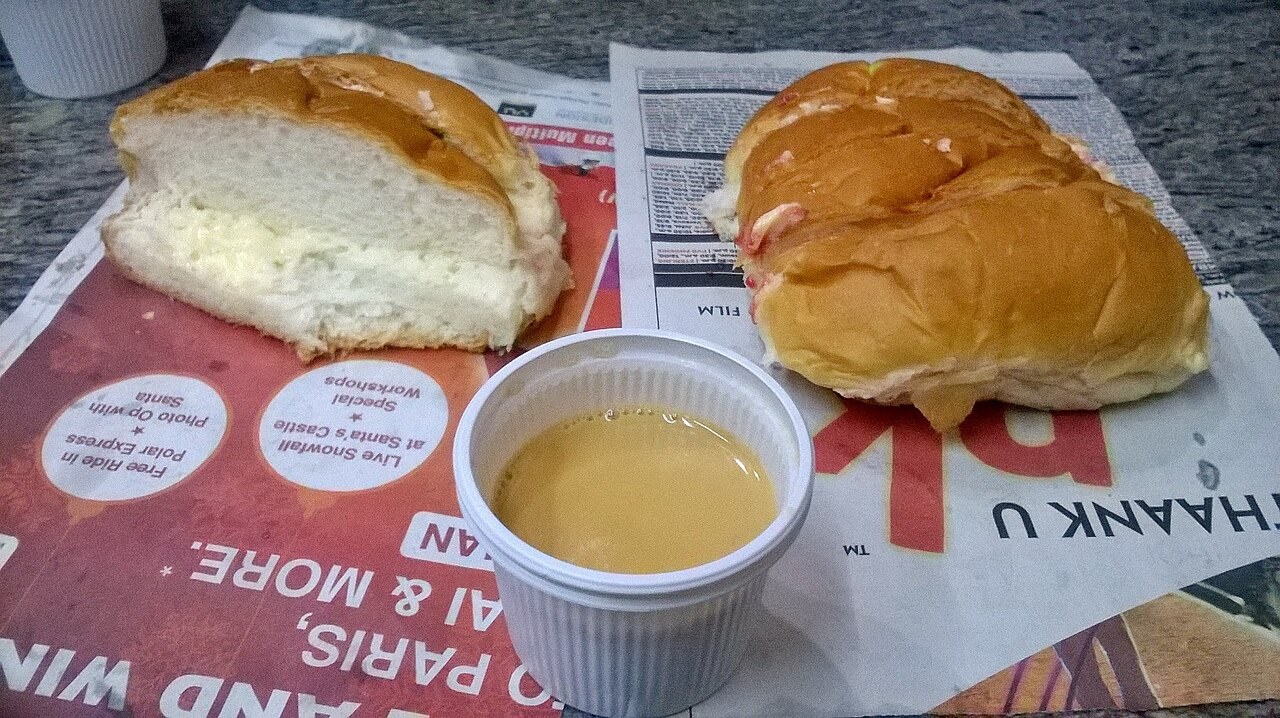
An Irani chai and bun maska stop in Mahim, distinct from other historic cafés in Marine Lines.
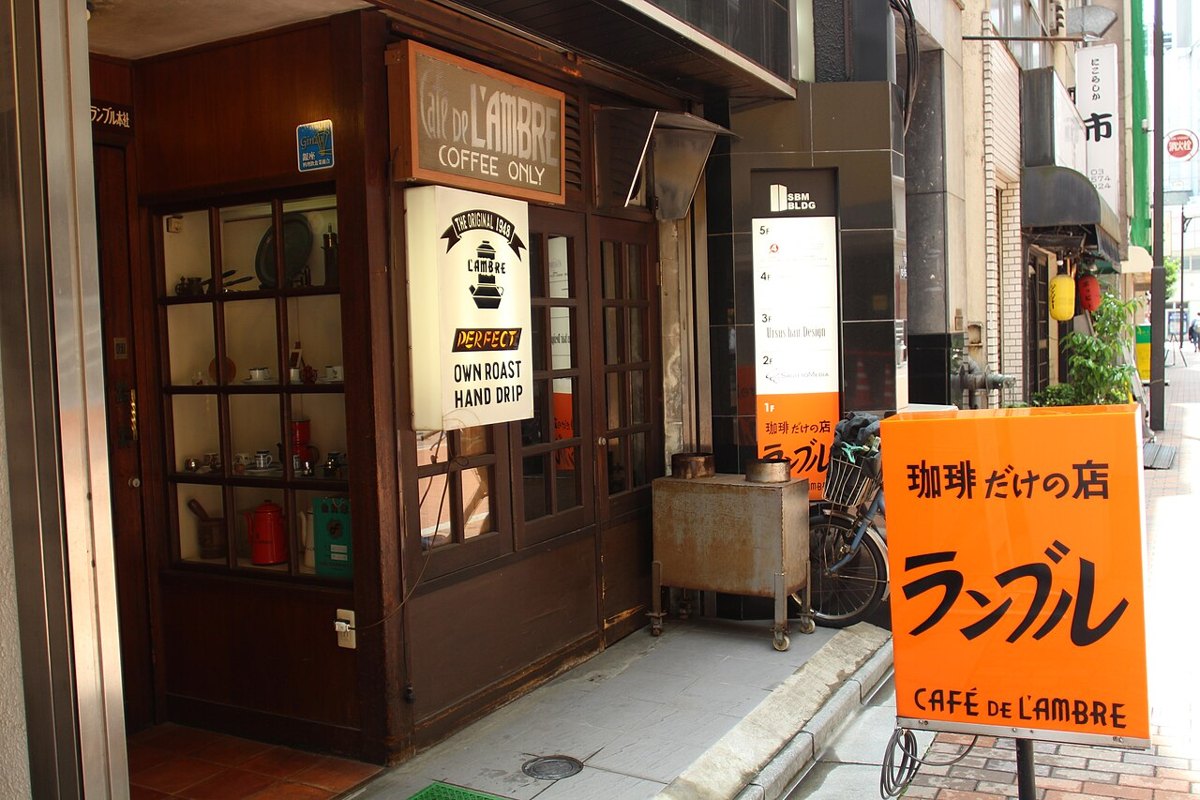
A coffee-focused Ginza kissaten. Ask about the beans and roast before choosing a cup.
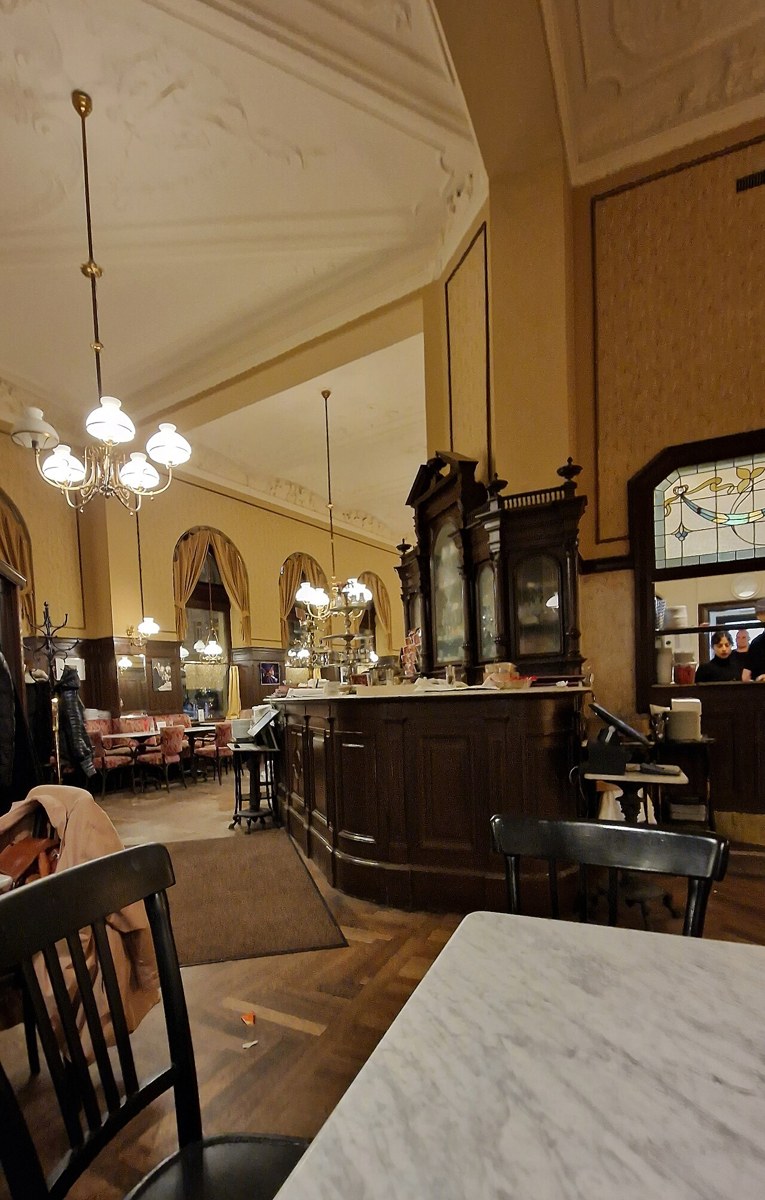
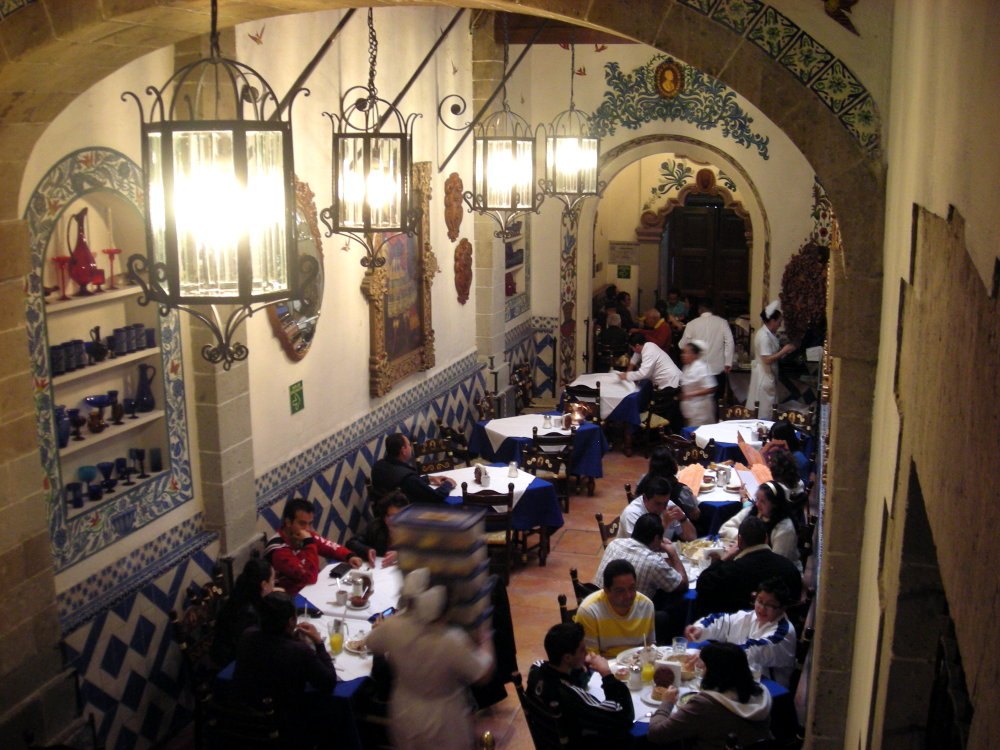
A historic central café-restaurant combining coffee, breakfast and traditional Mexican dishes.
The Younes roasting story began in 1935. The Hamra Coffee Roaster connects a neighbourhood café with that family expertise: beans, roasting and the preparation of a cup are the main attraction, rather than an elaborate restaurant meal.
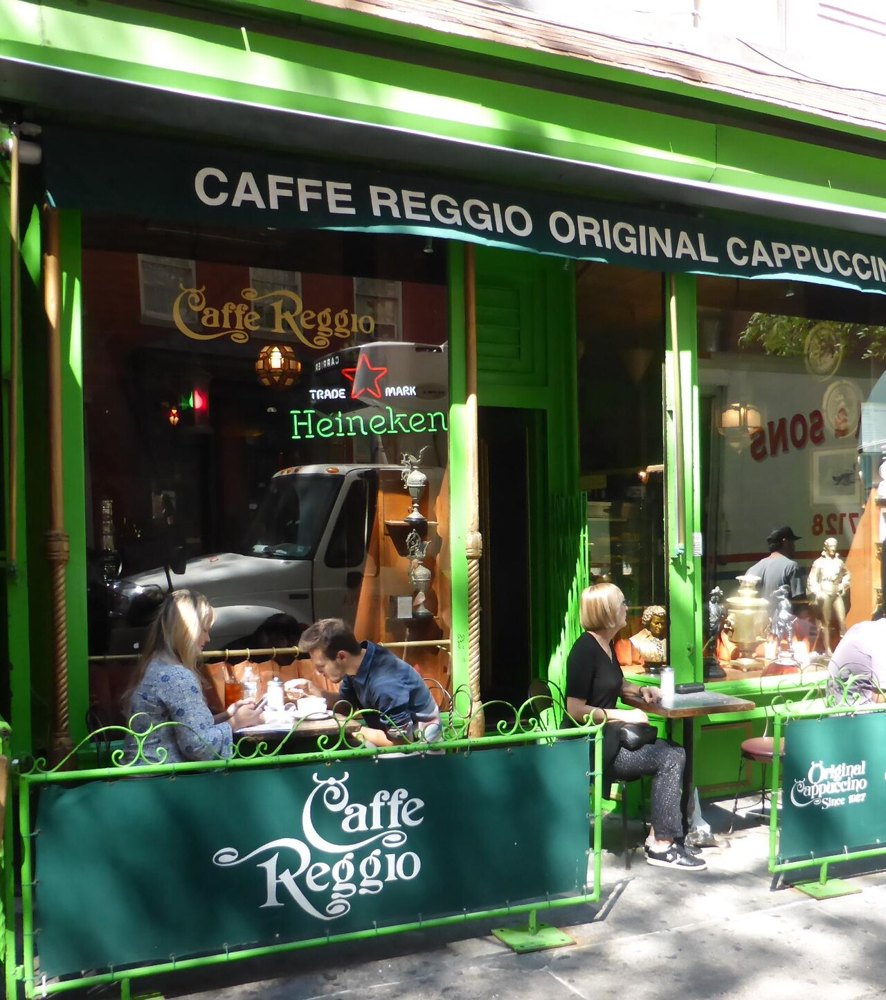
A MacDougal Street stop for espresso culture and an old café setting in Greenwich Village.
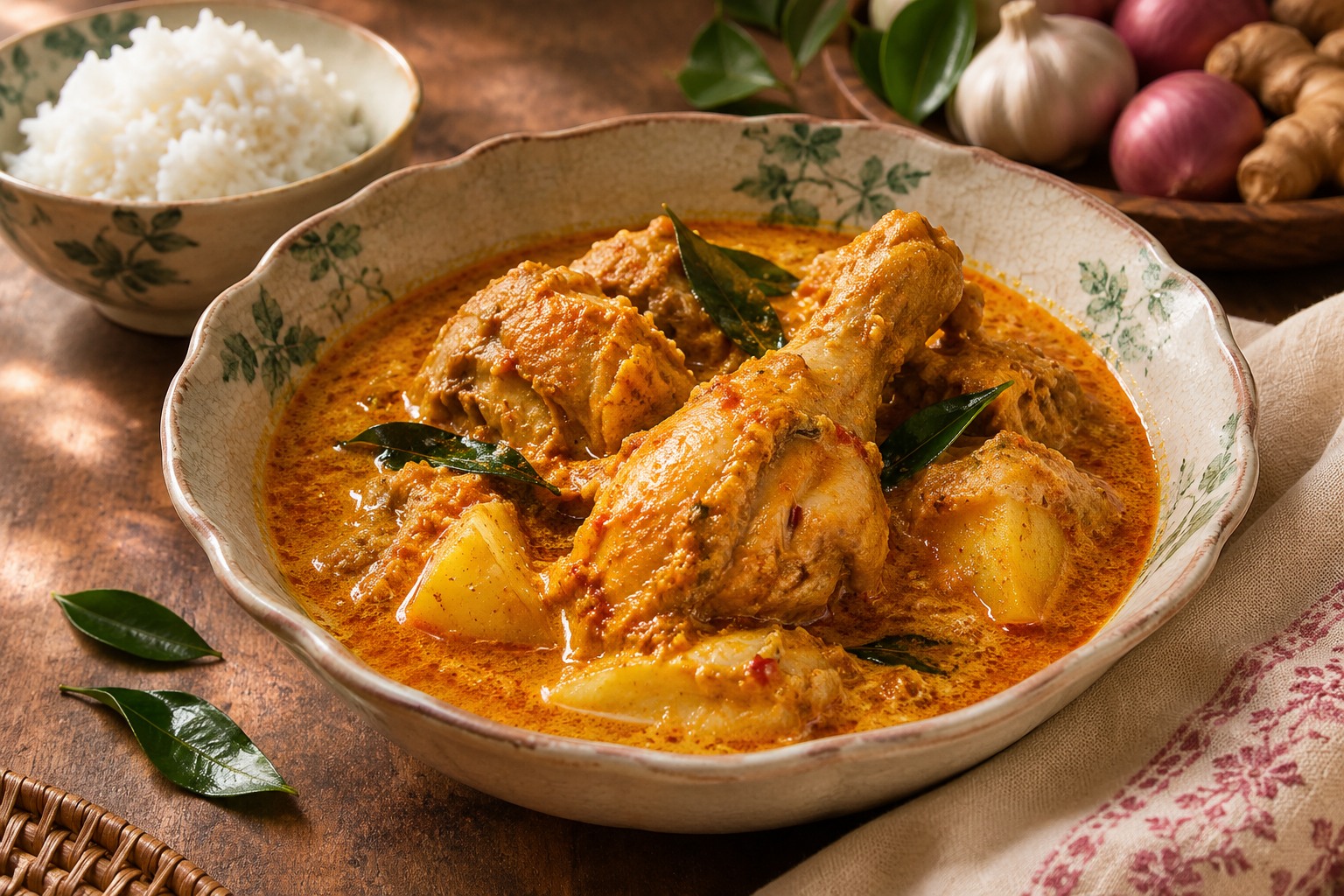
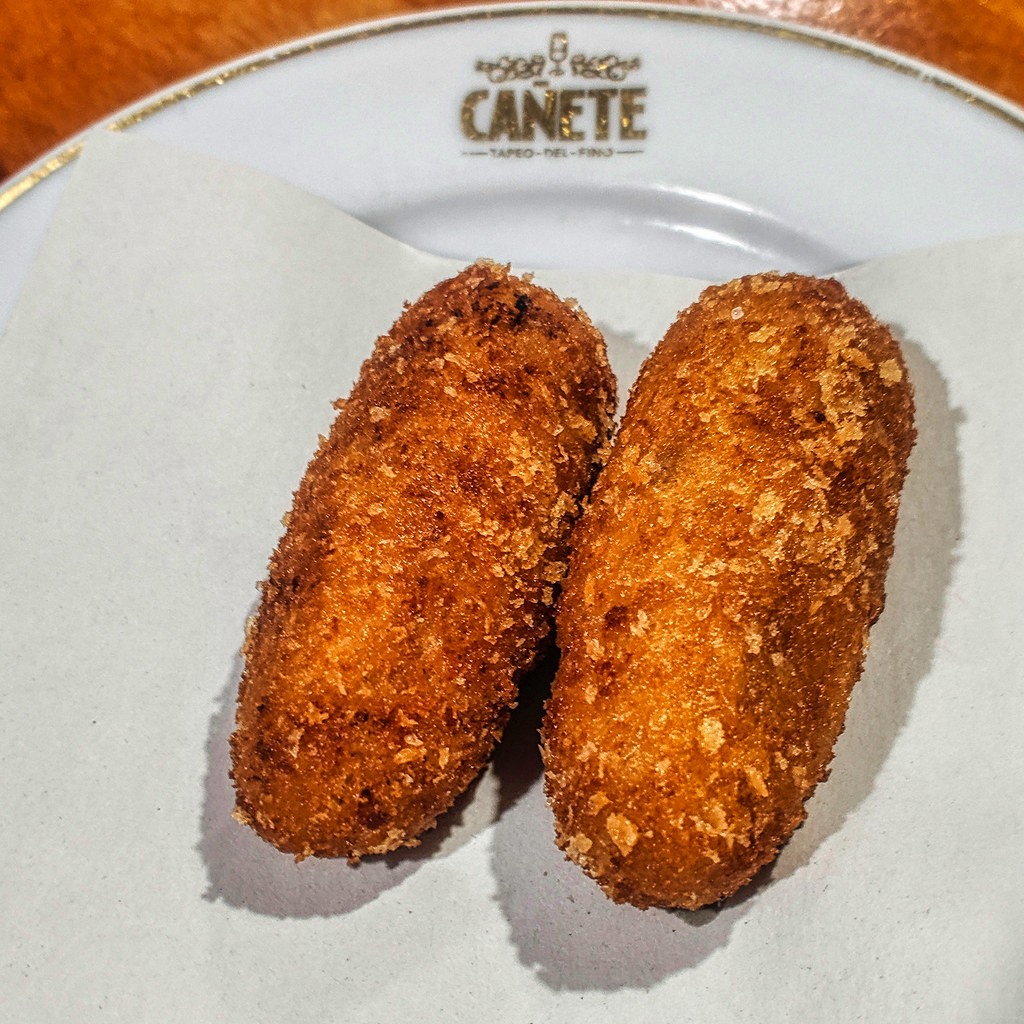
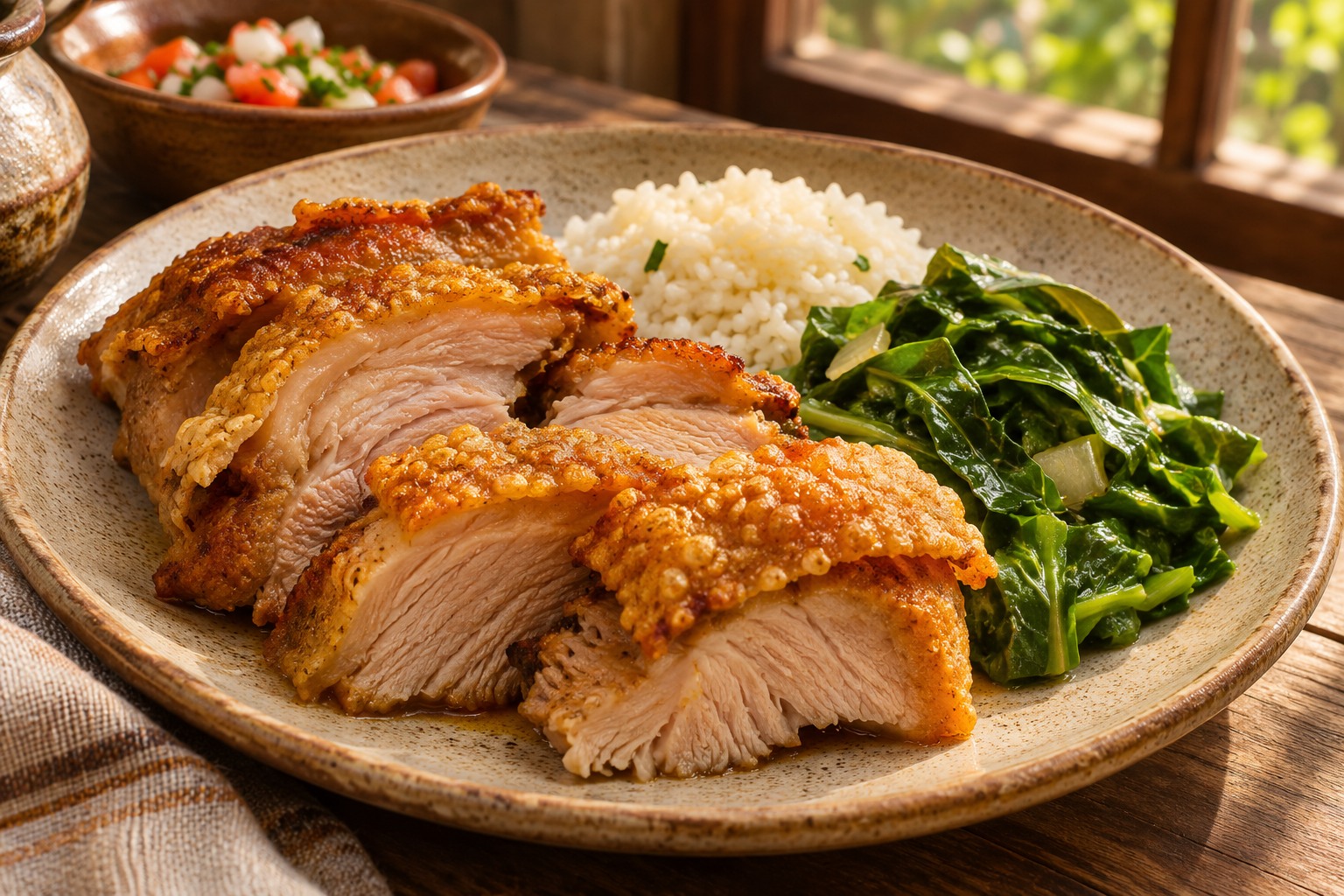
Jefferson Rueda brings the countryside of São Paulo state into a city restaurant devoted to pork. A Casa do Porco connects whole-animal cooking, farming and the pleasures of a shared table.
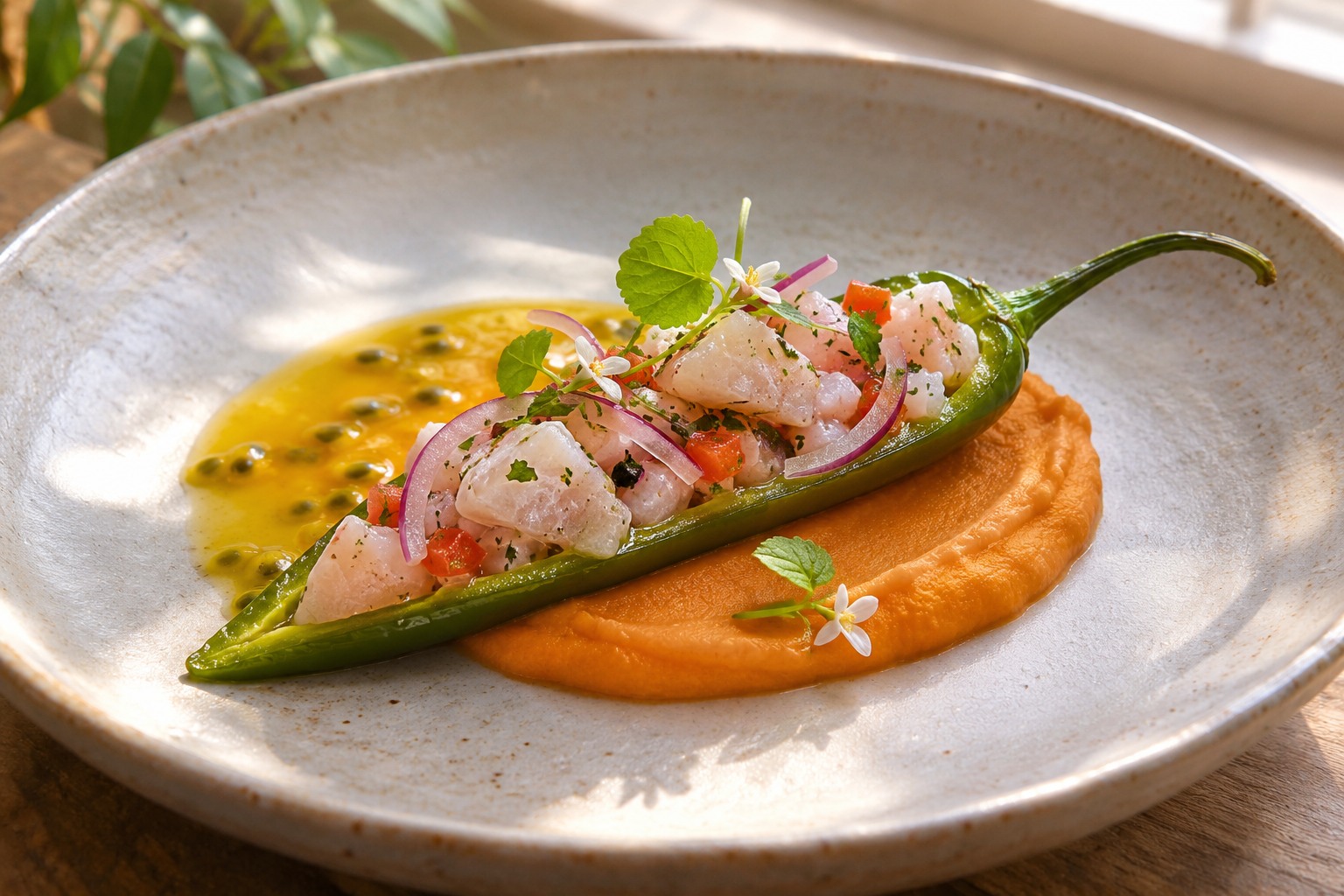
Alejandro Ruiz brings Oaxaca’s fields, herbs and family cooking into a contemporary restaurant language. At Casa Oaxaca, local chillies, seafood, corn and carefully chosen accompaniments reveal the region’s range.
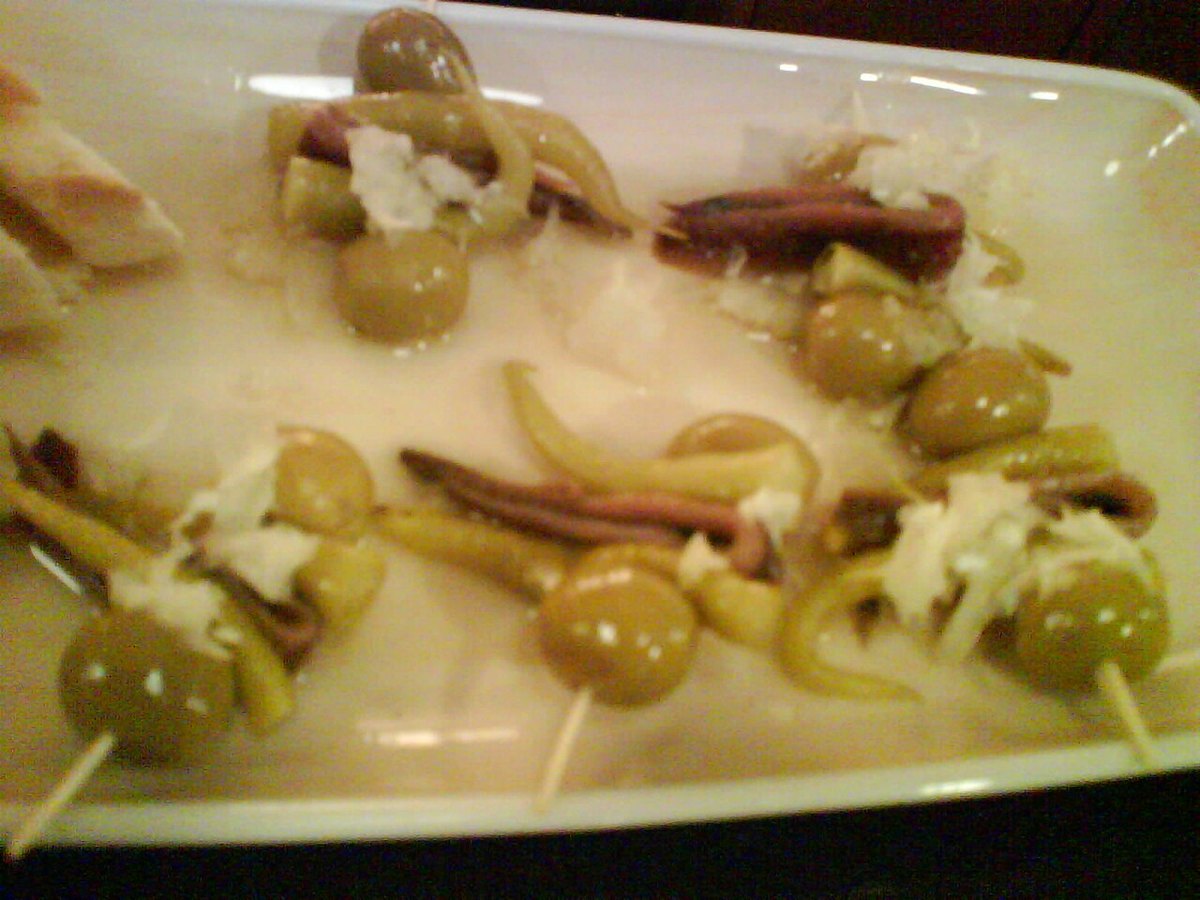
A traditional bar associated with the Gilda pintxo, suited to exploring small shared bites.
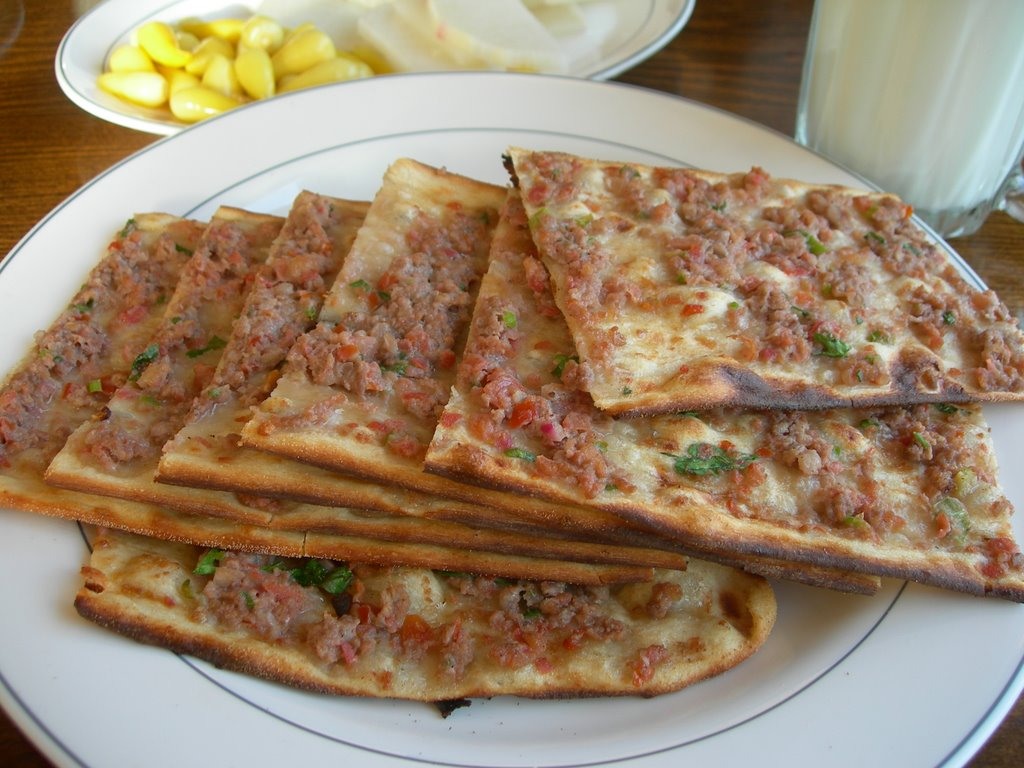
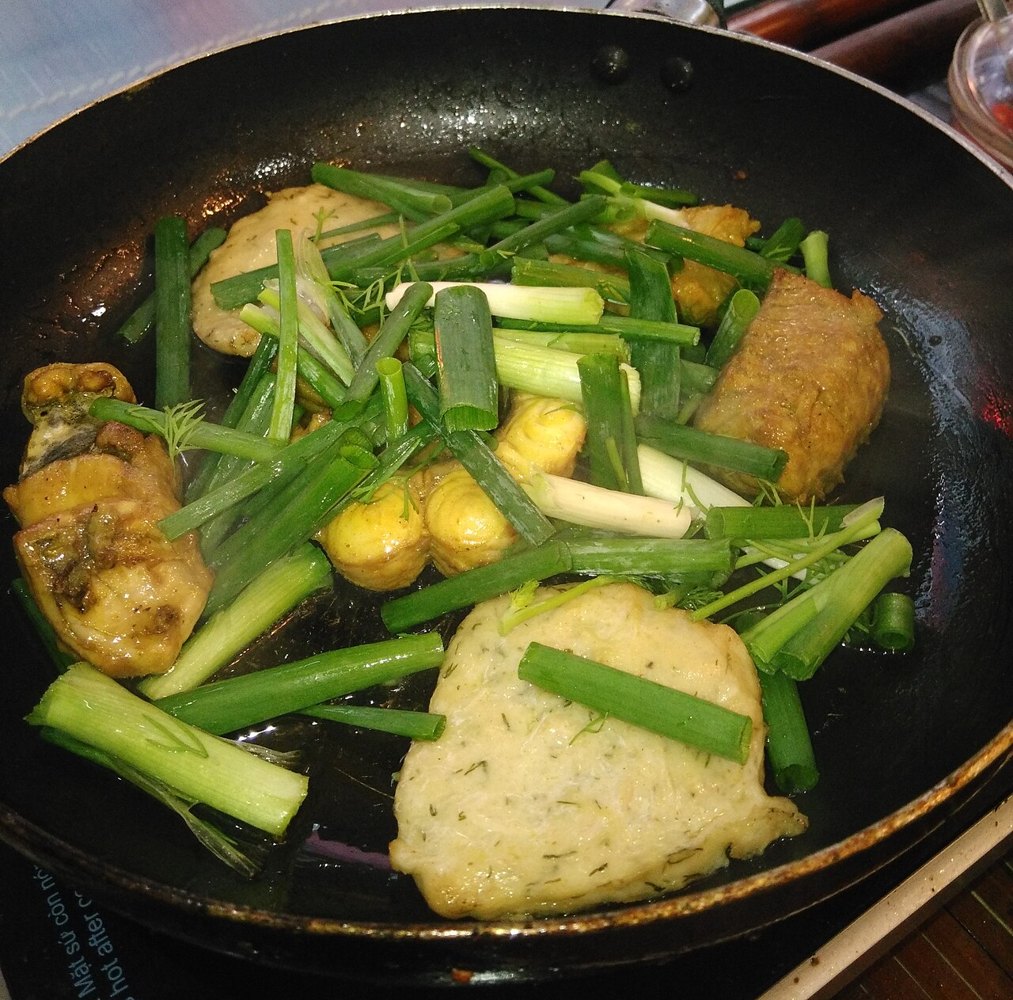
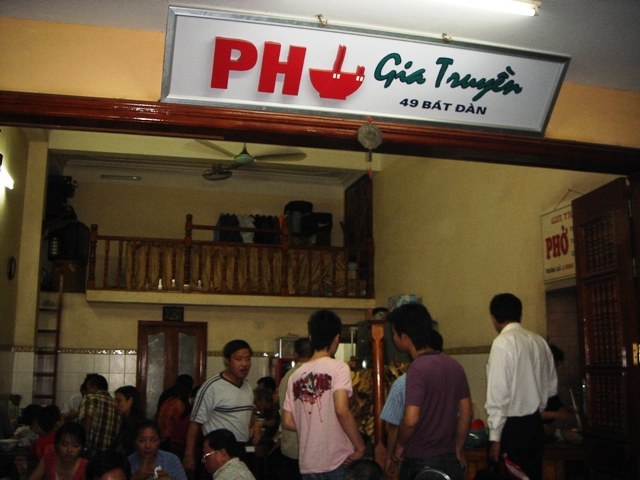
The Đường Thành address offers a stop for turmeric-and-dill chả cá.
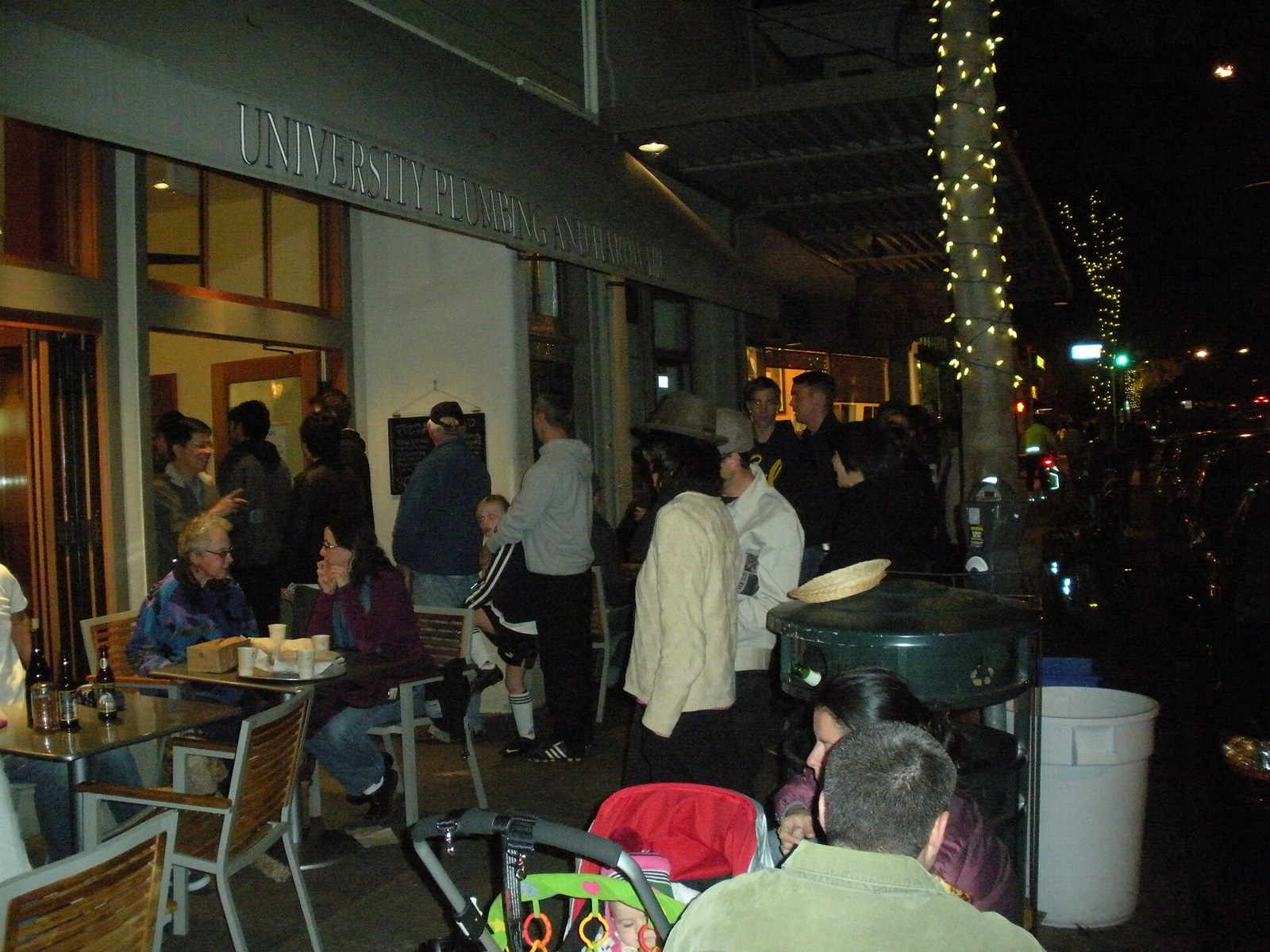
The Cheese Board’s Berkeley pizzeria serves a daily meat-free pizza on thin sourdough crust. The business has been worker-owned since 1971.
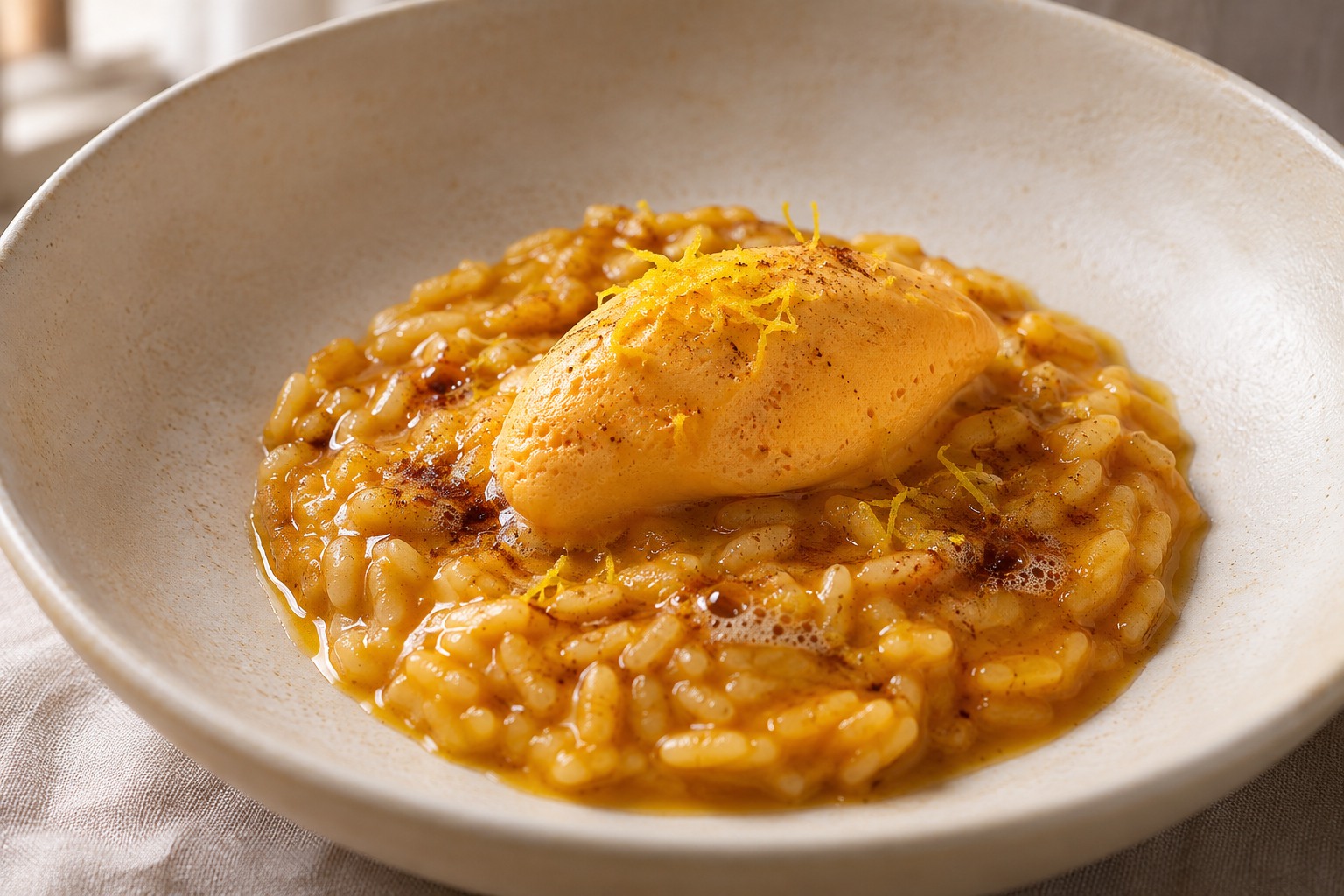
Ivor Jones brings bold flavours, travel memories and local ingredients to Chefs Warehouse Beau Constantia. His work as chef-patron and co-owner sits alongside head chef Chad Graham and a team cooking above the Constantia valley.
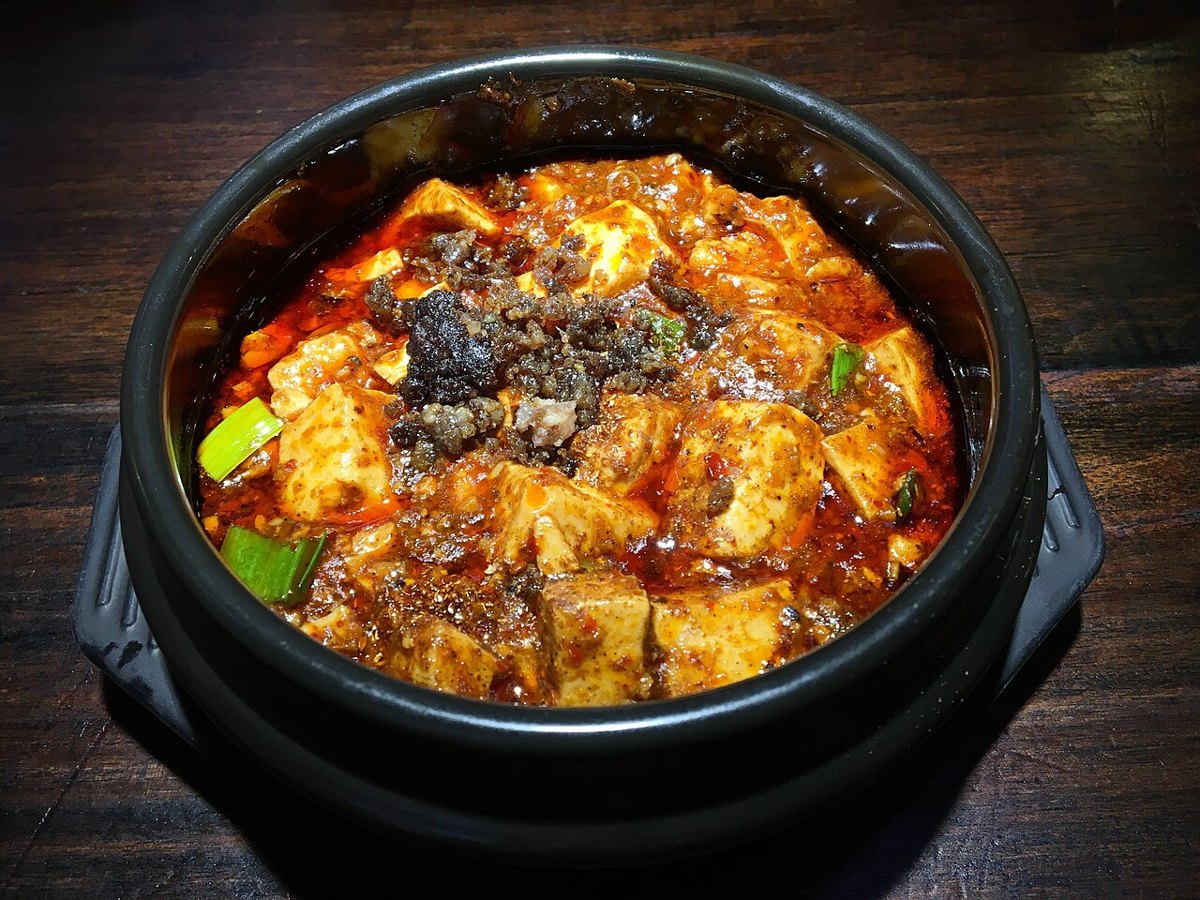
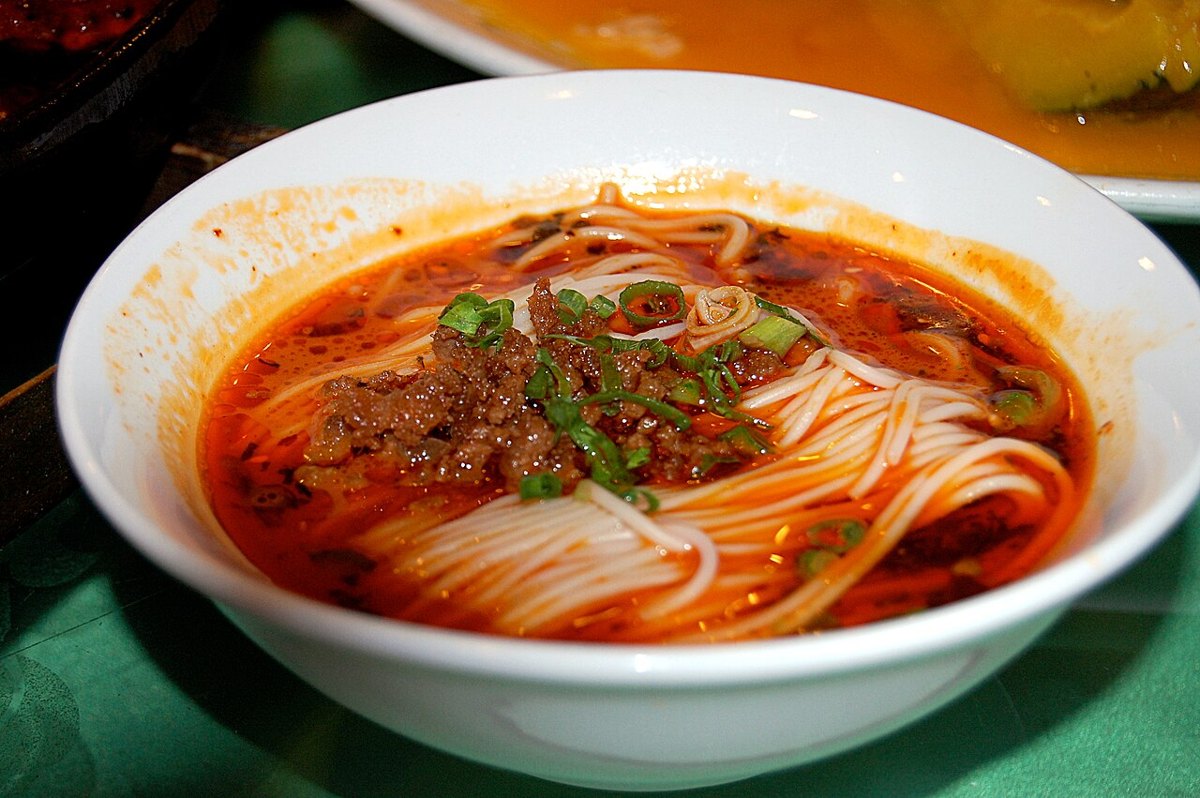
The Qinghua Road branch is a stop for mapo tofu and Sichuan cooking.
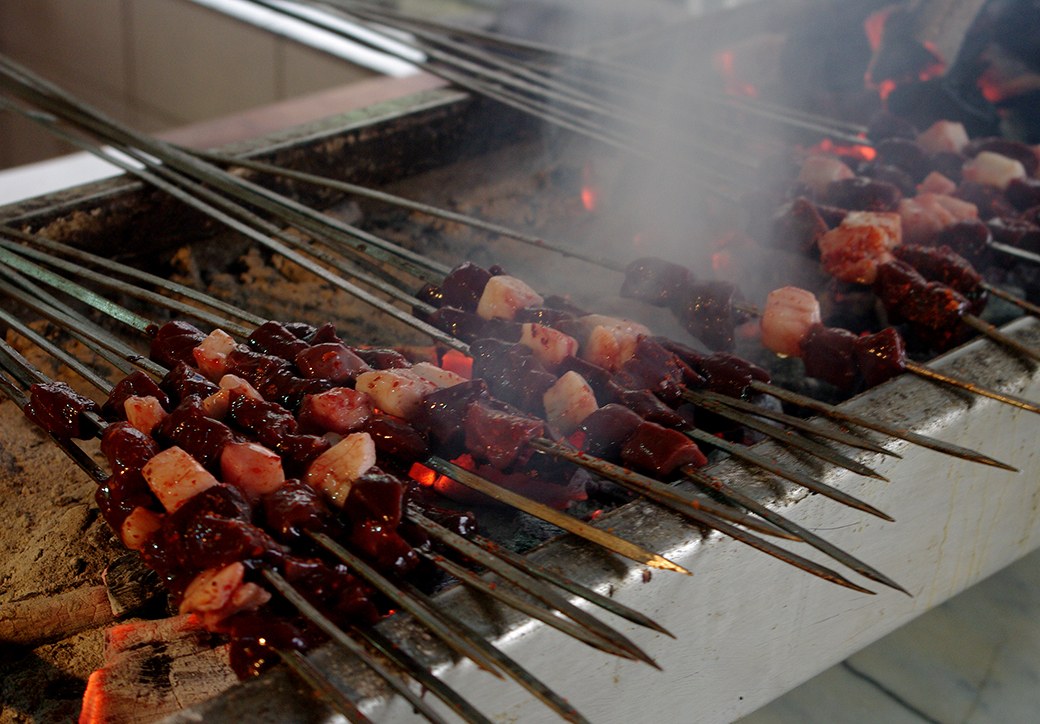
Ciğerci Mahmut in Adana’s Reşatbey neighbourhood specialises in liver skewers. Small pieces cooked over fire make a distinctive local meal for offal enthusiasts.
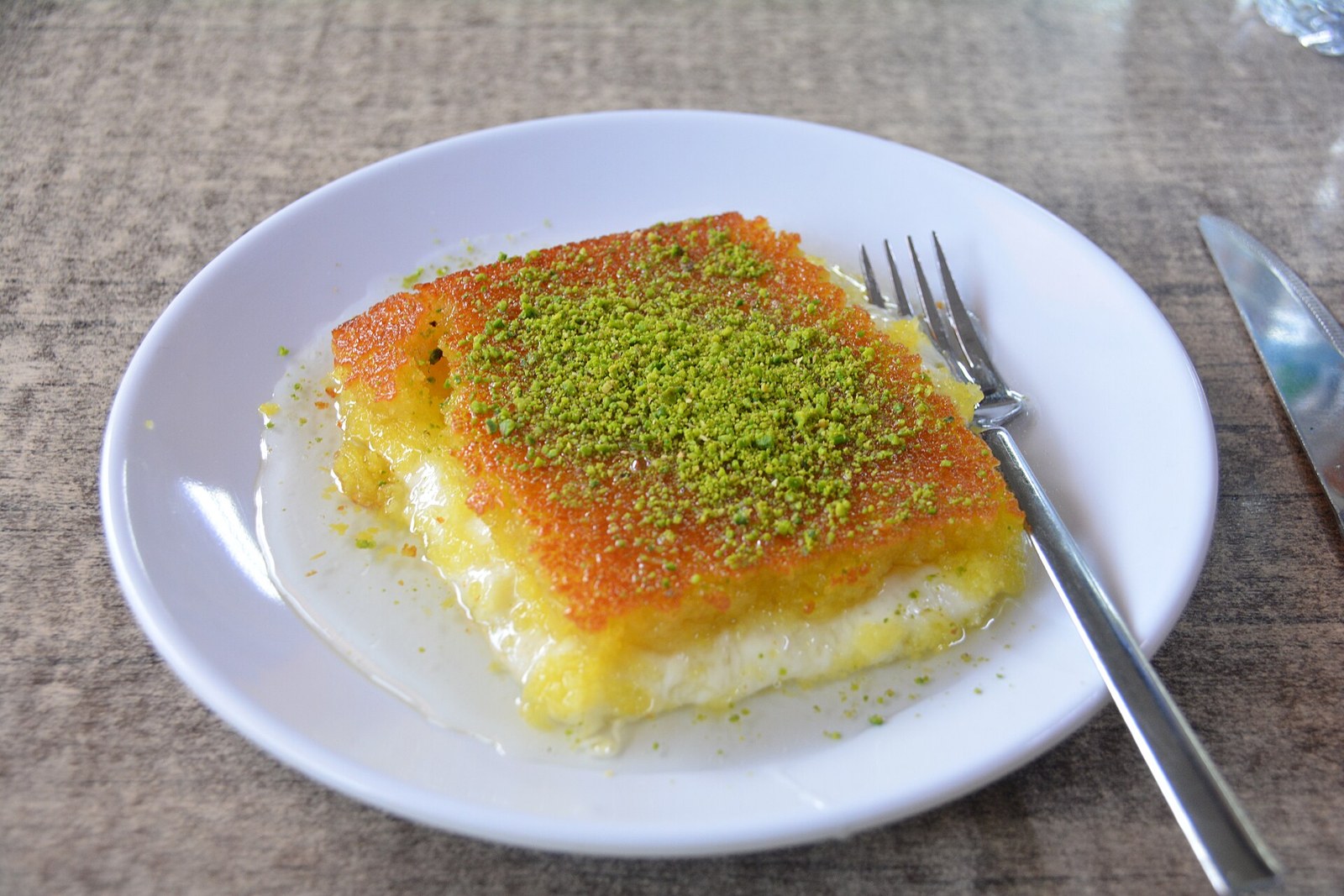
Çınaraltı Künefe Yusuf Usta serves copper-pan künefe cooked over embers in Antakya’s Gastronomi Çarşısı.
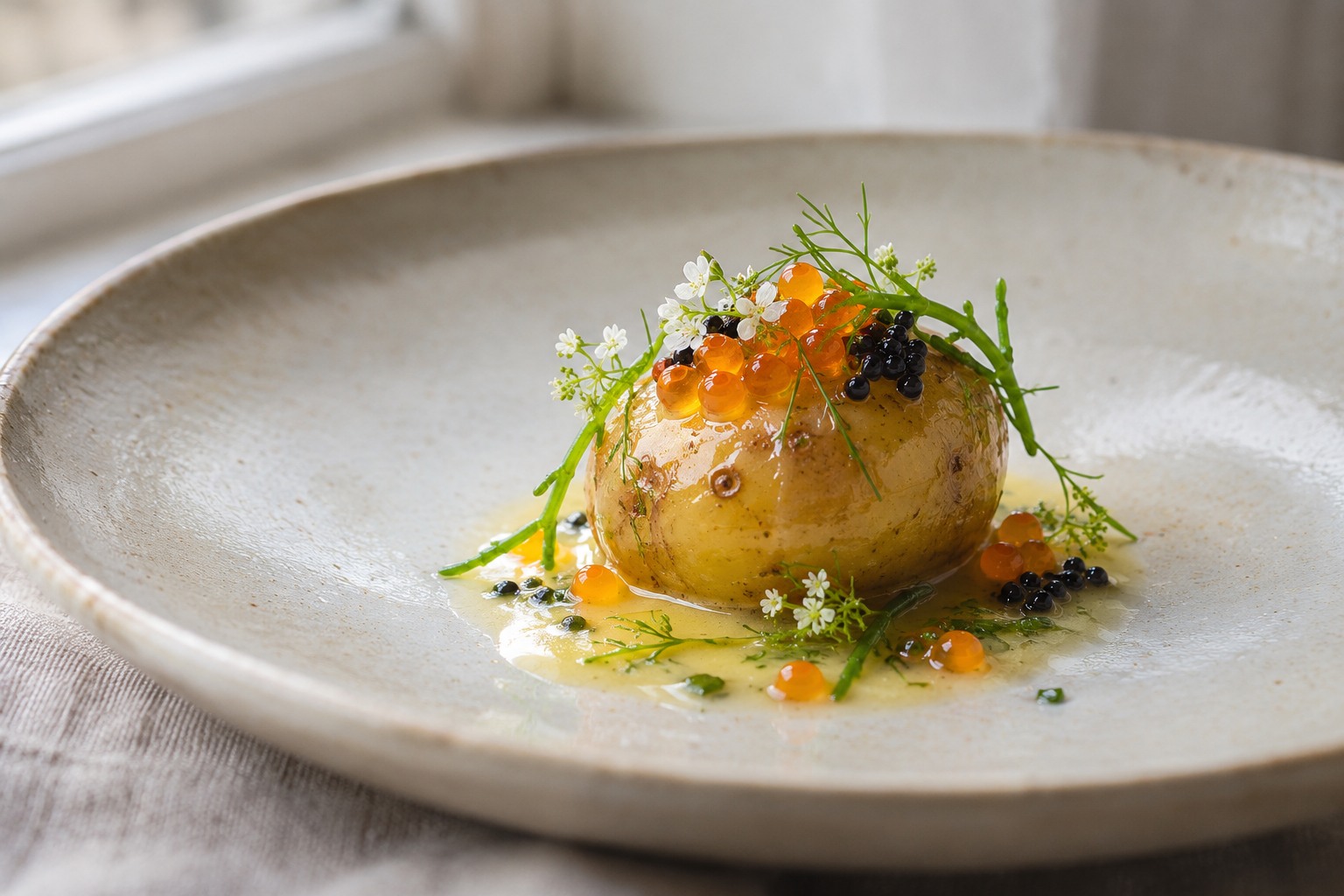
Clare Smyth places British ingredients and the people who produce them at the heart of Core, her Notting Hill restaurant where a potato can become the beginning of a memorable meal.
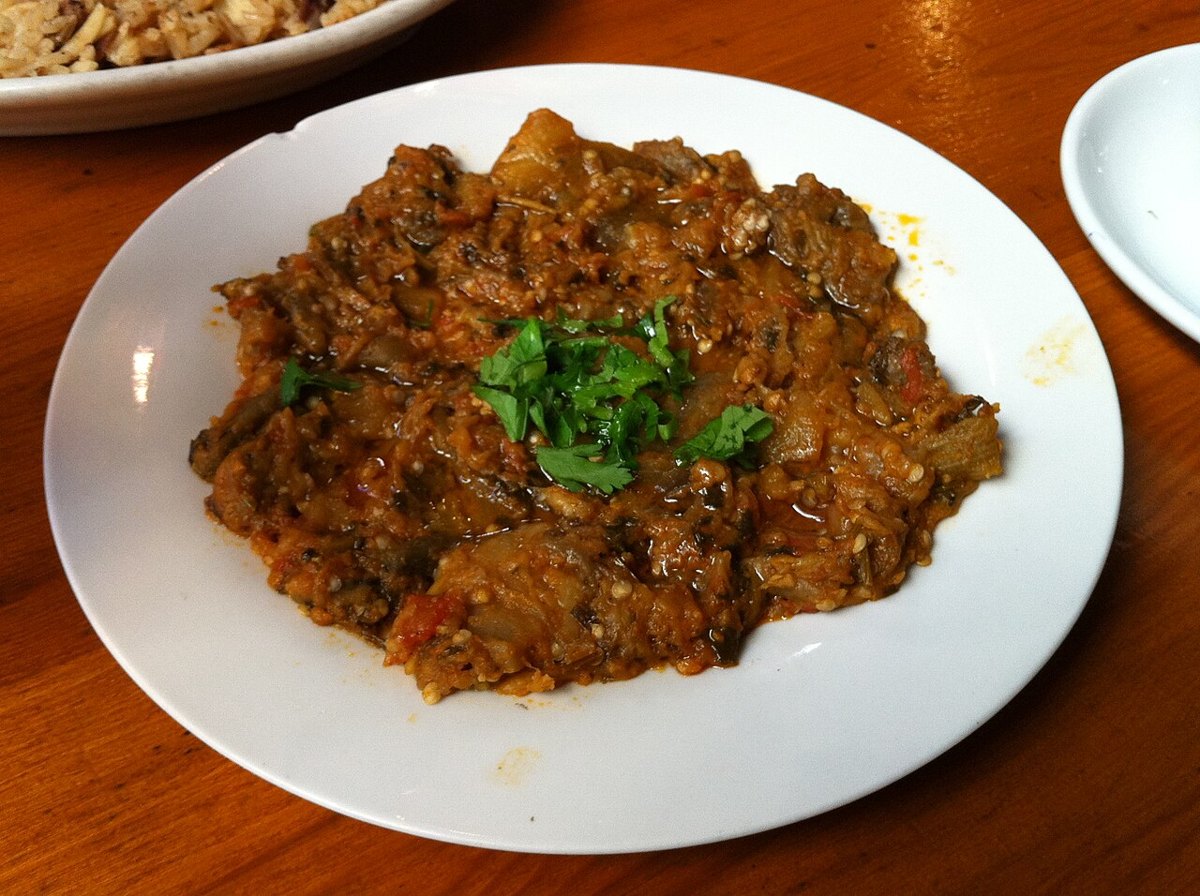
Moroccan dining on the top floor of Es Saadi Palace, with carved stone and plasterwork and views over the gardens and city.
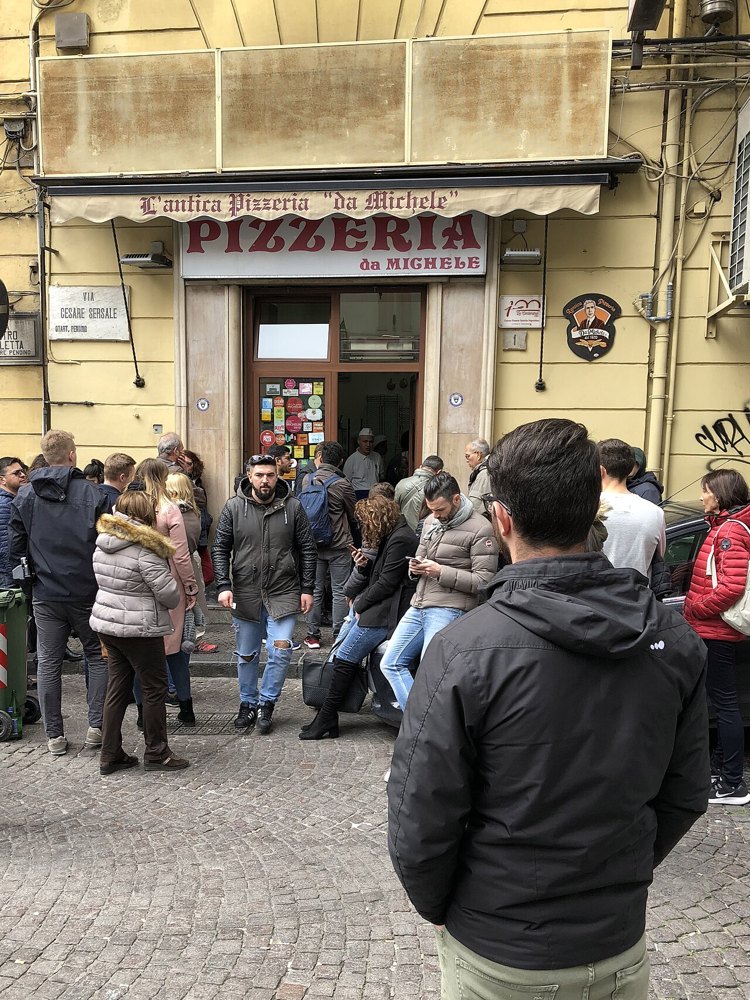
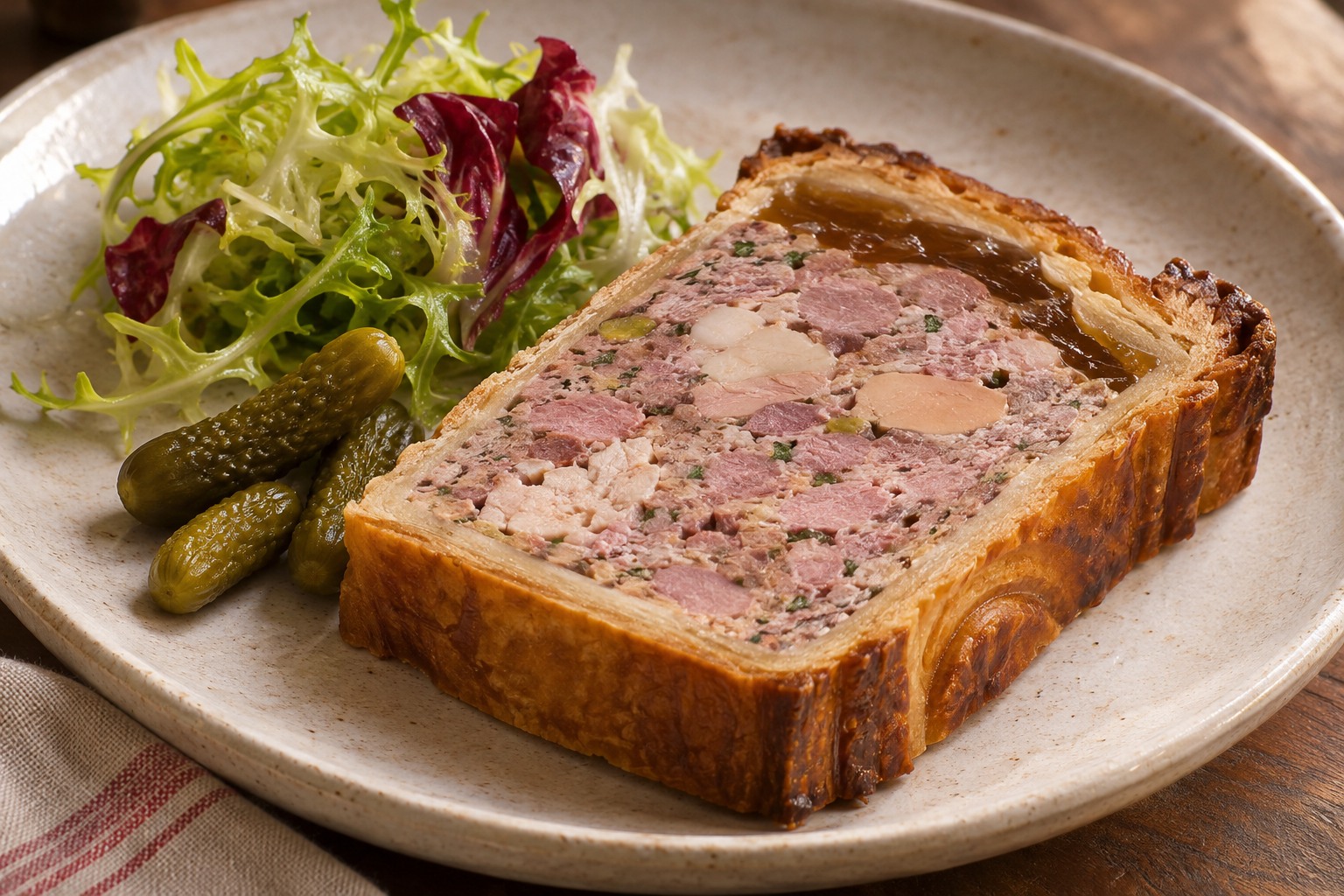
Joseph Viola keeps Lyon’s bouchon cooking lively, generous and precise. Pâté en croûte, quenelles and slow-cooked classics connect professional craftsmanship with the warmth of a shared table.
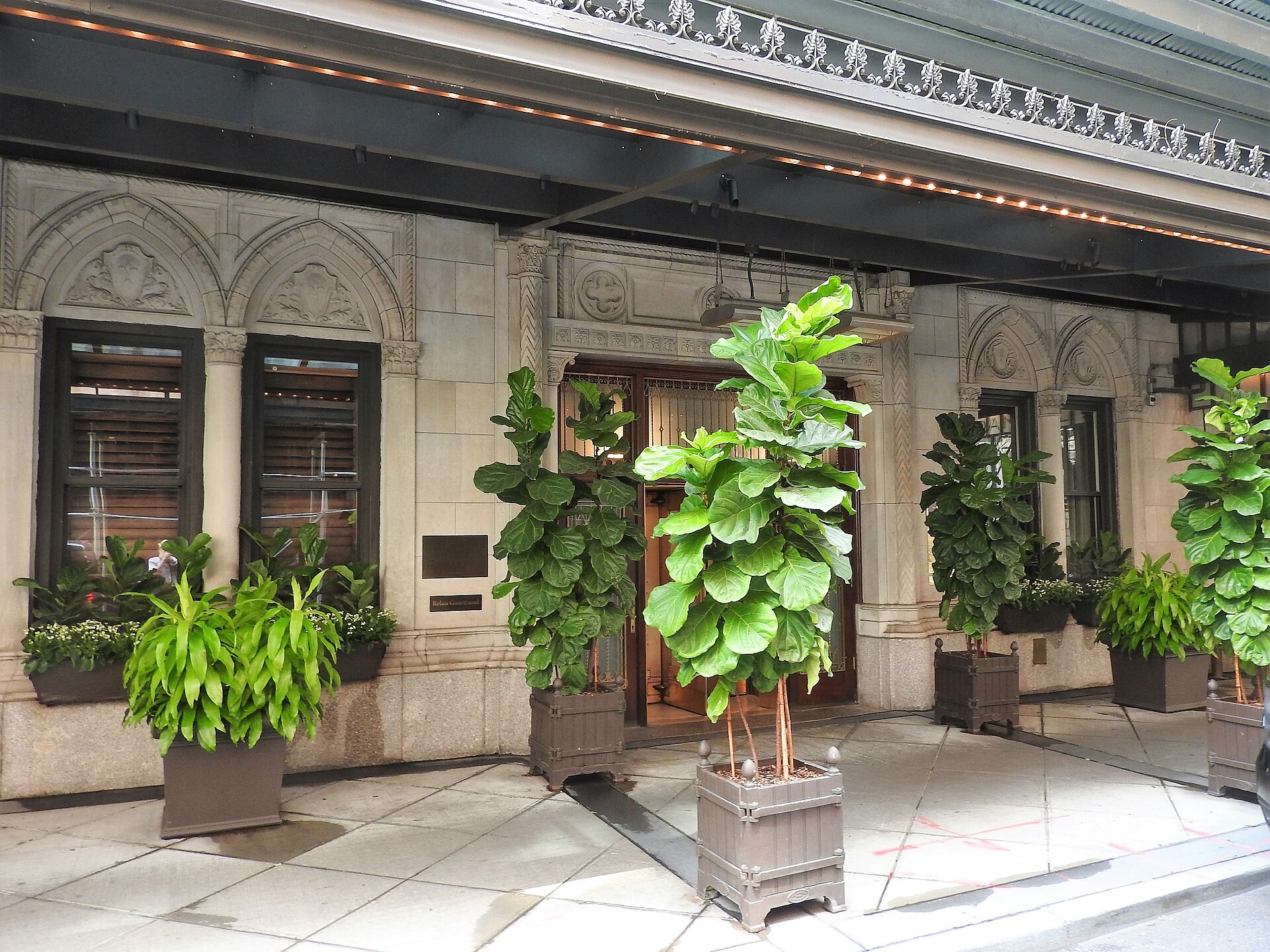
Daniel Boulud brings the seasons, French technique and memories of a farm near Lyon to New York, where Restaurant Daniel remains a central chapter of his long career.
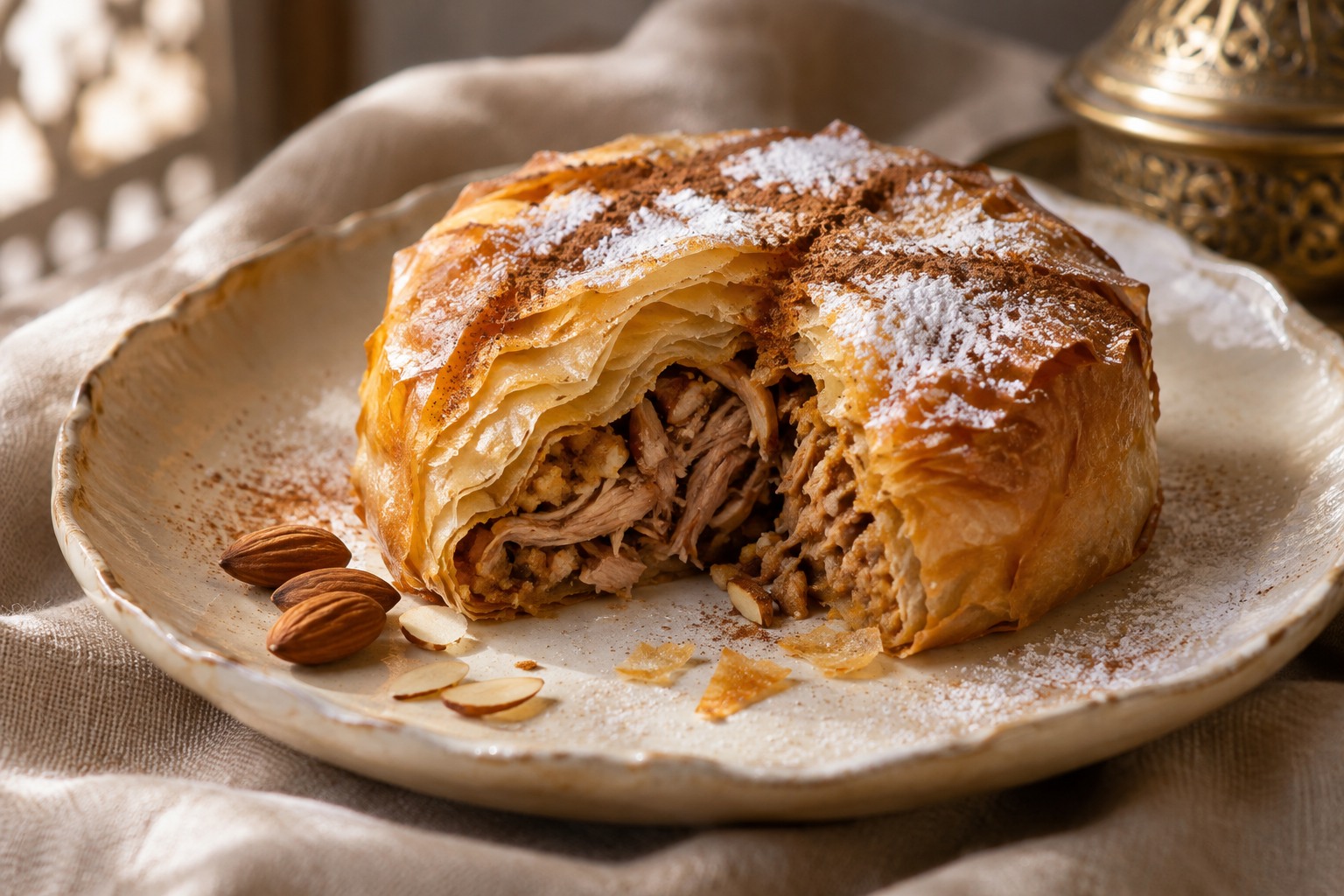
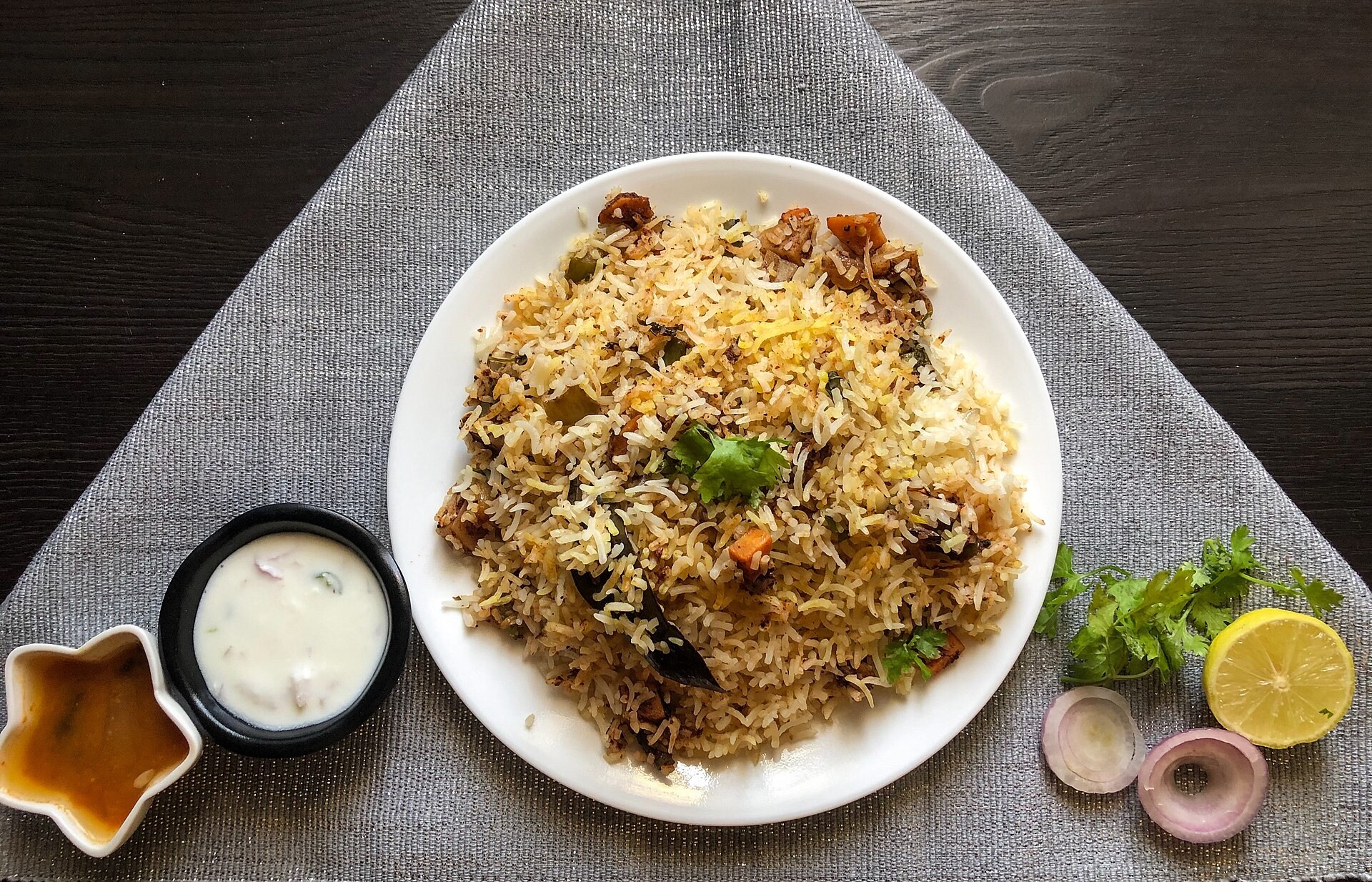
Asma Khan brings the food memories of Kolkata and an all-women kitchen to Darjeeling Express, where a London supper-club story has grown into a restaurant centred on sharing.
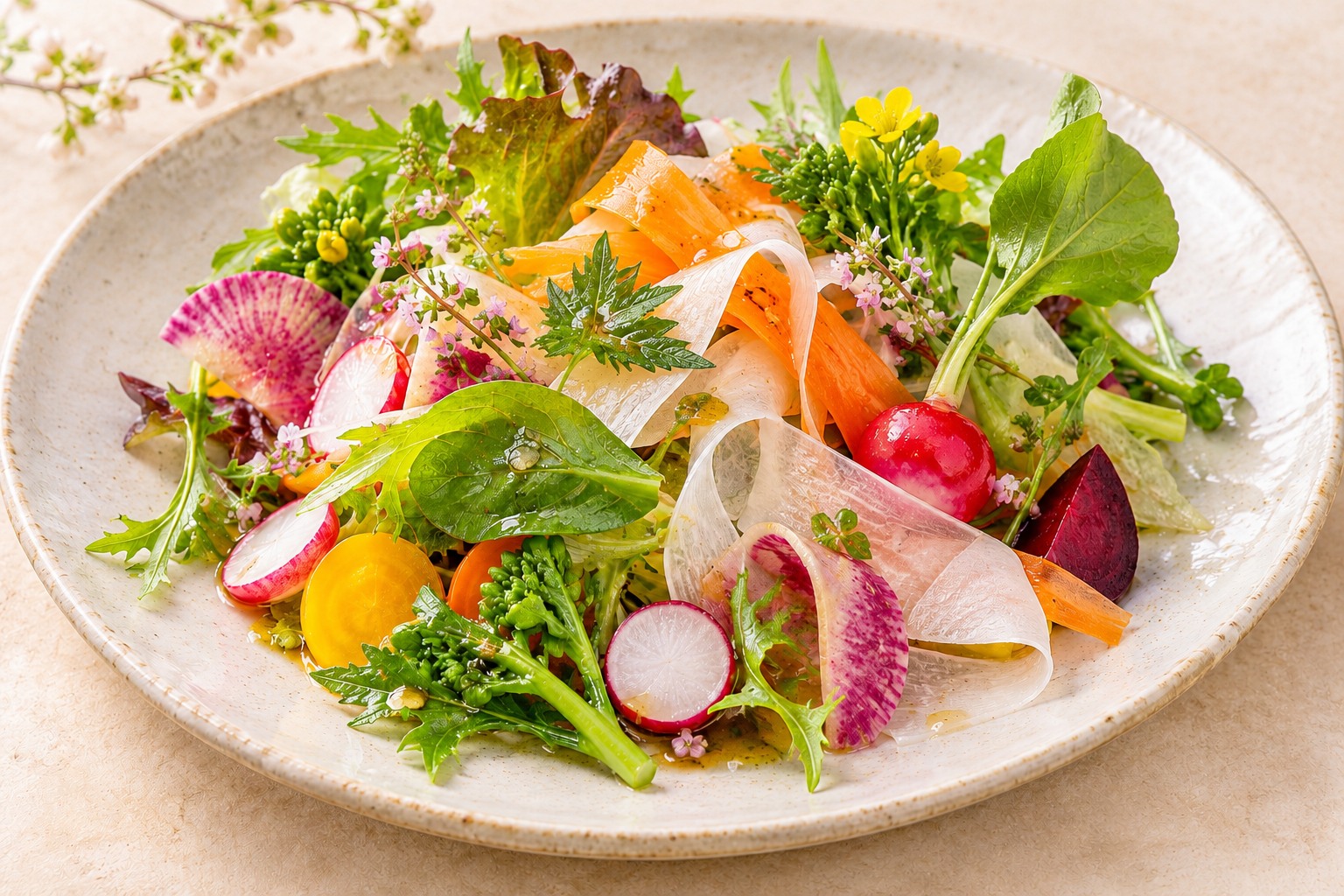
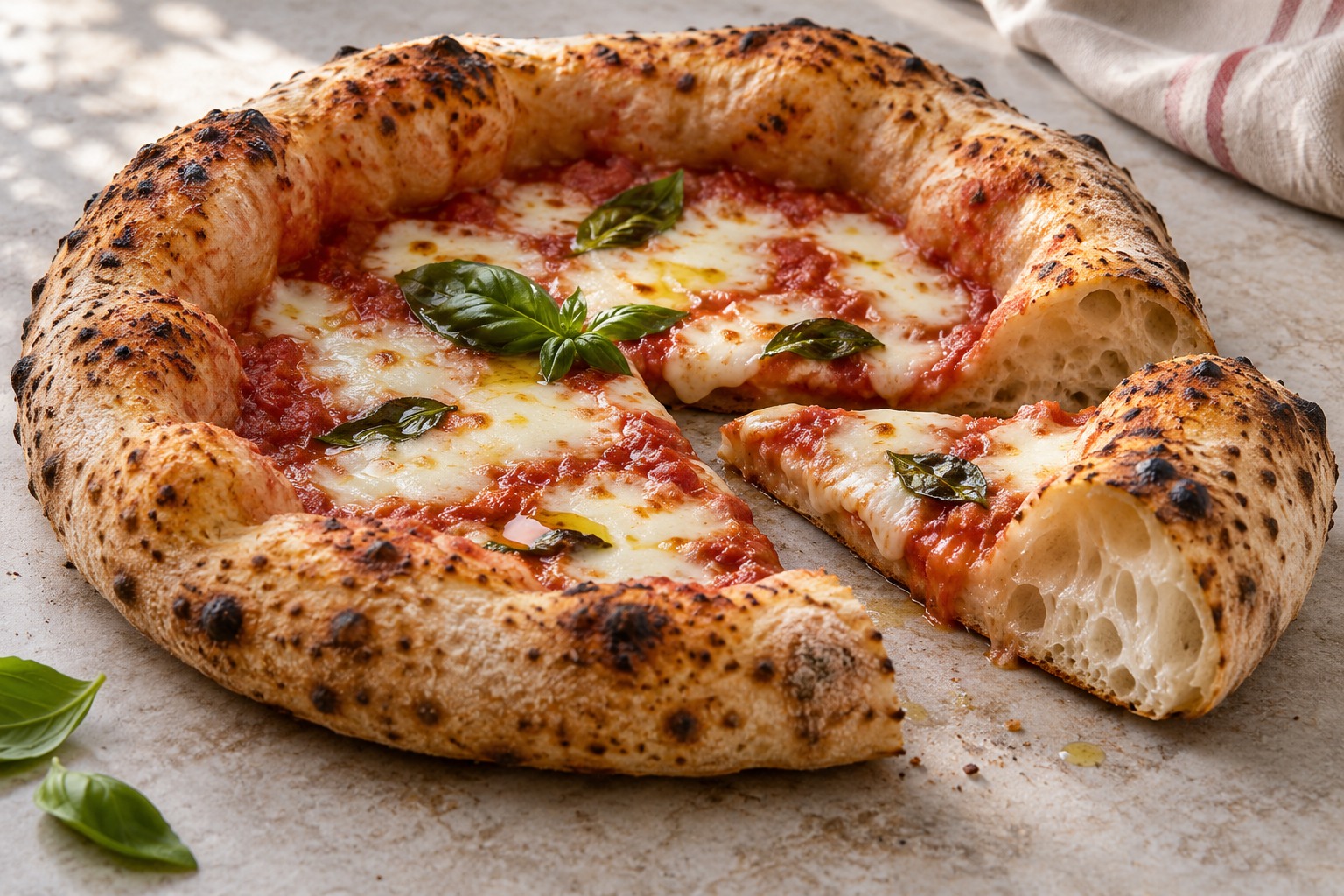
Diego Vitagliano explores the possibilities of contemporary Neapolitan dough. Tall airy crusts, indirect fermentation and carefully chosen toppings connect experimentation with the pleasure of a familiar pizza.
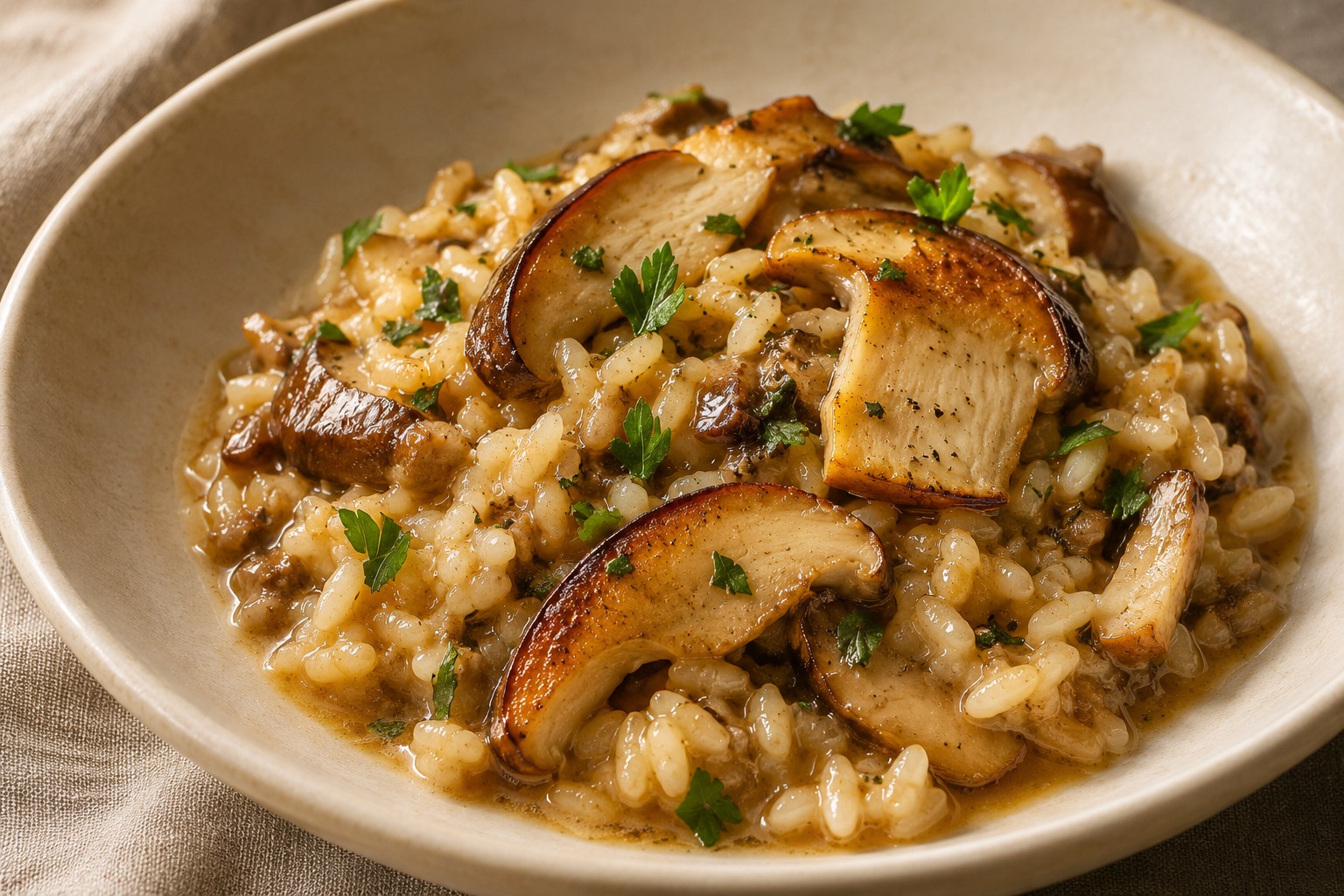
Oriol Castro is one of the three chefs behind Disfrutar. Mediterranean ingredients, research and the pleasure of surprise meet in a restaurant built with Eduard Xatruch and Mateu Casañas.
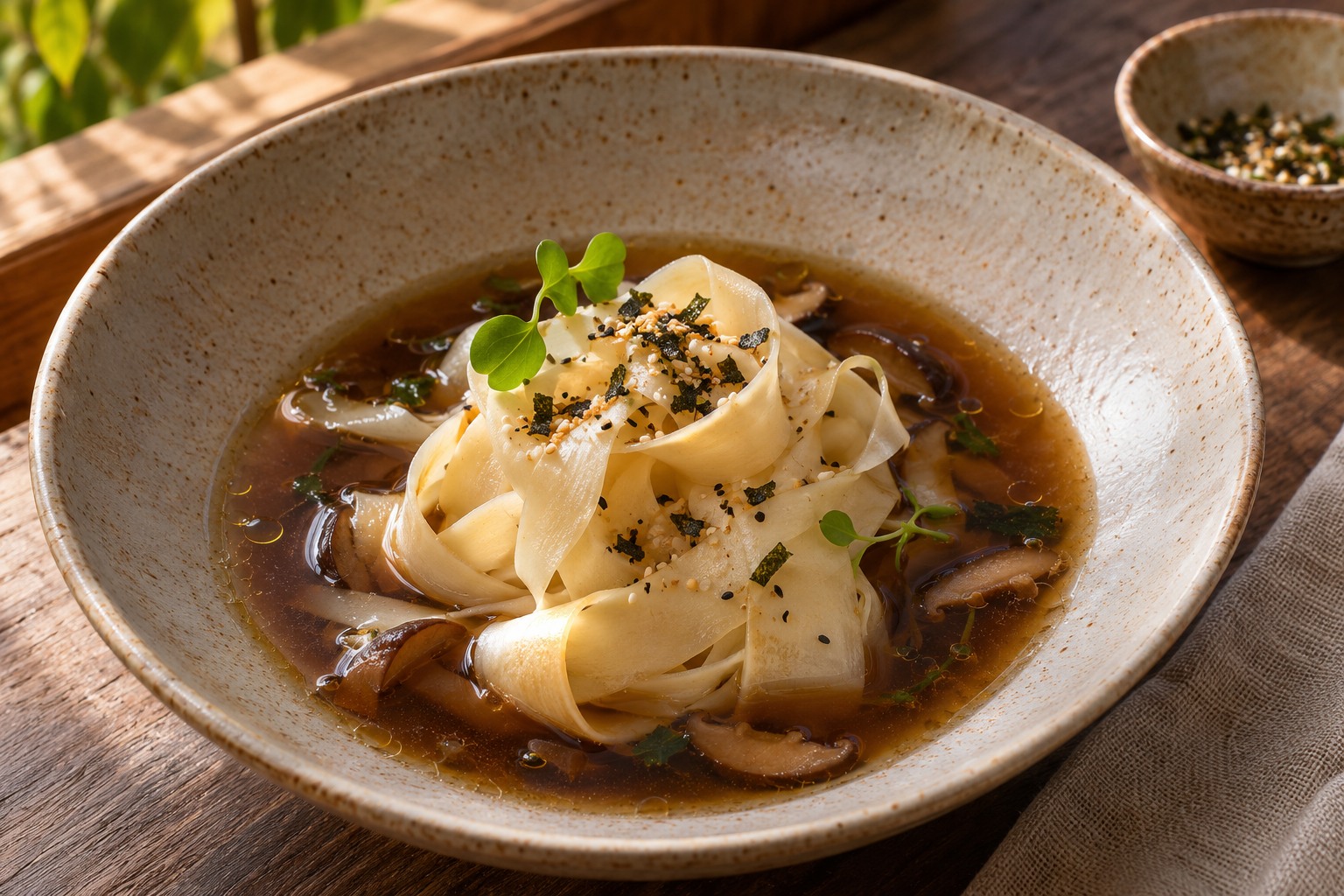
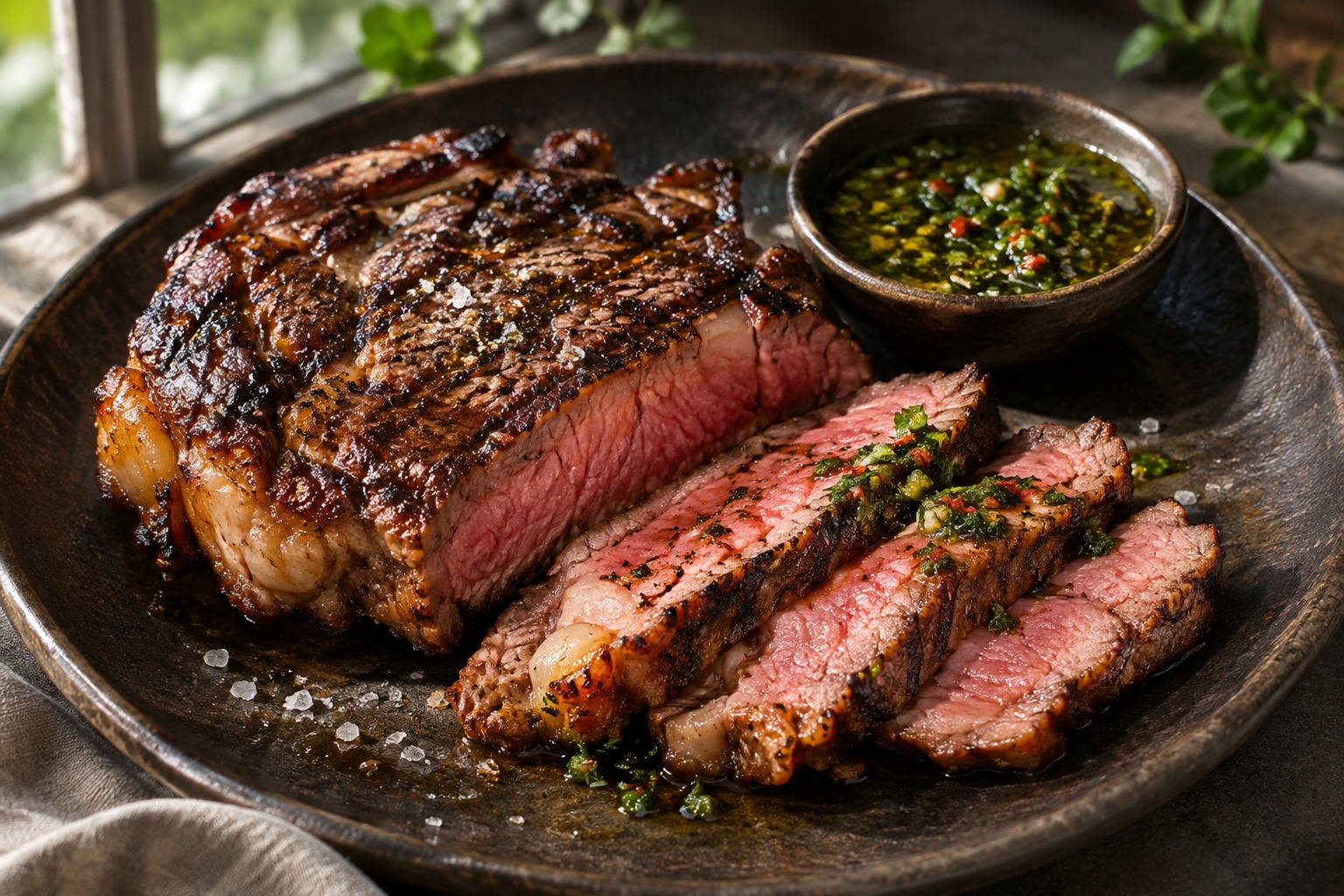
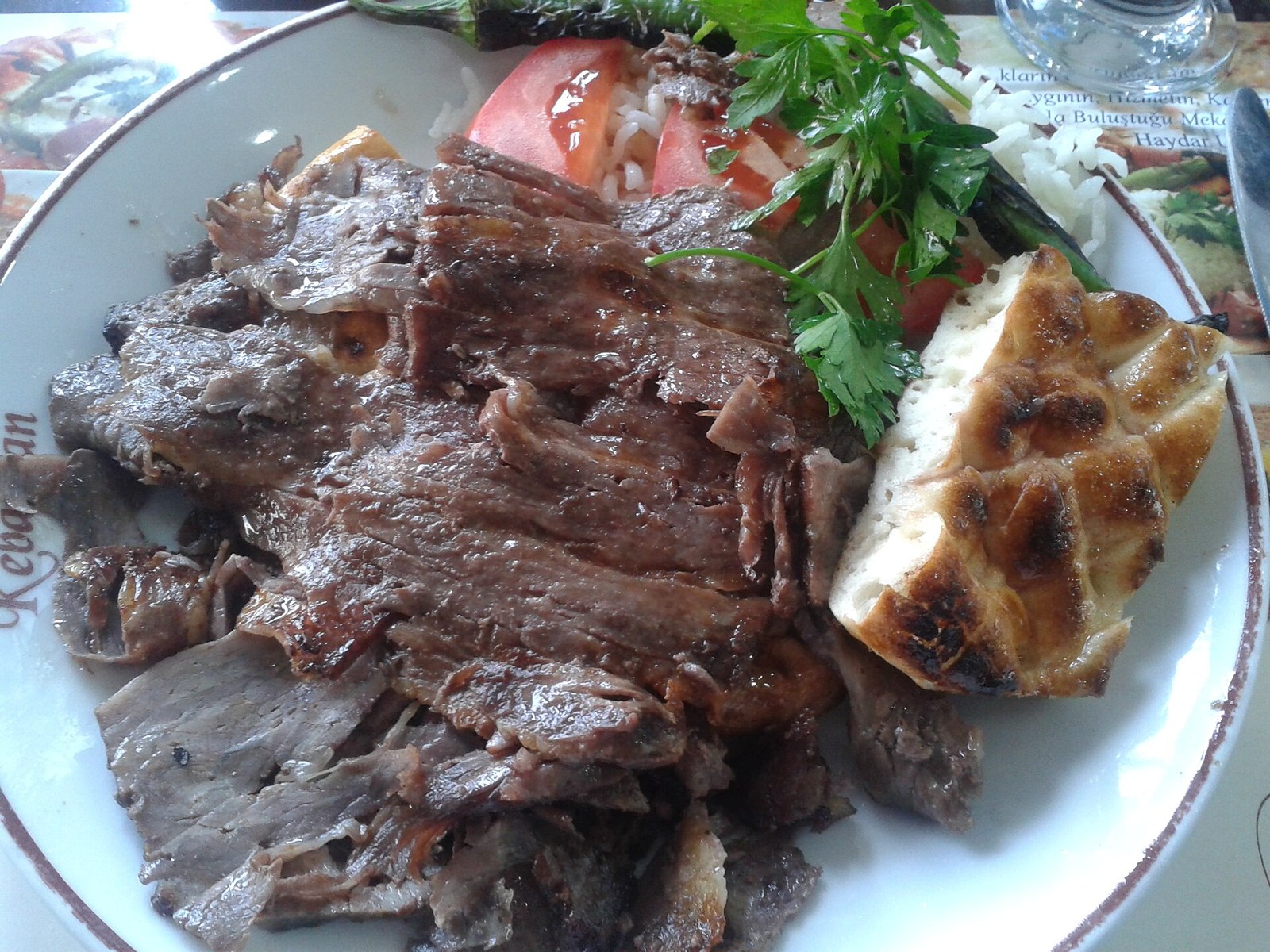
Started by Celal Emeç in 1964, Hacıbaba is an İsmet Paşa Caddesi address for Erzurum sheep-meat döner and lavaş.
At Dönerci Kenan in Karabağlar, freshly cut döner is served with pide, tomato and pepper.
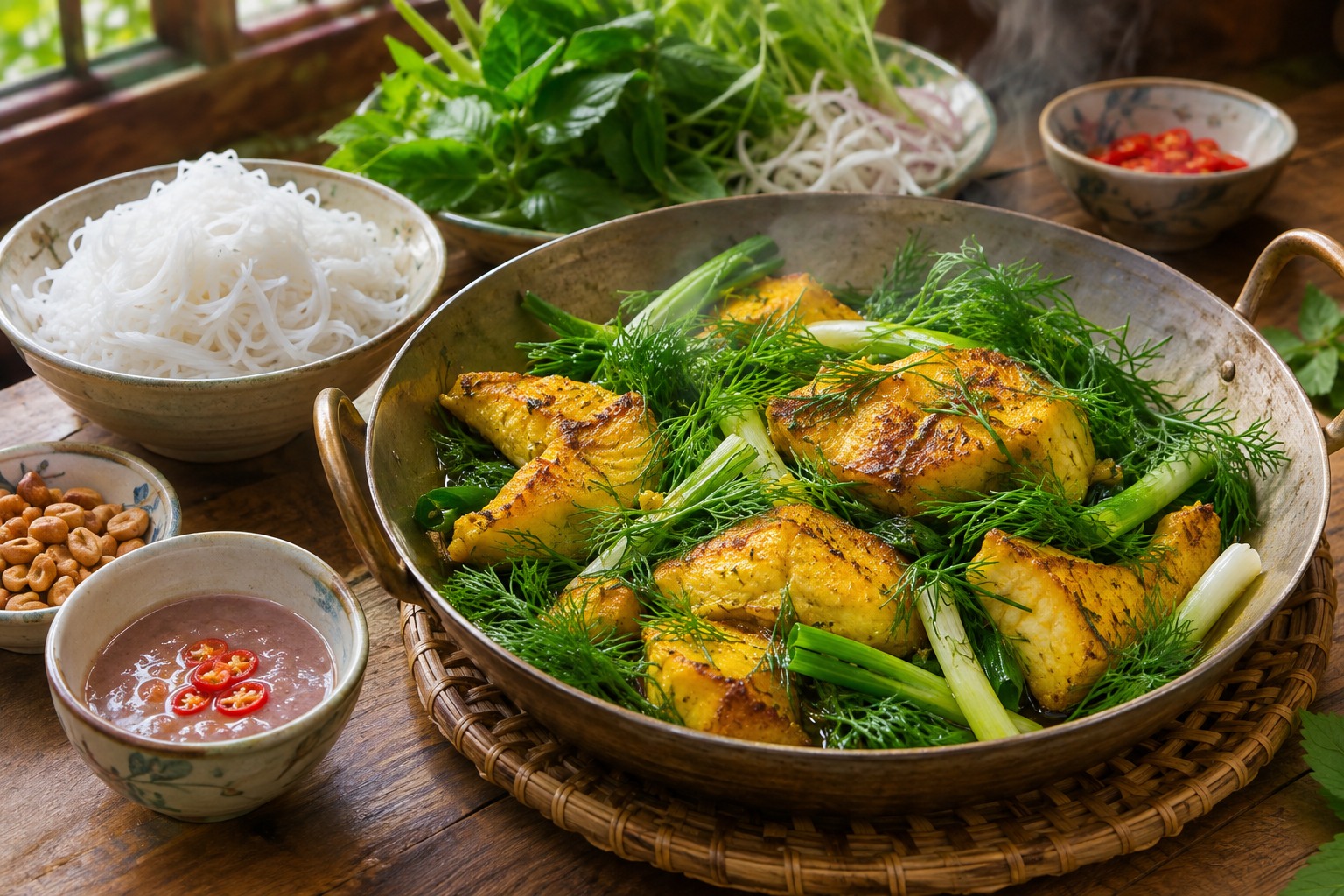
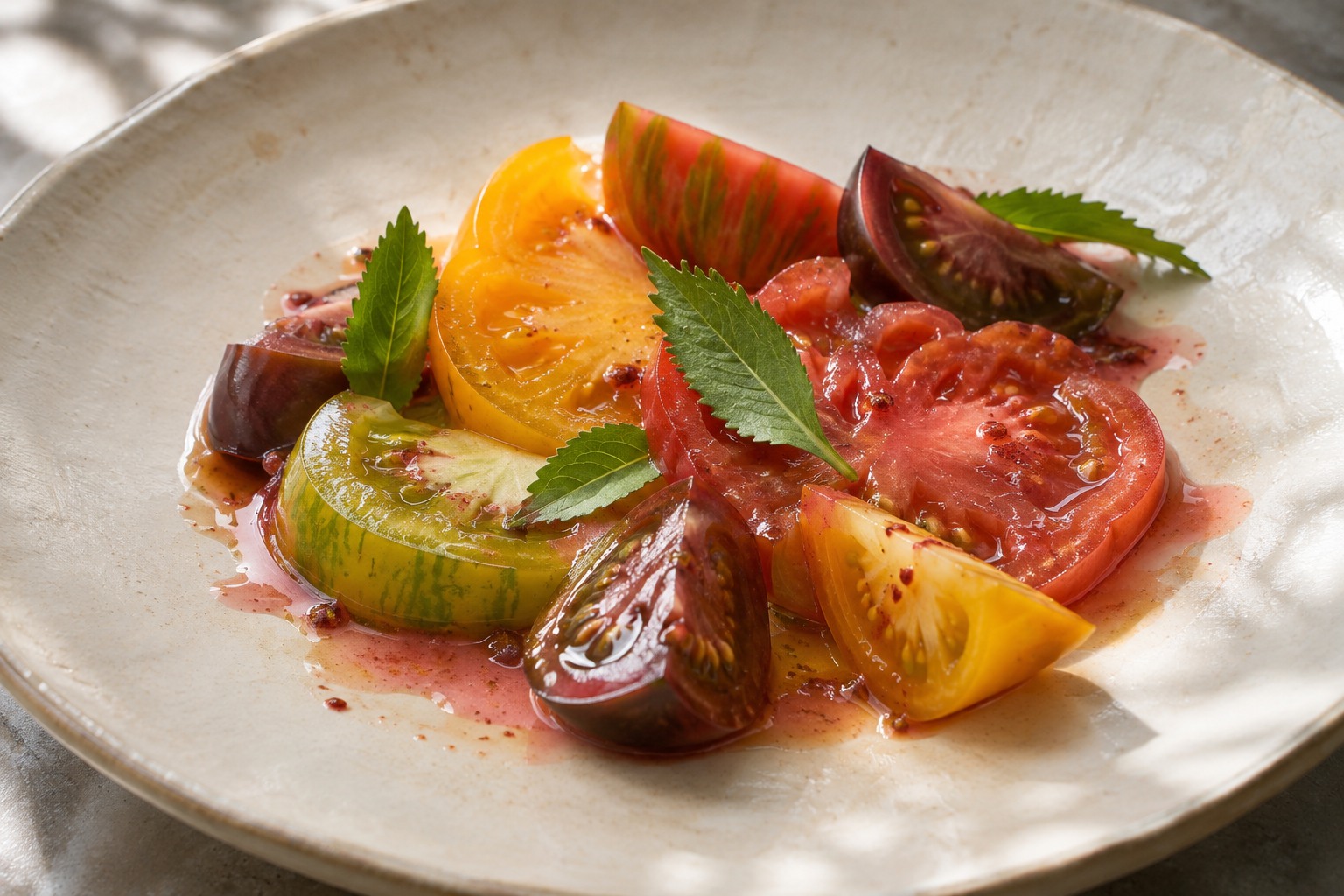
Hoang Duong connects village food memories with a Hanoi restaurant and cooking school. Fresh herbs, seasonal produce and traditional dishes sit alongside Vietnamese and French influences at Duong’s.
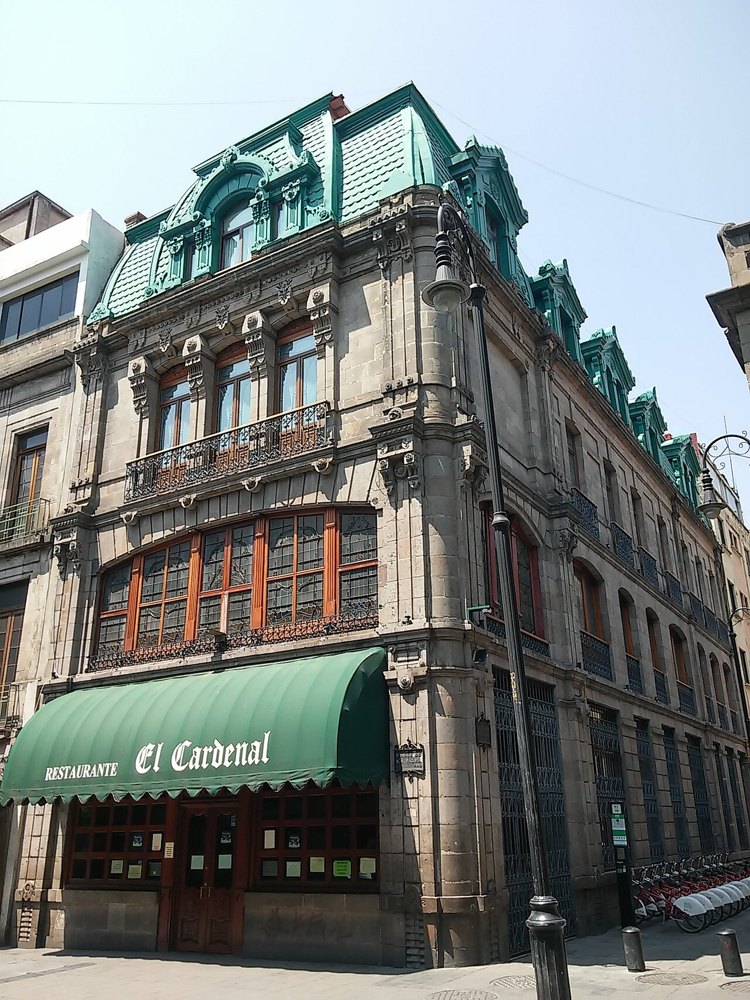
The Palma dining room pairs a historic building with Mexican cooking and breakfast traditions.
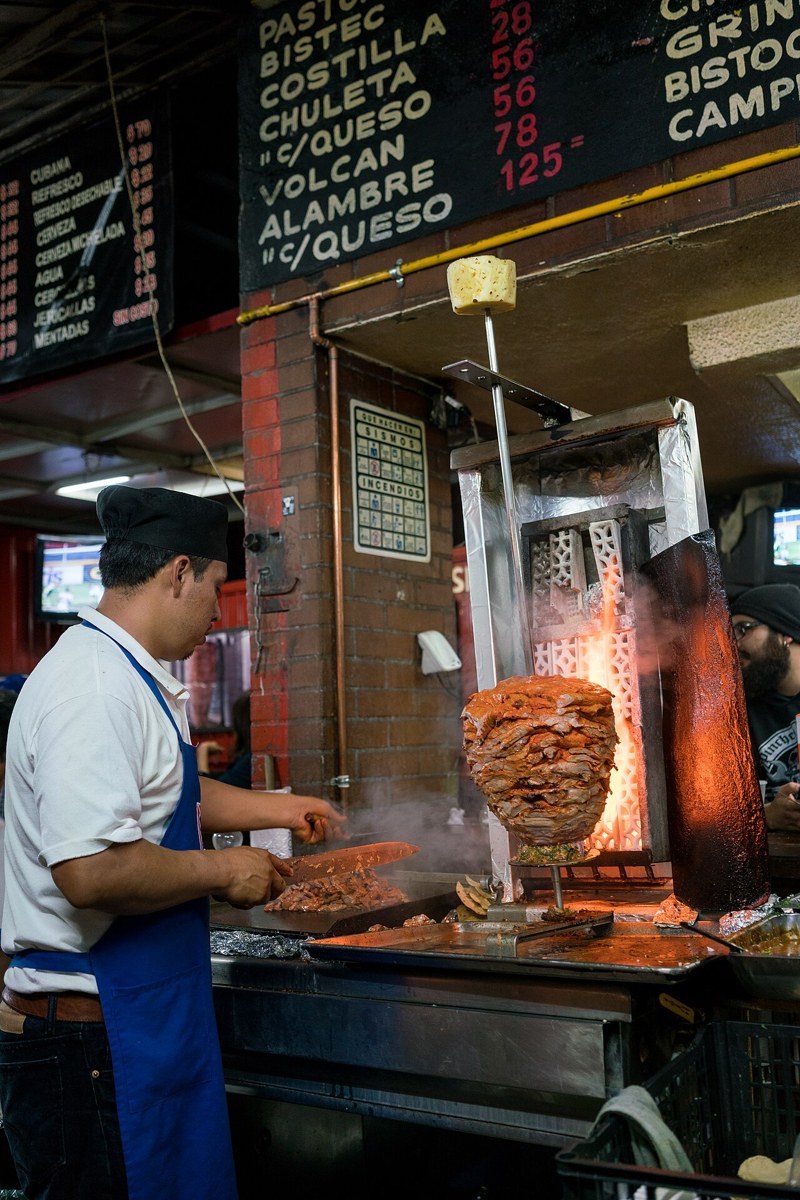
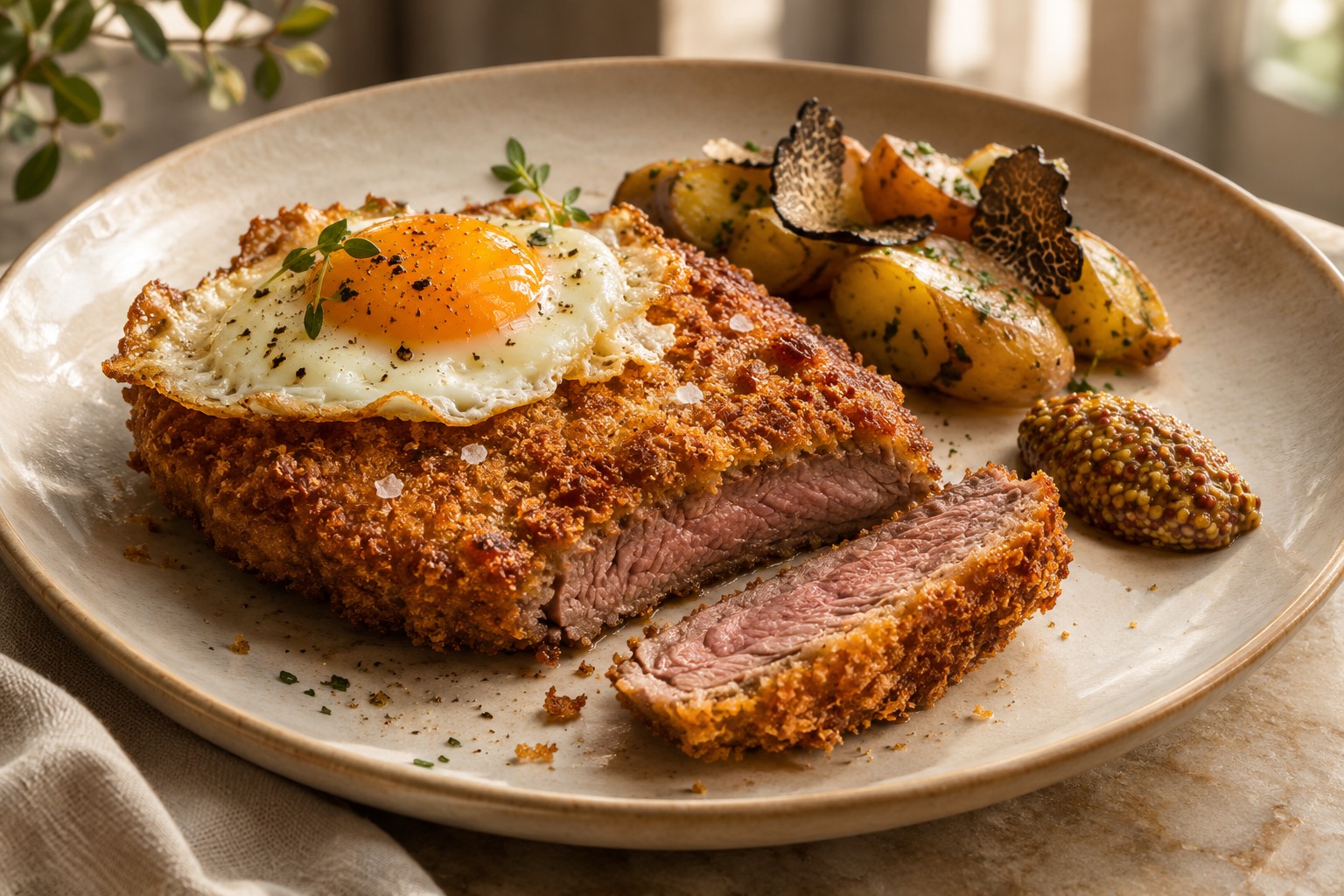
Juan Gaffuri connects Argentine beef, European family influences and international hotel experience at Elena. Dry-aged meat, charcuterie and brasserie dishes offer several ways into his Buenos Aires cooking.
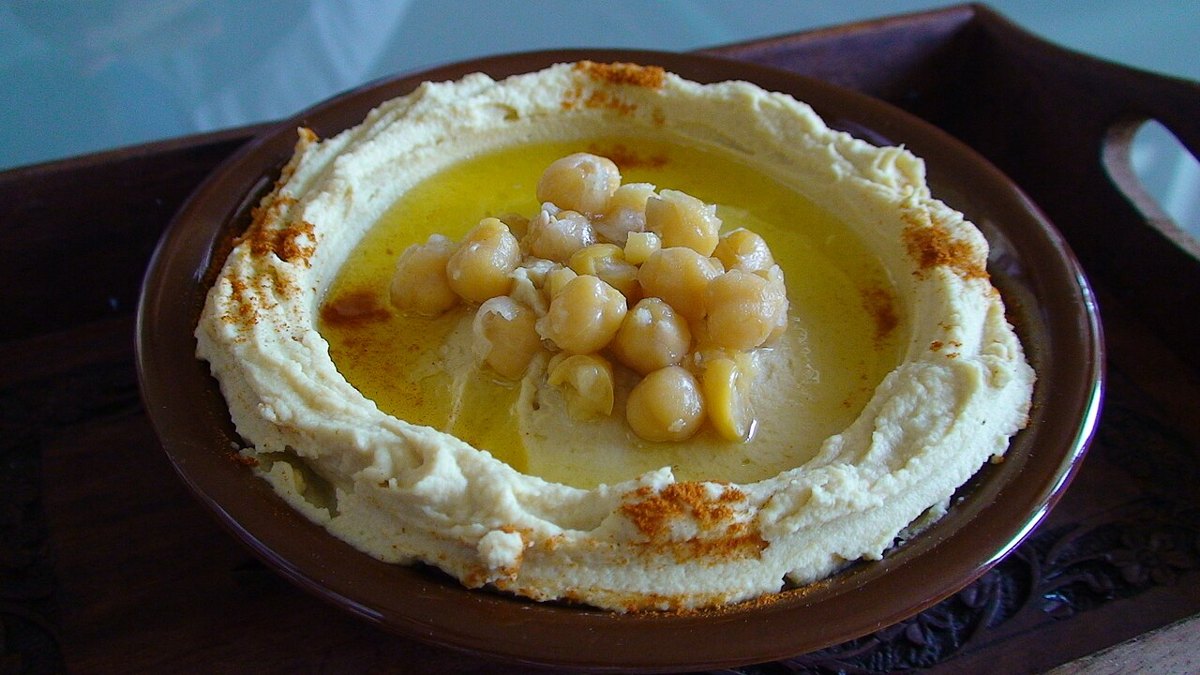
A Beirut address for exploring Lebanese dining through mezze and shared plates.
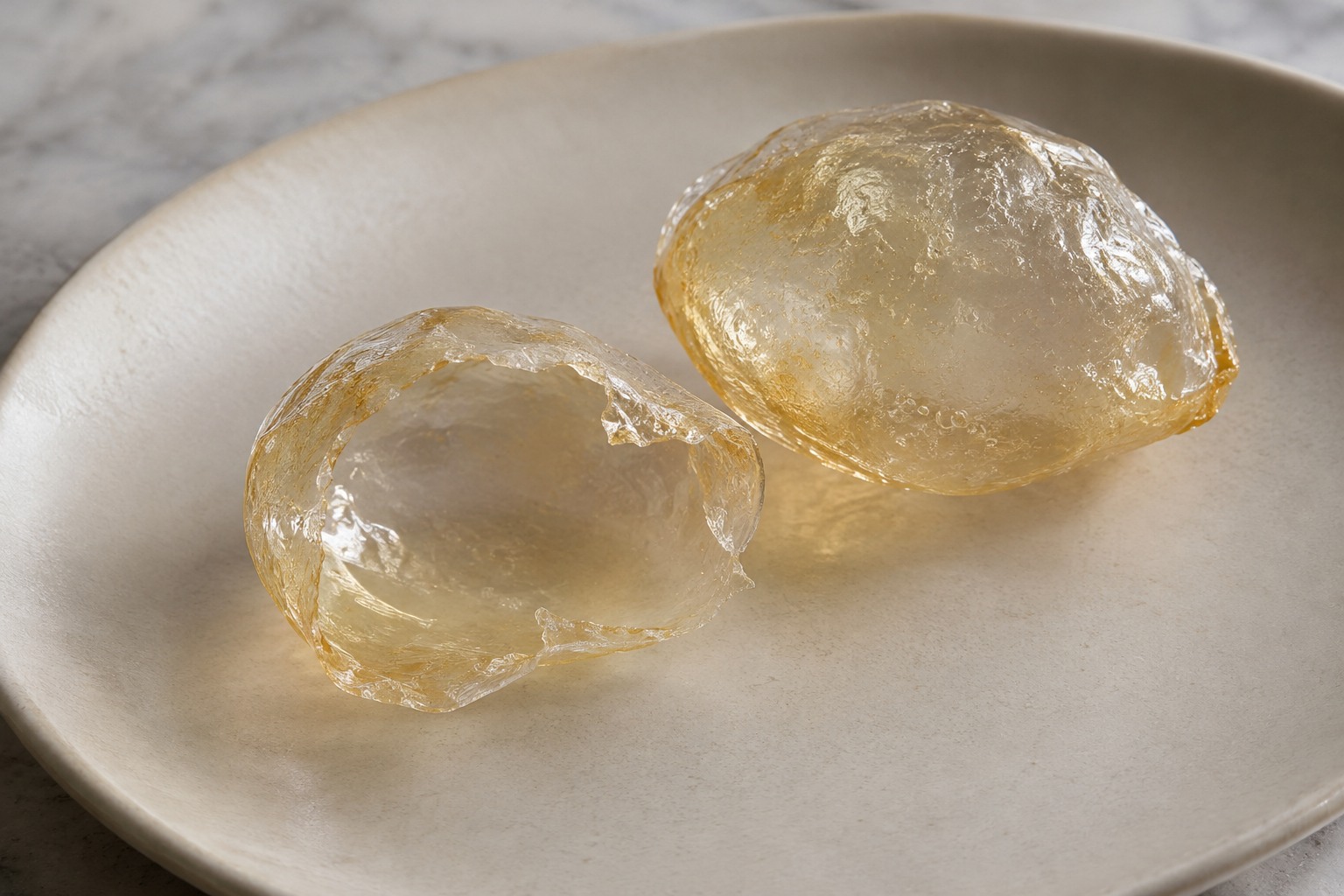
Enigma reopened in 2022 and is now the main focus of his restaurant work.
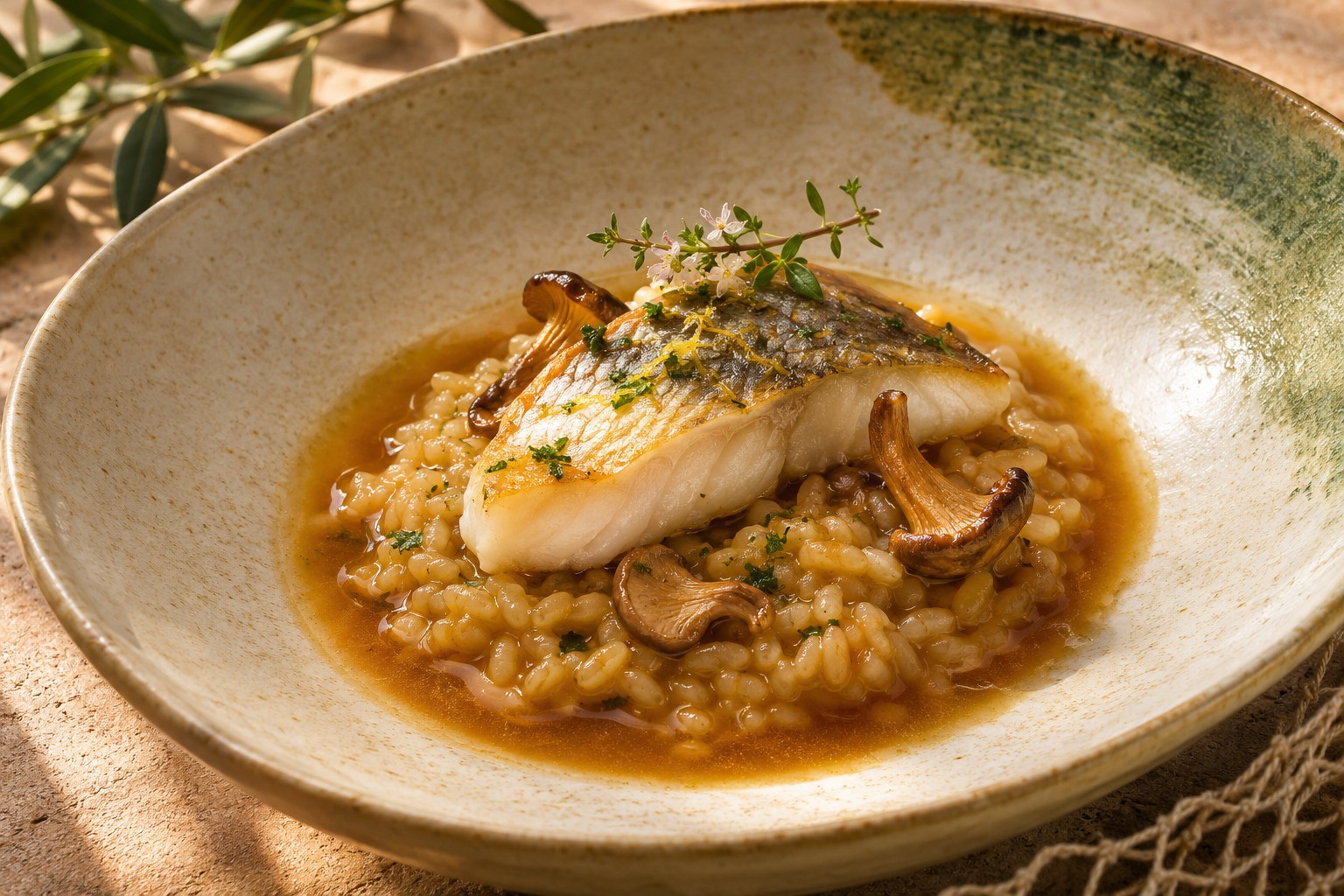
Paco Pérez carries the Mar d’Amunt’s sea, gardens and woodland into Enoteca at Hotel Arts Barcelona. Carefully chosen products and contemporary technique build a coastal Catalan conversation.
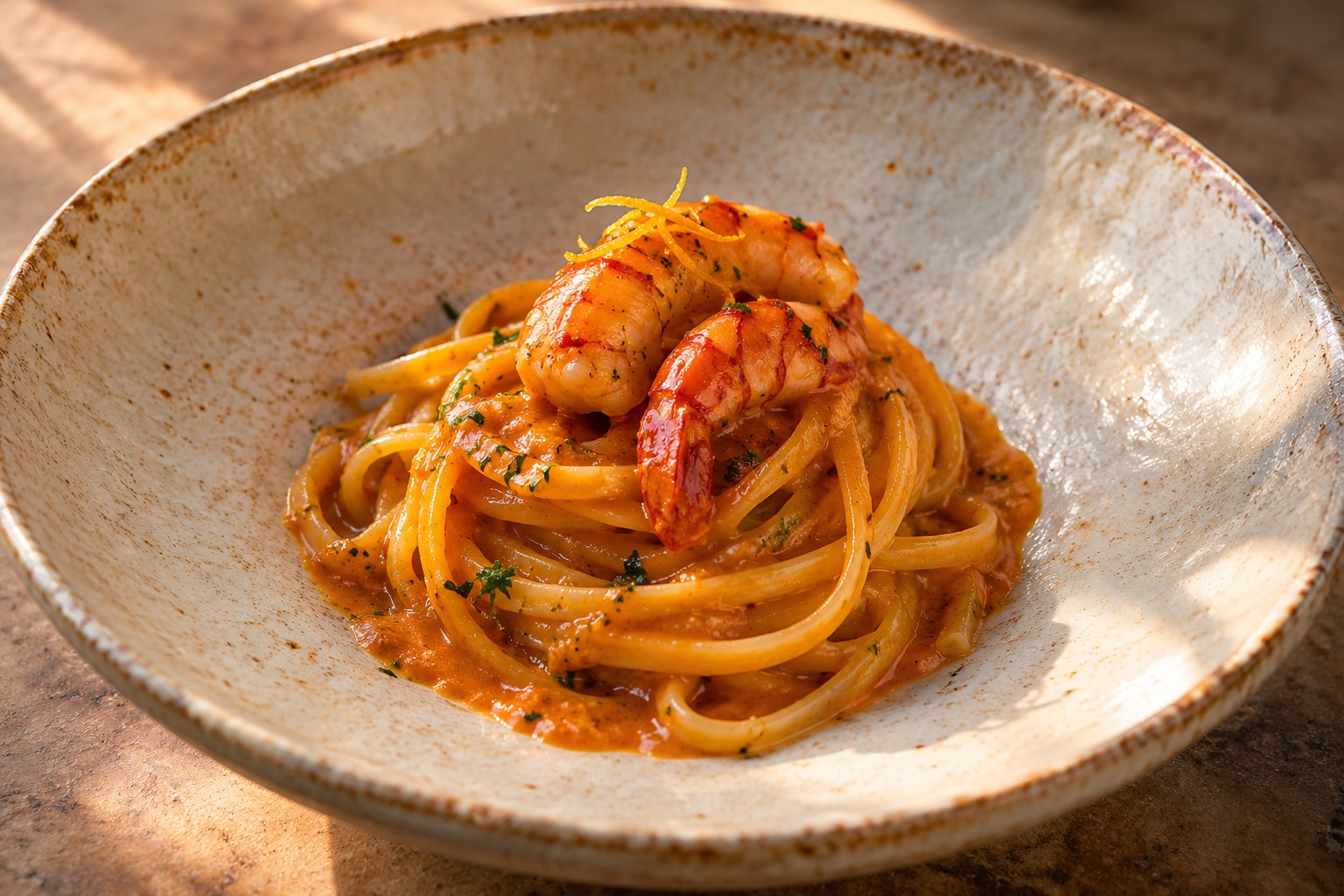
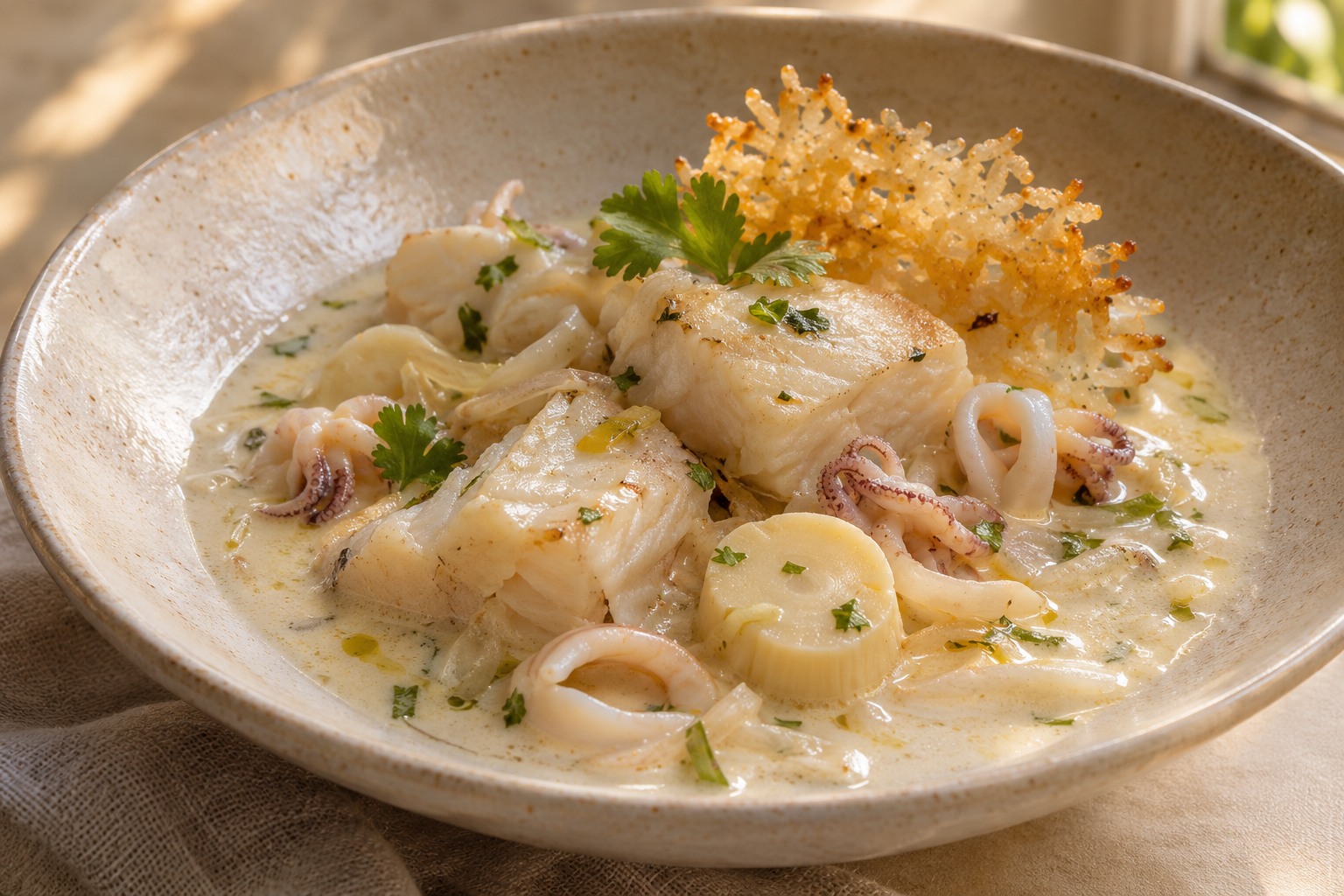
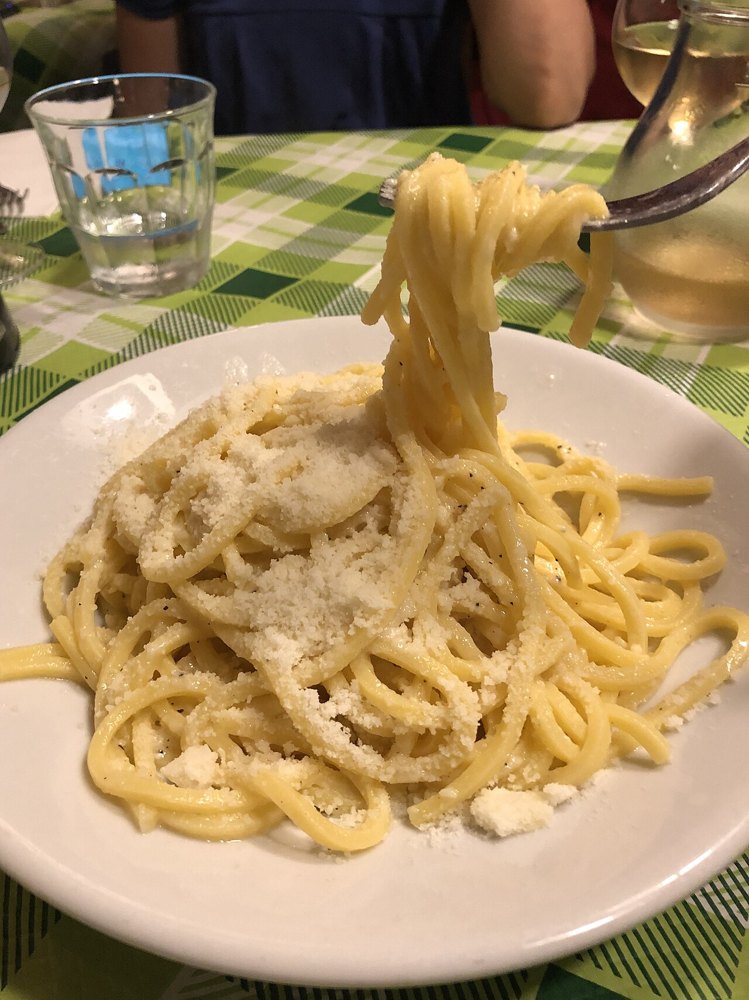
Felice a Testaccio
At this historic Testaccio trattoria, tonnarelli cacio e pepe is mixed at the table before serving.
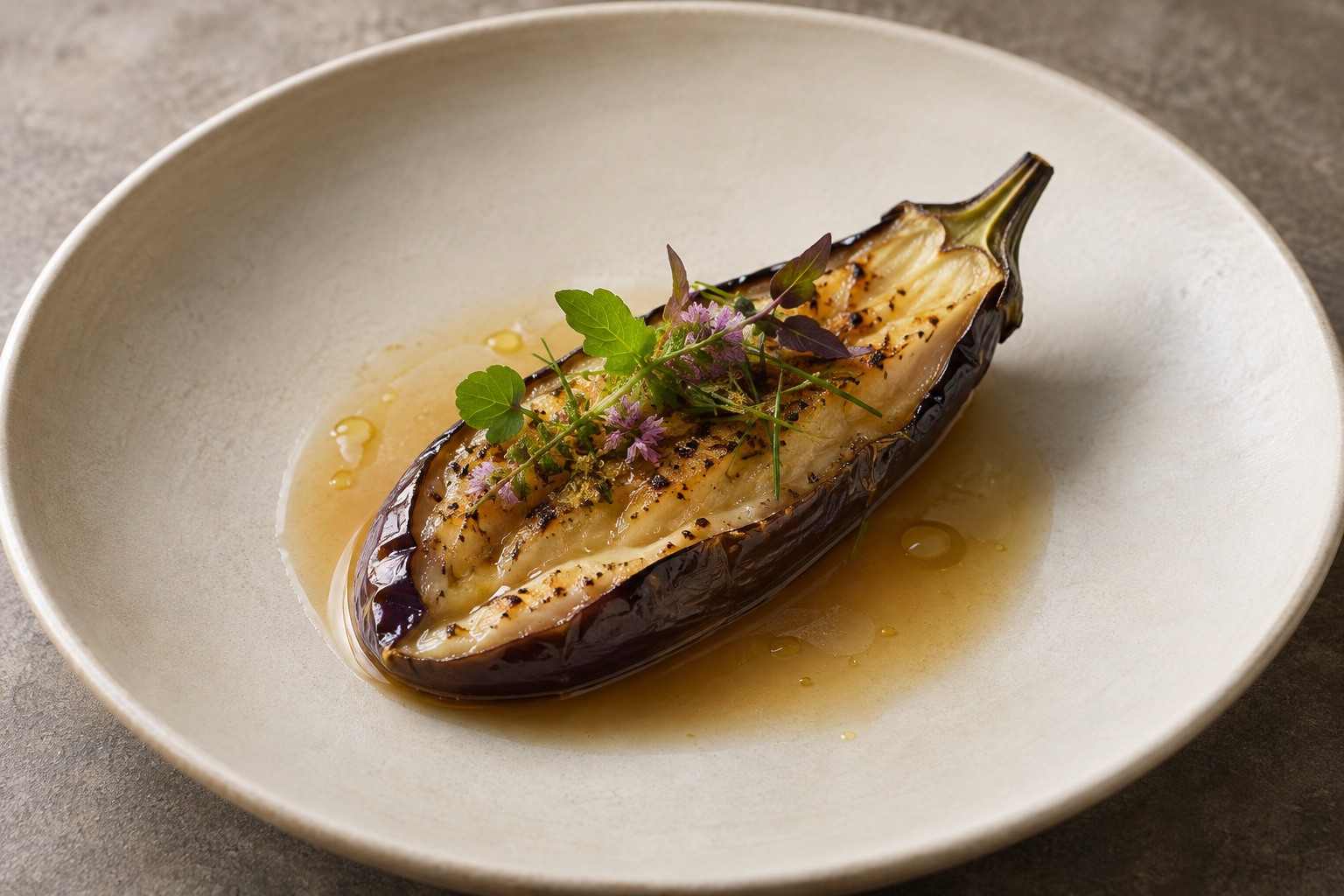
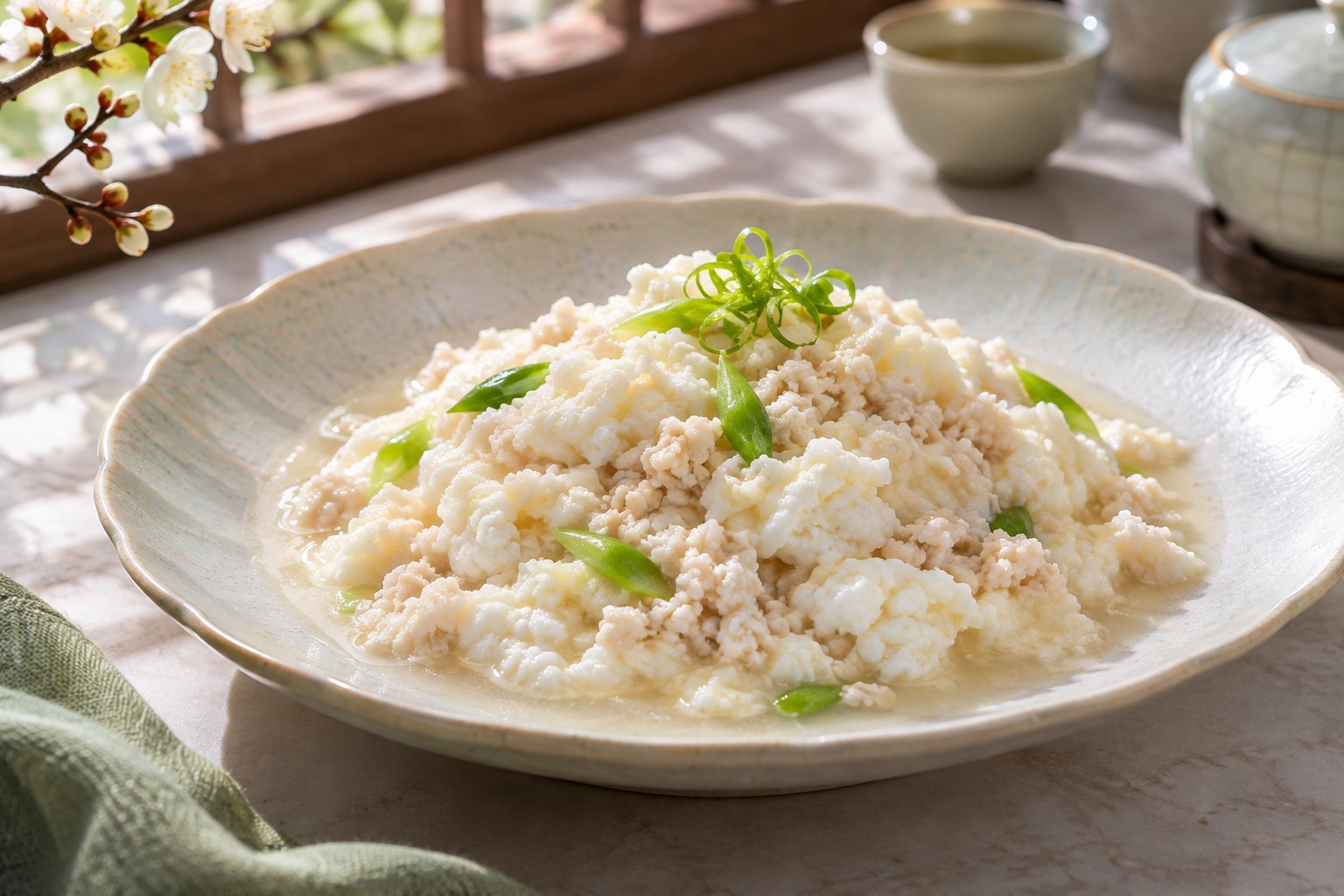
Wen Xing keeps a broad traditional Sichuan repertoire alive at Fu Rong Huang. Gentle chicken dishes, carefully blended chilli oils and familiar shared plates reveal the region’s layers of flavour.
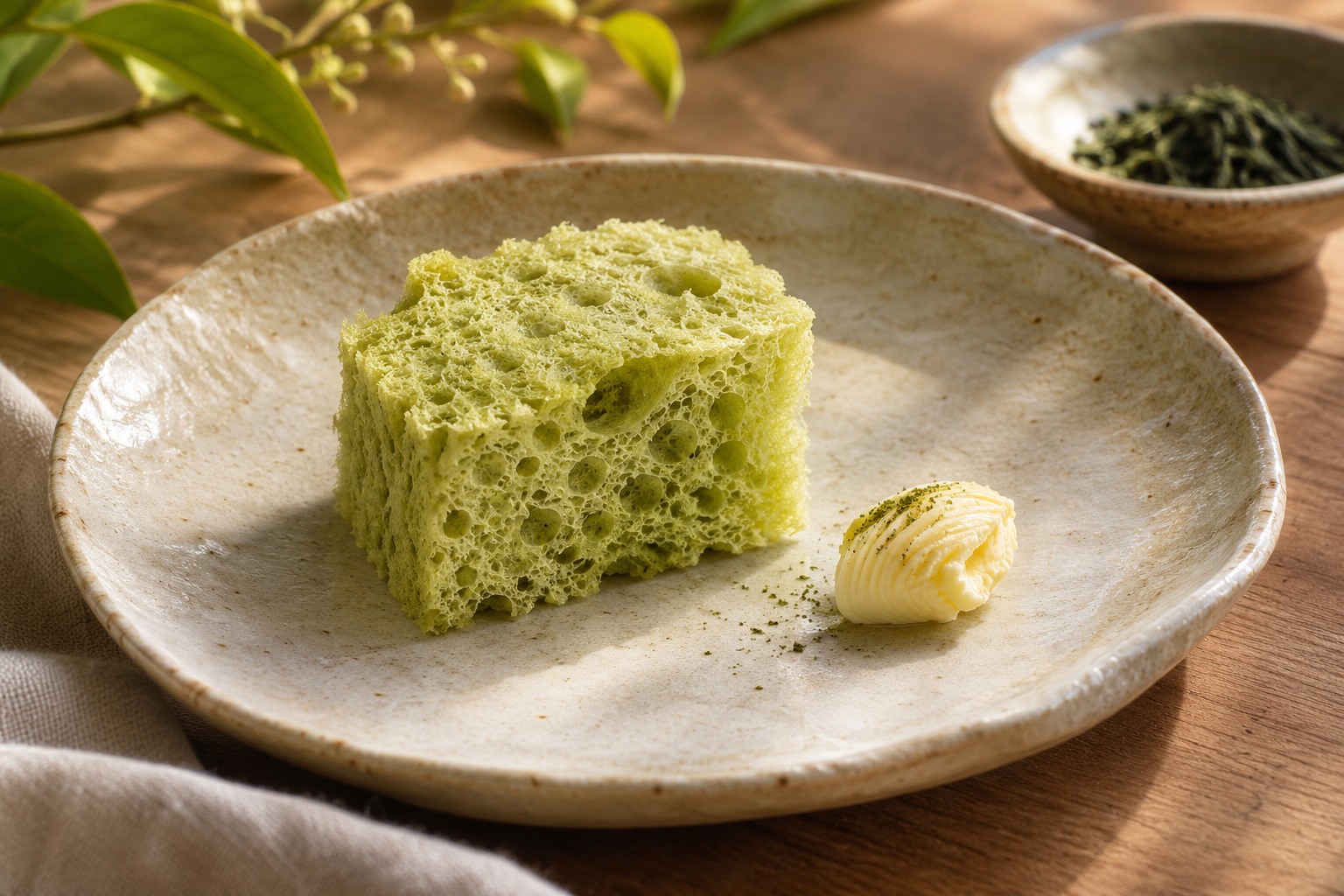
Tetsuya Fujiwara carries a four-generation Osaka restaurant story into contemporary seasonal cooking. At Fujiya 1935, Japanese ingredients meet European experience, playful textures and careful timing.
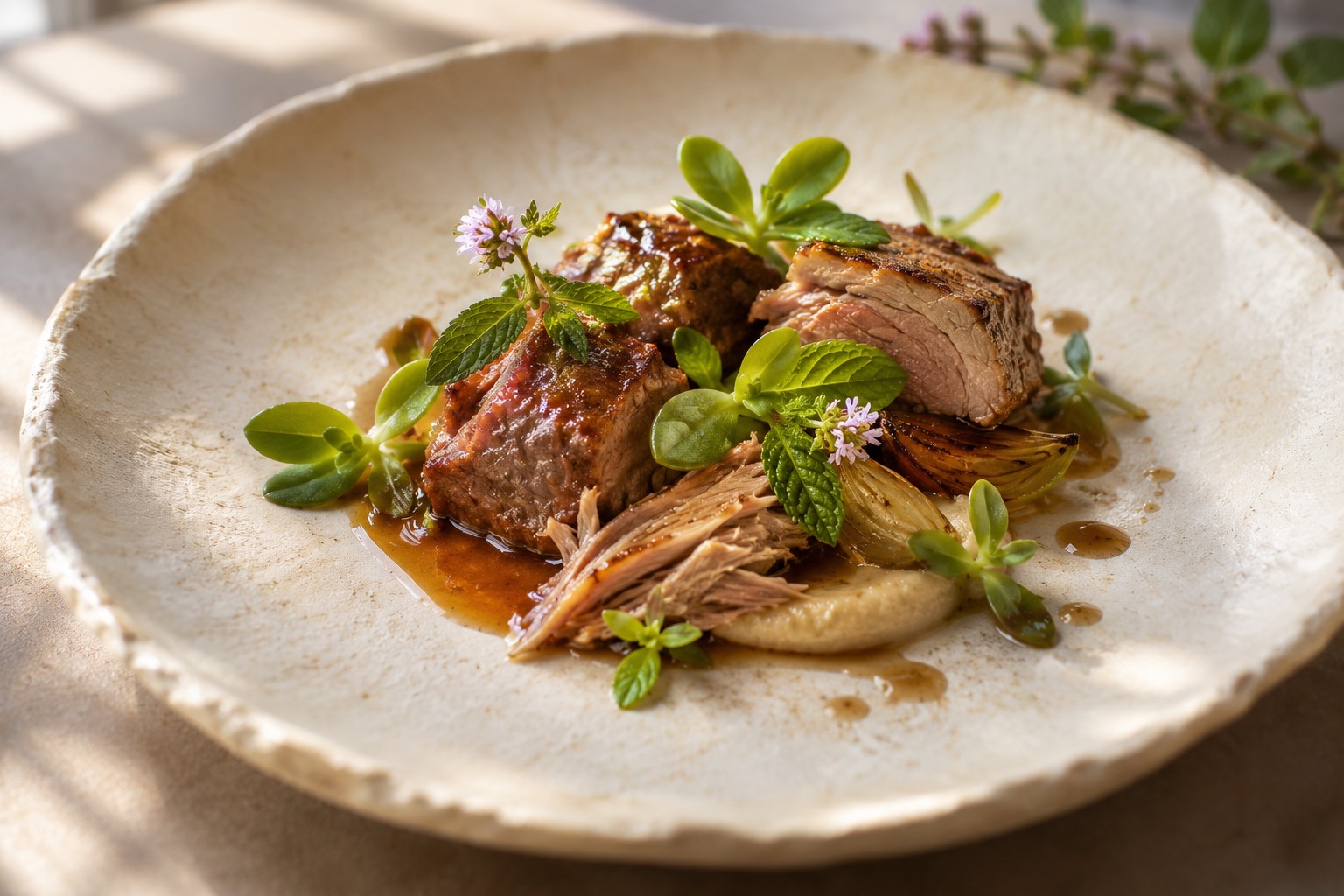
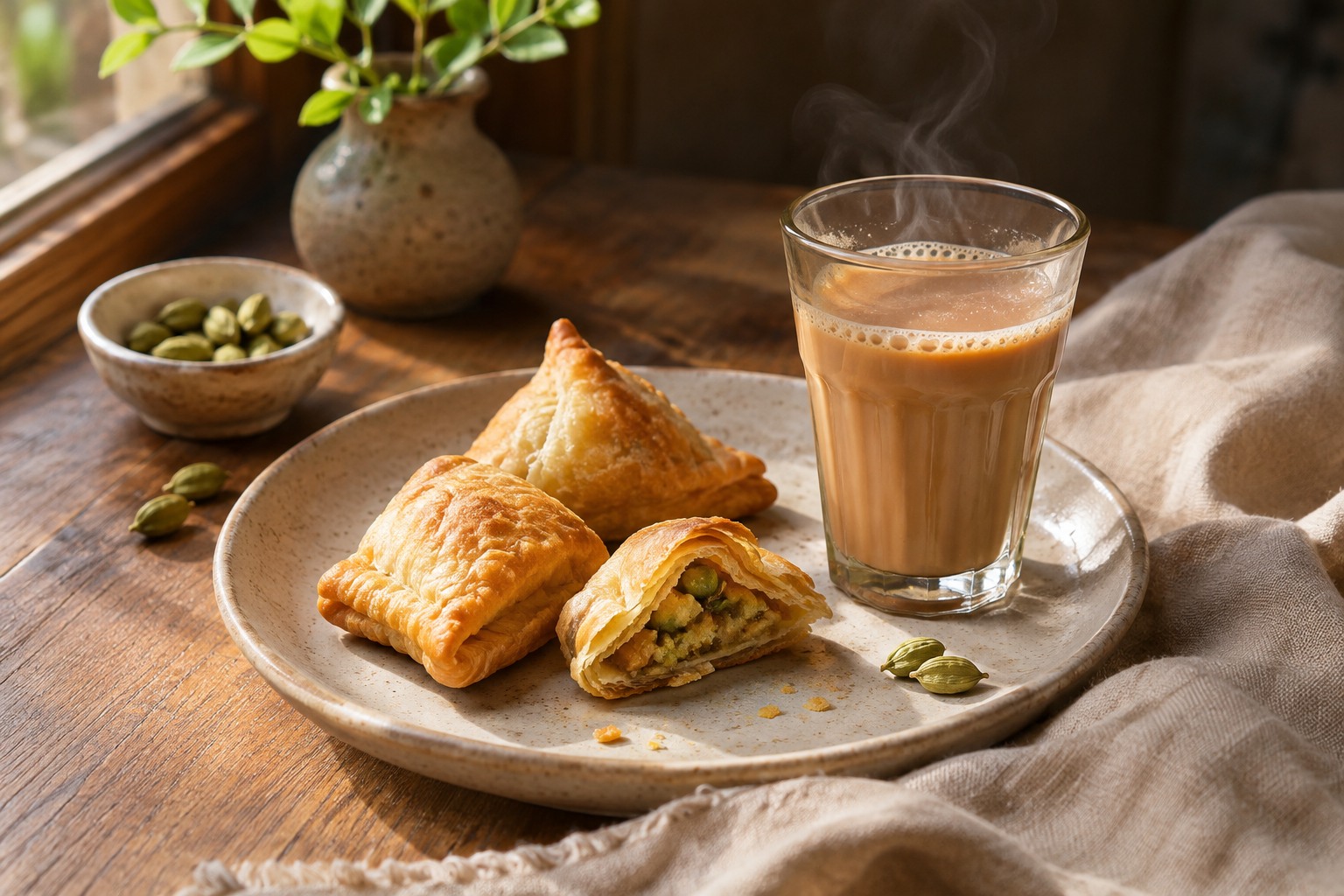
Garima Arora explores contemporary Indian cooking at Gaa in Bangkok, drawing on Indian techniques, local ingredients and the pleasures of a shared meal or an afternoon chai.
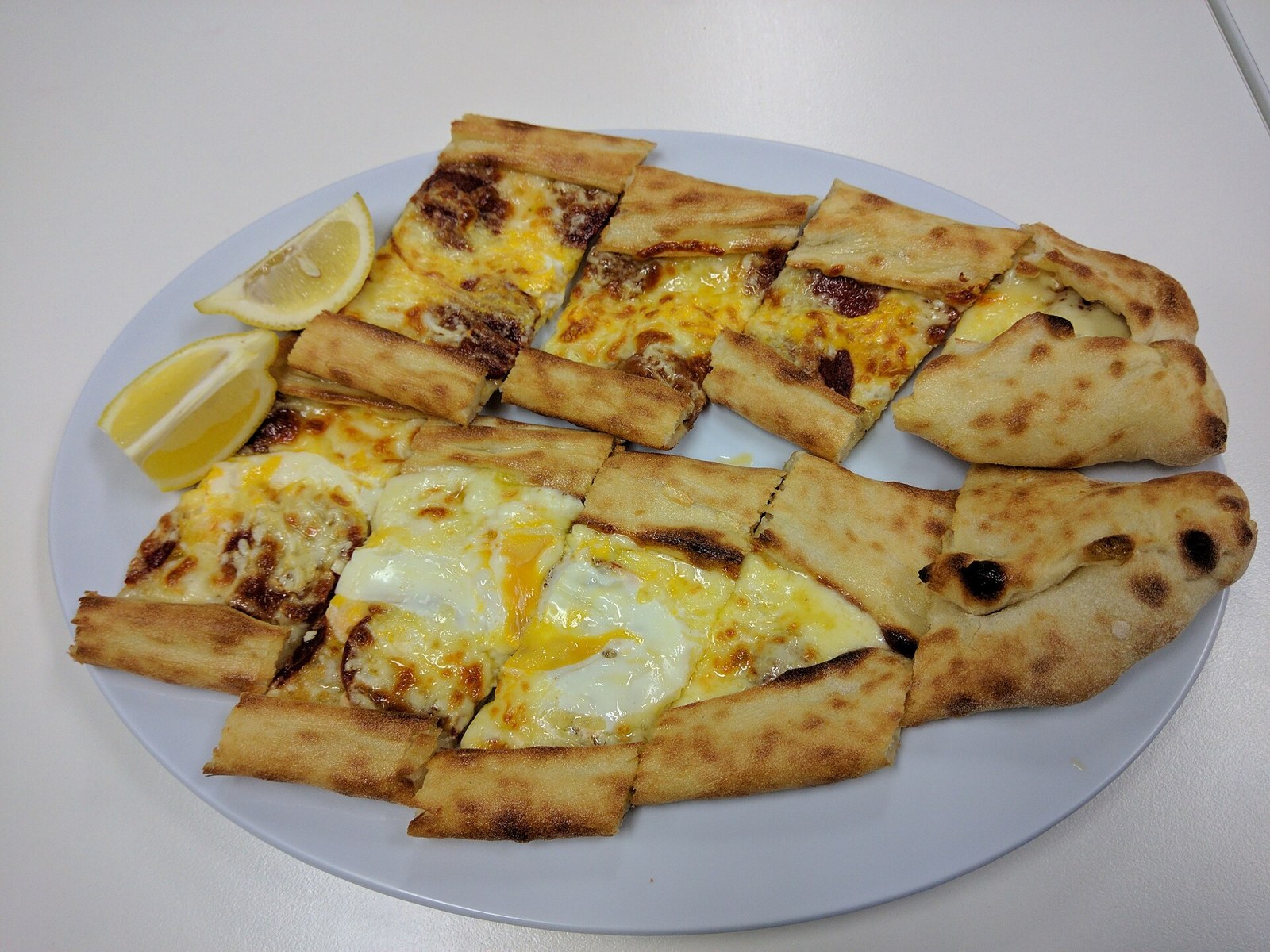
At Galip Usta’s central Çarşamba shop, cheese pide sits alongside minced-meat and diced-meat versions. Thin dough and warm cheese are a familiar Black Sea oven pairing.
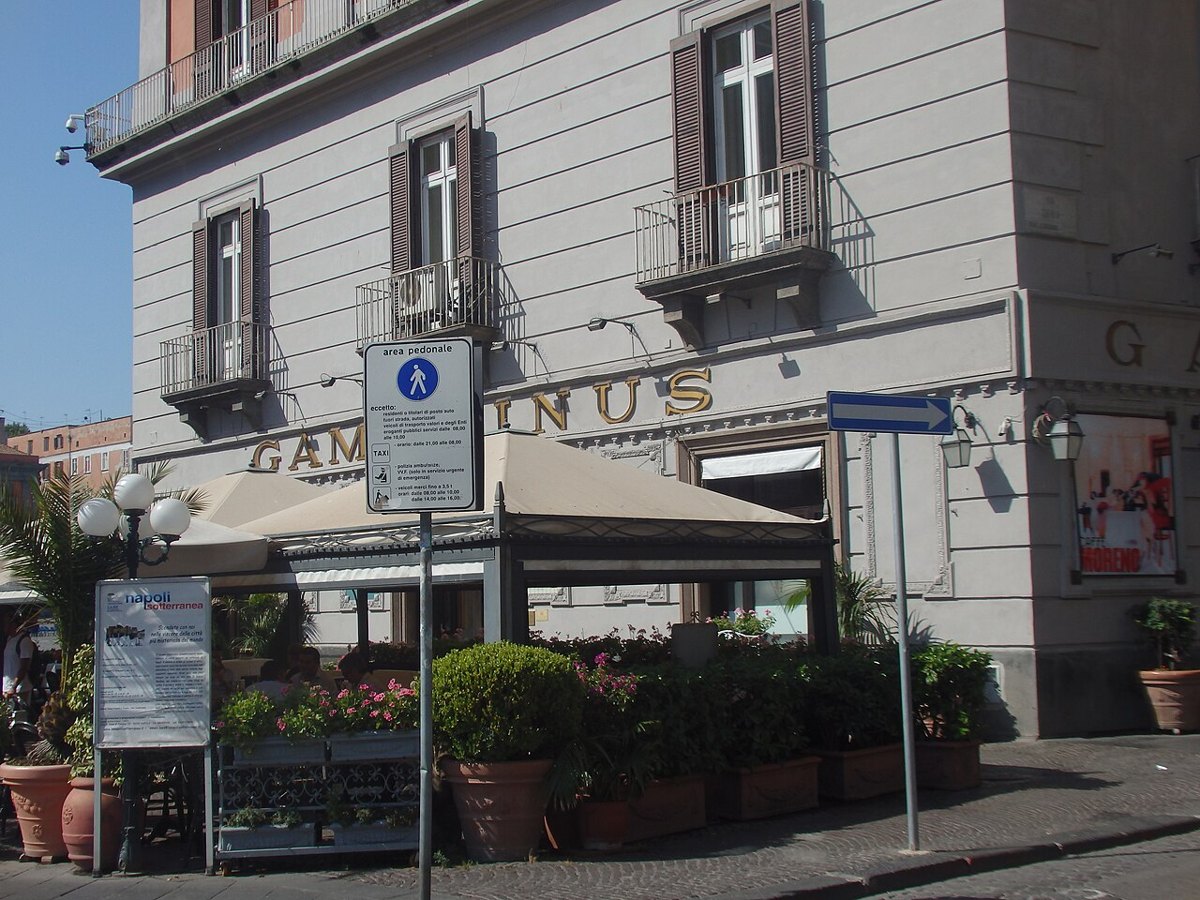
An address for exploring Naples’ historic café culture over espresso and pastries.
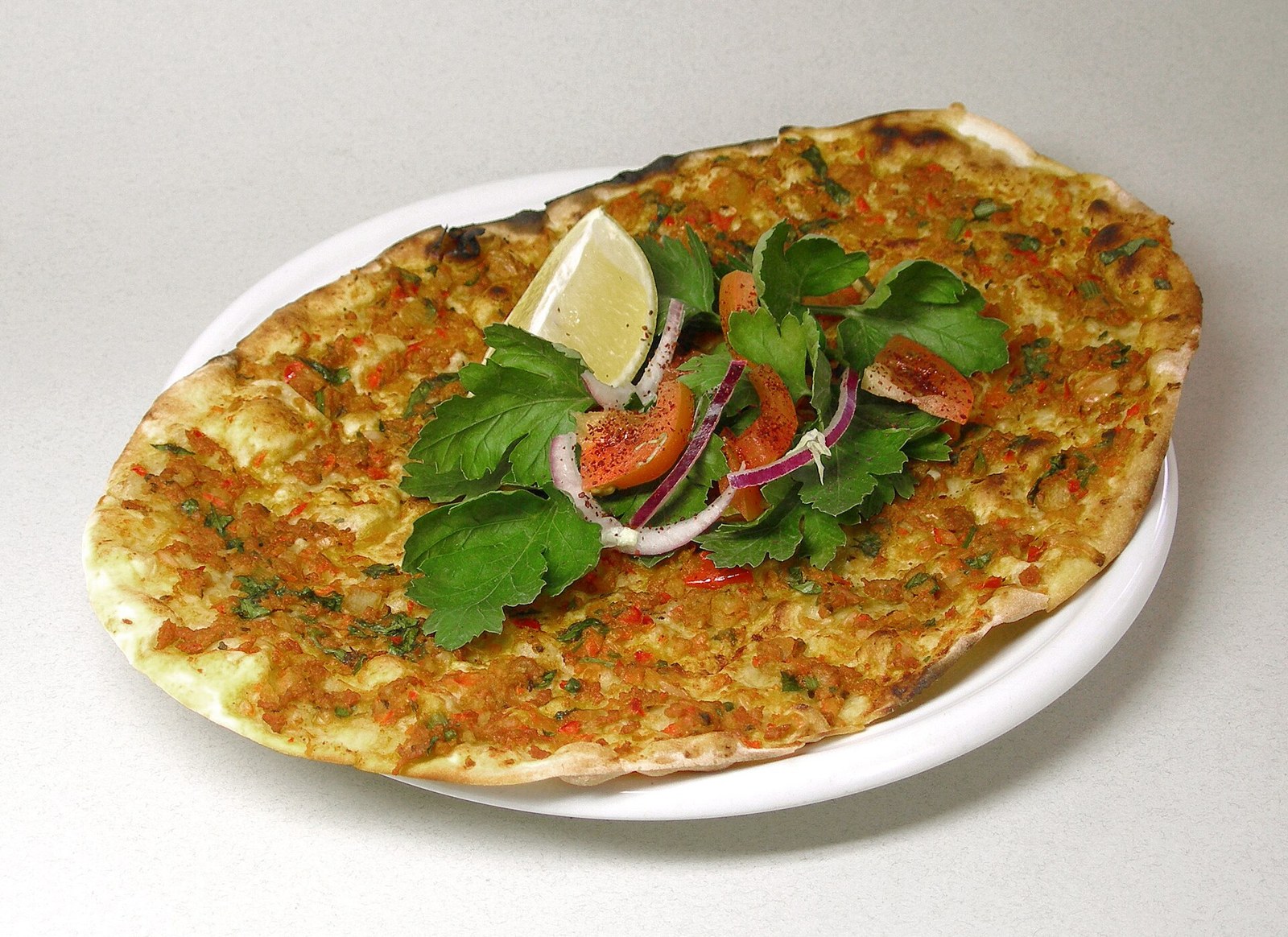
Gaziantepli Mehmet Usta in Cerrahpaşa specialises in lahmacun and kebabs. Lahmacun brings a thin dough base and a minced-meat topping to this neighbourhood table.
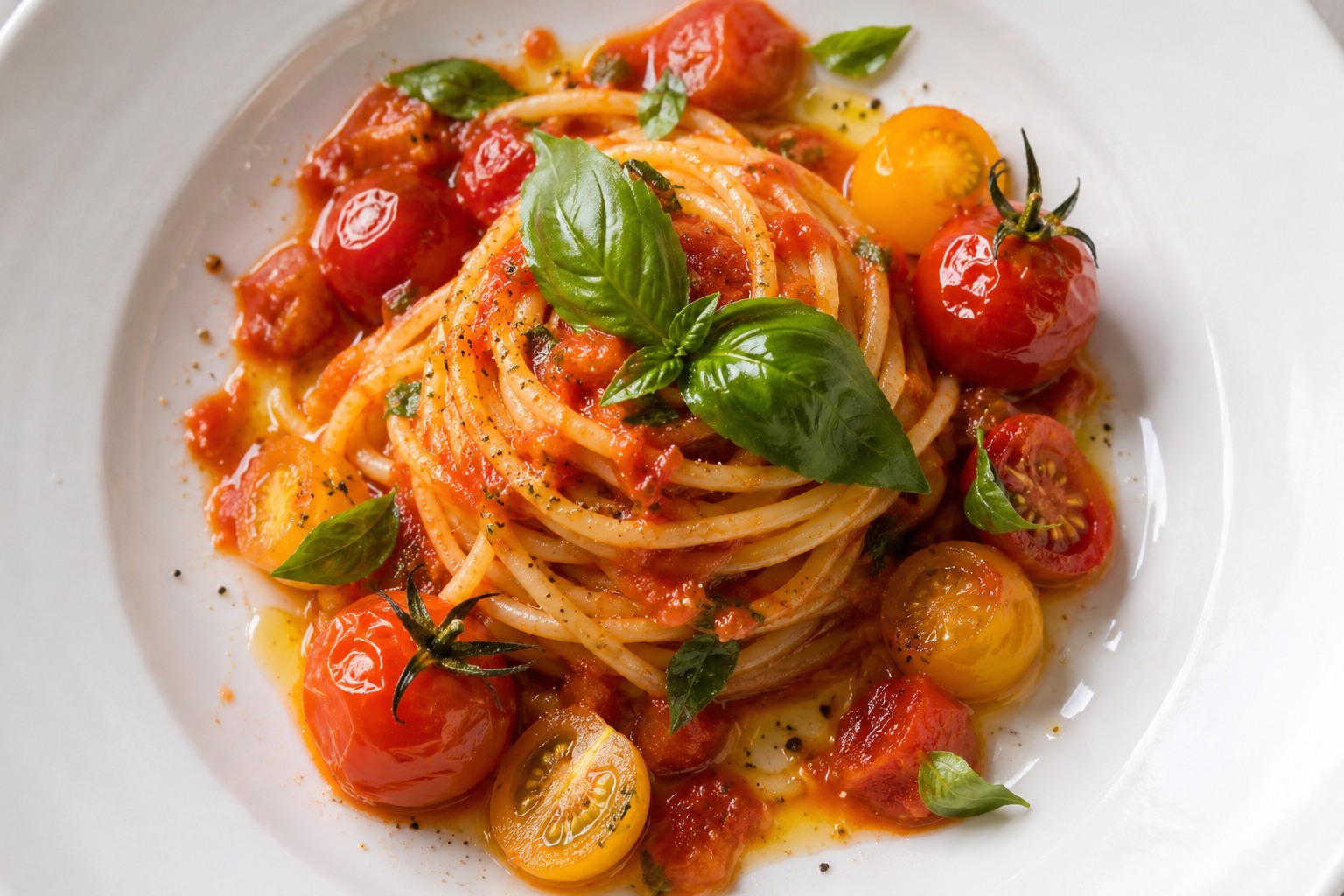
Domenico Candela brings Neapolitan memories and French discipline to George Restaurant. Tomatoes, basil and carefully built sauces give local ingredients a contemporary language above the Gulf of Naples.
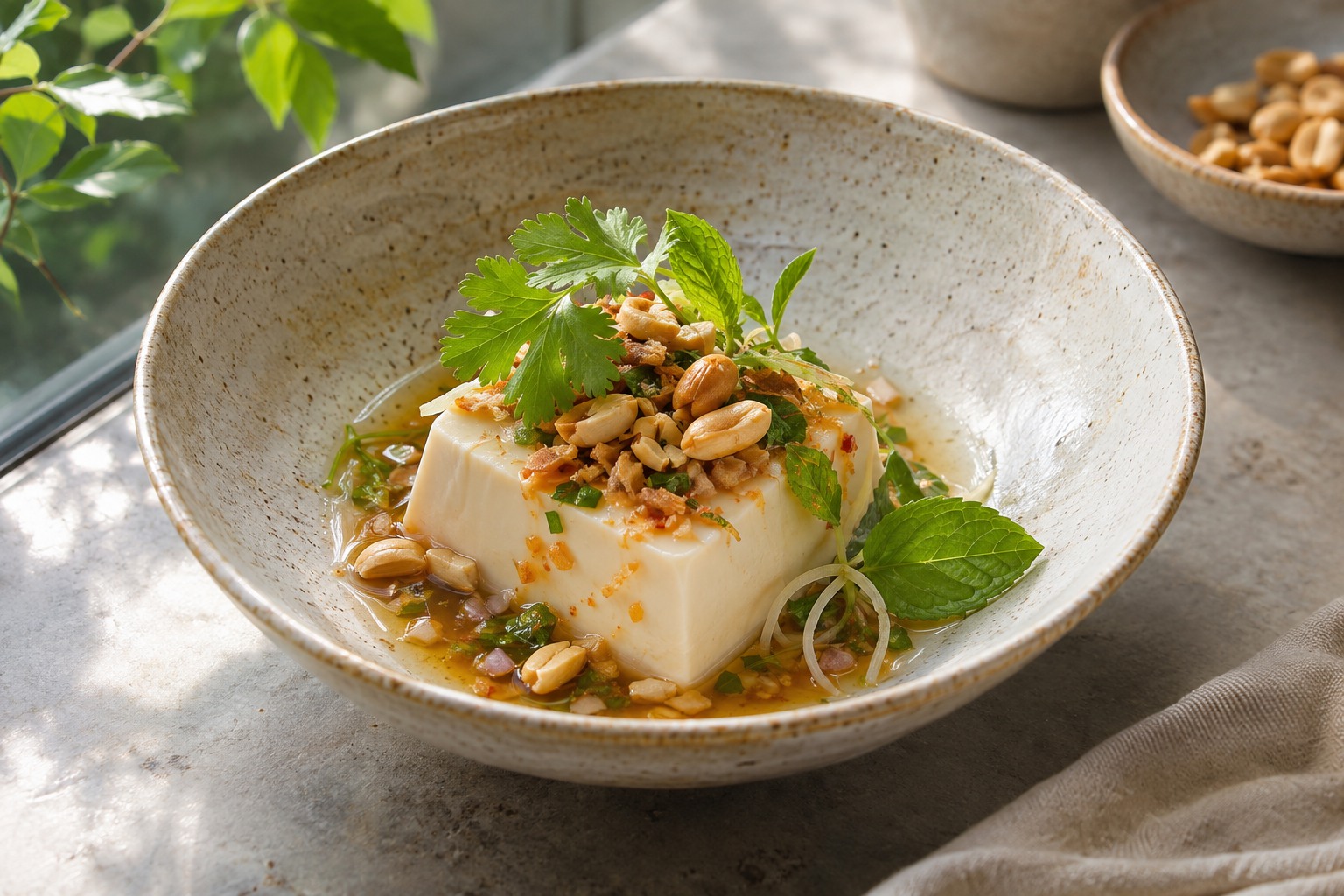
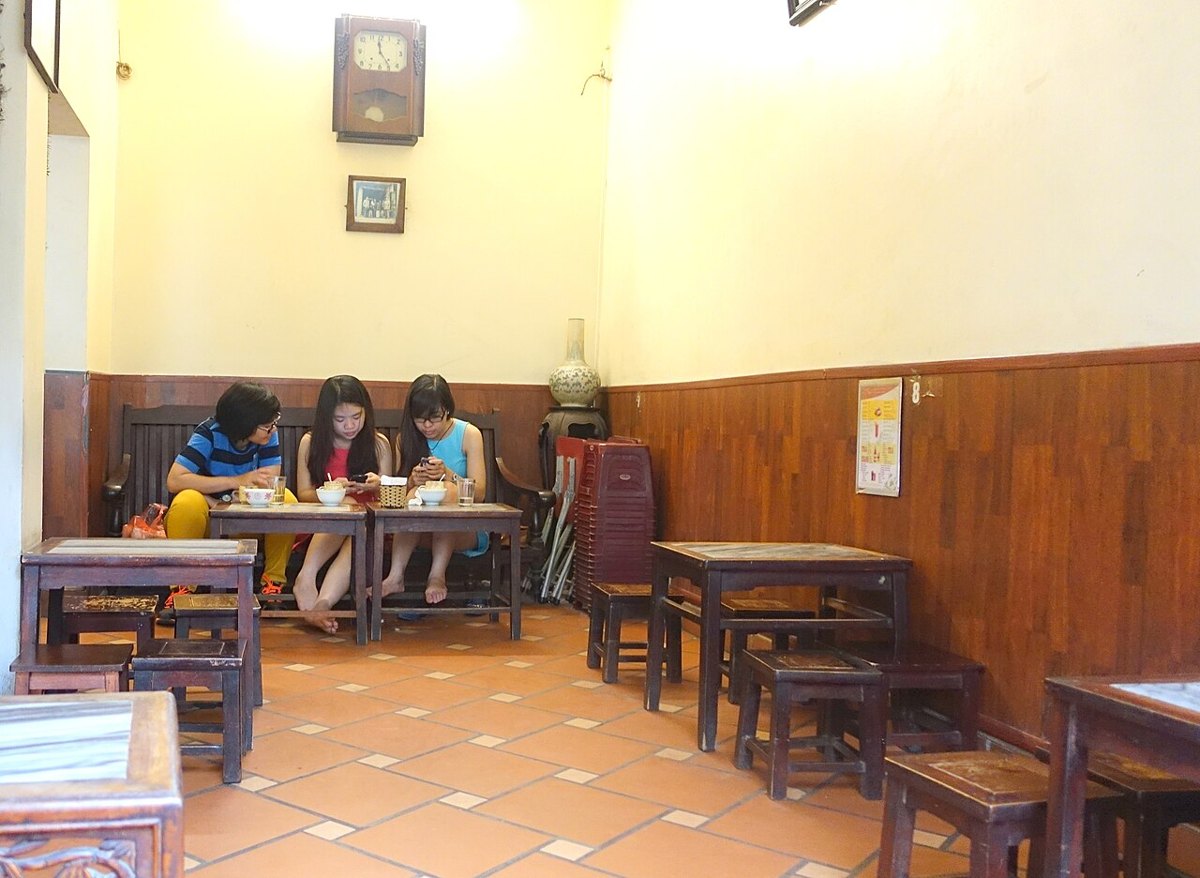
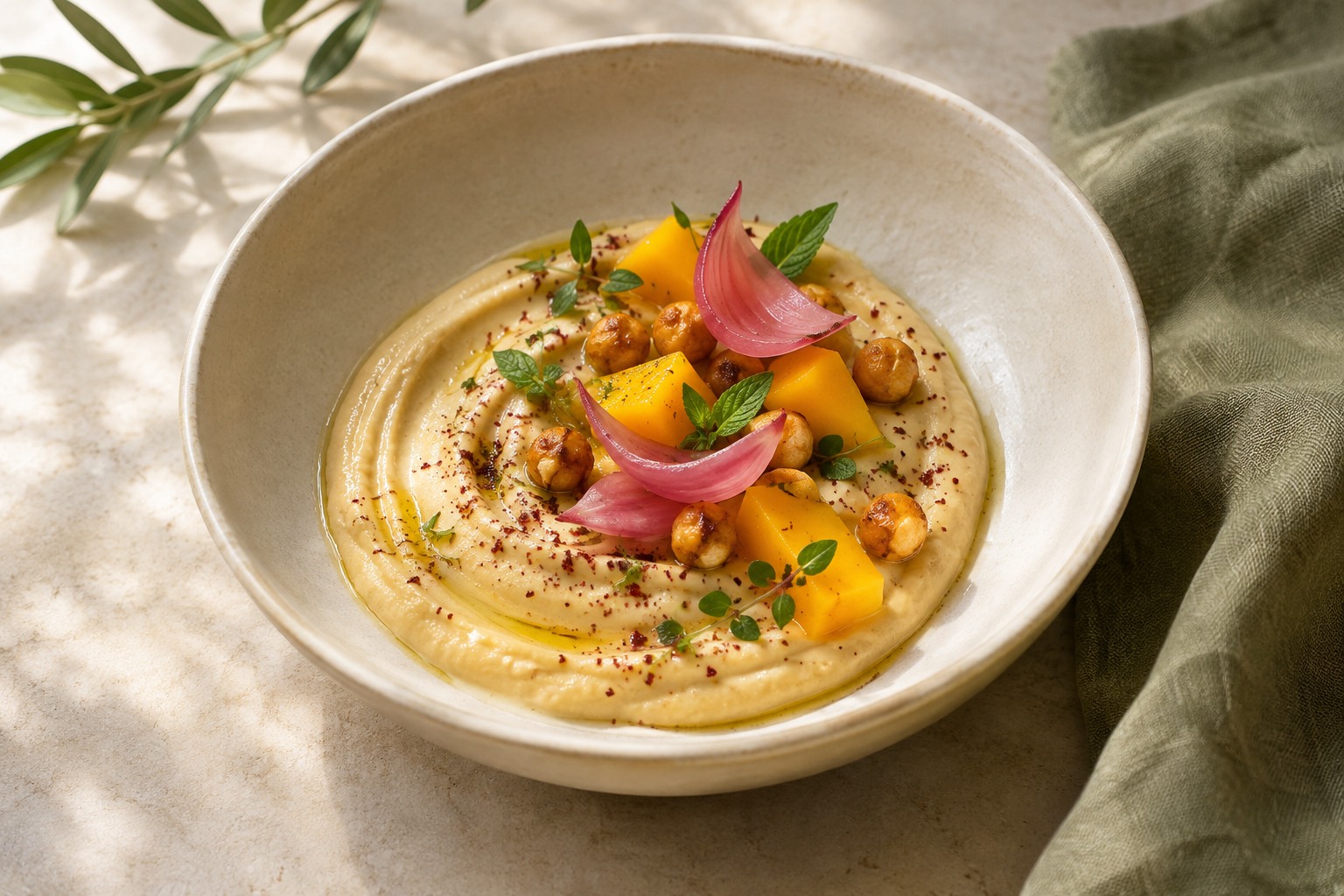
Cristina Bowerman connects Puglian roots, years in the United States and a restless interest in ingredients at Glass Hostaria, her contemporary restaurant in Trastevere.
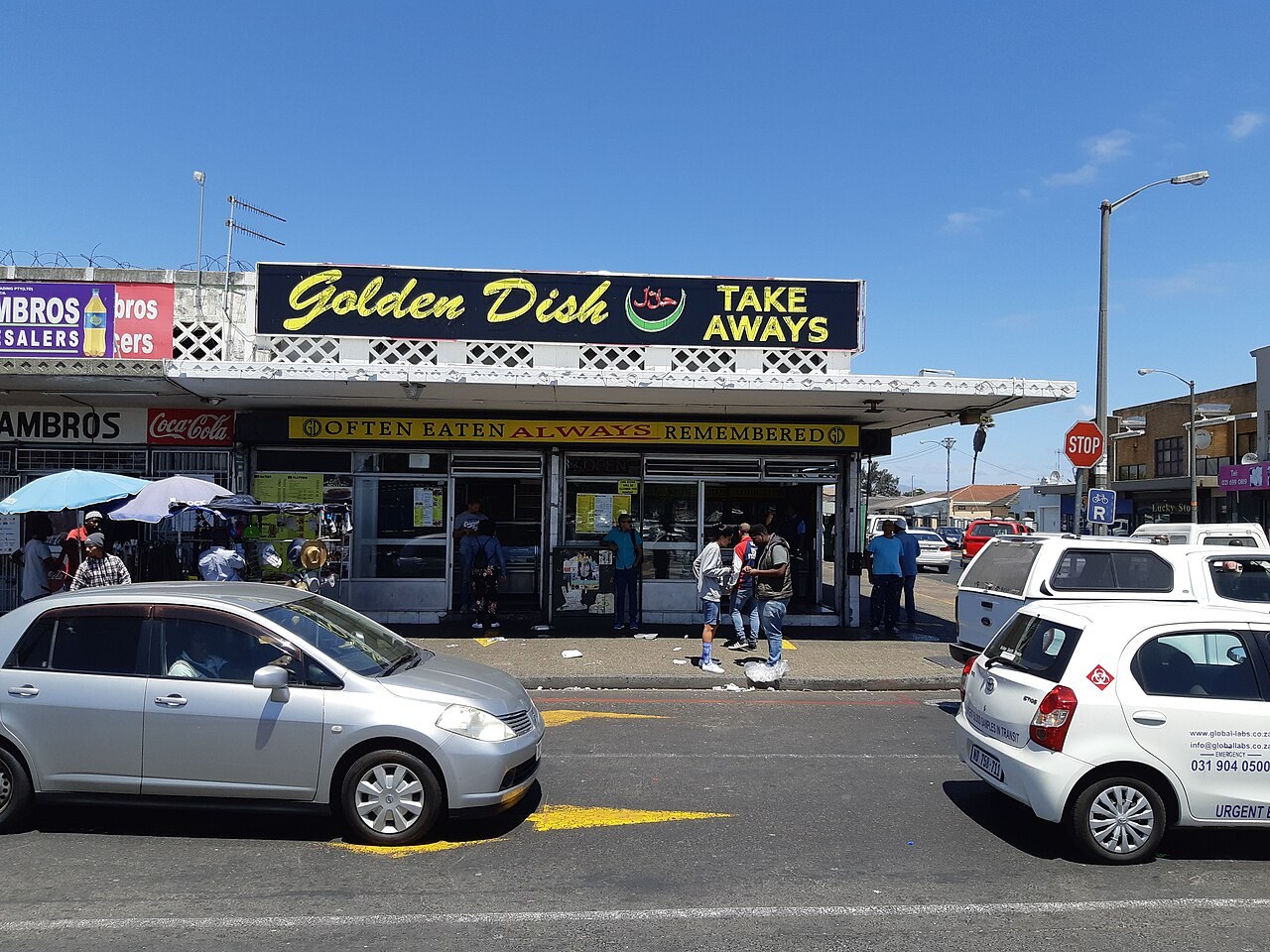
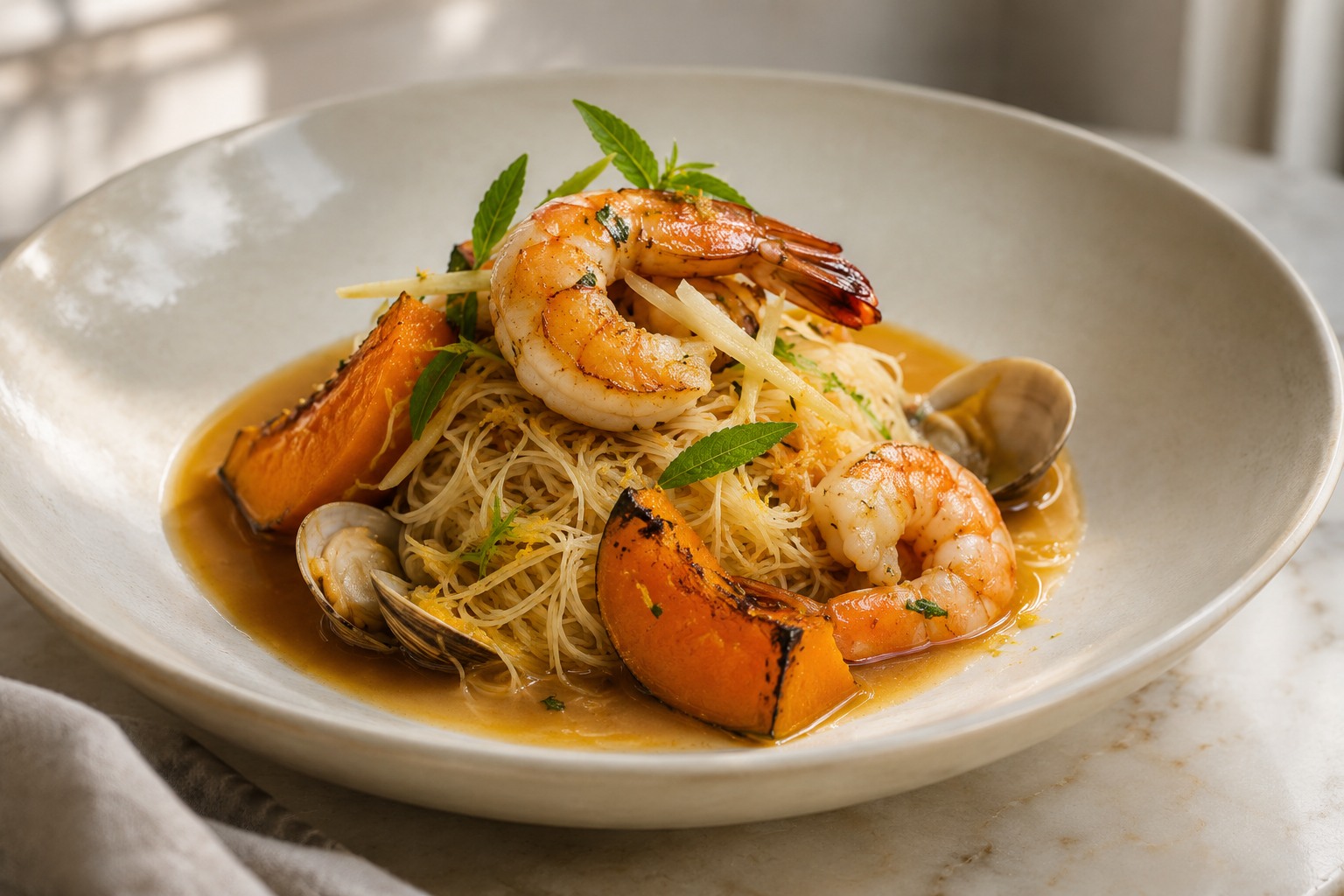
Karim Ben Baba develops Moroccan cooking at Royal Mansour through regional ingredients, careful technique and generous hospitality. Salads, pastillas, couscous and tagines give La Grande Table Marocaine a broad, changing vocabulary.
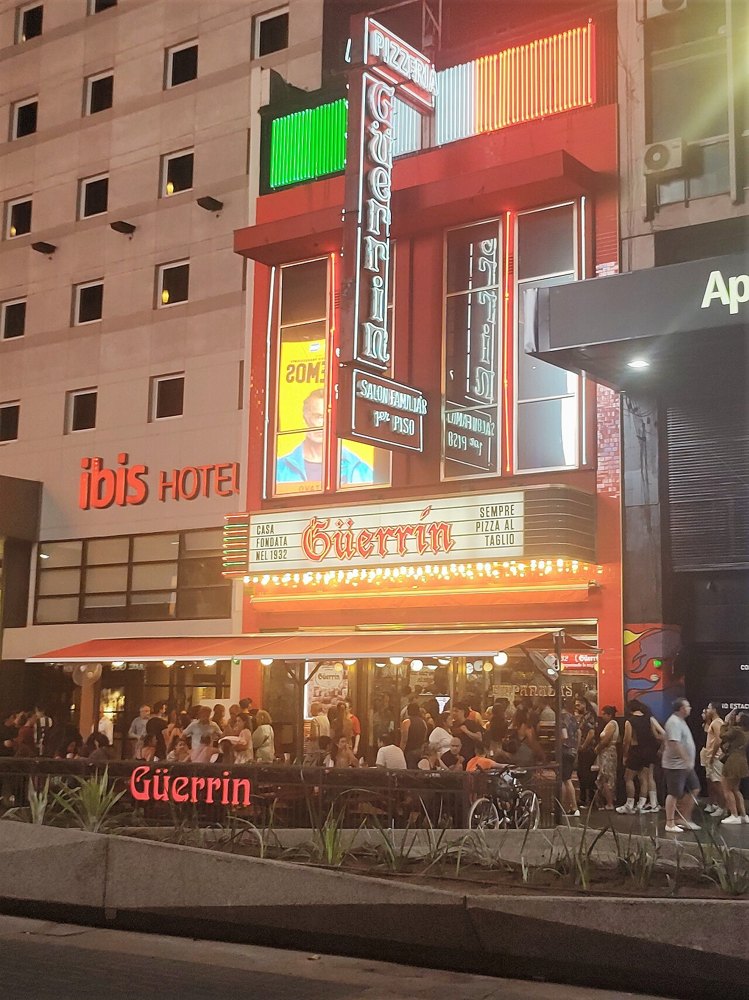
The Avenida Corrientes address for pizza al molde; explore the style by the slice.
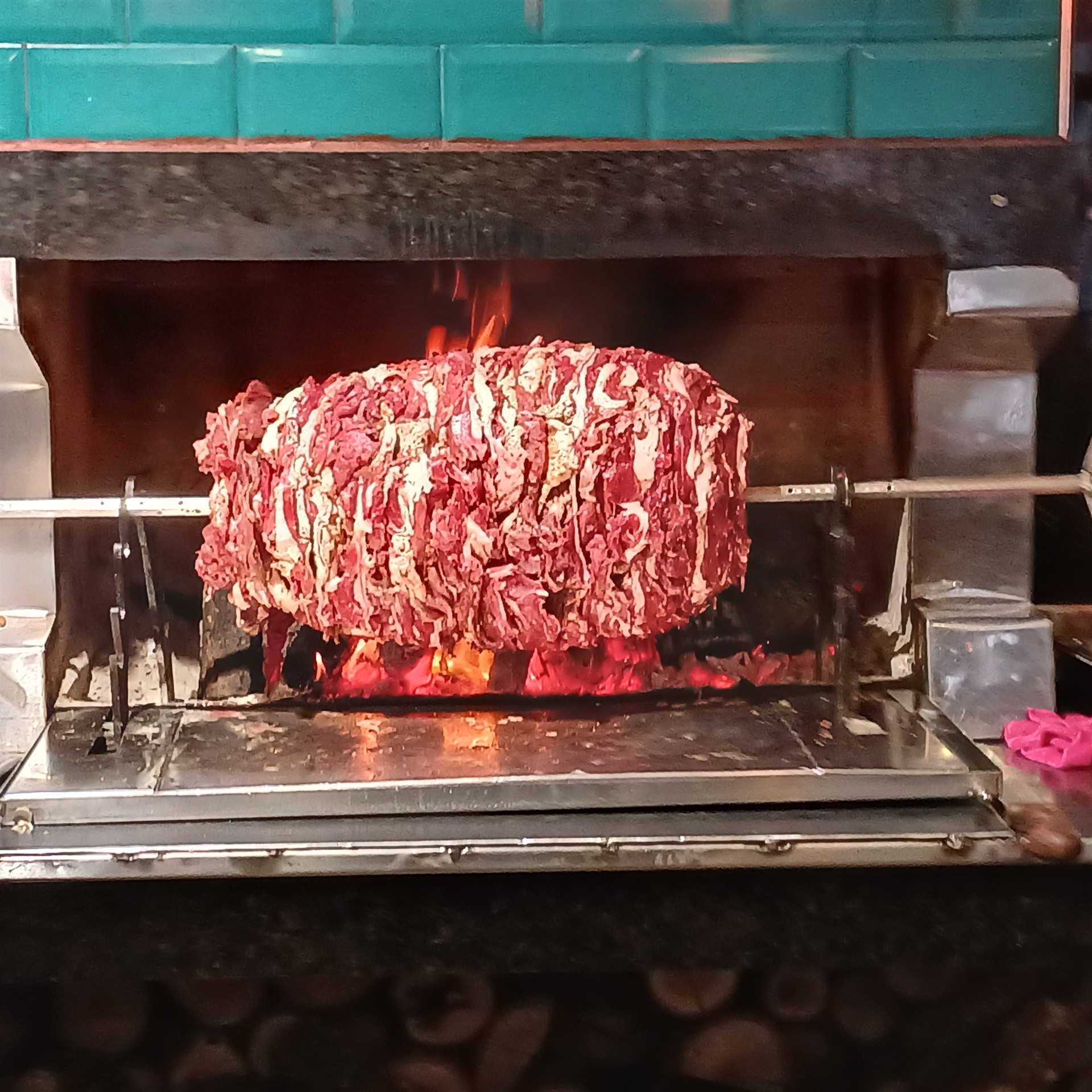
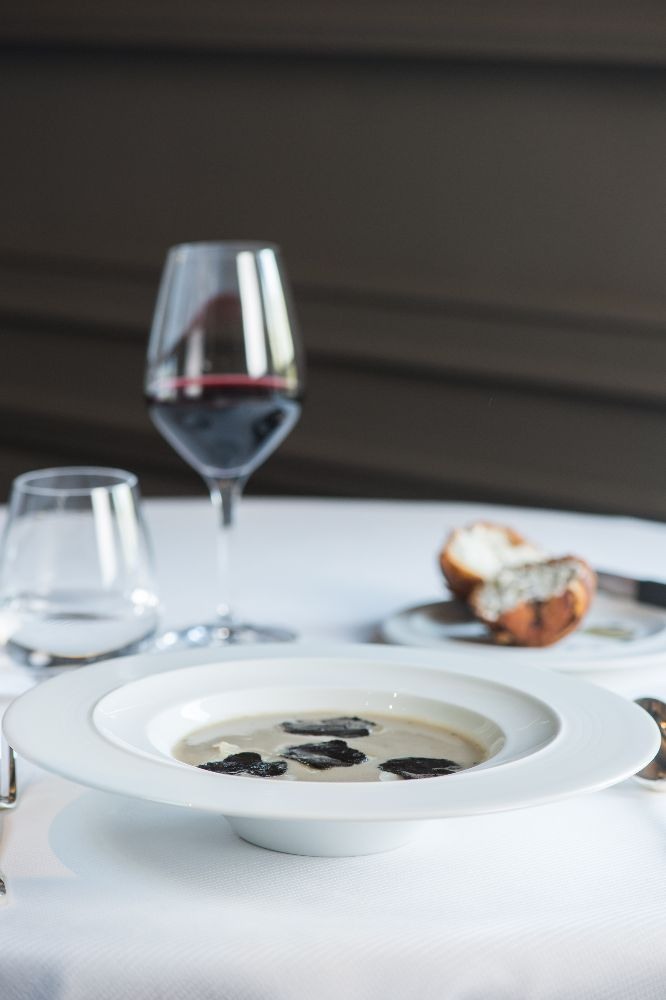
Guy Savoy’s Paris cooking combines a long French apprenticeship with recognisable ingredients, generous hospitality and signature dishes such as artichoke soup with black truffle.
Hacı Şükrü's central address for Konya fırın kebabı. Try the lamb with pide and raw onion.
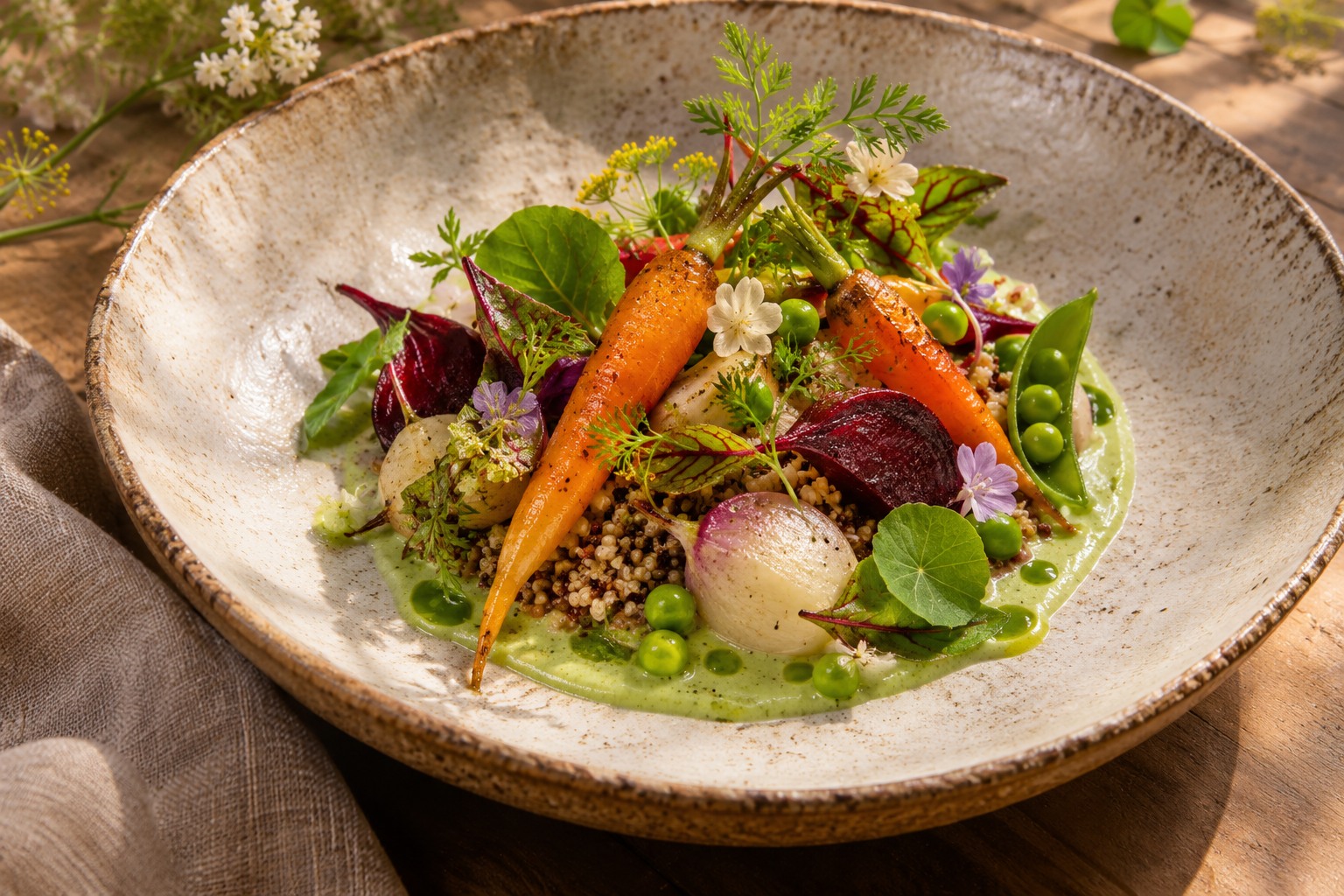
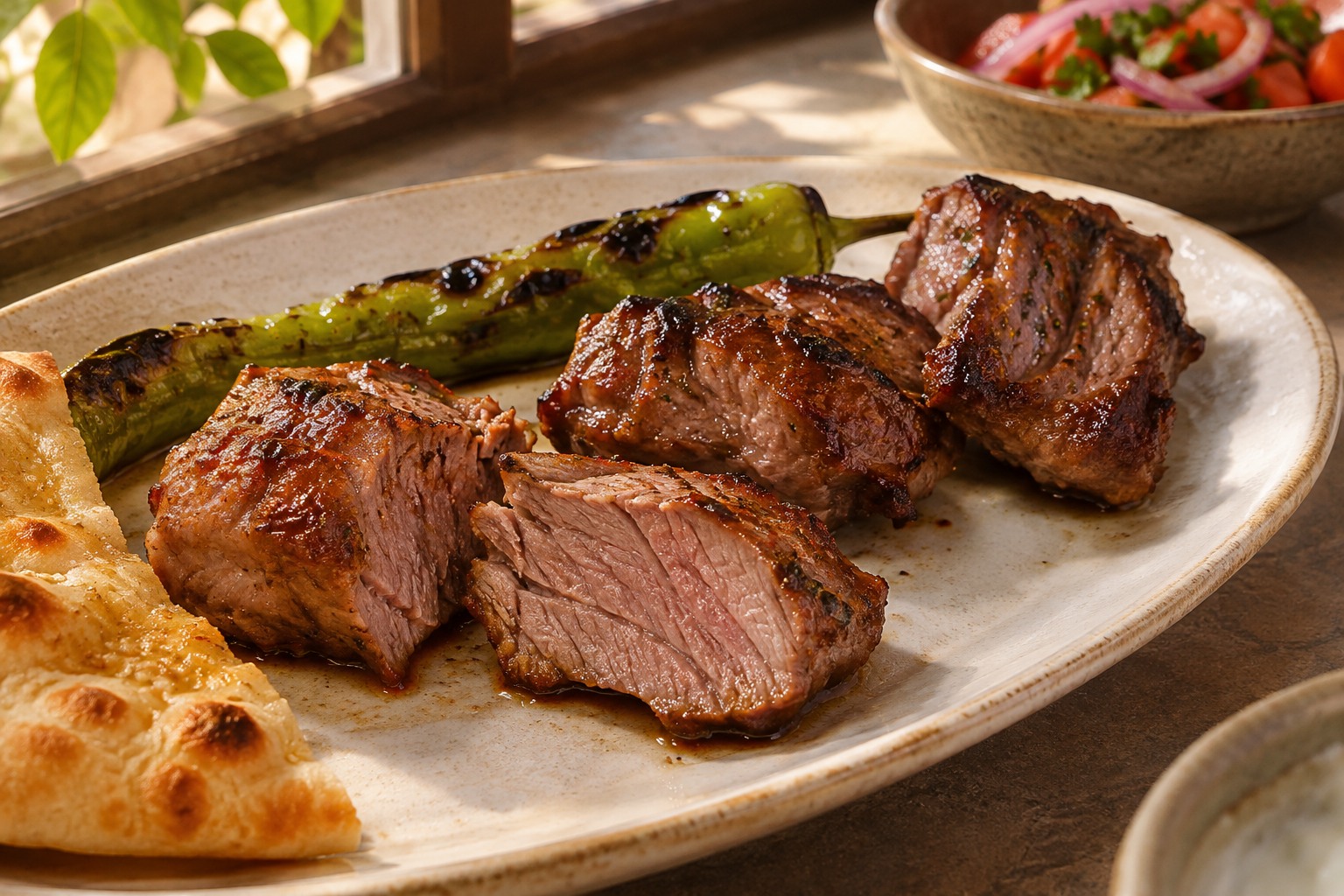
Halil Kör, known as Halil Usta, built a Gaziantep kebab tradition from a butcher’s apprenticeship. Küşleme, simit kebab and a shared neighbourhood table are central to the story.
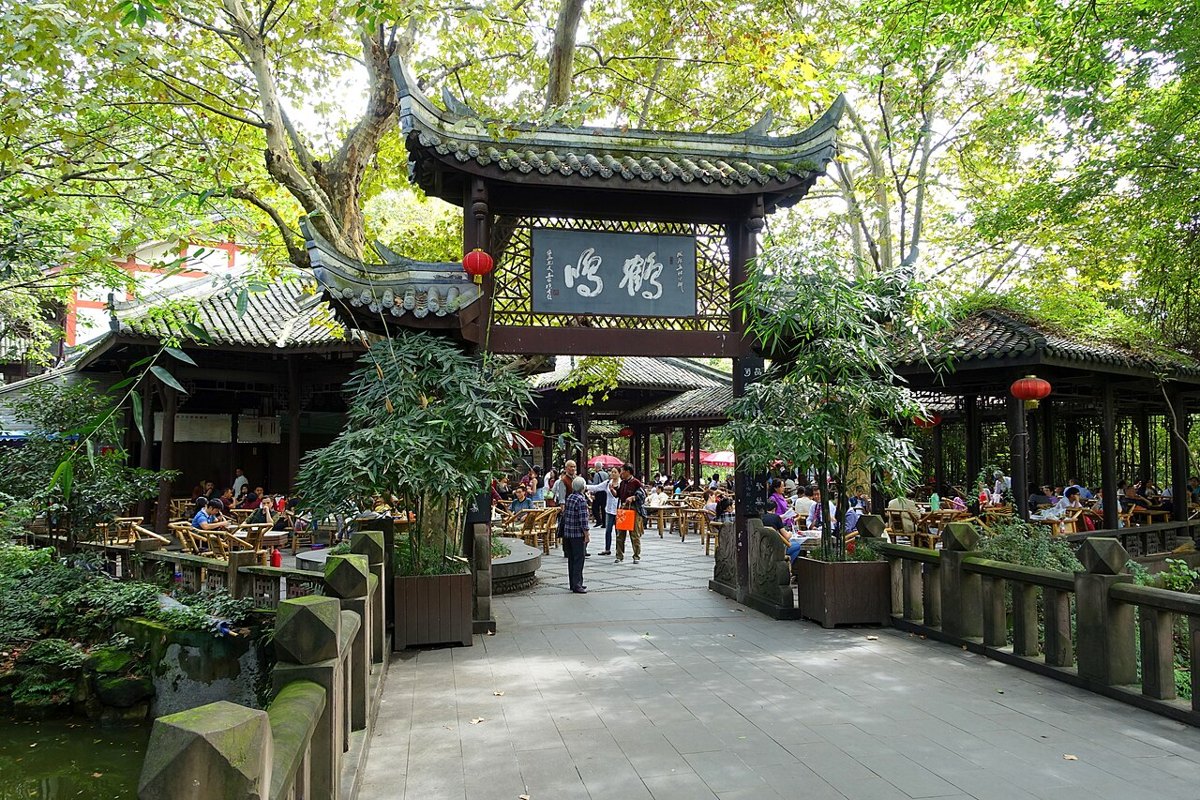
The People’s Park teahouse is associated with gaiwan service and an unhurried tea break.
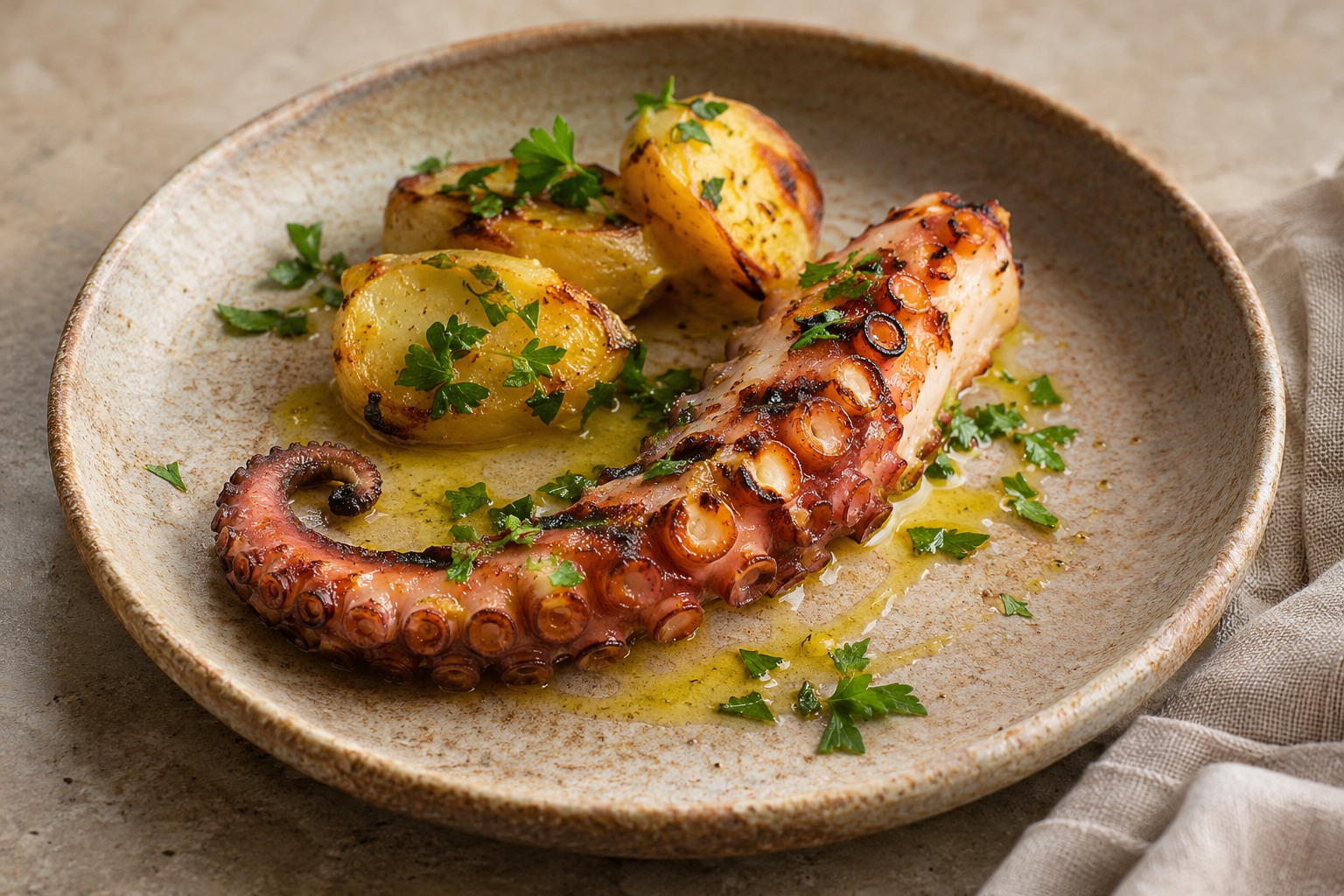
Henrique Sá Pessoa combines Portuguese food memories with the influence of his travels. His new Lisbon restaurant continues a career that also reaches television, books and kitchens in other cities.
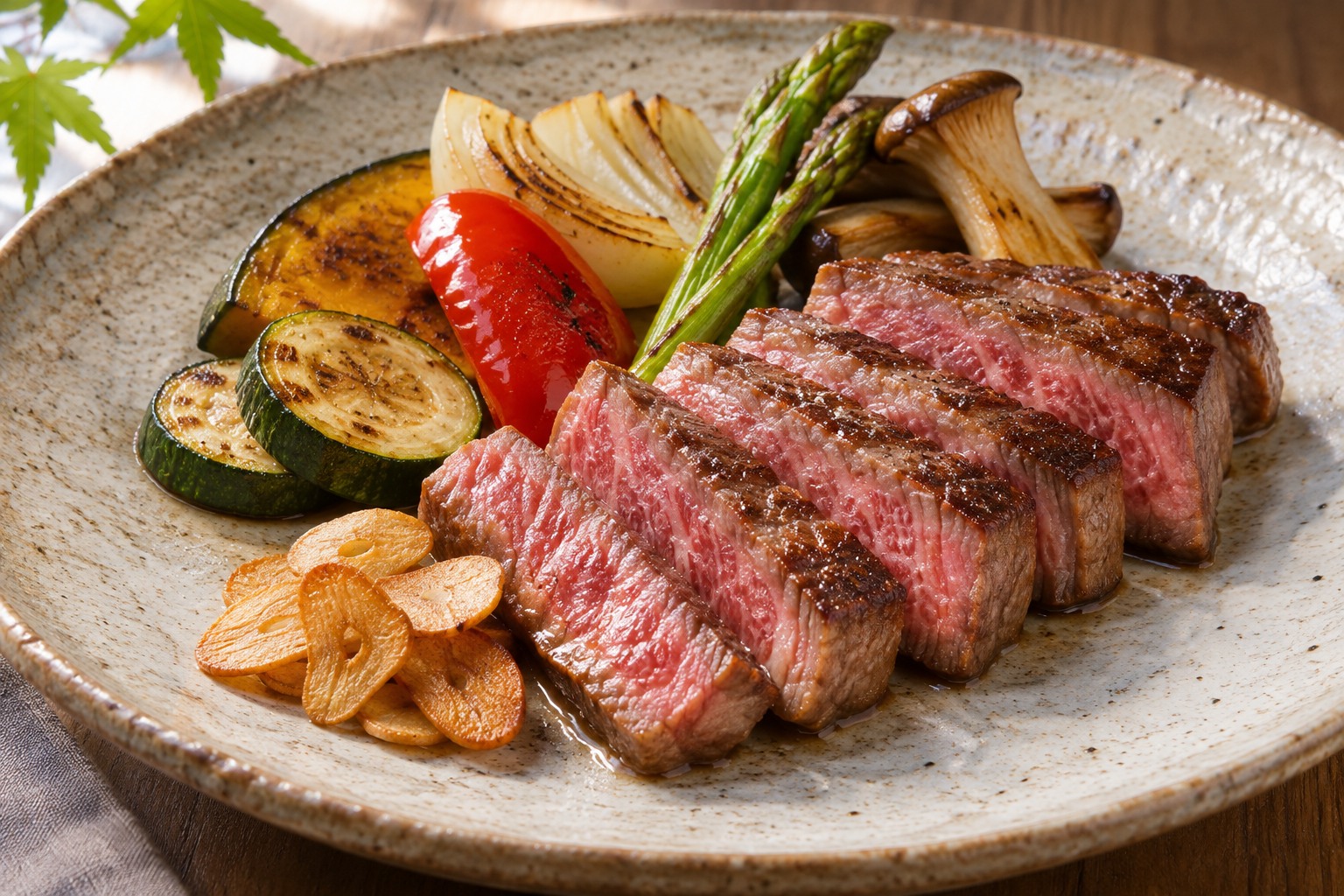
At Hibana by Koki, Hiroshi Yamaguchi makes teppanyaki an intimate conversation between chef and guest. Japanese beef, seafood and exact timing take centre stage at a fourteen-seat counter in Hanoi.
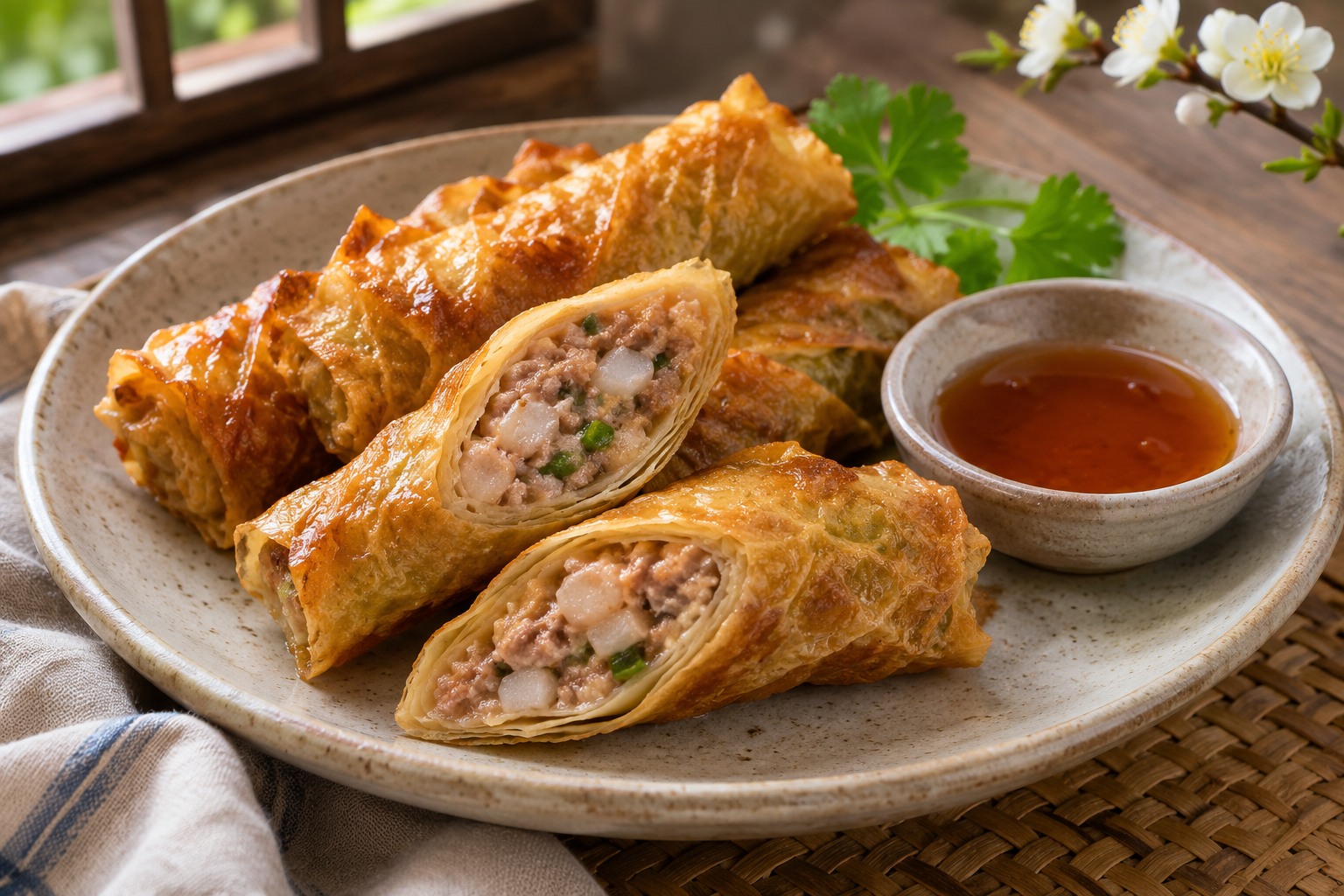
Yang Yanbin, also known as Justin Yang, connects Fujian’s coastal food traditions with contemporary restaurant cooking. Hokkien Cuisine is the Chengdu chapter of a career that now also includes Hong Kong.
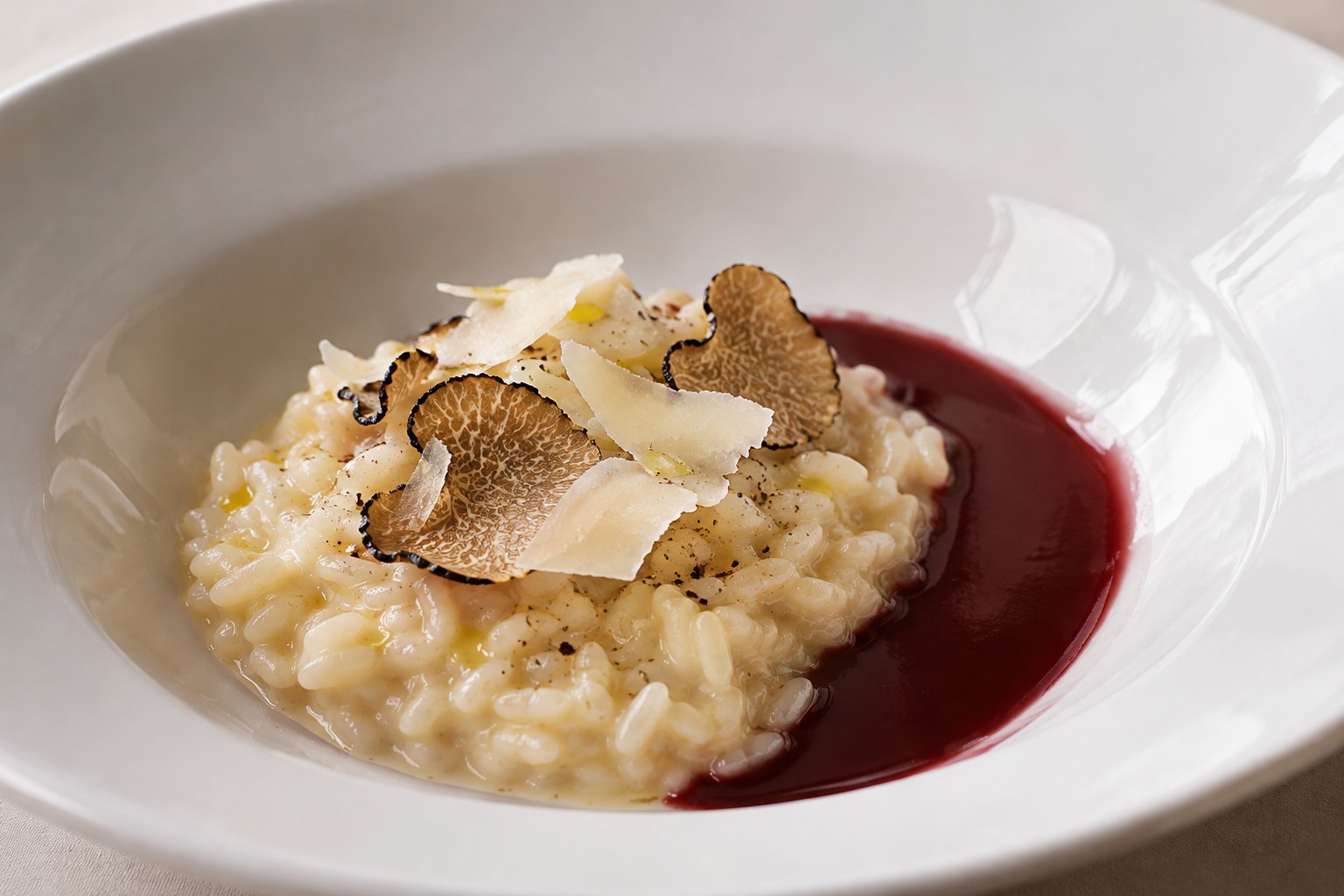
Hussein Hadid’s Beirut kitchen combines private dining, catering and practical teaching. A career linking Middle Eastern roots with international training is expressed through carefully planned, shared meals.
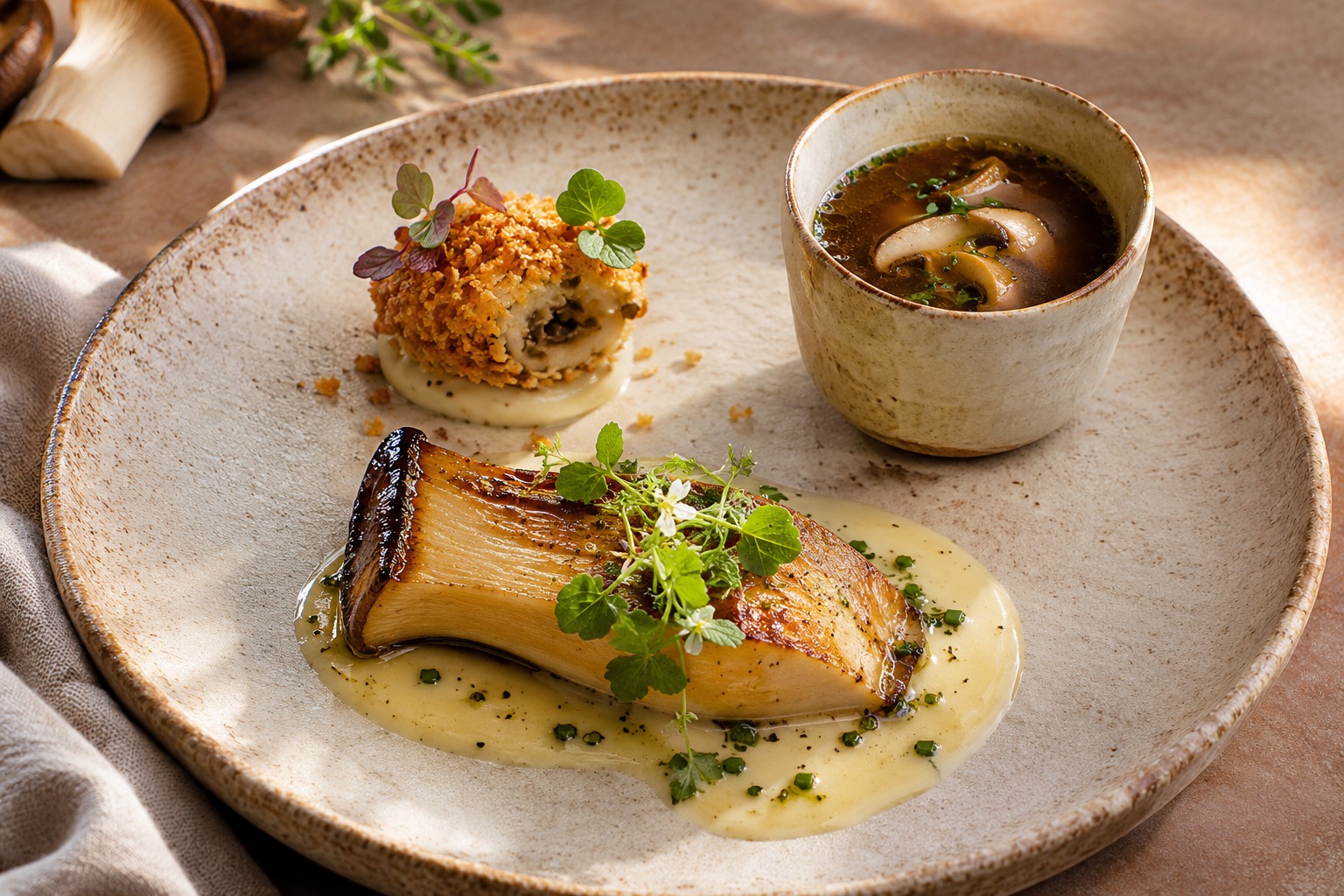
Nicola Annunziata brings Campanian memories, a curiosity about plants and precise contemporary cooking to Bologna. At I Portici, the former Teatro Eden becomes the setting for a seasonal conversation with local ingredients.
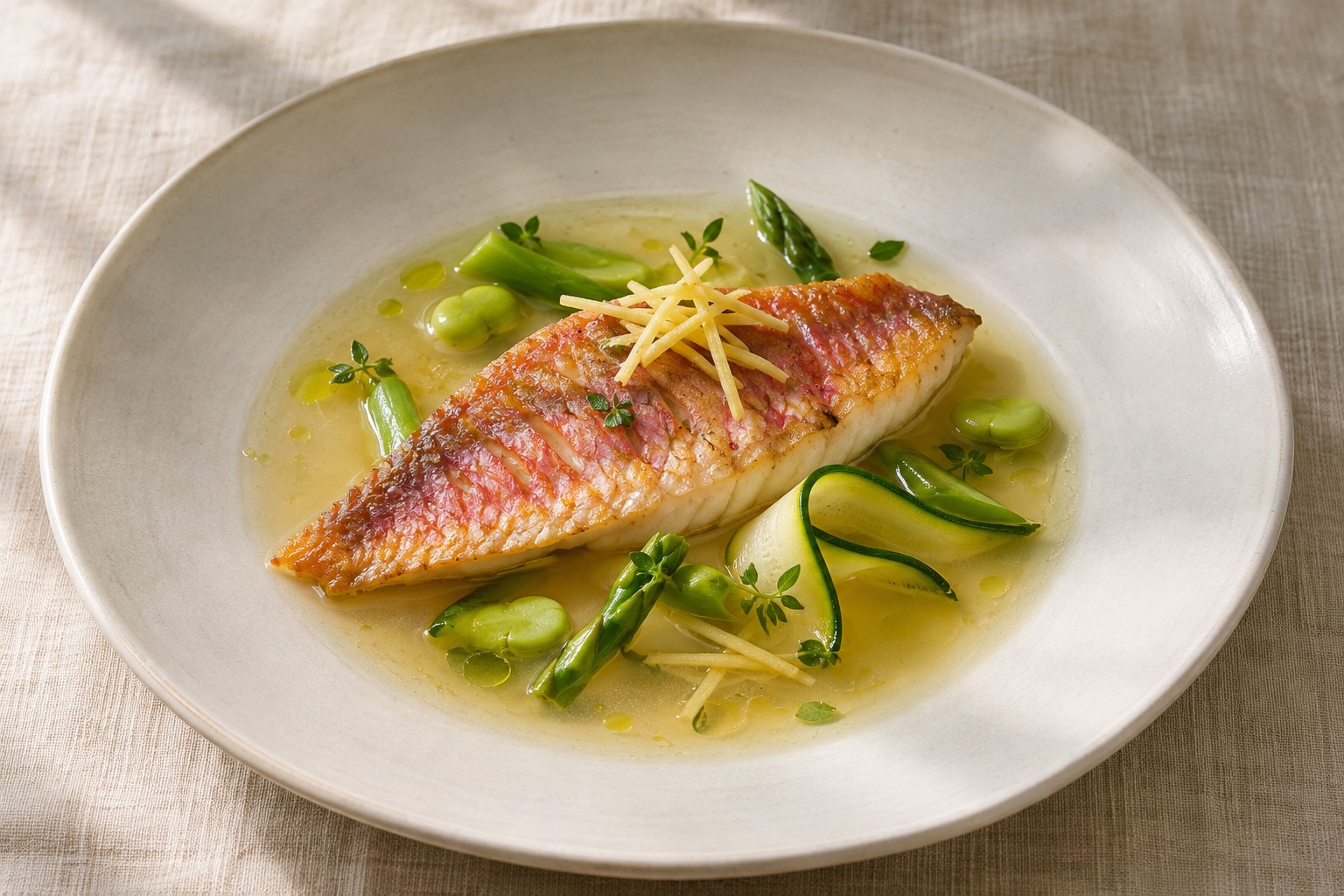
Anthony Genovese brings French training, Calabrian family roots and journeys through Asia to Il Pagliaccio, his intimate restaurant on Via dei Banchi Vecchi in Rome.
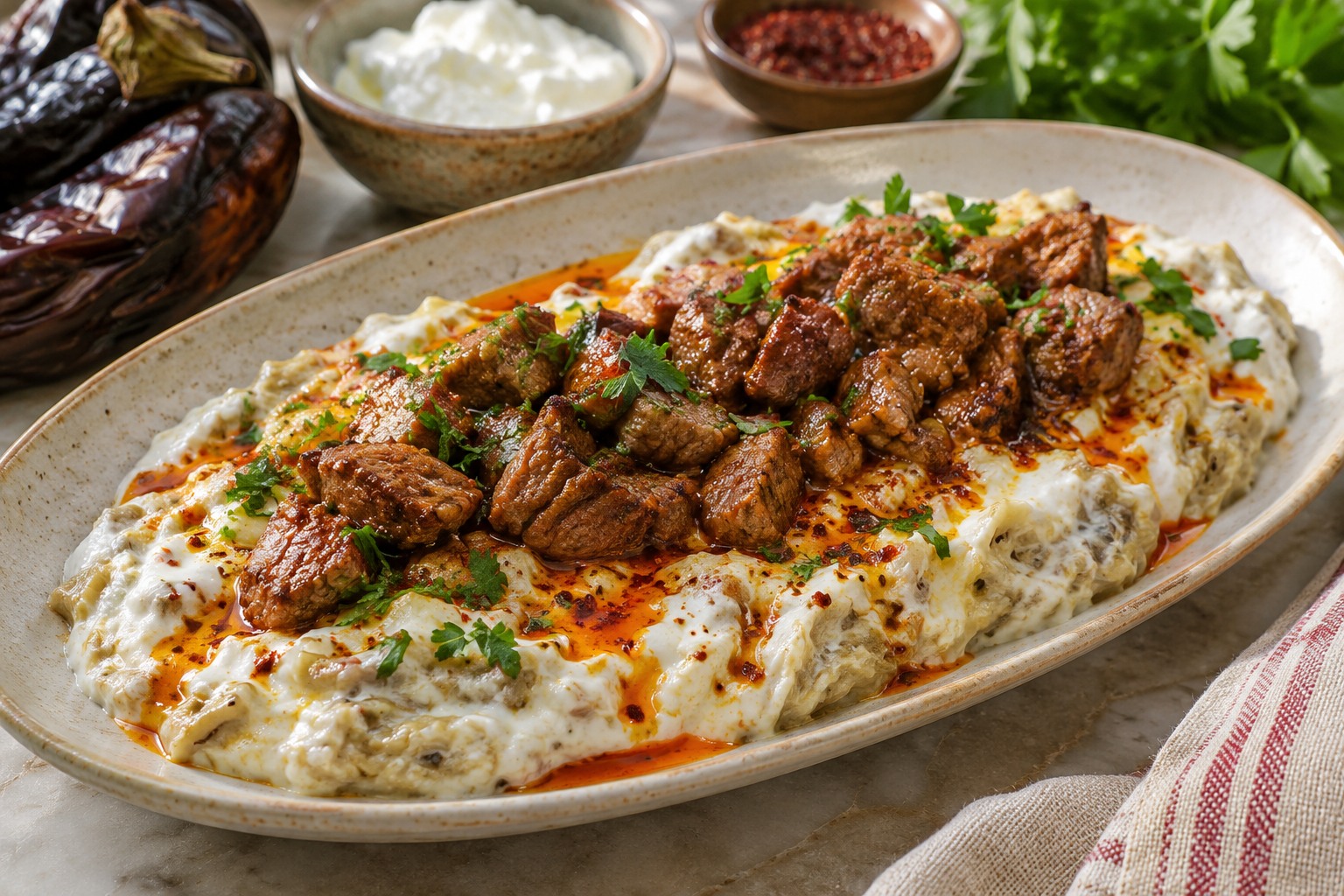
A stop for kebabs and baklava in Uzun Çarşı. Start with Ali nazik and share some baklava.
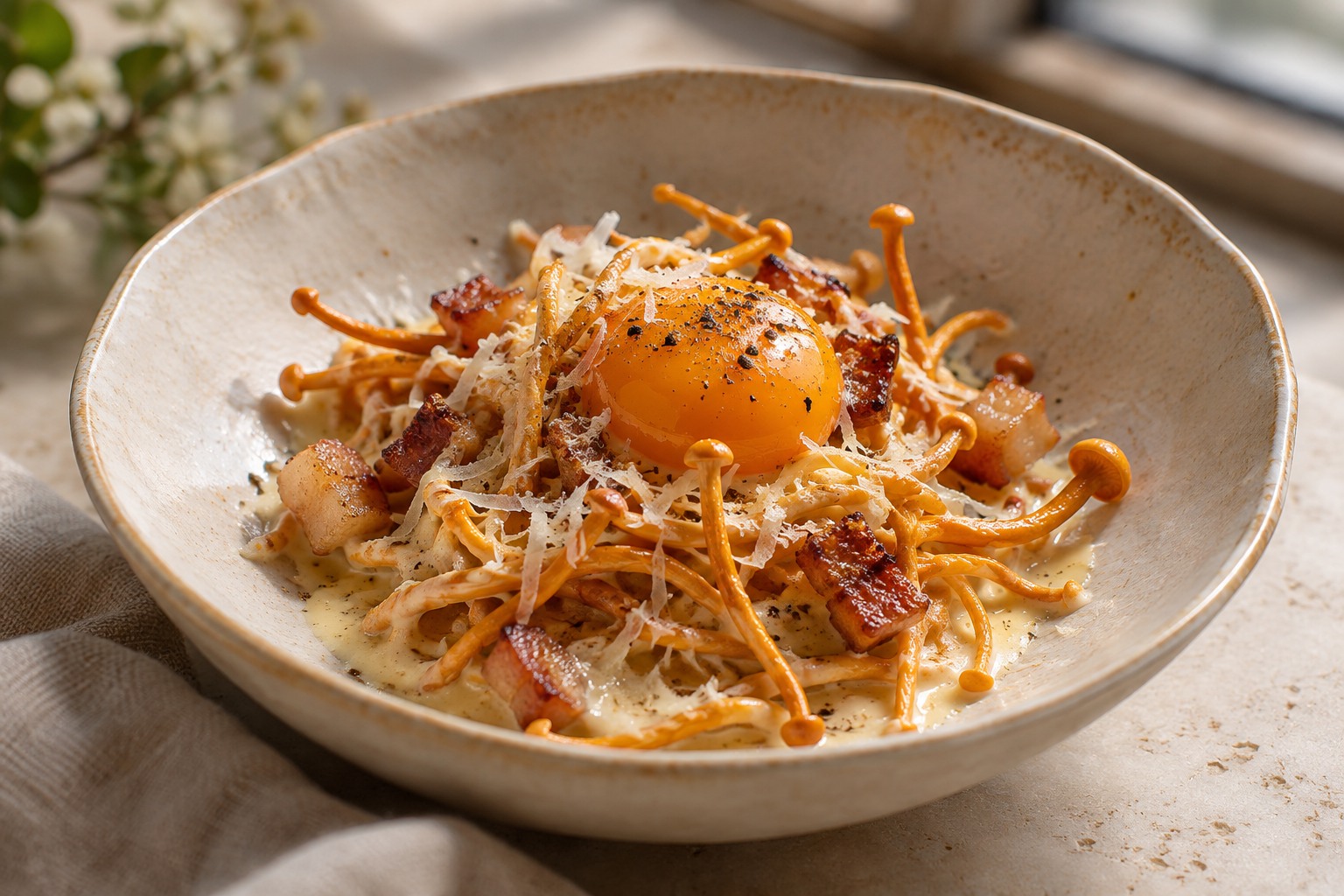
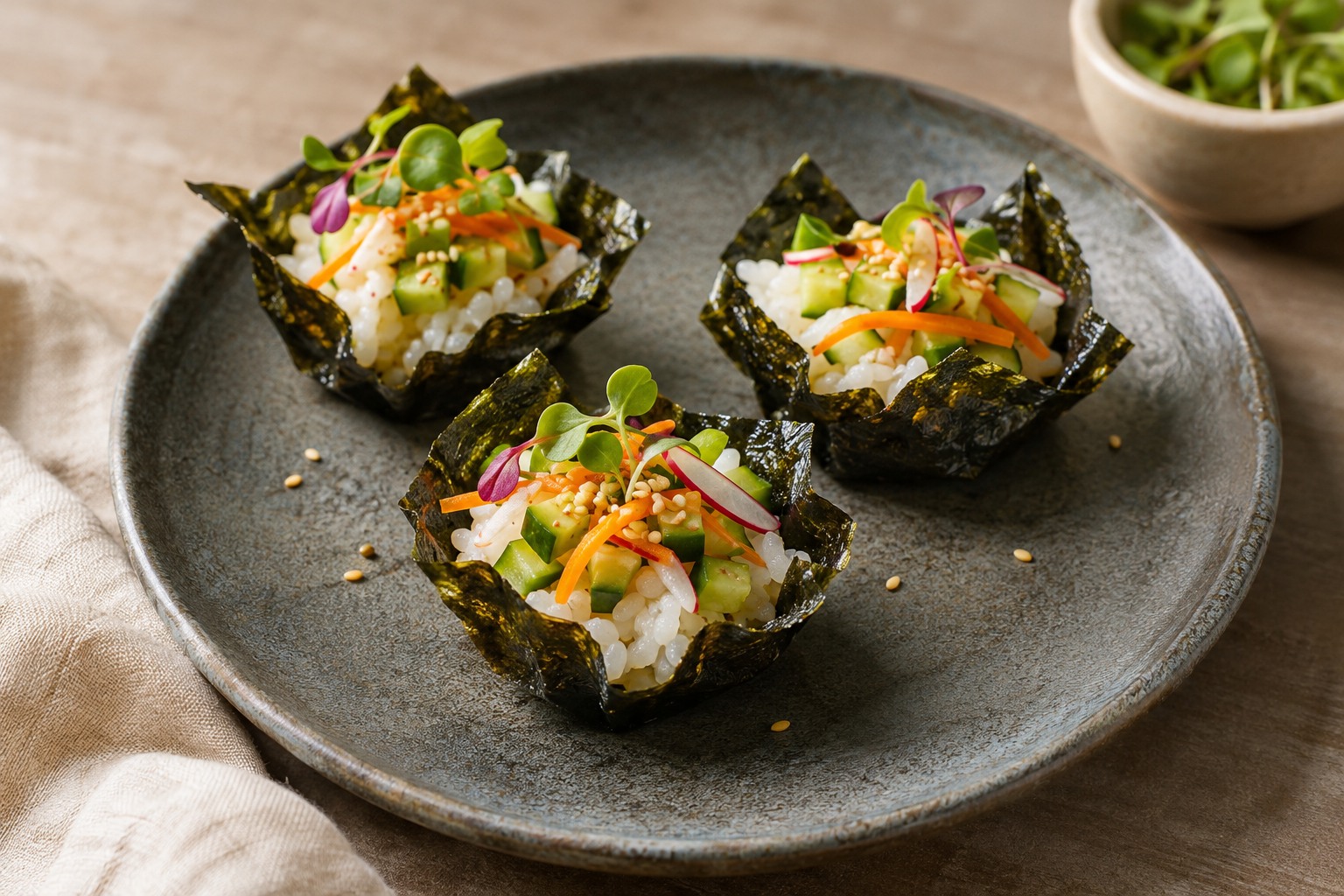
Jungsik Yim helped shape New Korean cooking, taking the flavours of kimbap, kimchi and banchan into a contemporary restaurant experience in Seoul and New York.
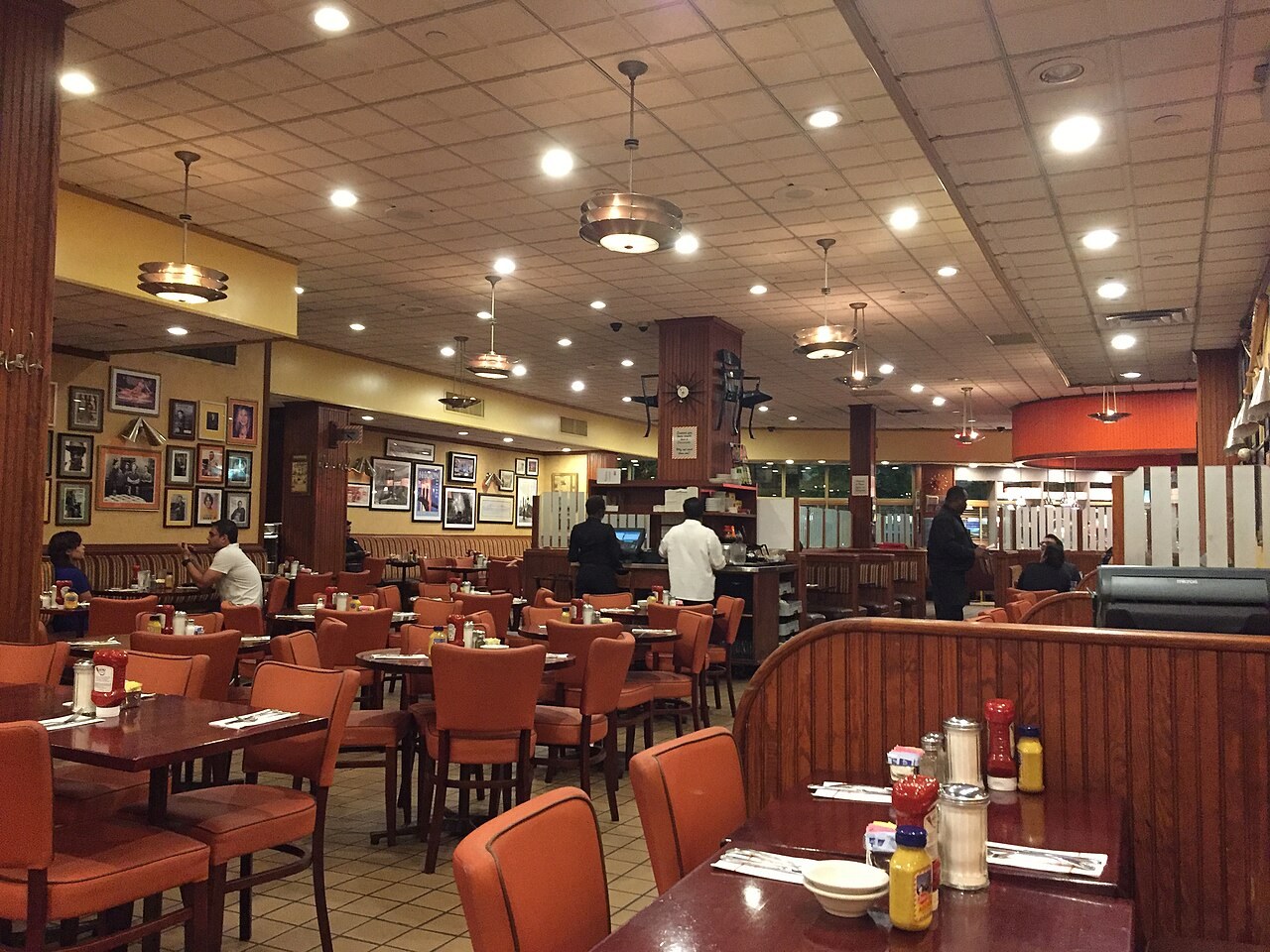
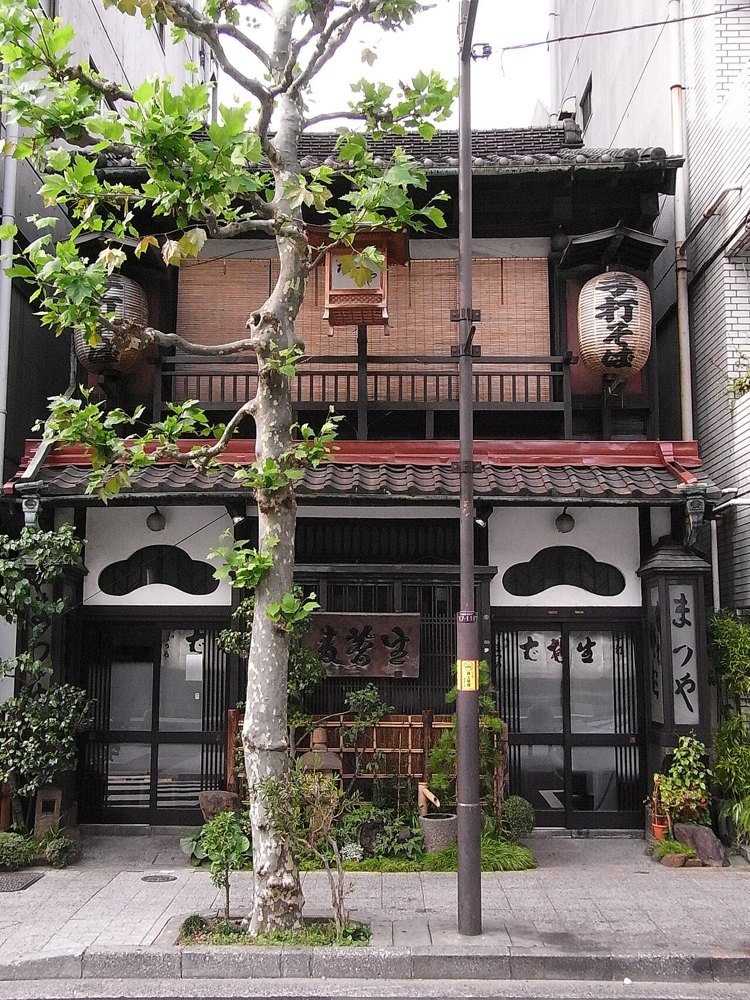
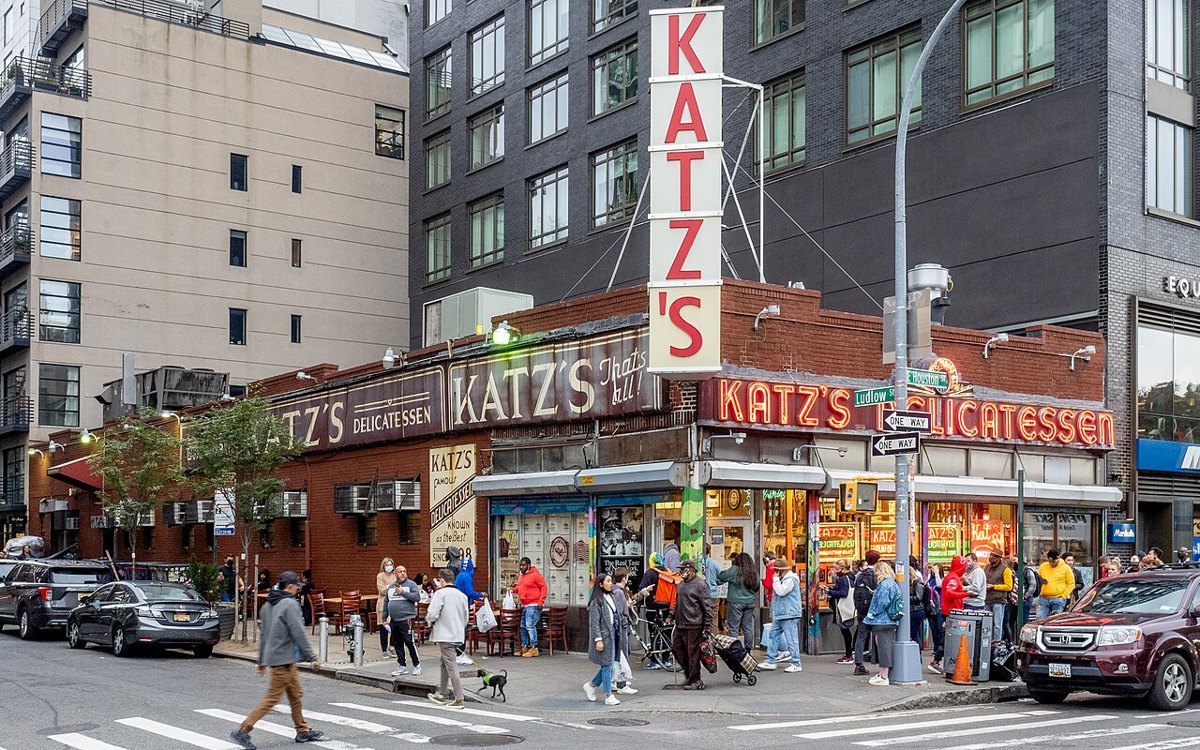
The Houston Street deli known for pastrami sandwiches on the Lower East Side.
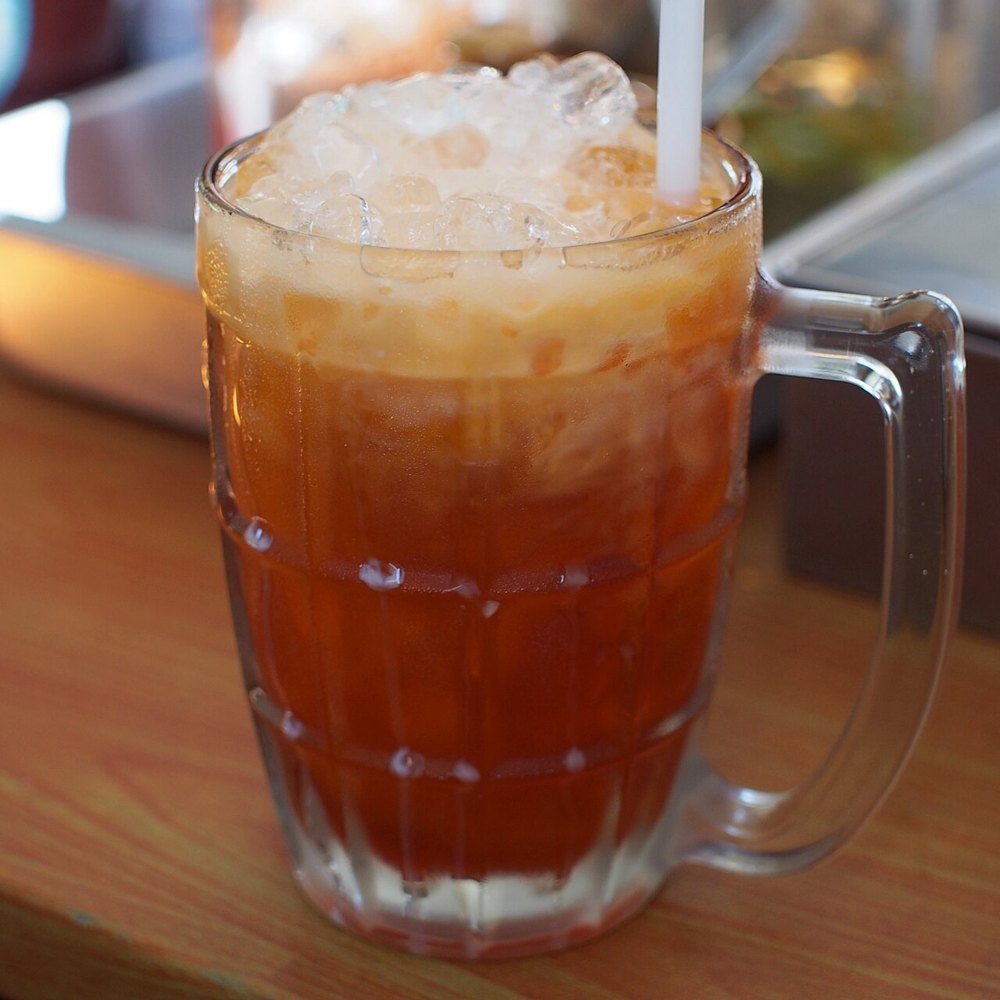
The Sao Chingcha branch offers a stop for old Bangkok coffee and breakfast culture.
Kemal Koç opened his cağ kebab business in 1982, turning a room of the hotel he ran into a small dining room with four tables and an oven. The Palandöken address continues that restaurant story. Lamb is roasted on a horizontal spit, then sliced onto the small skewers that give cağ kebabı its name.
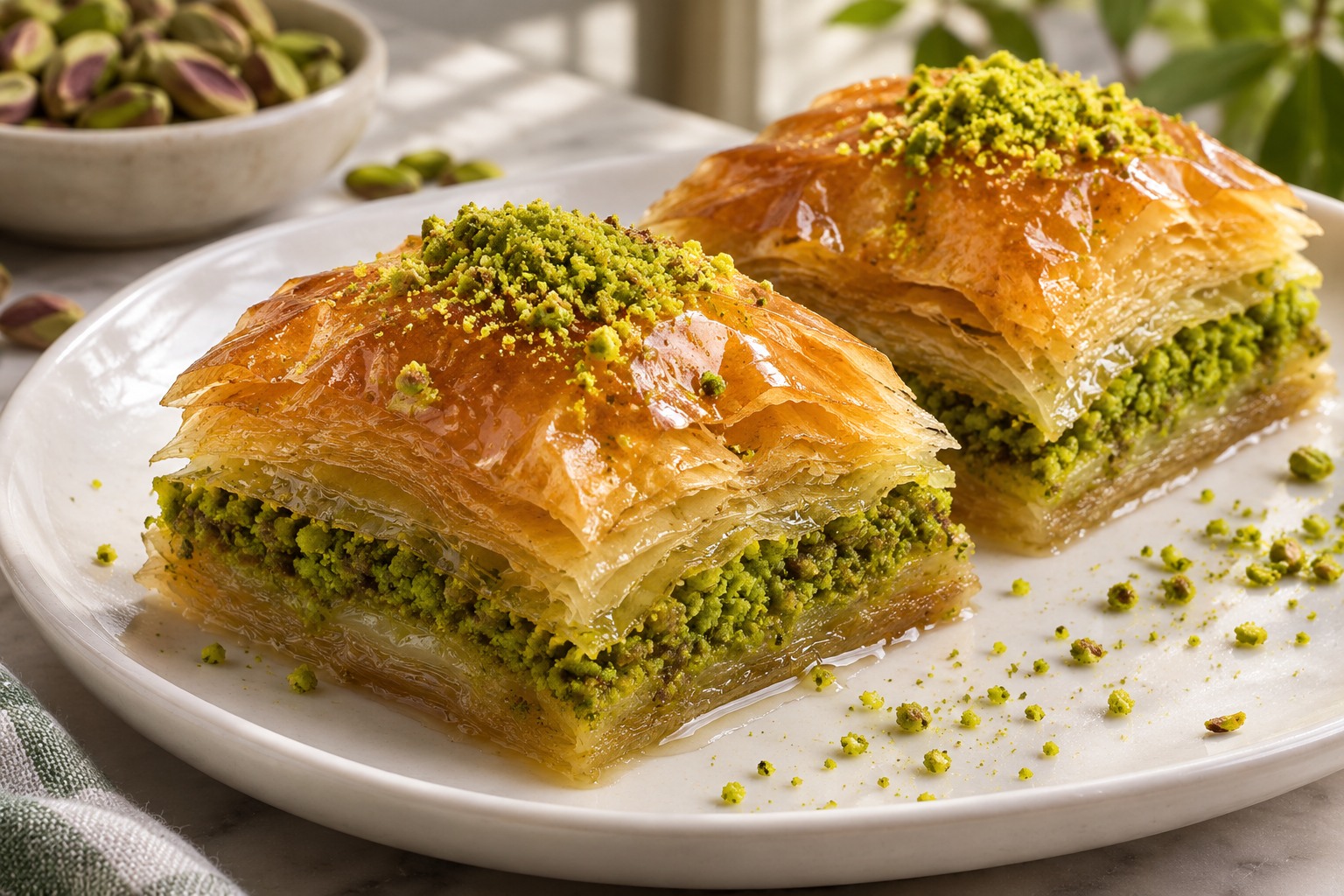
Coşkun Koçak developed Koçak Baklava with his brother İbrahim after a long apprenticeship. Thin pastry, pistachios, clarified butter and the training of new masters shape their Gaziantep craft.
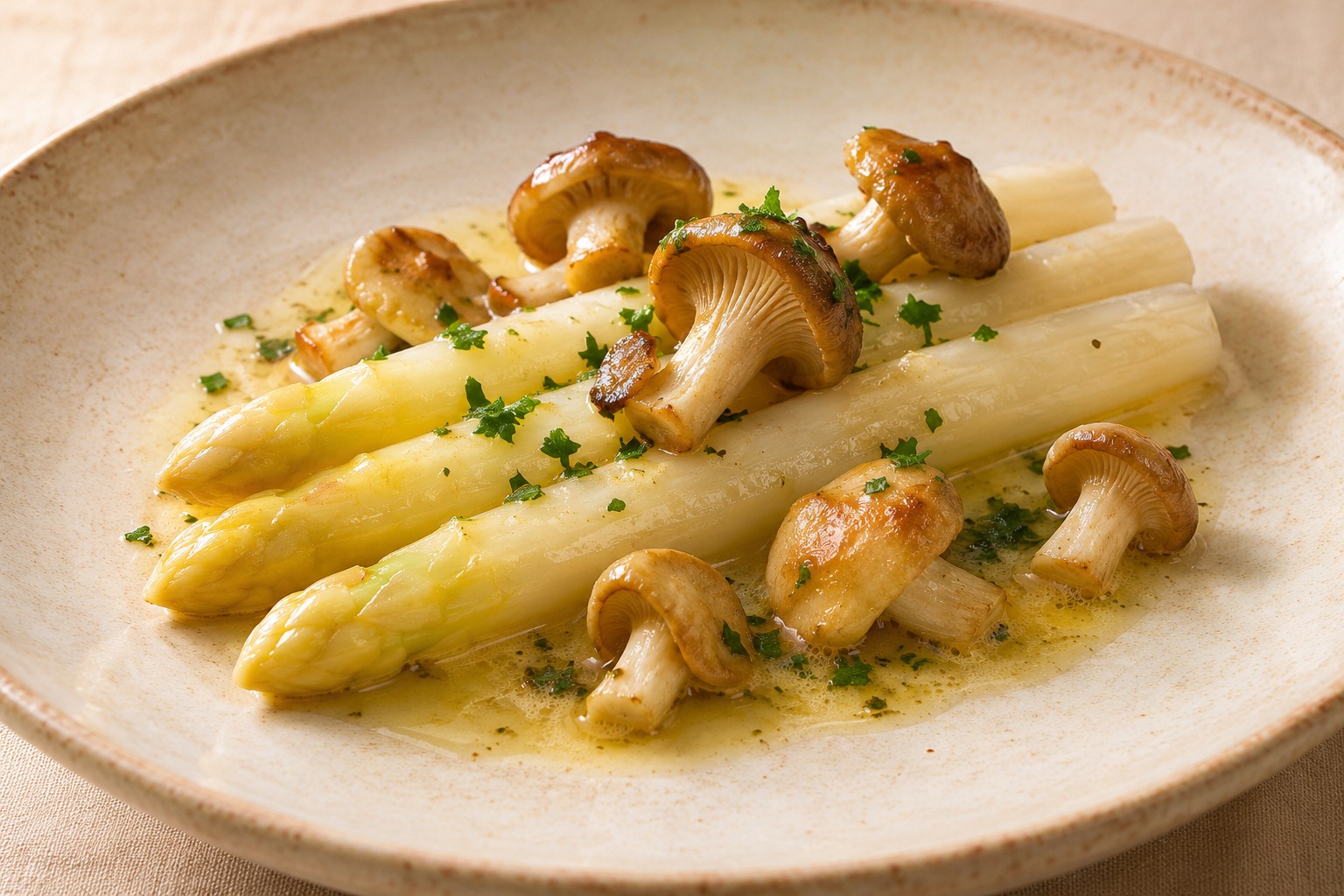
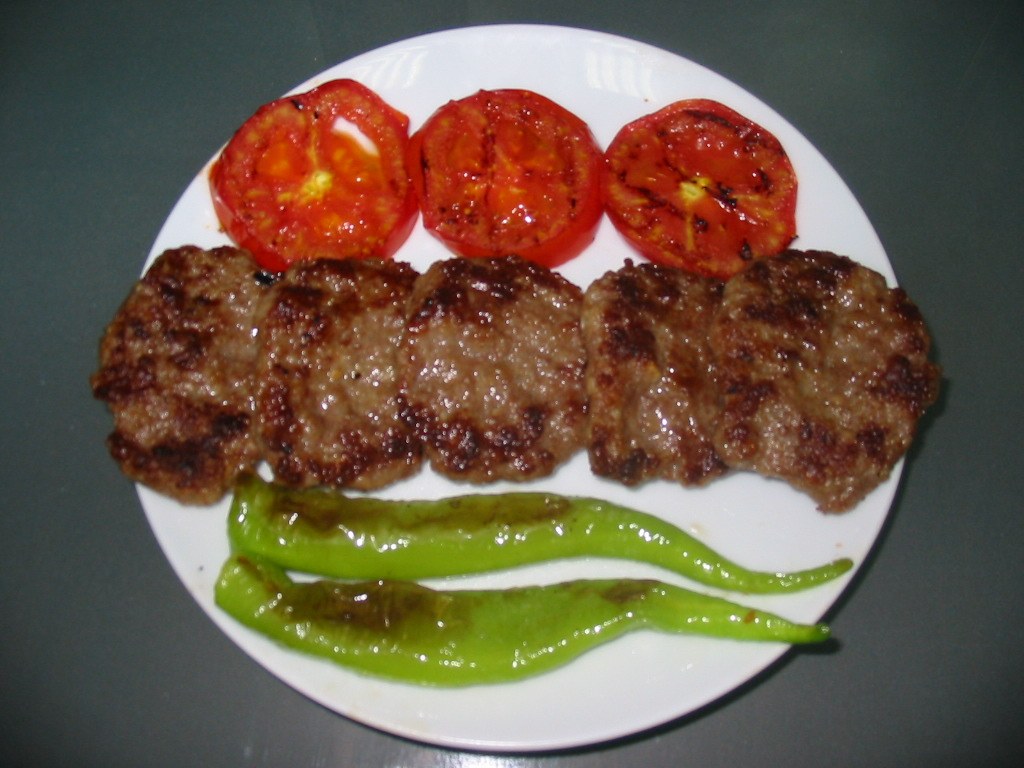
Komaroğlu serves Akçaabat köfte, grilled minced-meat patties prepared with garlic and bread. Bean salad and ayran complete this local combination.
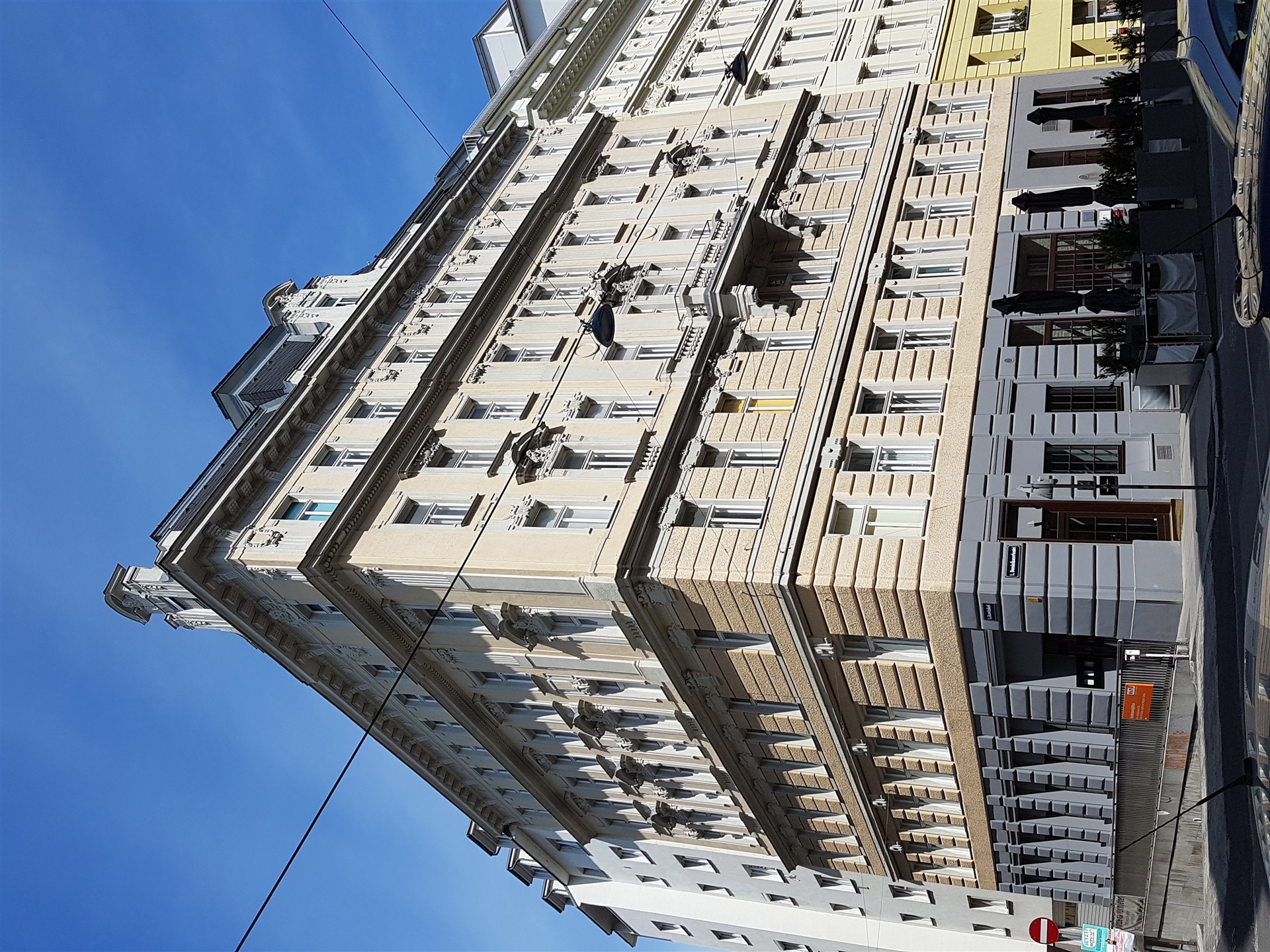
Konstantin Filippou brings Greek and Austrian food memories to a precise contemporary kitchen. Freshwater fish and seafood now shape his Vienna restaurant’s menu.
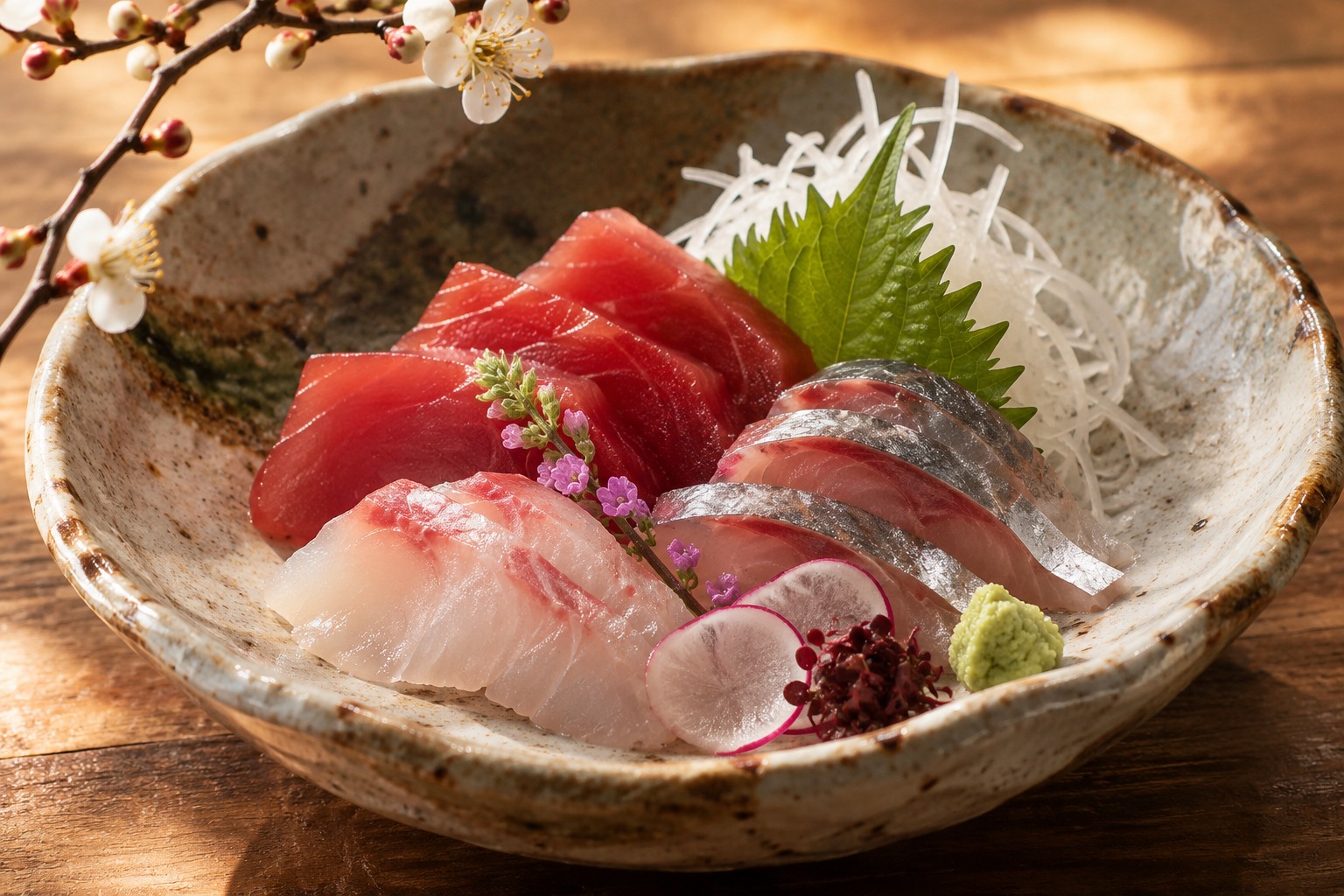
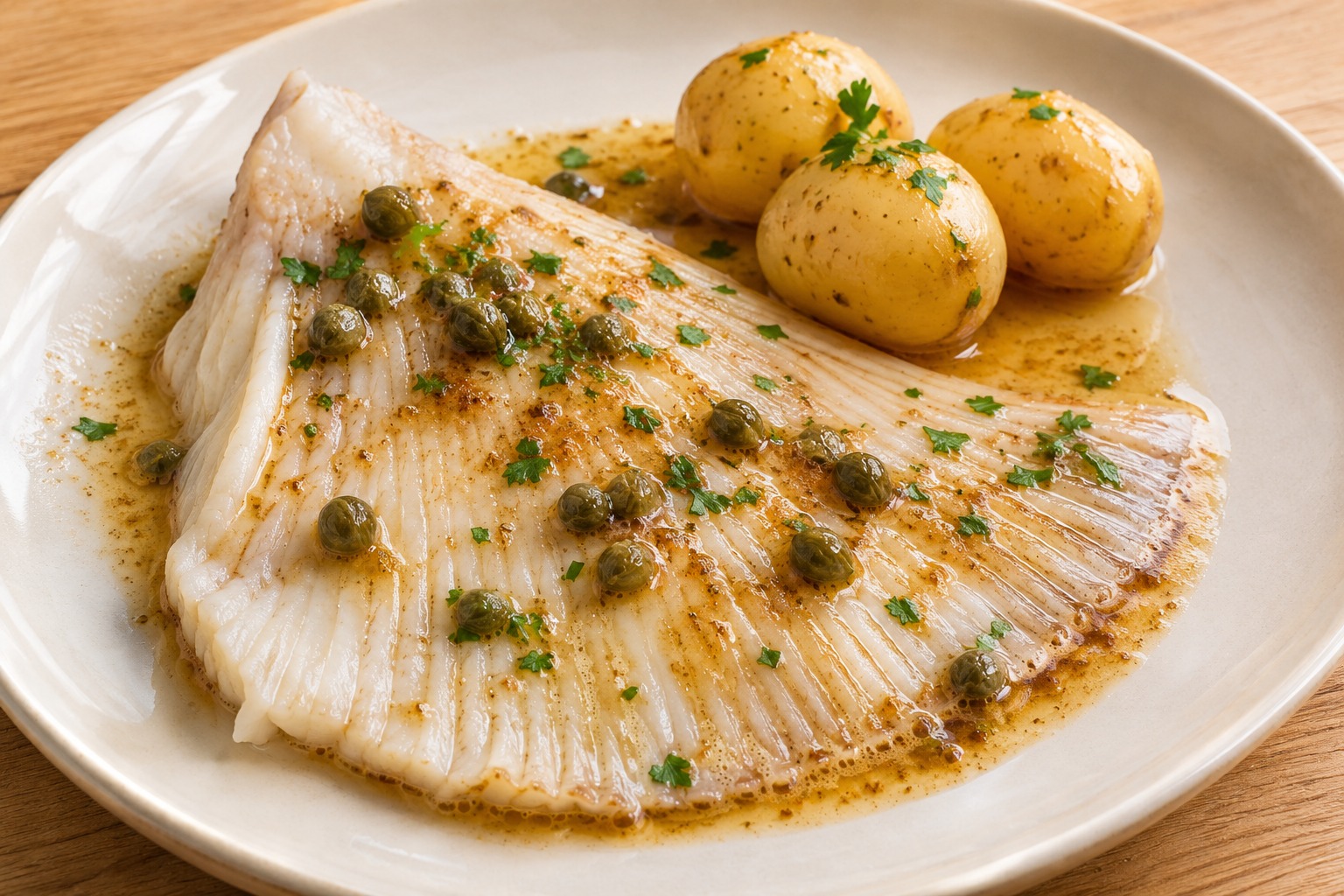
Carlos Torres and Elisa Rodríguez opened La Buena Vida in Madrid in 2001. Their signature skate dish brings together butter, capers and parsley, complementing the fish’s distinctive strands.
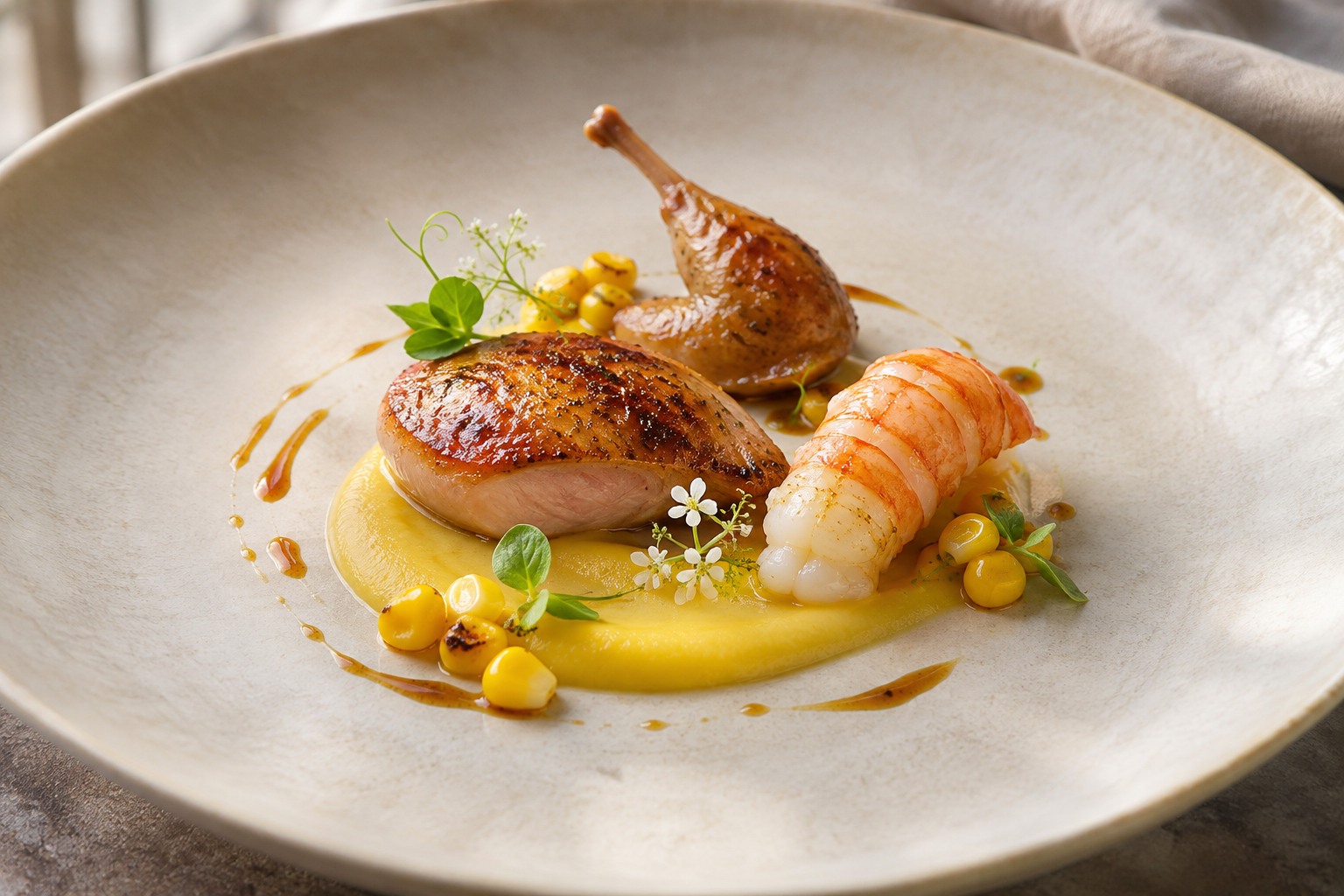
James Gaag leads La Colombe with French foundations, playful presentation and a clear focus on flavour. At Silvermist Estate, tuna, quail, langoustine and seasonal vegetables become chapters in a tasting experience.
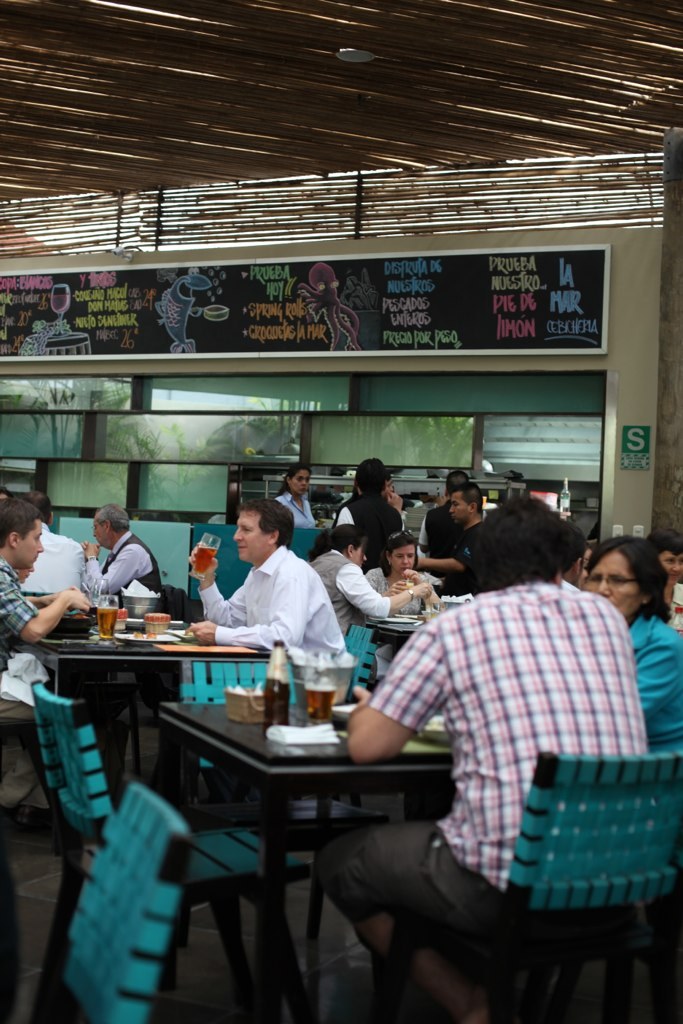
A Miraflores stop for cevichería culture. Distinguish raw and cooked preparations when choosing from the menu.
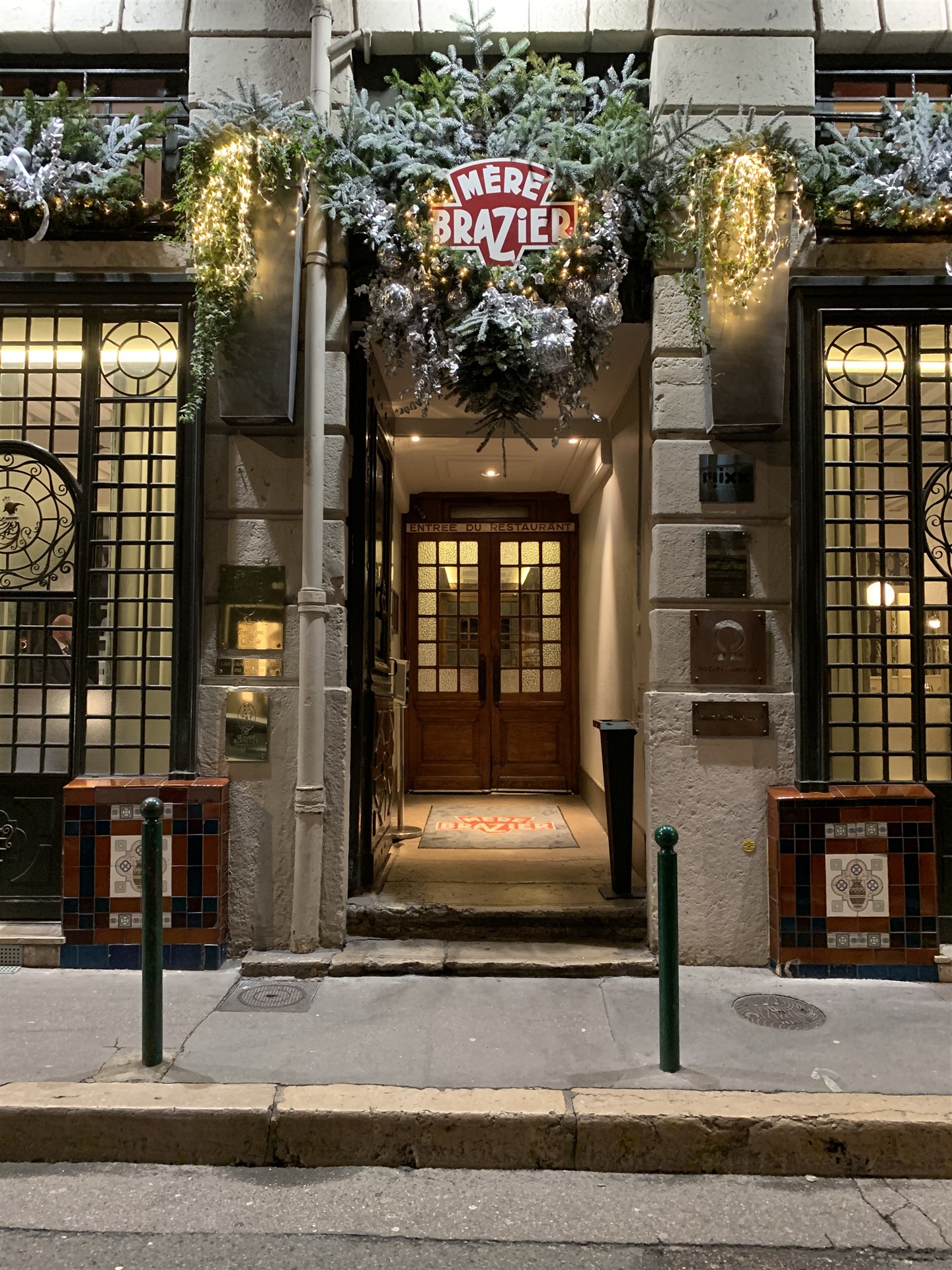
Mathieu Viannay gives Lyon’s culinary heritage a fresh voice at La Mère Brazier. French craftsmanship, generous sauces and a continuing conversation with Eugénie Brazier’s classics shape the experience.
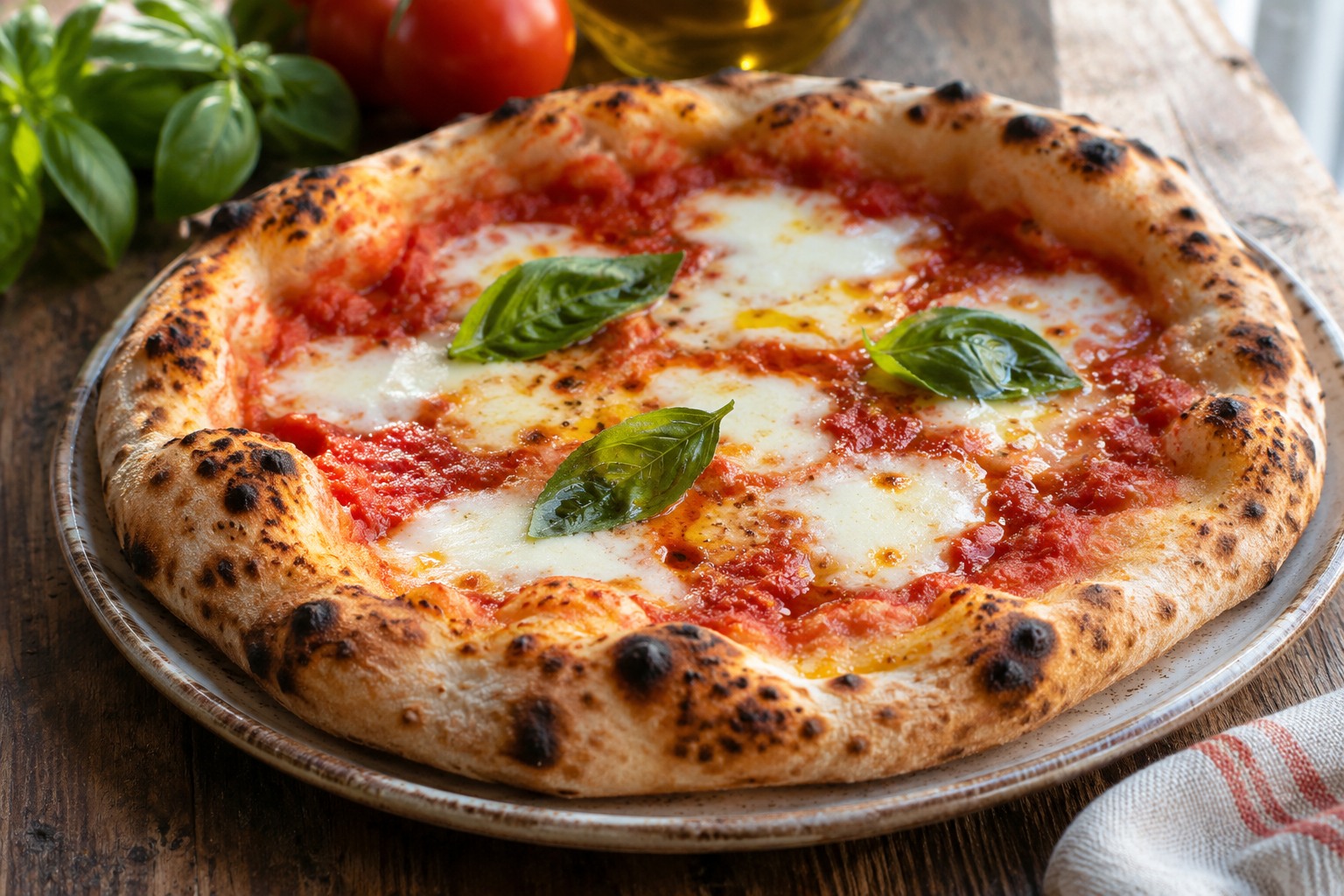
Enzo Coccia treats Neapolitan pizza as a craft to study and share. Family experience, ingredient research and the handling of dough meet at La Notizia and in his influential demonstrations.
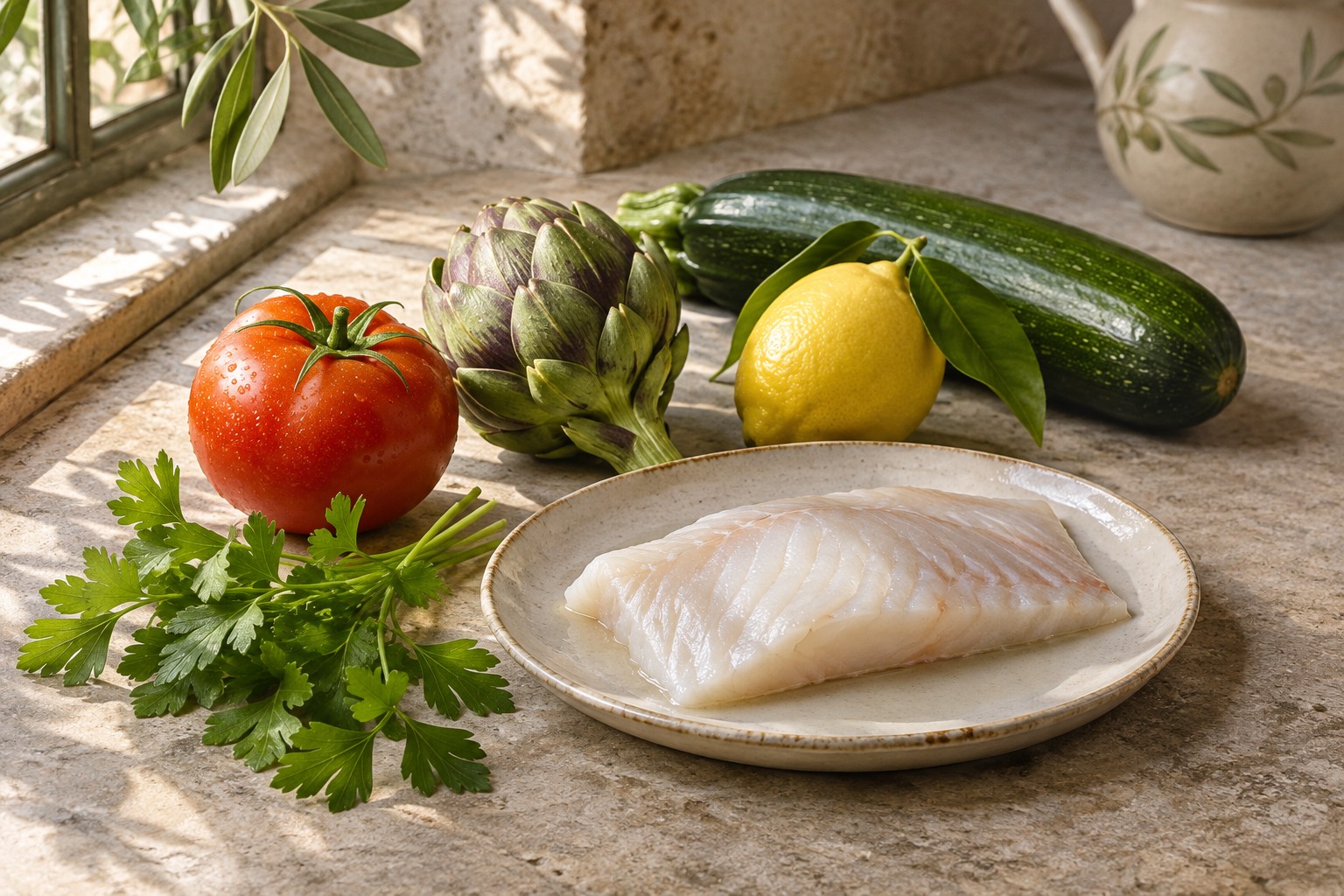
Heinz Beck brings Mediterranean flavour, precise technique and an interest in lightness to La Pergola, the restaurant overlooking Rome from the Rome Cavalieri.
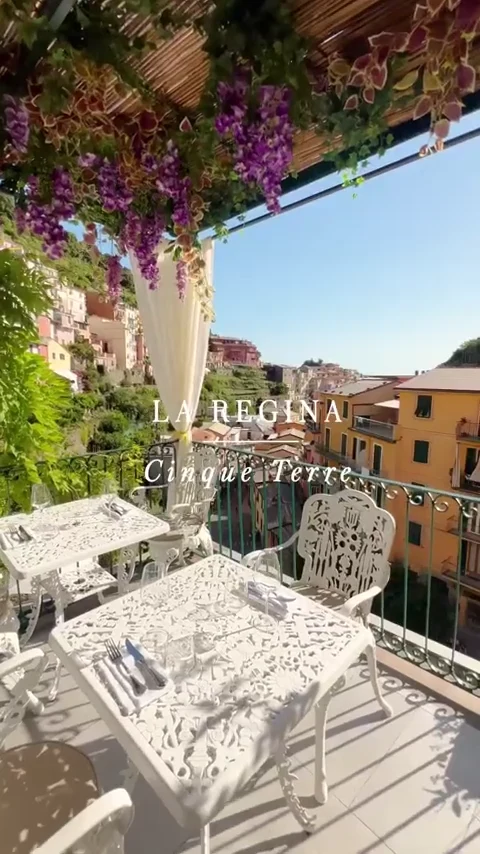
A flower-framed terrace above Manarola, with fresh trofie, basil pesto and a view towards the village roofs.
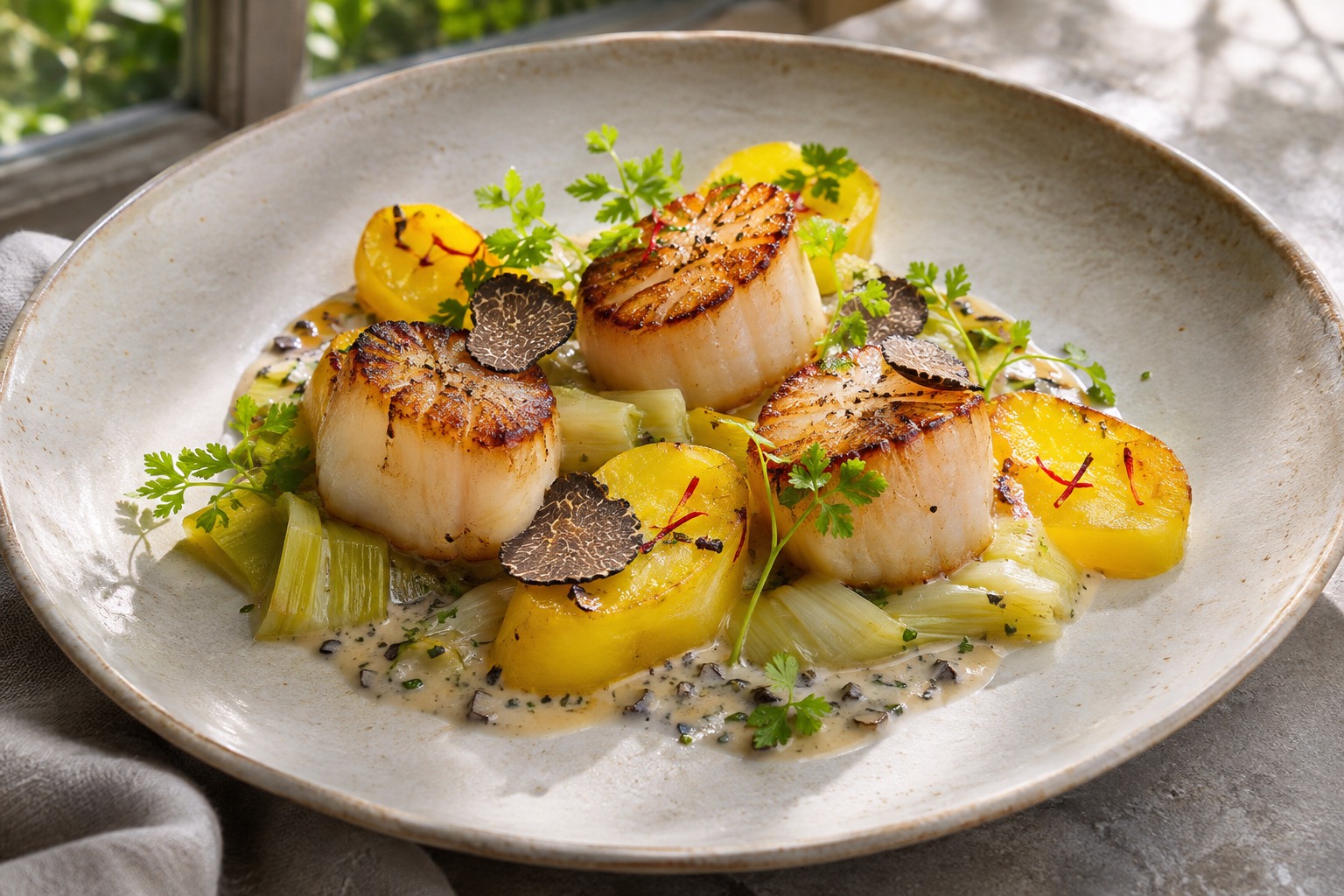
Hervé Rodriguez brings a long French culinary career to La Table Hanoia. His Hanoi chapter combines disciplined technique, expressive flavours and the craftsmanship of a dining room in the Press Club building.
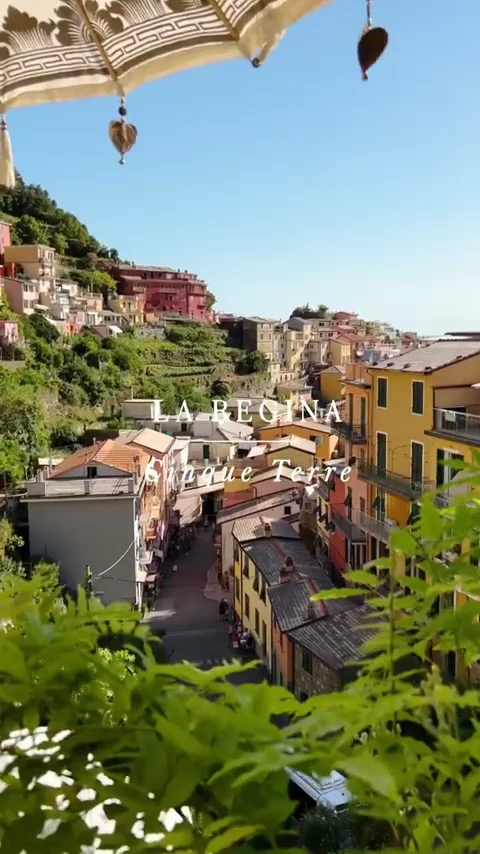
Ligurian seafood and handmade pasta on Splendido’s terrace, high above Portofino’s harbour.
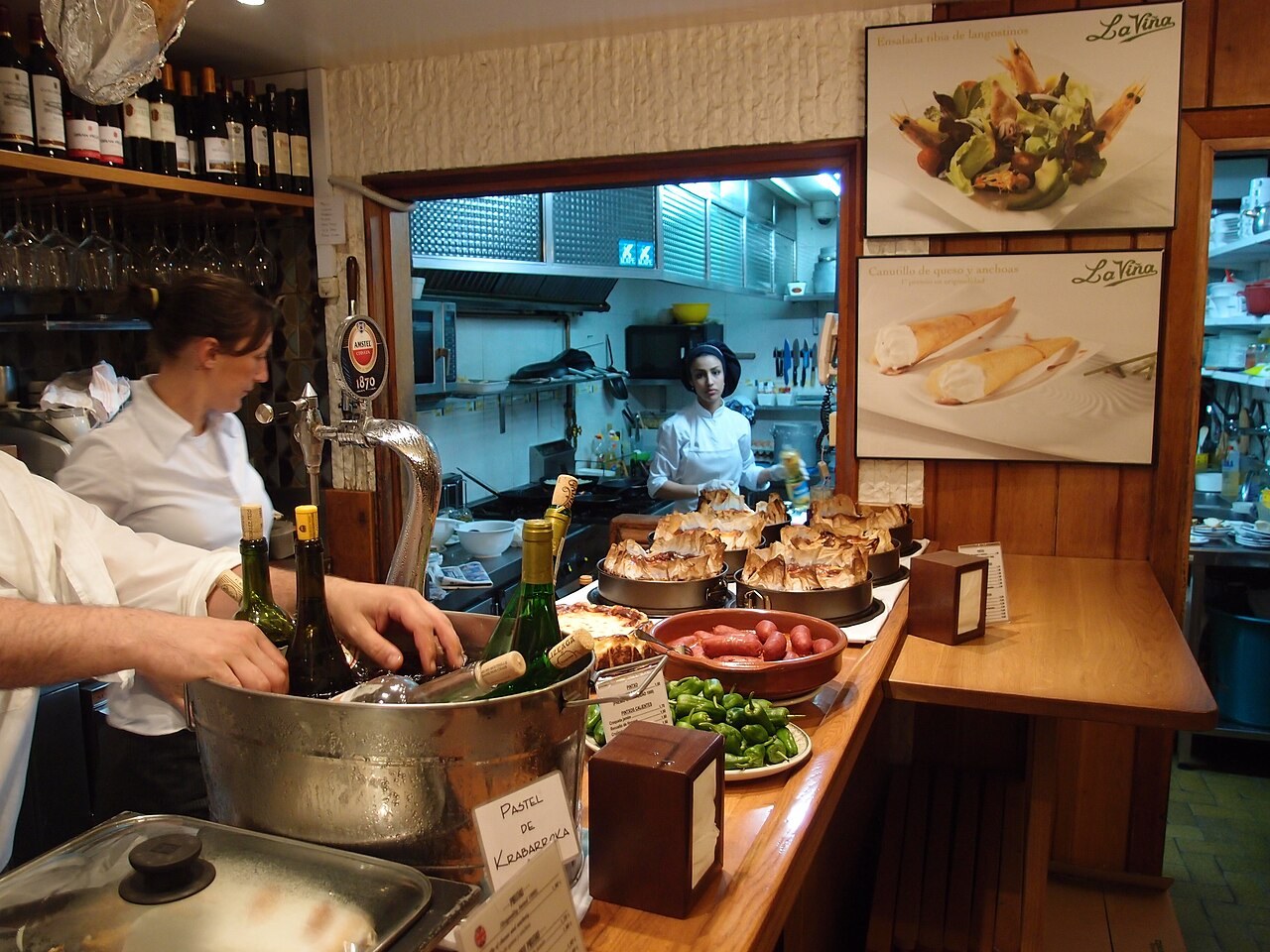
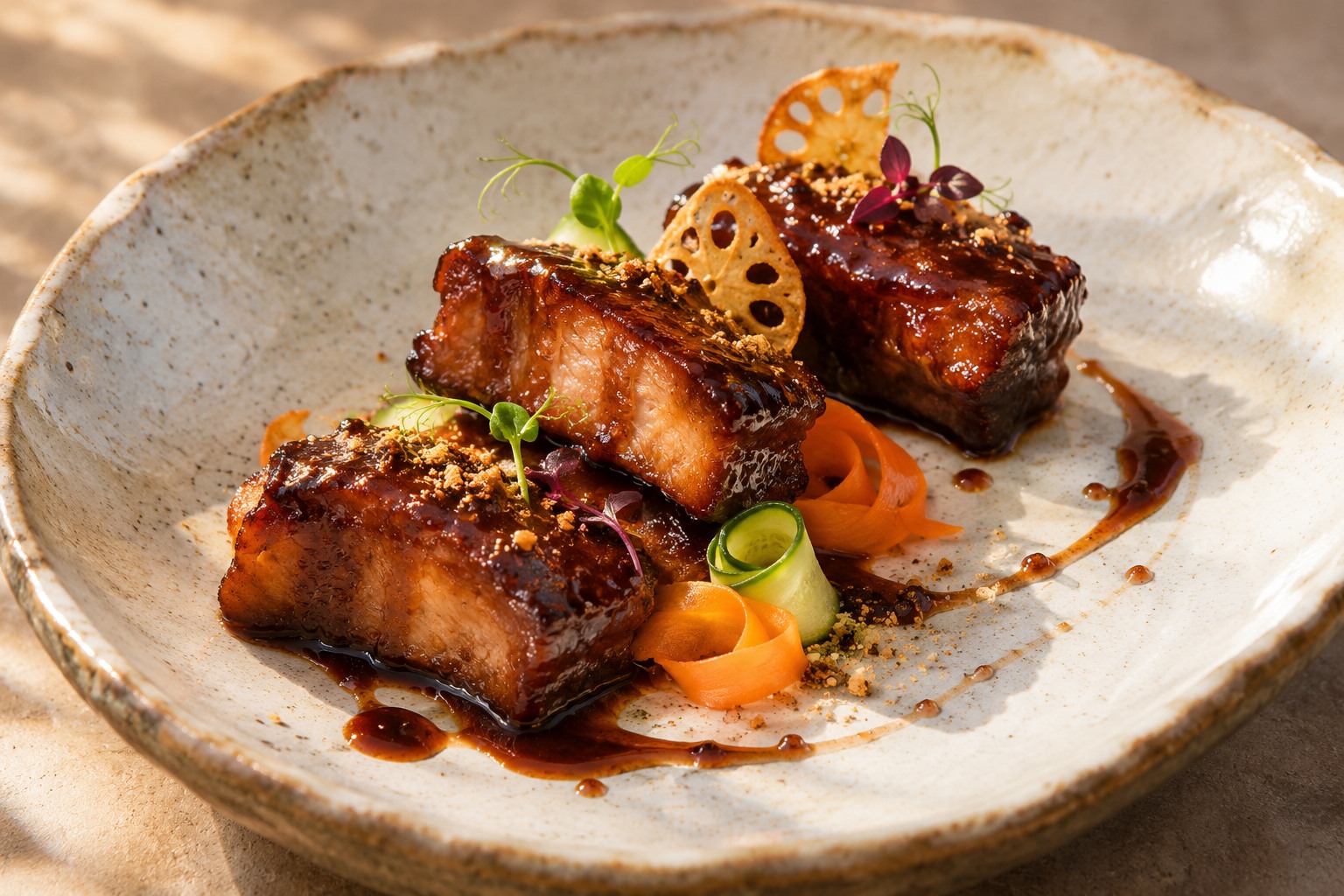
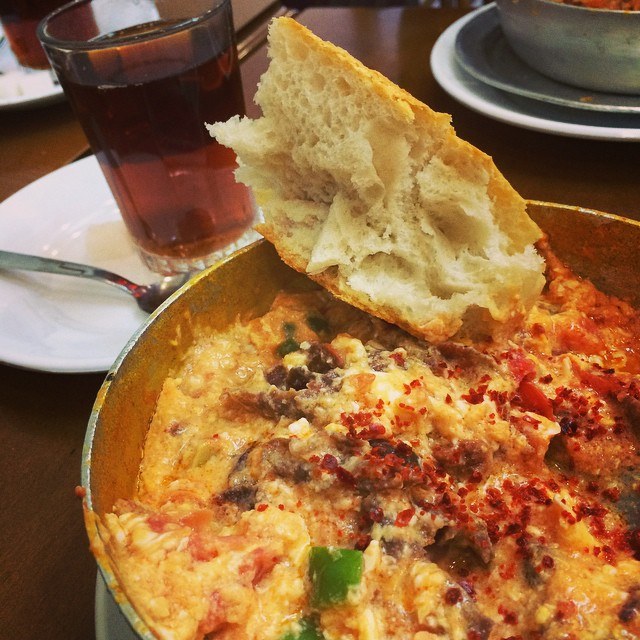
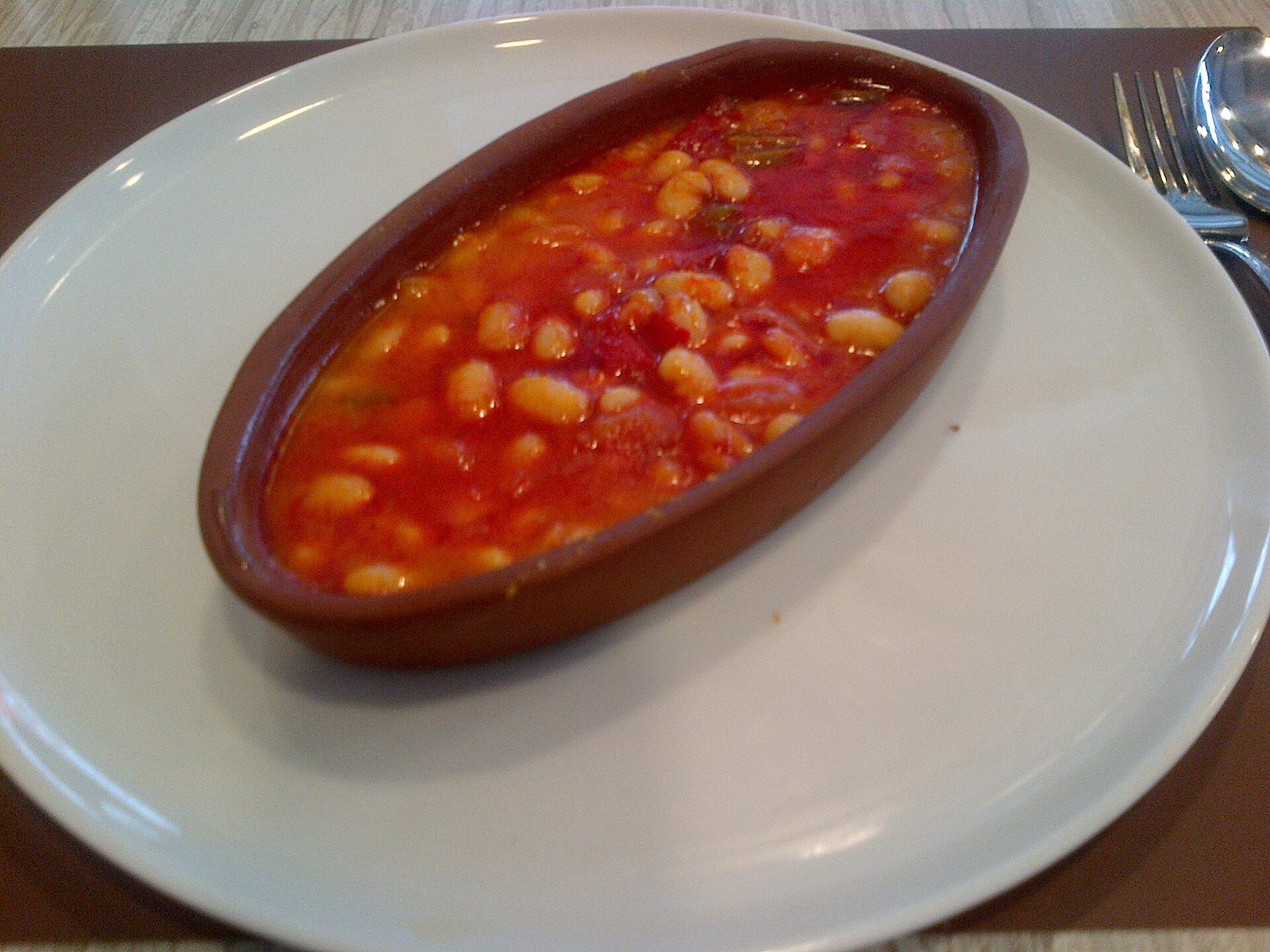
Opened in Çayeli in 1973, Lale puts white-bean stew, kavurma and rice at the centre of a Black Sea table.
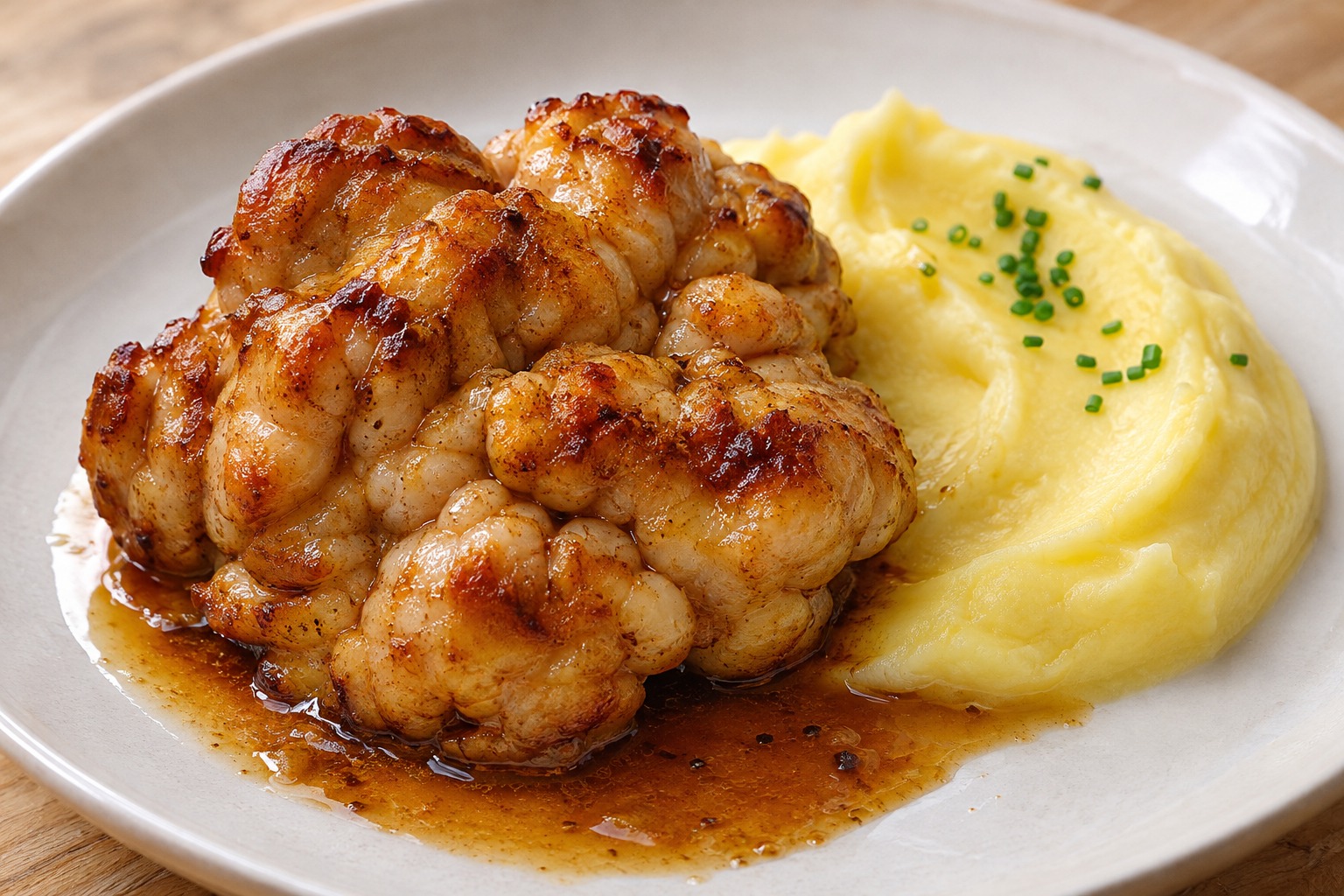
Christophe Philippe’s Amarante near the Bastille explores the meat and offal side of French bistro cooking. Whole roasted veal sweetbread with potato purée is one of its distinctive dishes.
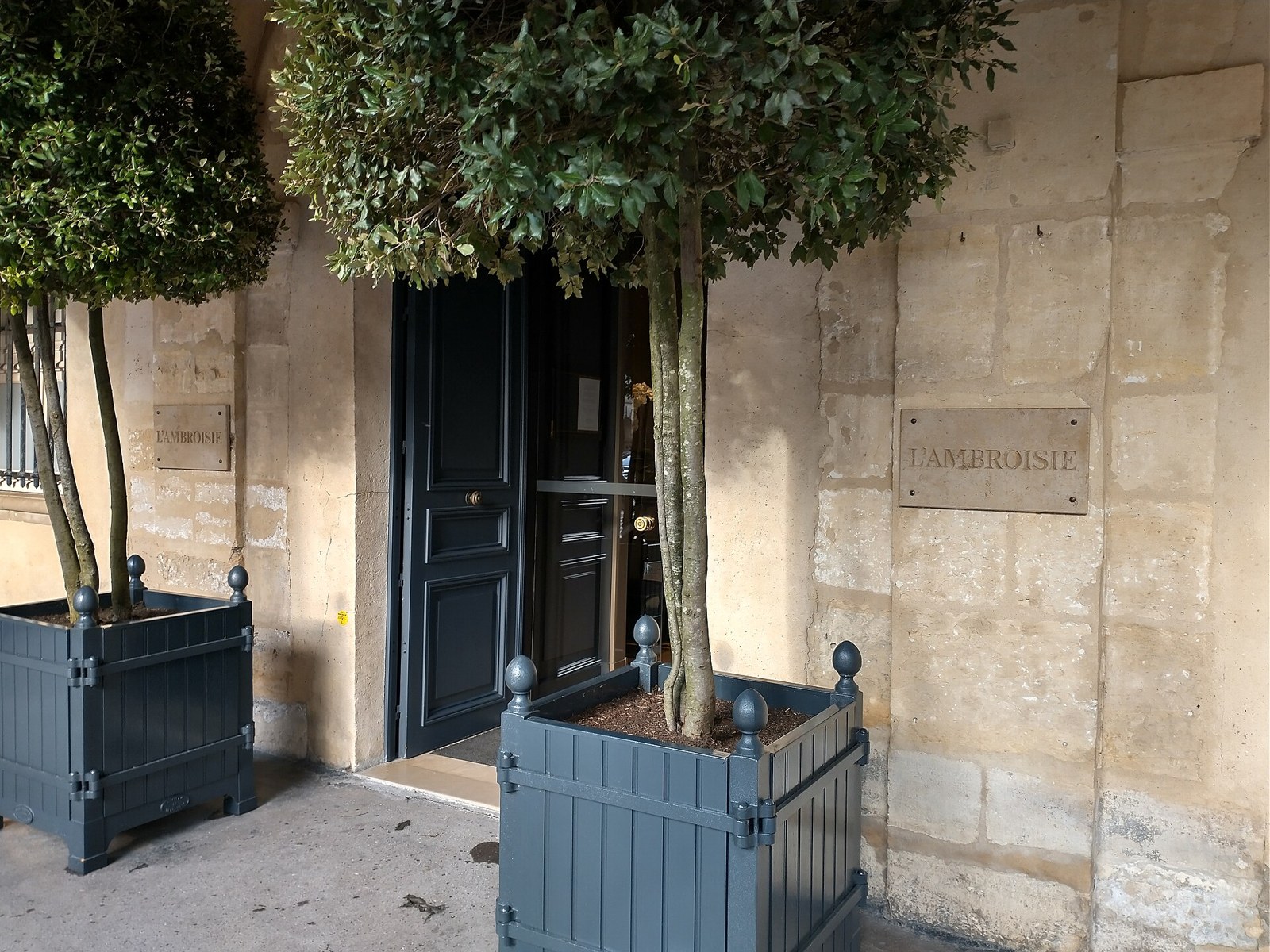
Bernard and Danièle Pacaud founded L’Ambroisie in 1981 and moved it to the Place des Vosges in late 1986. Shintaro Awa took over the kitchen from Bernard Pacaud in 2025.
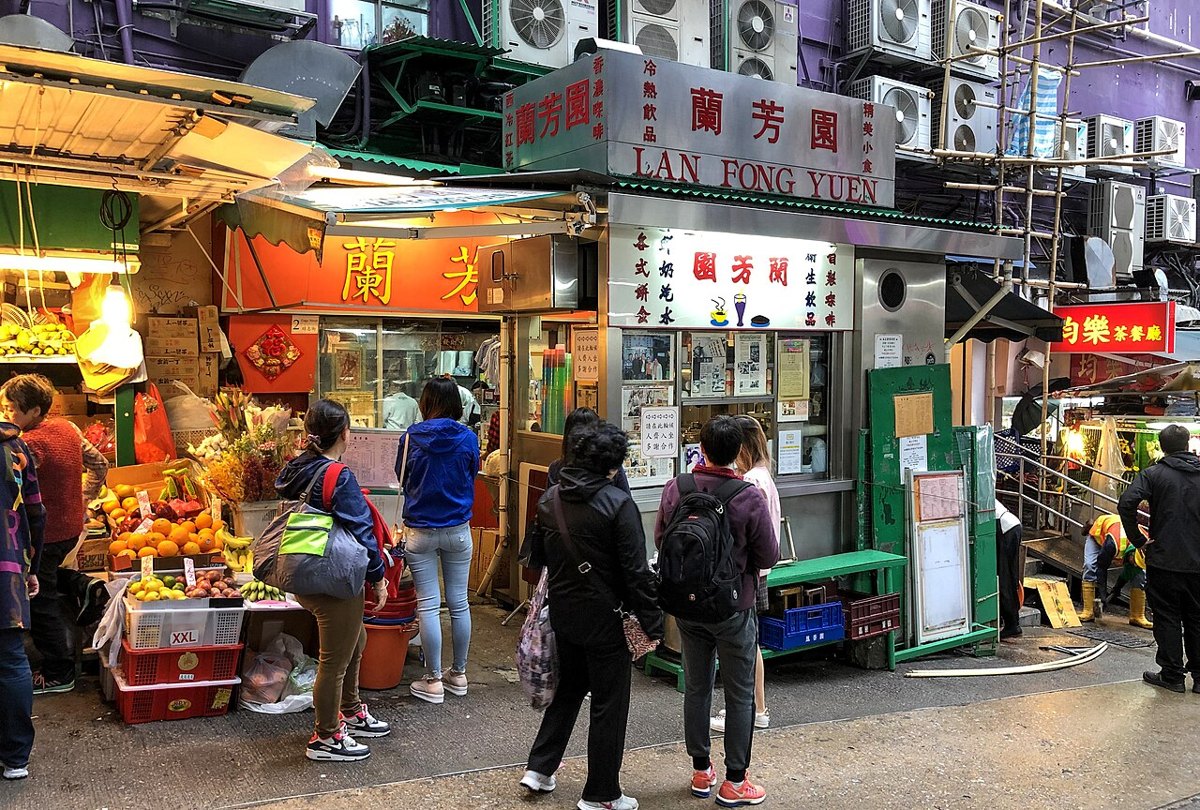
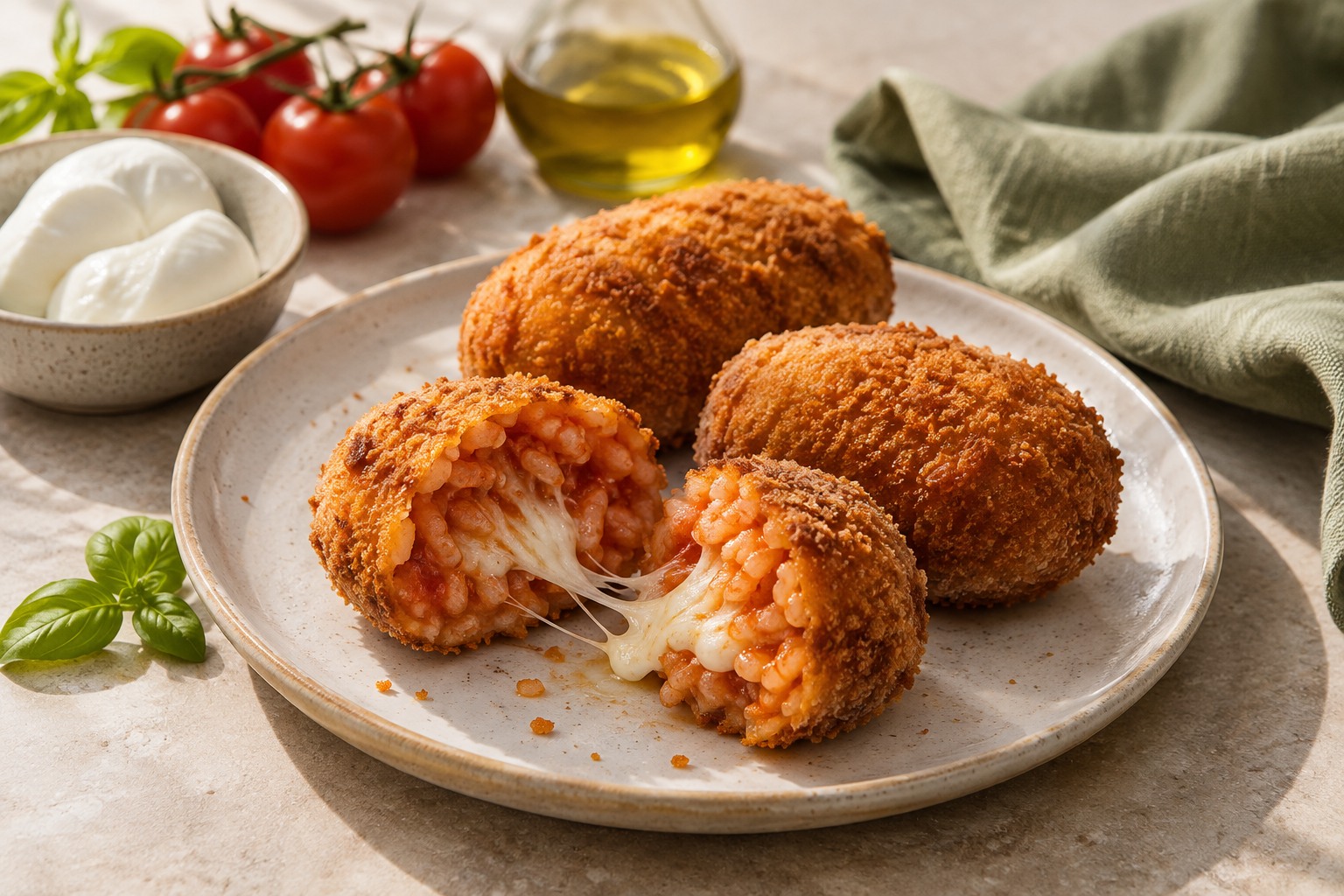
Arcangelo Dandini cooks through the memories of Rome and the Castelli Romani, connecting a family restaurant tradition with pasta, supplì and the pleasures of a welcoming table.
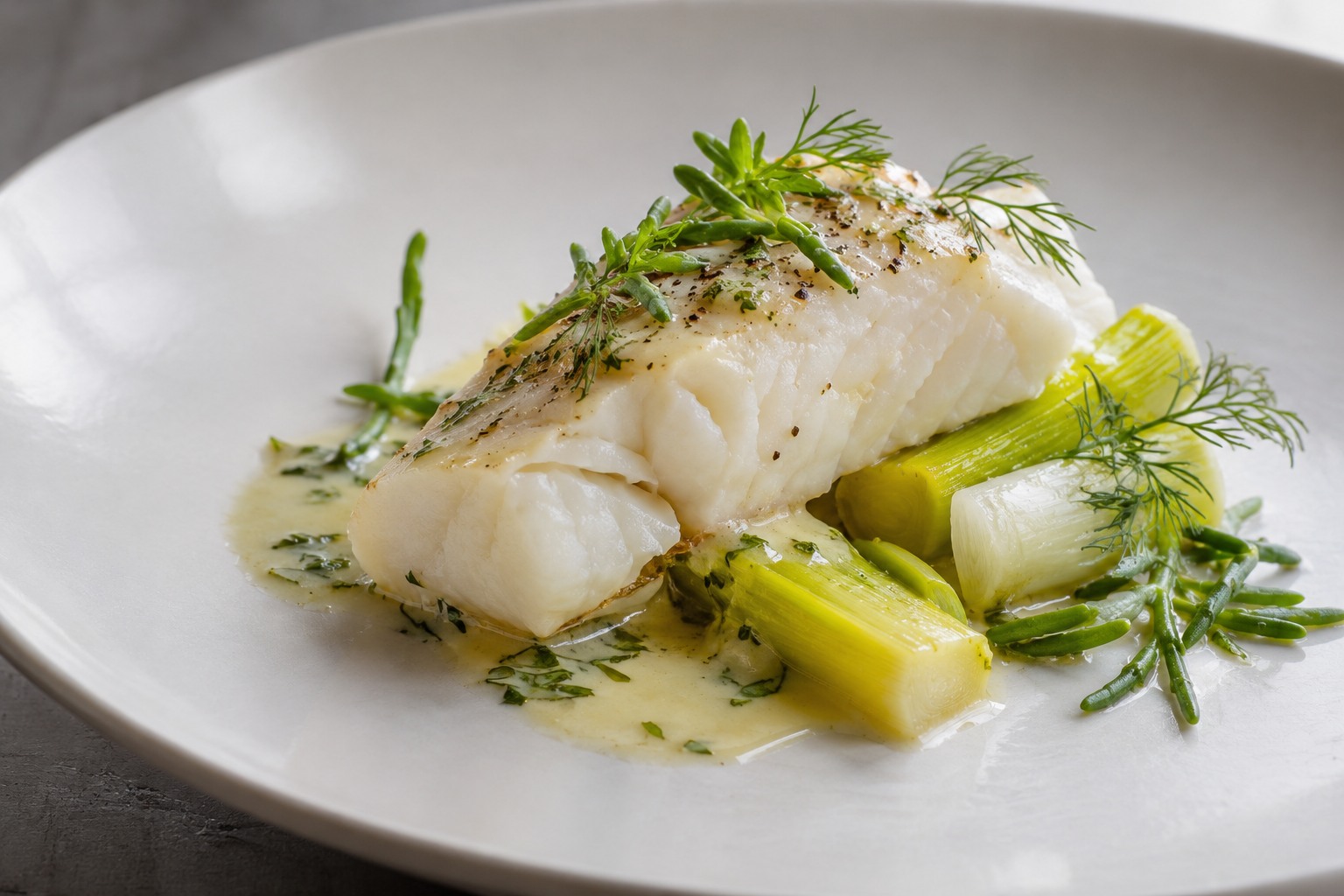
Eric Ripert places seafood at the centre of Le Bernardin, connecting French training with a precise, thoughtful approach to fish, sauces and the people behind a restaurant meal.
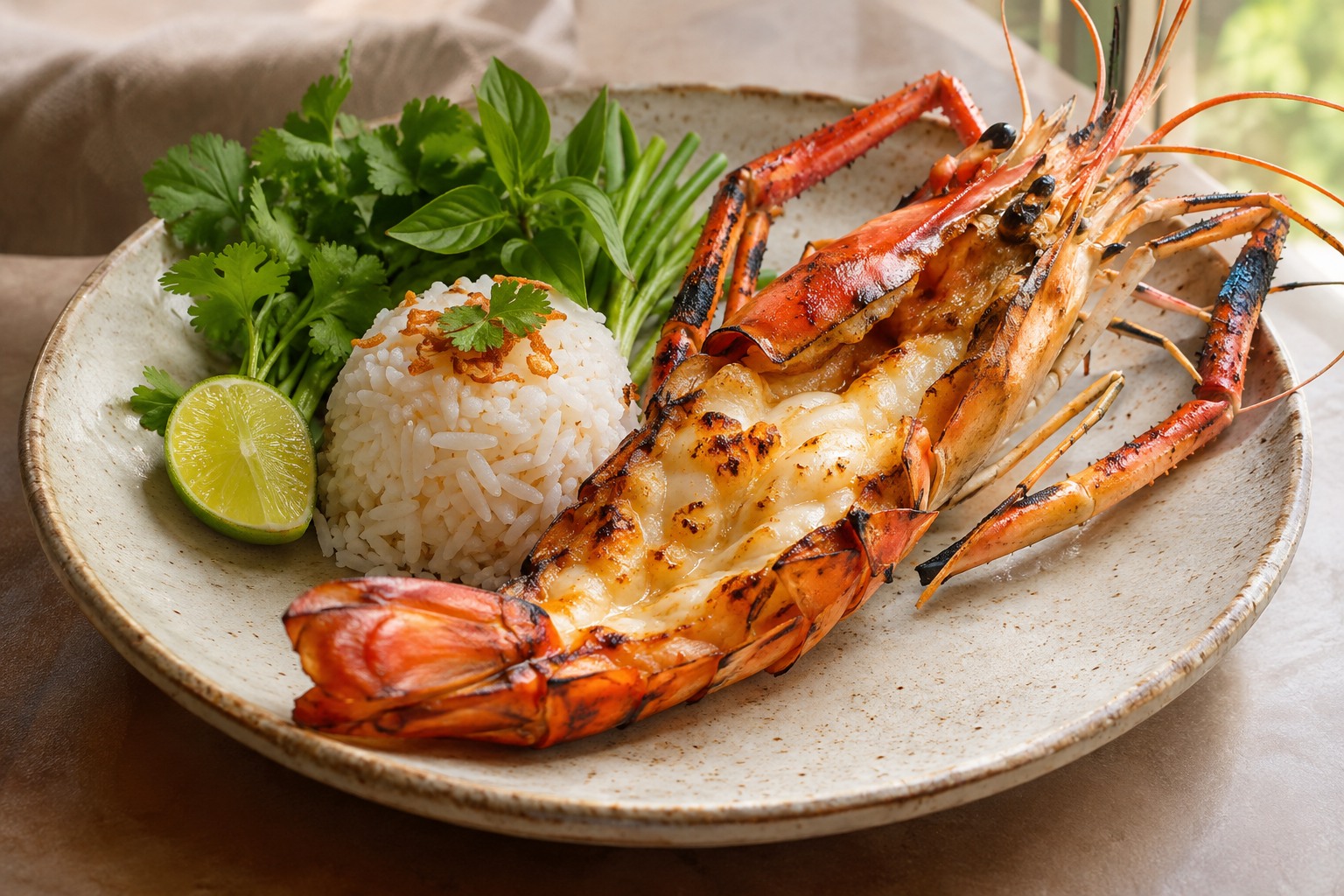
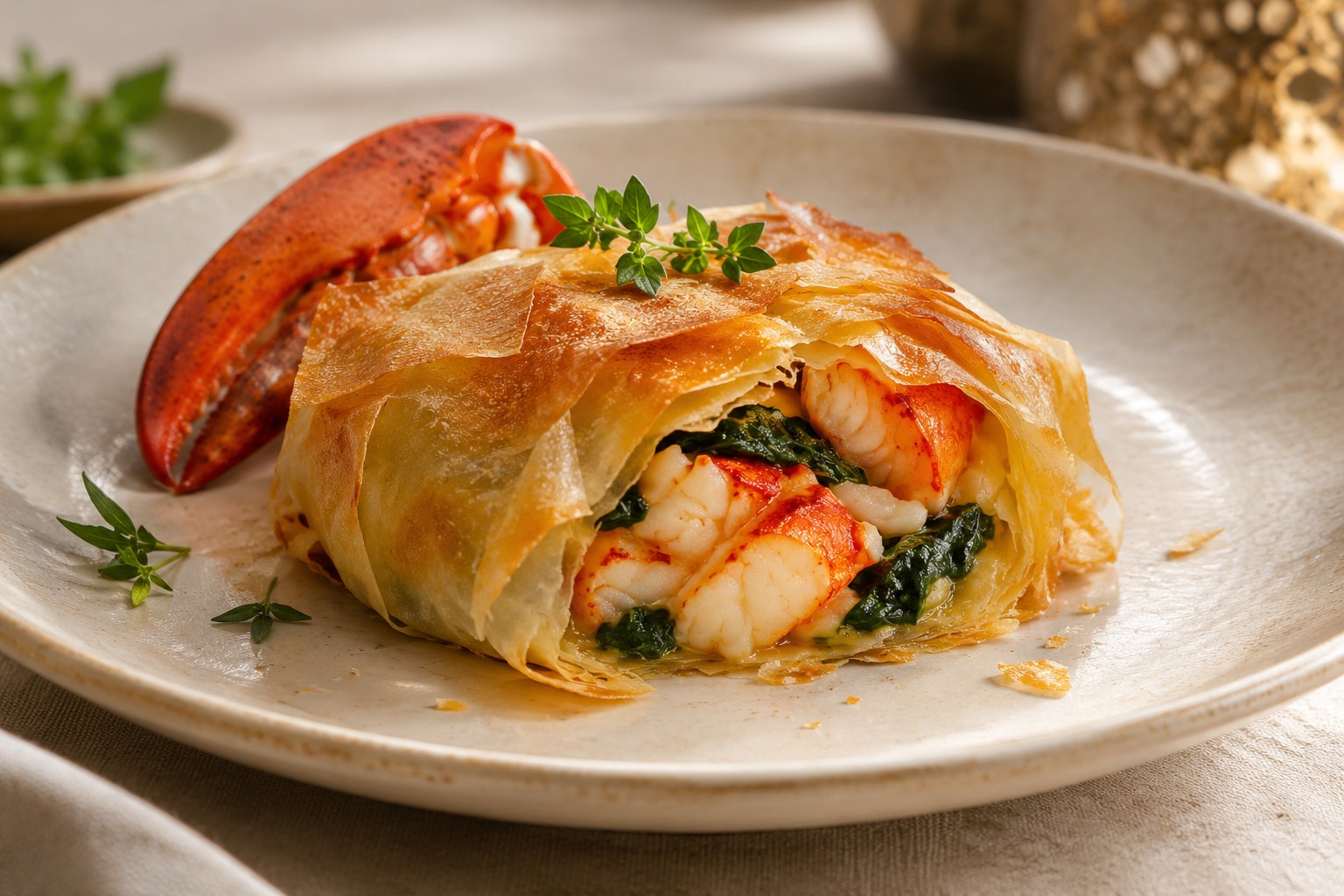
Rachid Agouray brings family memories and long hotel-kitchen experience to Le Marocain at La Mamounia. Couscous, seafood pastilla and fragrant sauces connect Moroccan traditions with a refined evening meal.
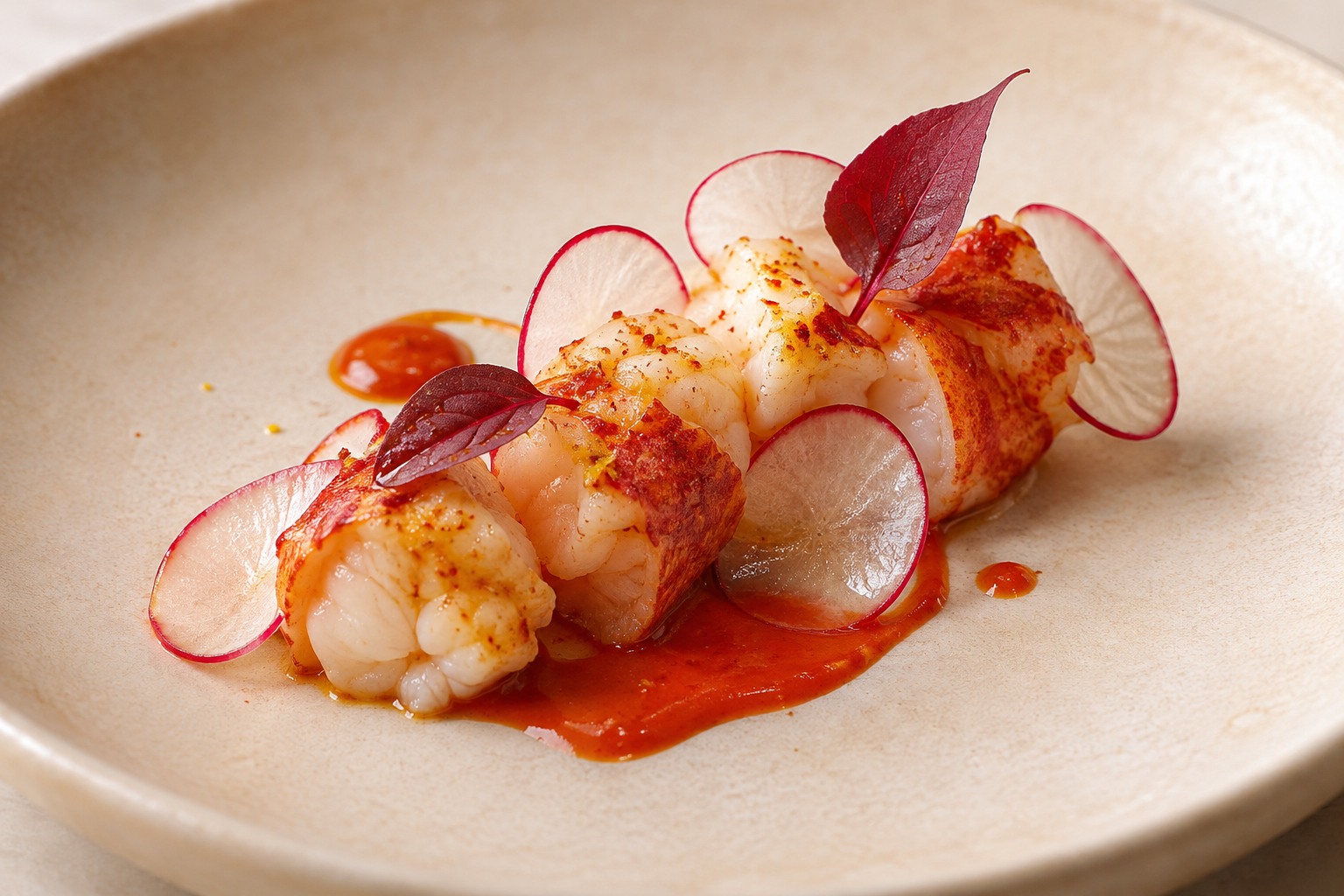
Alain Ducasse connects French culinary training, the natural flavour of ingredients and the work of a large network of cooks and craftspeople. Le Meurice is one way to discover his world in Paris.
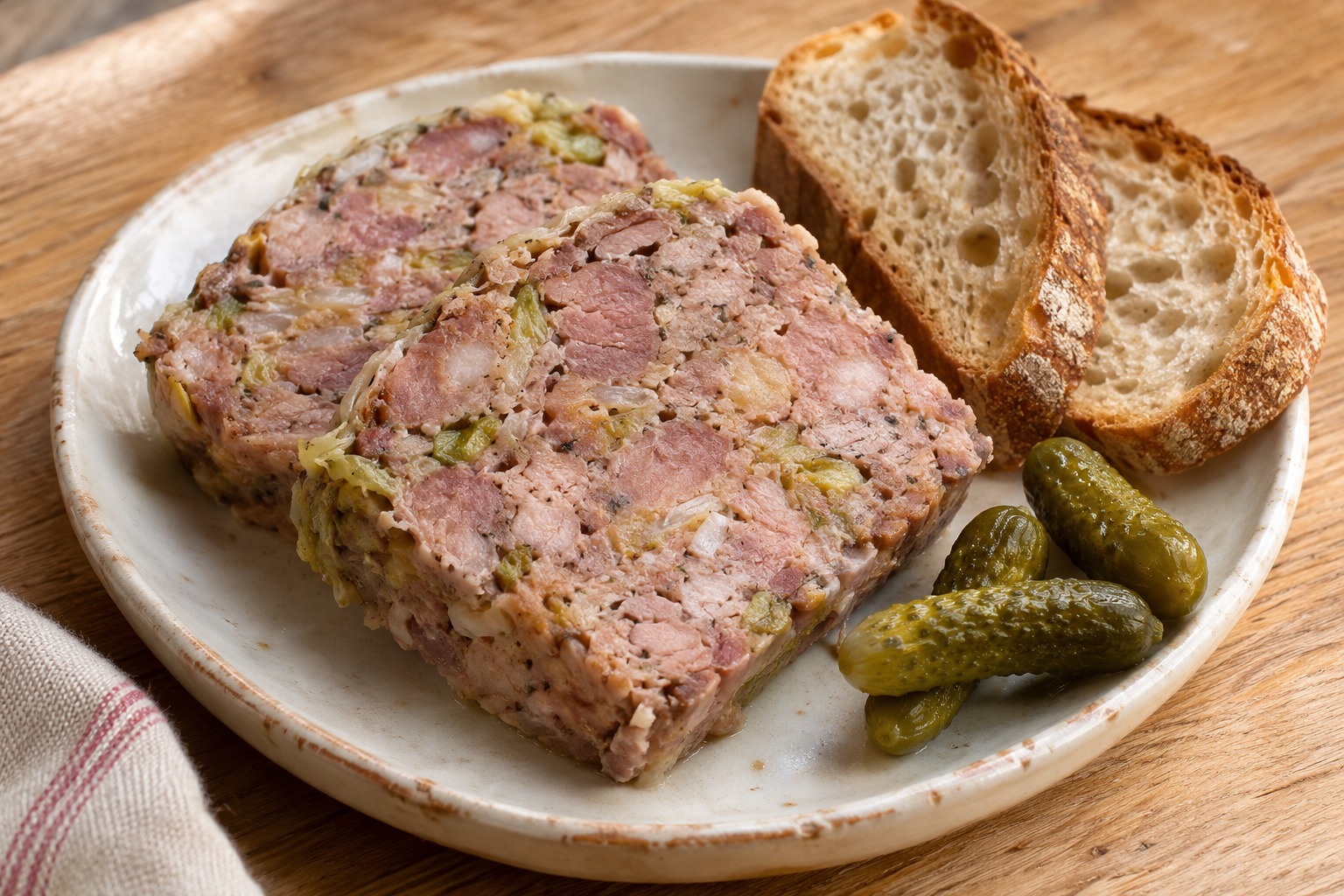
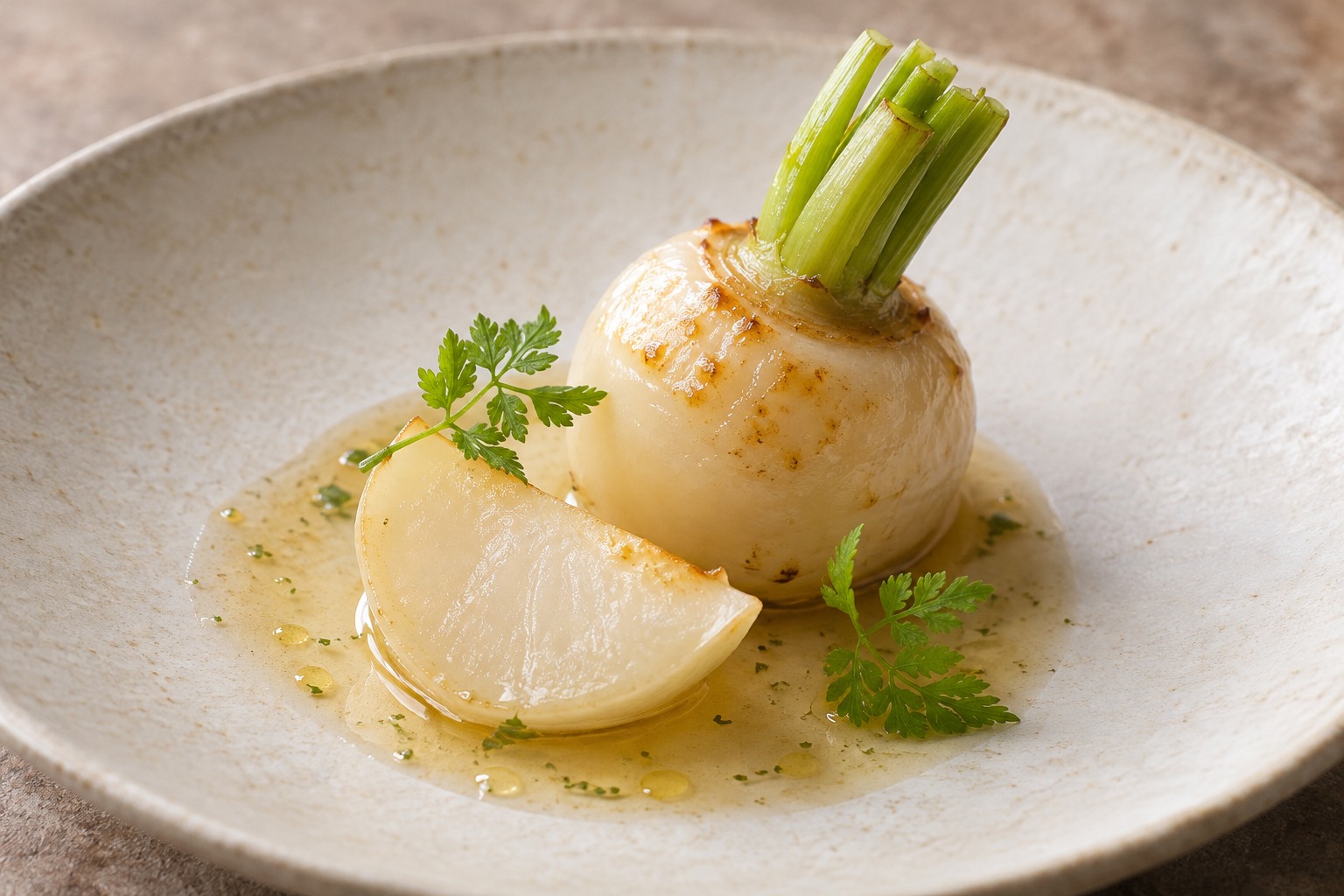
Shinobu Namae’s L’Effervescence brings French technique and Japanese ingredients together with a wider interest in producers, ecology and the social life of food.
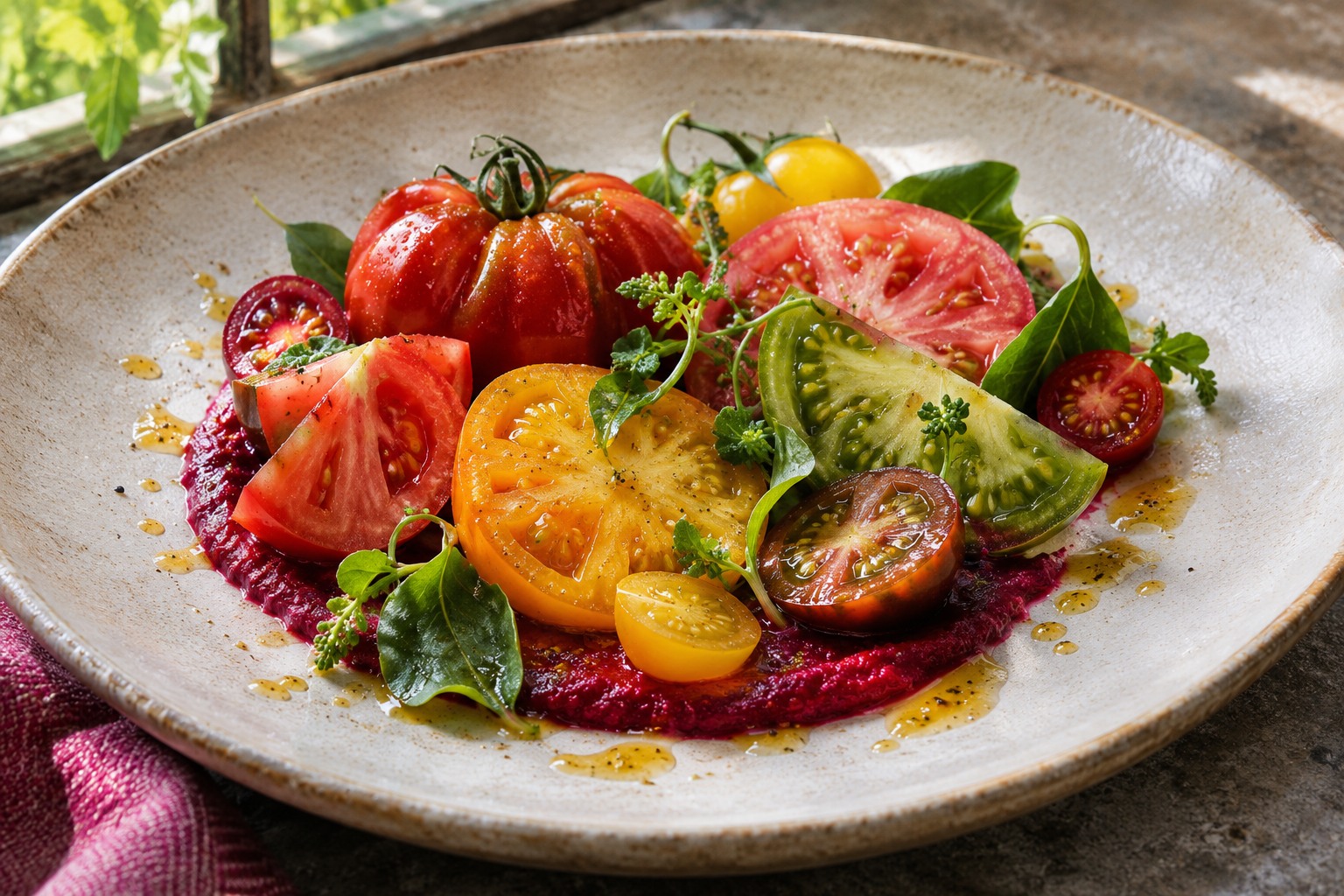
Thalía Barrios brings the food knowledge of Oaxaca’s Sierra Sur to Levadura de Olla. Native tomatoes, corn, ceremonial dishes and traditional drinks reveal a cuisine shaped by village life and close attention to the land.
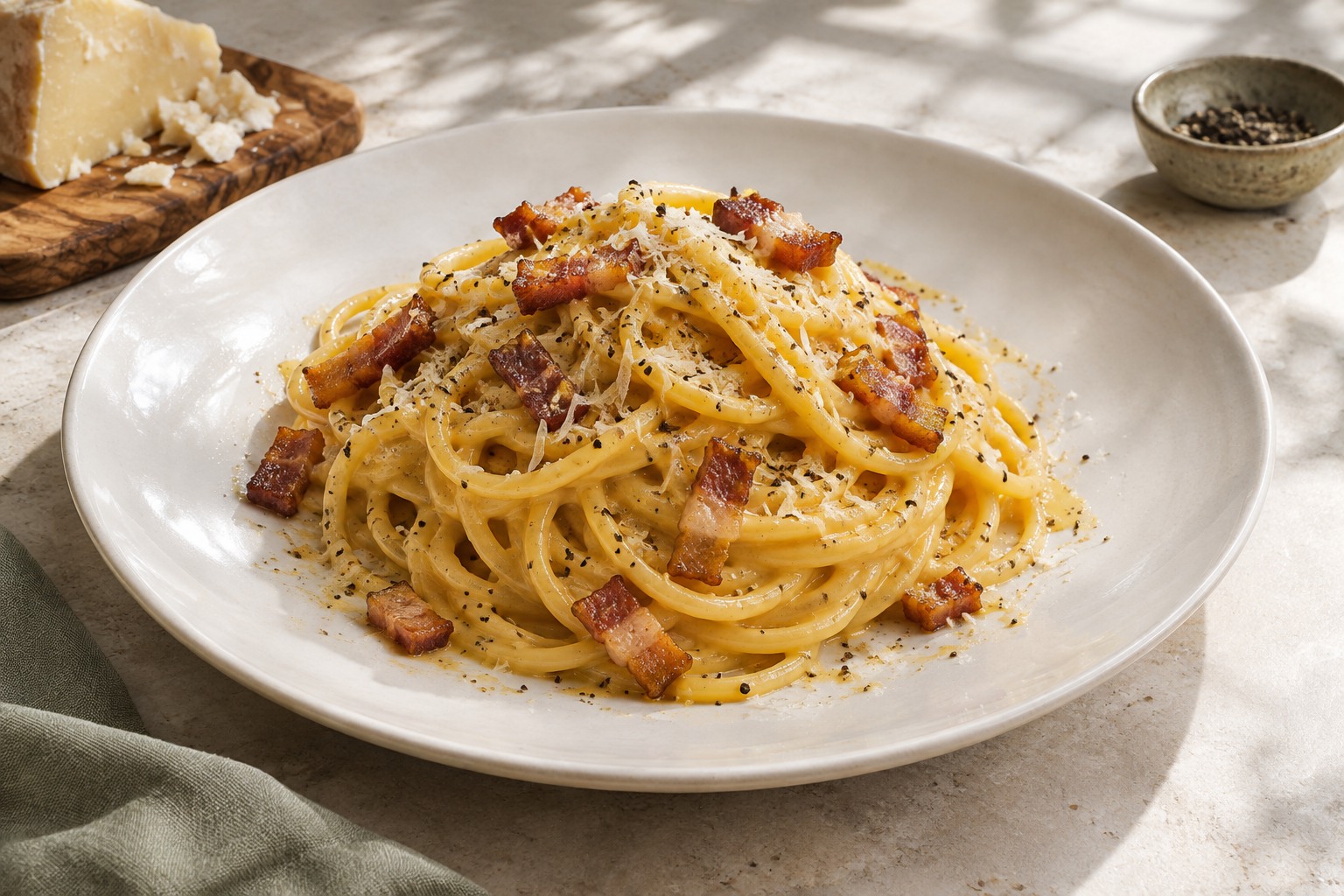
Luciano Monosilio is known for carbonara, but his Rome kitchen opens a wider conversation about wheat, dried pasta and the precision behind familiar Italian food.
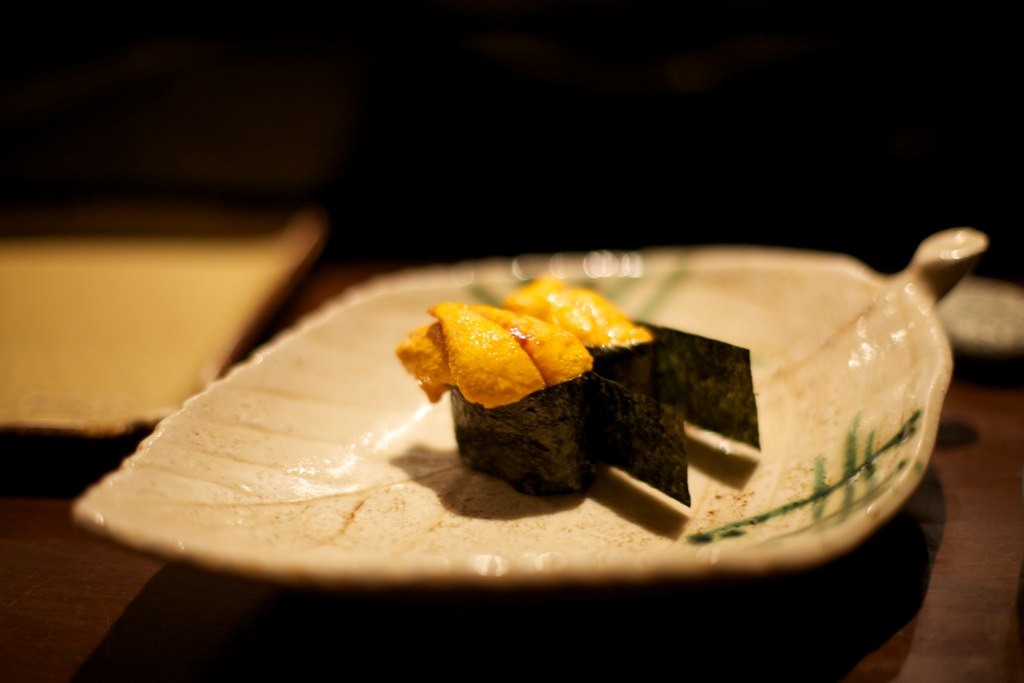
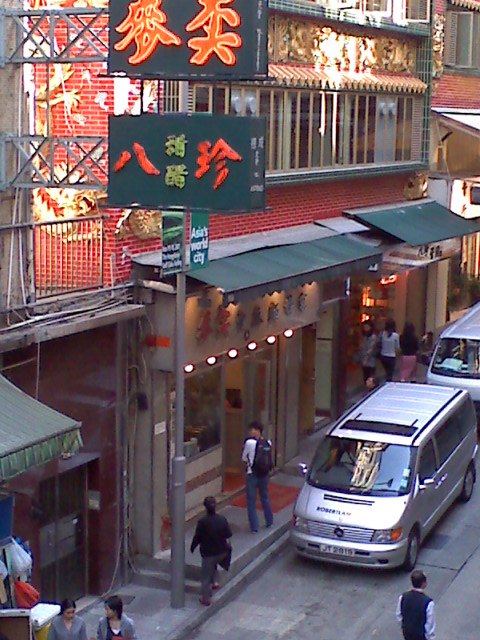
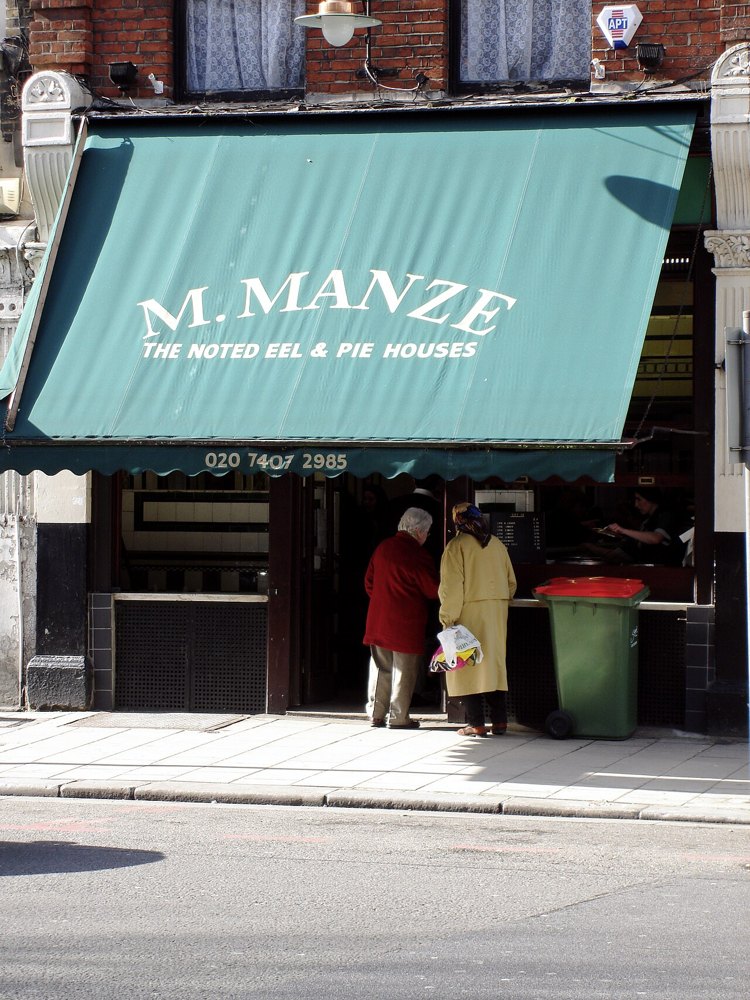
The Tower Bridge Road shop offers a stop for London’s pie, mash and parsley liquor tradition.
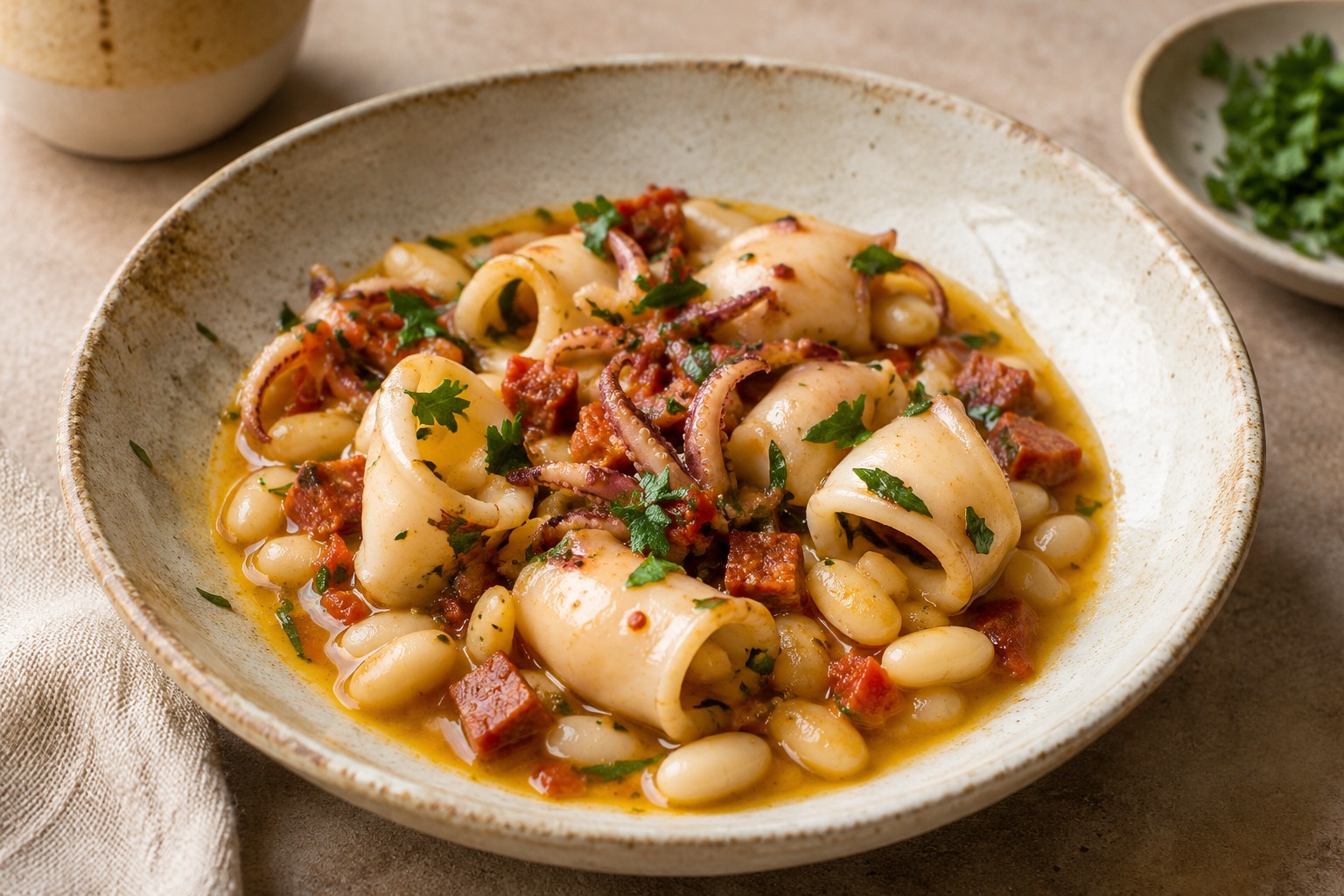
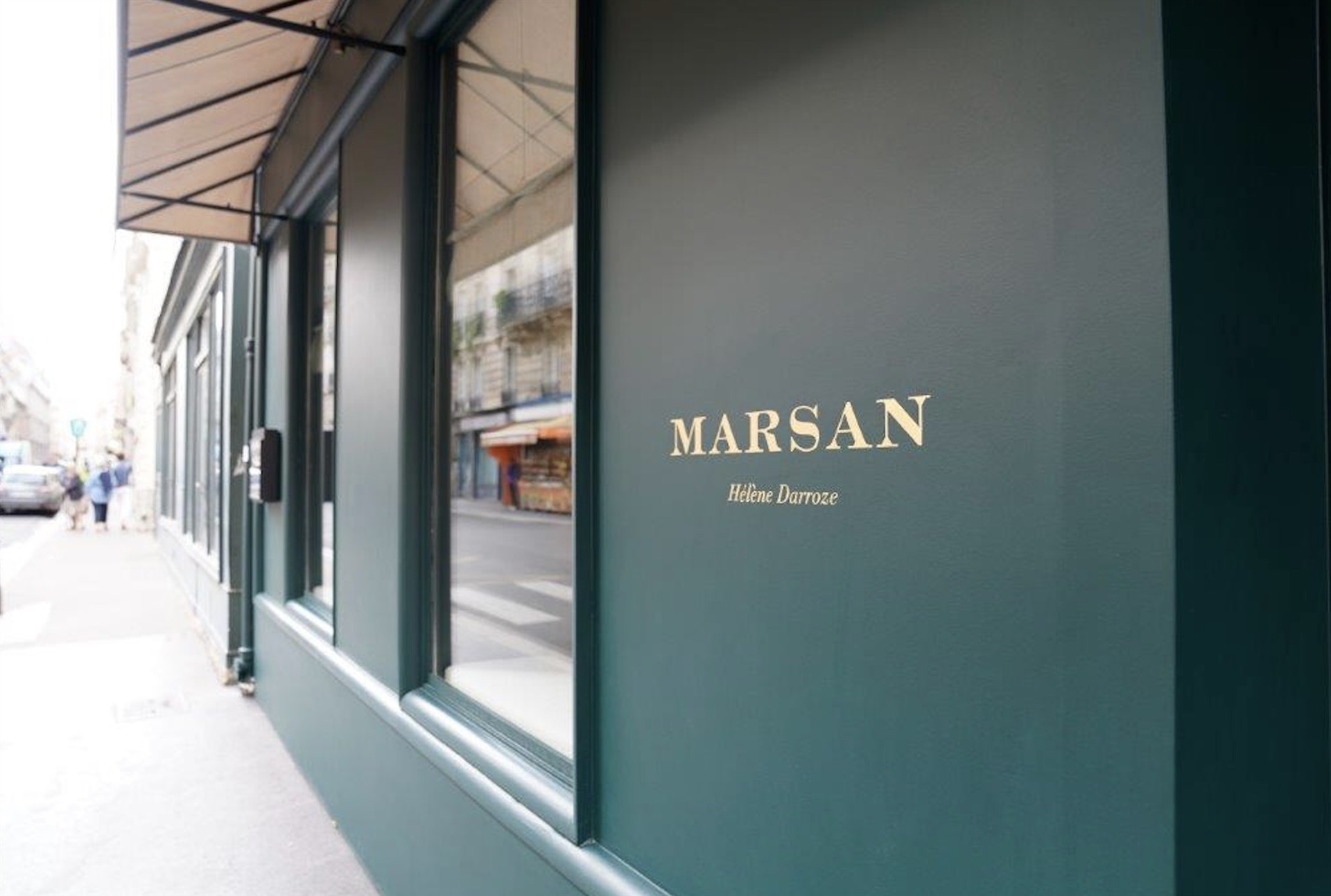
Hélène Darroze brings the food memories and products of southwest France to Marsan in Paris, with dishes shaped by family roots, travel and carefully chosen ingredients.
Marufuku began in Osaka in 1934 and moved its main shop to Sennichimae in 1946. Its deeply roasted, concentrated coffee belongs to the kissaten tradition, with the main shop offering a slower counterpoint to the streets around Namba.
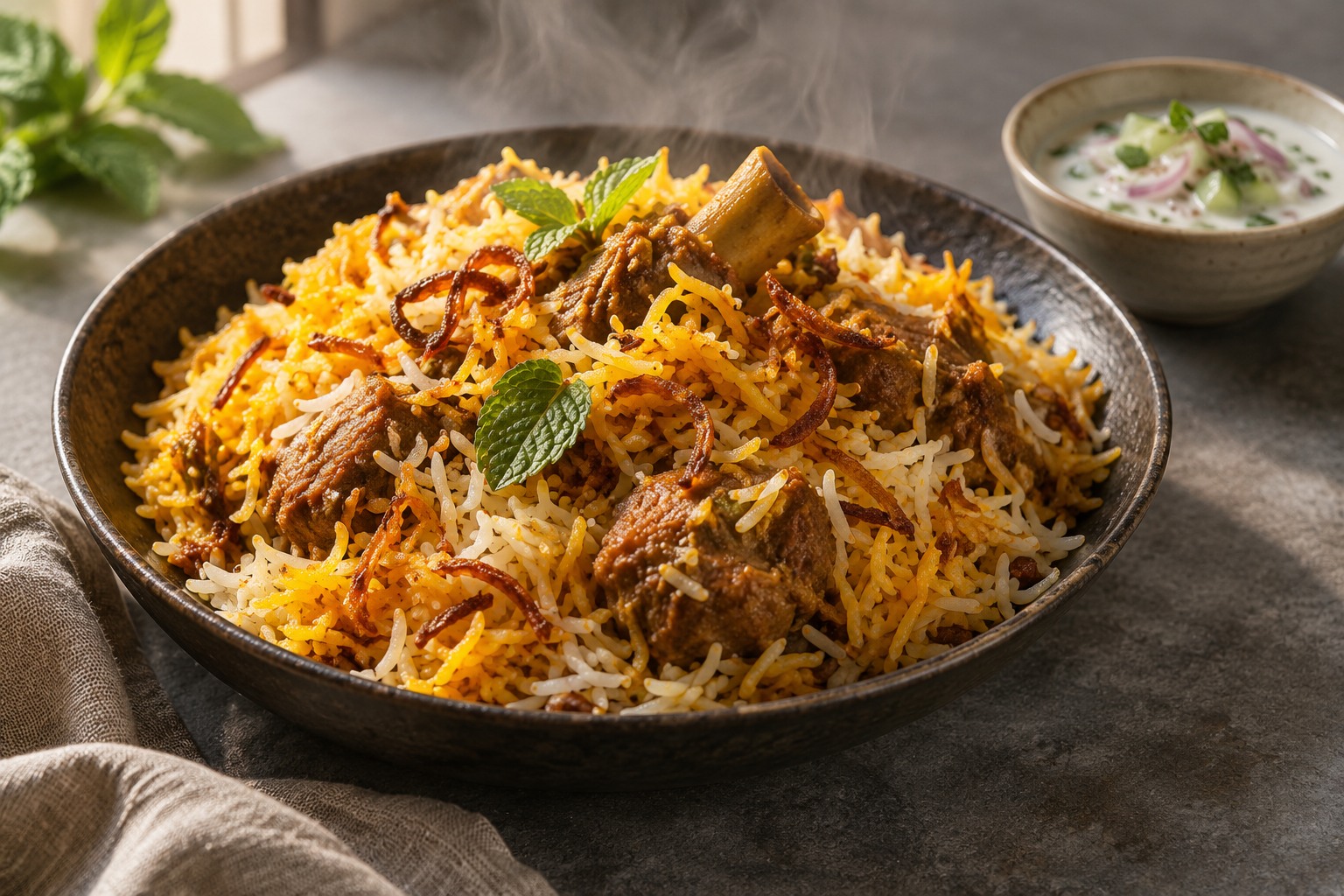
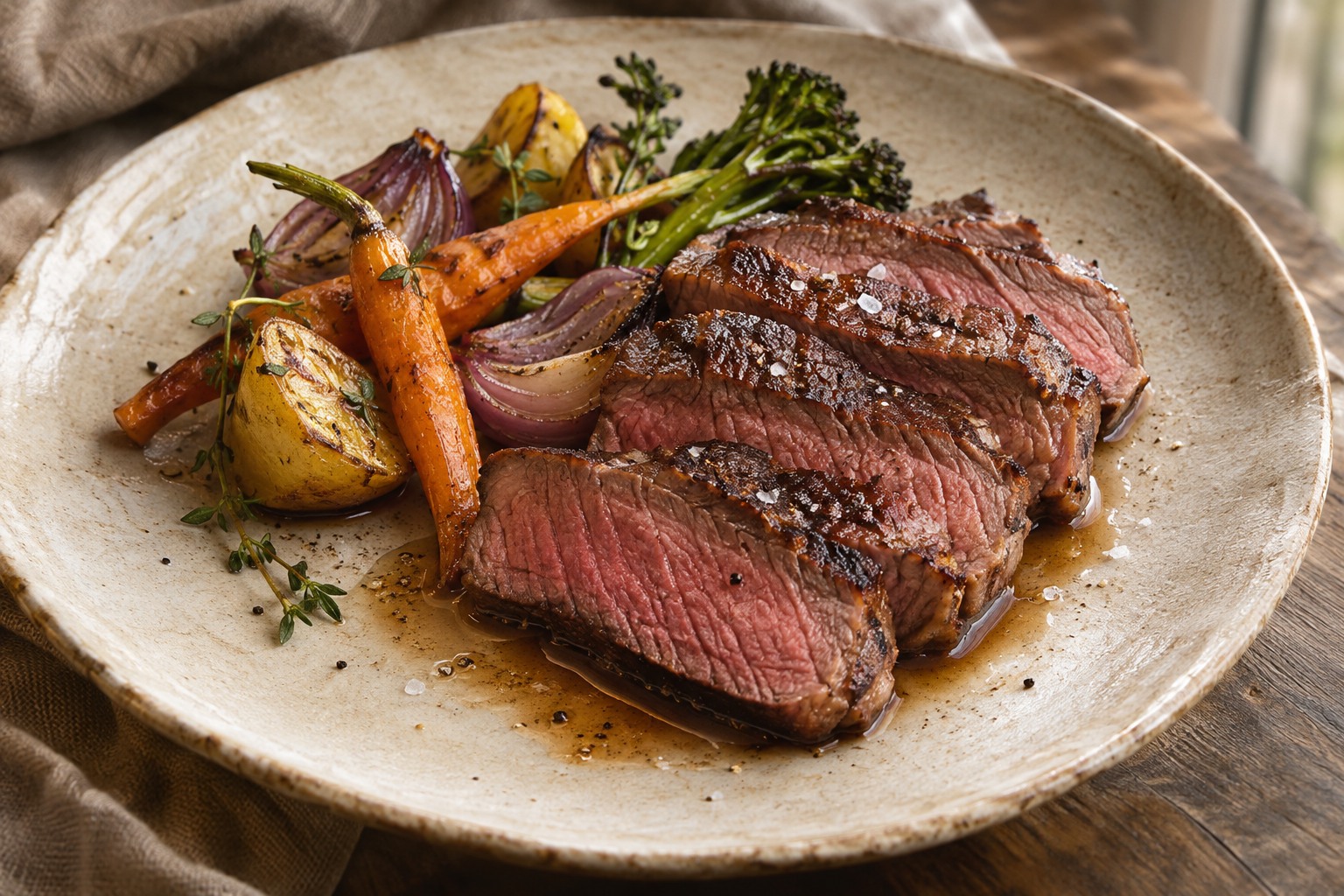
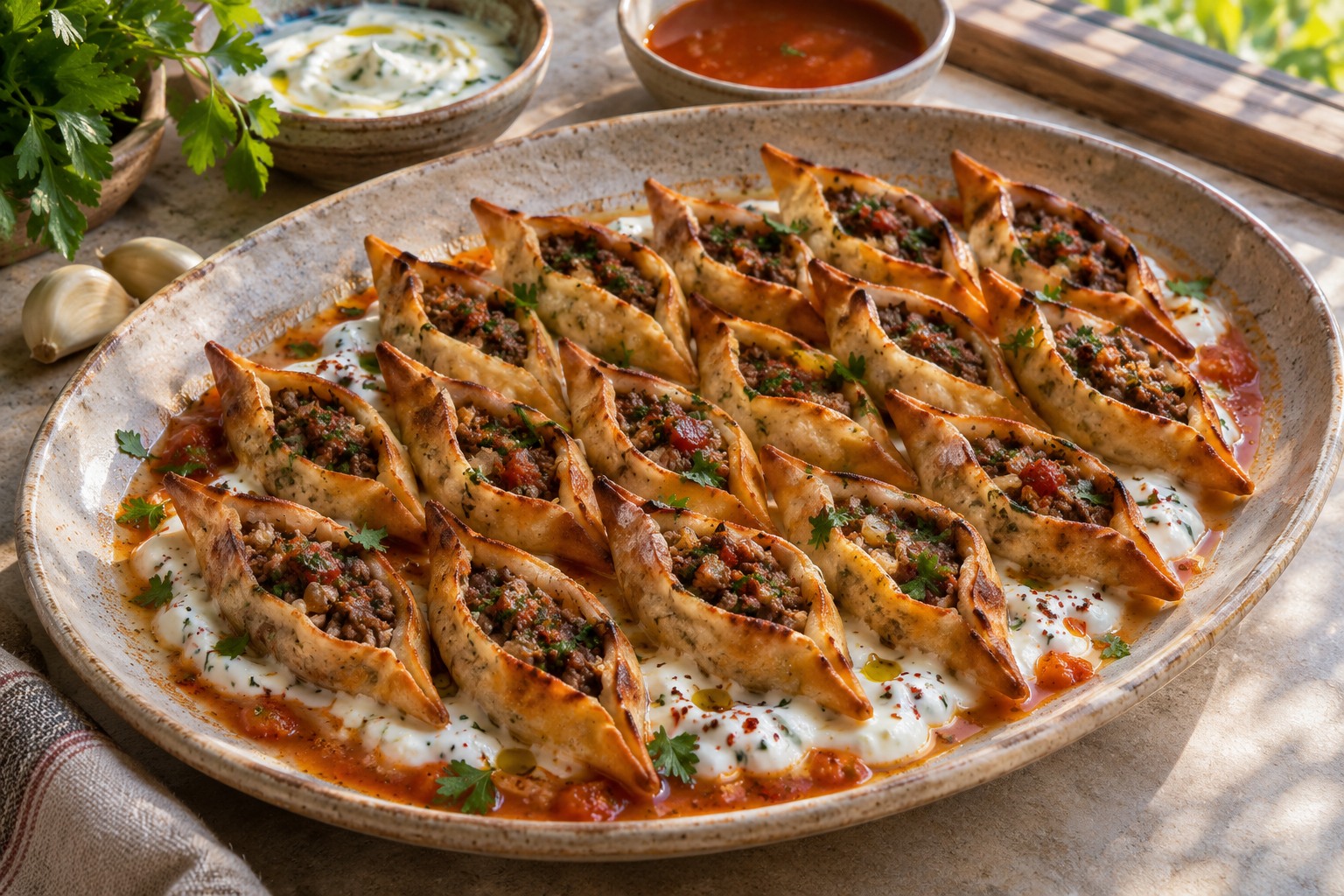
Aline Kamakian shares Armenian family cooking through Mayrig, recipes and conversations. Her Beirut story joins a father’s restaurant dream, a mother’s food memories and a continuing commitment to feeding communities.
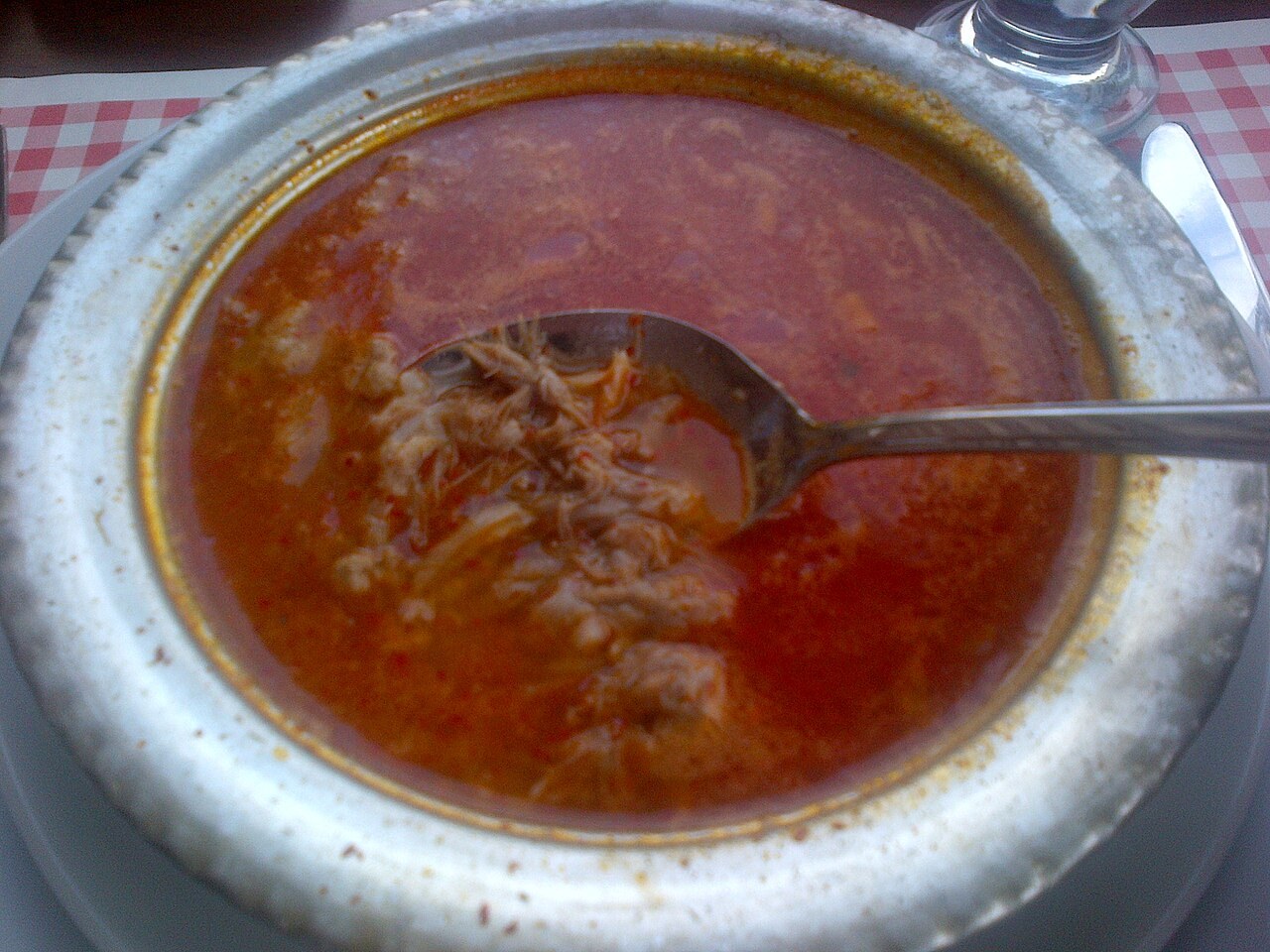
An address in Kozluca for discovering the beyran tradition. Mention your preferred chilli level when ordering.
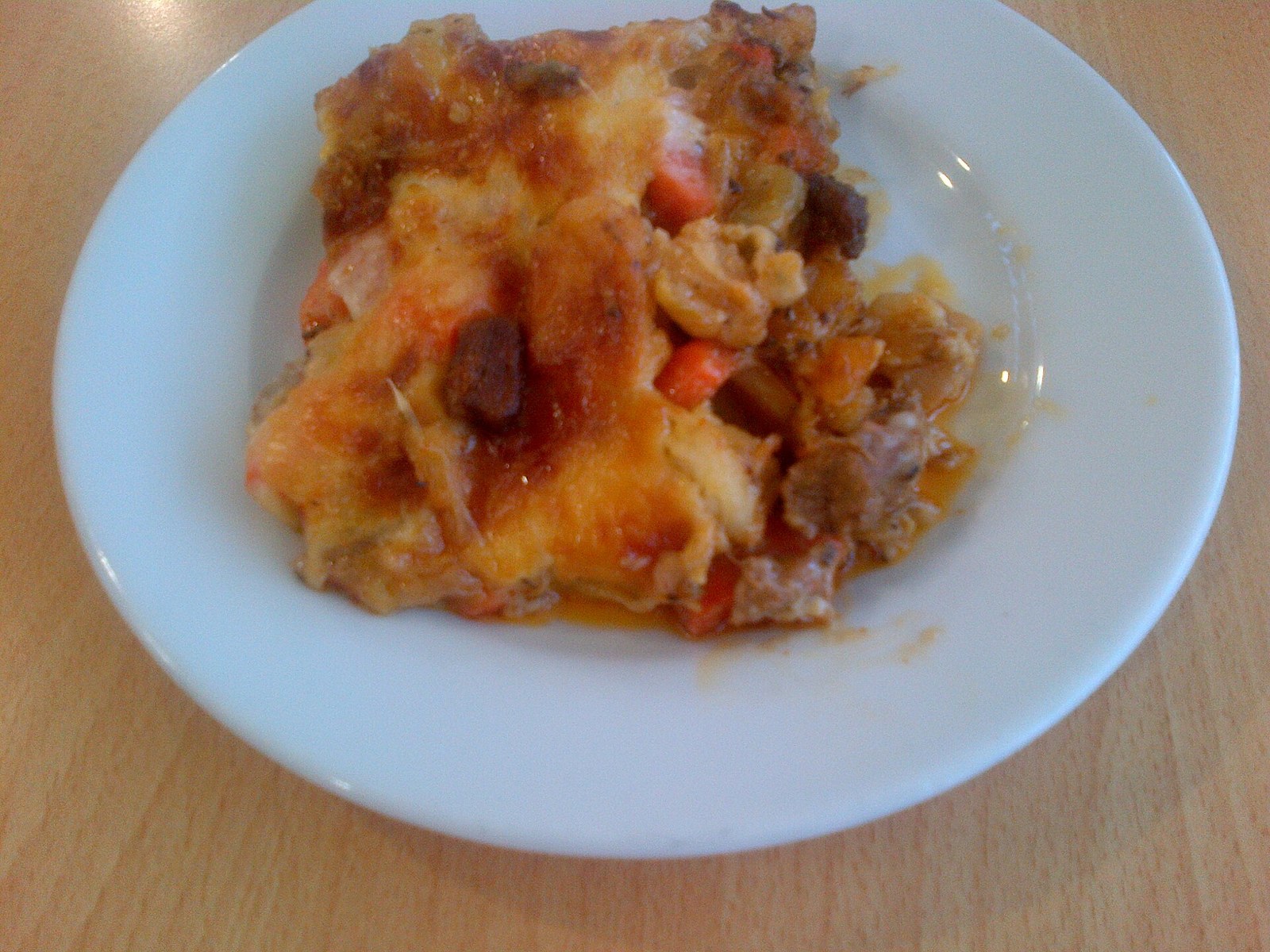
At Urla Meydan Lokantası, soups and home-style cooked dishes shape an everyday Aegean lunch. Elbasan tava is one of the dishes specifically named in the restaurant’s own business profile.
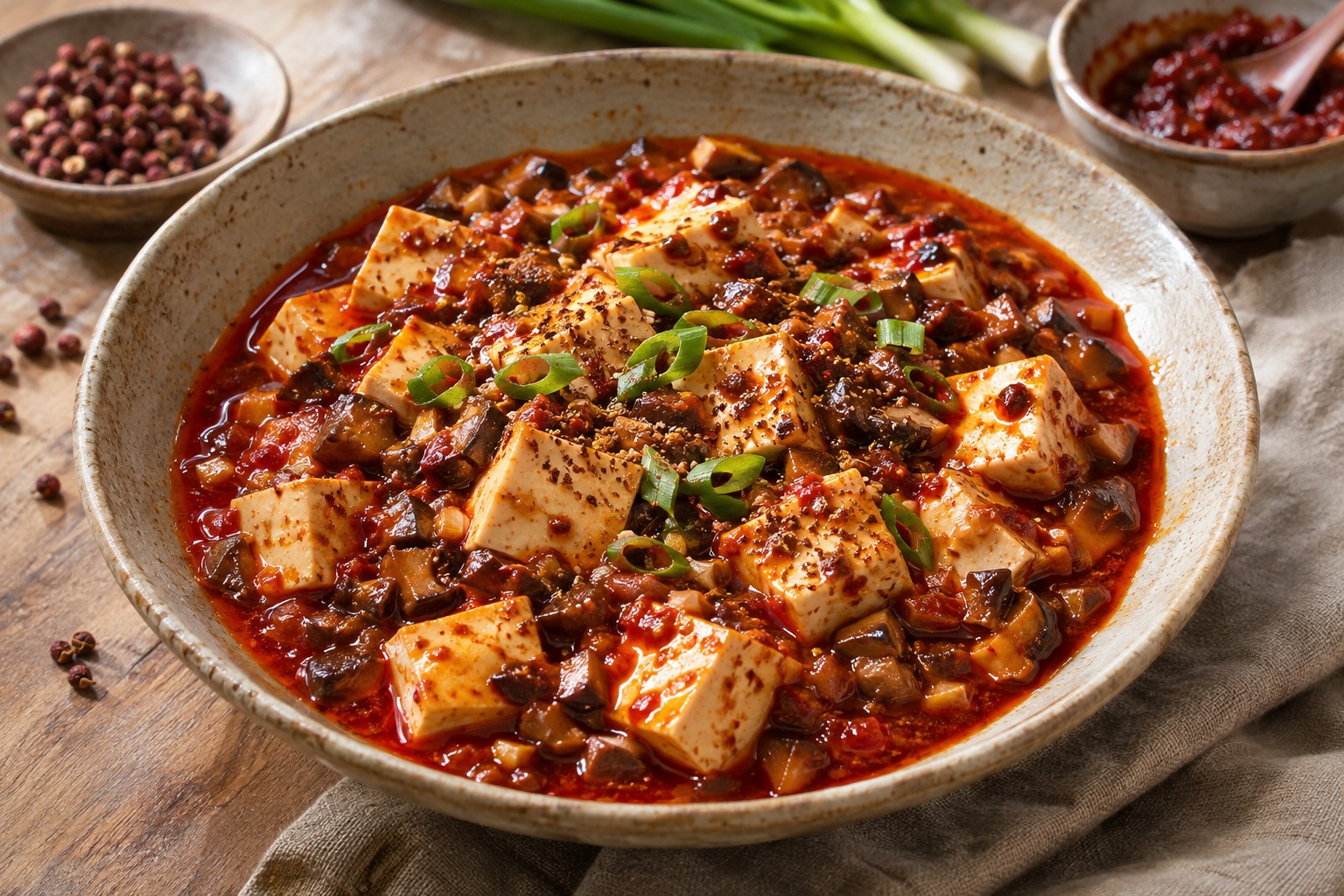
Steven Tang explores plant-based Sichuan cooking at Mi Xun Teahouse. Mushrooms, seasonal vegetables and carefully chosen teas connect a quiet Chengdu courtyard with the region’s farms and flavours.
Mikado in Bozdoğan serves both savoury and sweet pide, including minced-meat, cheese and tahini versions.
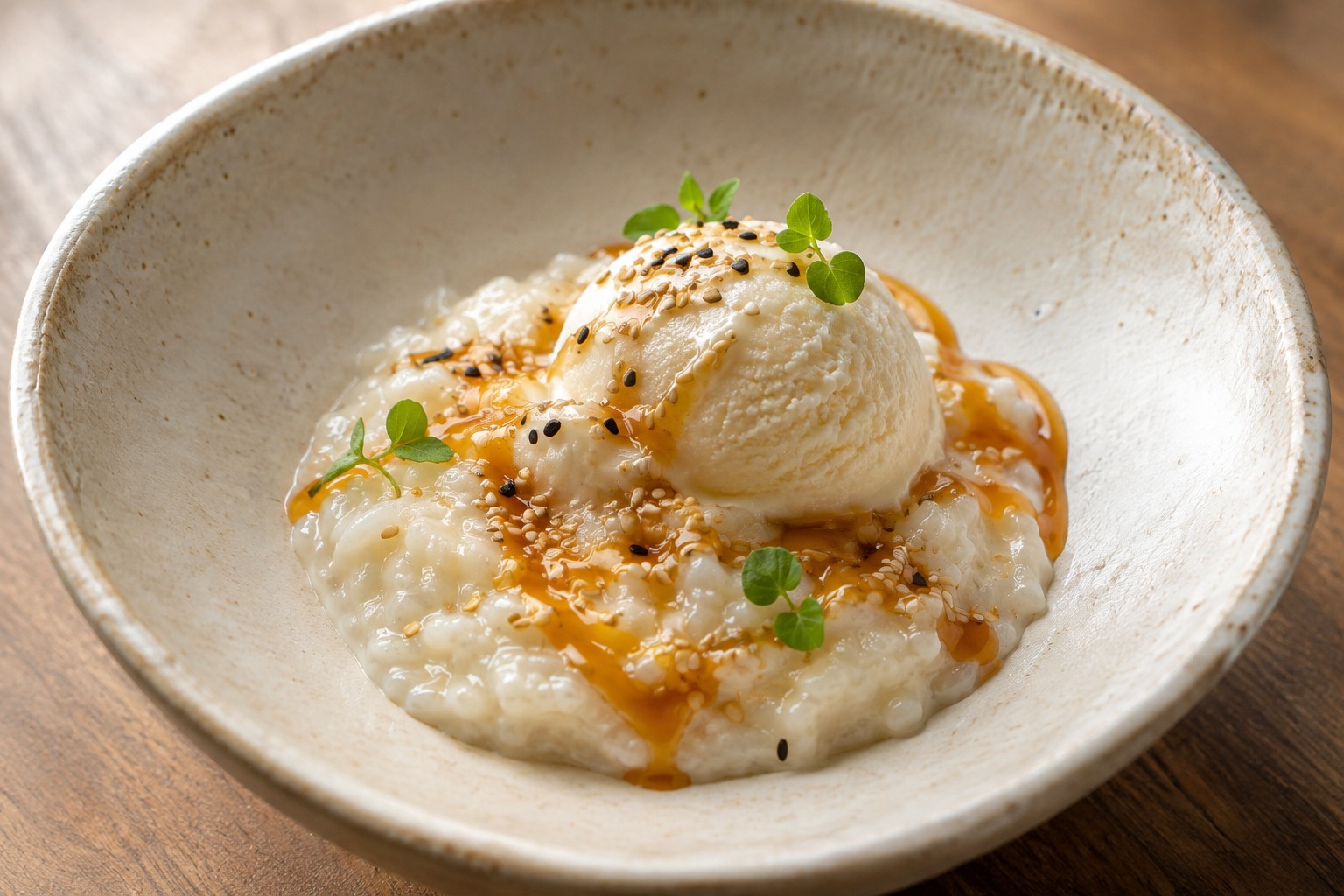
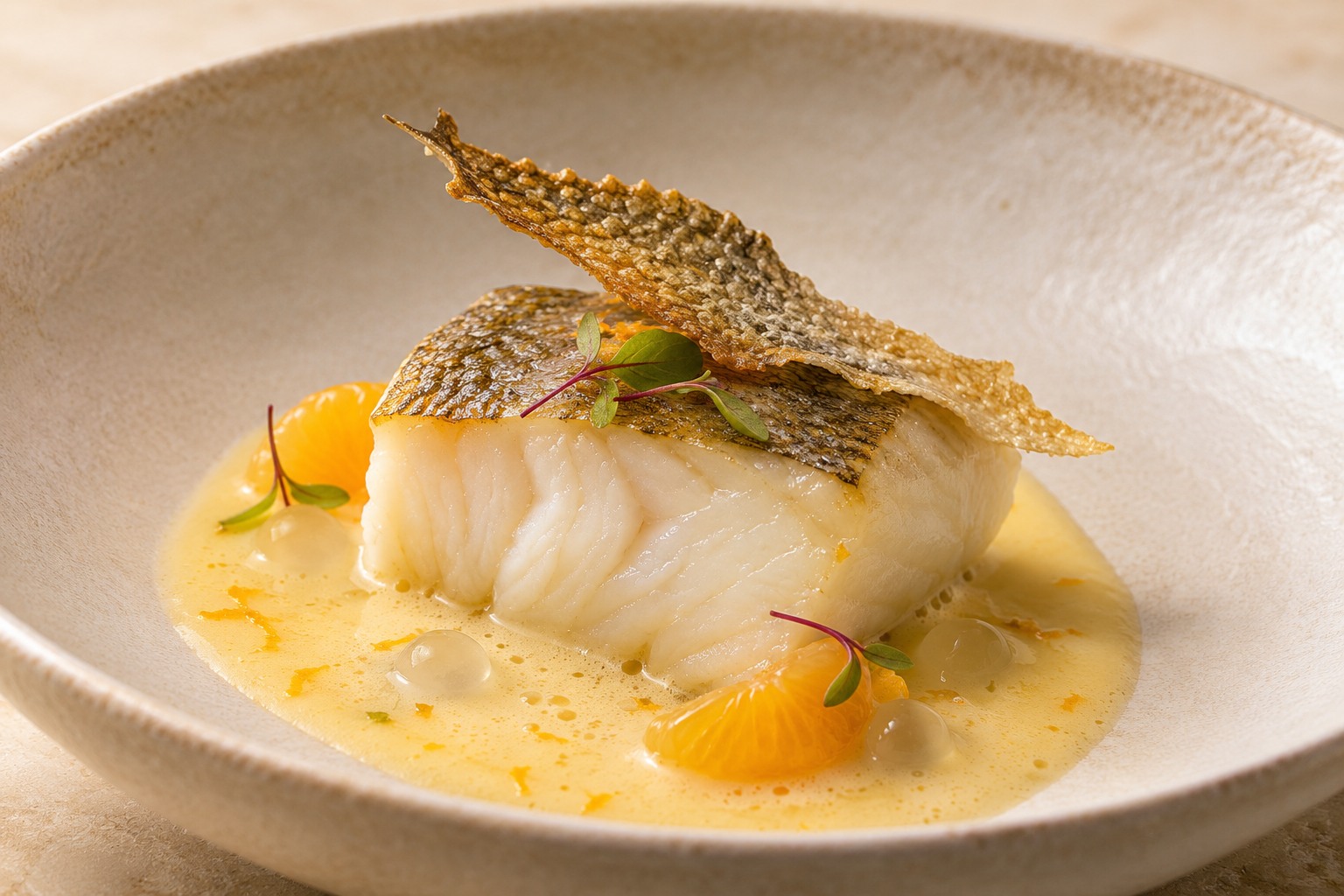
Rubén Trincado carries a family restaurant into a new generation at Mirador de Ulía. Basque flavours, surprising textures and views over San Sebastián are joined by a thoughtful place for vegetables.
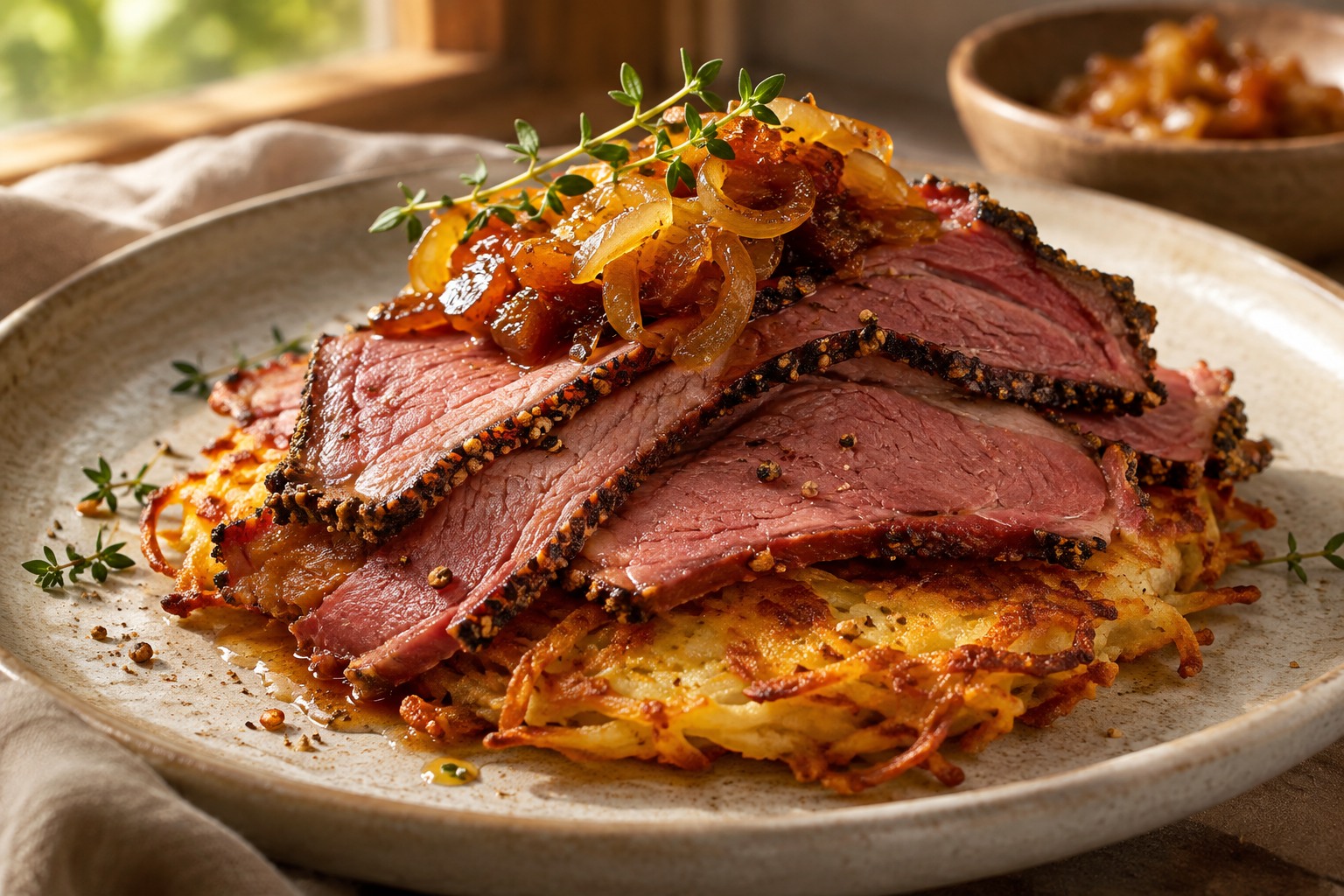
Tomás Kalika brings Jewish immigrant cooking into a contemporary Buenos Aires dining room. At Mishiguene, family memories, travel and Argentine ingredients meet in generous dishes such as pastrón and smoky aubergine.
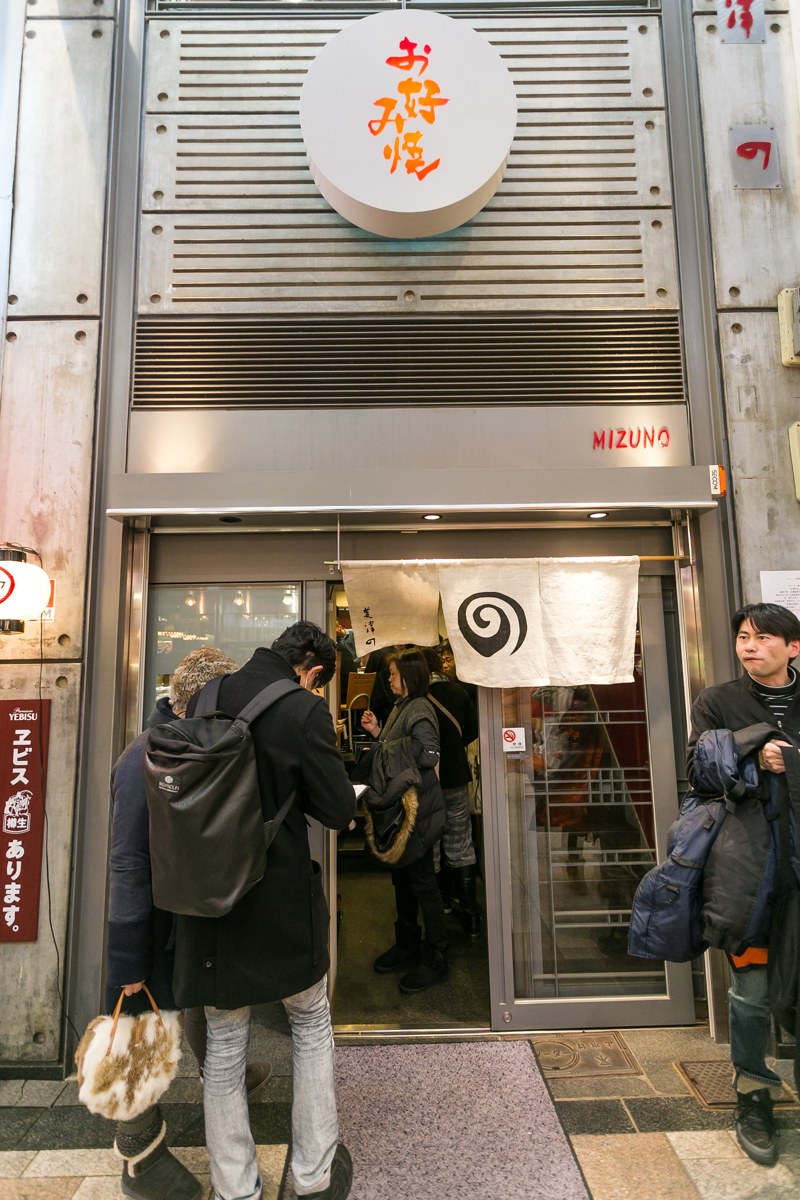
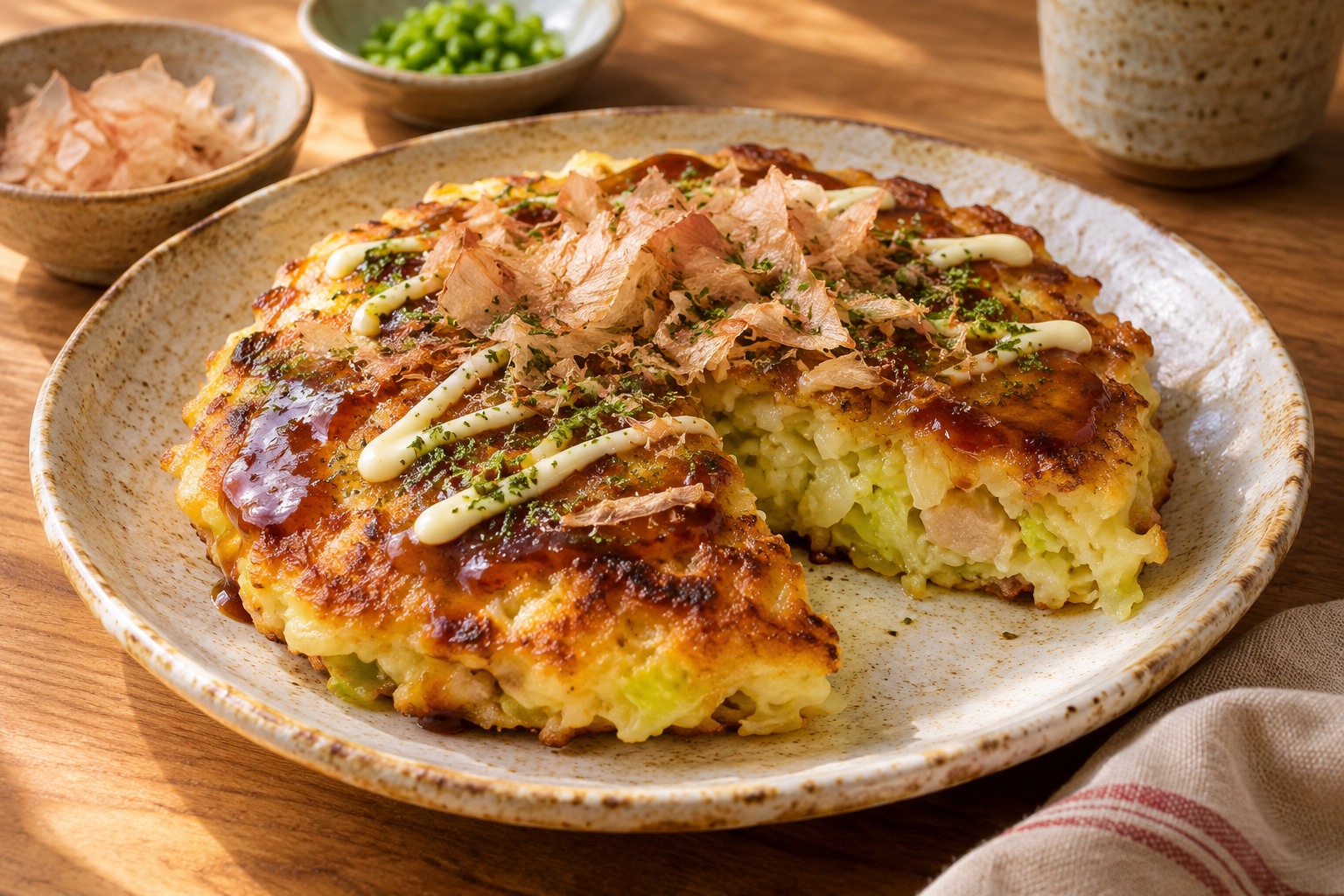
A long-established okonomiyaki restaurant in Osaka’s Dotonbori district.
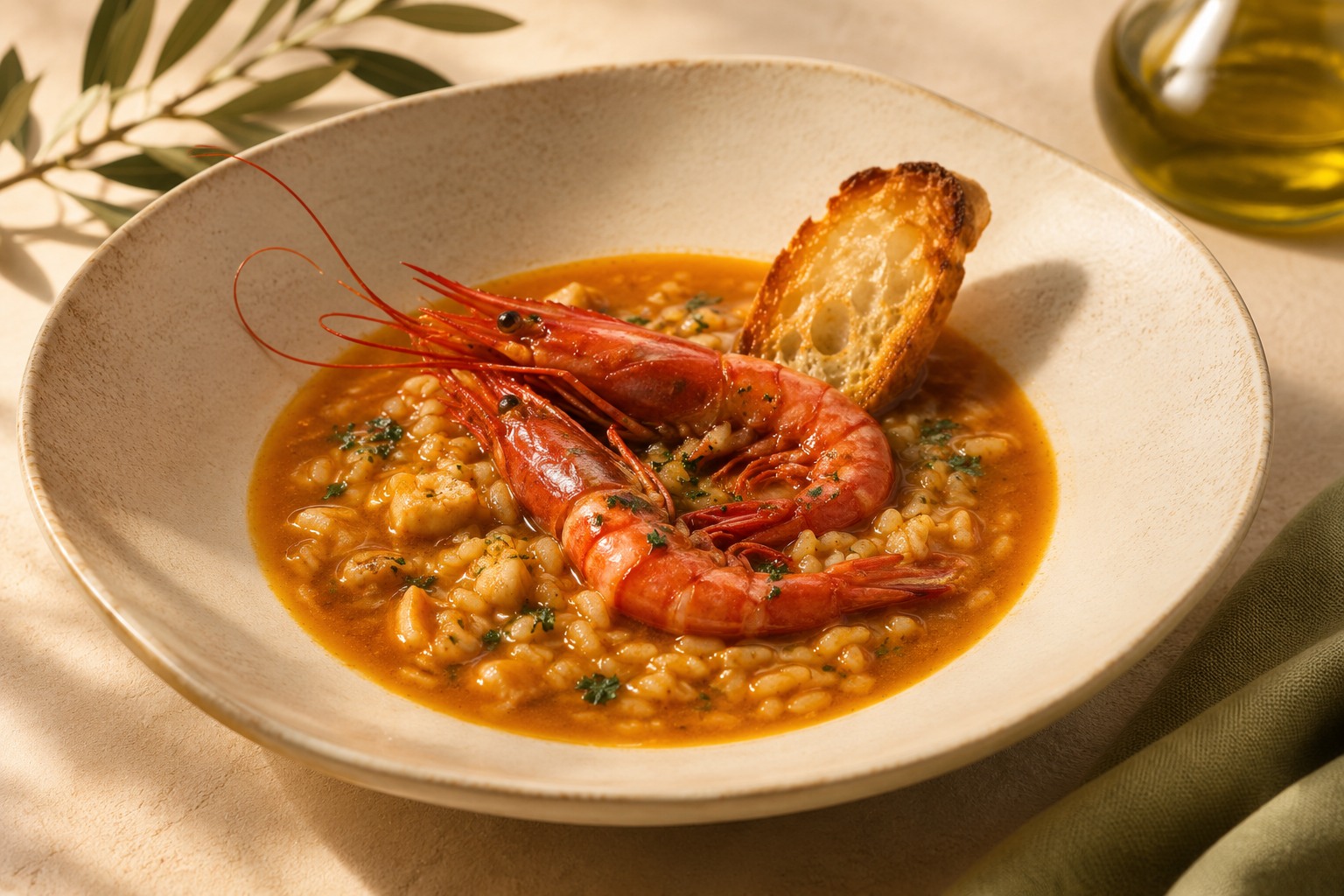
Raül Balam brings Catalan food memories and a playful creative eye to Moments. His mother Carme Ruscalleda works with him as gastronomic adviser, while the seasons keep the menu moving.
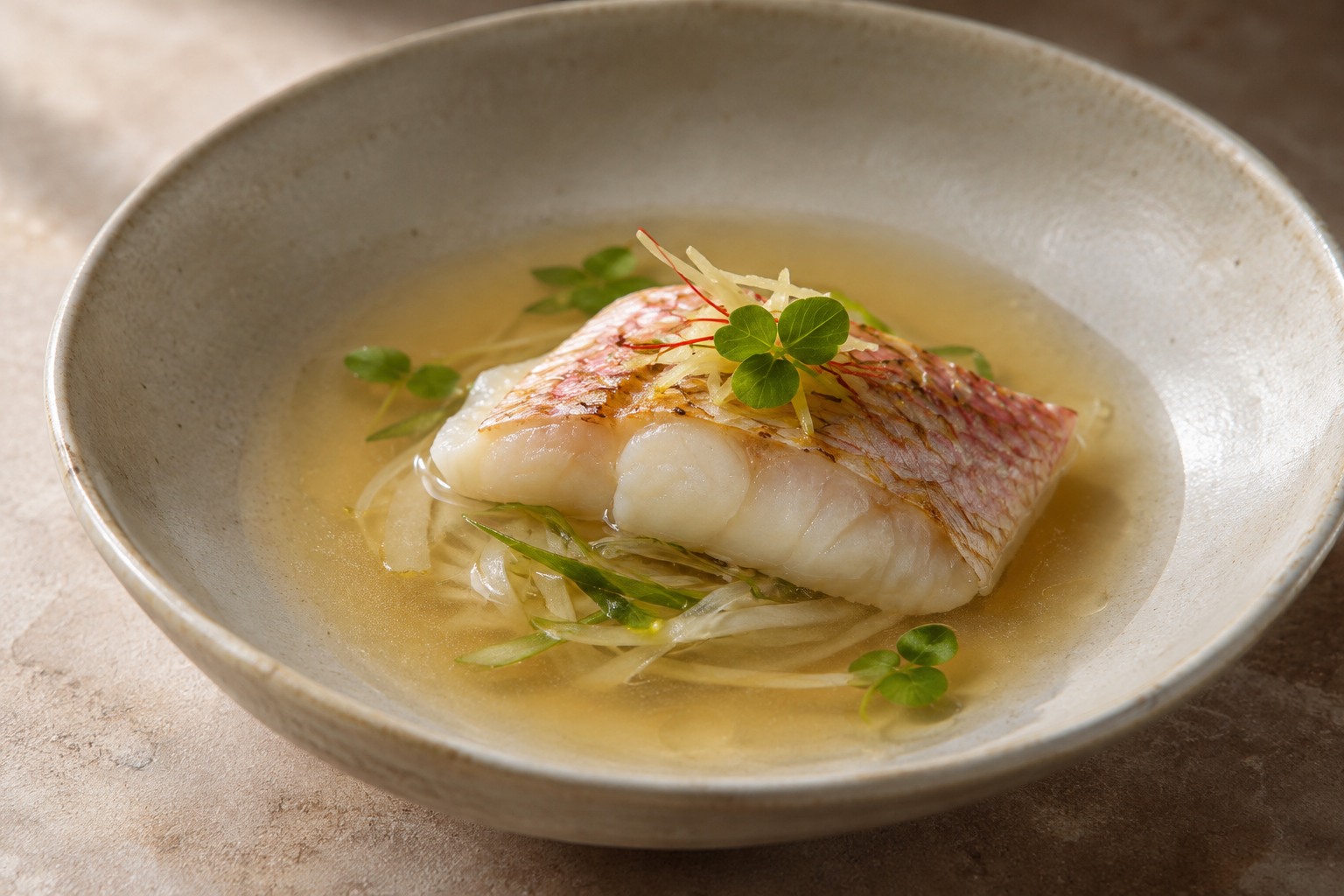
Sung Anh’s Mosu explores seasonal Korean ingredients through precise, restrained cooking. Its new Seoul address offers a closer view of the kitchen and a fresh chapter in the restaurant’s story.
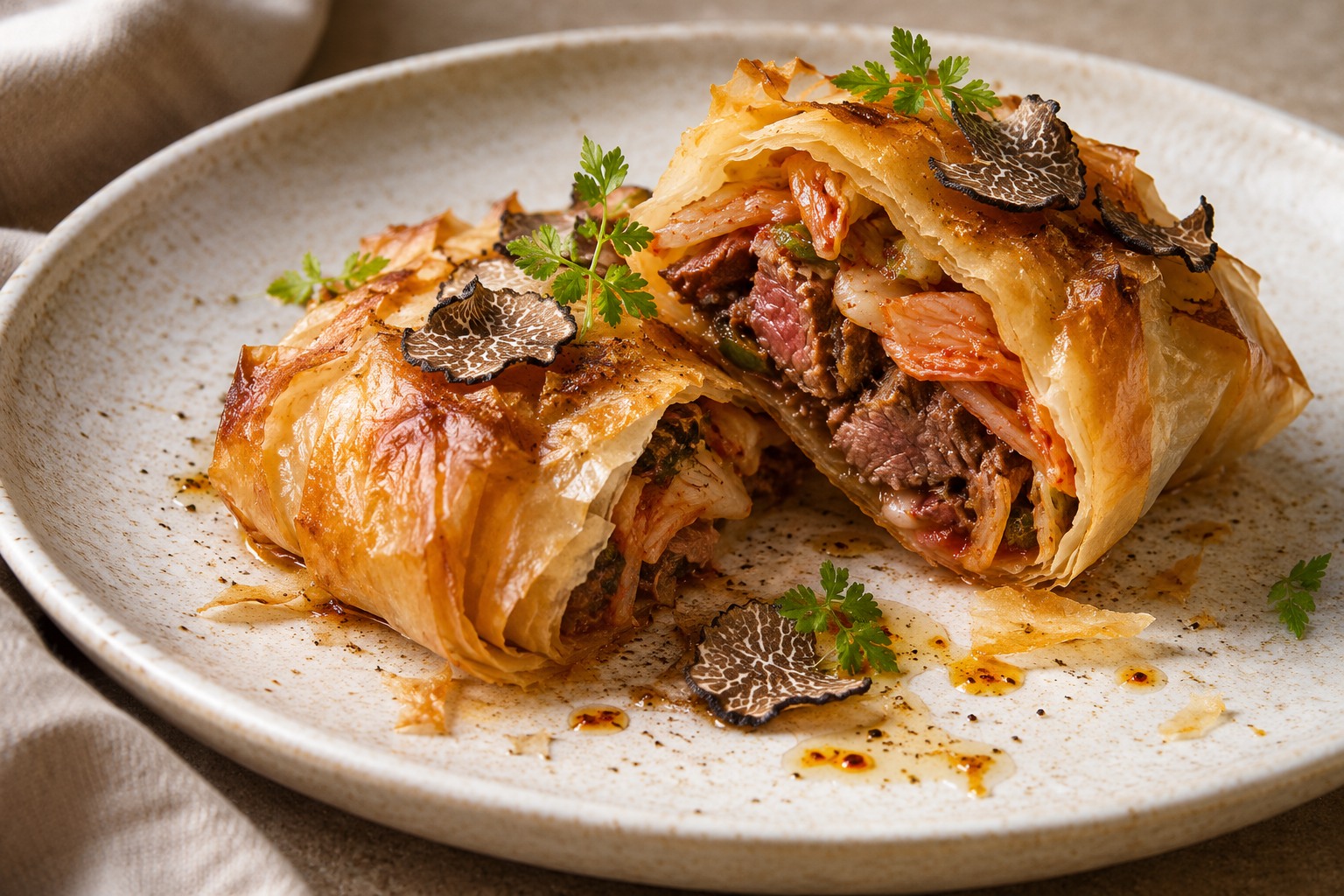
Lukas Mraz connects a playful family restaurant kitchen with Vienna’s everyday food culture. Surprise menus, sausage stands, sandwiches and coffee houses belong to the same curious culinary world.
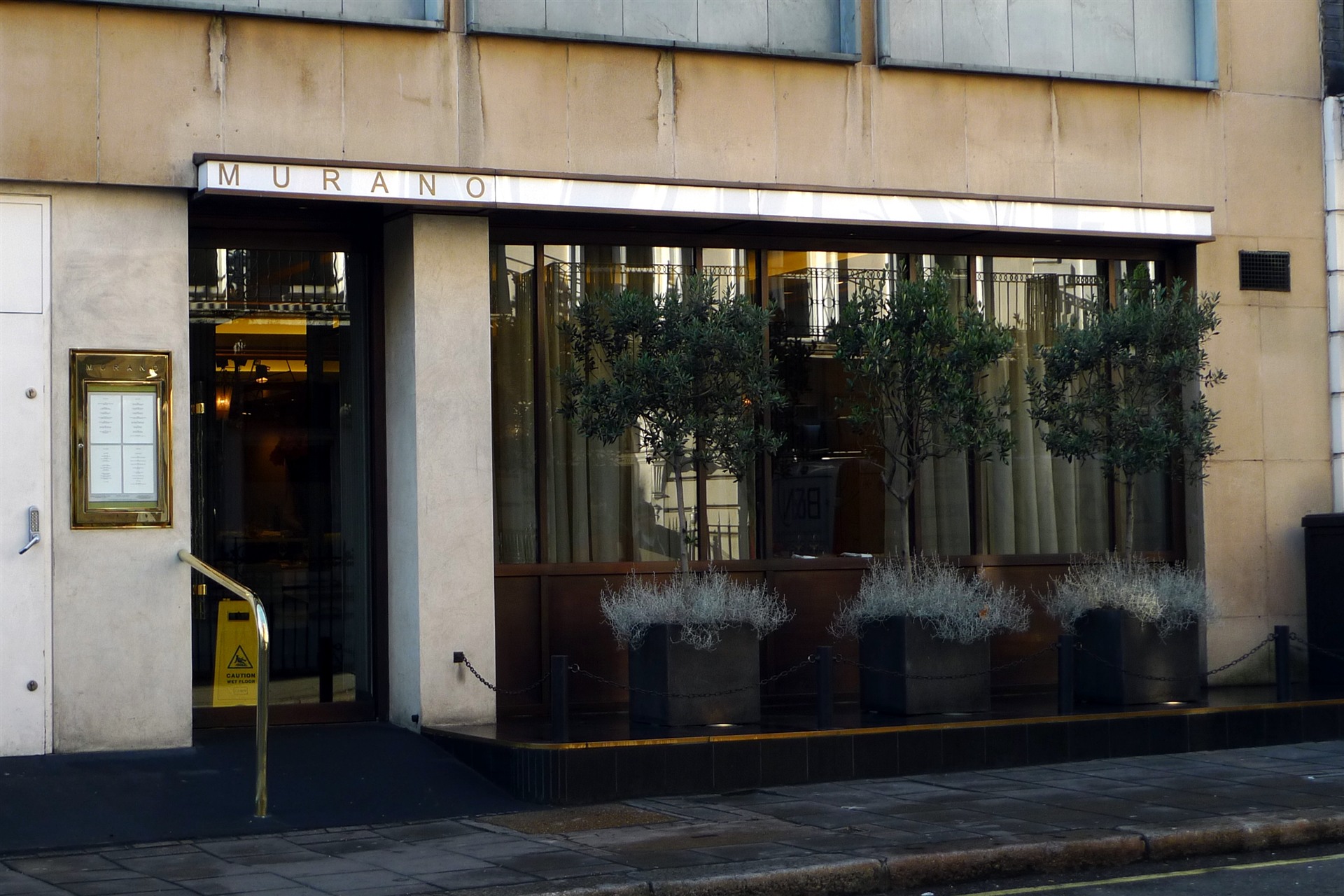
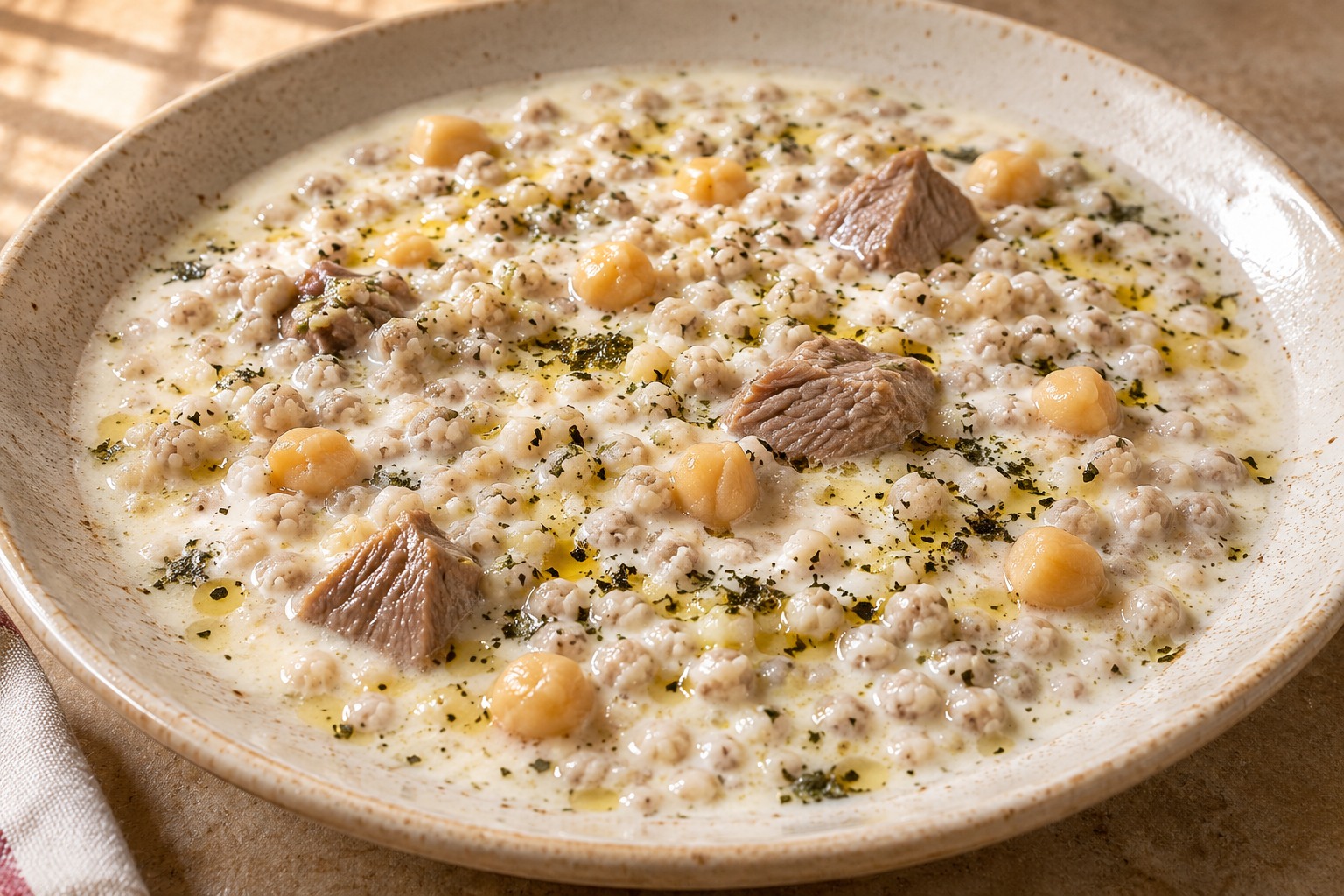
Doğa Çitçi researches Anatolian food and helps pass Gaziantep’s cooking to new generations. Restaurant work, teaching and public demonstrations bring the city’s pot dishes into view.
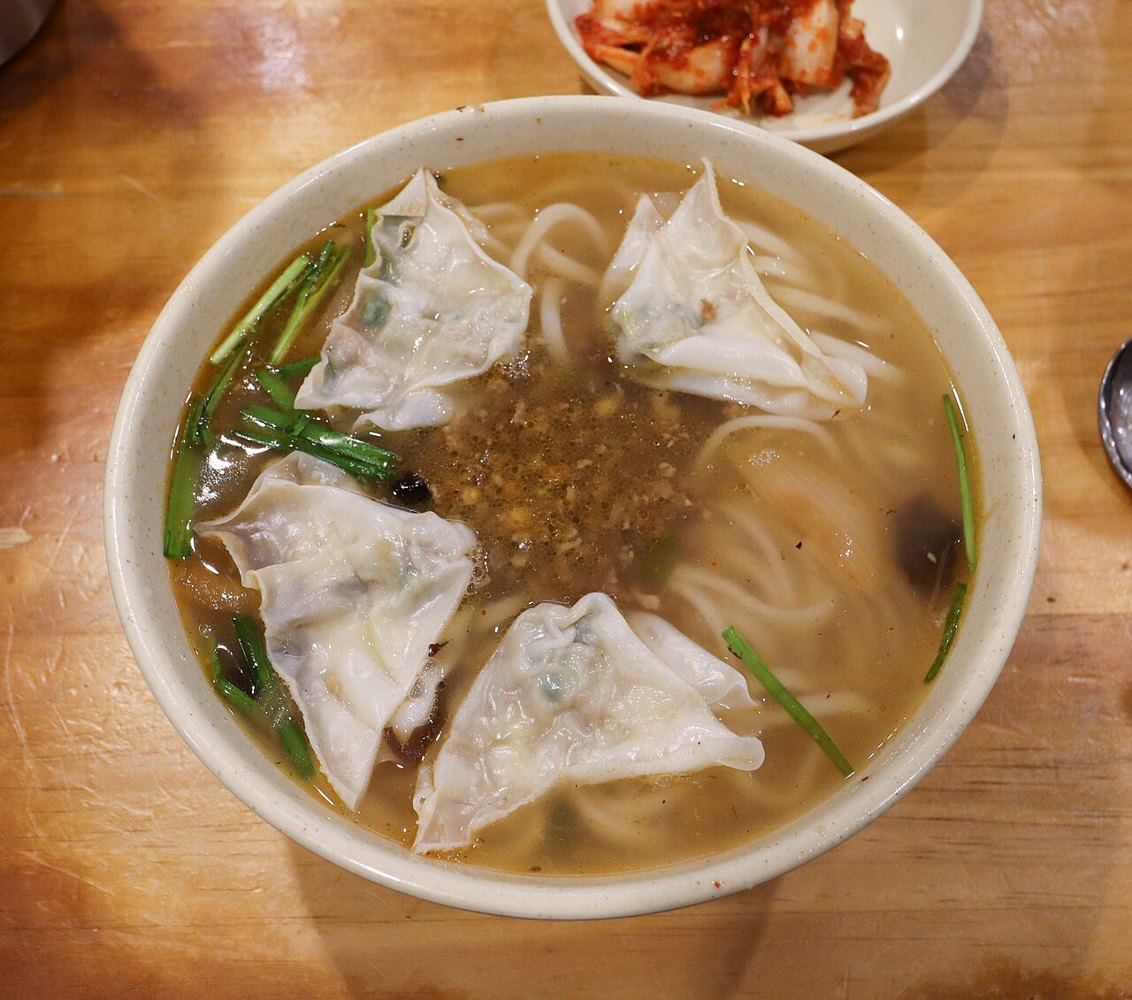
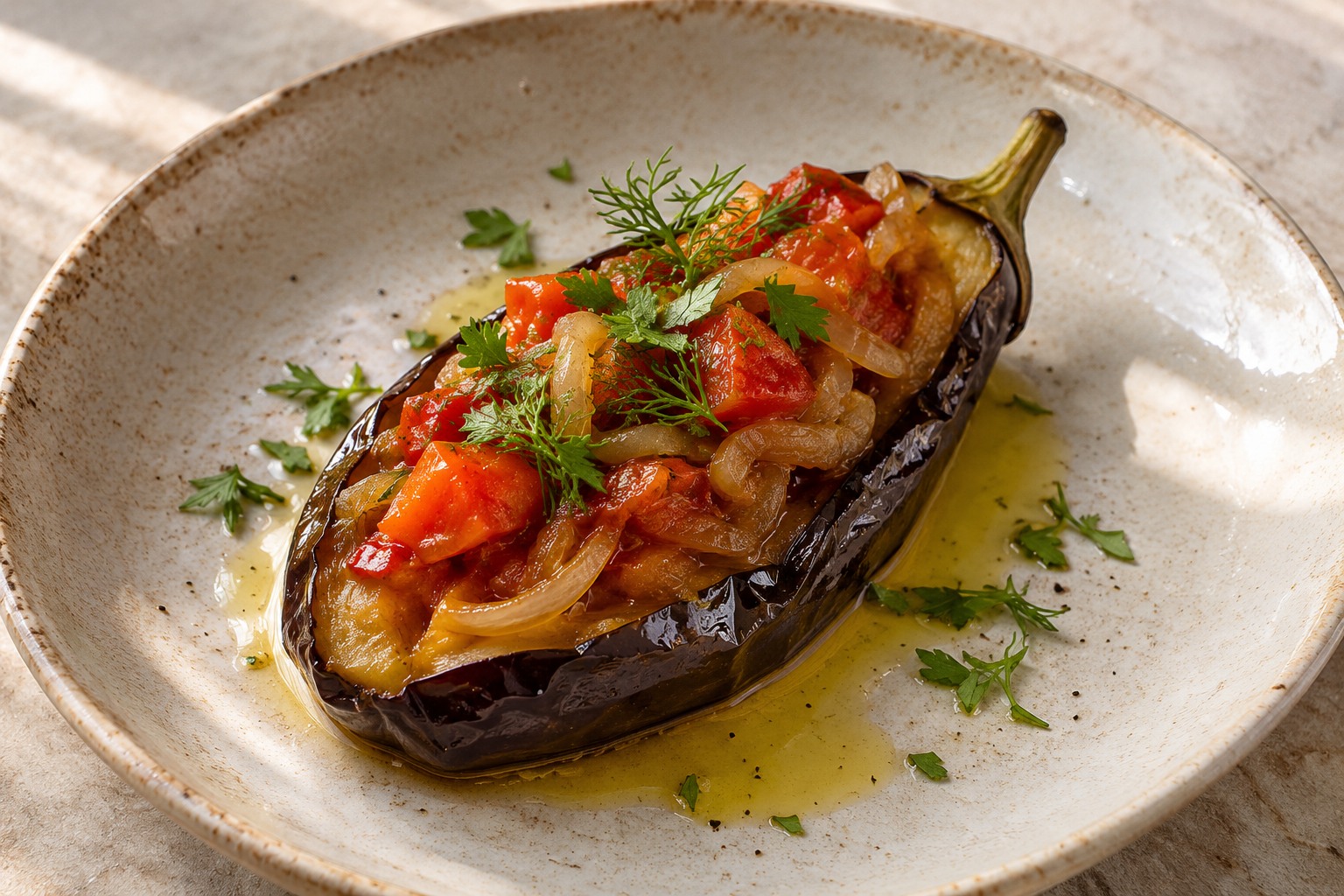
At Neolokal, chef and co-founder Maksut Aşkar links family food memories from İskenderun with Anatolian recipes, local producers and the next generation of cooks.
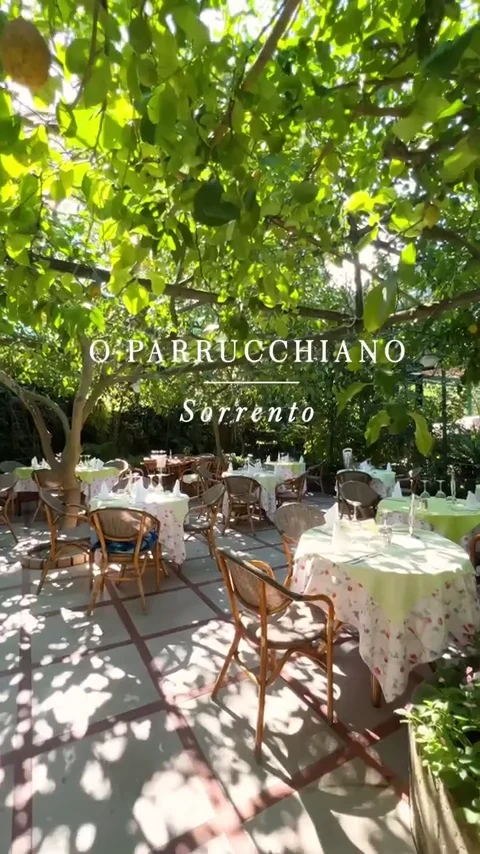
Cannelloni and gnocchi alla sorrentina beneath a canopy of lemon trees, on Sorrento’s Corso Italia.
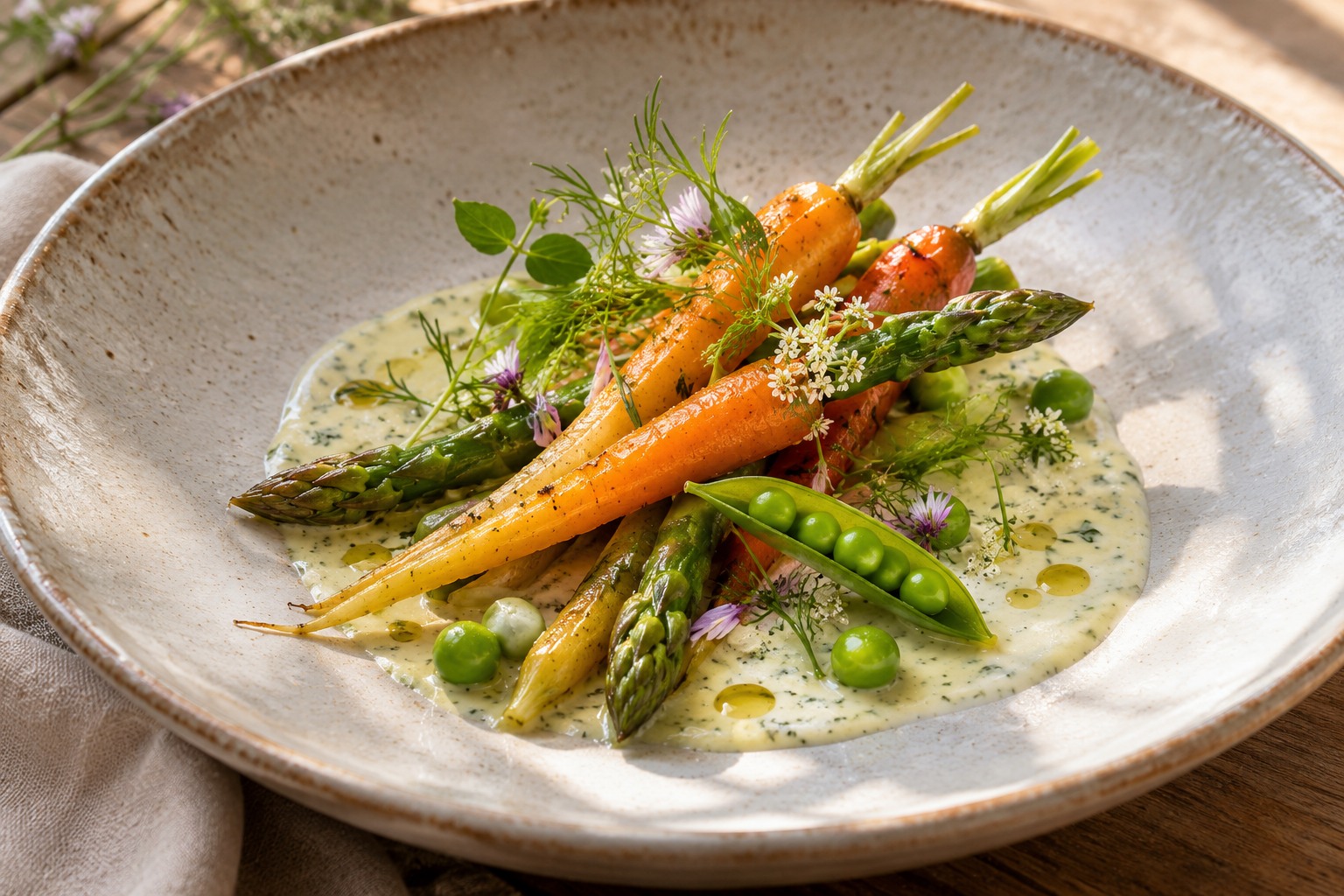
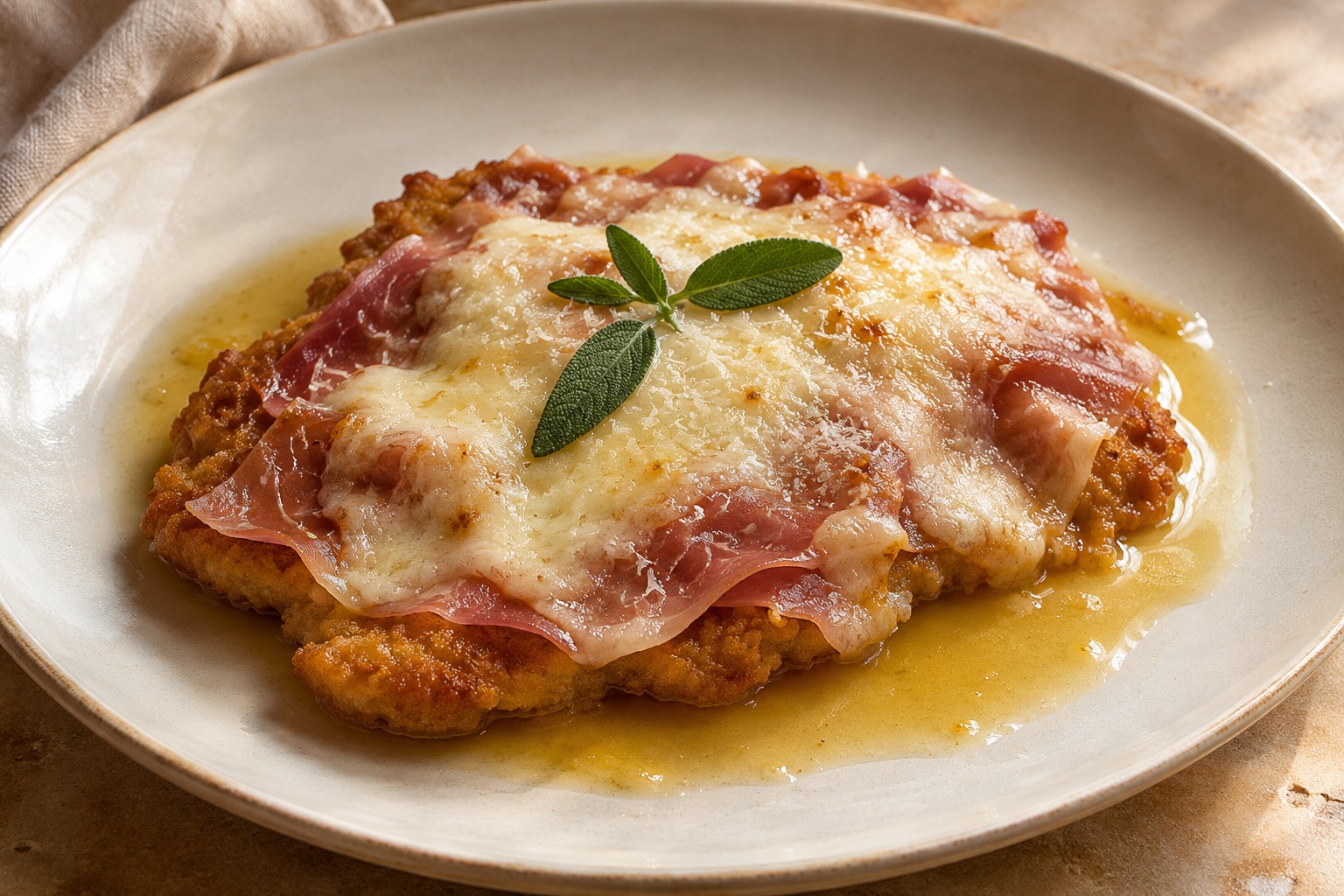
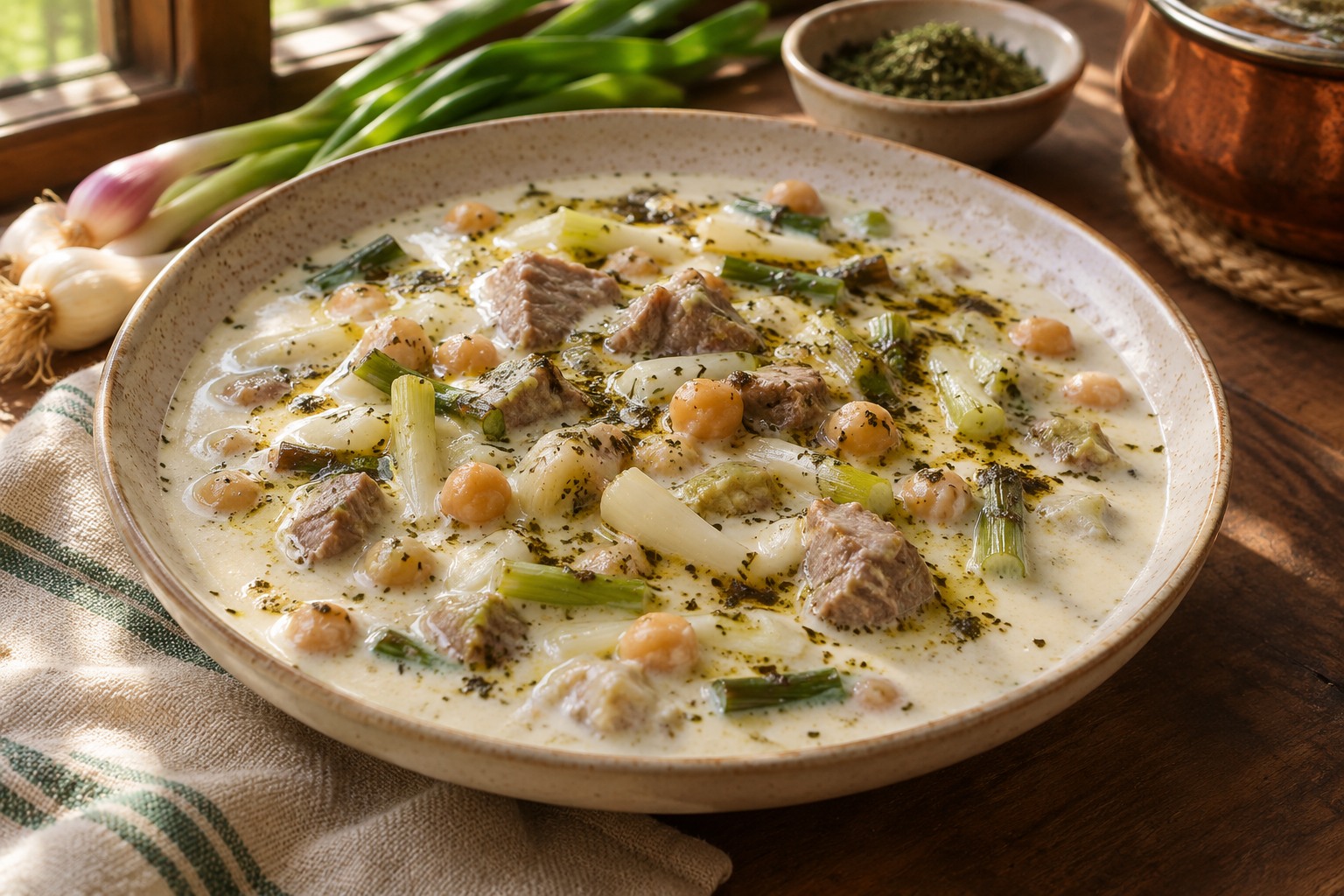
Ayşe Esra Şerbetçi brings family recipes and architectural memory together at Omaç. Seasonal pot dishes in a restored Gaziantep house offer a different route into the city’s food culture.
Onion Anguk occupies a hanok dating to the 1920s, preserving its wooden hall and courtyard. Coffee sits beside a busy bakery counter; vanilla-bean latte, tall sugar-dusted pandoro and salty butter bread give the traditional setting a contemporary daily rhythm.
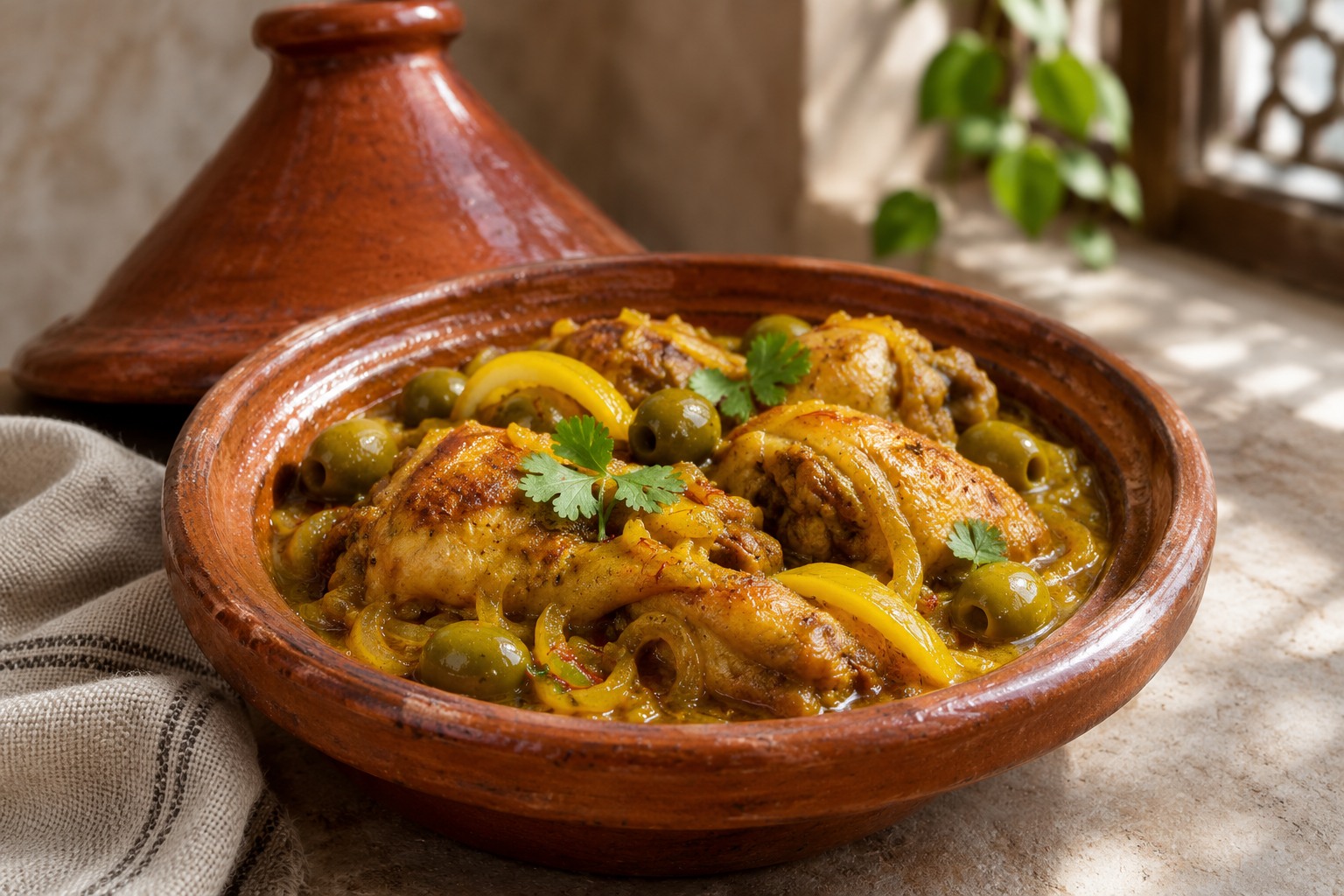
Ahmed Eddefaa connects Moroccan spices and regional products with French techniques at Sofitel Marrakech. His cooking moves between tagines, seafood and collaborative dinners, with L’Orangerie offering an evening introduction.
At Paçacı Mahmut Usta, Fatih’s soup tradition meets a family story from Erzurum. Started in Kıztaşı in the 1990s, the single-branch business serves trotter soup, kavurma, rice and white-bean stew.
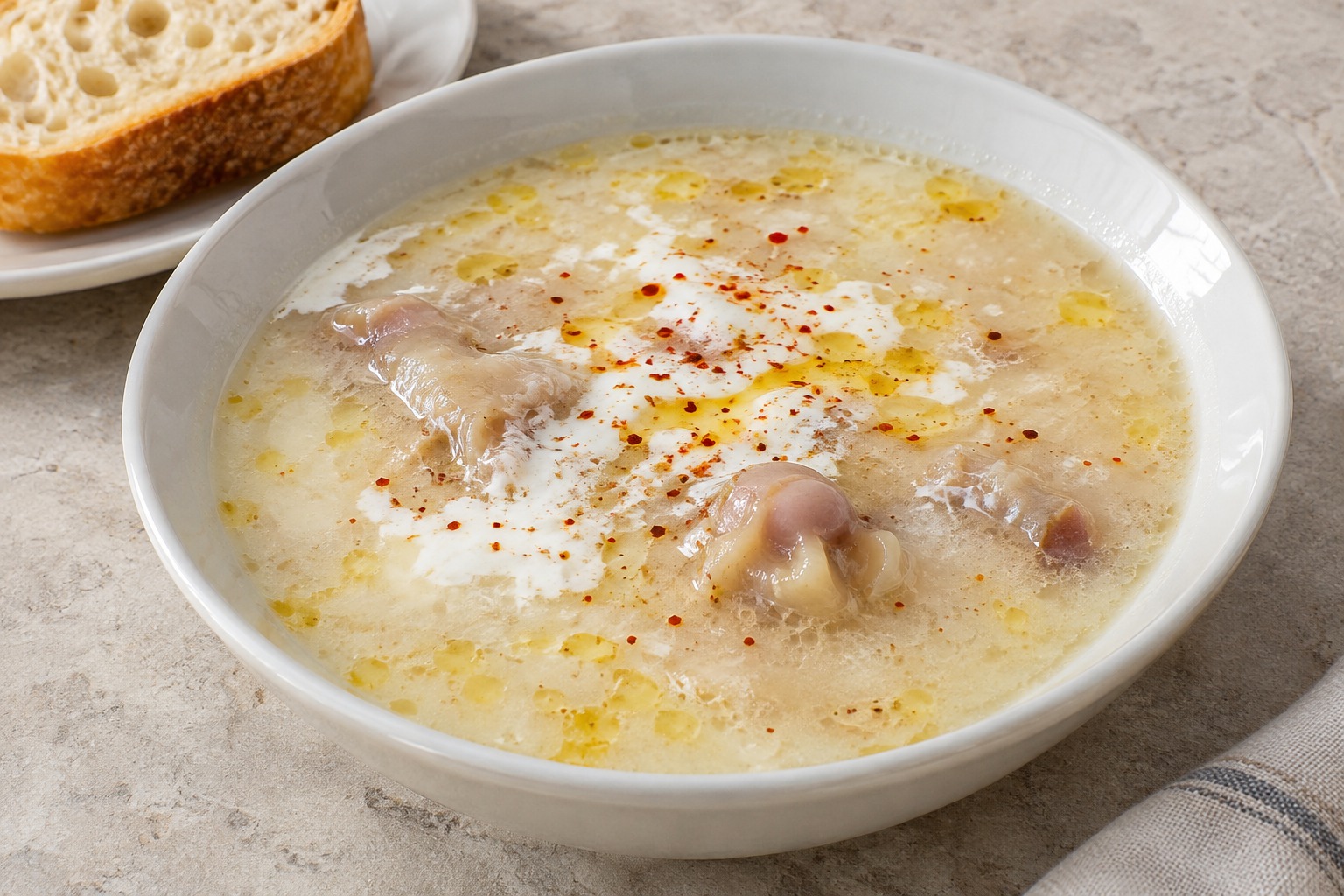
Buffalo-yoghurt dressing distinguishes Paçacı Necip Usta’s lamb-trotter soup. Kavurma, roast köfte and white-bean stew also appear on the Fatih shop’s menu.
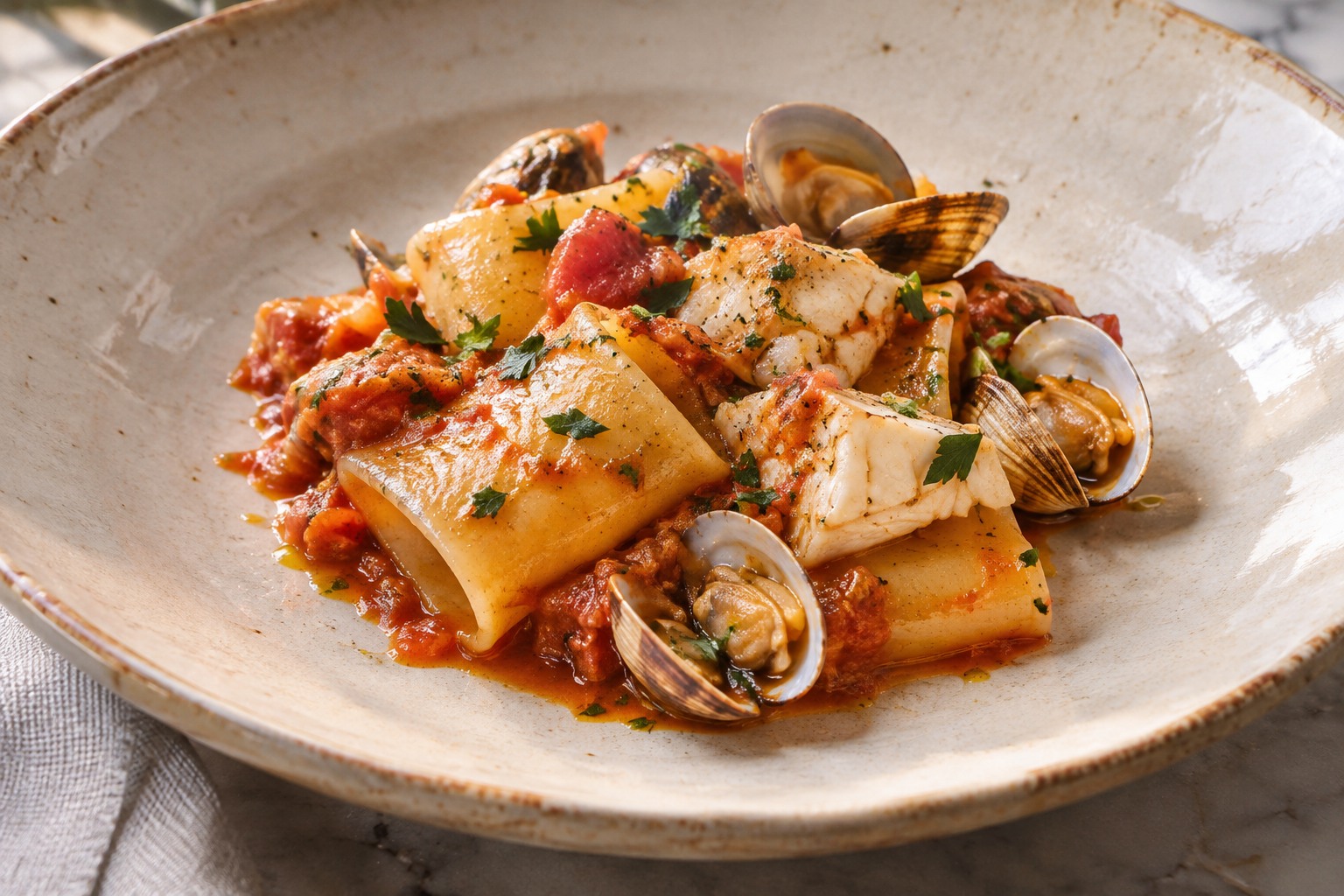
Lino Scarallo brings Naples’ food memories into a contemporary coastal kitchen. At Palazzo Petrucci, seafood, familiar regional ingredients and changing textures form a conversation with the city.
El Pan de la Chola makes the baker’s work visible through an open bakery. Bread, sandwiches and coffee define the La Mar stop; its La Chola Blend is selected and roasted with Café Verde, connecting the loaf and the cup through craft.
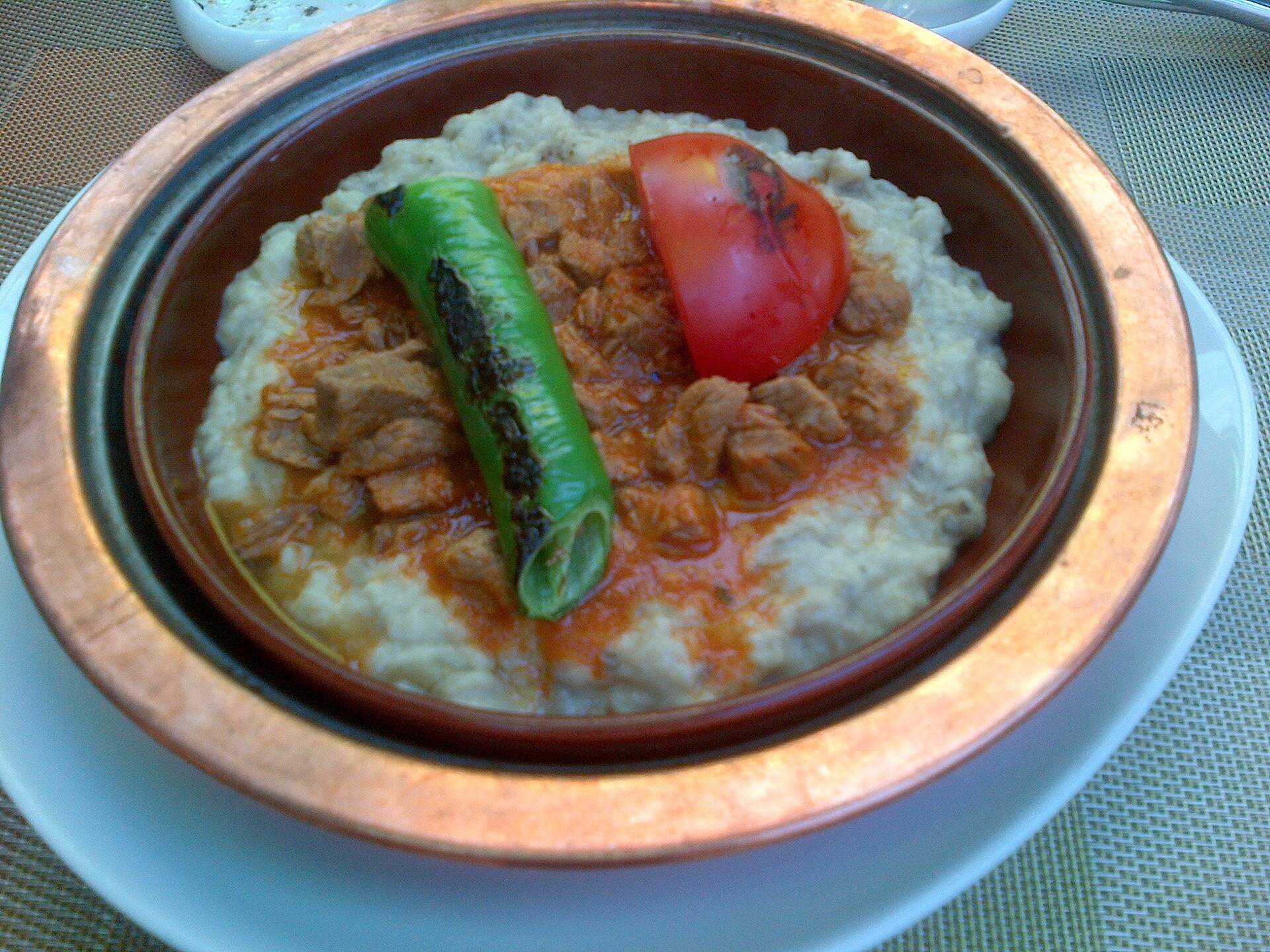
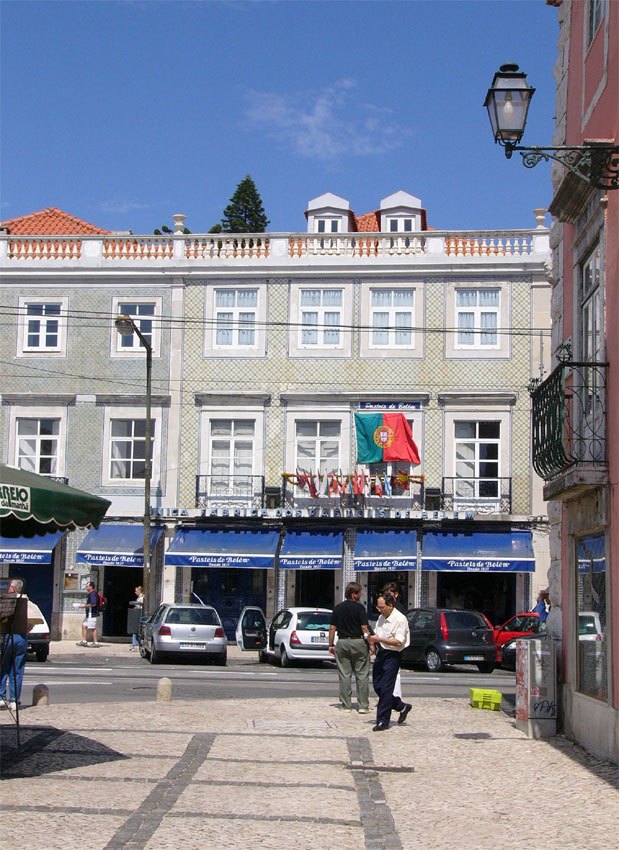
The historic Belém bakery serves its own pastry alongside coffee; the brand name is distinct from generic pastel de nata.
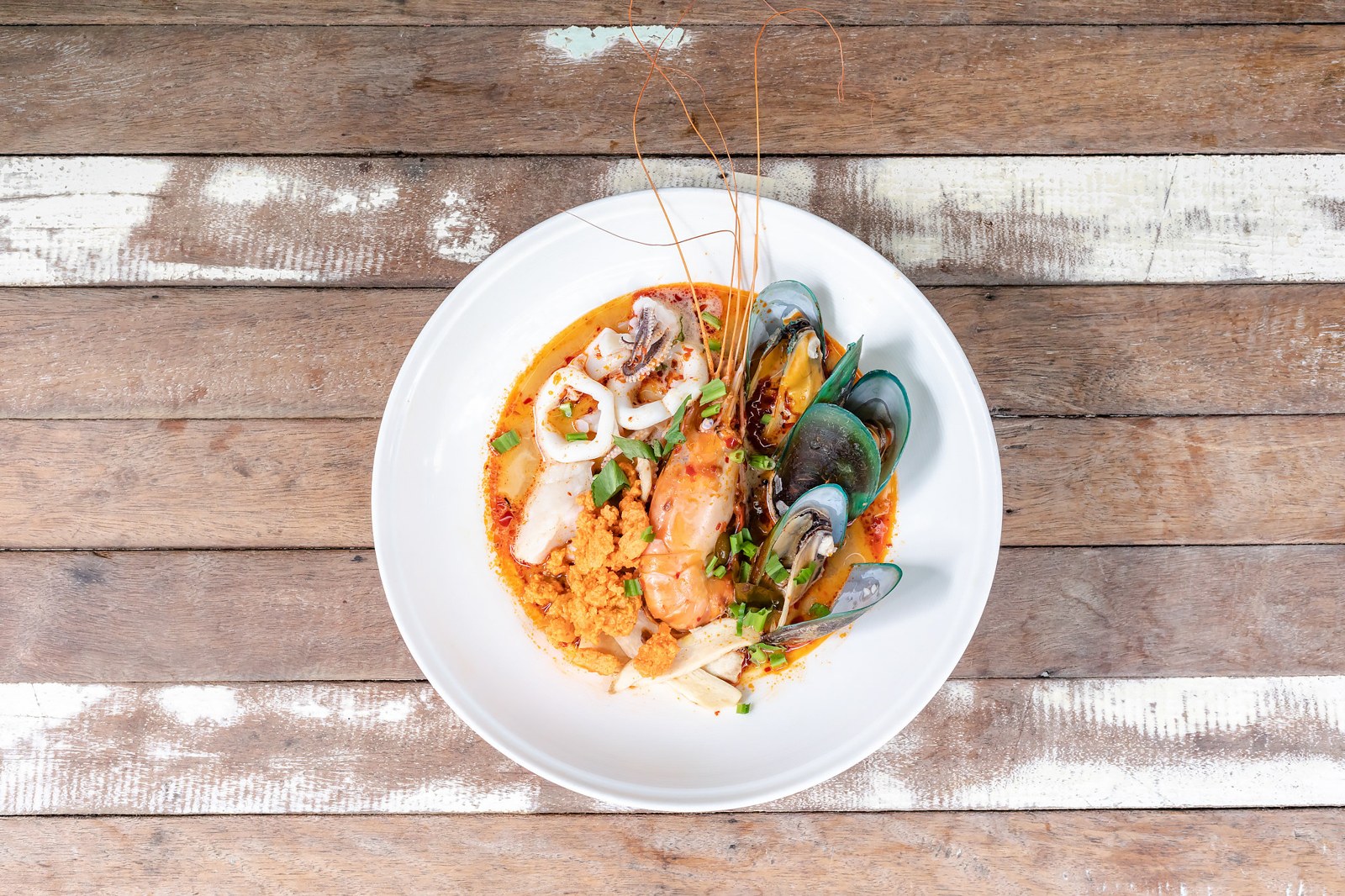
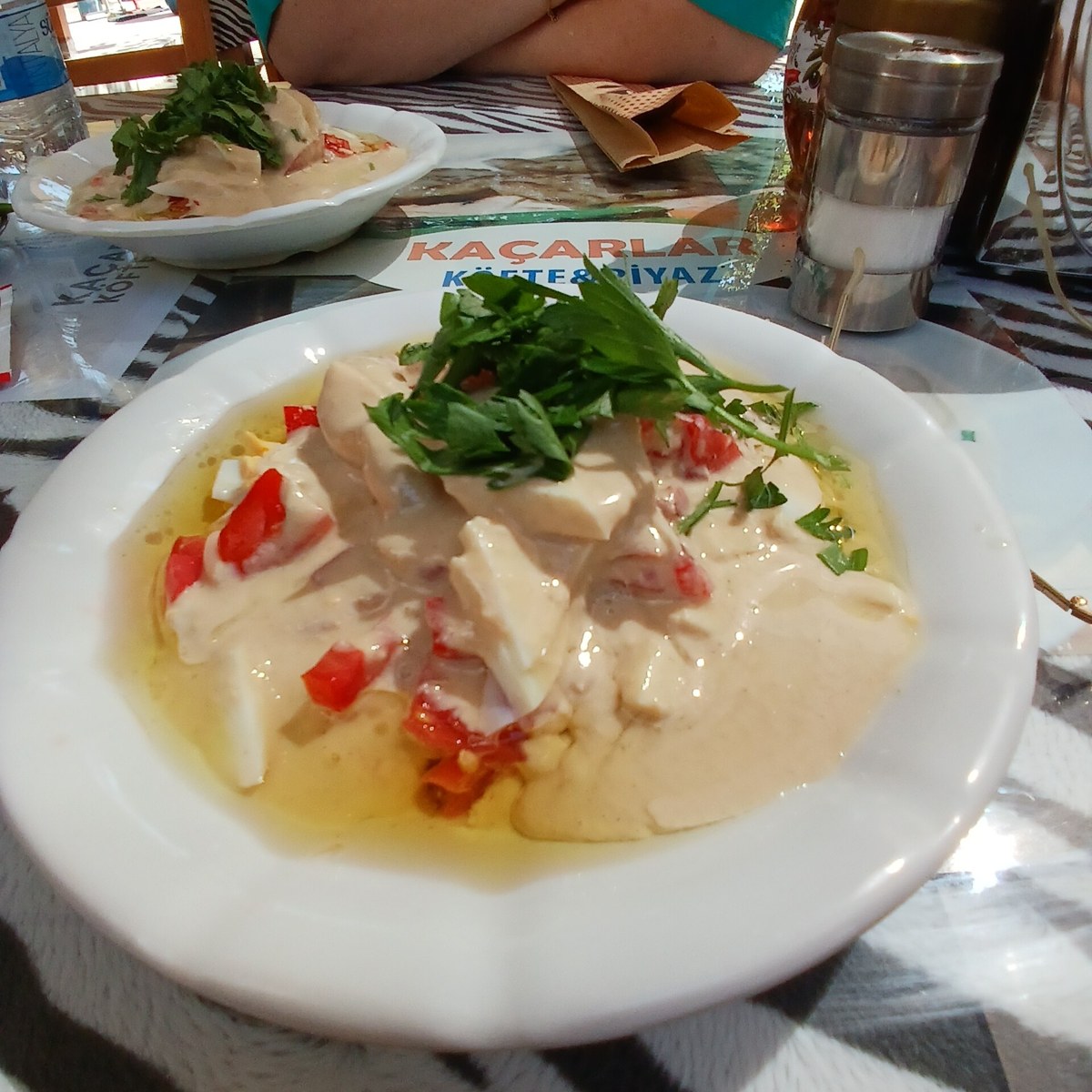
Piyazcı Ahmet began in a small shop in 1996, built around Antalya bean salad, köfte and baked pumpkin dessert.
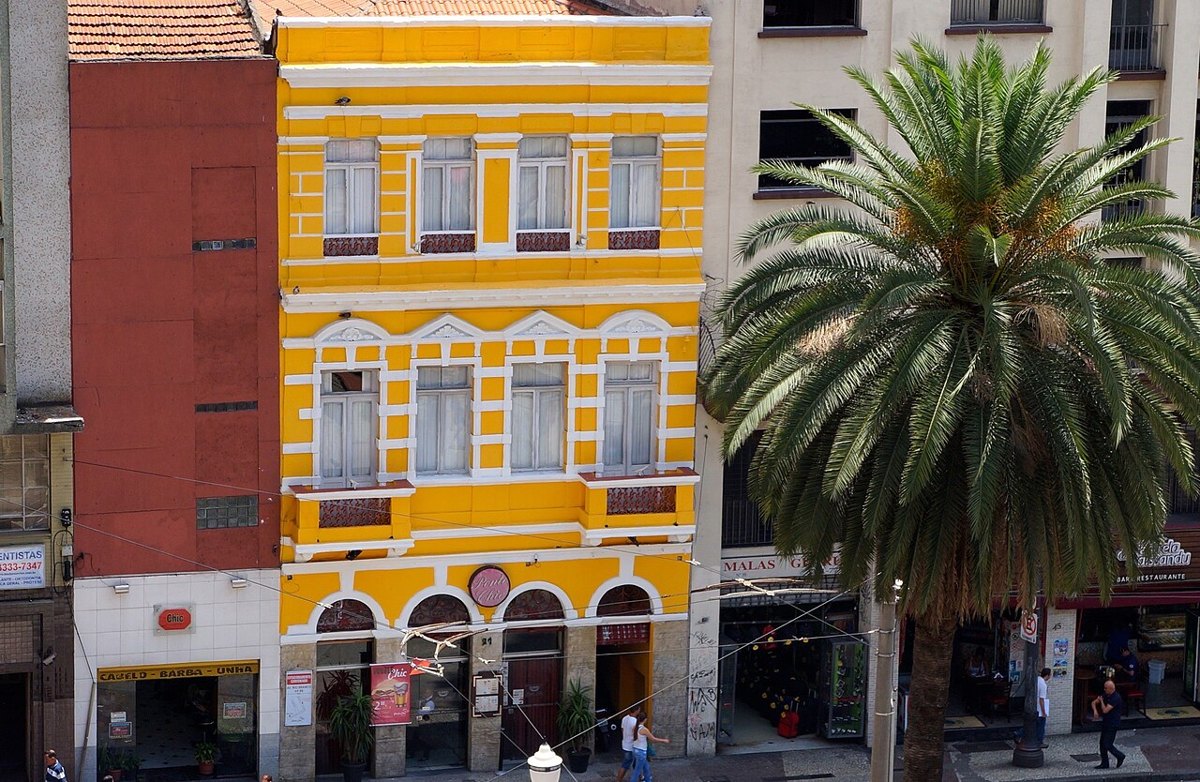
The Paissandu address in São Paulo associated with the Bauru sandwich.
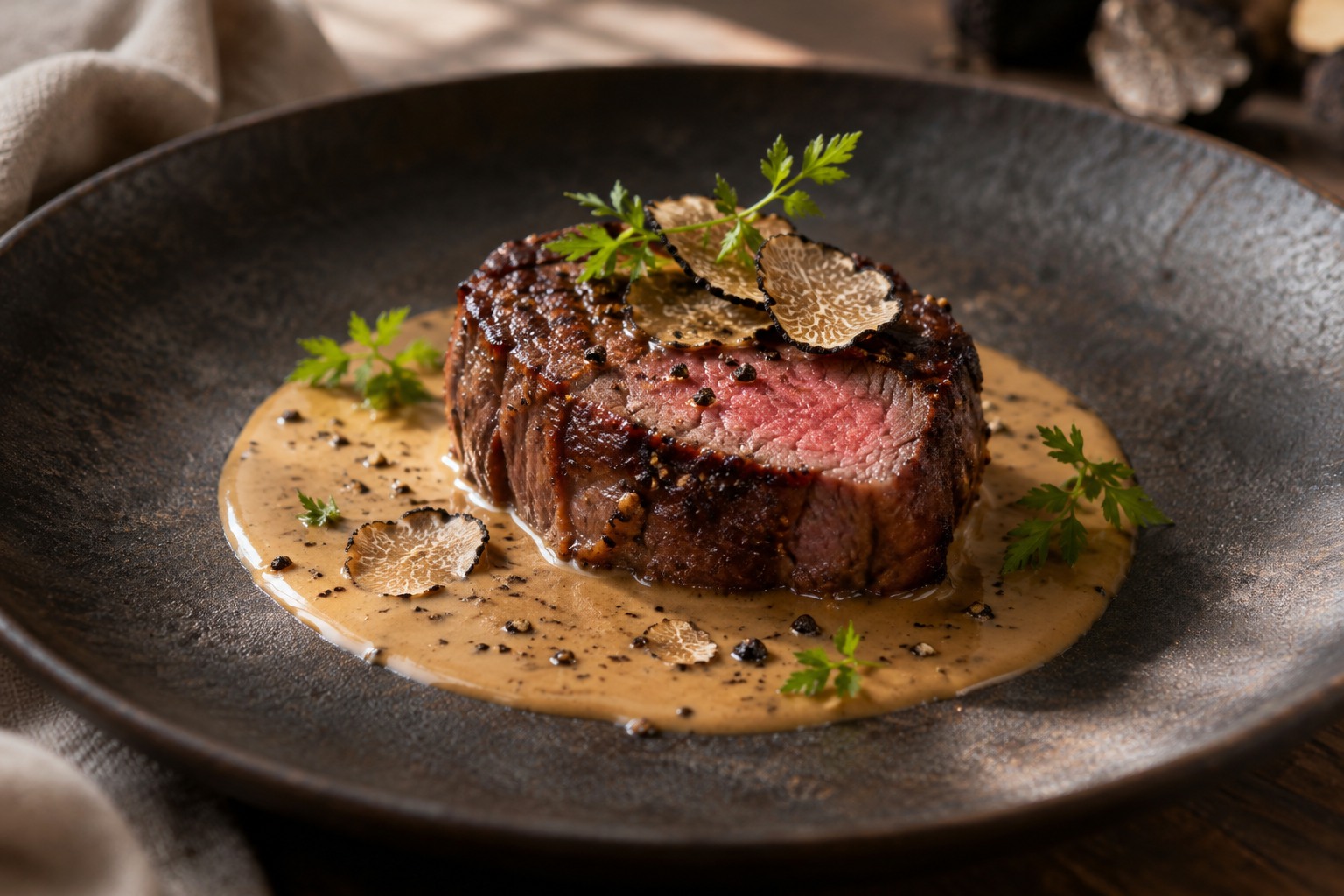
Luke Dale-Roberts brings European training and years in Asia to Cape Town’s small-plate dining. At The Pot Luck Club, layered flavours, lively sharing plates and a rooftop setting meet the work of chef Jason Kosmas and his team.
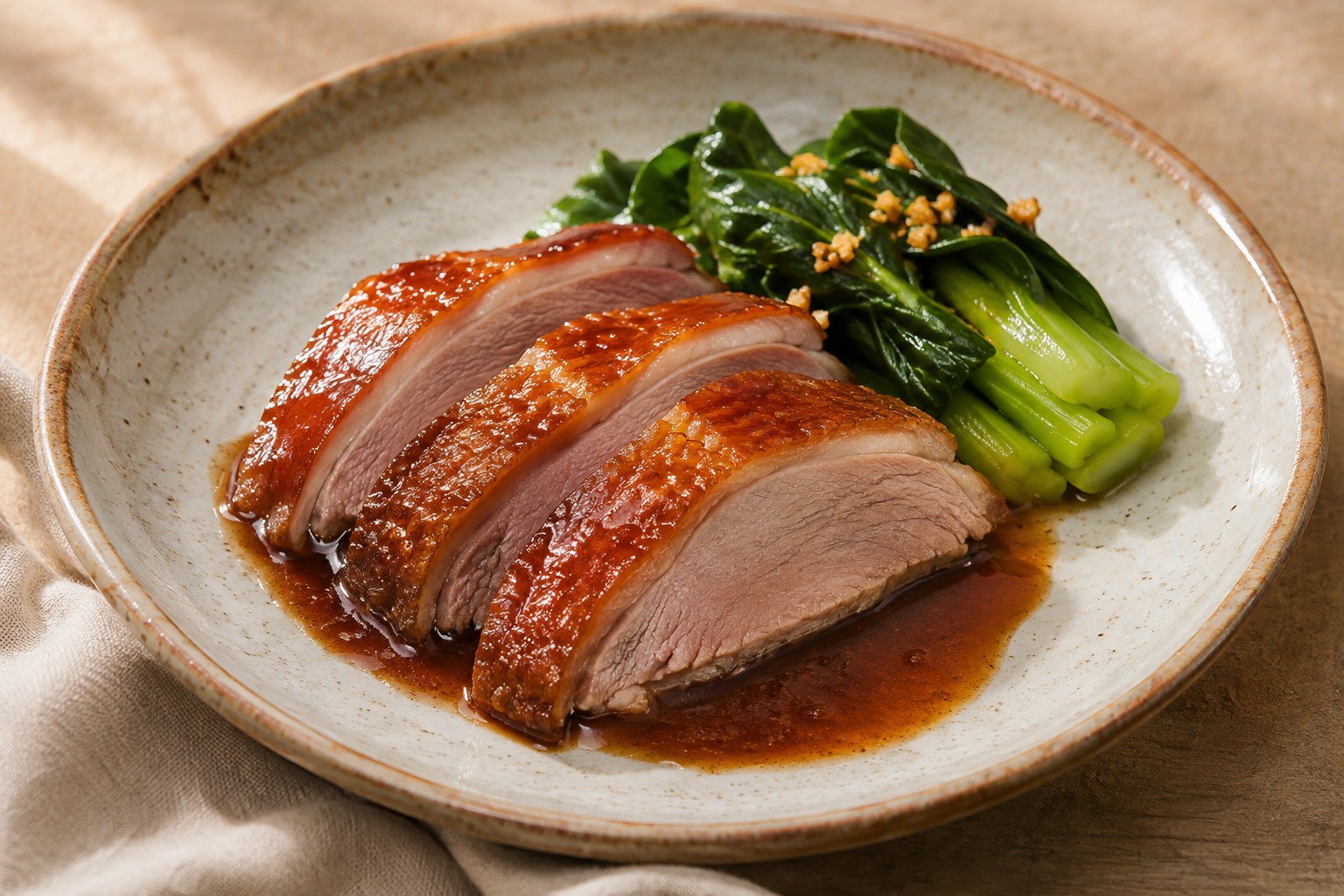
Chef Pam brings her Thai-Chinese family story to POTONG, where a restored Chinatown shophouse connects layered flavours, personal memories and contemporary cooking.
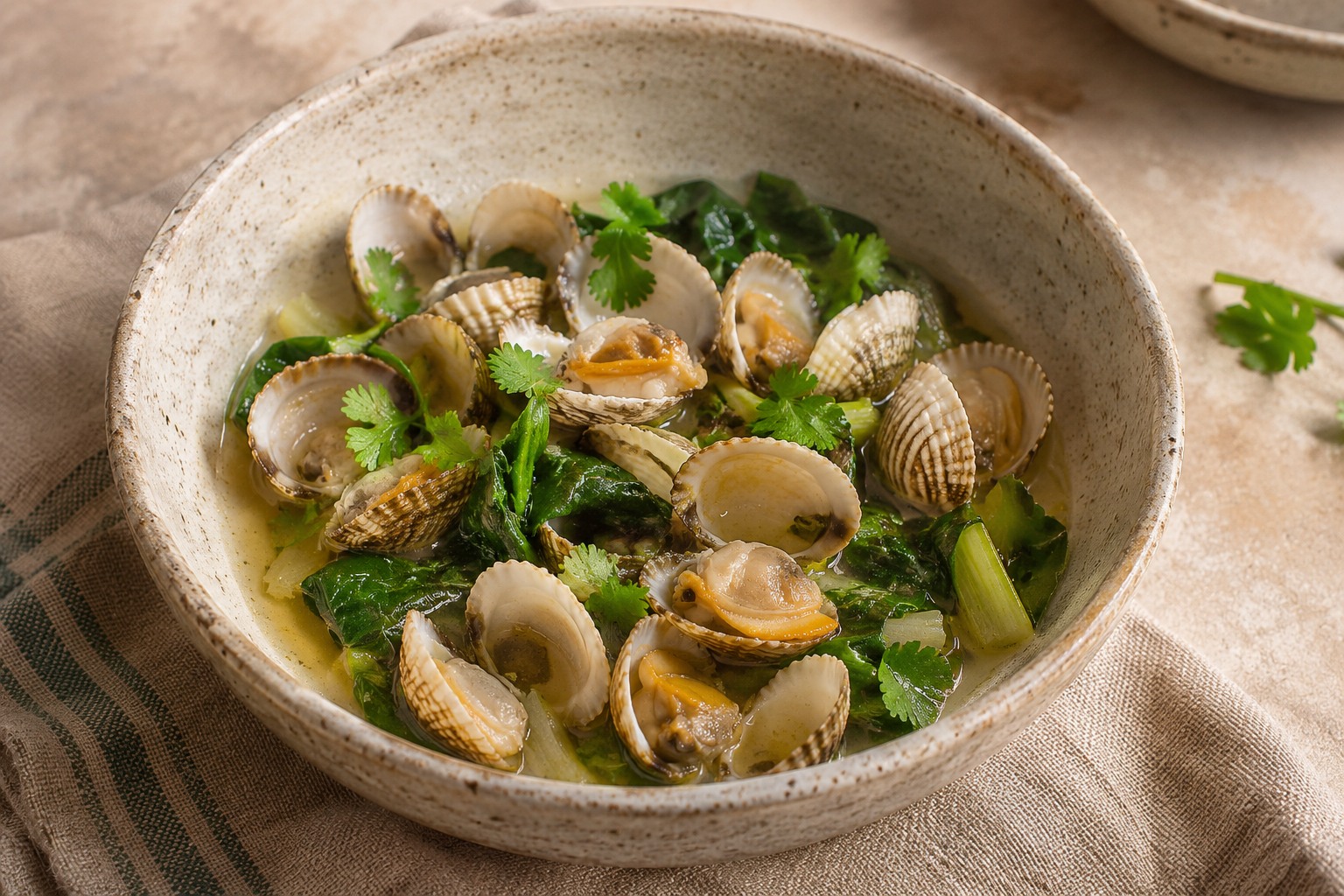
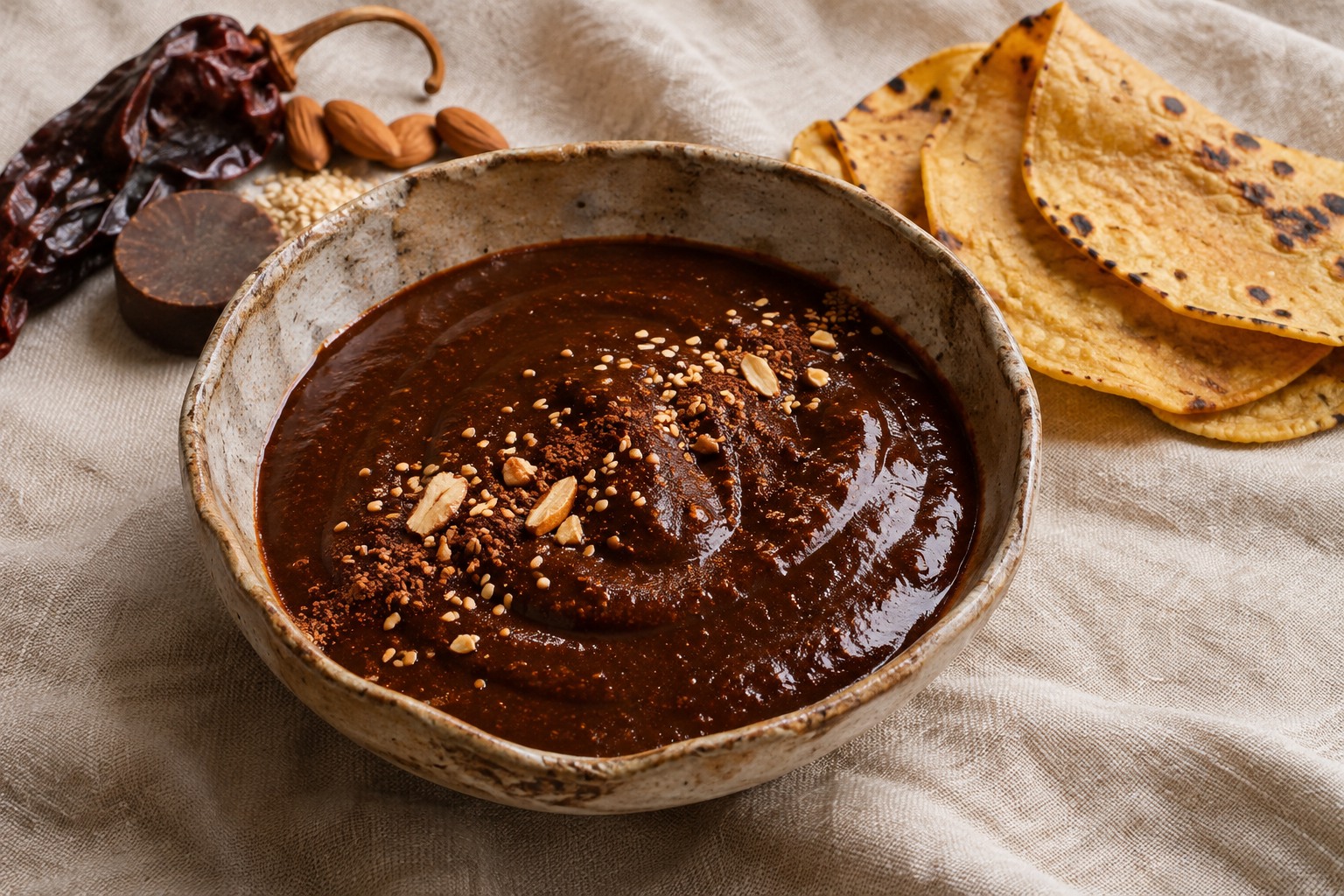
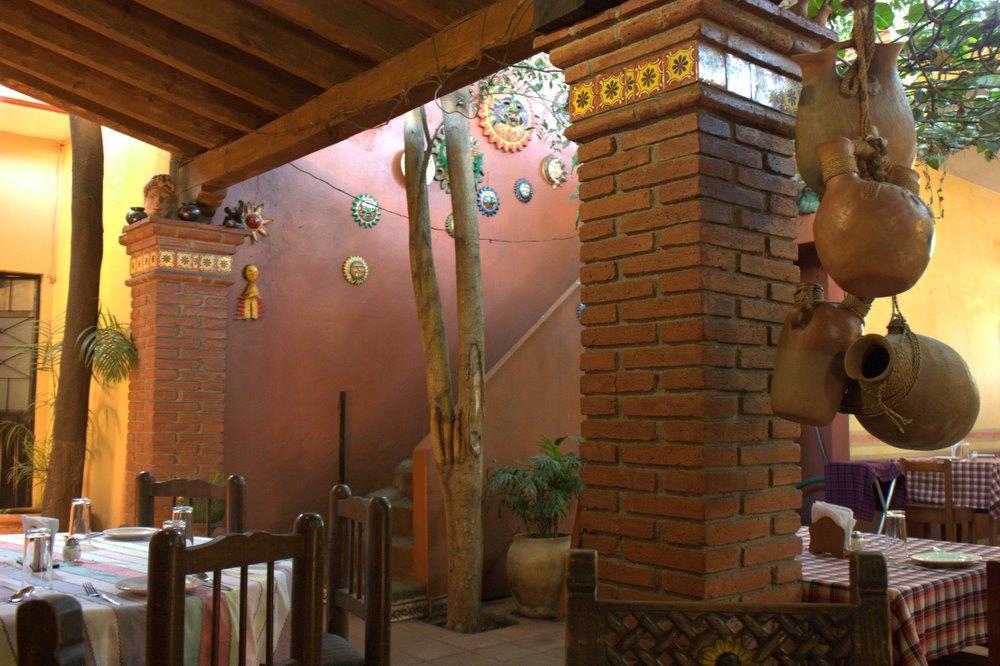
Celia Florián preserves and shares Oaxacan family cooking at Las Quince Letras. Mole negro, Isthmus garnachas and ingredients from the garden connect her village upbringing with a long-running city restaurant.
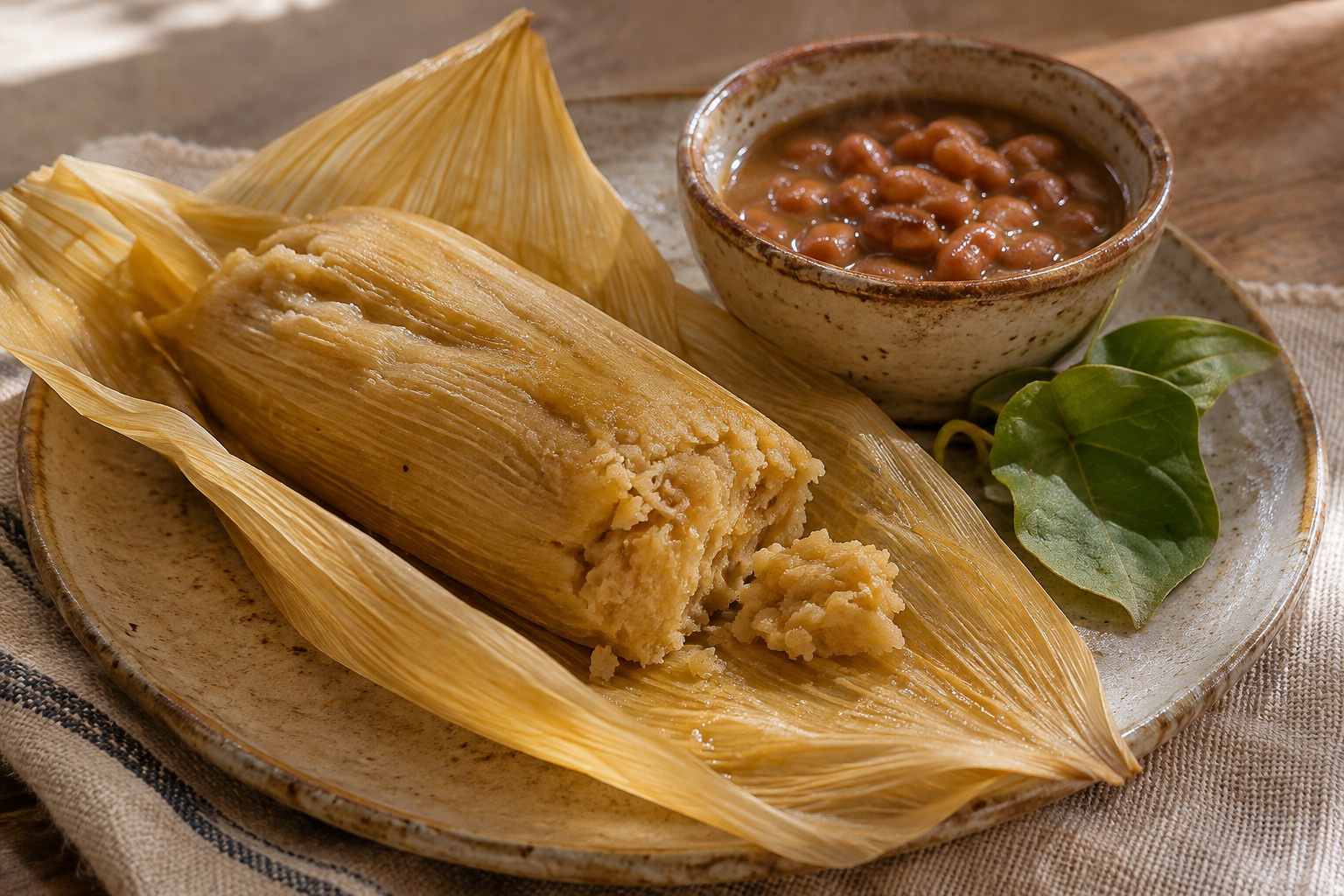
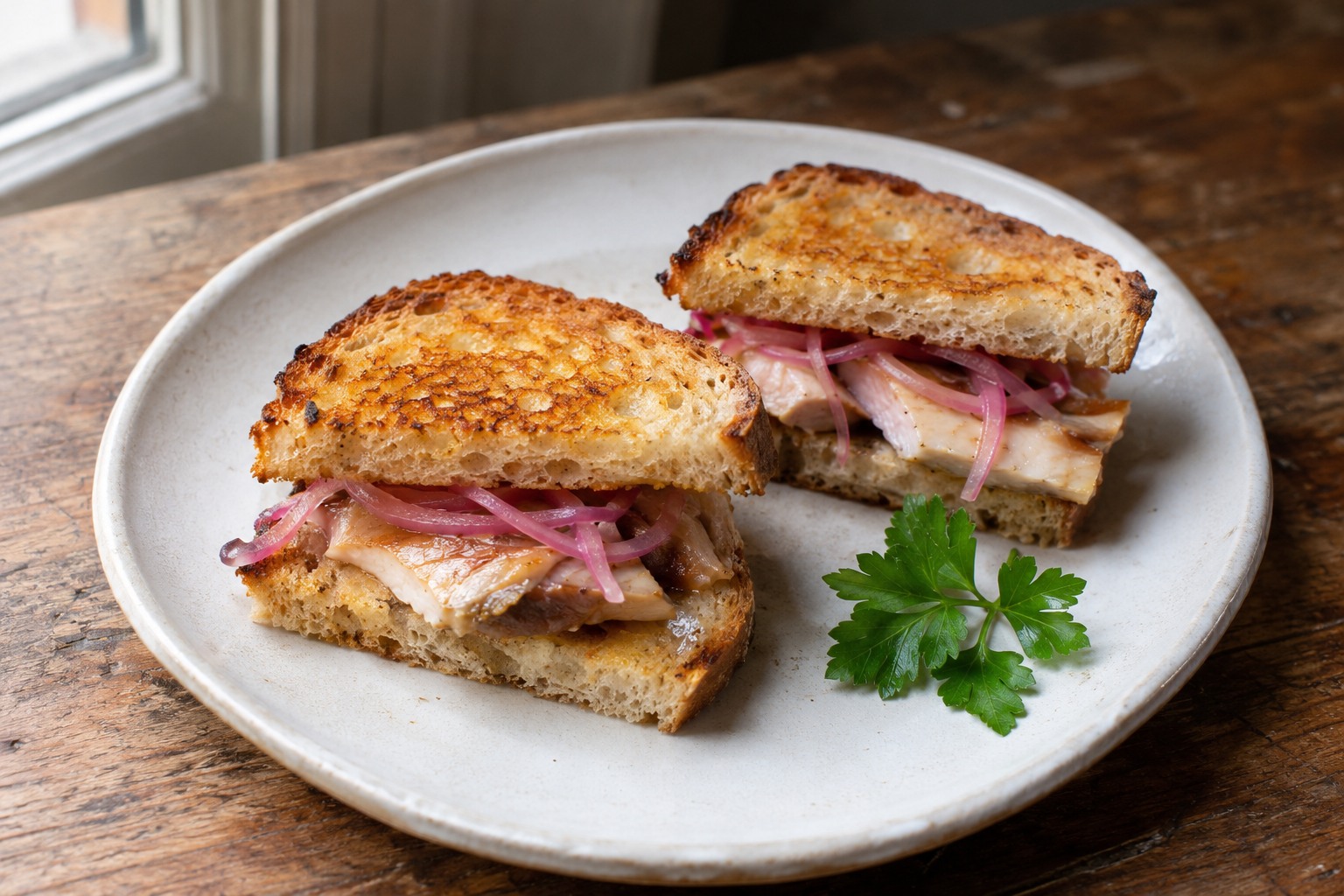
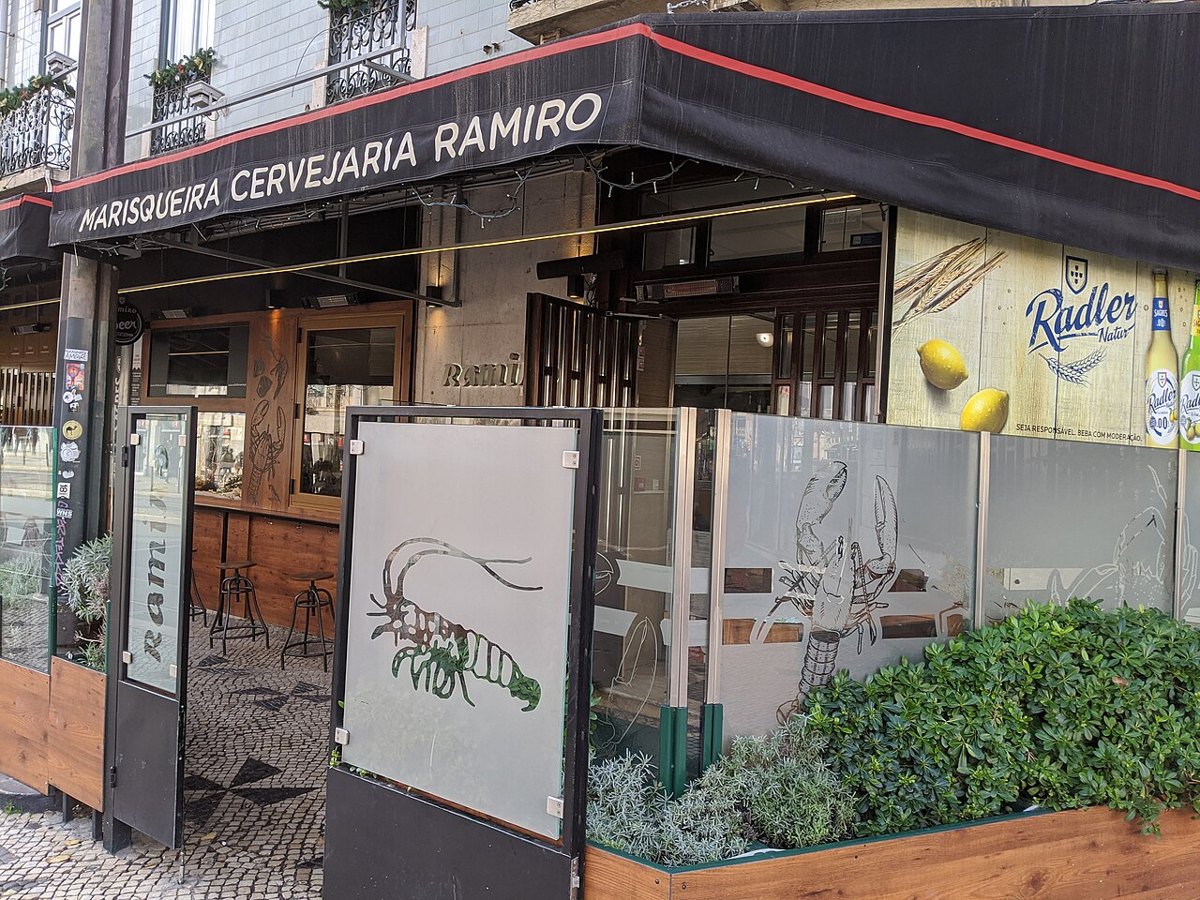
An Almirante Reis address for exploring Lisbon’s seafood dining tradition.
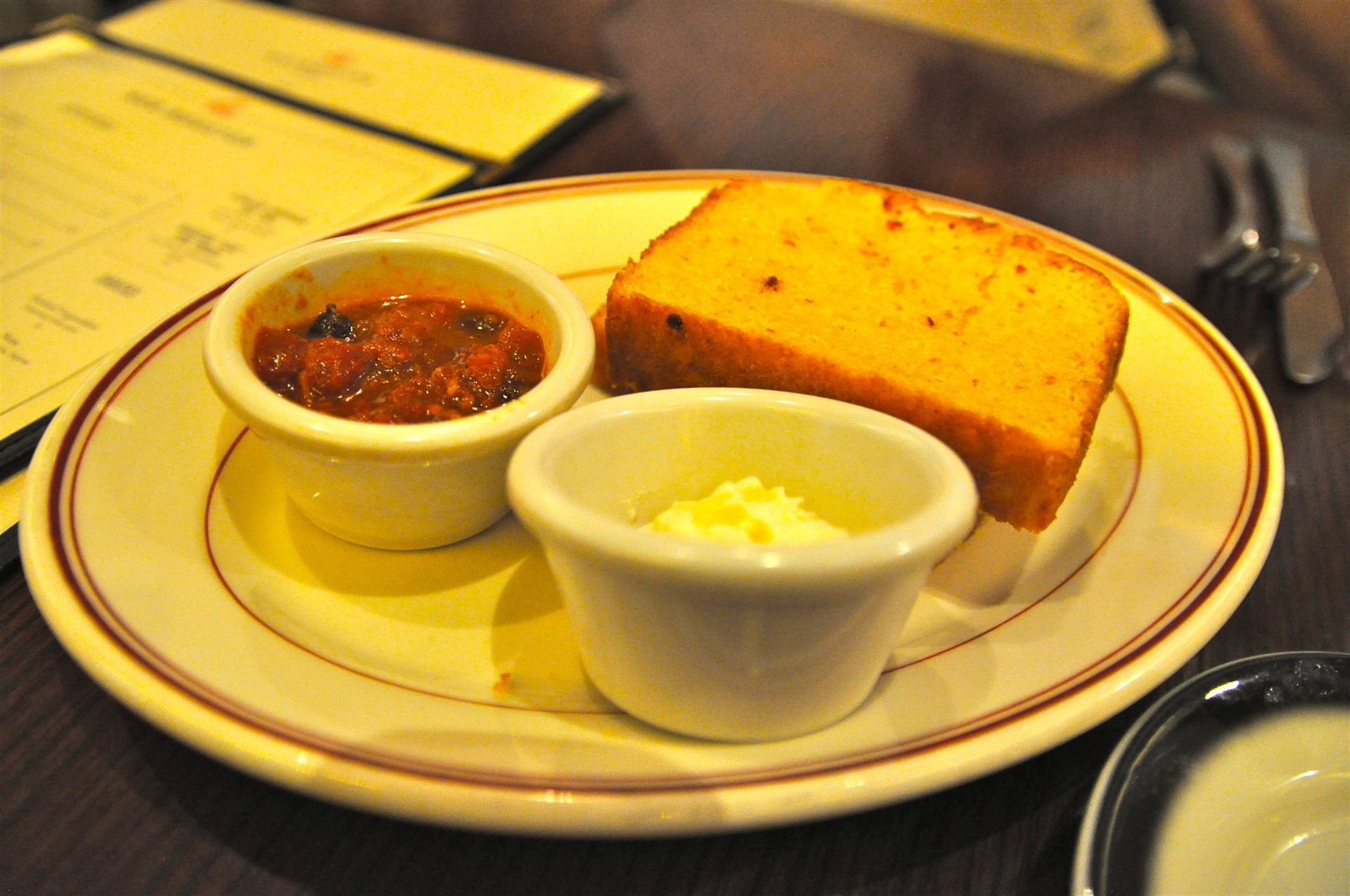
Marcus Samuelsson connects Ethiopian roots, a Swedish upbringing and Harlem’s food culture at Red Rooster, where comfort food, music and a neighbourhood table meet.
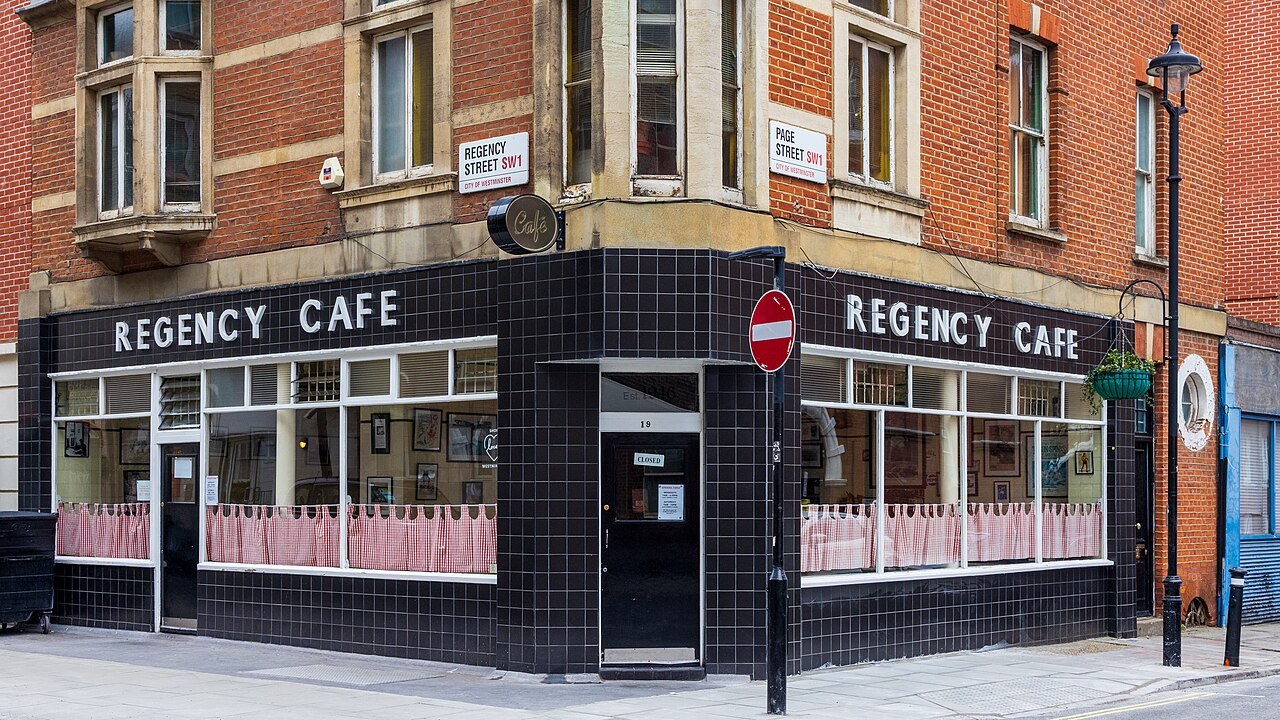
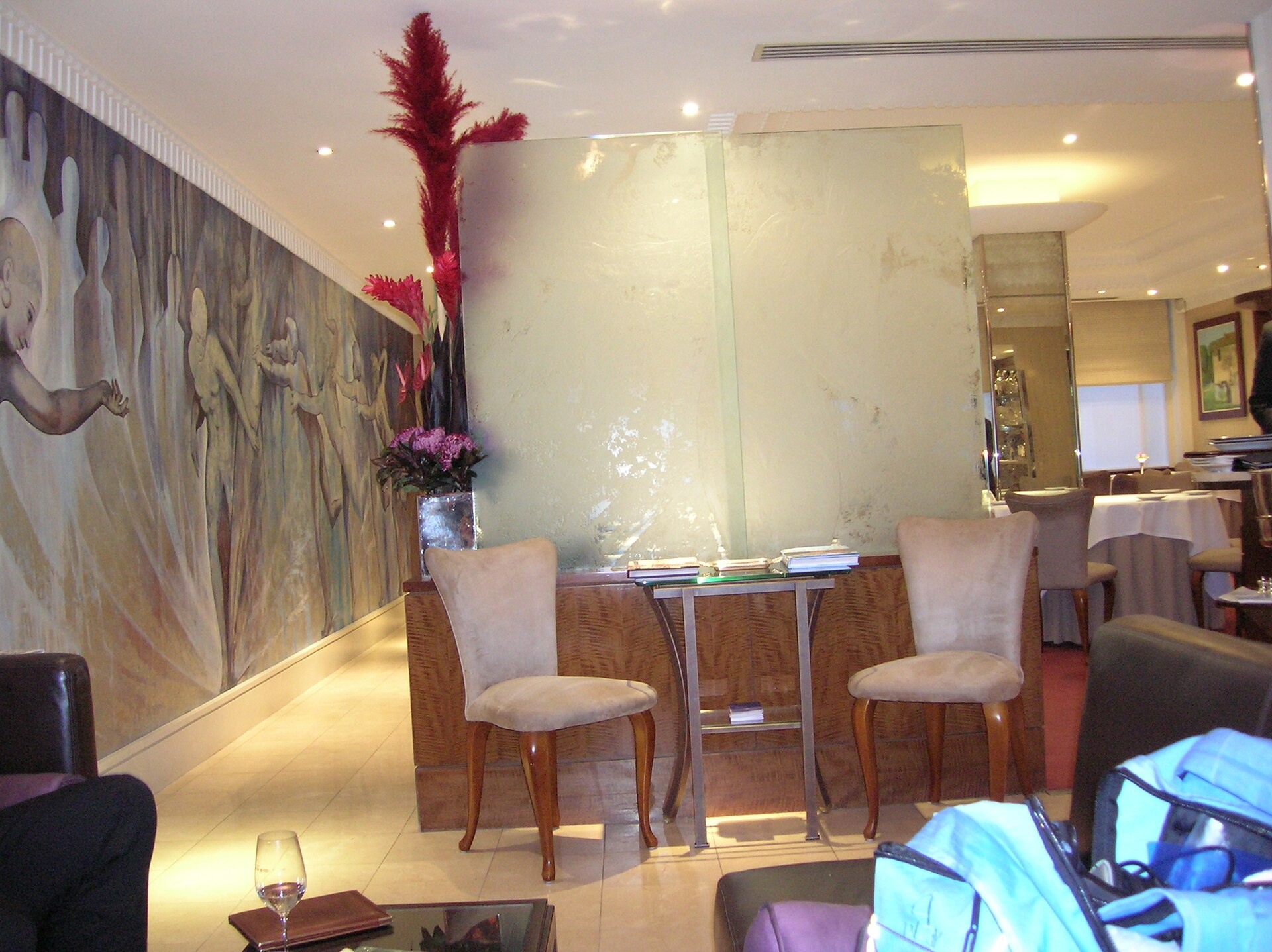
Gordon Ramsay’s London story begins in demanding French kitchens and continues at his original Chelsea restaurant, alongside a very different world of approachable cooking lessons.
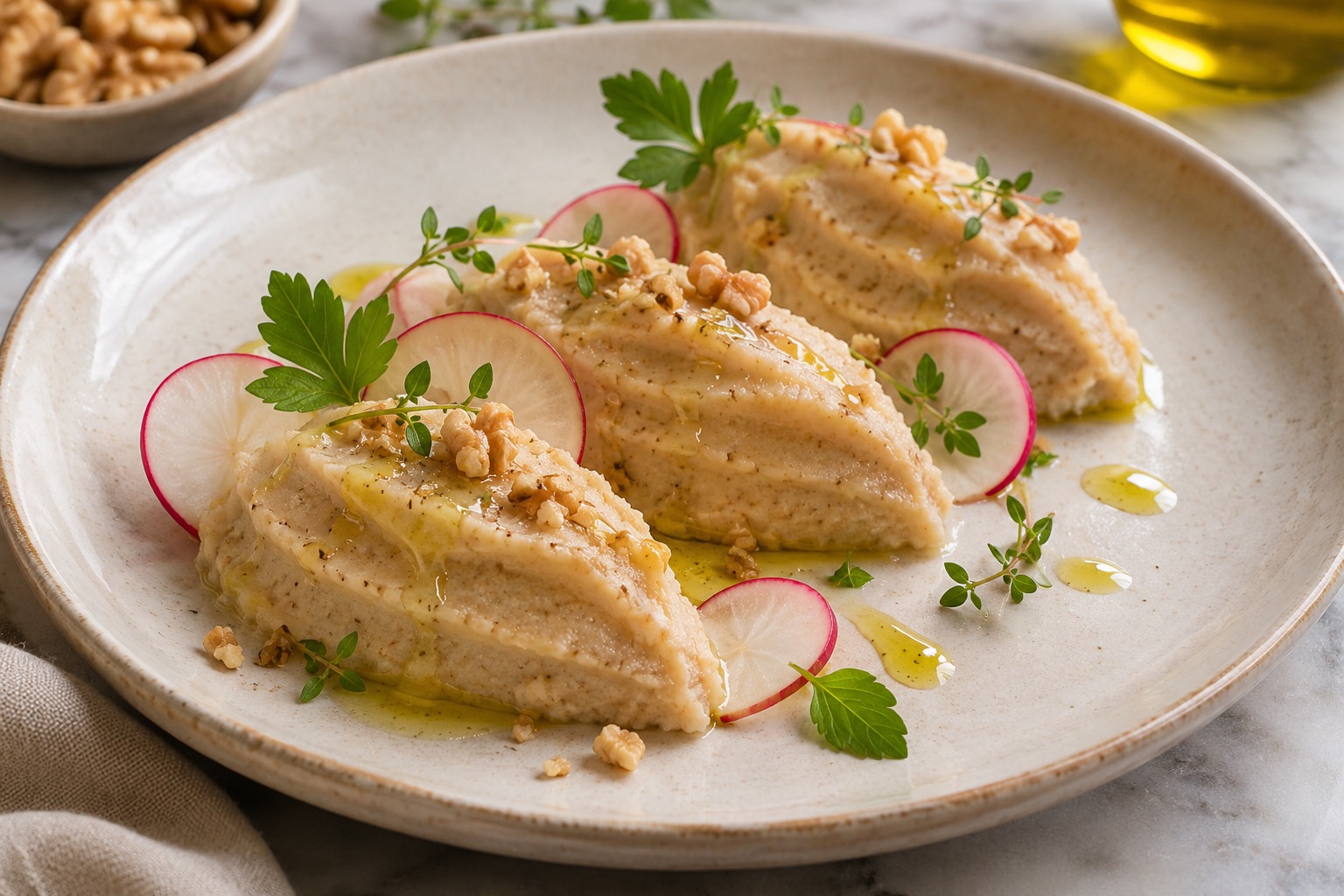
Maroun Chedid connects Lebanese produce with a broad Mediterranean repertoire. Ritage Garden, a cooking academy and his own recipes reveal different sides of a career built around ingredients and teaching.
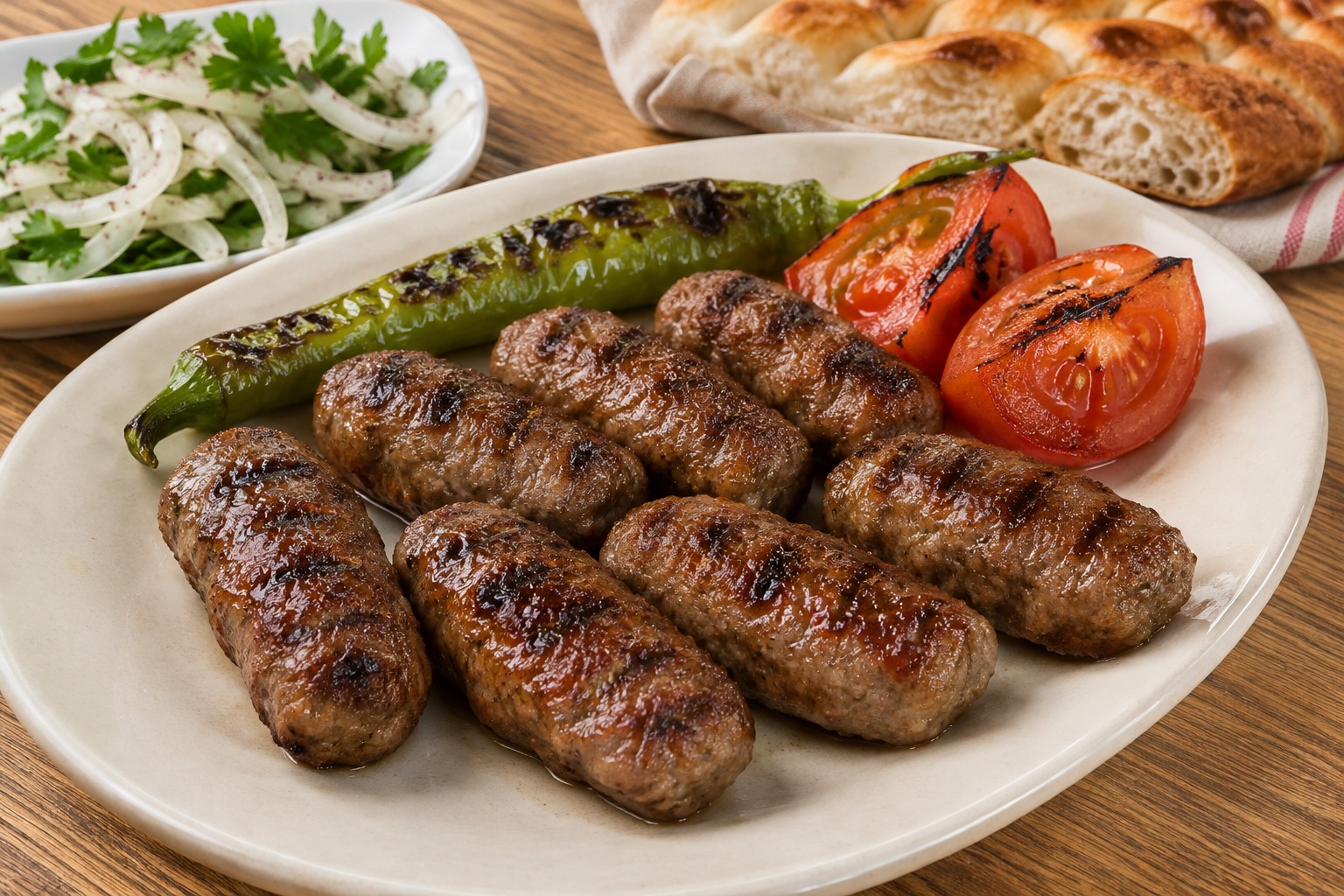
At Rodop Köftecisi in İzmir’s Yenişehir district, İnegöl, spicy and cheese-filled köfte share the menu. Tasting the three styles shows how seasoning and cheese change the grilled meat.

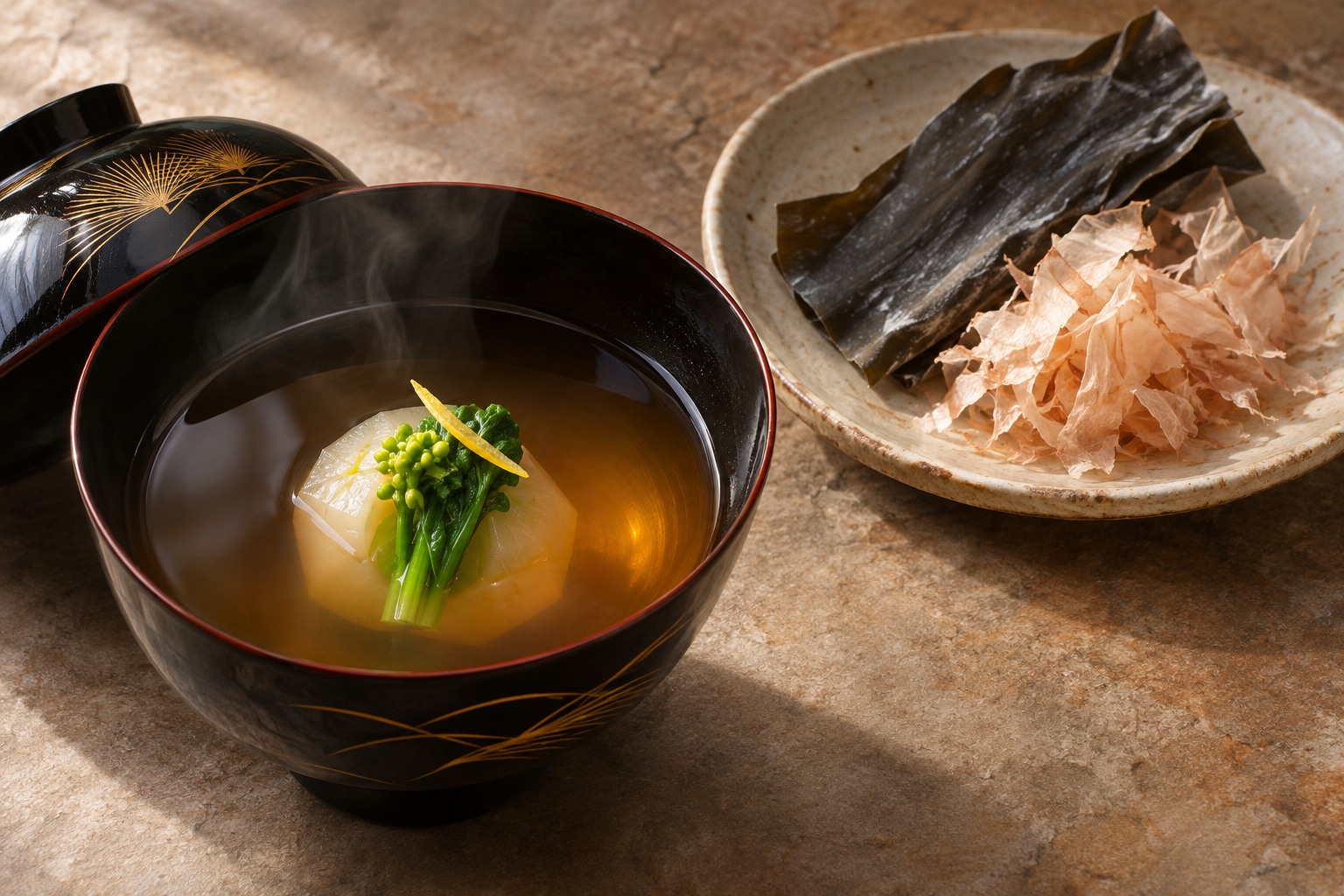
At RyuGin in Hibiya, Seiji Yamamoto explores Japanese seasonal cooking through carefully judged aroma, temperature, texture and the natural flavour of each ingredient.
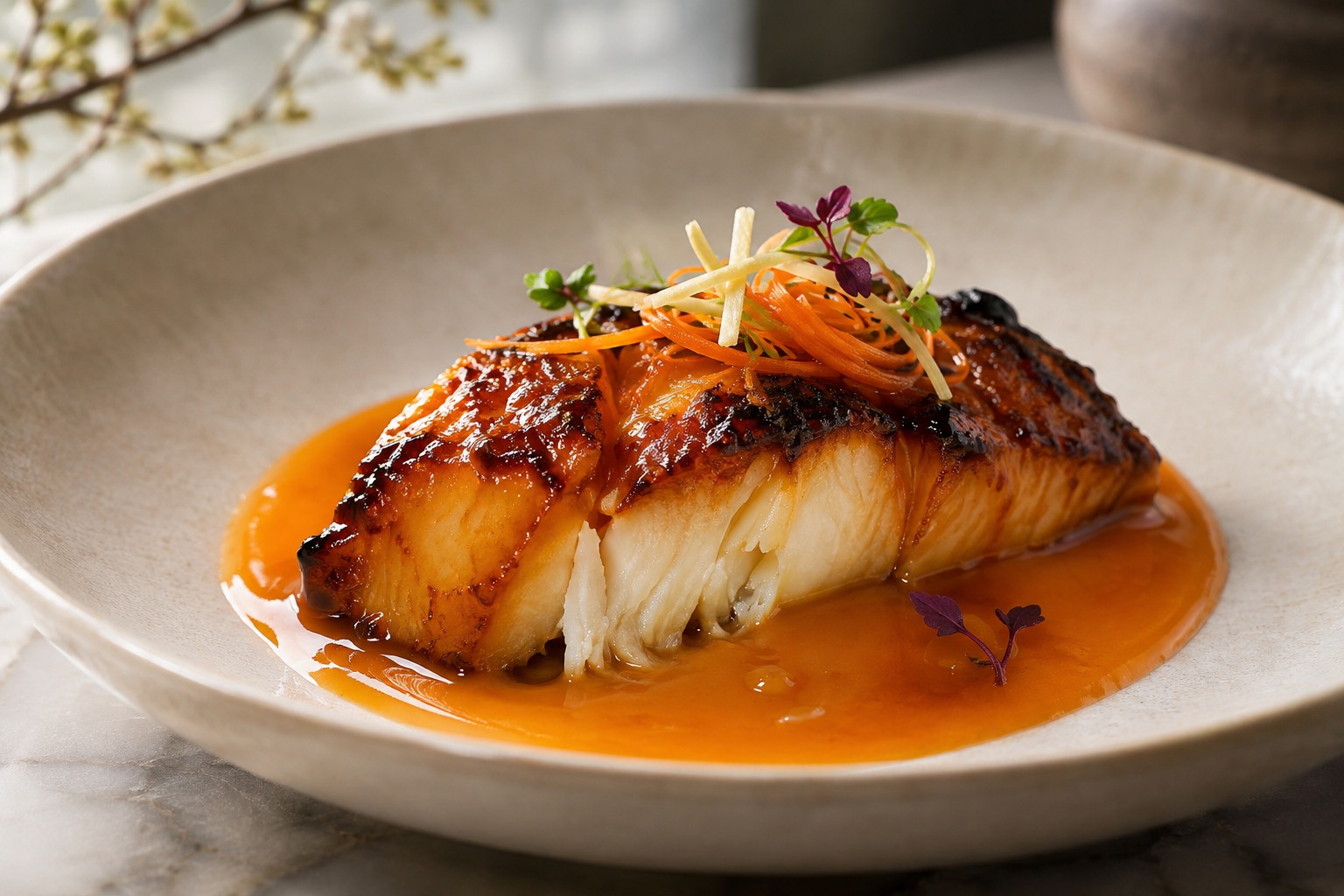
Jean-François Piège brings French restaurant experience to Selman Marrakech through SABO and La Terrasse. Moroccan products, Mediterranean flavours and a sense of occasion give the two dining spaces different personalities.
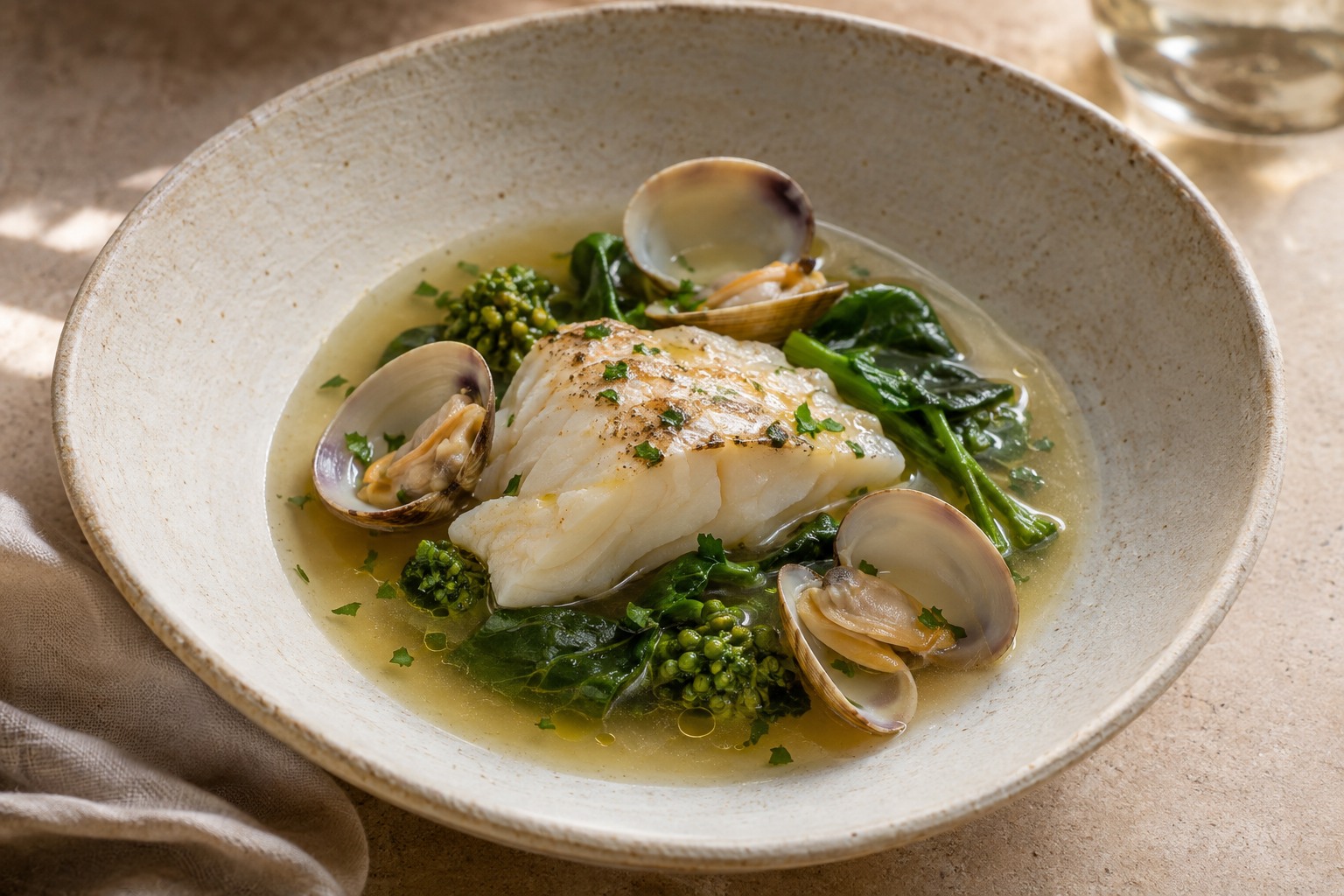
João Sá welcomes diners to SÁLA with Portuguese ingredients, a strong connection to the sea and ideas gathered through travel, in an intimate restaurant in Lisbon’s Baixa.
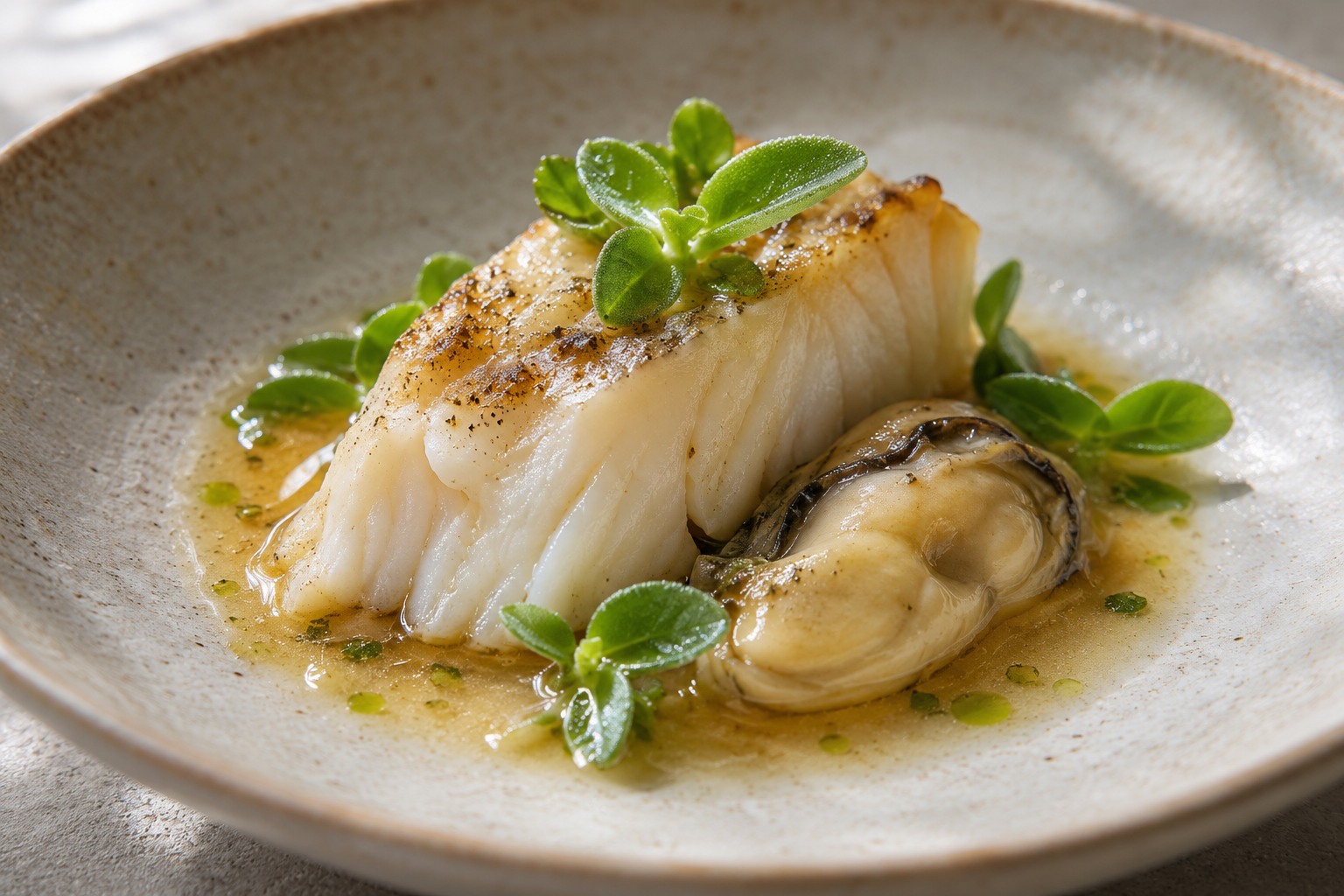
Ryan Cole’s Cape Town kitchen draws on the sea, seasonal plants and preservation. At Salsify at The Roundhouse, a changing tasting menu brings those ideas together with head chef Nina du Toit and the team.
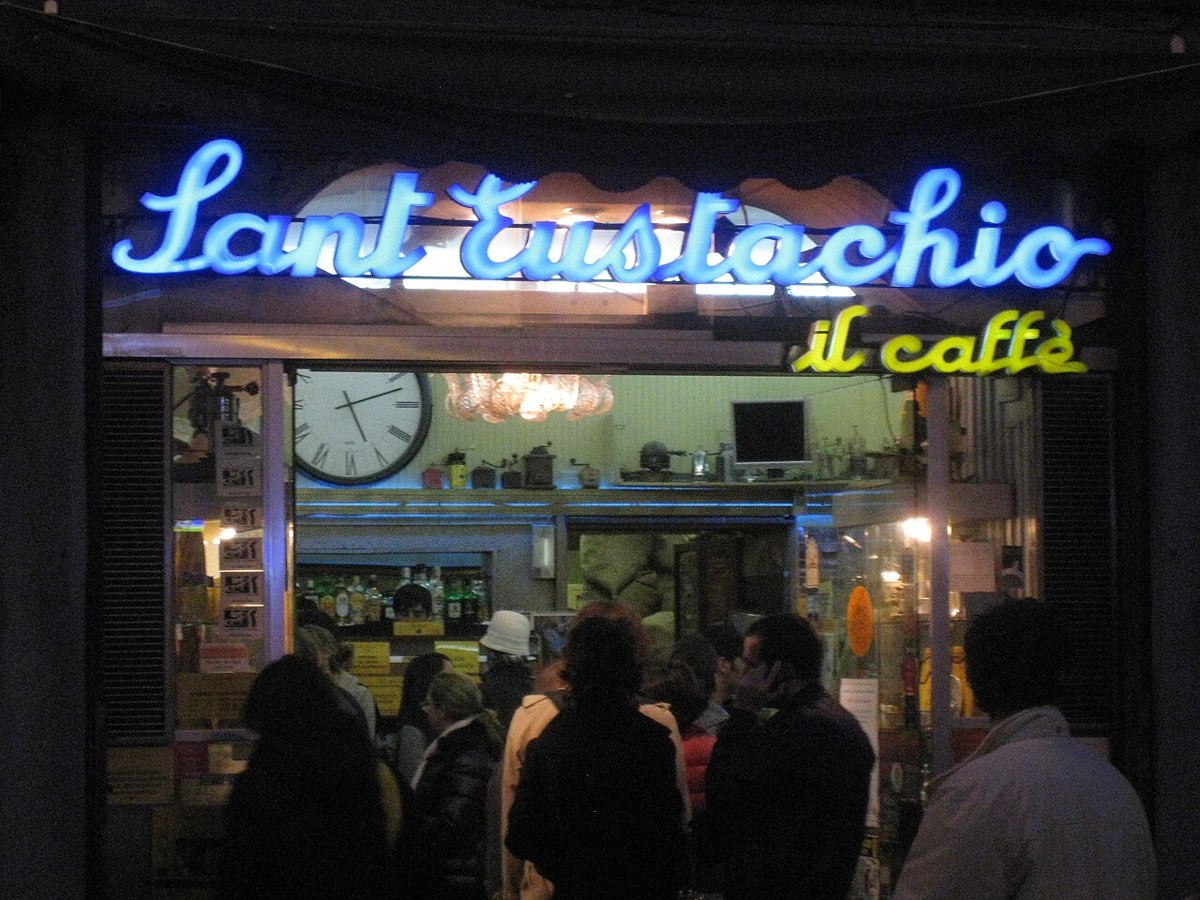
The coffee bar on Piazza Sant’Eustachio; ask about counter and table service before ordering.
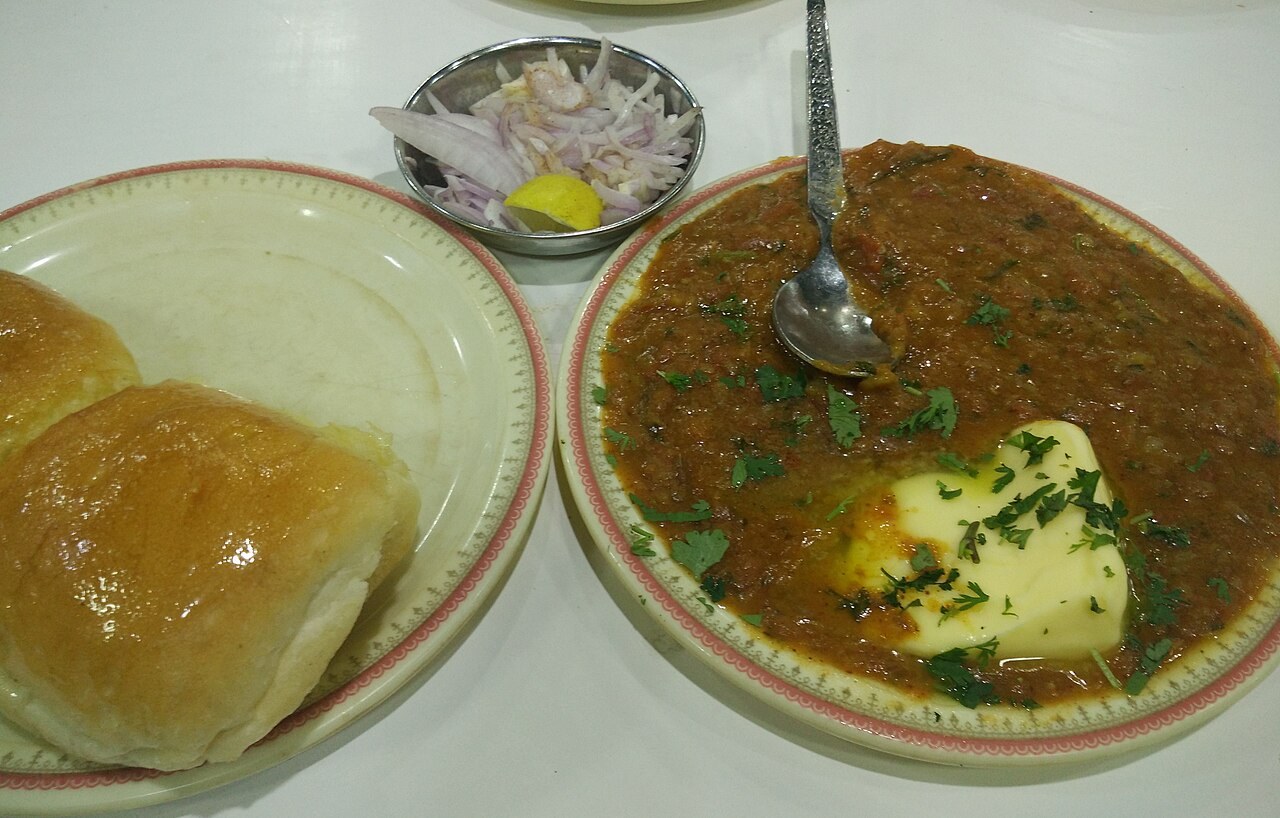
A Tardeo address known for pav bhaji. Ask about butter and portion size when ordering.
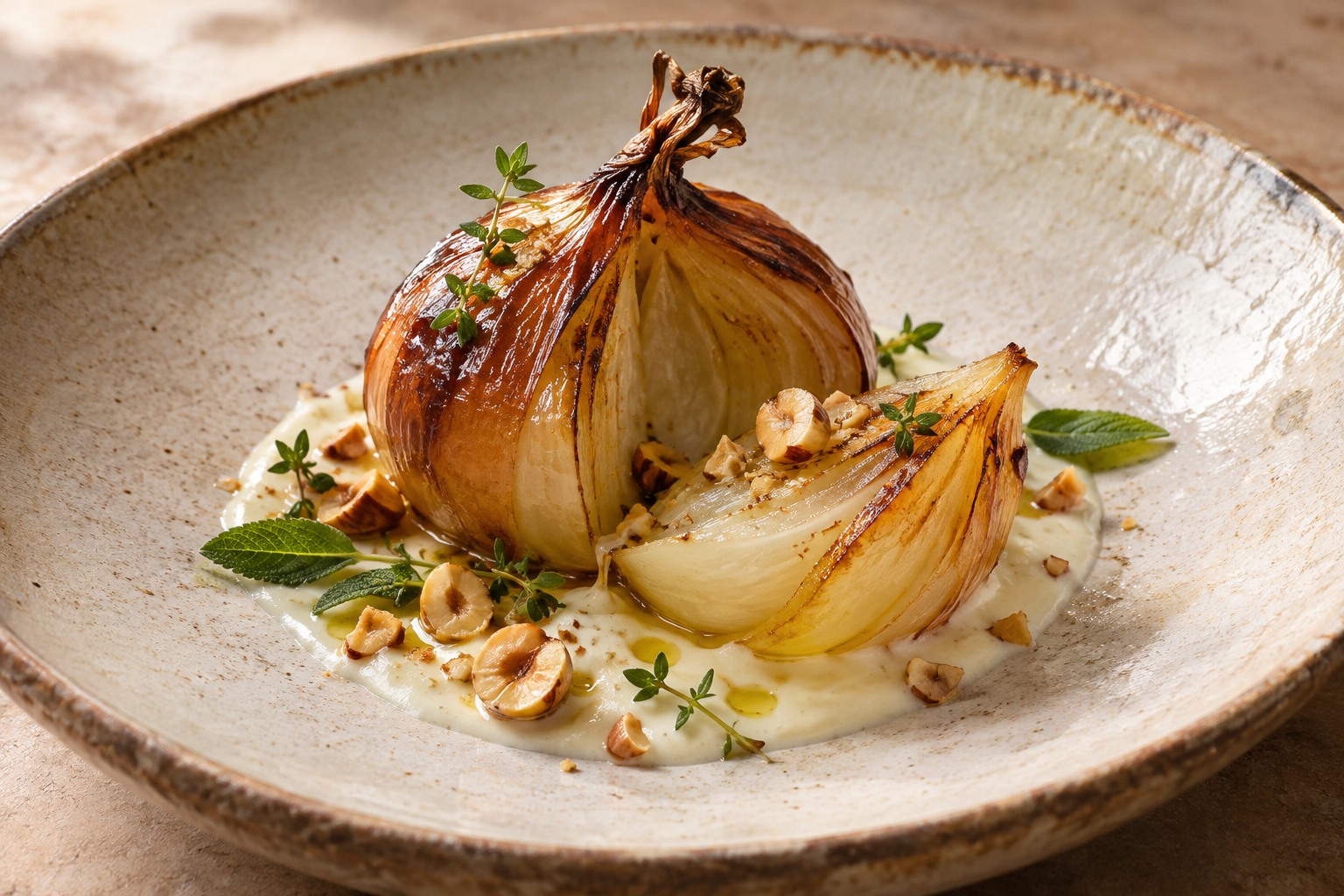
Mario Ferrara builds a Mediterranean cooking language from Lucanian roots, vegetables and exchanges with other food cultures. At Scacco Matto Agli Orti, a former convent and its garden give that language a welcoming Bologna home.
Şehzade in Sirkeci serves horizontally roasted lamb on small cağ skewers.
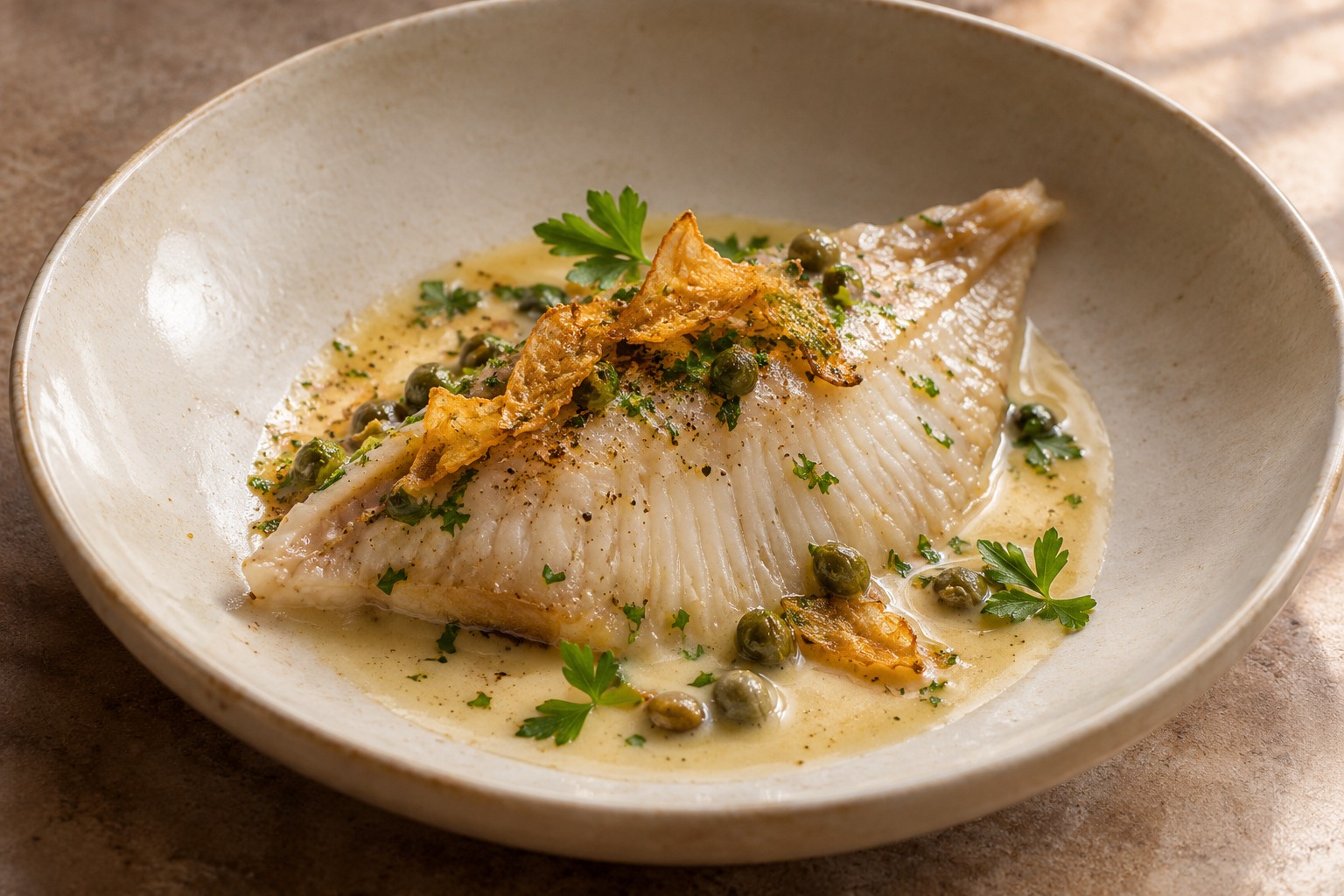
Silvio Nickol brings French-inspired precision, international ideas and a collaborative kitchen to Palais Coburg. Detailed sauces and carefully considered textures guide the meal.
Robin and Camille opened Slake Jacobins in 2015 after developing their coffee skills in New Zealand. Specialty coffee, house-made cakes and brunch carry that journey into Lyon’s Presqu’île, with espresso as welcome as a longer breakfast.
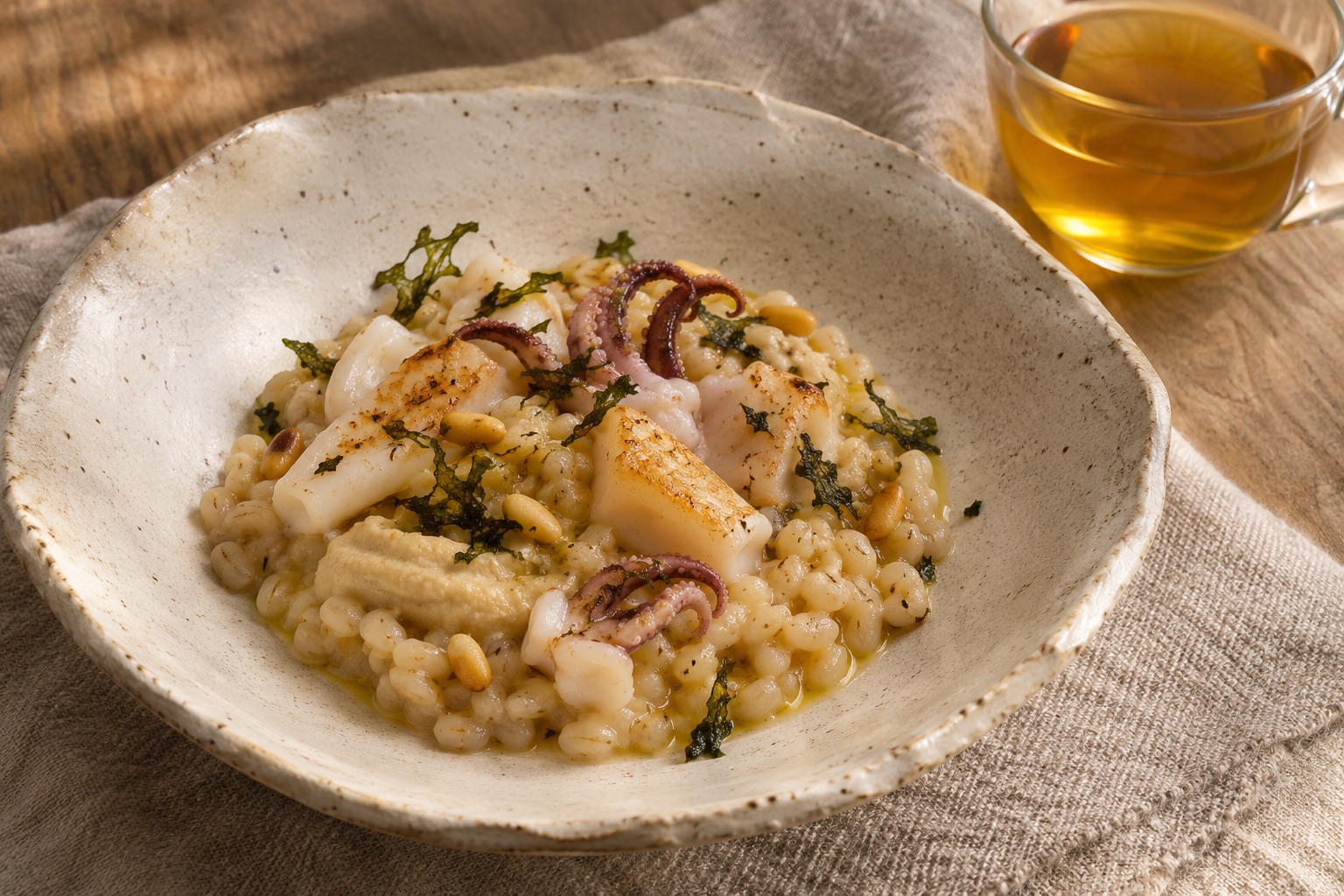
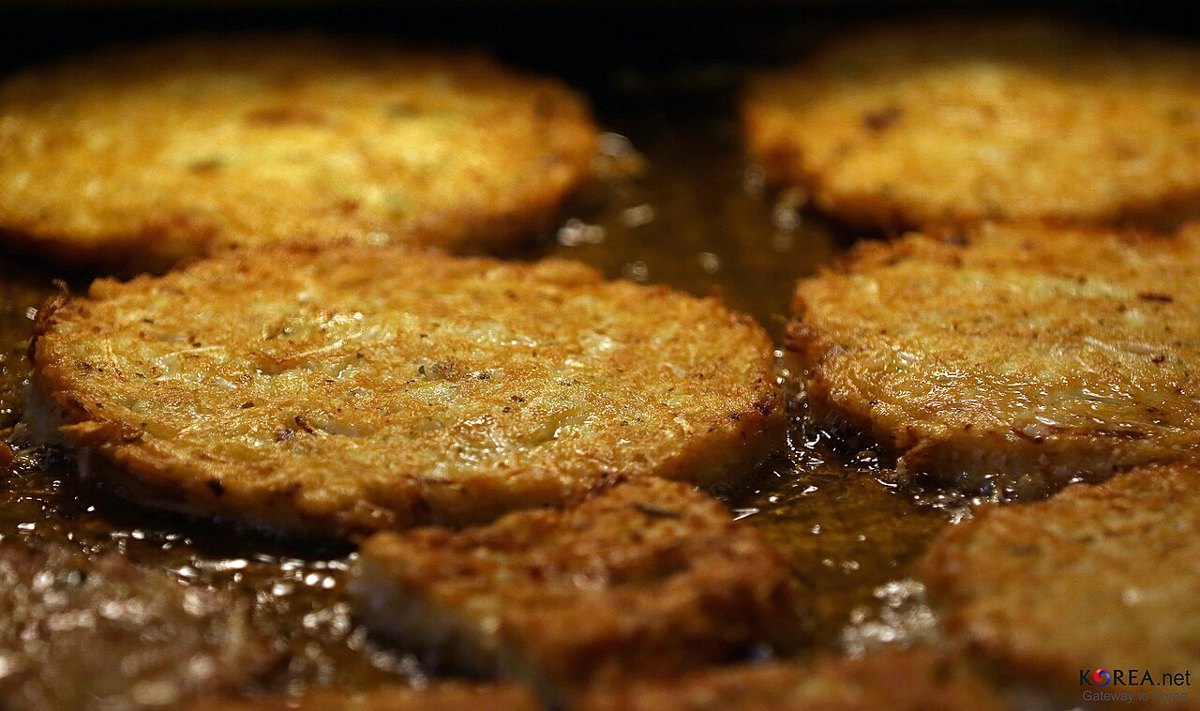
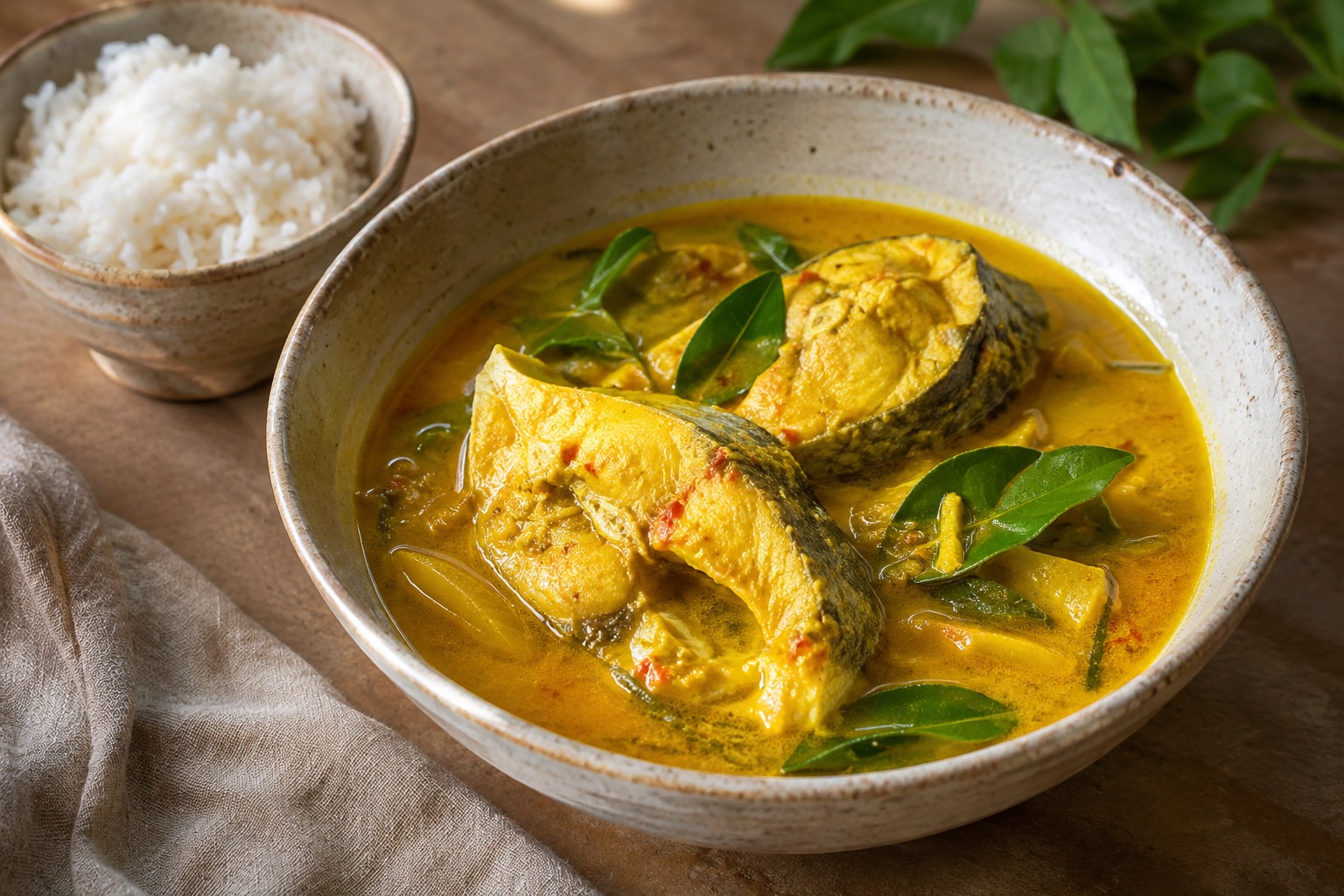
Chef Ice builds SORN around southern Thailand: family memories, regional ingredients and the slow work behind deeply layered curries, rice and seafood.
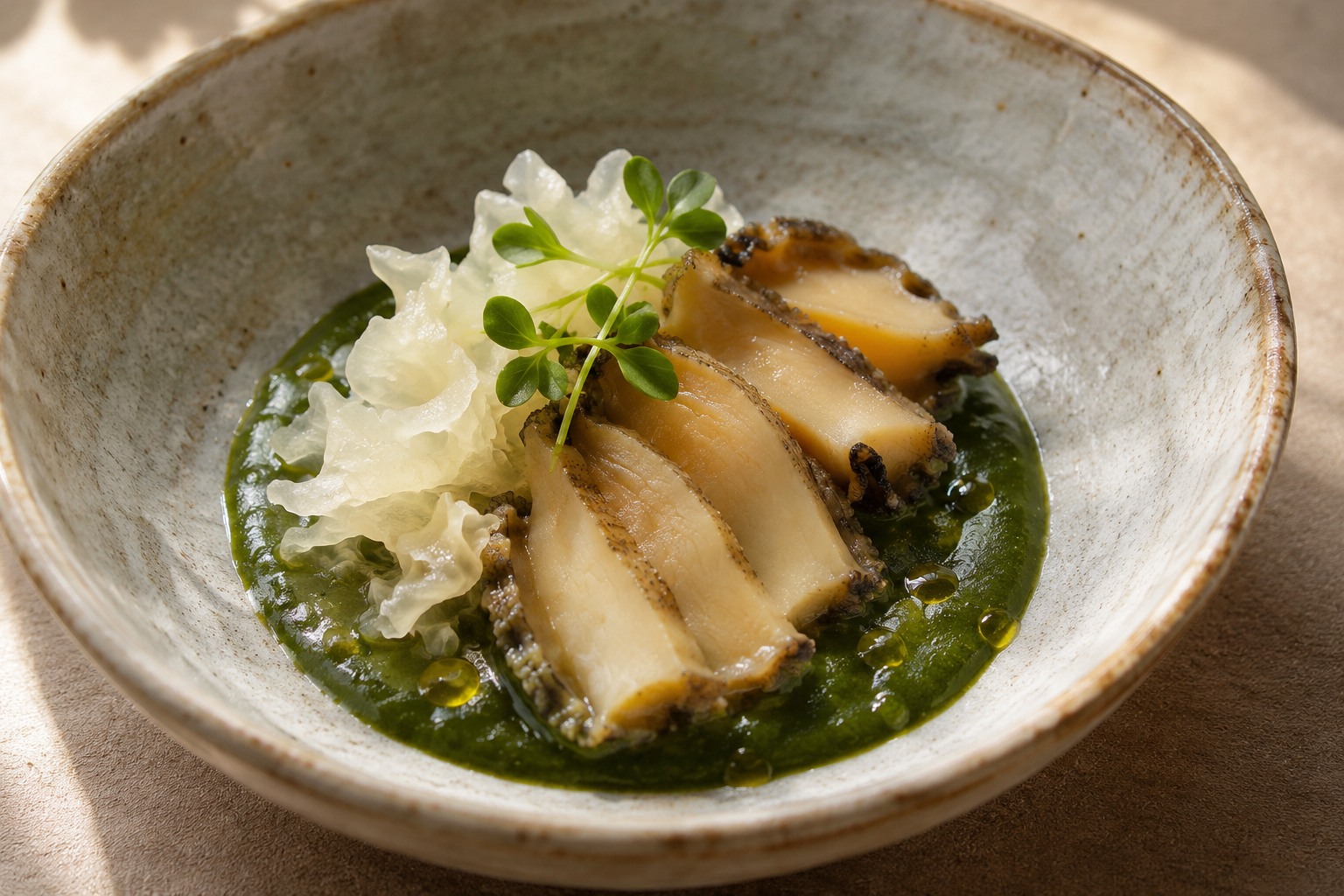
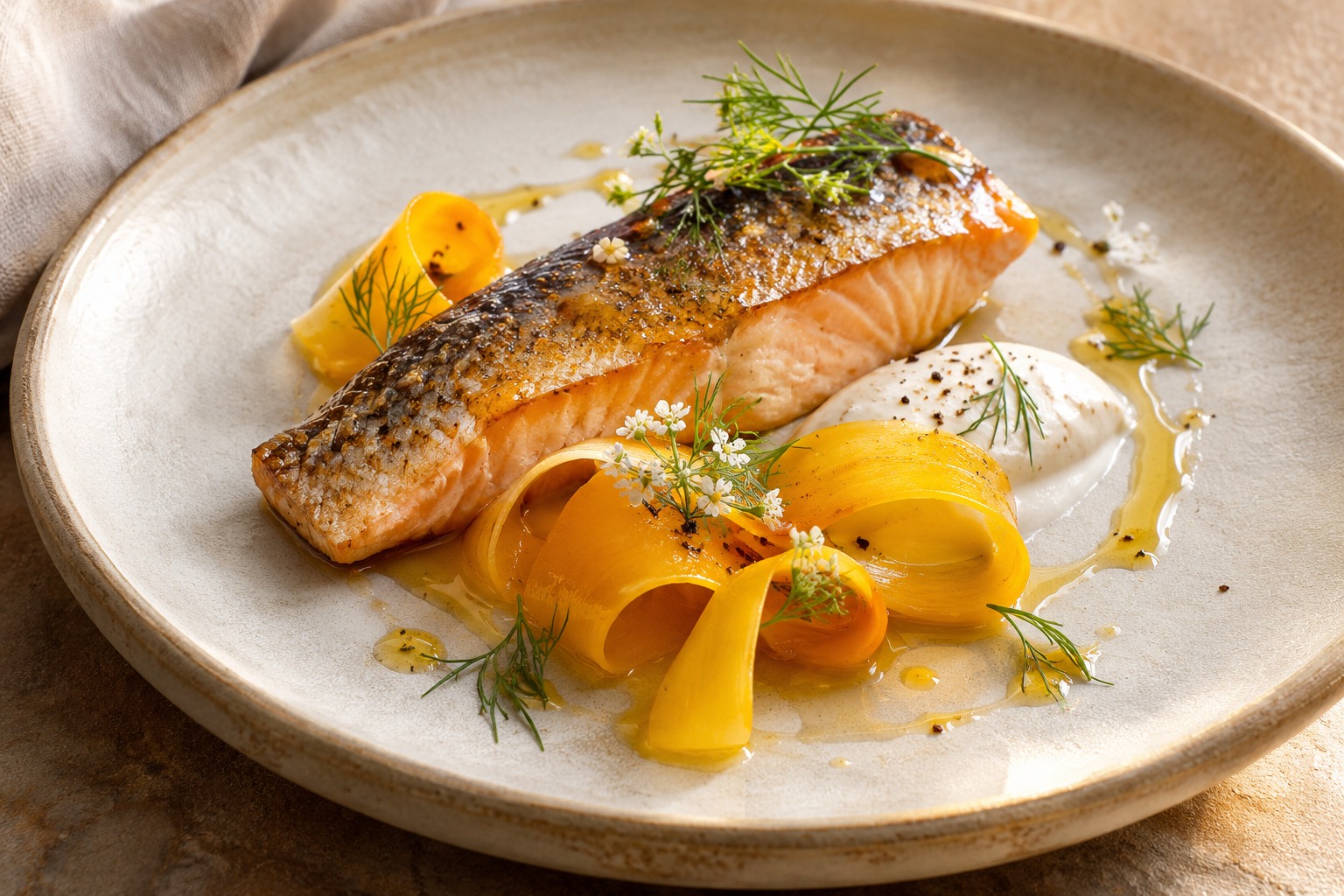
Heinz Reitbauer explores Austria through freshwater fish, forgotten plants and close relationships with producers. At Steirereck, precise cooking meets the warmth of a generous Viennese table.
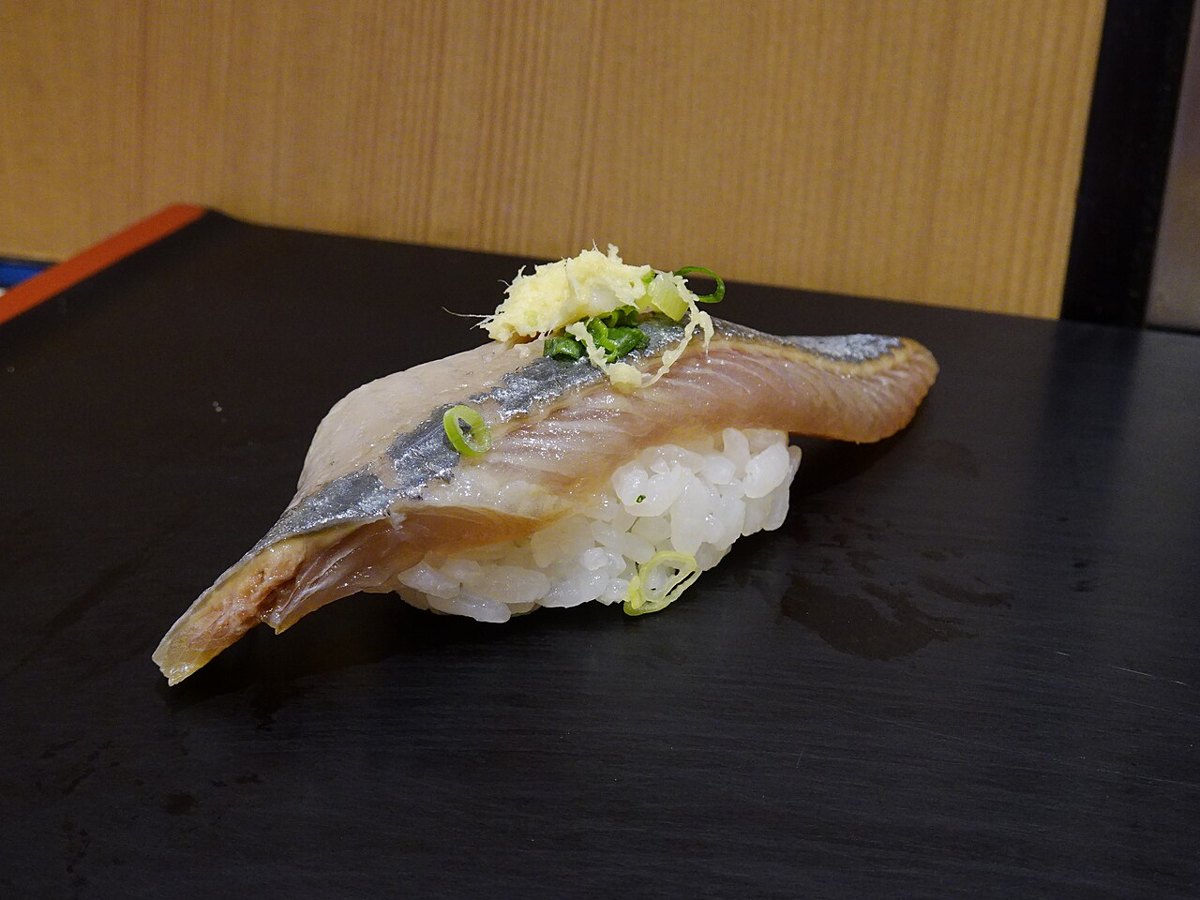
Karadeniz Tadal Pide is a Yeşil Caddesi stop in Sultanbeyli for cheese and kavurma pide.
Tadım in Gaziantep’s Sanayi district is listed for quince-and-sour lamb chops and onion lahmacun.
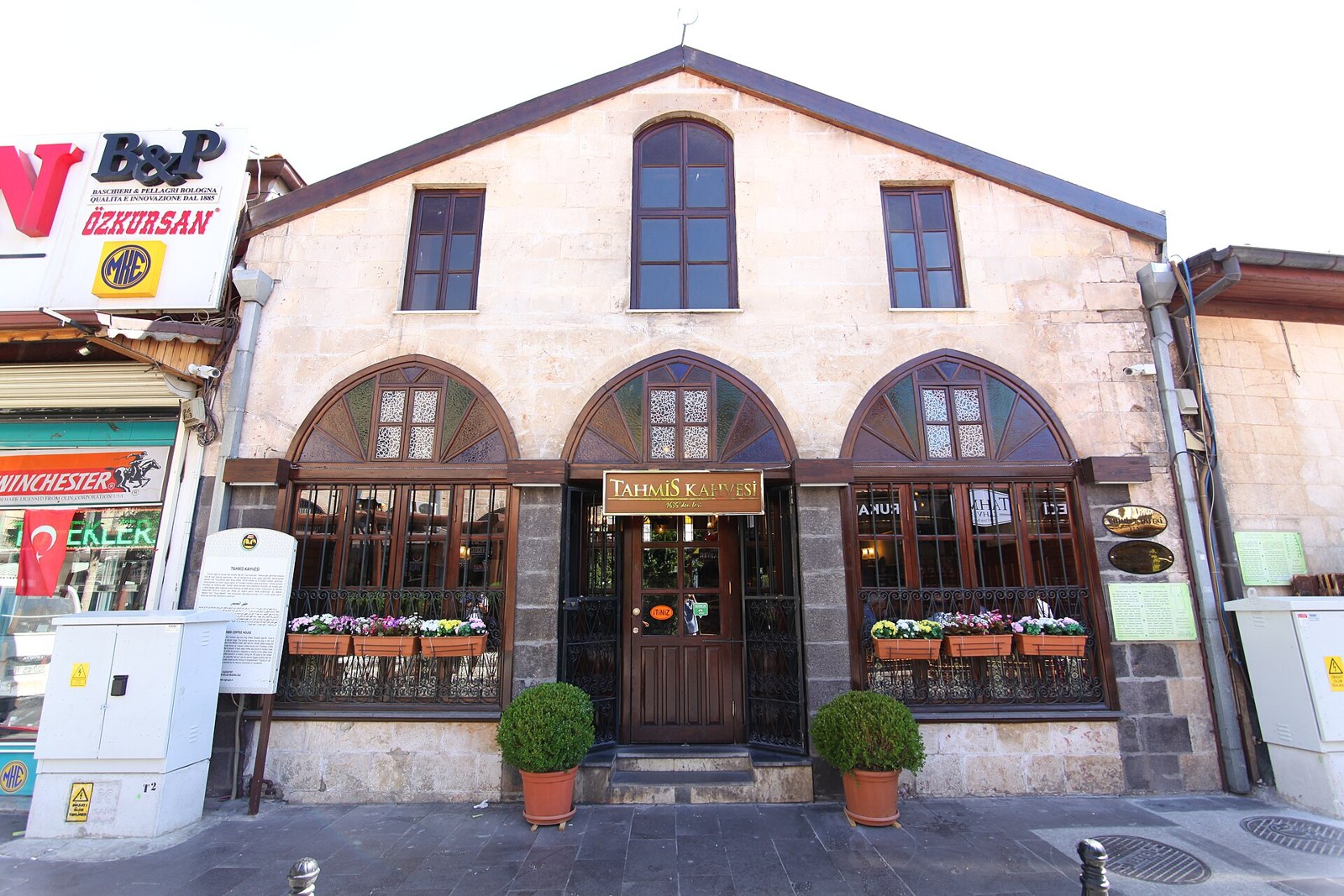
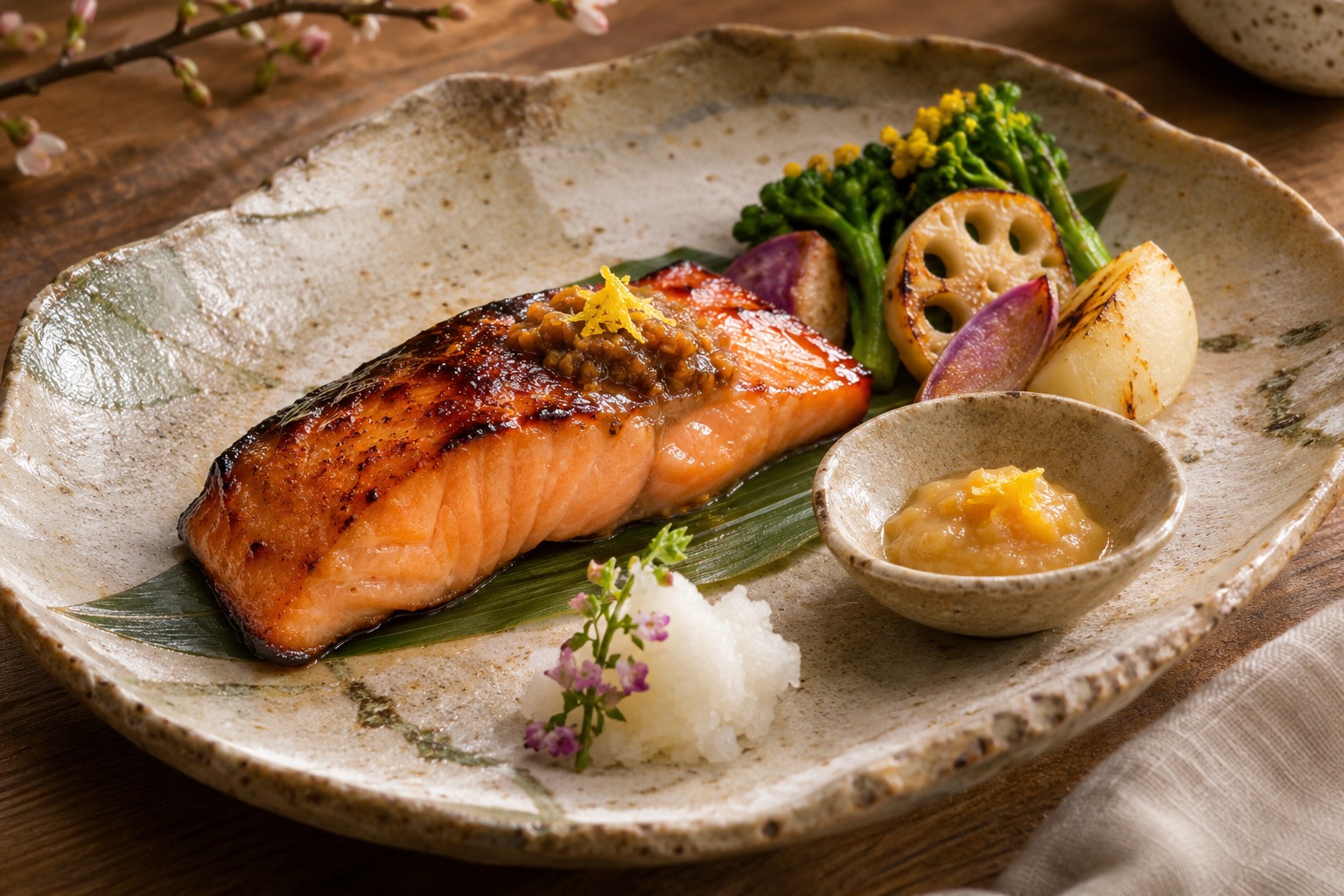
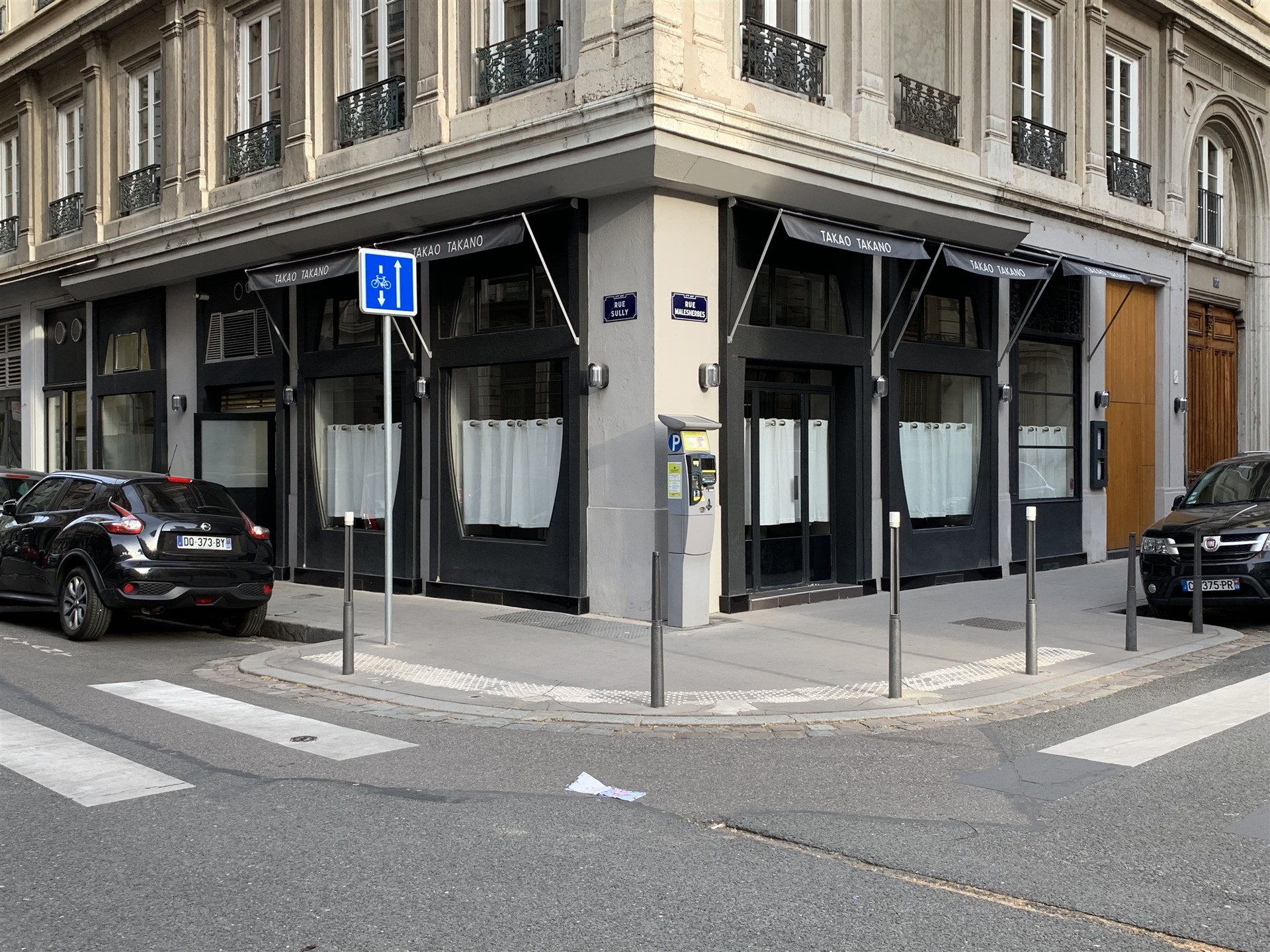
Takao Takano seeks clarity through a few carefully chosen ingredients. Japanese memories and years of French cooking meet in an intimate Lyon restaurant where the product leads the plate.
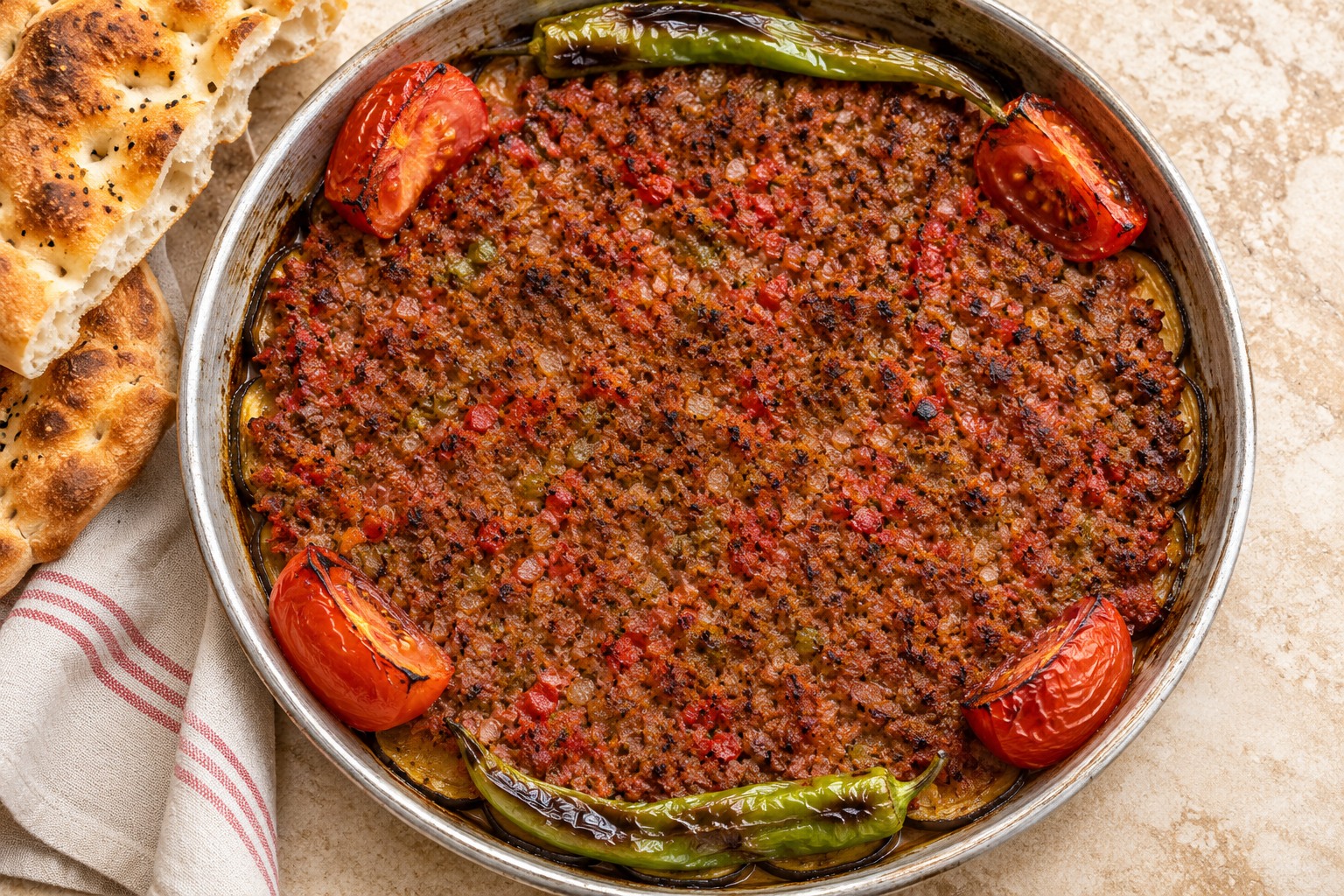
Tavacı İzzet Usta near the bazaar for Kilis tava. Pair the hot minced-lamb tray with pide.
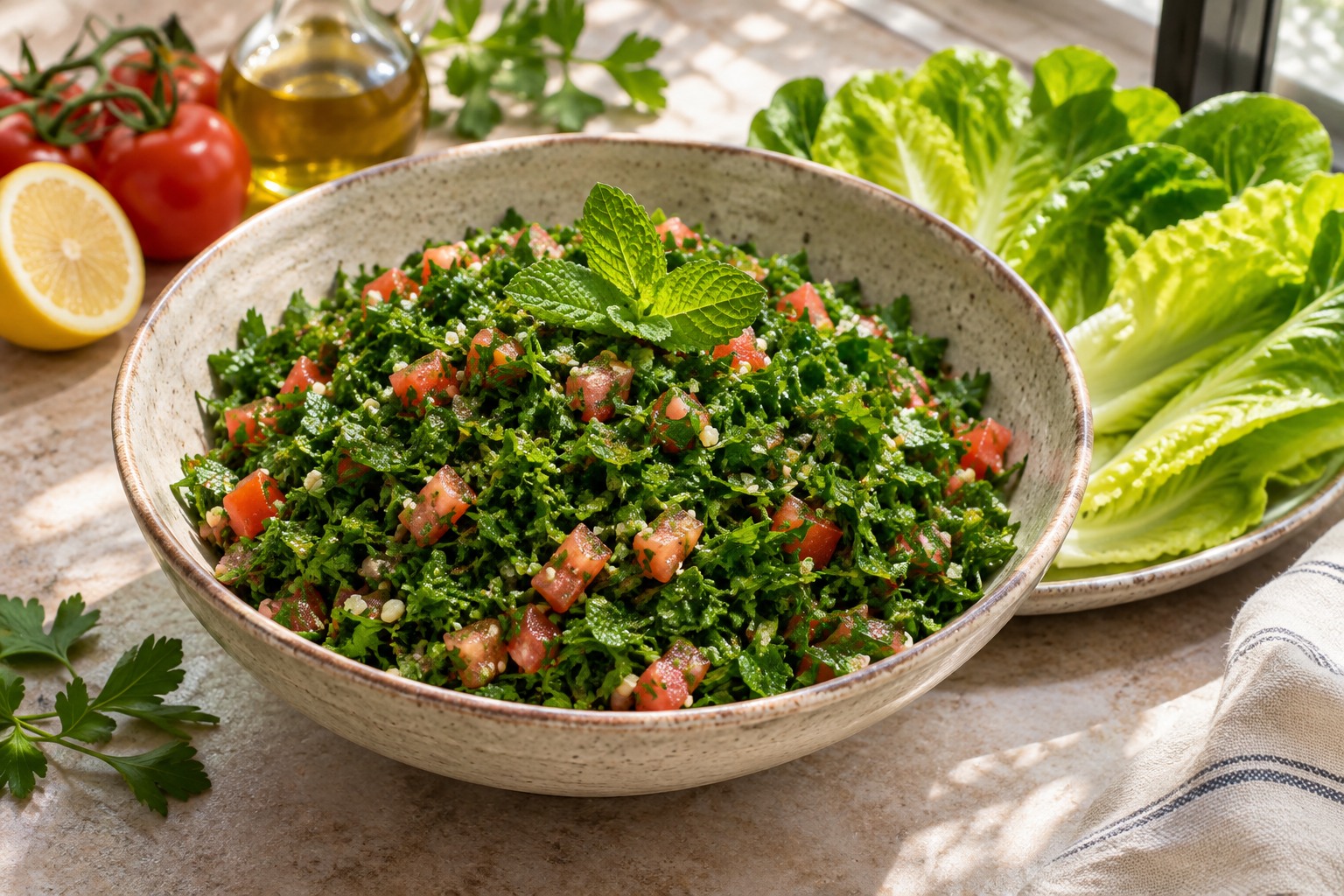
Kamal Mouzawak built Souk el Tayeb and Tawlet around producers and home cooks. His work gives Lebanon’s regional food traditions a shared table, with the people behind each dish at the centre.
Manuel Terzi opened his Bologna coffee house in 2001, treating coffee as a fresh agricultural product rather than an anonymous commodity. The Oberdan bar makes espresso, bean origin and roast the centre of the visit.
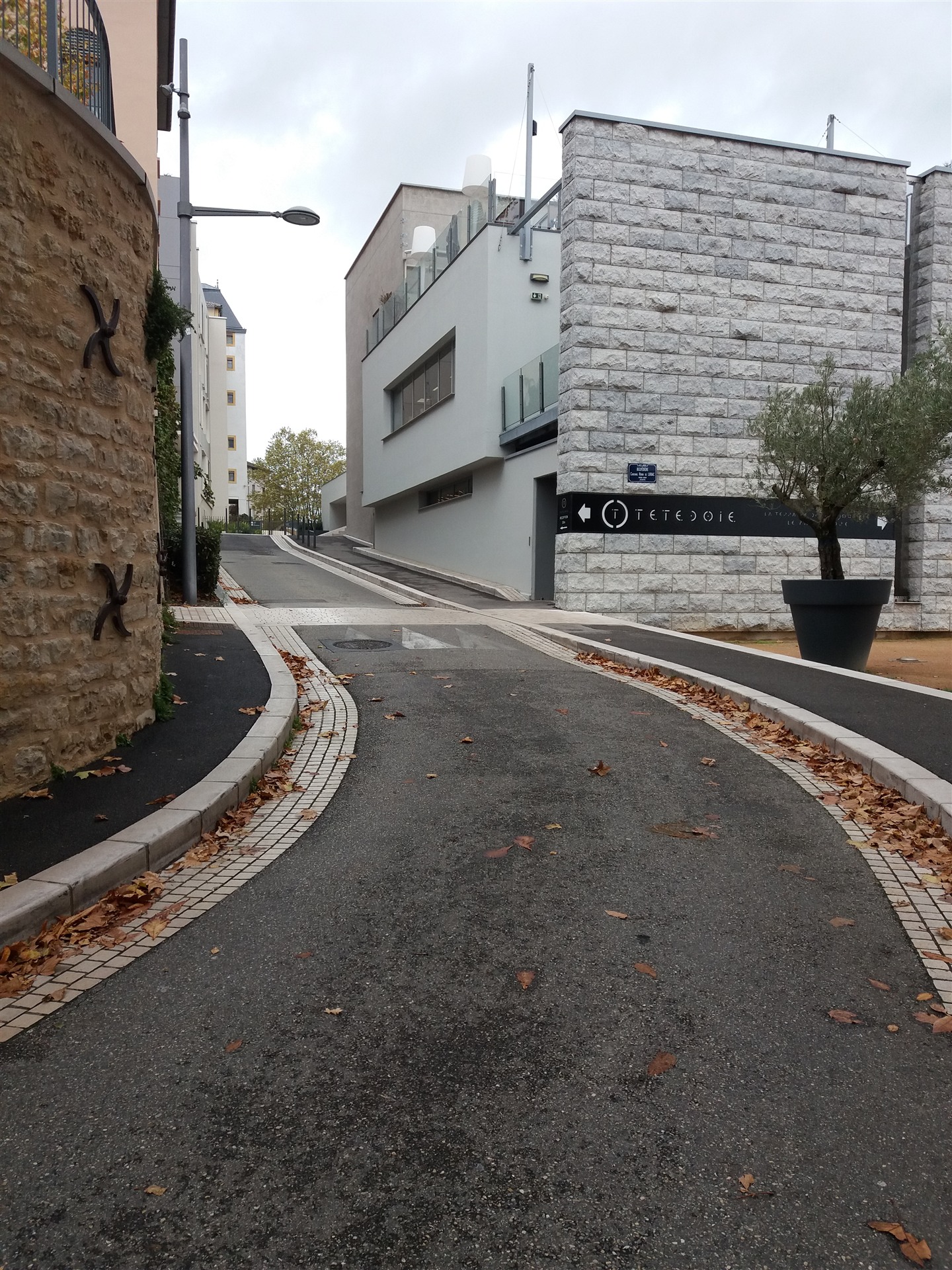
Christian Têtedoie brings French craft, seasonal gardens and a spirit of sharing to Fourvière. His Lyon restaurant looks across the city while exploring a closer relationship with the ingredients around it.
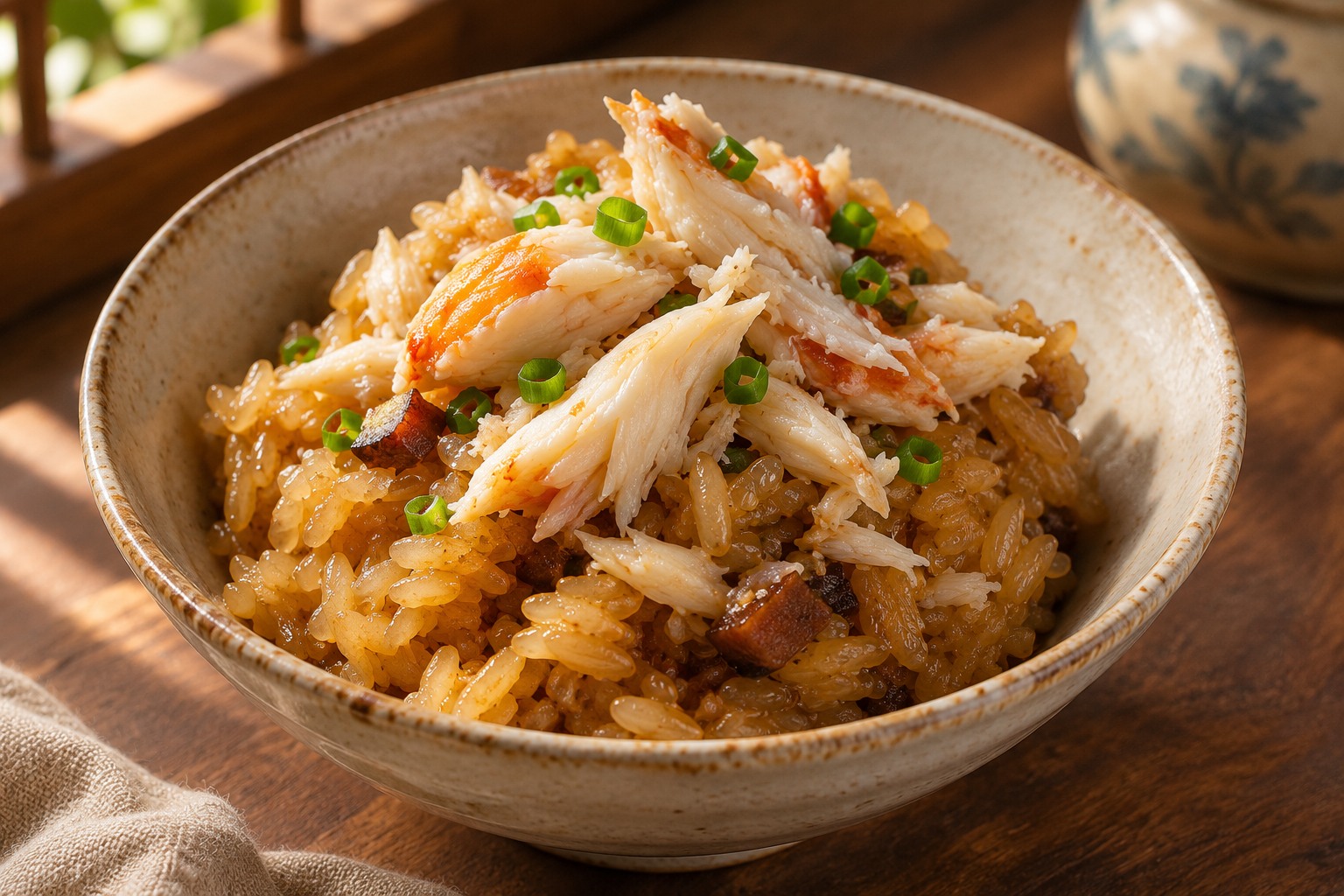
Danny Yip develops a contemporary Cantonese language at The Chairman with head chef Kwok Keung Tung. Local seafood, patient sauce-making and shared dishes give the restaurant its character.
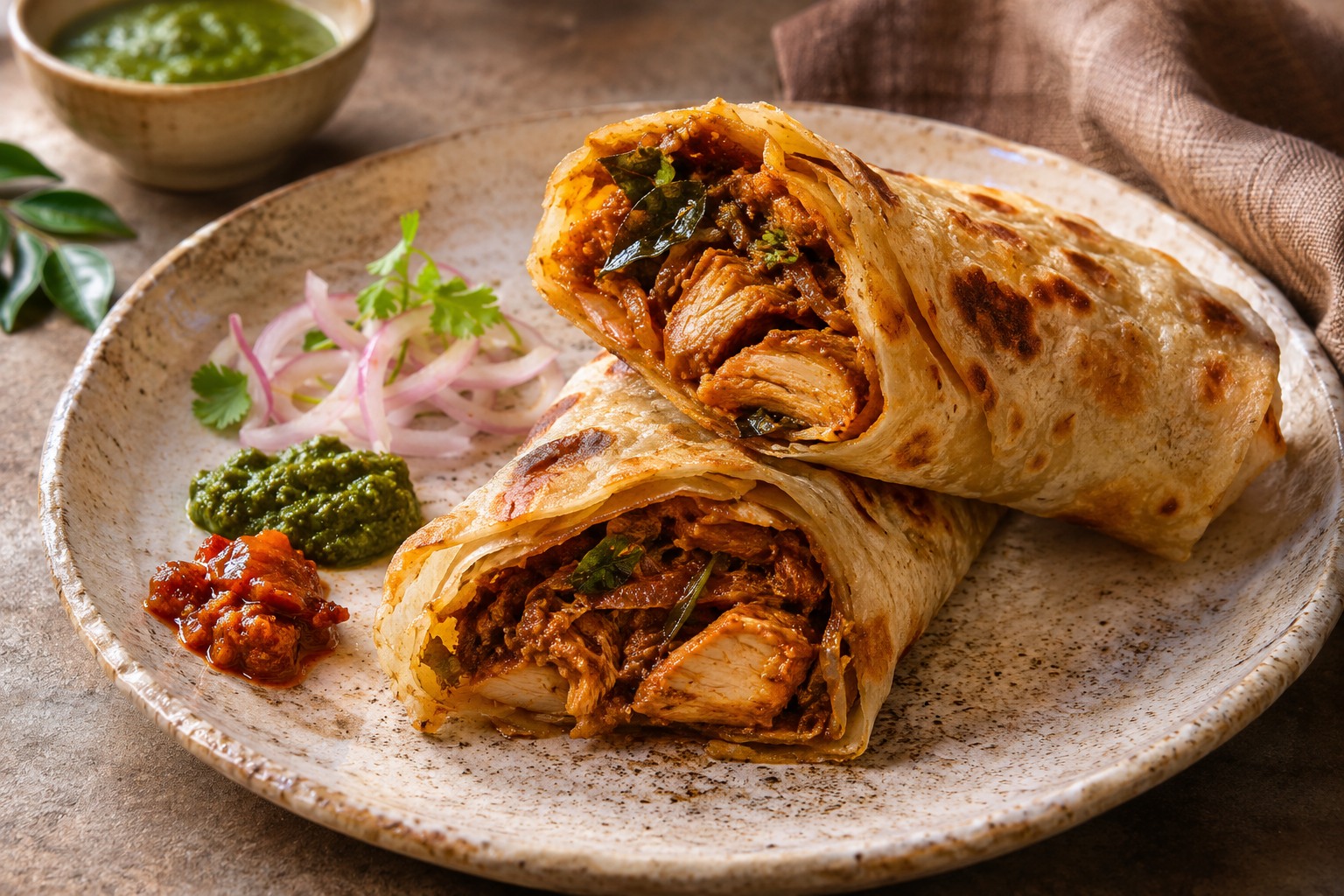
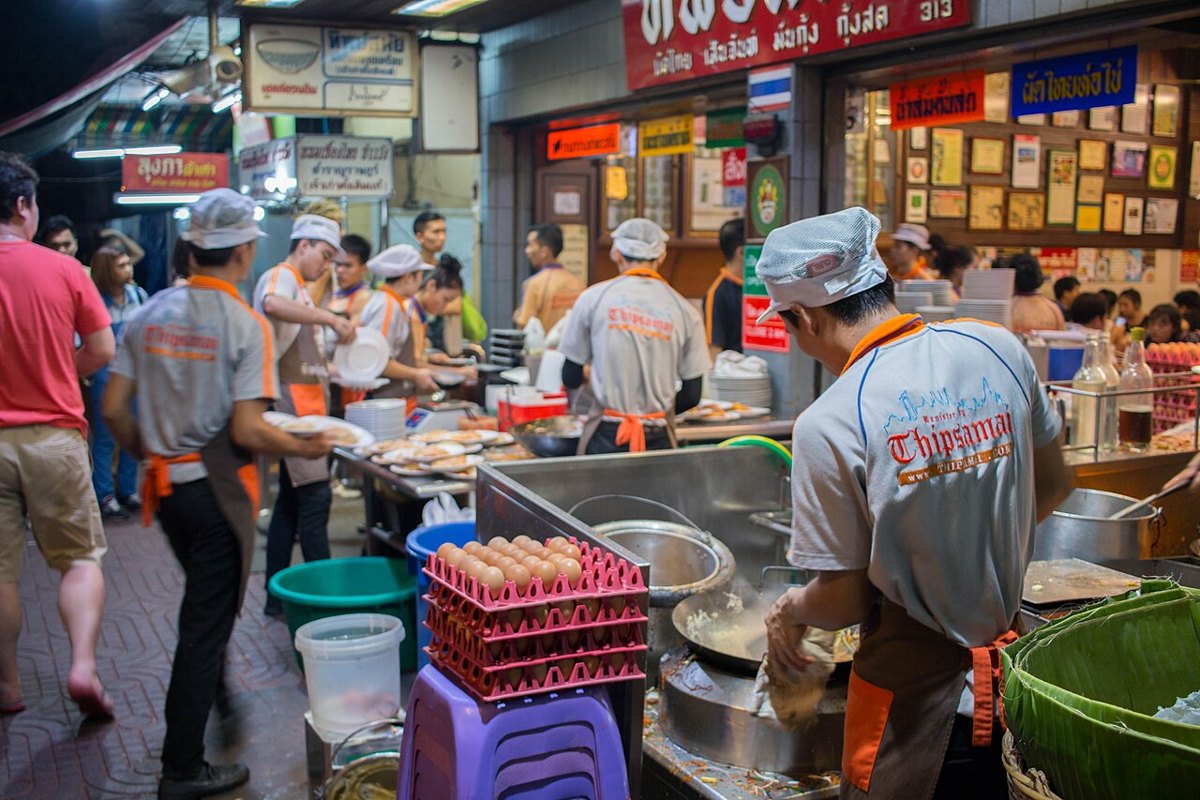
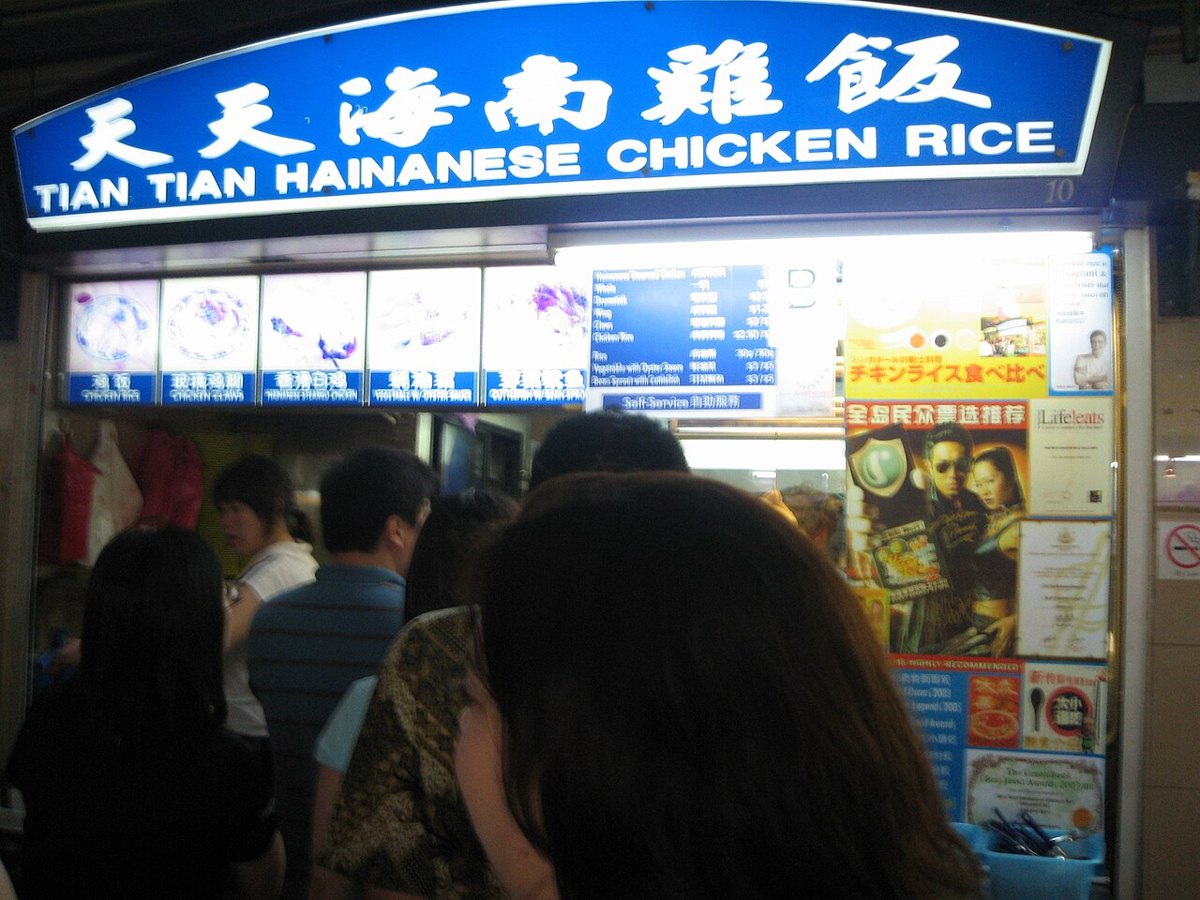
A Hainanese chicken-rice stall inside Maxwell Food Centre.
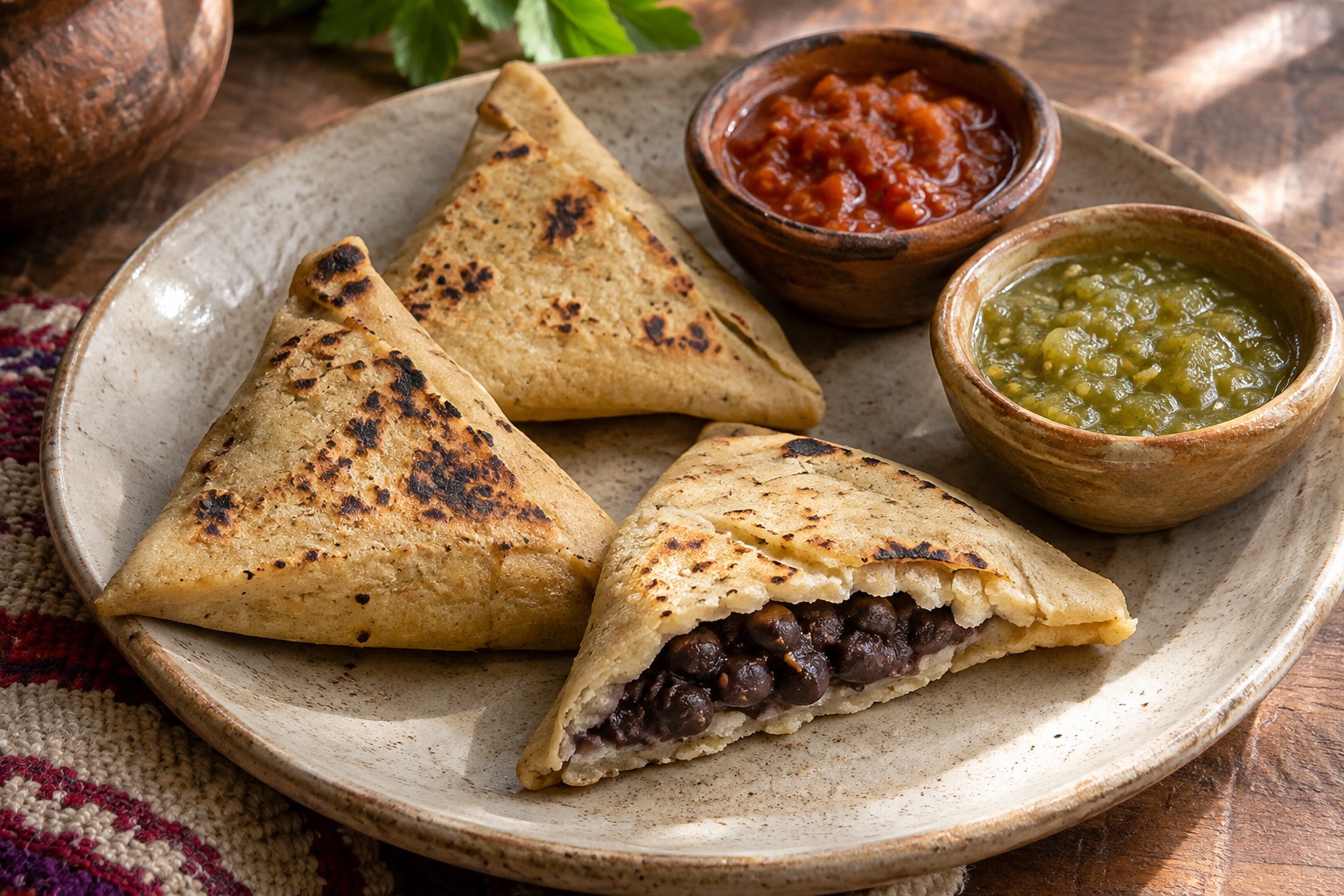
Olga Cabrera shares Mixtec food knowledge through Tierra del Sol, Masea and La Atolería. Corn, moles, toasted masa and warm atoles connect family memory with the pleasures of a meal in Oaxaca city.
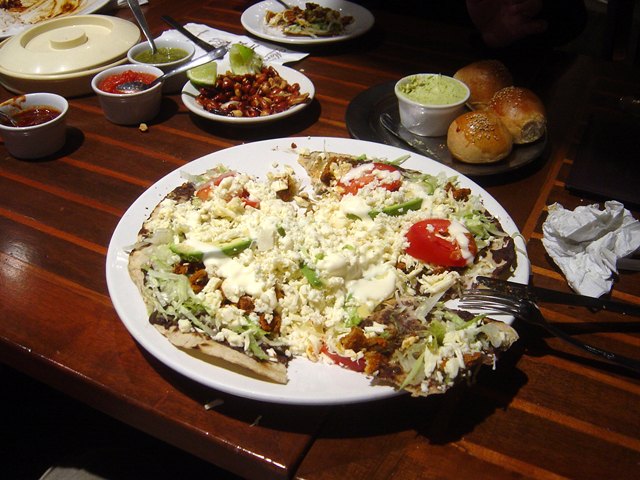
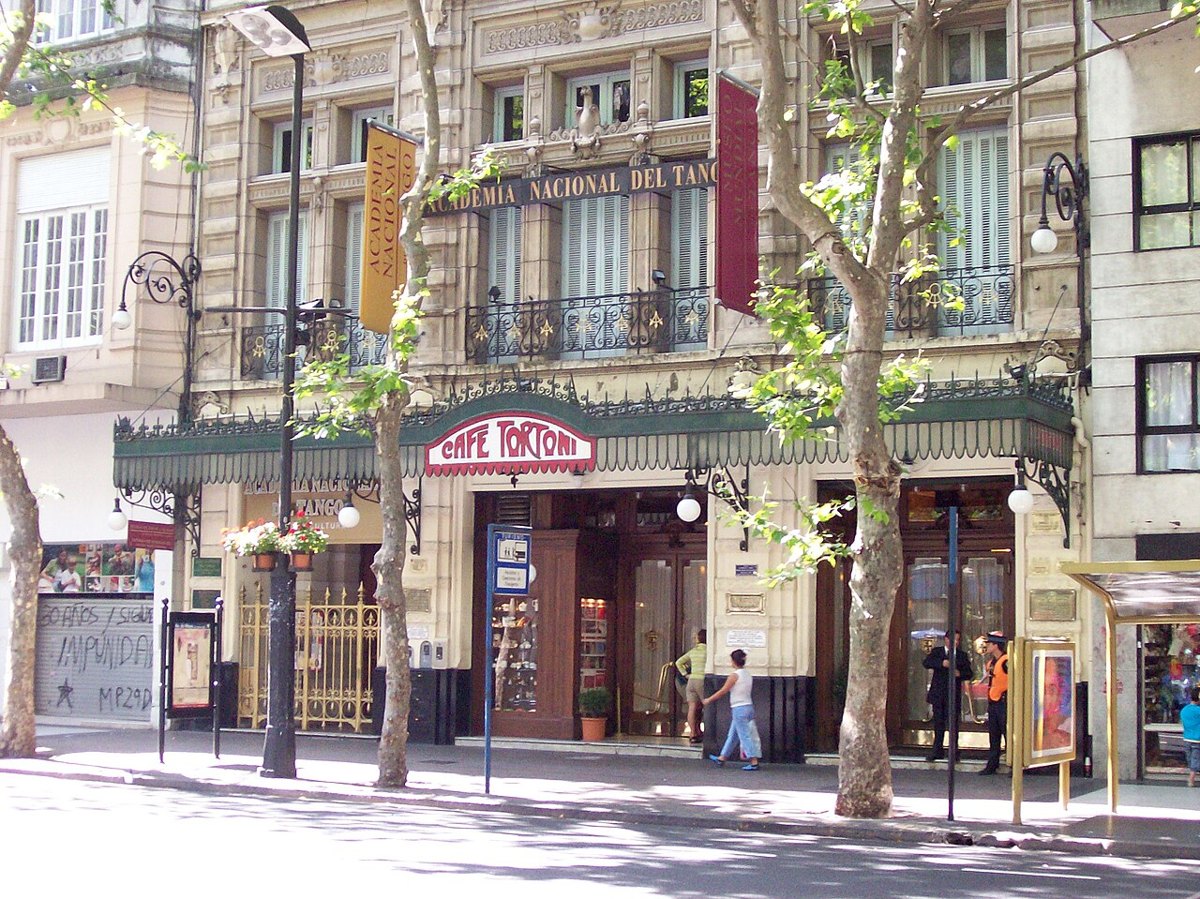
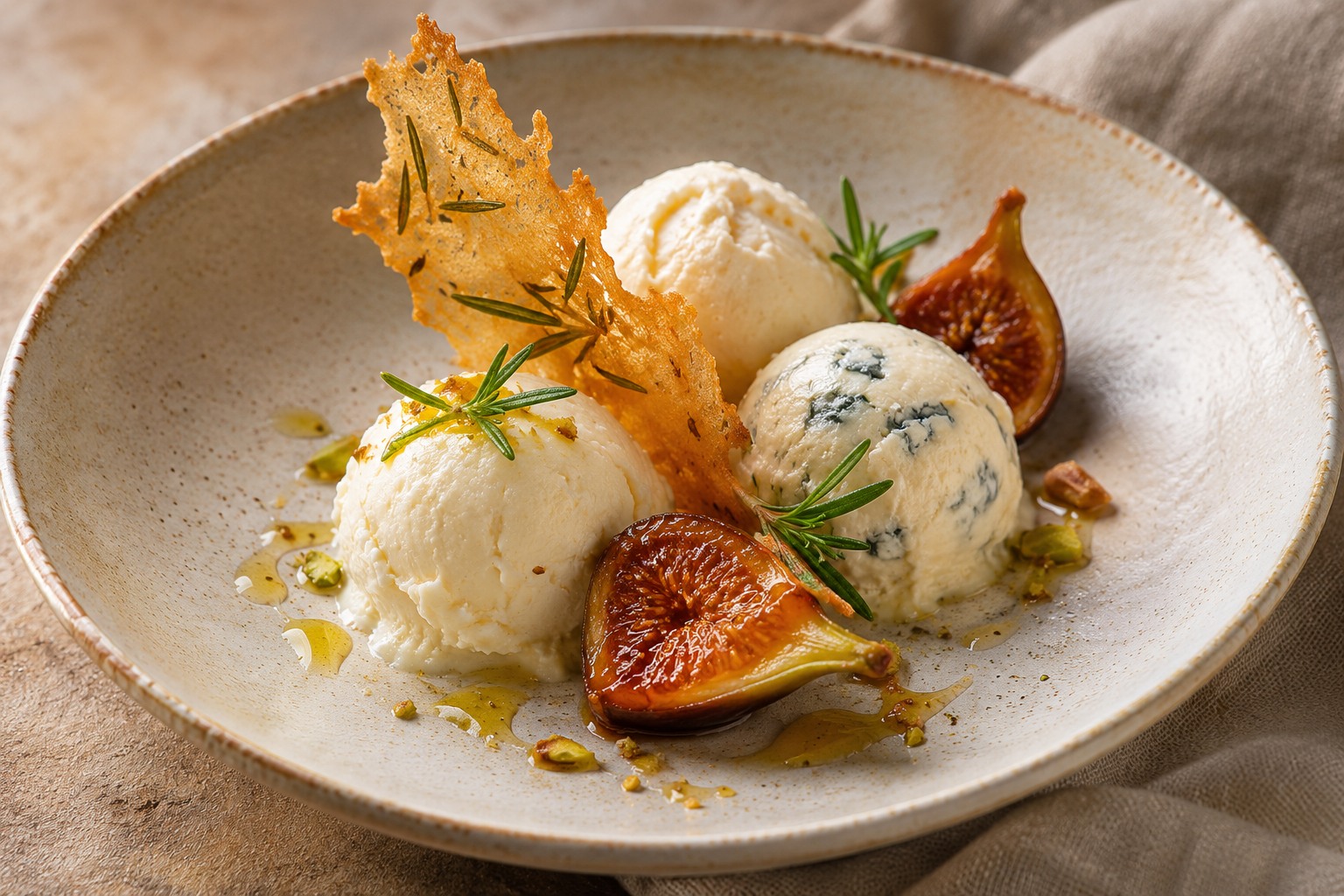
Elisa Rusconi brings family pasta memories and a curiosity for new flavours to Trattoria Da Me. Traditional Bologna dishes share the table with playful cheese gelato, seasonal ideas and traces of her Sicilian family cooking.
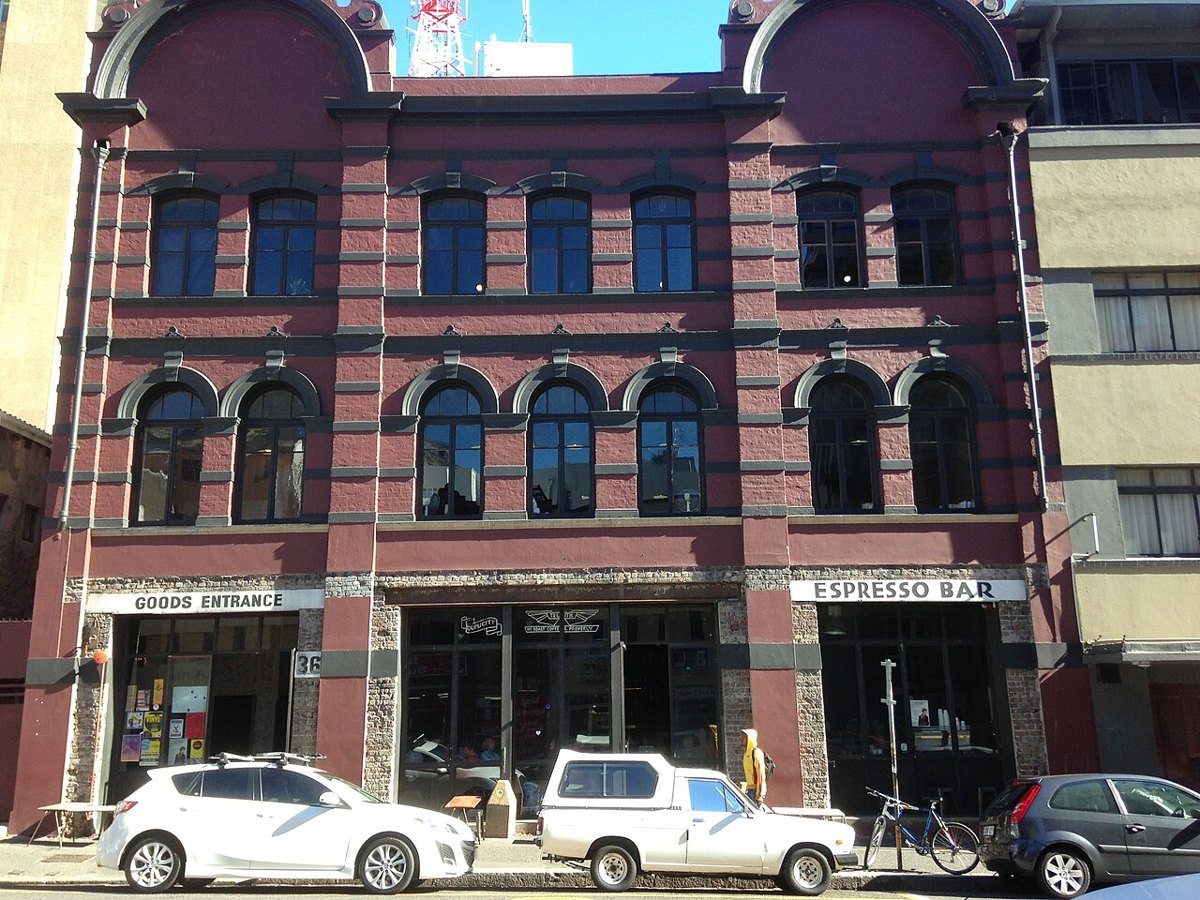
The Buitenkant Street address brings together coffee roasting and a café in one building.
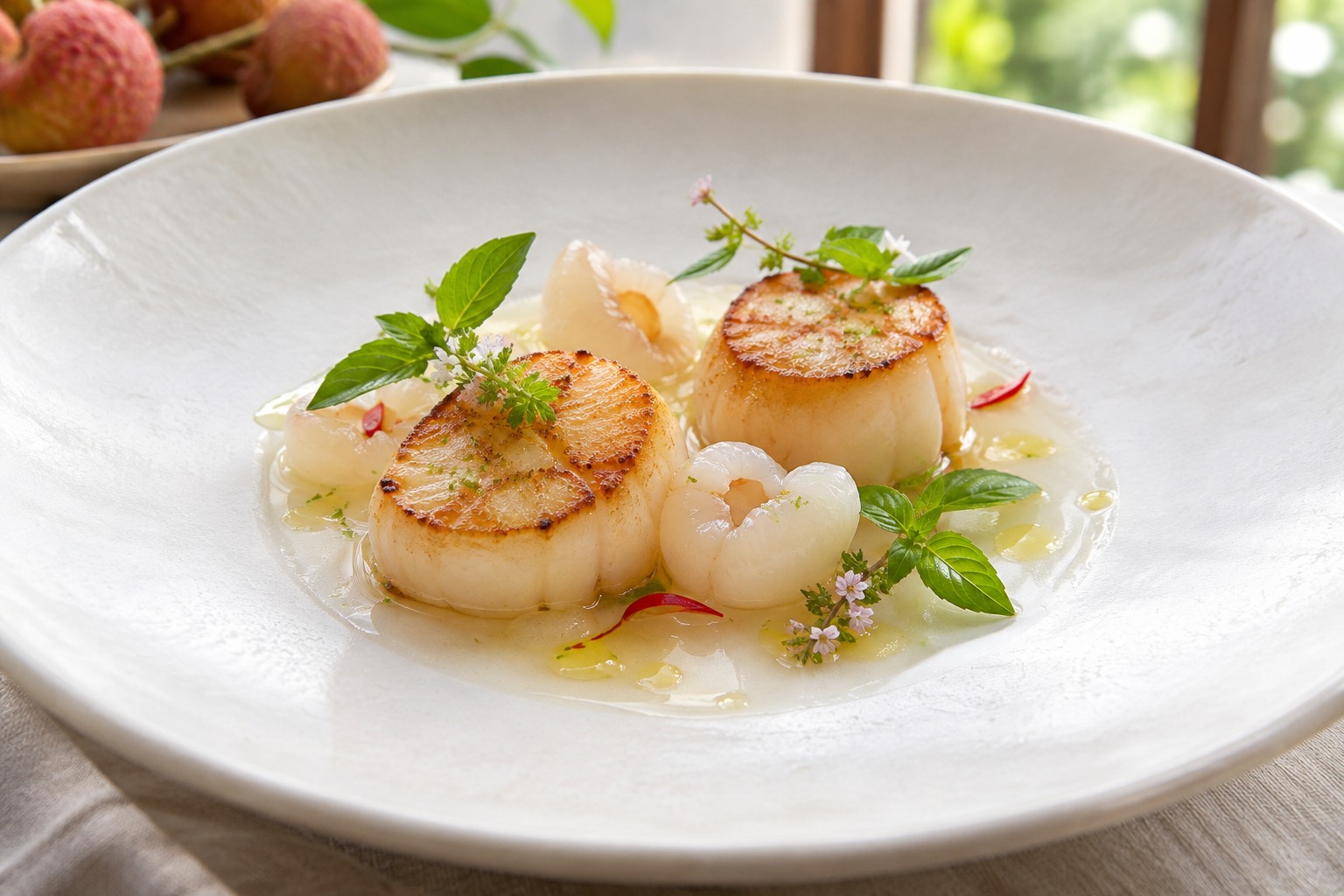
Hoang Tung brings a Nordic-trained eye to Vietnamese ingredients at T.U.N.G dining. Seasonal tasting menus combine precise technique, playful ideas and a small restaurant’s welcoming atmosphere in central Hanoi.
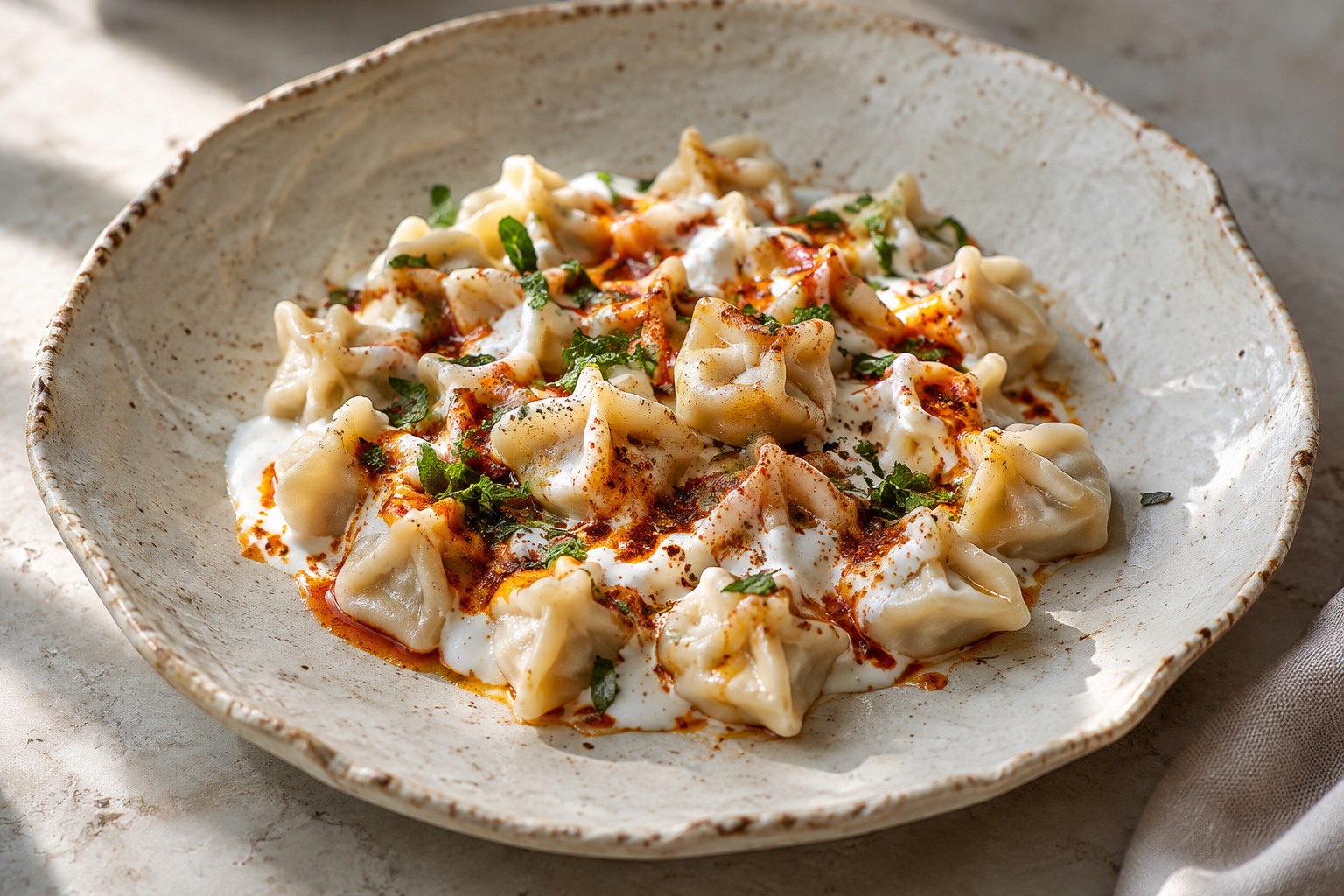
From Istanbul to kitchens across Asia and back: Fatih Tutak explores Anatolian food memories through a seasonal tasting menu at TURK.
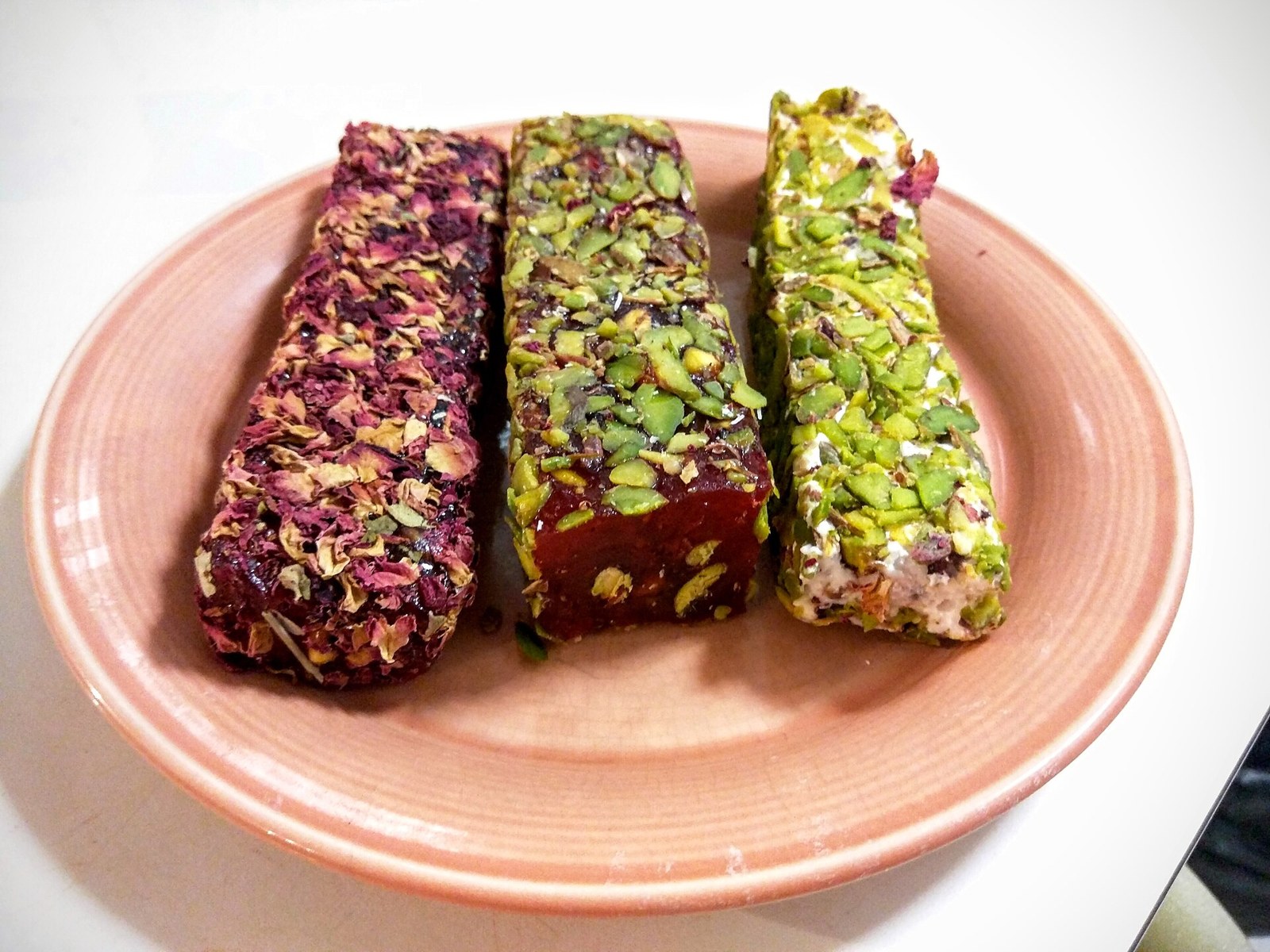
Part of Beyoğlu’s confectionery history since 1926, Üç Yıldız sells lokum, hard candy, nut pastes and preserves.
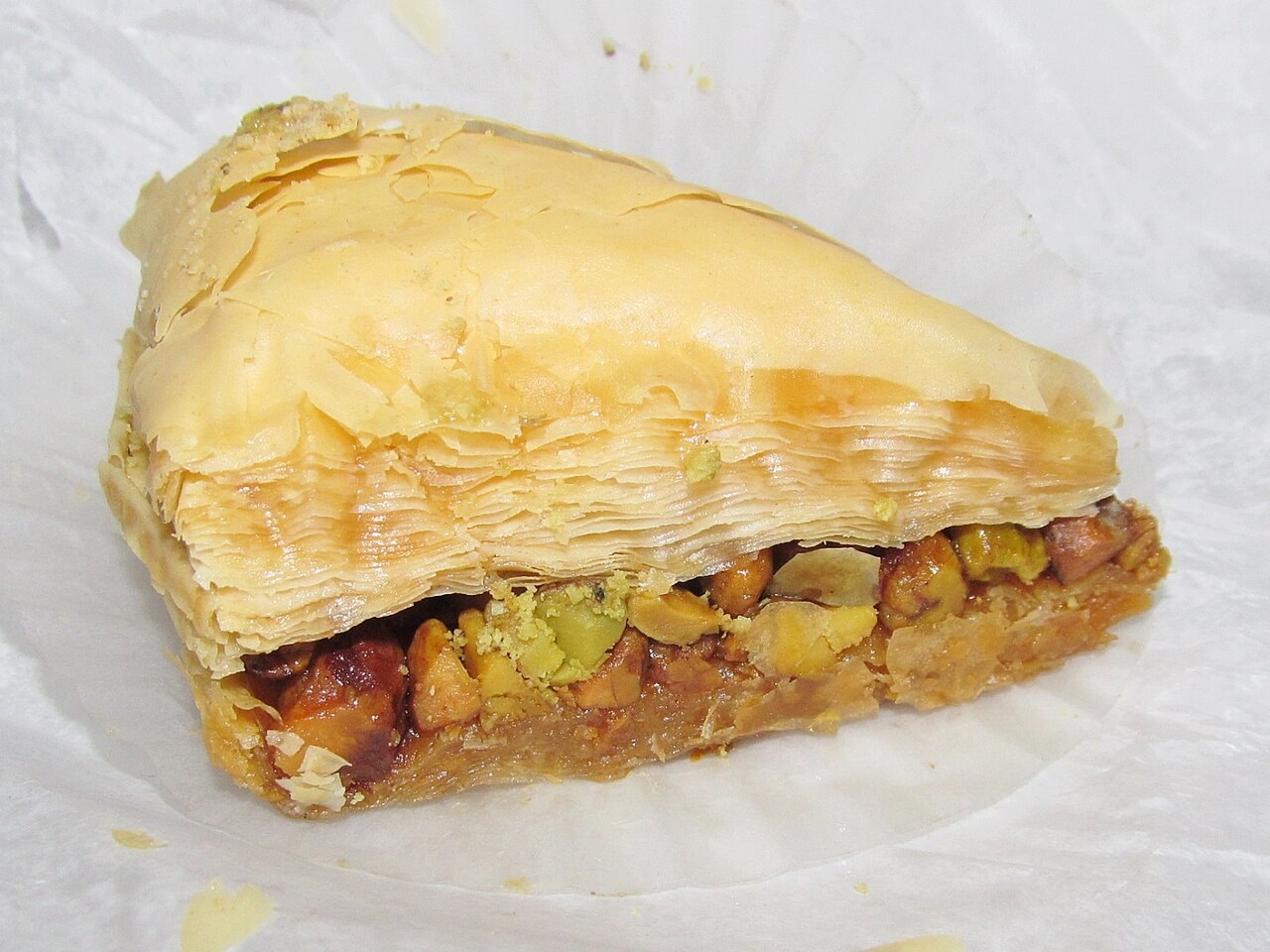
Üstüneller’s central shop in Kamberiye offers walnut, pistachio and cream-filled baklava made with clarified butter.
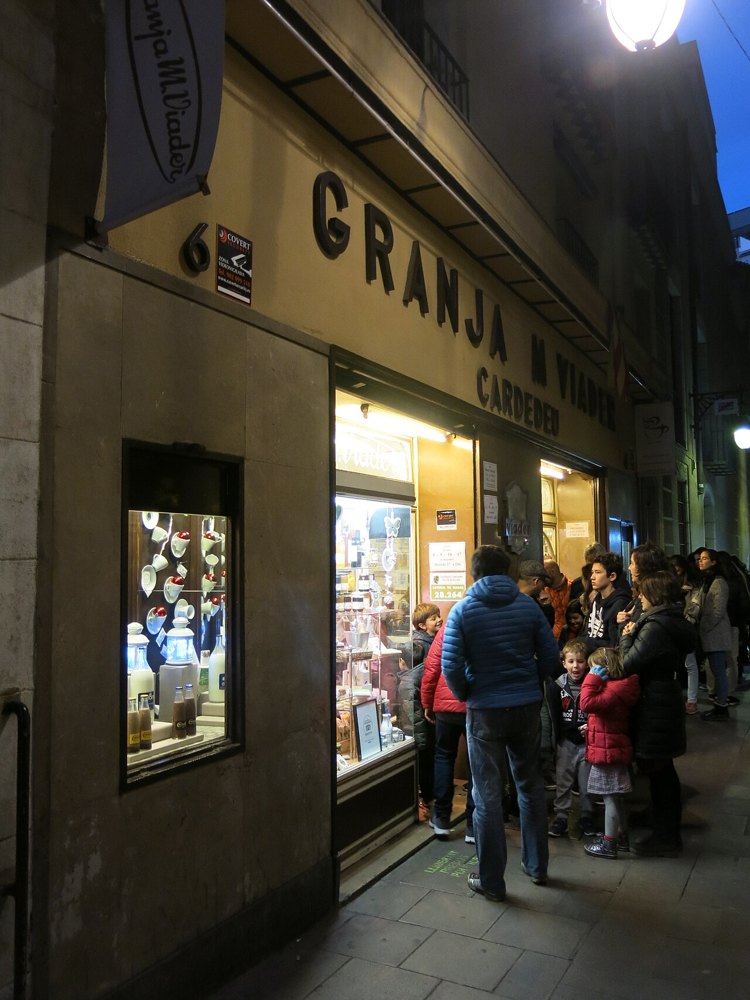
A historic Raval granja associated with dairy drinks, chocolate and breakfast culture.
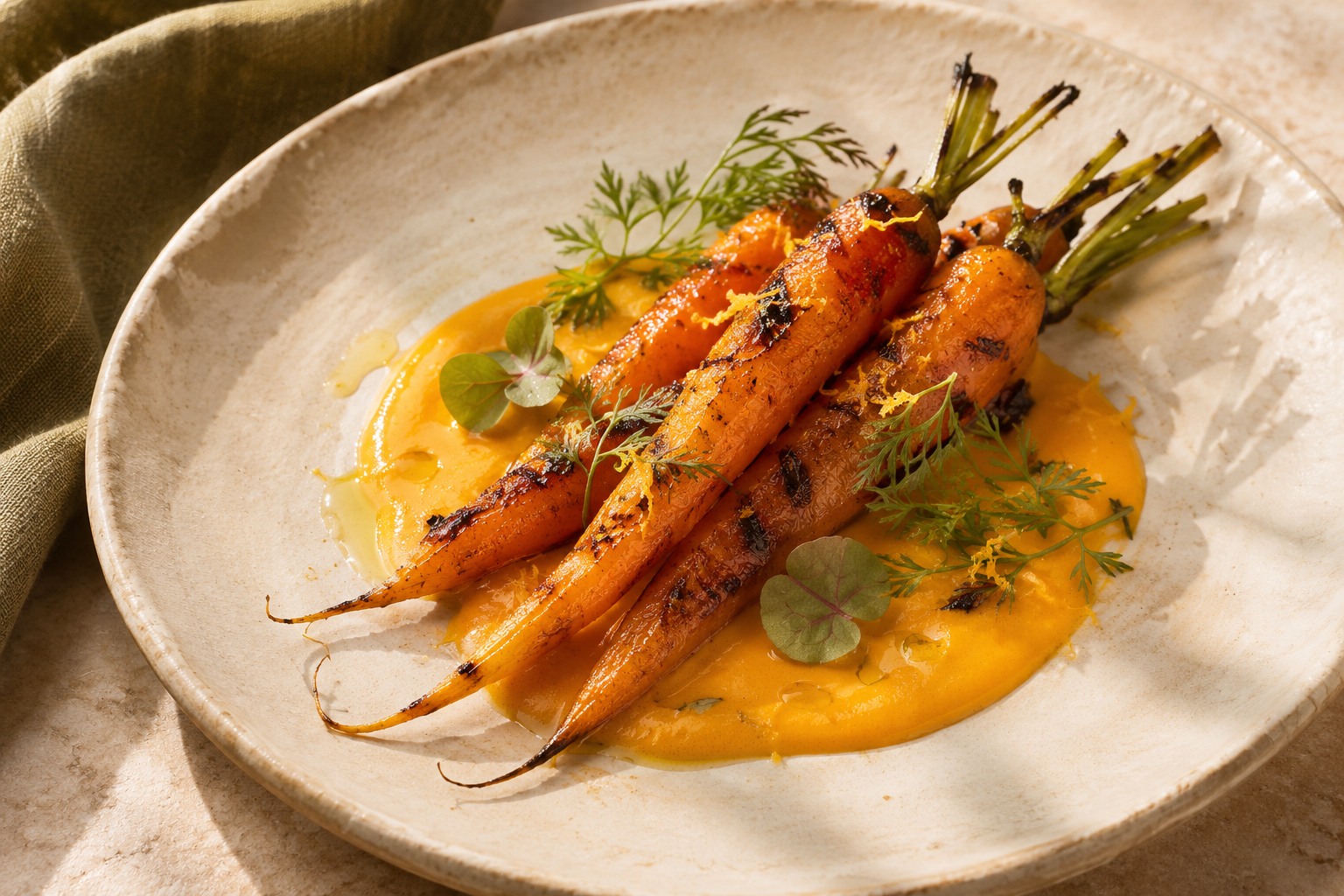
Xavier Pellicer makes vegetables the starting point of a meal. In Barcelona, his open kitchen follows local growers and the seasons through vegan, vegetarian and omnivore menus.
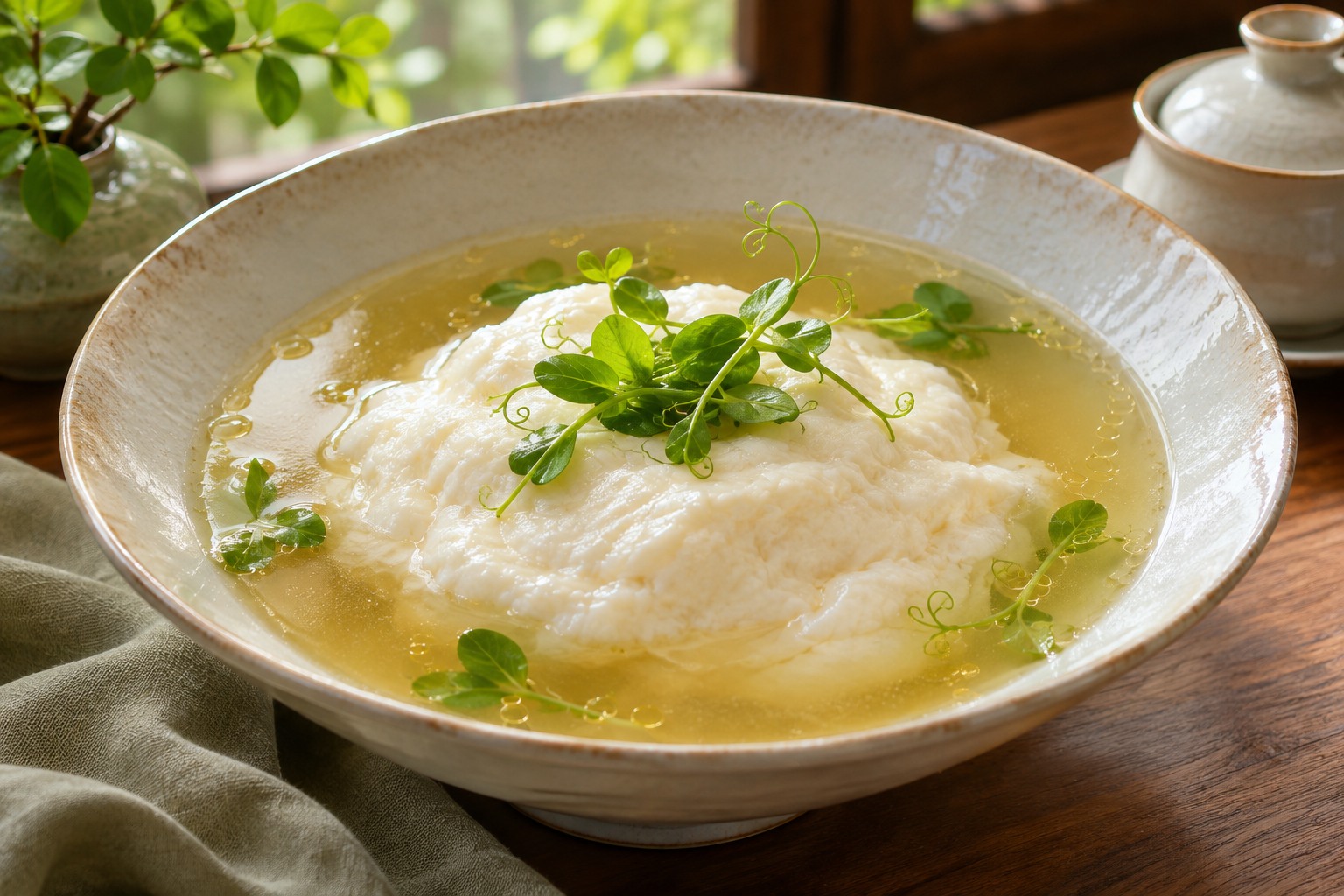
Xu Fan brings the broad Sichuan repertoire into a contemporary Chengdu restaurant. Delicate chicken preparations, fresh pepper aromas and carefully judged seasoning sit beside familiar shared dishes at Xu’s Cuisine.
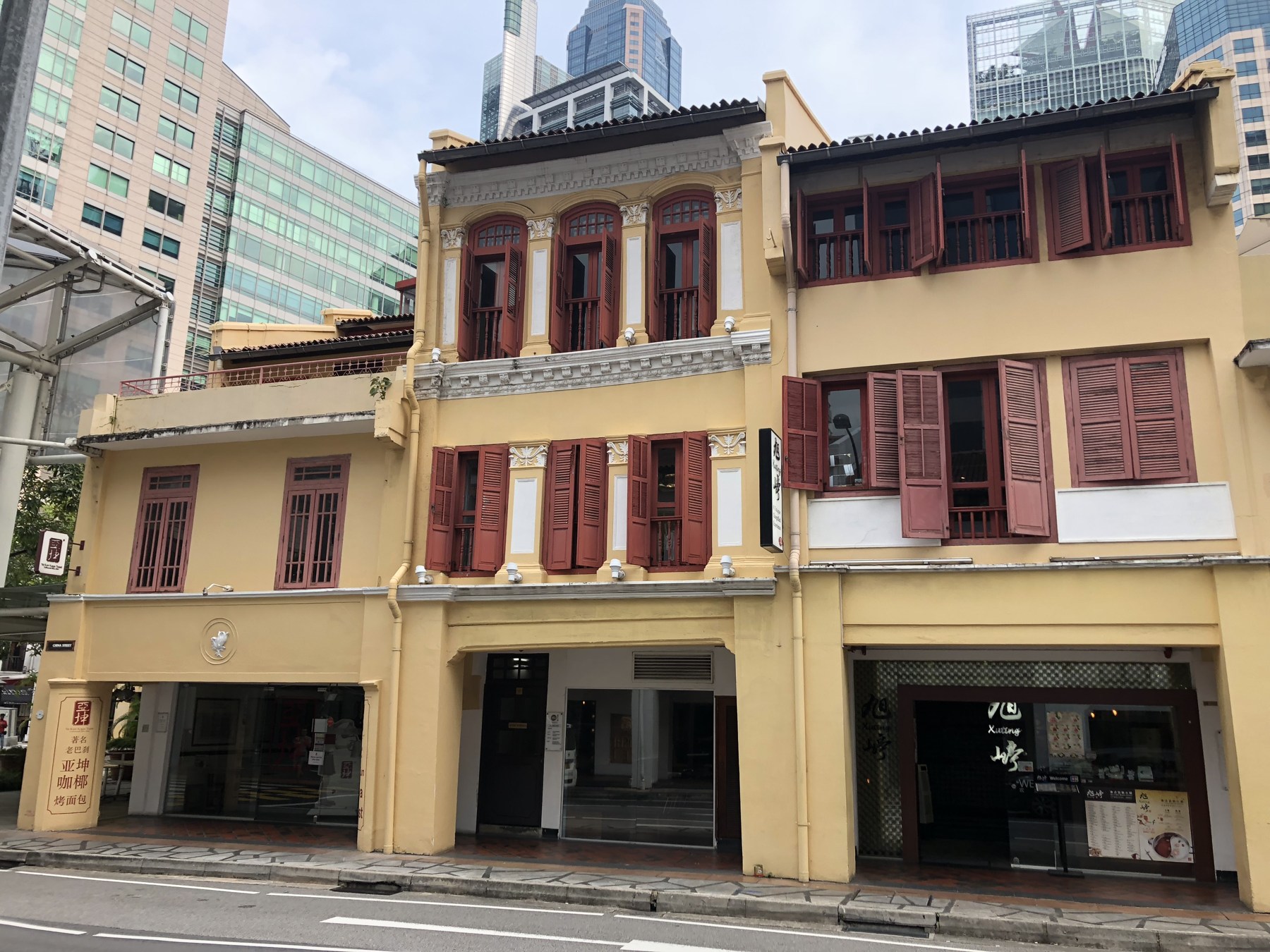
Explore kaya toast and kopi together at the Far East Square branch.
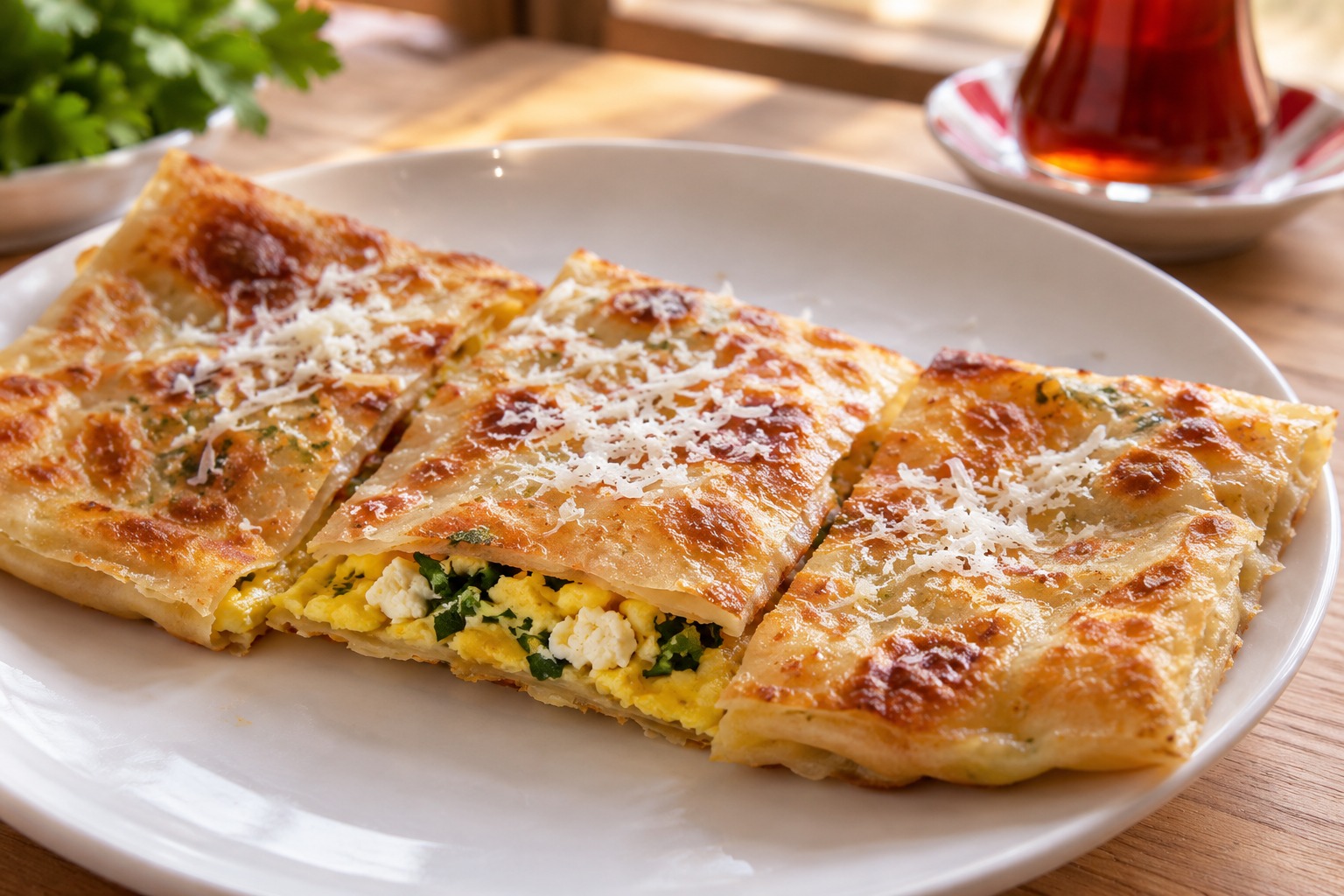
At Yıldız Katmer, Akhisar katmer is a savoury breakfast: thin dough encloses egg, tulum cheese and parsley. It is a warm cheese-and-egg pastry rather than a pistachio dessert.
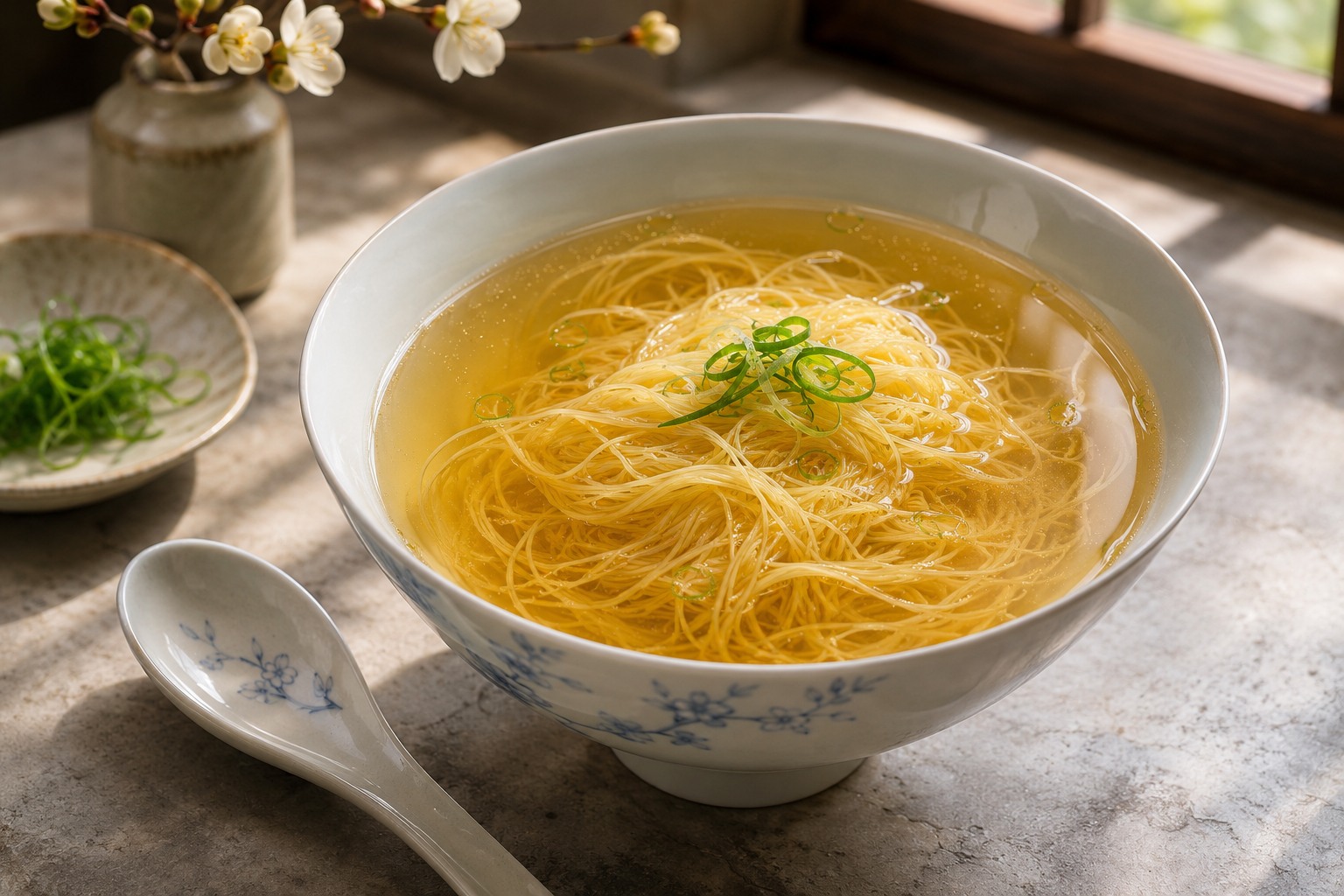
Lan Guijun explores the depth of Sichuan cooking through clear stocks, delicate knife work and a personal sense of flavour. At Yu Zhi Lan, a long career becomes an intimate, seasonal dining experience.
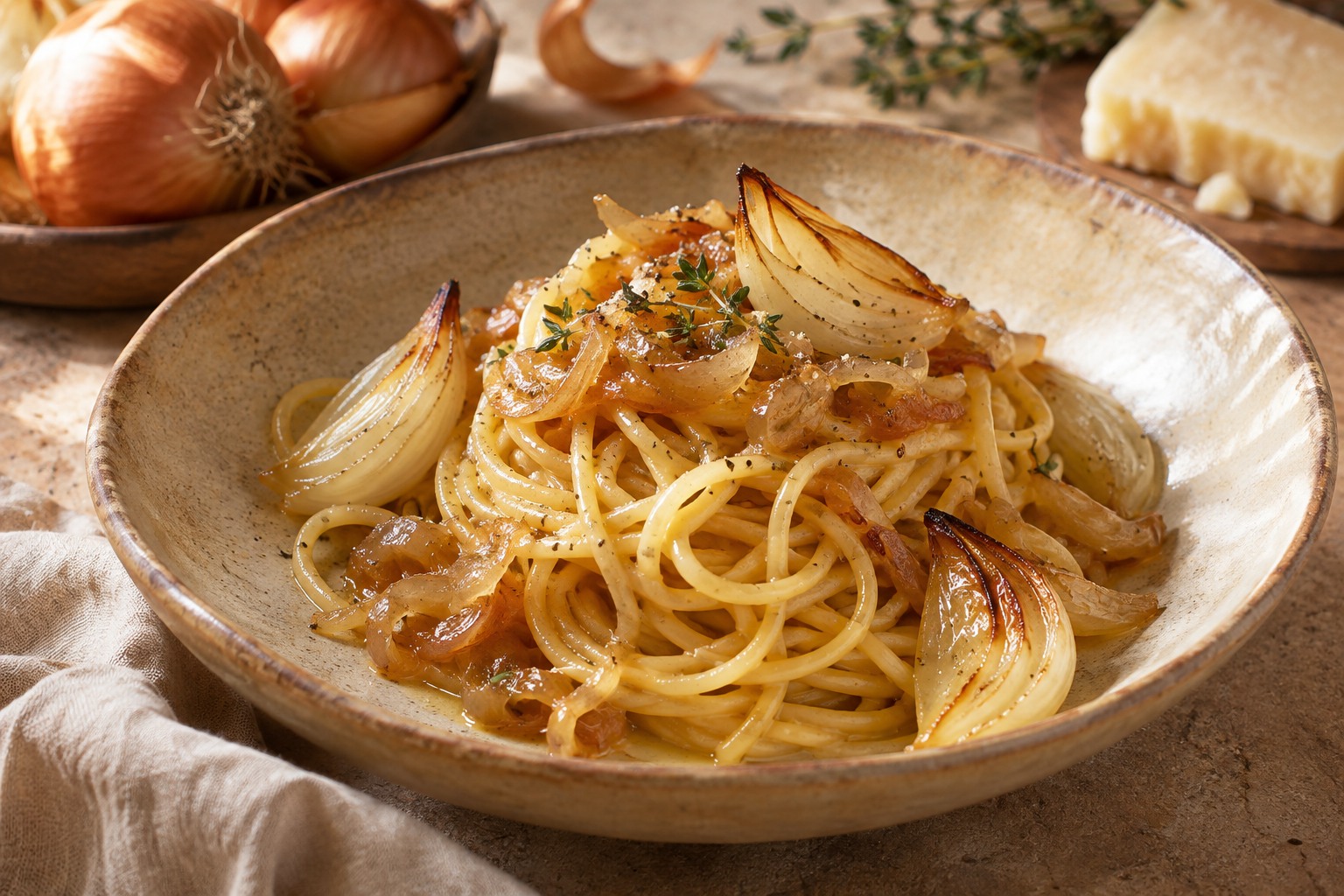
Massimiliano “Max” Poggi connects Bologna’s food memories with local producers and social projects. Zardèn offers an urban bistro introduction to his world through fresh pasta, familiar dishes and seasonal ingredients.
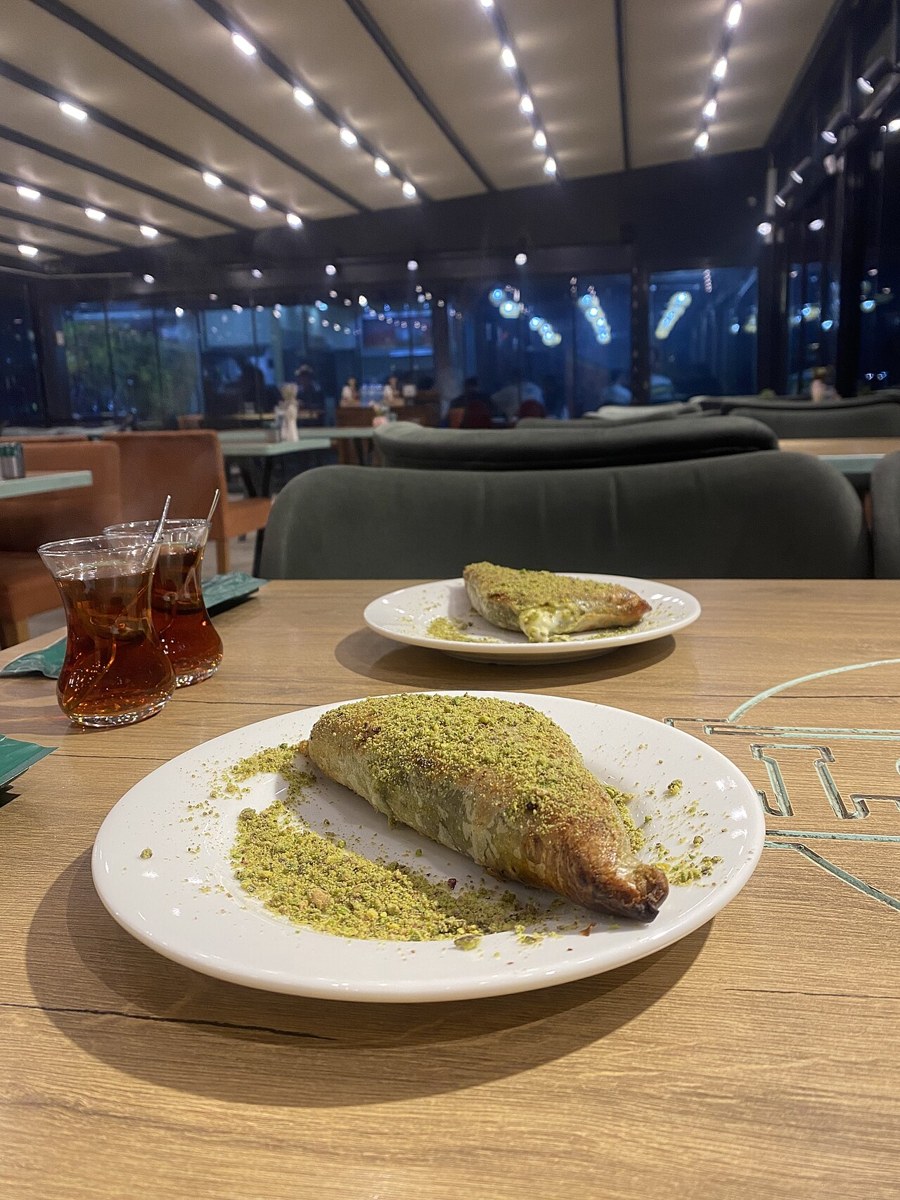
Şöbiyet shares the spotlight with baklava at Zeki İnal: its triangular pastry encloses pistachios and a semolina-based cream.
No dishes match your search.