Gaziantep’s usta tradition is built through apprenticeship: repeated work at the bench, observation and responsibility for each stage. At İmam Çağdaş, meat preparation, grilling and baklava production depend on coordinated teams rather than a single person working alone. A September-2026 NTV documentary follows the family across generations and its relationship with newer ways of doing business. It offers a recent view of a restaurant whose public image is closely tied to the city’s food culture.
The texture of kebab and the layers of baklava
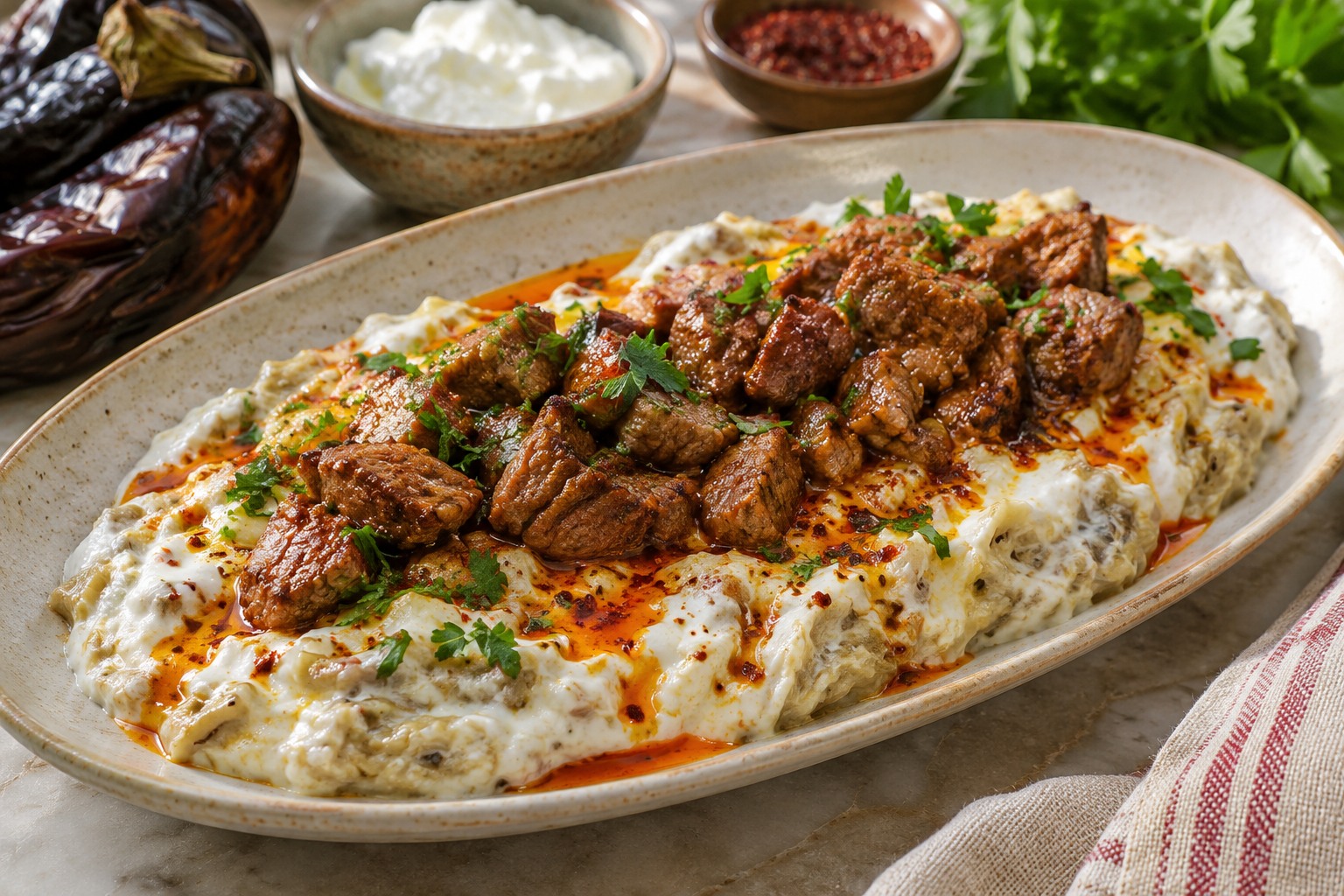
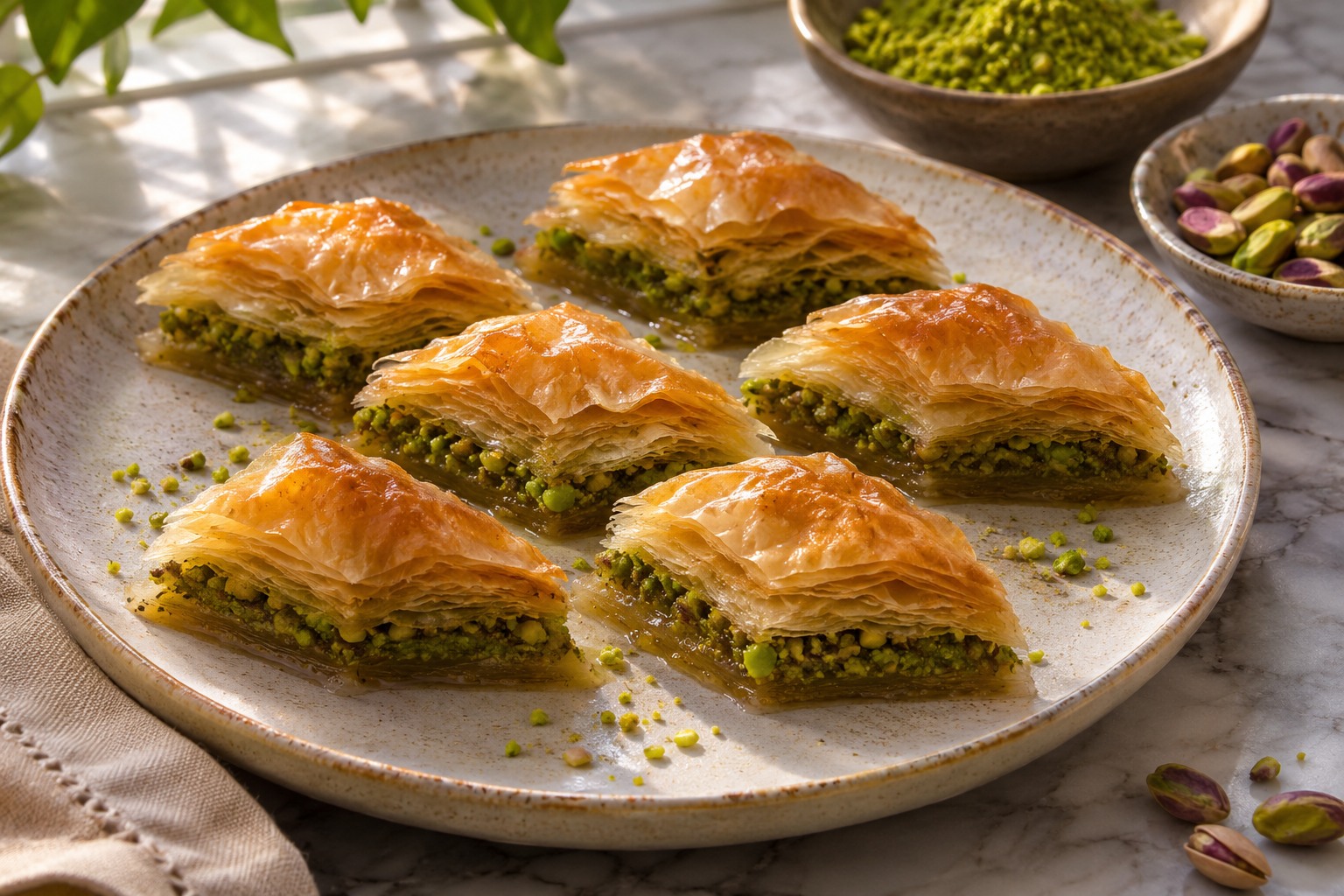
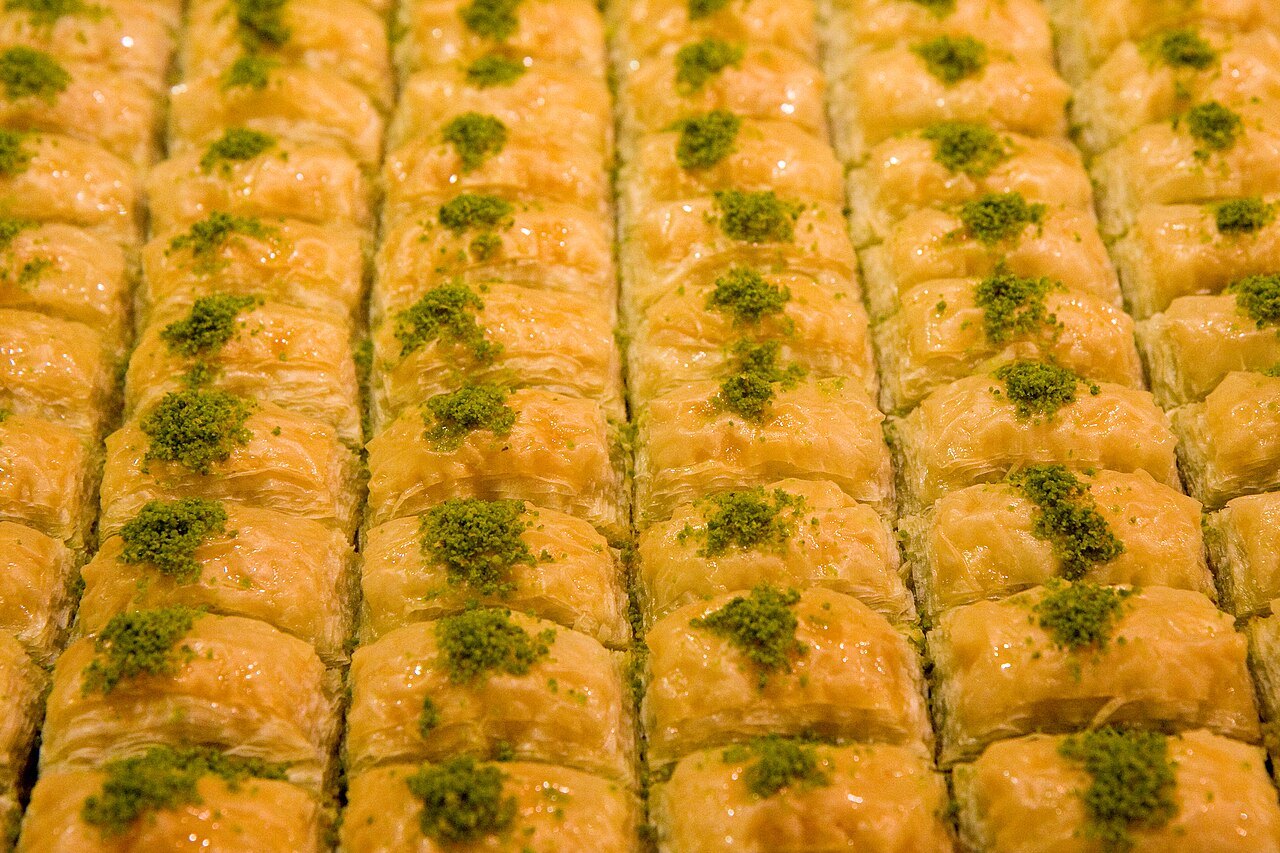
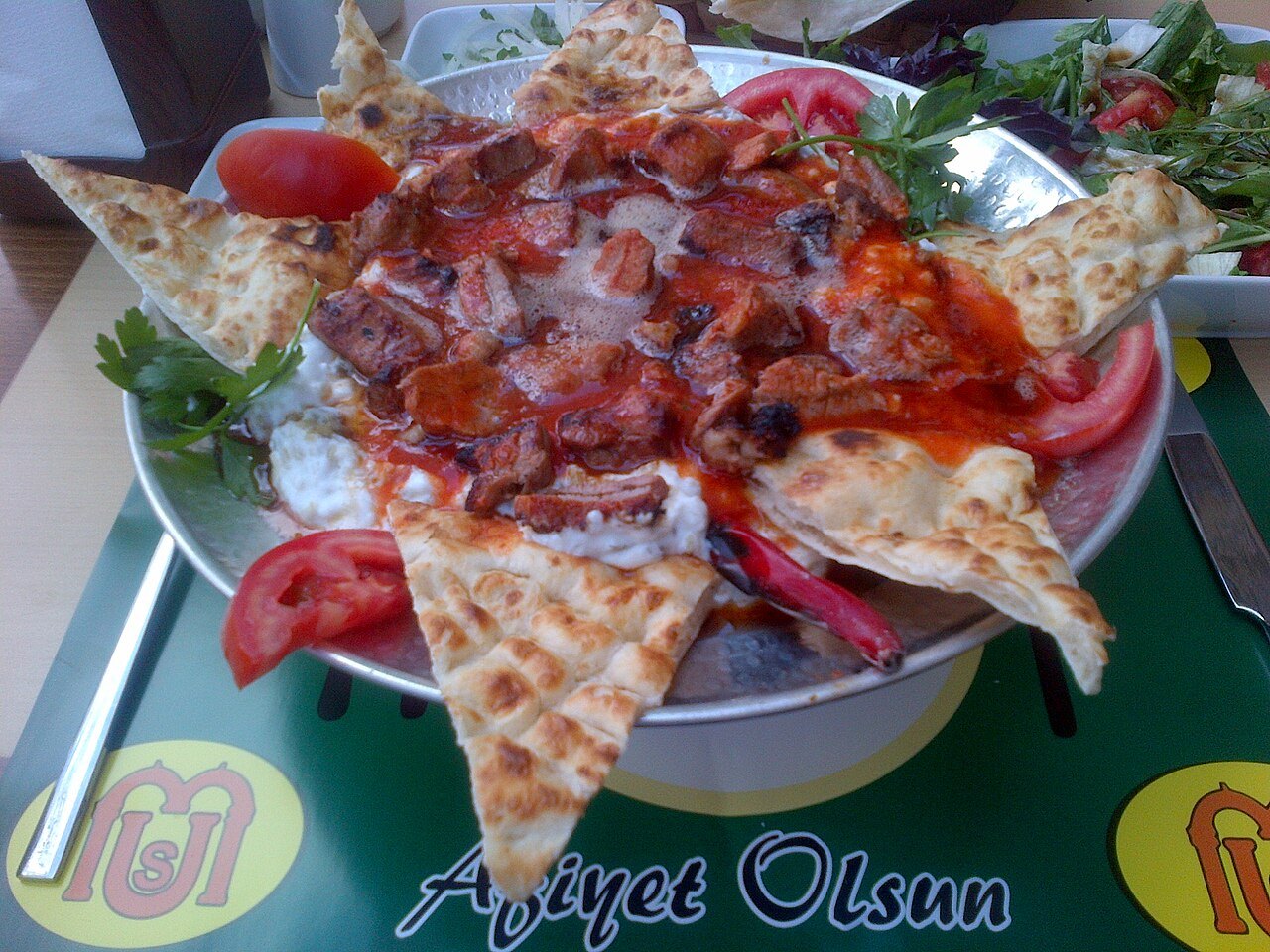
Hand chopping lamb with a zırh blade gives the kitchen control over the texture of kebab. Ali nazik combines roasted eggplant and strained garlic yogurt with lamb and pepper butter, bringing smoke, richness and acidity together. Baklava requires another kind of precision: thin pastry, pistachios, clarified butter, baking and syrup must work in balance. The official range includes classic baklava, square pieces, şöbiyet and pistachio rolls, showing several expressions of the same craft.
Flavours to know
Pistachio baklava — Fine pastry, clarified butter, Antep pistachios and syrup. Craftsmanship in every layer.
Ali nazik — Lamb over smoky aubergine and yoghurt. Simple ingredients, deep flavour.
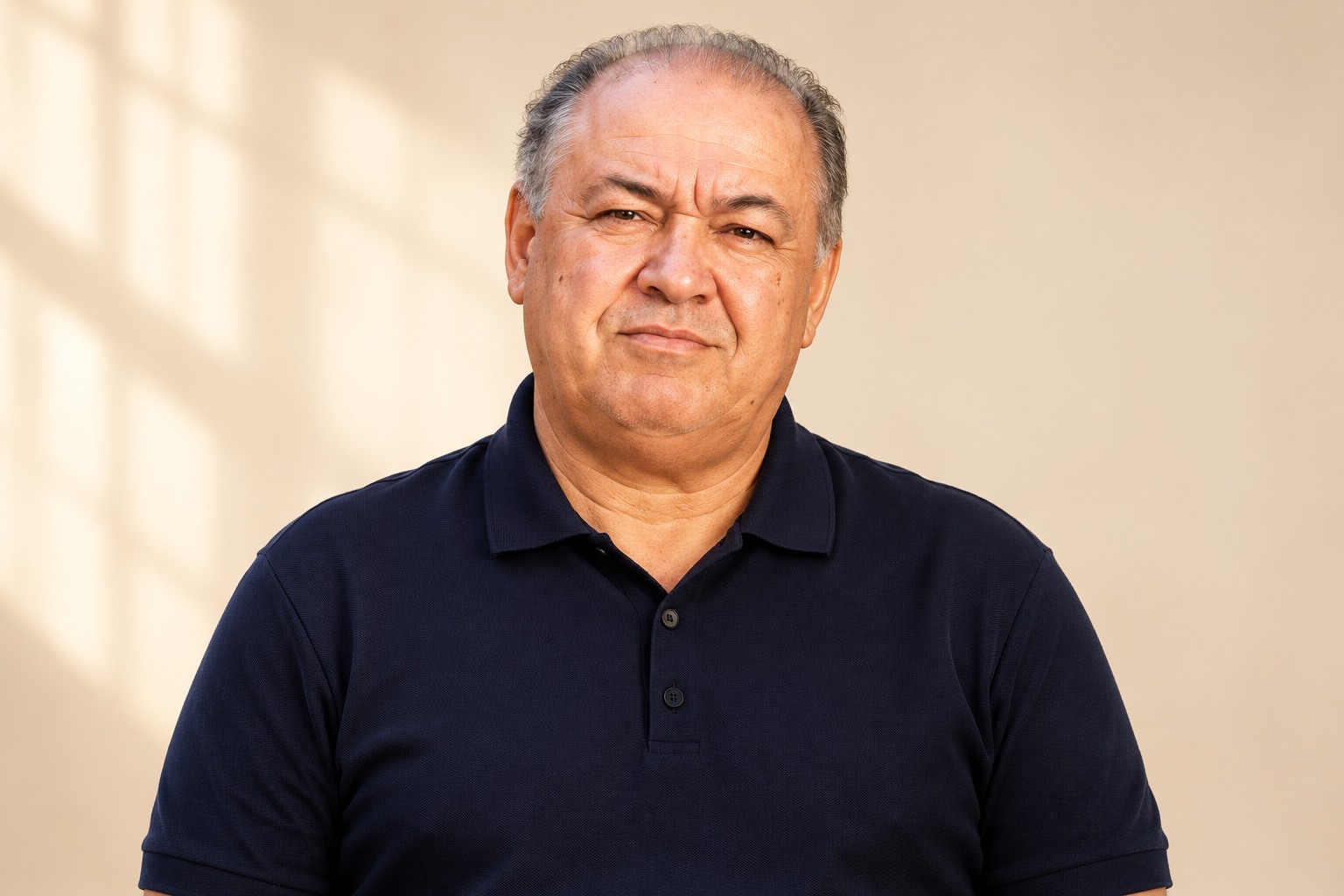
Burhan Çağdaş carries forward a family tradition of kebab and baklava at İmam Çağdaş. Hand skills, careful ingredients and the rhythm of a busy kitchen connect the craft with Gaziantep’s city life.
Burhan Çağdaş carries forward a family tradition of kebab and baklava at İmam Çağdaş. Hand skills, careful ingredients and the rhythm of a busy kitchen connect the craft with Gaziantep’s city life.