Skip to content
A world of local flavours
Language

Türkiye

History and food culture

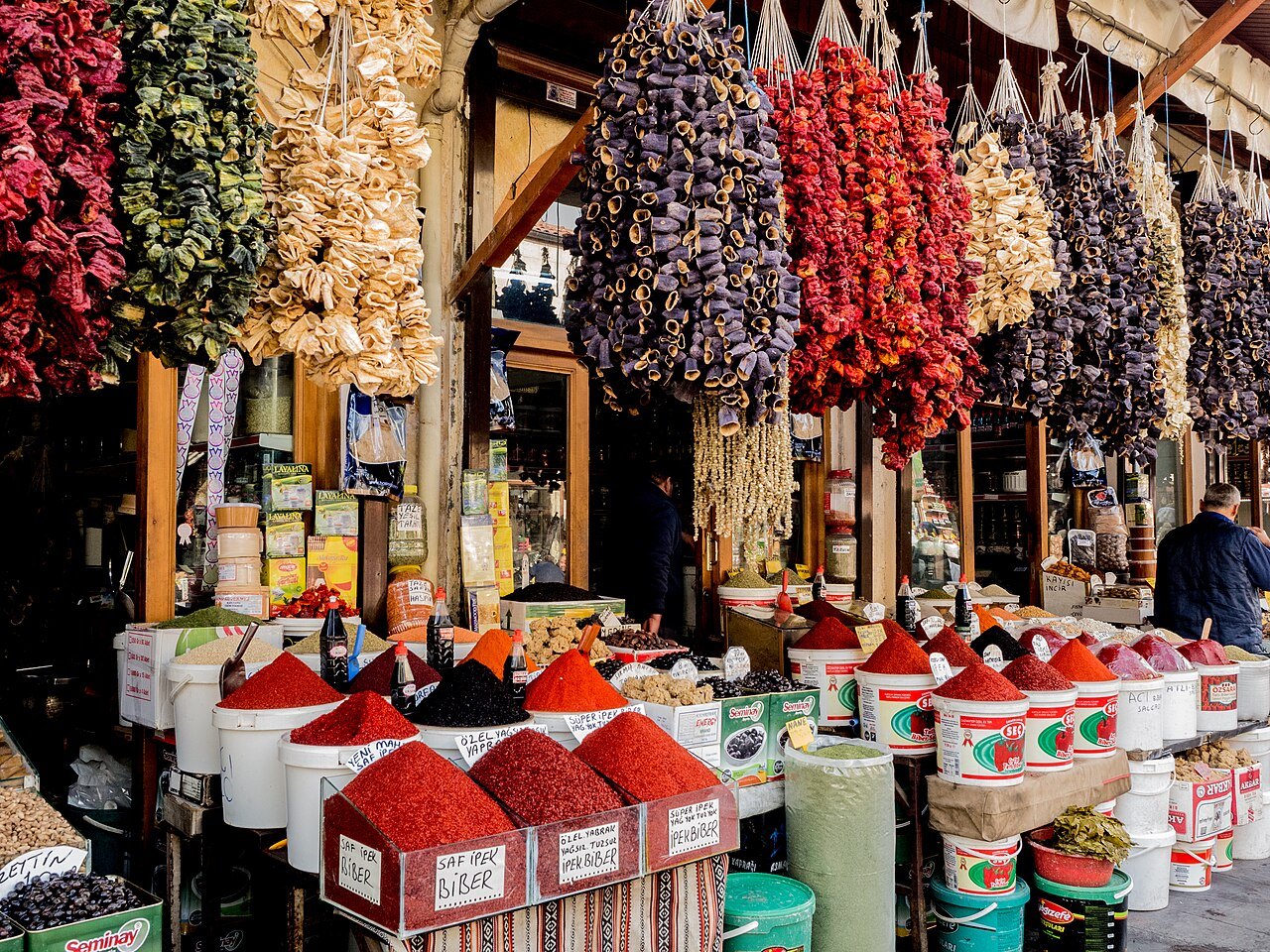
Türkiye’s table brings together Anatolian grains, olives and yoghurt, the markets of Ottoman cities and the home cooking of many communities. Caravan routes, palace kitchens, migration and seasonal agriculture left strong traditions that change from one city to the next.

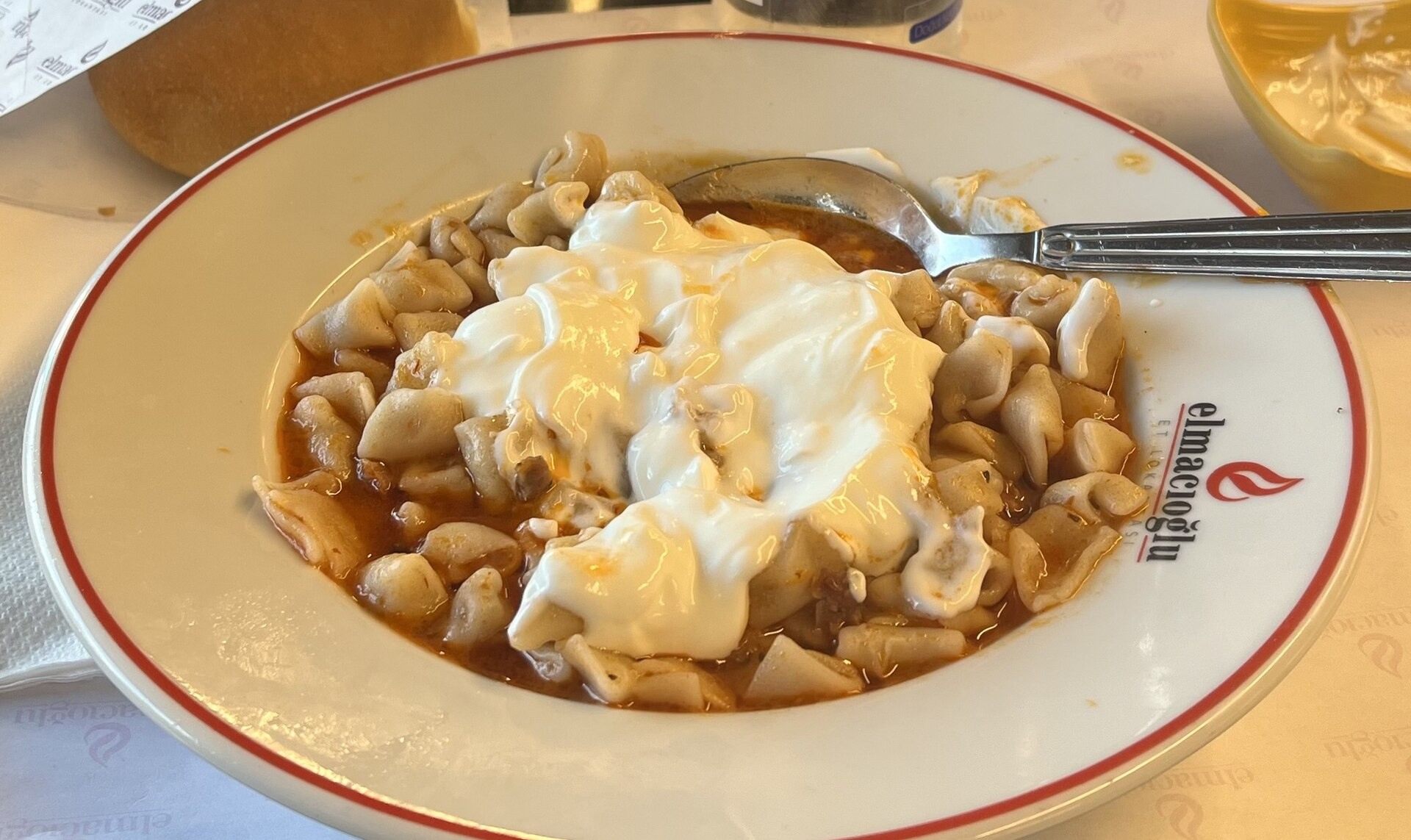
Gaziantep pairs baklava with beyran, Konya favours slowly baked lamb, Kilis its tray dishes and Erzurum horizontally roasted cağ kebabı. Tiny mantı dumplings and Aegean vegetables cooked in olive oil reveal different kinds of patient work. Tea and Turkish coffee carry the meal into conversation.

Chefs in this country

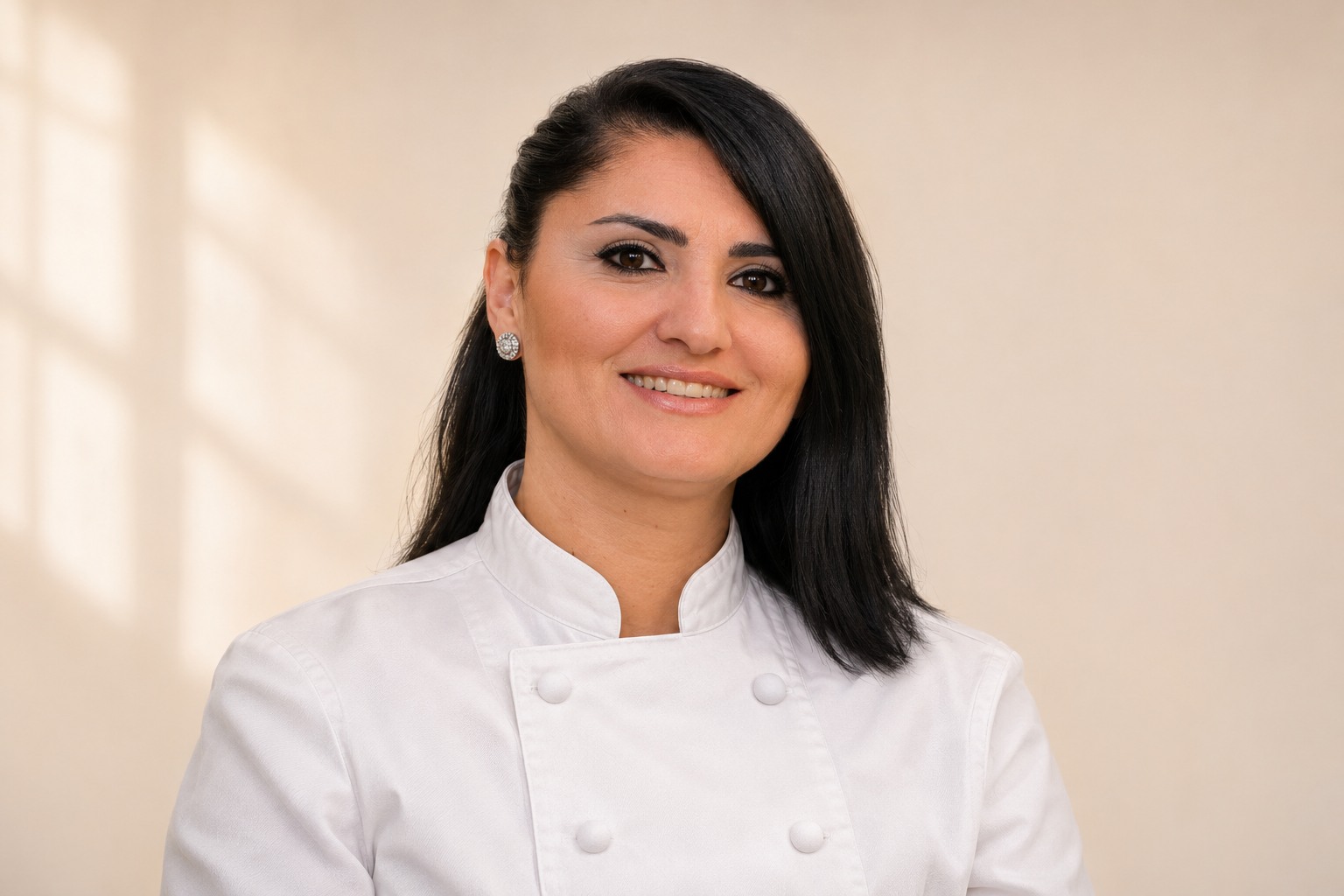
Ayşe Esra Şerbetçi

Omaç Gaziantep Mutfağı · Şiveydiz · Ayva kebabı

Ayşe Esra Şerbetçi

Ayşe Esra Şerbetçi brings family recipes and architectural memory together at Omaç. Seasonal pot dishes in a restored Gaziantep house offer a different route into the city’s food culture.
Burhan Çağdaş

İmam Çağdaş · Ali nazik · Fıstıklı baklava

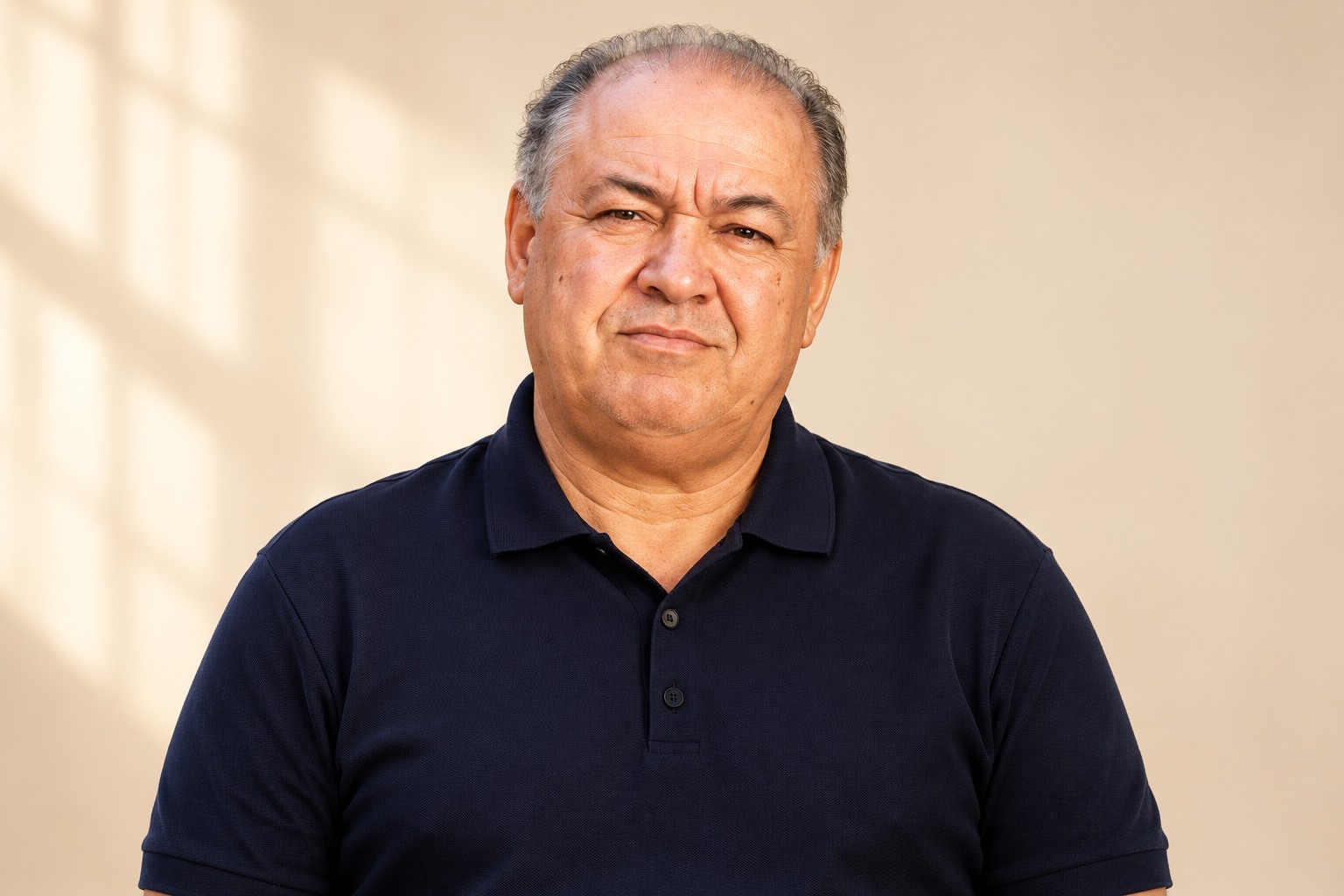
Burhan Çağdaş

Burhan Çağdaş carries forward a family tradition of kebab and baklava at İmam Çağdaş. Hand skills, careful ingredients and the rhythm of a busy kitchen connect the craft with Gaziantep’s city life.

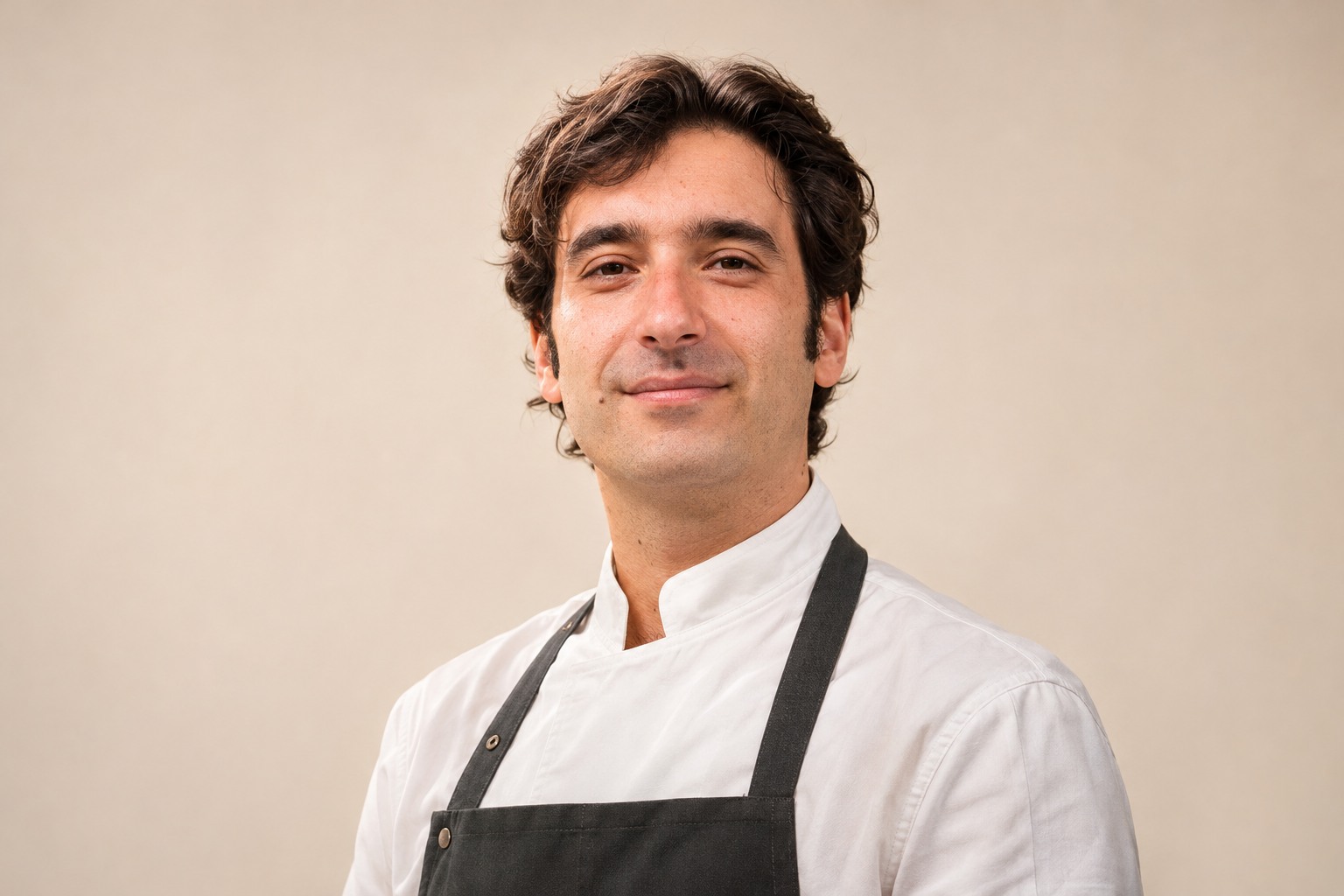
Cenk Debensason

Arkestra · Charred aubergine with cashew cream

Cenk Debensason

At Arkestra, chef and co-founder Cenk Debensason connects French technical training, flavours gathered abroad and Istanbul’s appetite for music.

Coşkun Koçak

Koçak Baklava · Kare baklava · Fıstık sarma

Coşkun Koçak

Coşkun Koçak developed Koçak Baklava with his brother İbrahim after a long apprenticeship. Thin pastry, pistachios, clarified butter and the training of new masters shape their Gaziantep craft.

Doğa Çitçi

Mutfak Sanatları Merkezi · Yuvalama · Yoğurtlu taze fasulye

Doğa Çitçi

Doğa Çitçi researches Anatolian food and helps pass Gaziantep’s cooking to new generations. Restaurant work, teaching and public demonstrations bring the city’s pot dishes into view.

Fatih Tutak

TURK Fatih Tutak · Mantı

Fatih Tutak

From Istanbul to kitchens across Asia and back: Fatih Tutak explores Anatolian food memories through a seasonal tasting menu at TURK.

Halil Kör

Kebapçı Halil Usta · Küşleme · Simit kebabı

Halil Kör

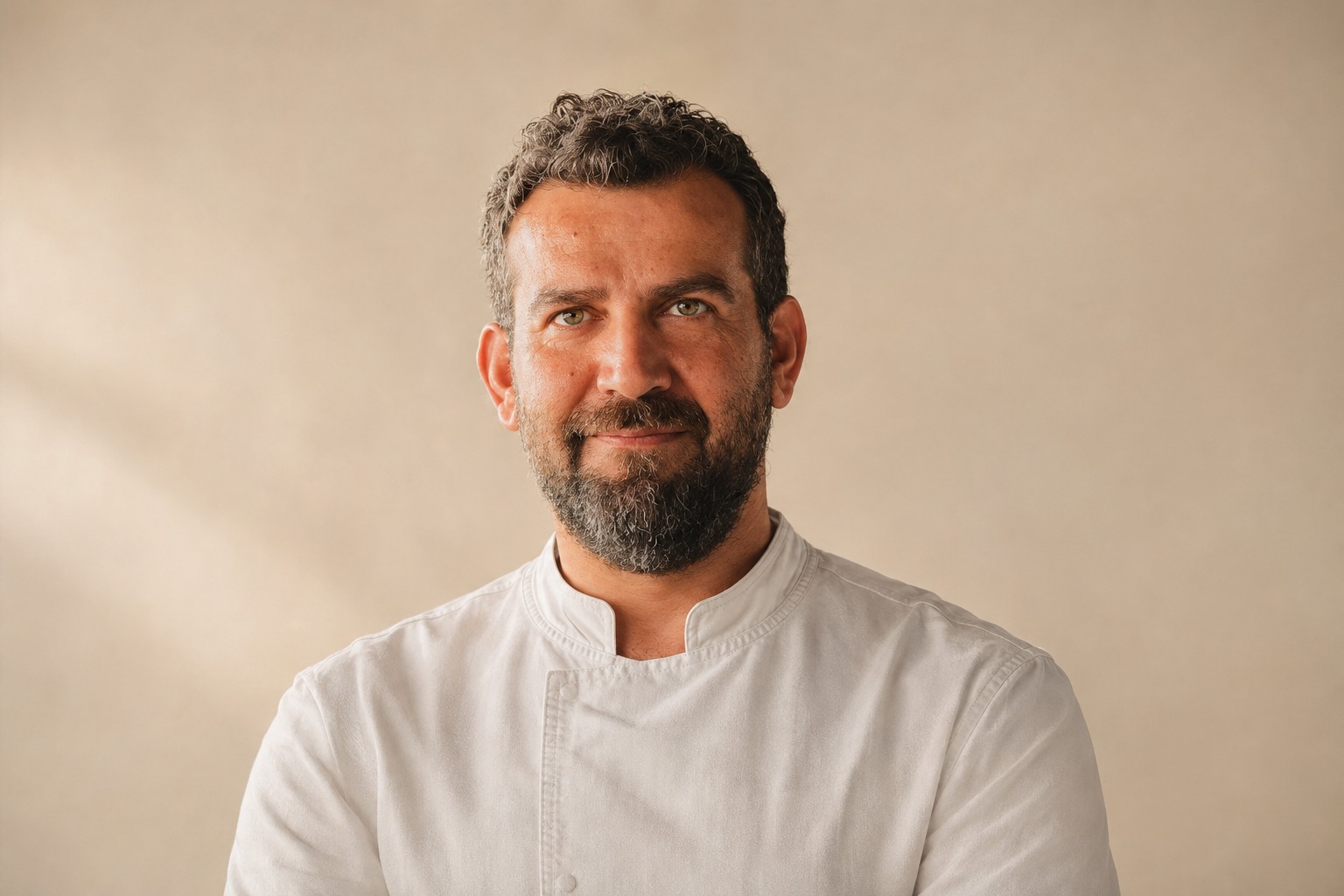
Halil Kör, known as Halil Usta, built a Gaziantep kebab tradition from a butcher’s apprenticeship. Küşleme, simit kebab and a shared neighbourhood table are central to the story.

Maksut Aşkar

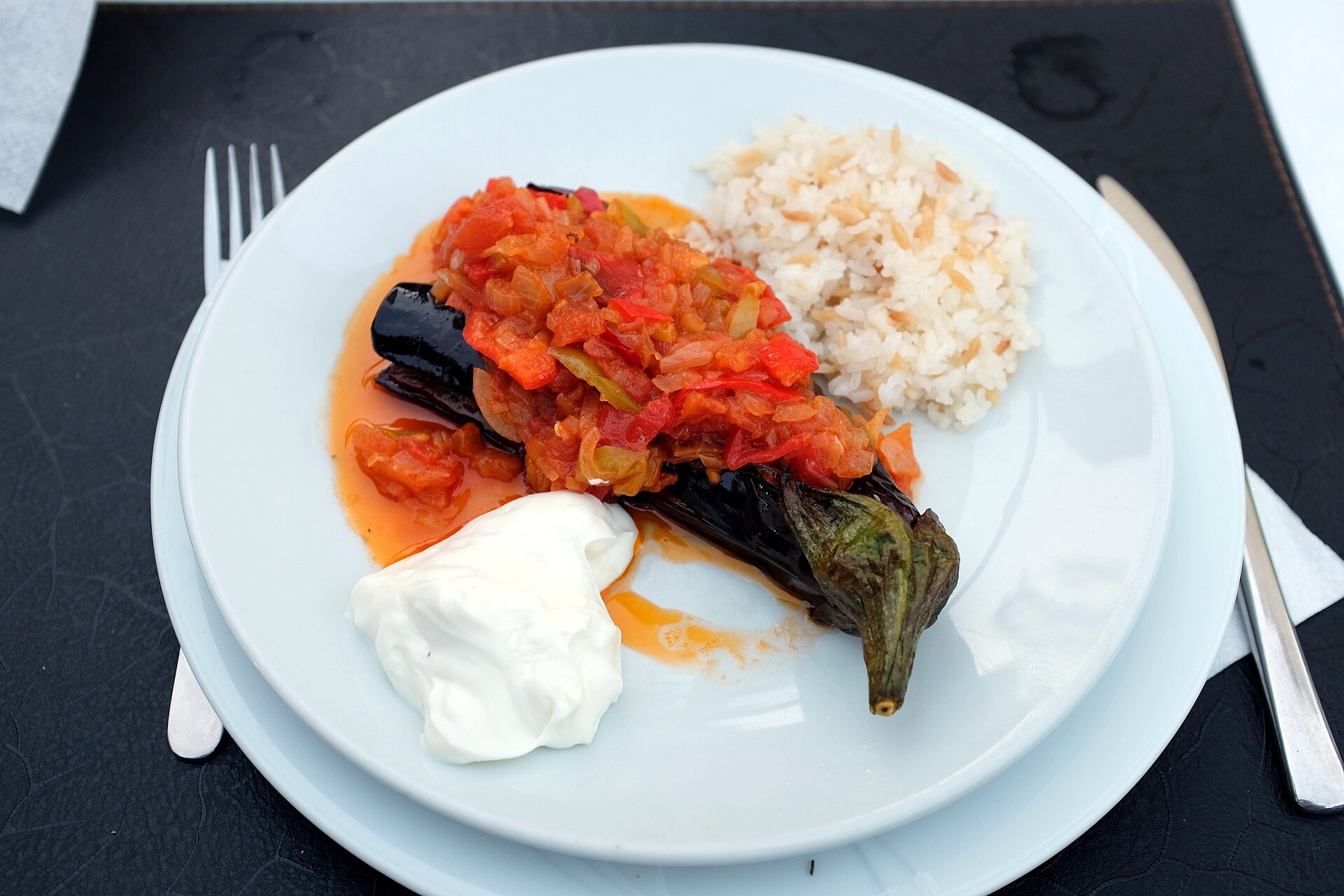
Neolokal · İmam bayıldı · Humus

Maksut Aşkar

At Neolokal, chef and co-founder Maksut Aşkar links family food memories from İskenderun with Anatolian recipes, local producers and the next generation of cooks.

Murat Deniz Temel

Alaf · Fire-cooked meat and vegetables · Gölevez

Murat Deniz Temel

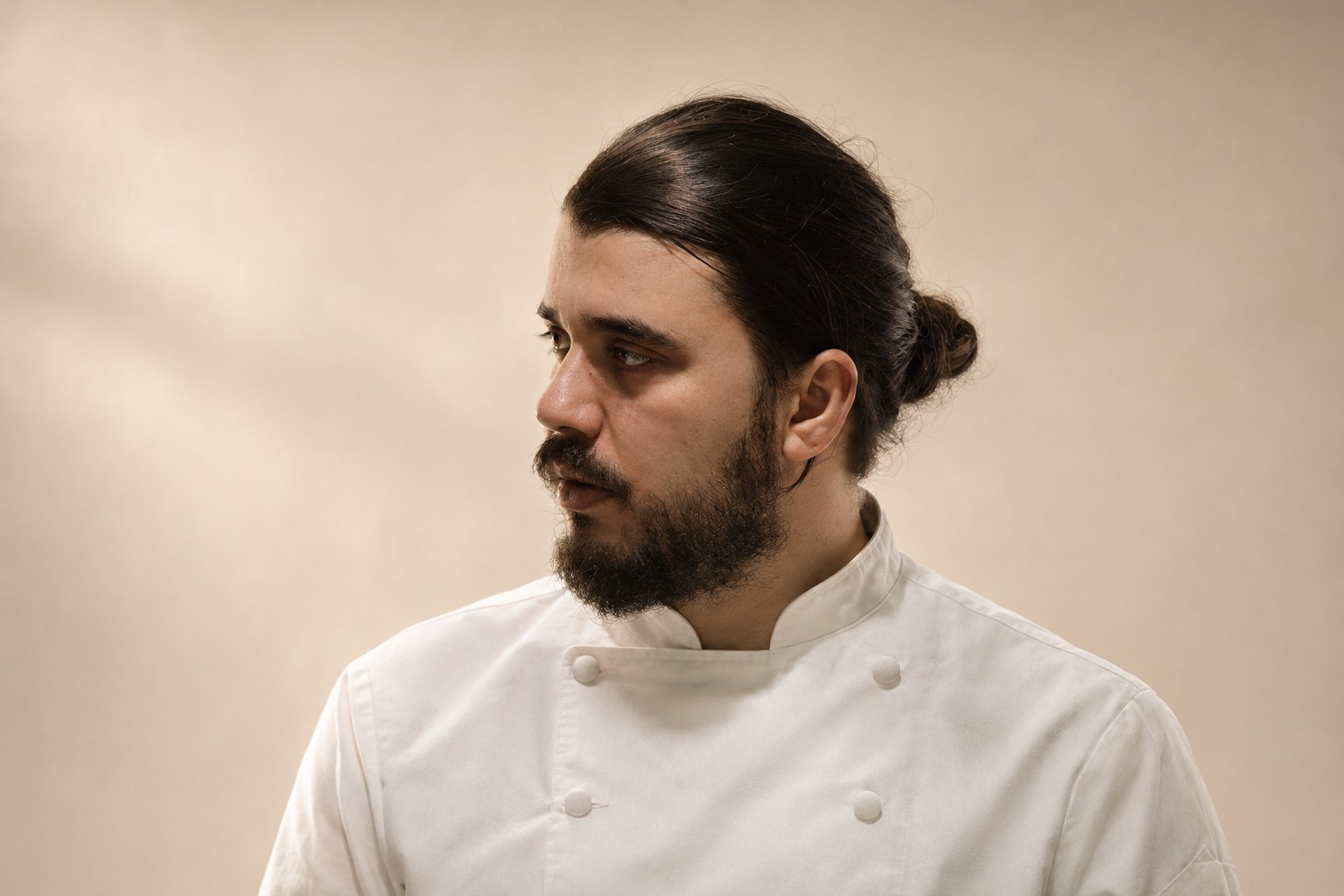
Alaf founder and chef Murat Deniz Temel brings Yörük heritage, research into Anatolian food and wood-fire cooking to his Kuruçeşme kitchen.

Zeynep Pınar Taşdemir

Araka · Seasonal vegetable plate

Zeynep Pınar Taşdemir

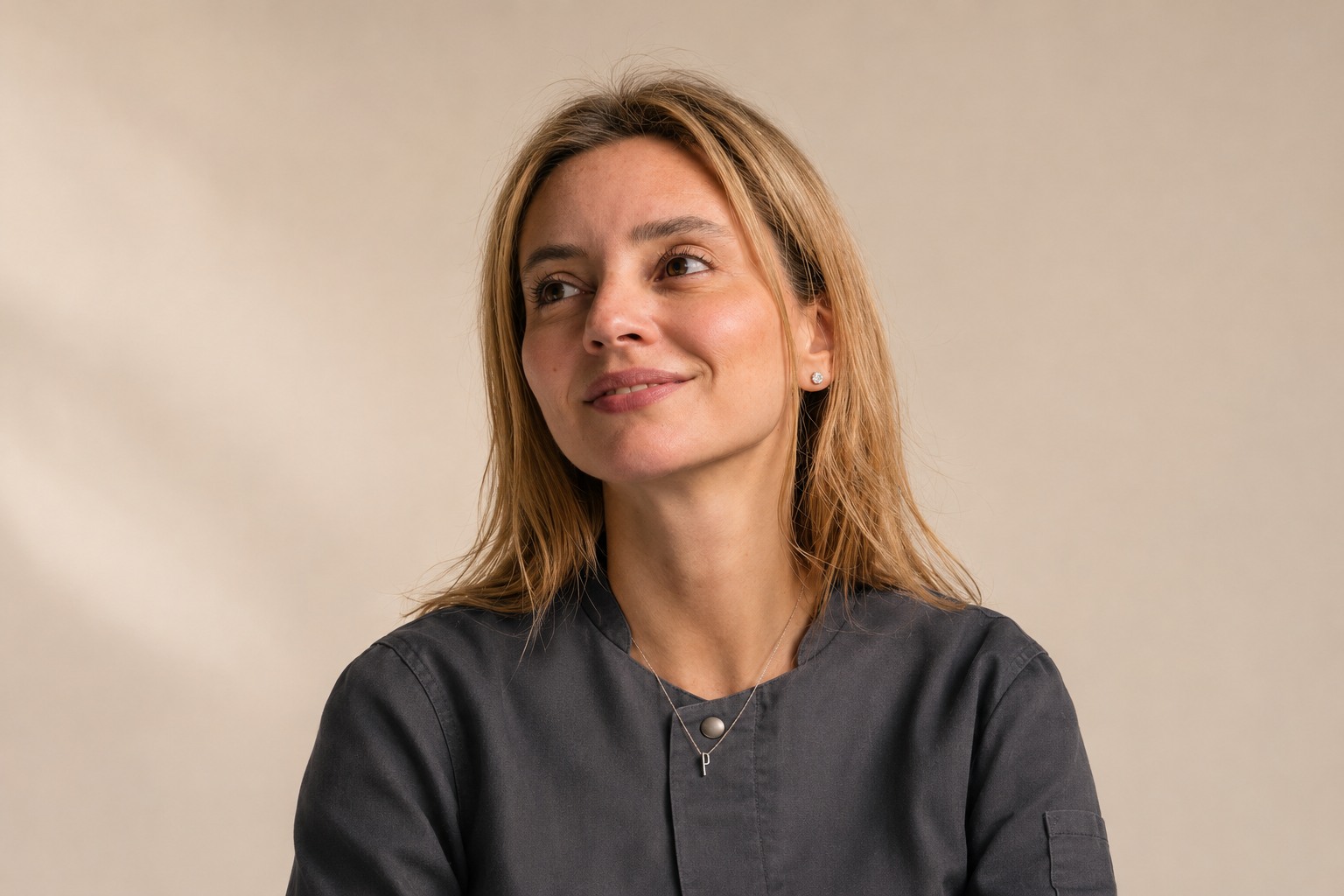
At Araka in Yeniköy, founder Zeynep Pınar Taşdemir builds a personal culinary language around vegetables, herbs and the changing seasons of the garden.

Dishes

Cağ kebabı

Cağ kebabı

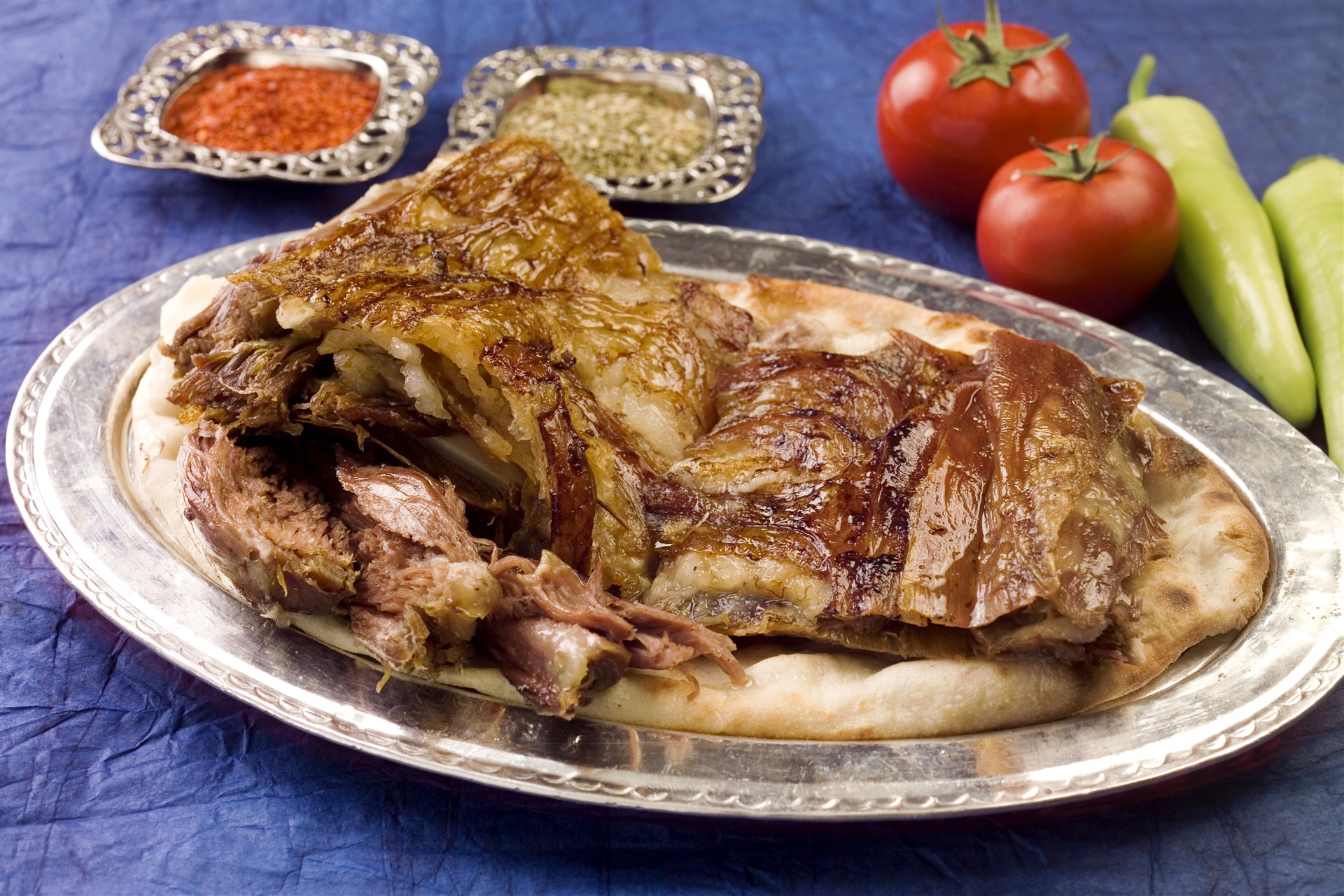
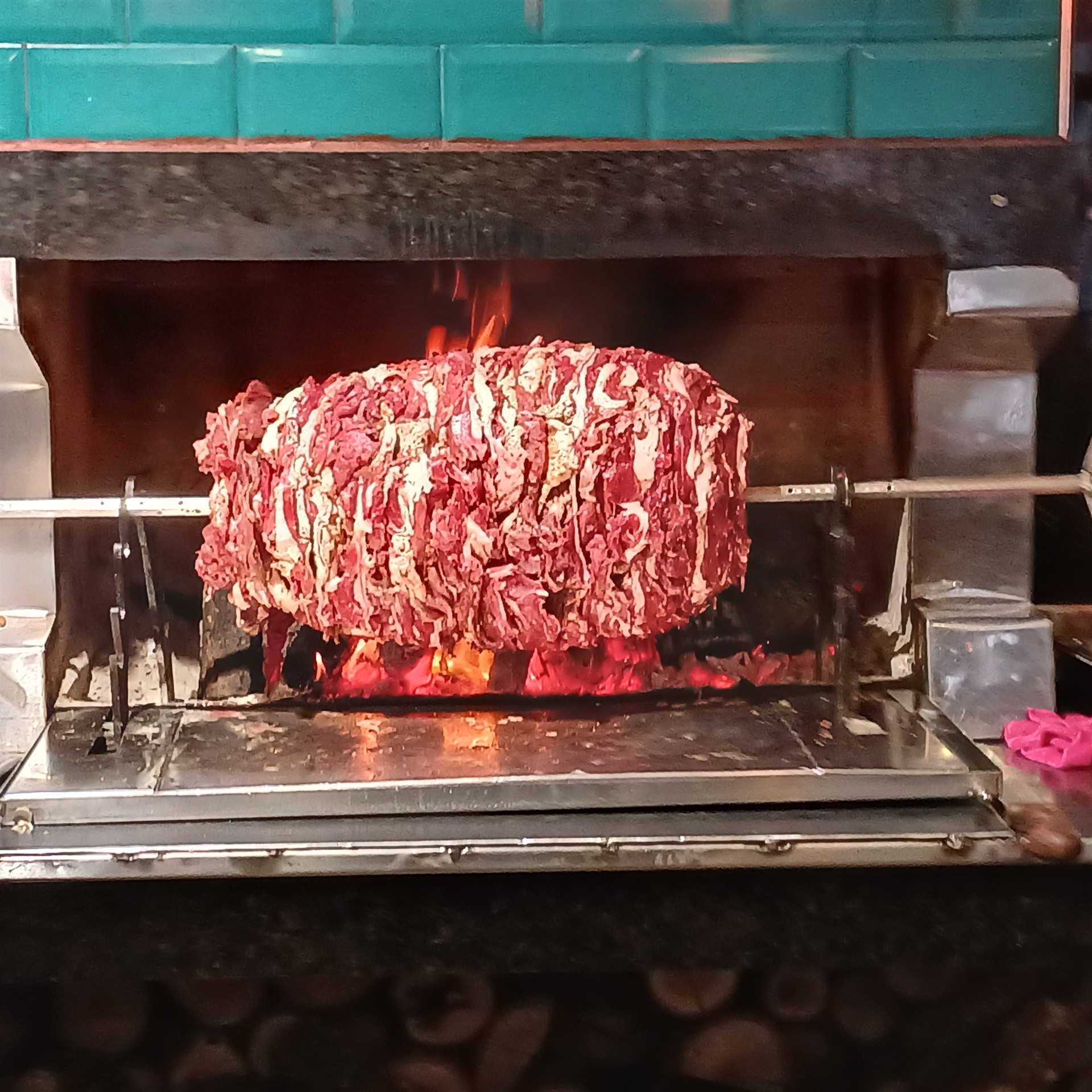
Lamb roasted on a horizontal spit facing a wood fire, a speciality of Erzurum and its surrounding districts. Served hot on small cağ skewers.

Etliekmek

Etliekmek

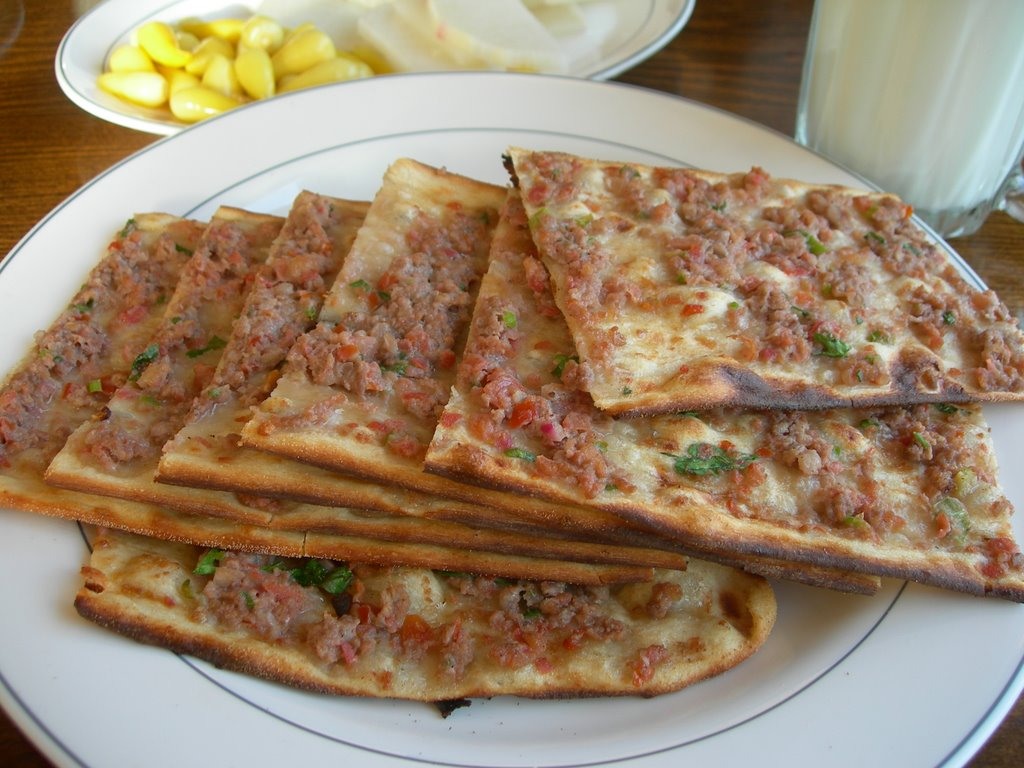
Long, thin flatbread with minced meat and vegetables, finished with crisp edges. A home-oven take on Konya's stone-oven favourite.

Kilis tava

Kilis tava

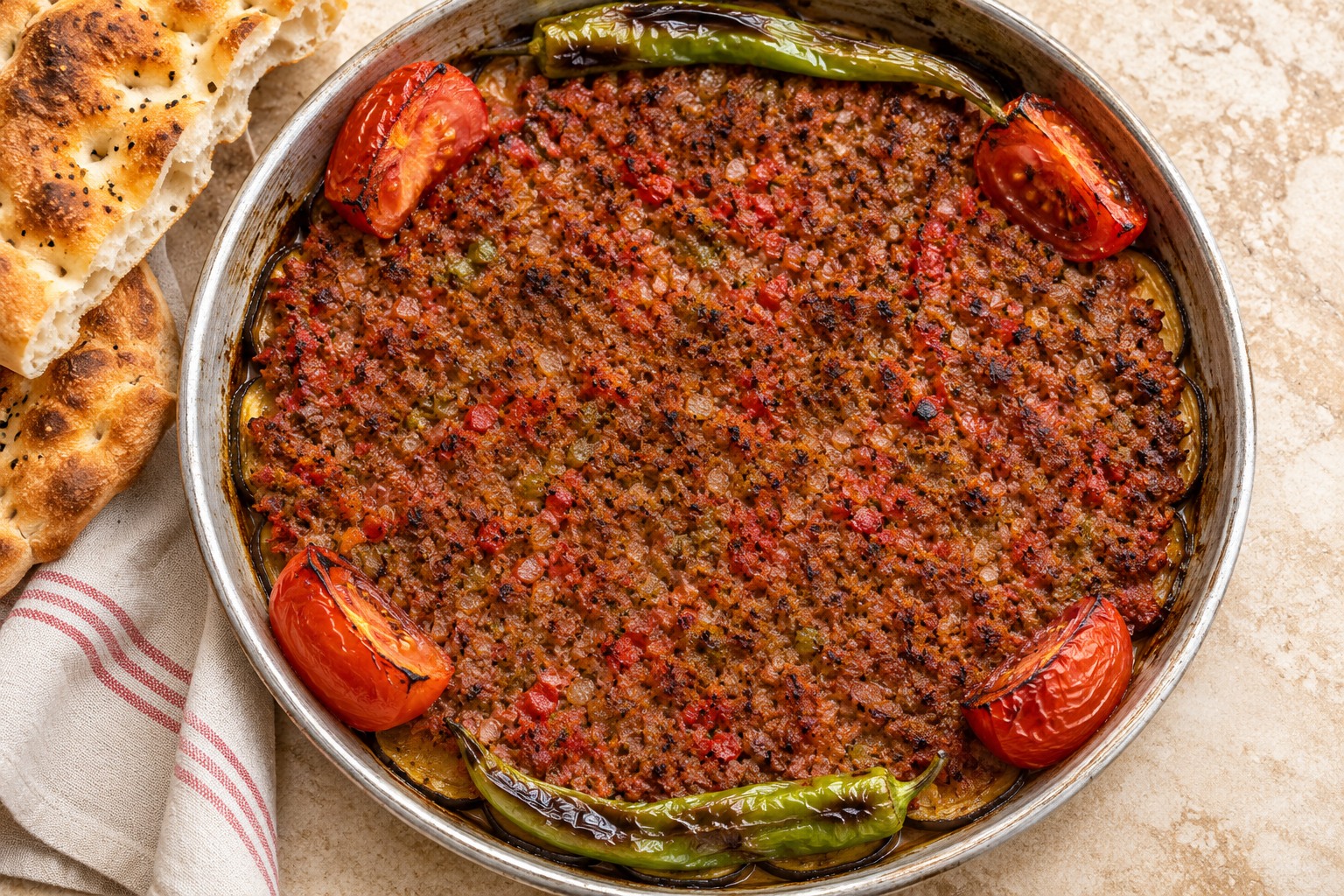
Minced lamb, peppers and onion spread over thin aubergine slices. Tomatoes and peppers roast around the edge of this shallow tray bake.

Beyran

Beyran

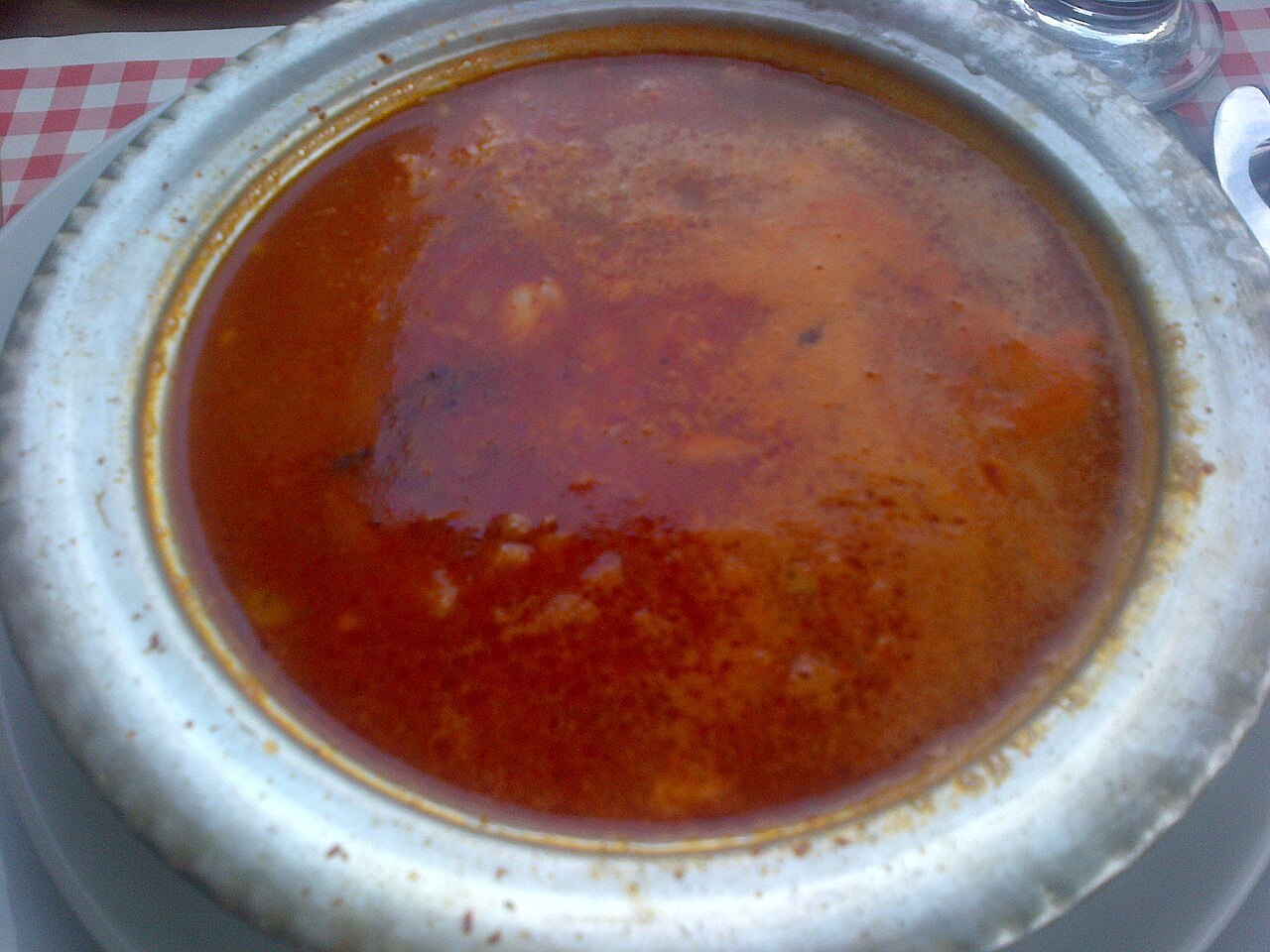
A warming soup of lamb, rice and garlic. A hearty start to a traditional breakfast.

Pistachio baklava

Pistachio baklava

Fıstıklı baklava

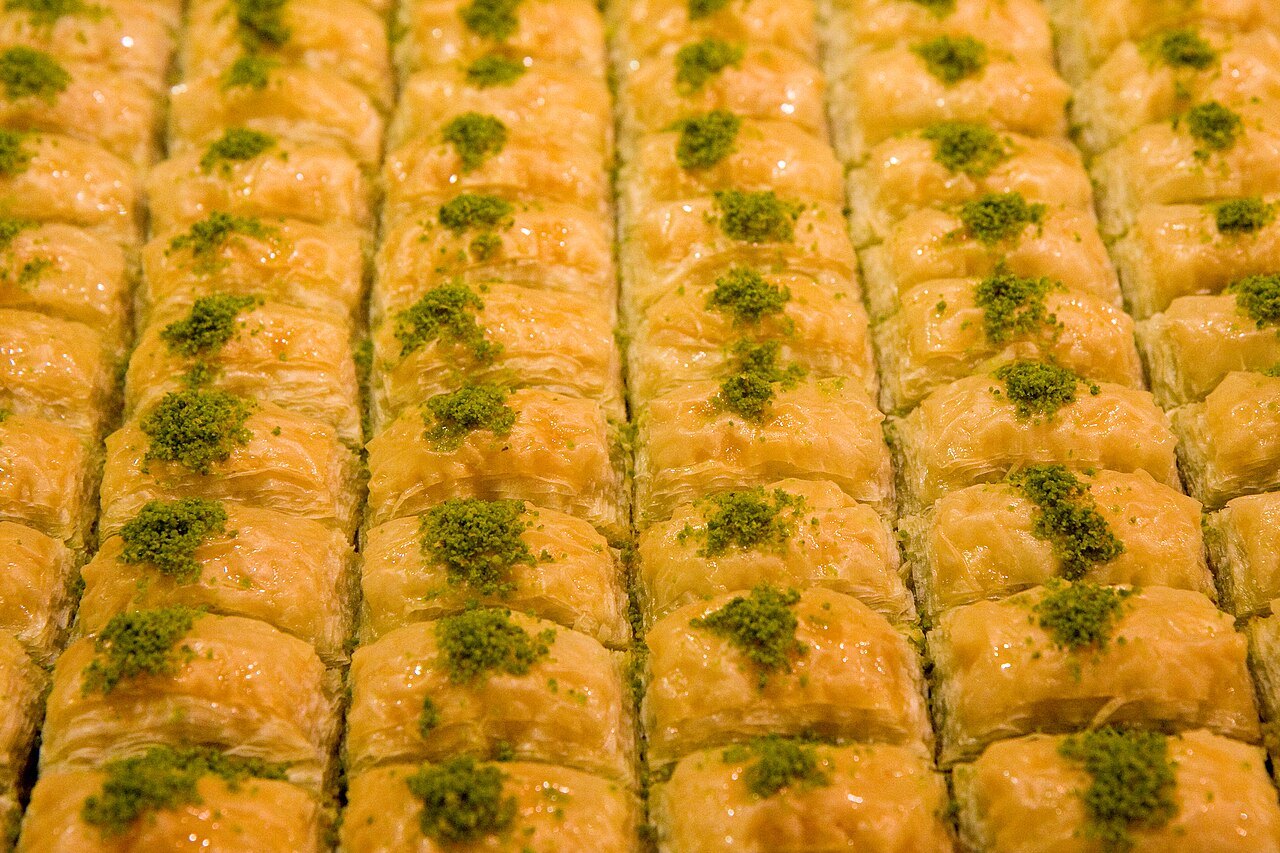
Fine pastry, clarified butter, Antep pistachios and syrup. Craftsmanship in every layer.

Ali nazik

Ali nazik

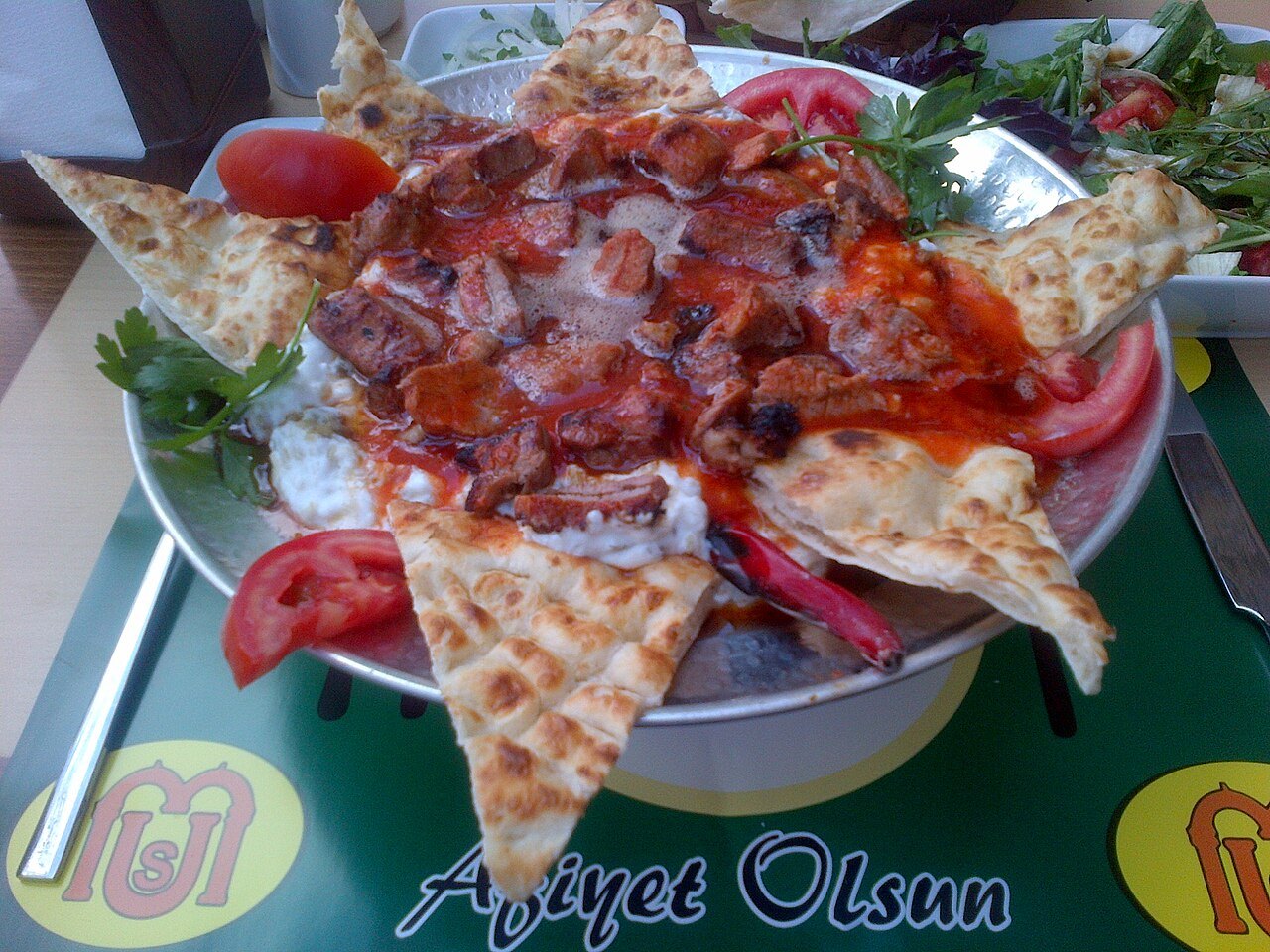
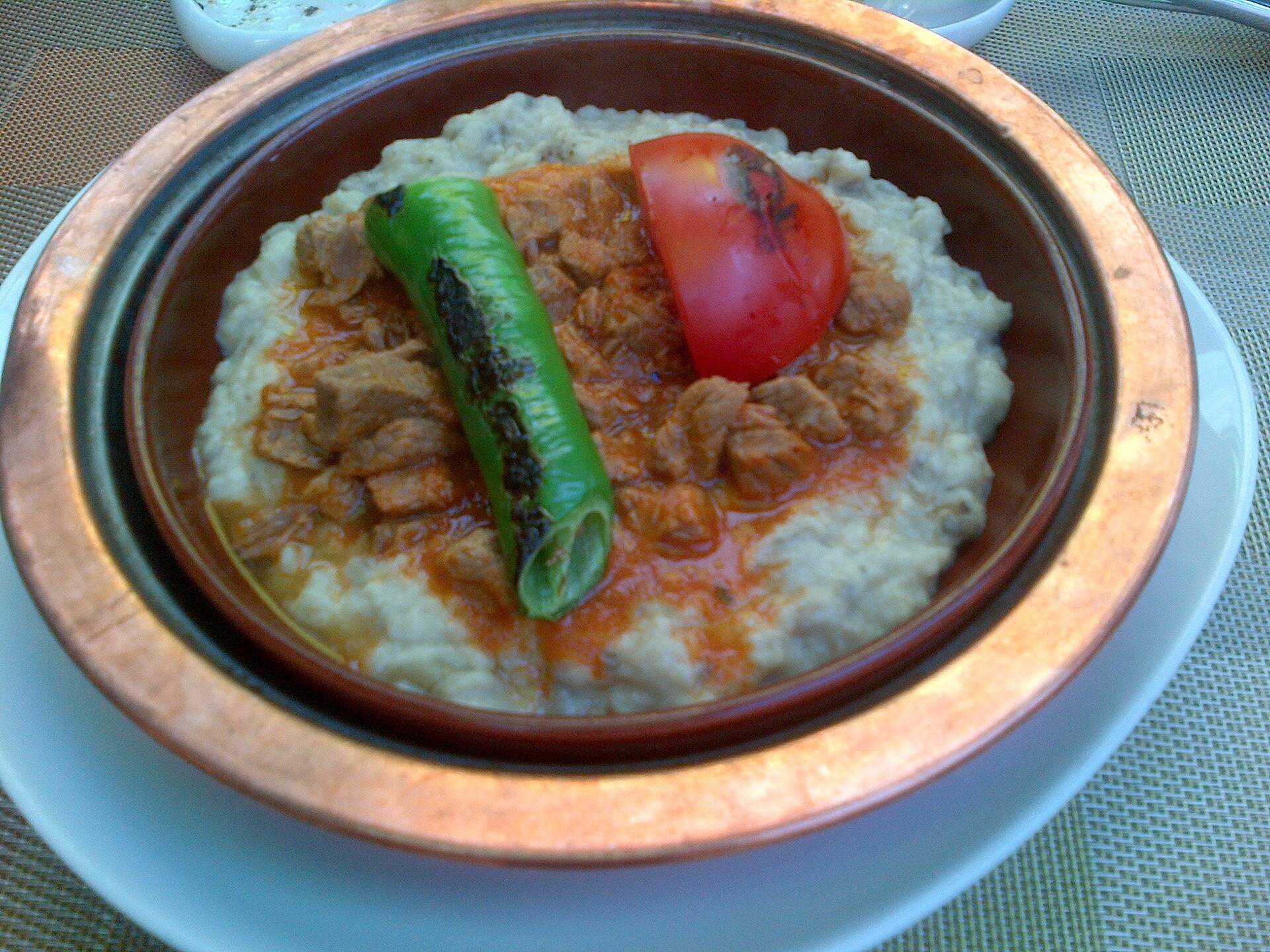
Lamb over smoky aubergine and yoghurt. Simple ingredients, deep flavour.

Lahmacun

Lahmacun

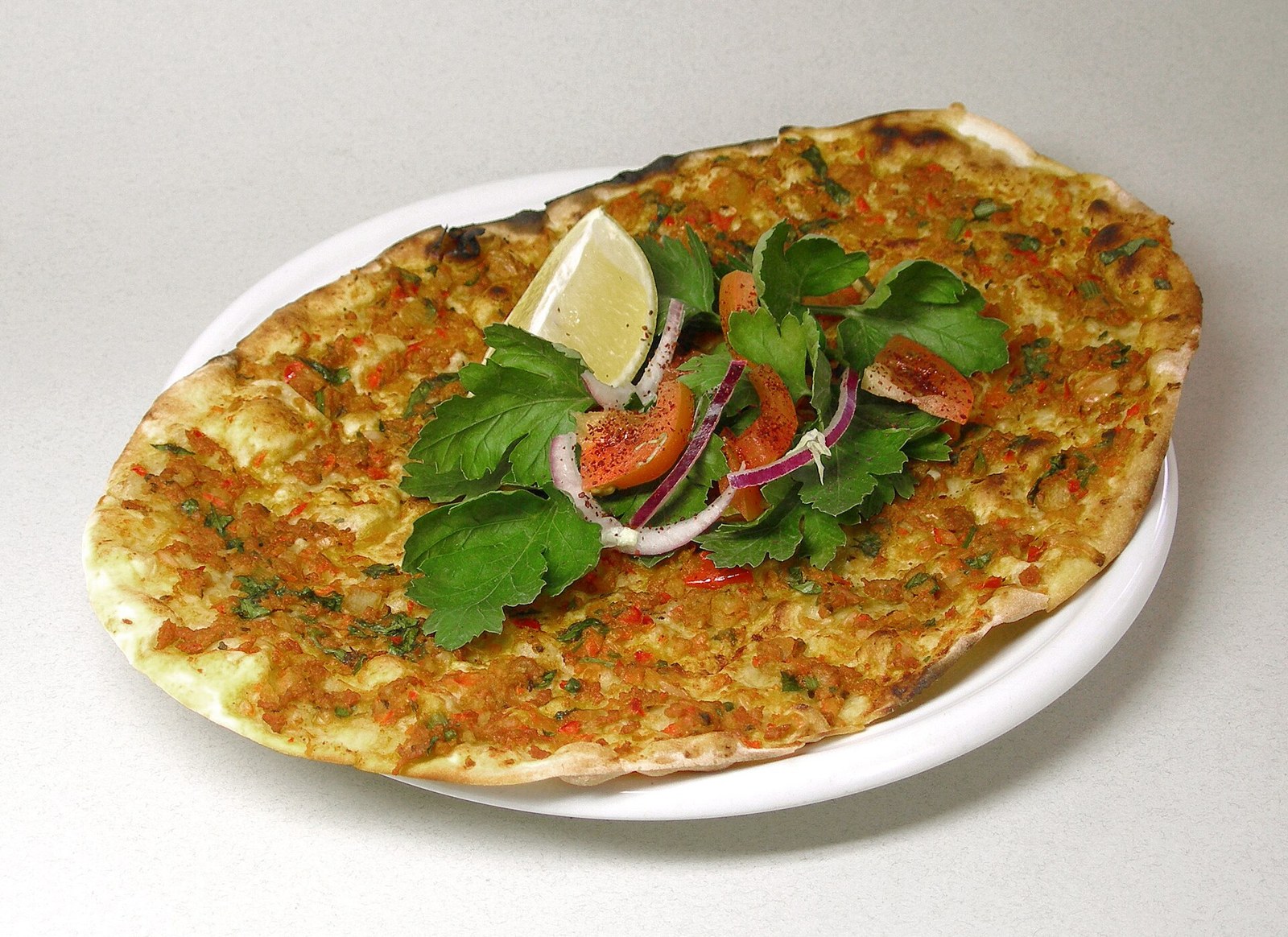
Thin oven-baked dough topped with seasoned minced meat; Gaziantep also has an onion-focused version.

Kadayıf dolması

Kadayıf dolması

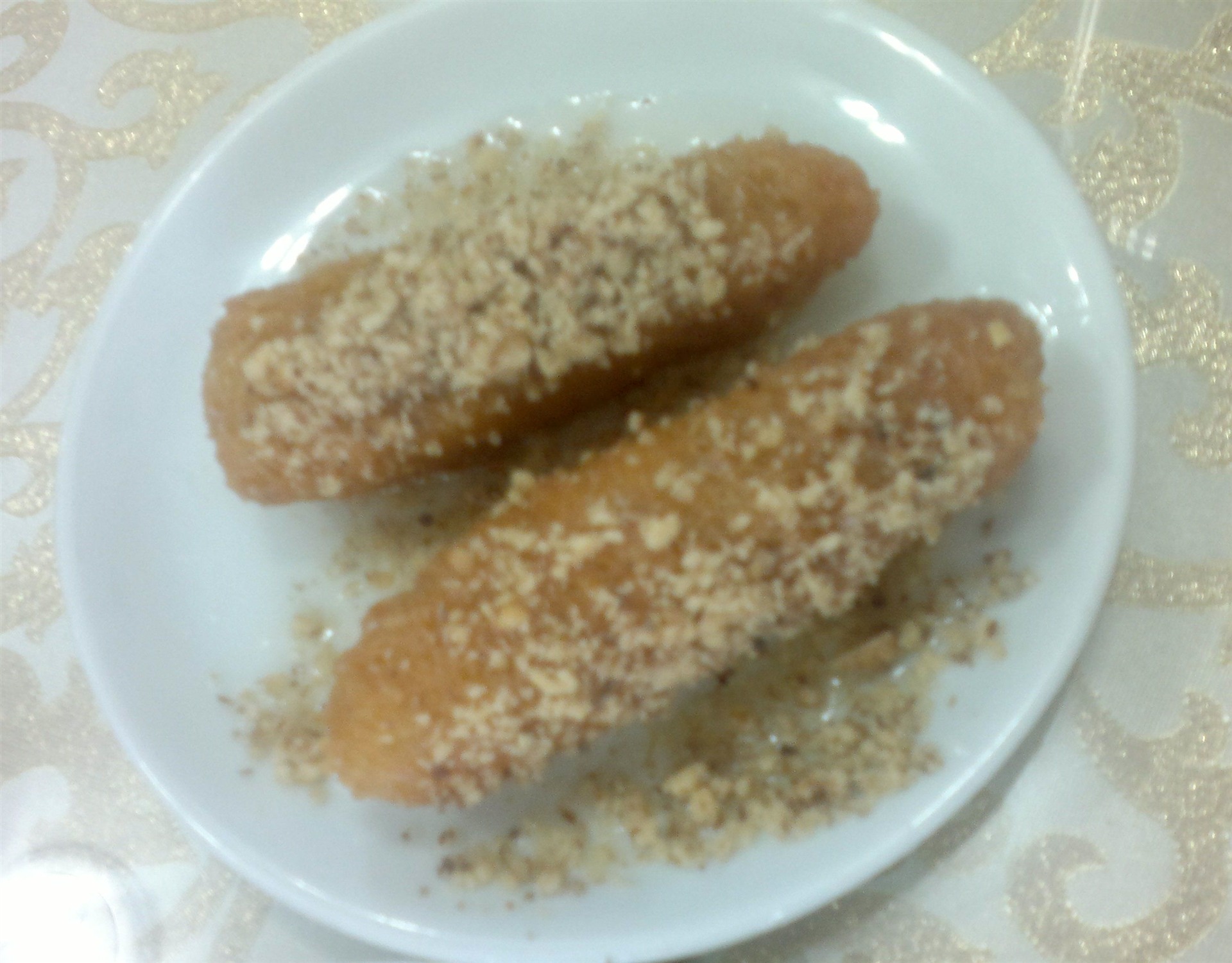
Walnuts wrapped in shredded pastry, dipped in egg, fried and soaked briefly in syrup. Erzurum's crisp, rich dessert.

Balık ekmek

Balık ekmek

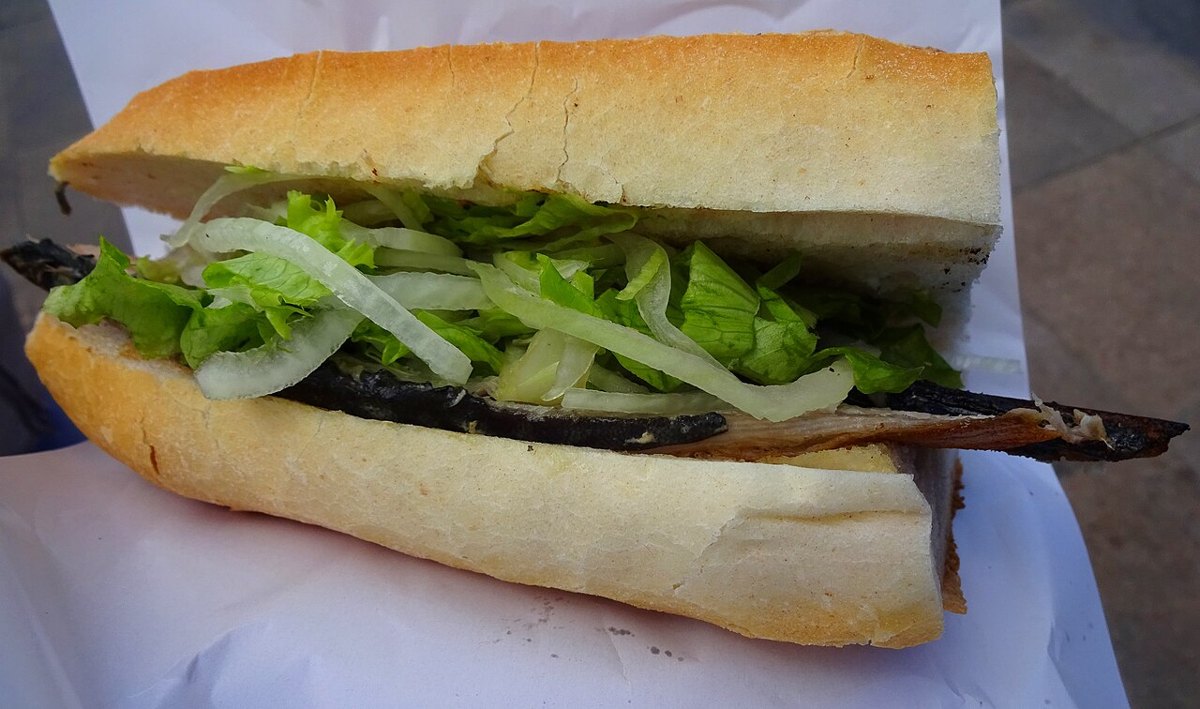
Grilled fish tucked into bread with onion and greens. Around Eminönü and Karaköy, ask vendors about the fish species, season and cooking method rather than assuming every sandwich is identical.

Cennet çamuru

Cennet çamuru

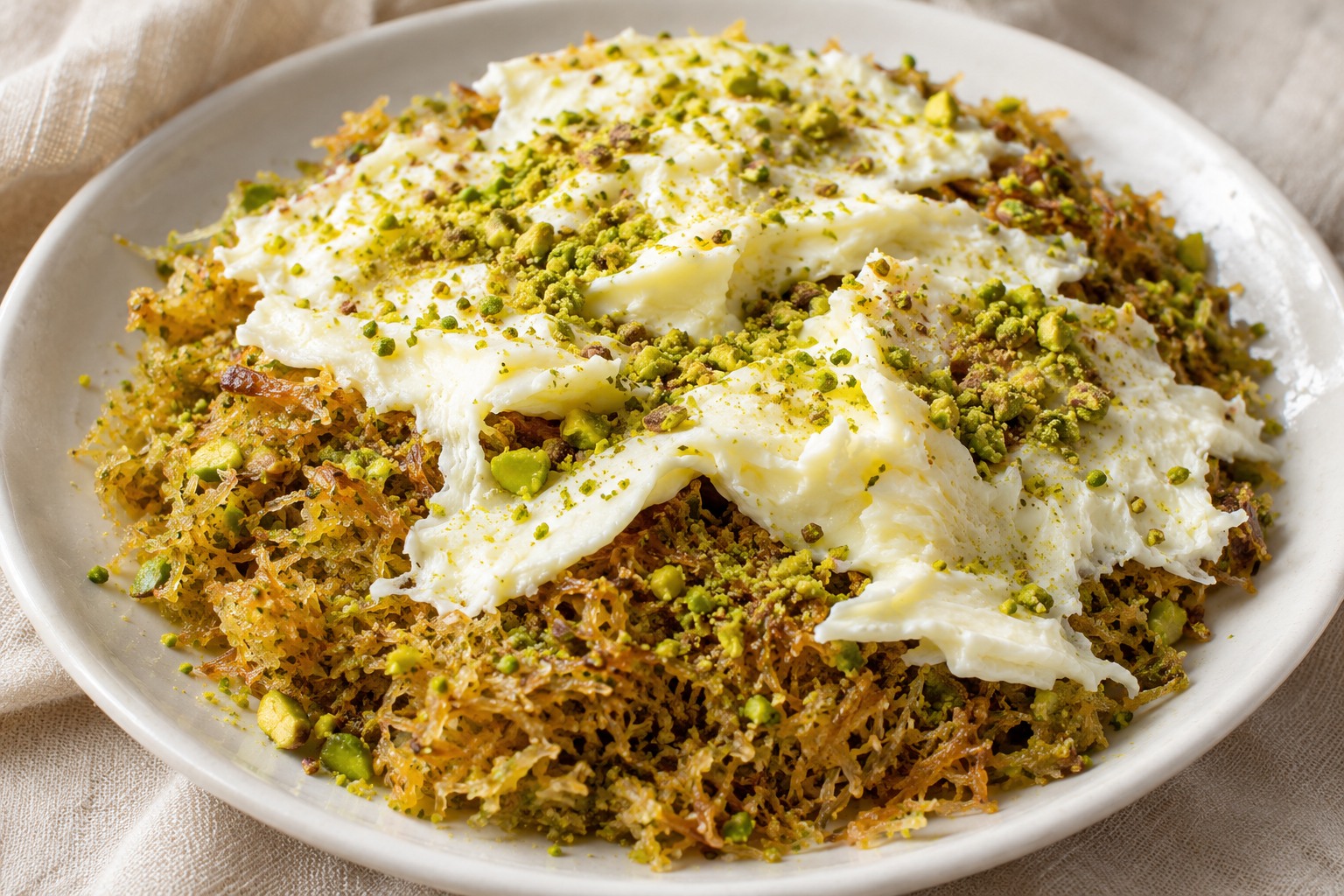
Toasted shredded pastry, pistachios and kaymak. Serve this Kilis dessert warm, in small portions.

Katmer

Katmer

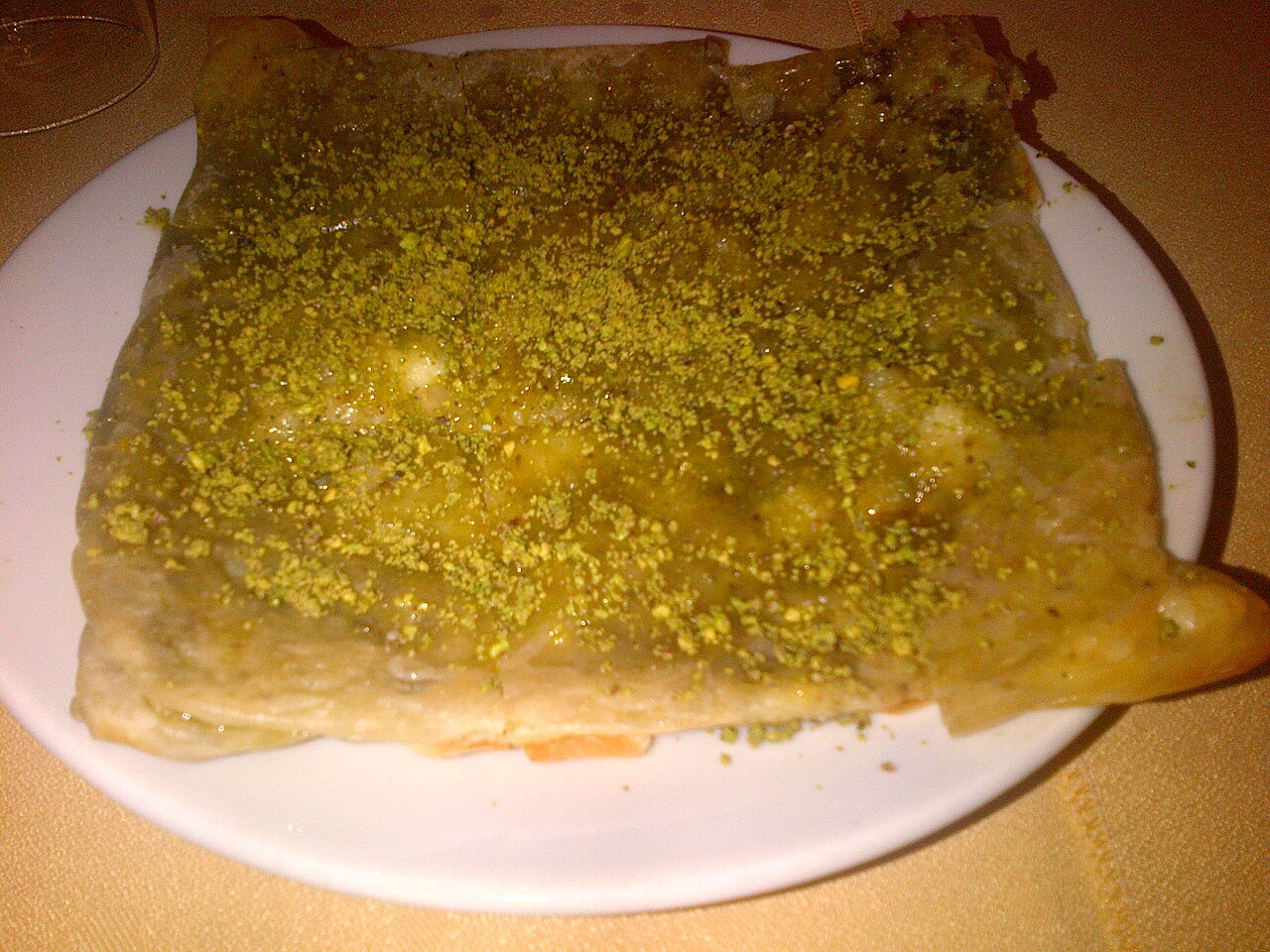
Crisp pastry filled with clotted cream and pistachios, best shared while warm.

Menemen

Menemen

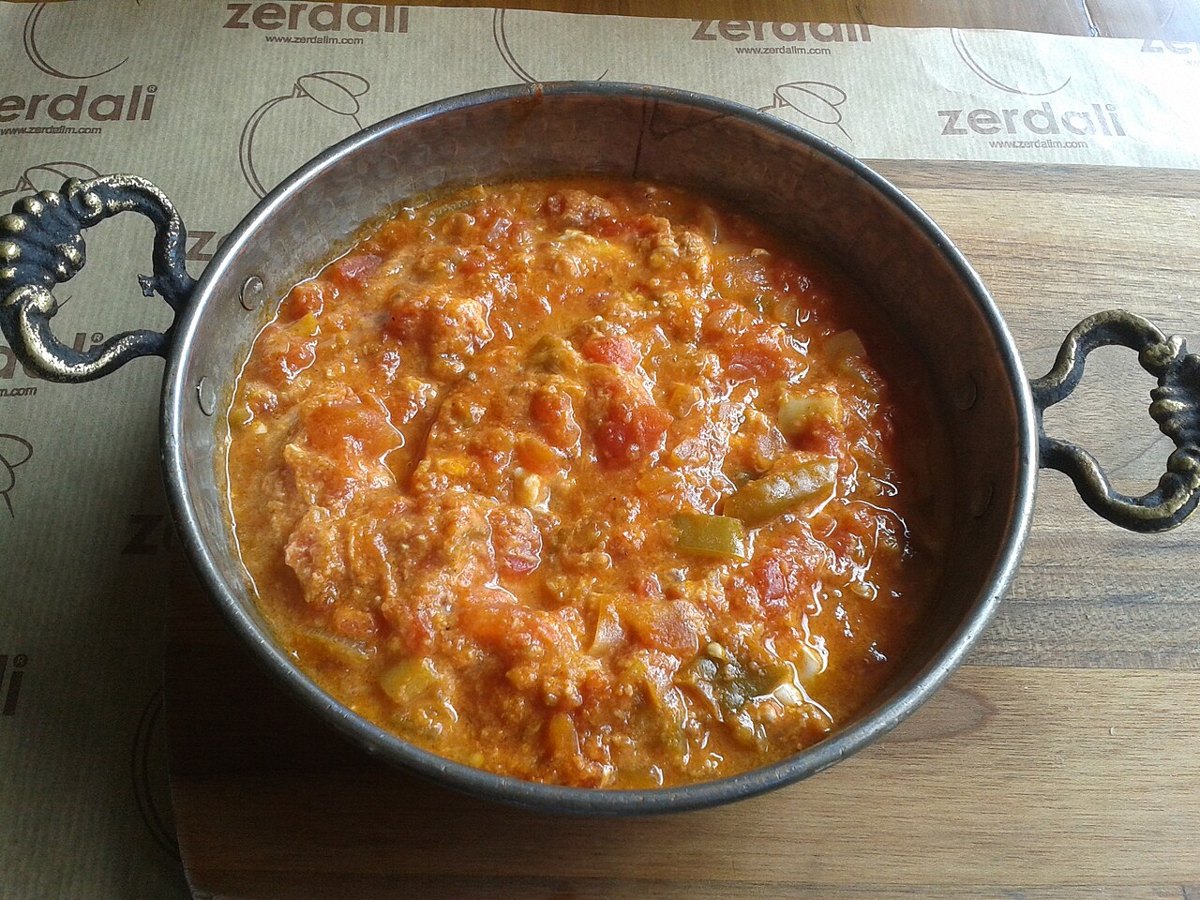
Tomatoes, green peppers and eggs cooked together in a pan. Eaten across Türkiye as well as at Istanbul breakfast tables, with onion preferences varying between households.

Region

Gaziantep

Gaziantep

Gaziantep’s position on trade routes between Anatolia and the Levant enriched a kitchen grounded in pistachios, grains, pulses and lamb. Bazaar workshops and home cooks developed different forms of expertise: paper-thin baklava layers, finely rolled meat-and-rice dumplings and breakfast bowls of beyran.

Istanbul

Istanbul

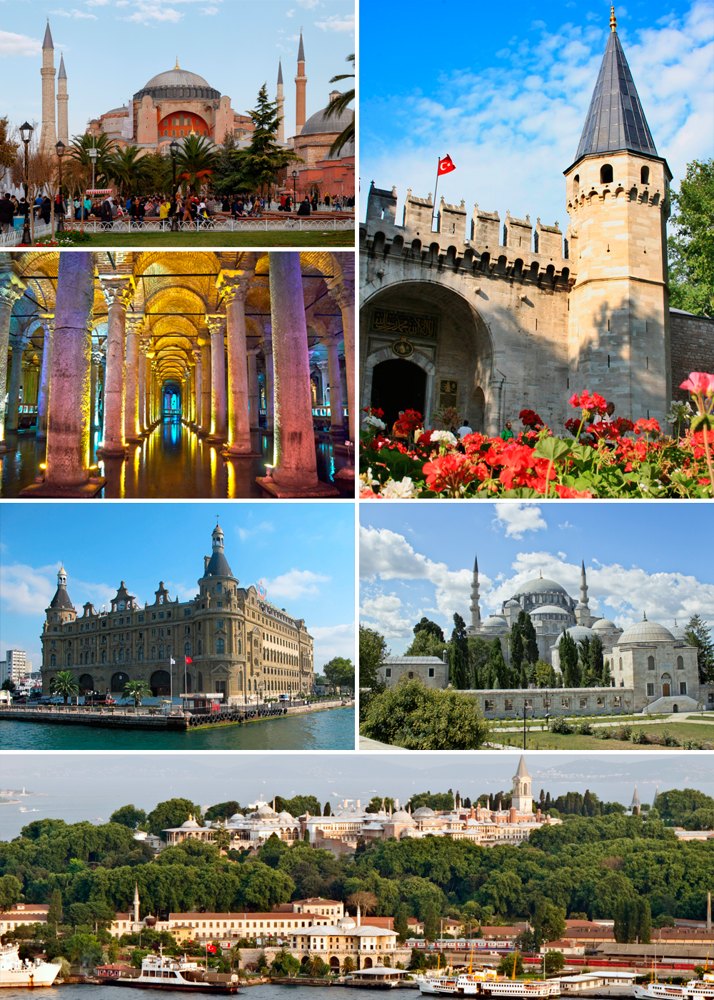
Istanbul’s kitchens developed around an imperial capital between two seas. Palace households, port commerce and the cooking of Muslim, Greek, Armenian, Jewish and other communities left layered traditions in bakeries, fish markets, meyhanes and neighbourhood restaurants.

Konya

Konya

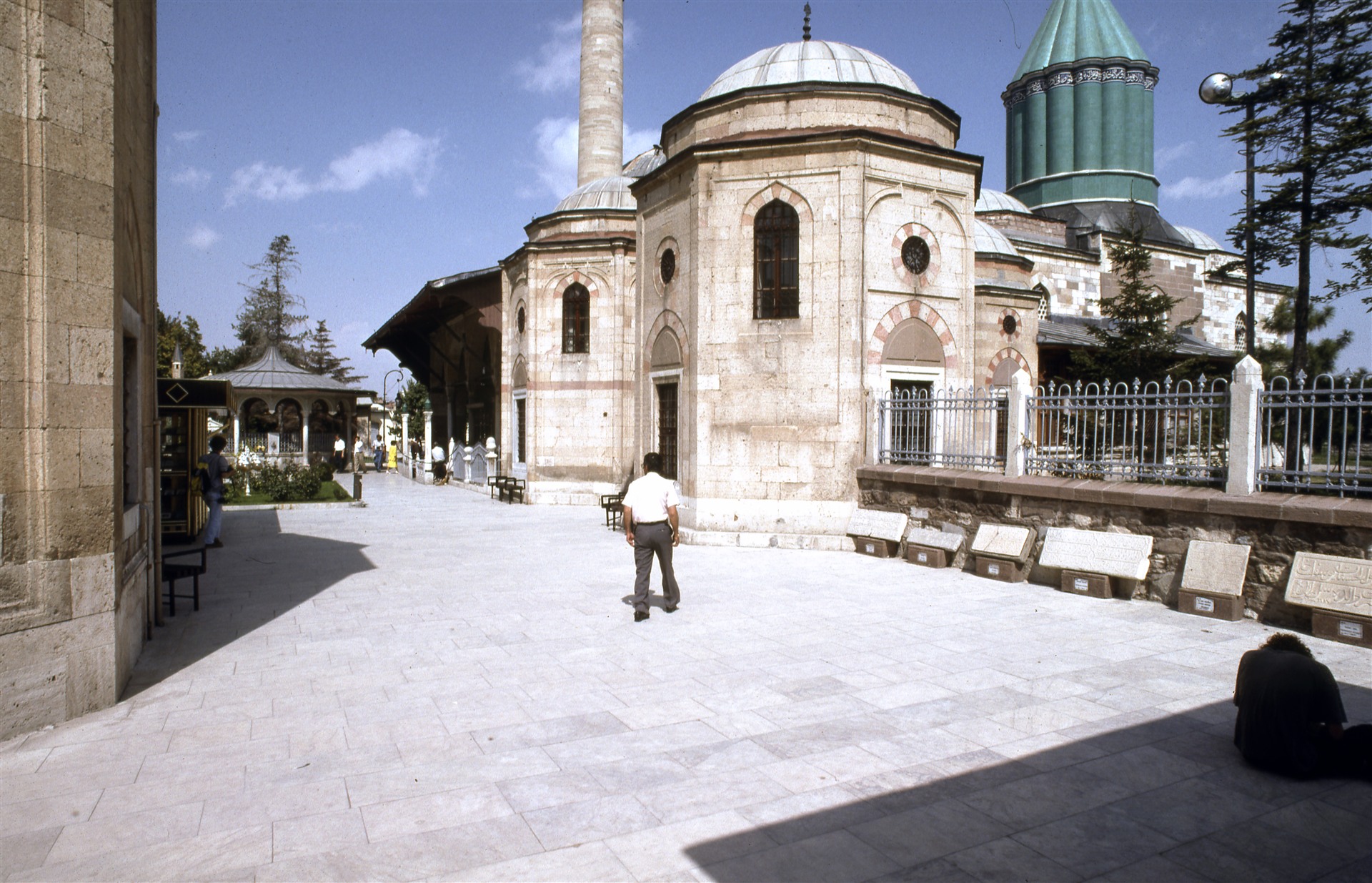
Konya’s Seljuk capital history sits within a wheat-growing central Anatolian landscape. Bread ovens and lamb cookery remain central: thin etli ekmek and patiently cooked oven lamb show how a restrained ingredient list can depend on dough, heat and timing.

Kilis

Kilis

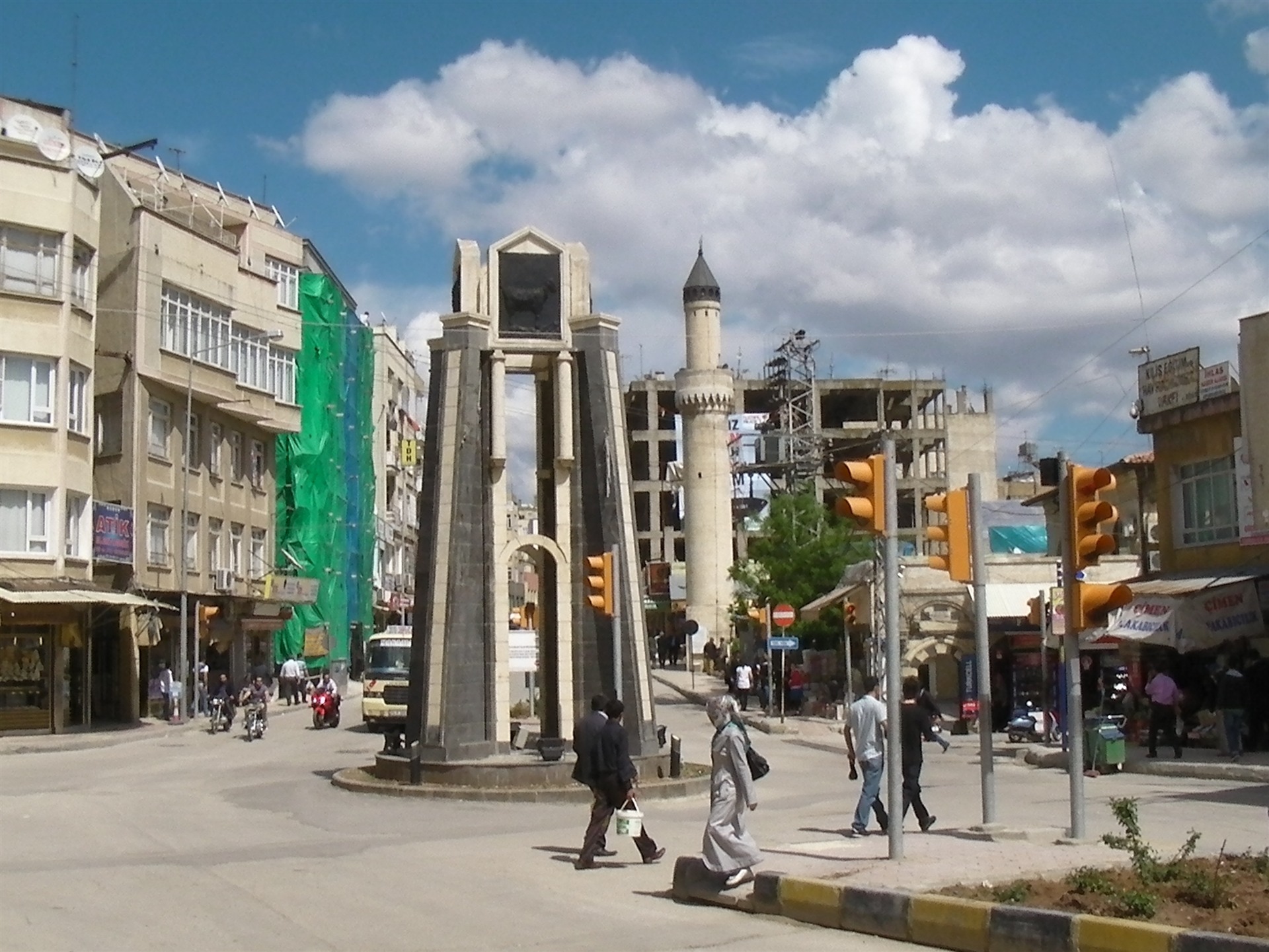
Kilis sits where southeastern Anatolia meets northern Syria, with olives, bulgur, peppers and lamb at the centre of its pantry. Shared borderland traditions appear in tray-baked meat, herb-rich preparations and the quick, skilful work of bakers and kebab cooks.

Erzurum

Erzurum

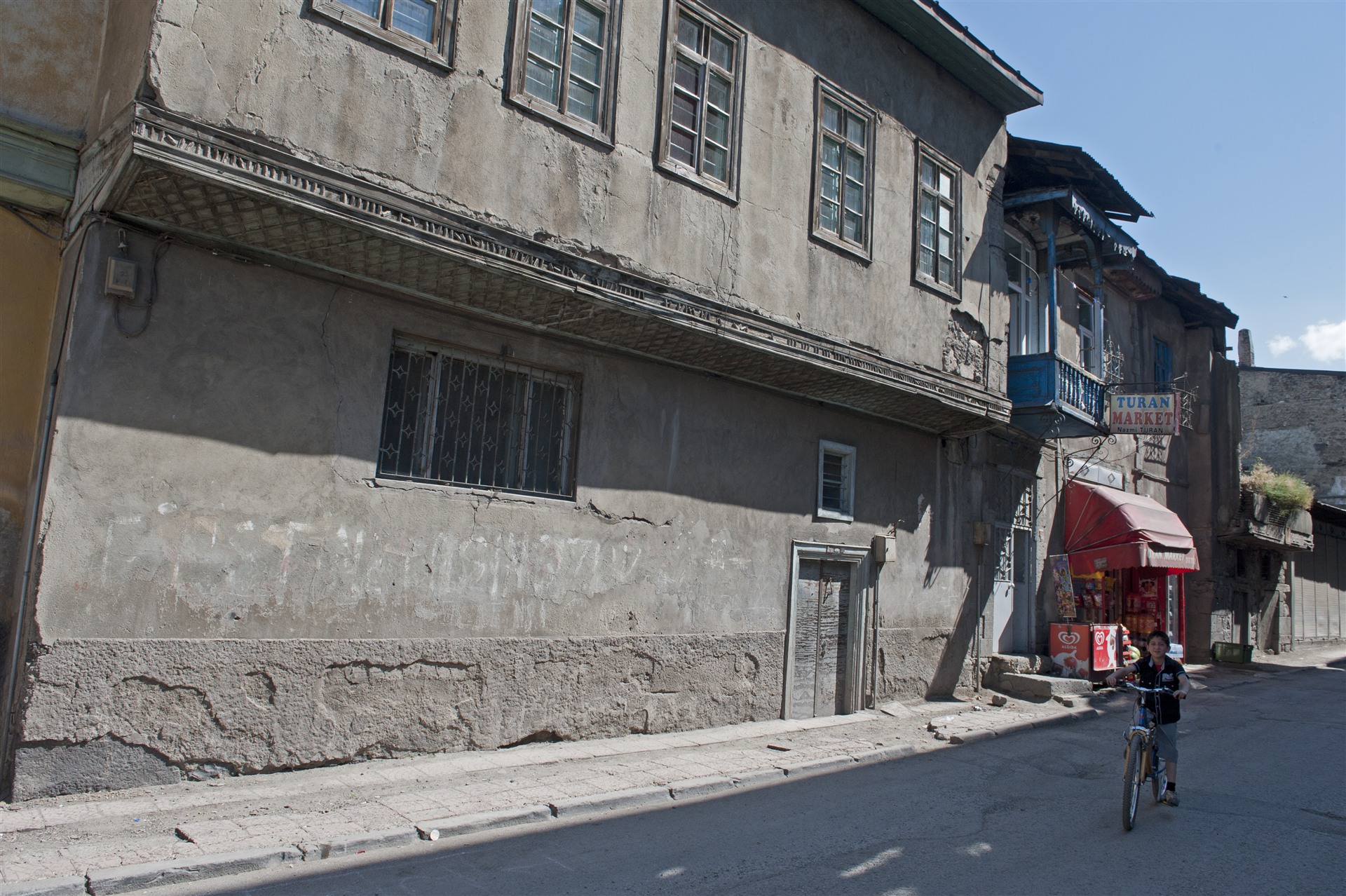
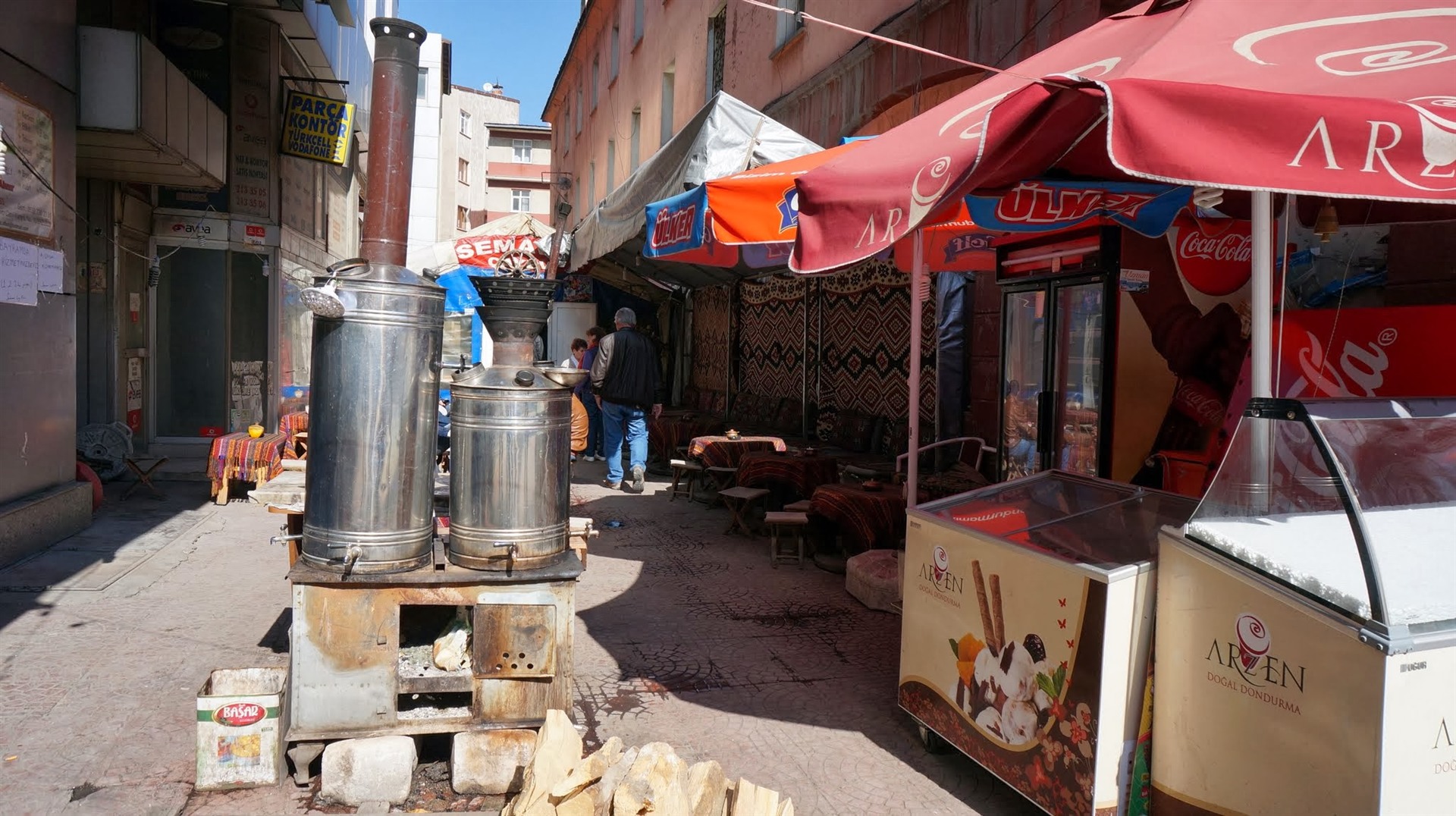
Erzurum’s high plateau and long winters encouraged hearty grain dishes, dairy and lamb cookery. Routes across eastern Anatolia brought travellers and exchange; today the city’s horizontally turned cağ kebabı and walnut-filled kadayıf dolması are two distinctive expressions of fire, pastry and skilled handwork.

Cities

Erzurum

Erzurum

Lamb from a horizontal cağ spit, walnut-filled kadayıf dolması and tea served kıtlama-style.

Gaziantep

Gaziantep

Start with a bowl of beyran. Follow the sound of the coppersmiths. Save the last bite for pistachios.

Istanbul

Istanbul

Fish sandwiches by the Bosphorus, menemen at breakfast and an intense Turkish coffee in Beyoğlu: Istanbul’s layers of migration and trade resist a single culinary label.

Kilis

Kilis

Oven-baked Kilis tava, olive-oil traditions and cennet çamuru topped with kaymak.

Konya

Konya

Paper-thin etliekmek, slow-roasted tandır/fırın kebabı and a food stop near the Mevlana Museum.

Sources and editorial notes +