Restaurant
Araka
MICHELIN 1At Araka in Yeniköy, founder Zeynep Pınar Taşdemir builds a personal culinary language around vegetables, herbs and the changing seasons of the garden.

At Araka in Yeniköy, founder Zeynep Pınar Taşdemir builds a personal culinary language around vegetables, herbs and the changing seasons of the garden.
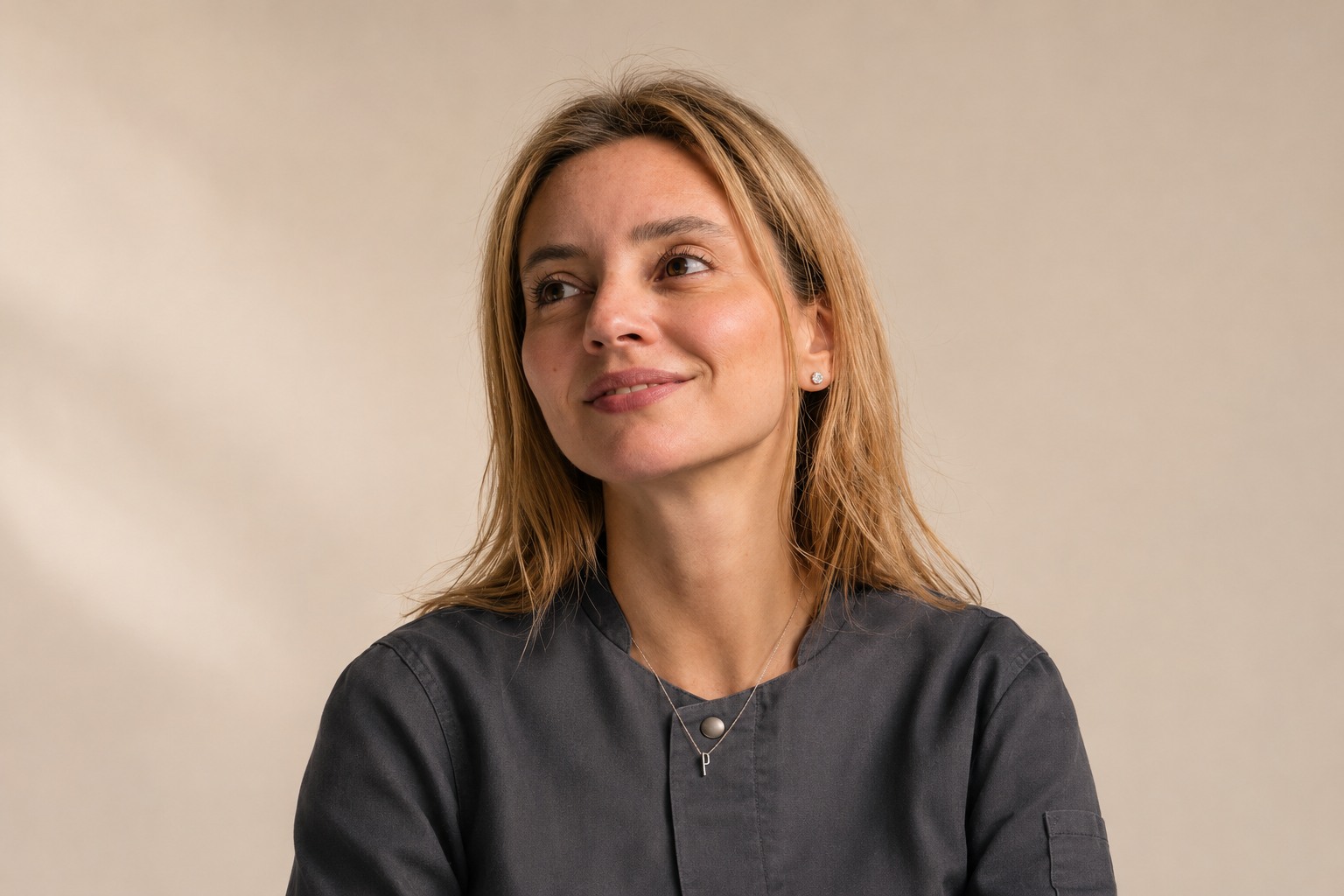
After studying at Istanbul’s Culinary Arts Academy, Zeynep Pınar Taşdemir worked at Müzede Changa. Its closure preceded the move towards a kitchen of her own; Araka’s official history dates the opening of the Yeniköy restaurant to 2018. Greek, Armenian and Turkish food traditions within her family, together with connections to Crete, Istanbul and Malatya, form a broad store of culinary memories. At Araka, those influences do not become a checklist of regional classics. They sit behind a personal approach in which a seasonal ingredient can set the direction for an entire plate.
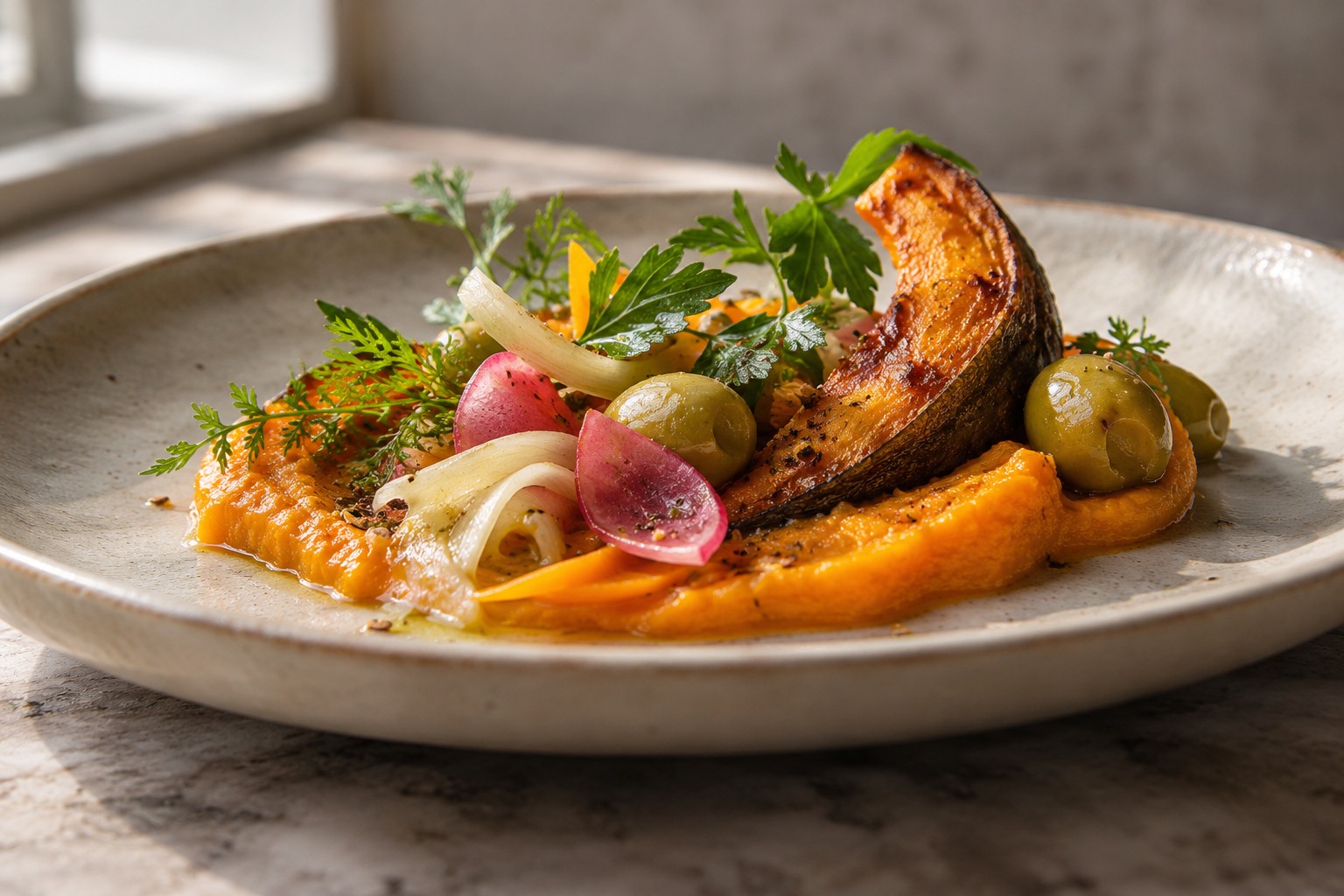
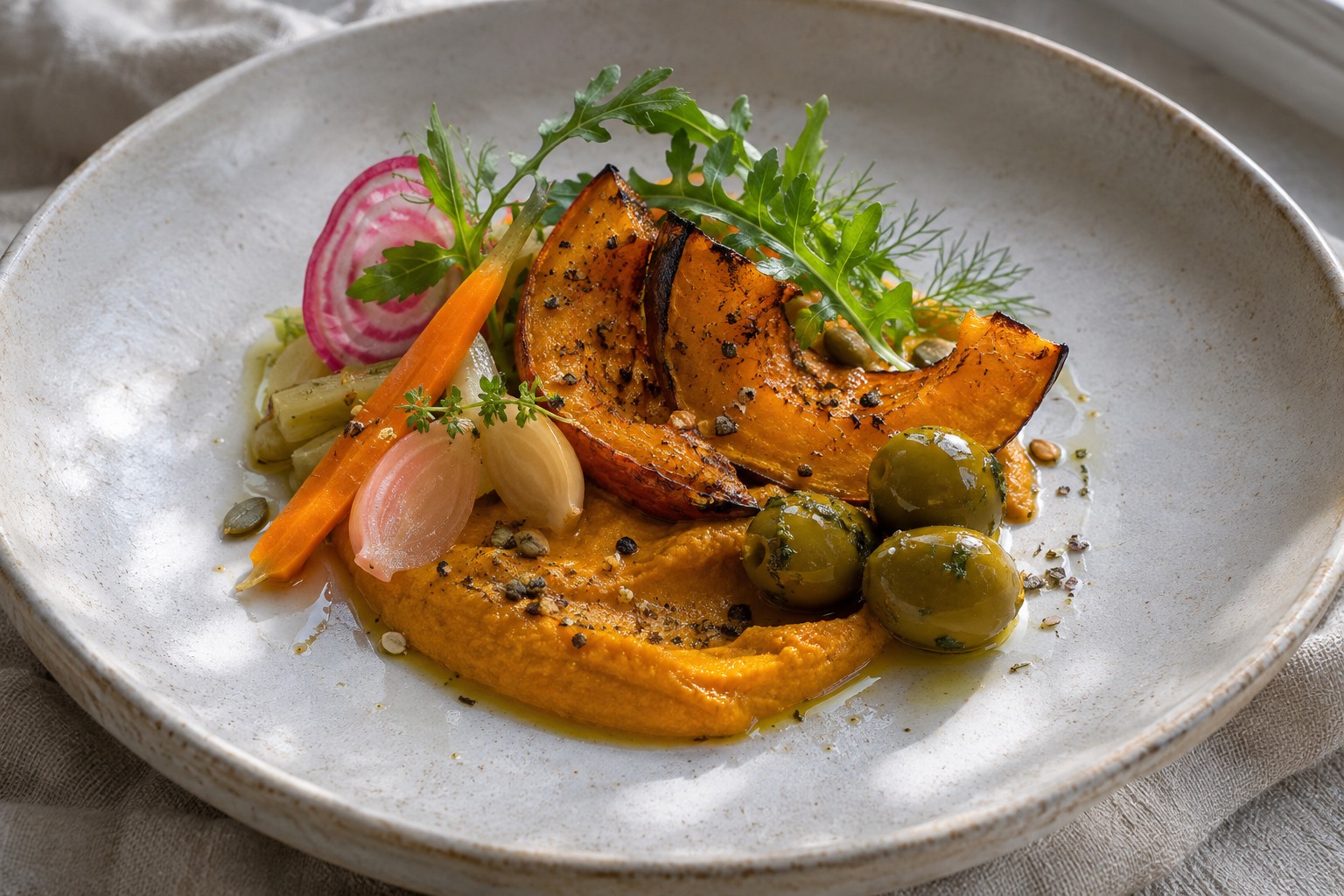
A vegetable, an aromatic herb or fruit from the garden often provides the starting point. Taşdemir pays close attention to season, freshness and the possibilities held in different parts of an ingredient. Pickling, purées, roasting and fresh herbs can build layers of flavour that move vegetables beyond the role of accompaniment. Araka is nevertheless not simply a vegetarian restaurant: fish, seafood and meat can also appear within its cooking. A small, collaborative kitchen team supports the intimate scale of the restaurant and helps keep its food closely connected to the products being handled.
In a cooking film made for GoTürkiye, Taşdemir prepares black-cabbage rolls with mussels, drawing on Black Sea flavours and ingredients from the garden. The relationship between cabbage, shellfish and pickled Isabella grapes shows how a recognisable dish can open into a different combination of tastes. In interviews she also discusses garden plums and the possibilities of pairing vegetables with herbs. These are useful illustrations of her thinking, rather than dishes promised on every future menu. What is fresh and available in a particular season matters more than maintaining a permanent photographic line-up.
Araka’s small scale is central to its appeal. Taşdemir’s 2023 Michelin interview explores the family influences and collaborative working style behind the restaurant, while Gault&Millau’s 2024 assessment records two toques. The setting in Yeniköy makes it possible to combine dinner with time along the Bosphorus, but treat the meal as a planned reservation rather than assuming a table will be available during a casual walk. The restaurant’s identity comes from the connection between its chef, garden produce and dining-room scale as much as from any dated guide recognition.
Araka is at Kapalı Bakkal Sokak 8 in Yeniköy. Follow the reservation channel on the official website and confirm the menu, service days and dietary arrangements for your date. A vegetable-led kitchen does not automatically mean that every menu suits every dietary preference. The map below points to the same street address. The selected videos offer two different perspectives: a compact cooking demonstration and a brand-supported interview about Taşdemir’s journey. Together they connect the ingredient-led plates with the experience and personal food memories that inform her work.
Yeniköy, Kapalı Bakkal Sk. No:8, 34464 Sarıyer/İstanbul
Zeynep Pınar Taşdemir prepares black-cabbage rolls with mussels and pickled Isabella grapes, connecting Black Sea flavours with garden produce.
In this DS Türkiye brand-supported interview, Pınar Taşdemir discusses her journey to Araka and her approach to cooking.
At Araka in Yeniköy, founder Zeynep Pınar Taşdemir builds a personal culinary language around vegetables, herbs and the changing seasons of the garden.