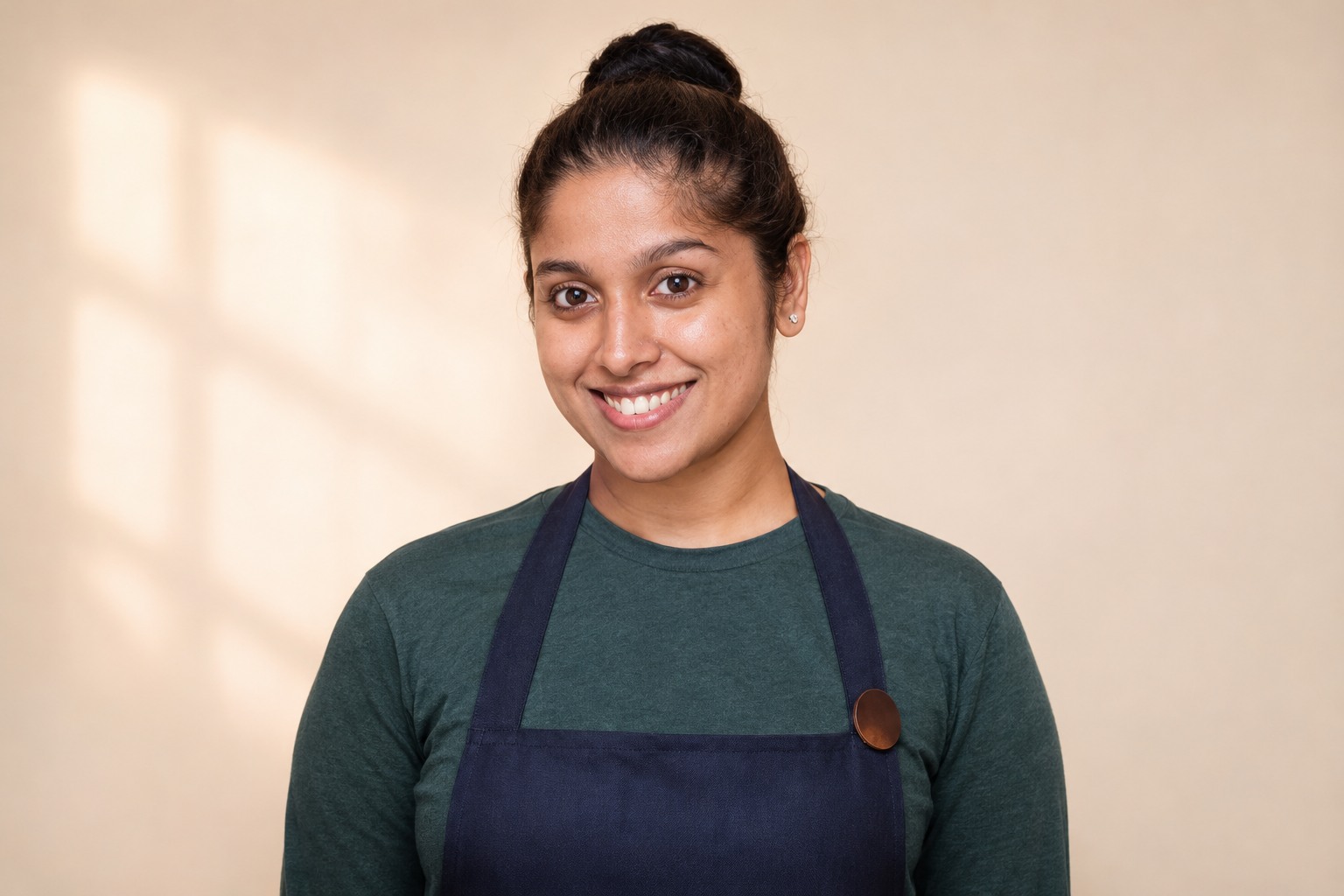
Niyati Rao gives Indian ingredients the lead at Ekaa. Tasting menus, small plates and collaborations connect personal memories with growers, regional products and a curiosity about what an ingredient can become.
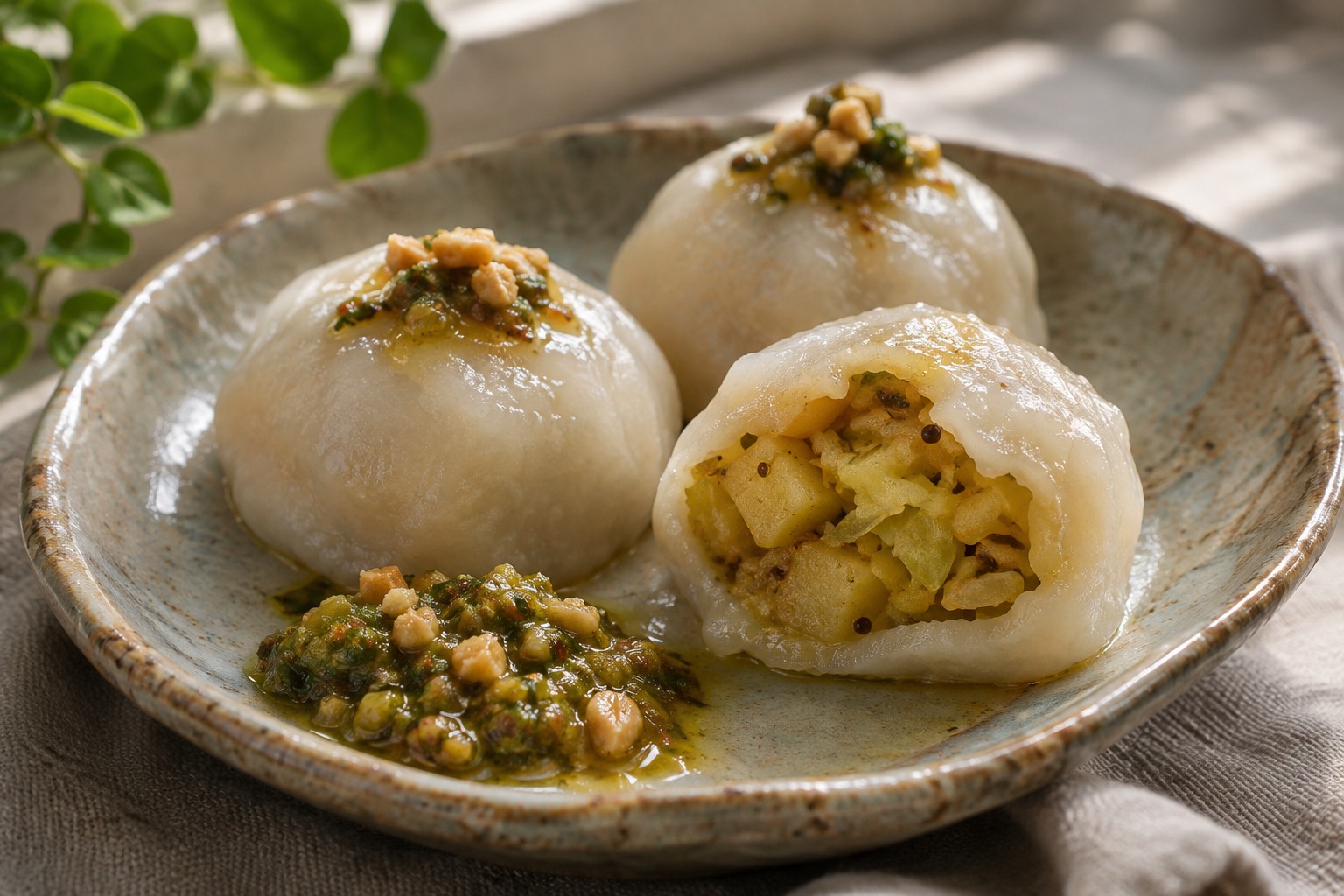
↗Potato and cabbage mochi — potato, cabbage, rice.
An ingredient-led Ekaa
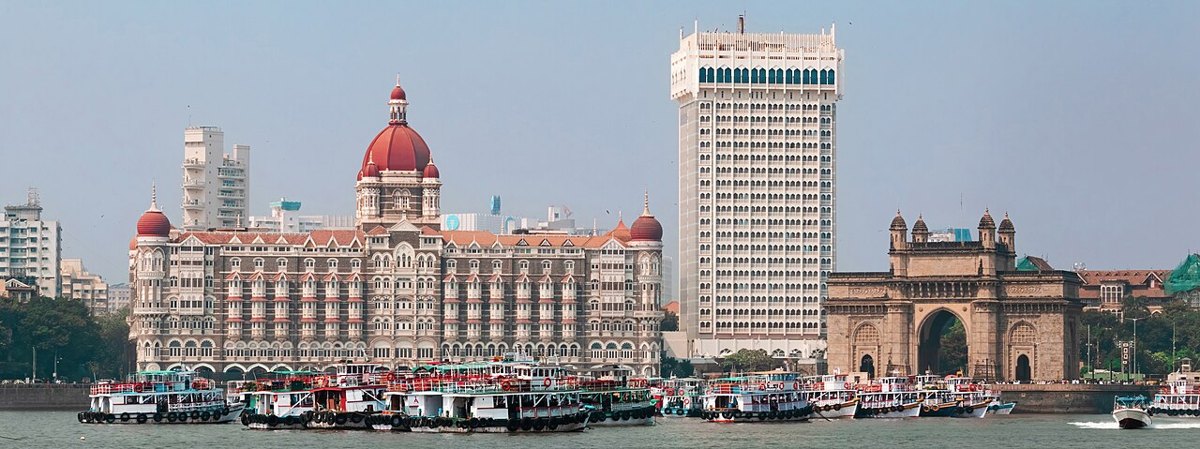
Ekaa occupies the first floor of Kitab Mahal in Fort. Its dining programme includes tasting menus and smaller plates, with the current website introducing Growing Up Indian 7.0 and Terroir 2.0. The names point to different ways of exploring ingredients and memory rather than one permanent sequence of dishes. The bar’s Dwadash programme is credited to Jishnu A. J., bringing a separate specialist’s work alongside the kitchen.
Tomatoes, mochi and remembered flavours
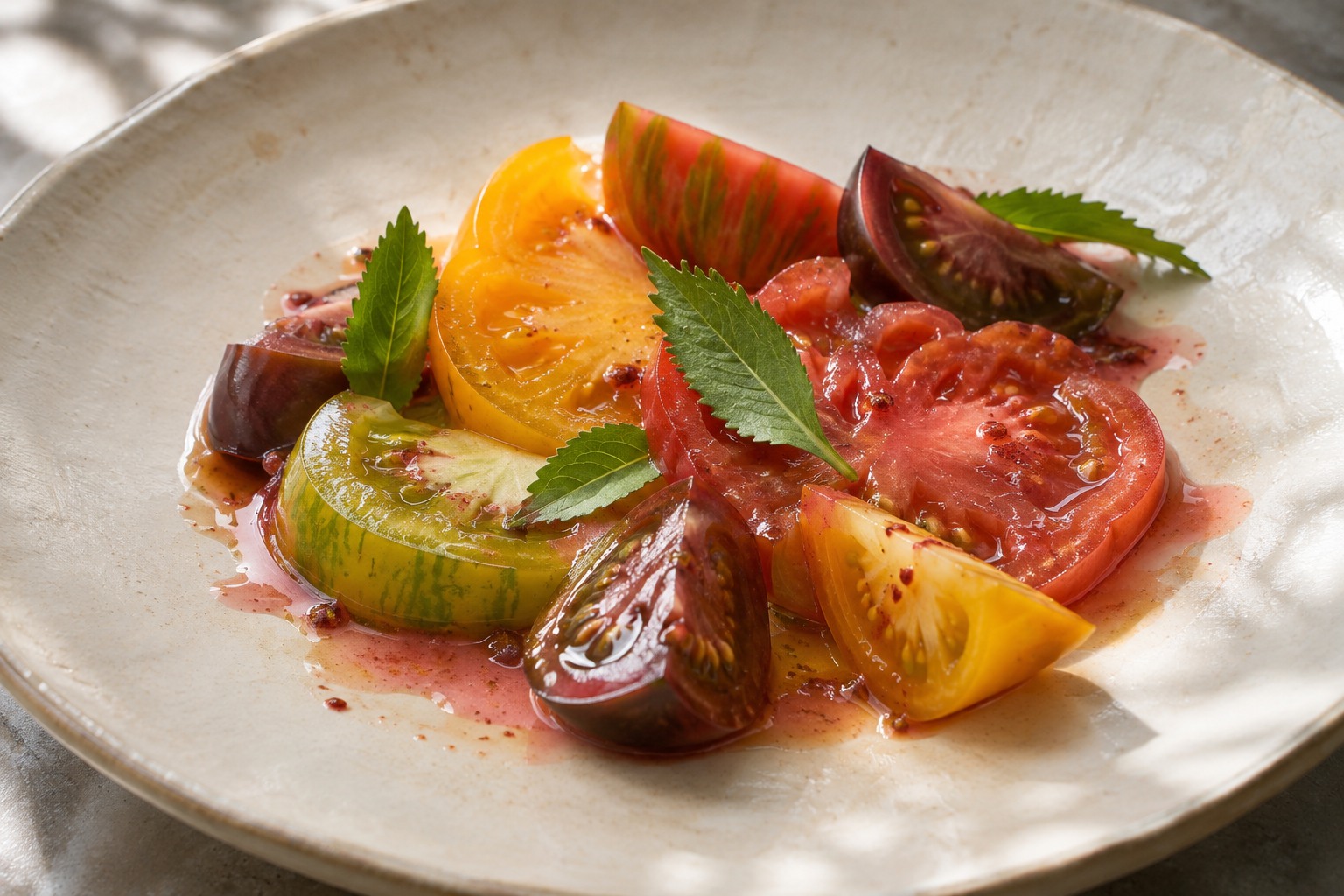
The published small-plate menu includes Tomato Tomato, combining six heirloom varieties with kokum and culantro. A savoury mochi brings together potato, cabbage and miso thecha, while a corn-milk pudding uses caramel and butter. Other plates explore pork, chicken and seafood. These examples show the kitchen moving between acidity, heat, softness and smoke, with a clear ingredient at the centre of each preparation.
Address
1st Floor, Kitab Mahal, D. Sukhadwala Road, Azad Maidan, Fort, Mumbai, Maharashtra 400001, India
Niyati Rao gives Indian ingredients the lead at Ekaa. Tasting menus, small plates and collaborations connect personal memories with growers, regional products and a curiosity about what an ingredient can become.
Niyati Rao gives Indian ingredients the lead at Ekaa. Tasting menus, small plates and collaborations connect personal memories with growers, regional products and a curiosity about what an ingredient can become.
Buttery pav bhaji, handheld vada pav and tea in an Irani café. Explore Mumbai’s street food and café heritage as separate stops, checking prices and hours on the day.