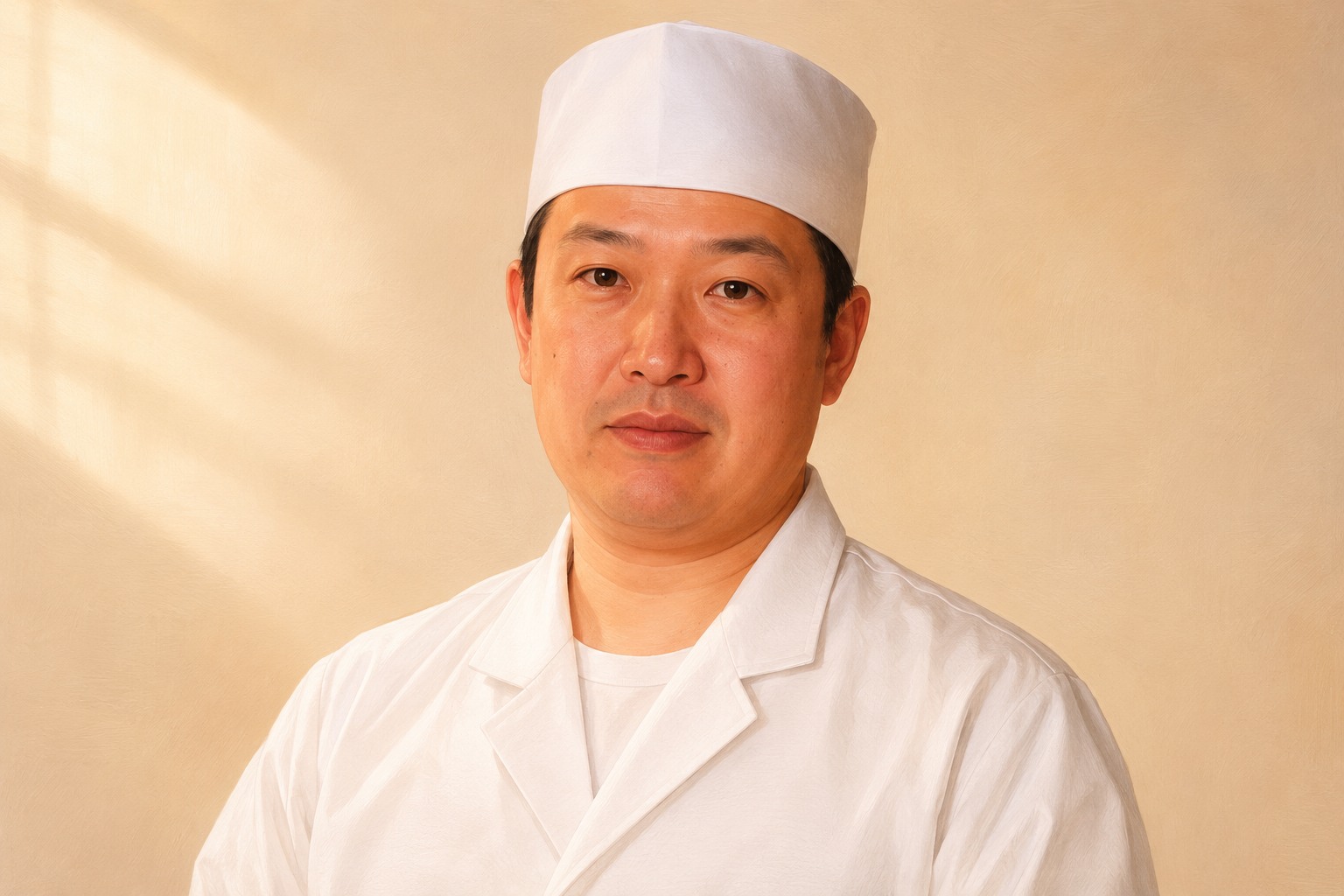
Hitoshi Takahata combines kaiseki structure, kappo hospitality and charcoal cooking at Taian. Broths, seasonal ingredients and thoughtful timing give each part of the meal its own place.
An archival Cuisine Press interview, based on a 2012 visit, describes how Takahata reconsidered the structure of a course. Grilled dishes had a powerful presence, but he came to value the purpose of the whole kaiseki sequence and the role of every preparation. Michelin’s current description connects that sensibility with Osaka’s kappo culture: formal culinary skills are brought into the counter setting, while the chef continues to think from the diner’s perspective.
Charcoal, kombu and a lasting flavour
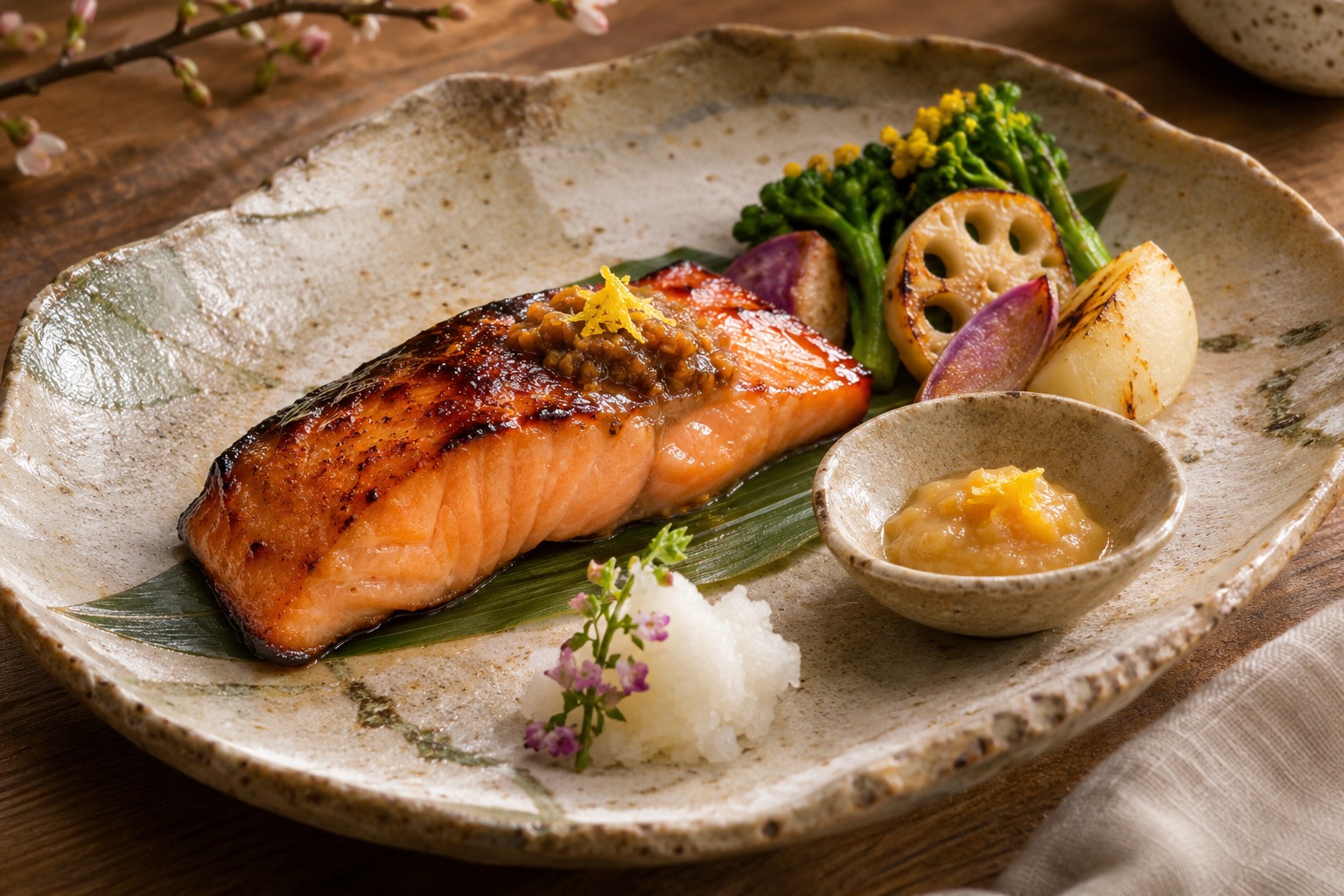
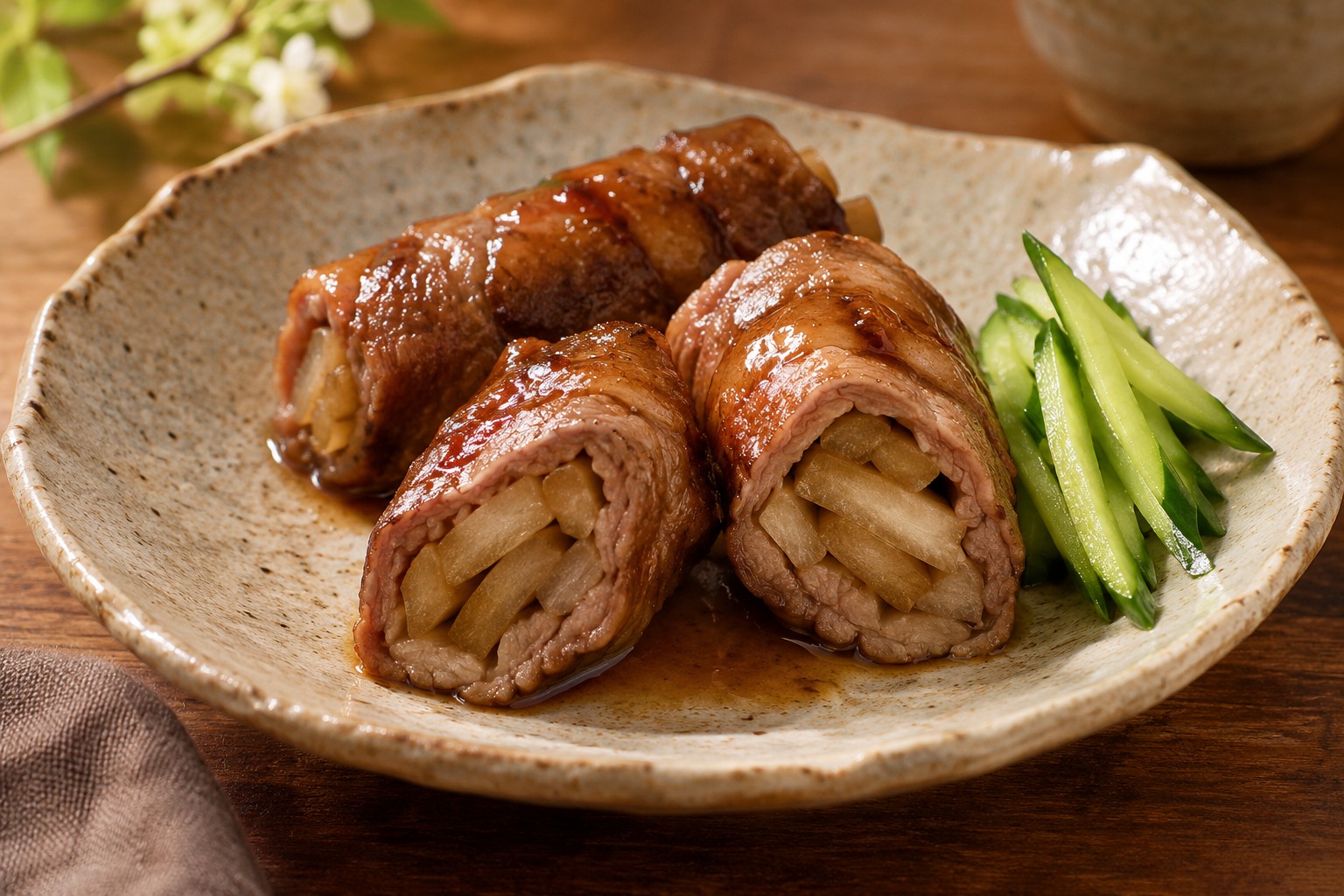
Charcoal handling, careful knife work and the depth of kombu broth provide useful clues to the kitchen. The archival interview discusses grilled salmon with fermented Daitokuji soybeans and yuzu miso, as well as the attention given to the lasting flavour of a soup. Public home-cooking lessons extend those ideas into simpler preparations. Beef-wrapped burdock, pumpkin-and-pear salad and corn dishes show how a chef’s skill can be shared through approachable seasonal food.
Address
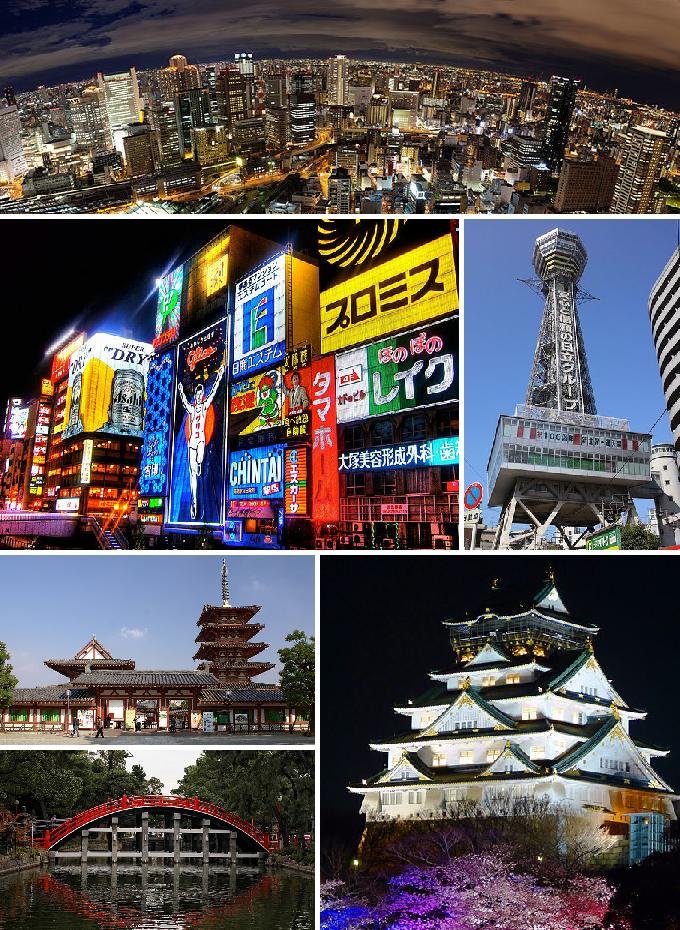
Yamamoto Matsu Building 1F, 1-21-2 Shimanouchi, Chuo-ku, Osaka 542-0082, Japan
Hitoshi Takahata combines kaiseki structure, kappo hospitality and charcoal cooking at Taian. Broths, seasonal ingredients and thoughtful timing give each part of the meal its own place.
Hitoshi Takahata combines kaiseki structure, kappo hospitality and charcoal cooking at Taian. Broths, seasonal ingredients and thoughtful timing give each part of the meal its own place.