Skip to content
A world of local flavours
Language

Japan

History and food culture

Japan's food follows rice cultivation, fishing and the changing seasons. Fermented soy products and dashi supply depth, while regional preservation methods turn fish, vegetables and grains into foods with remarkably different textures.

Edo-style sushi and soba share Tokyo with ramen shops; Osaka favours takoyaki and okonomiyaki counters. Tempura's light coating, udon's chew and the soft stretch of mochi show how much attention goes into the way each mouthful feels.

Chefs in this country

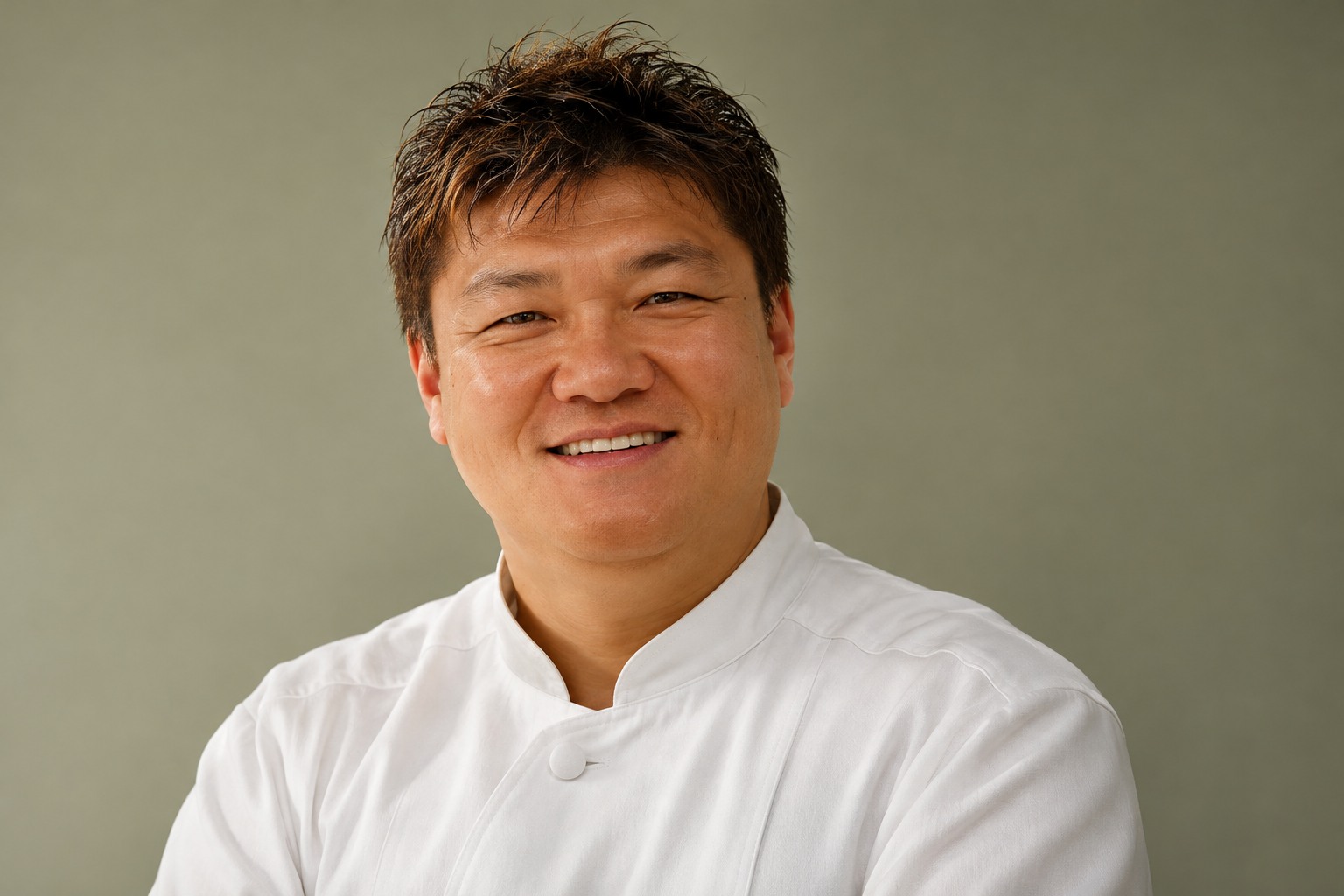
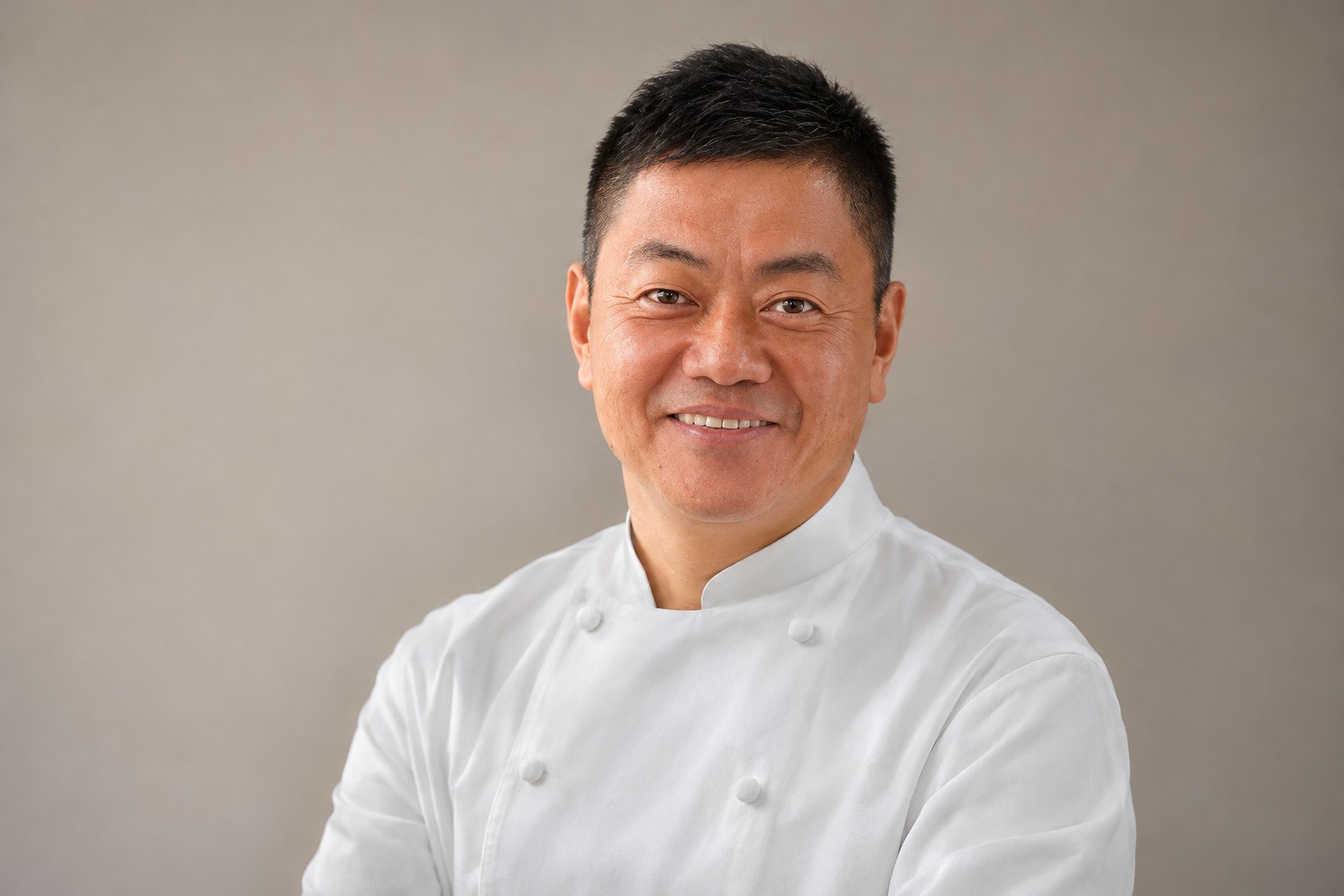
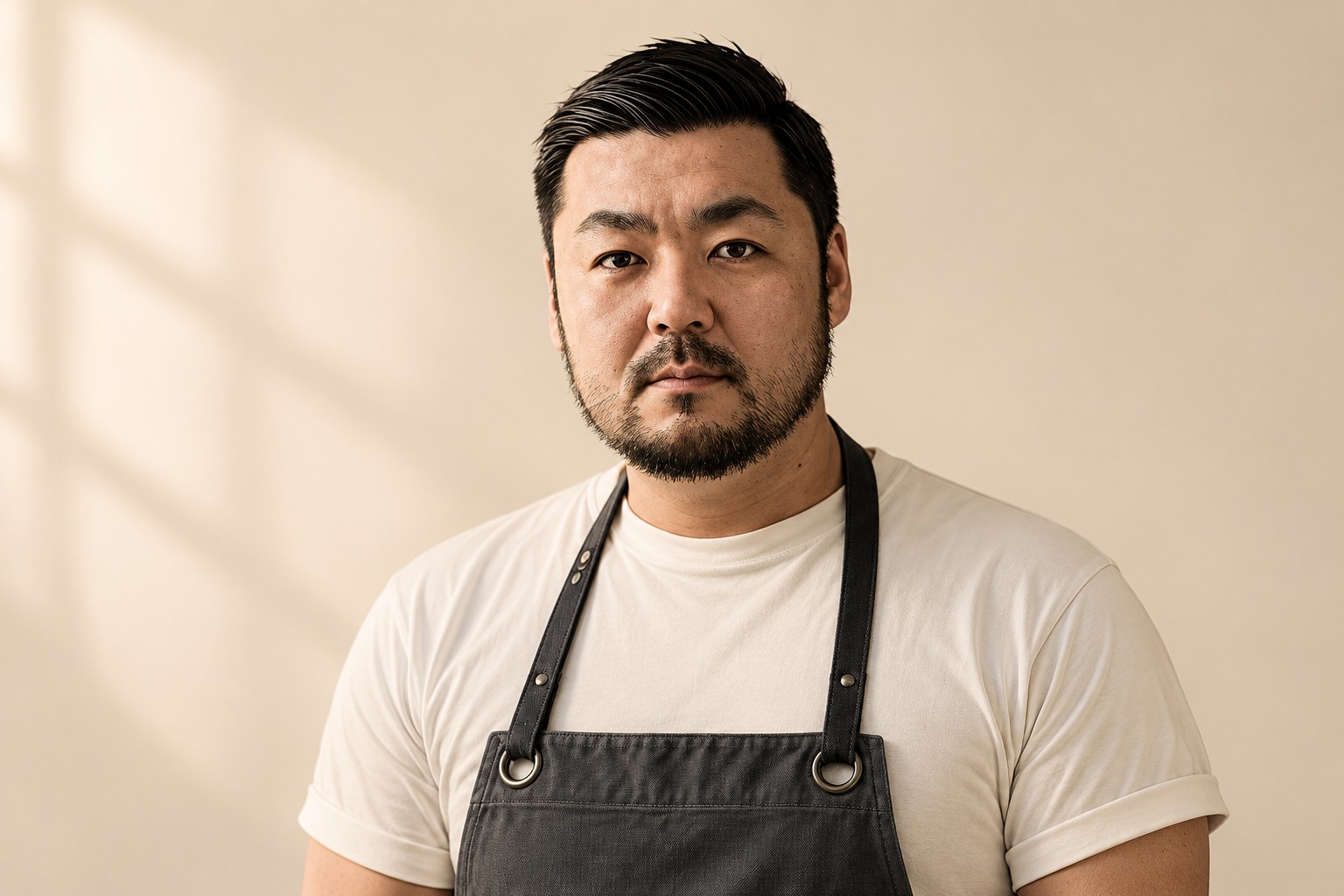
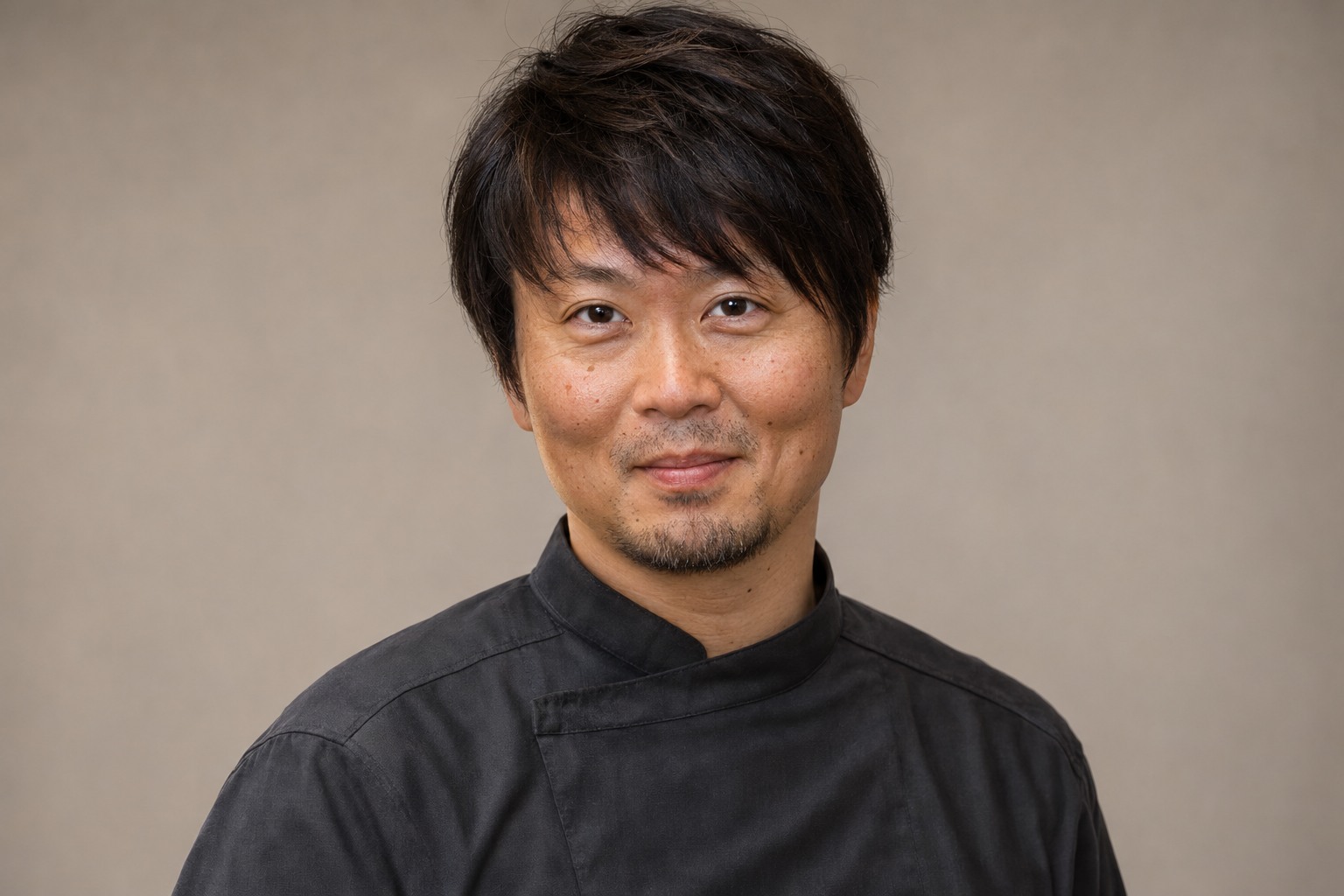
Hajime Yoneda

HAJIME · Seasonal vegetable plate · Vegetable broth

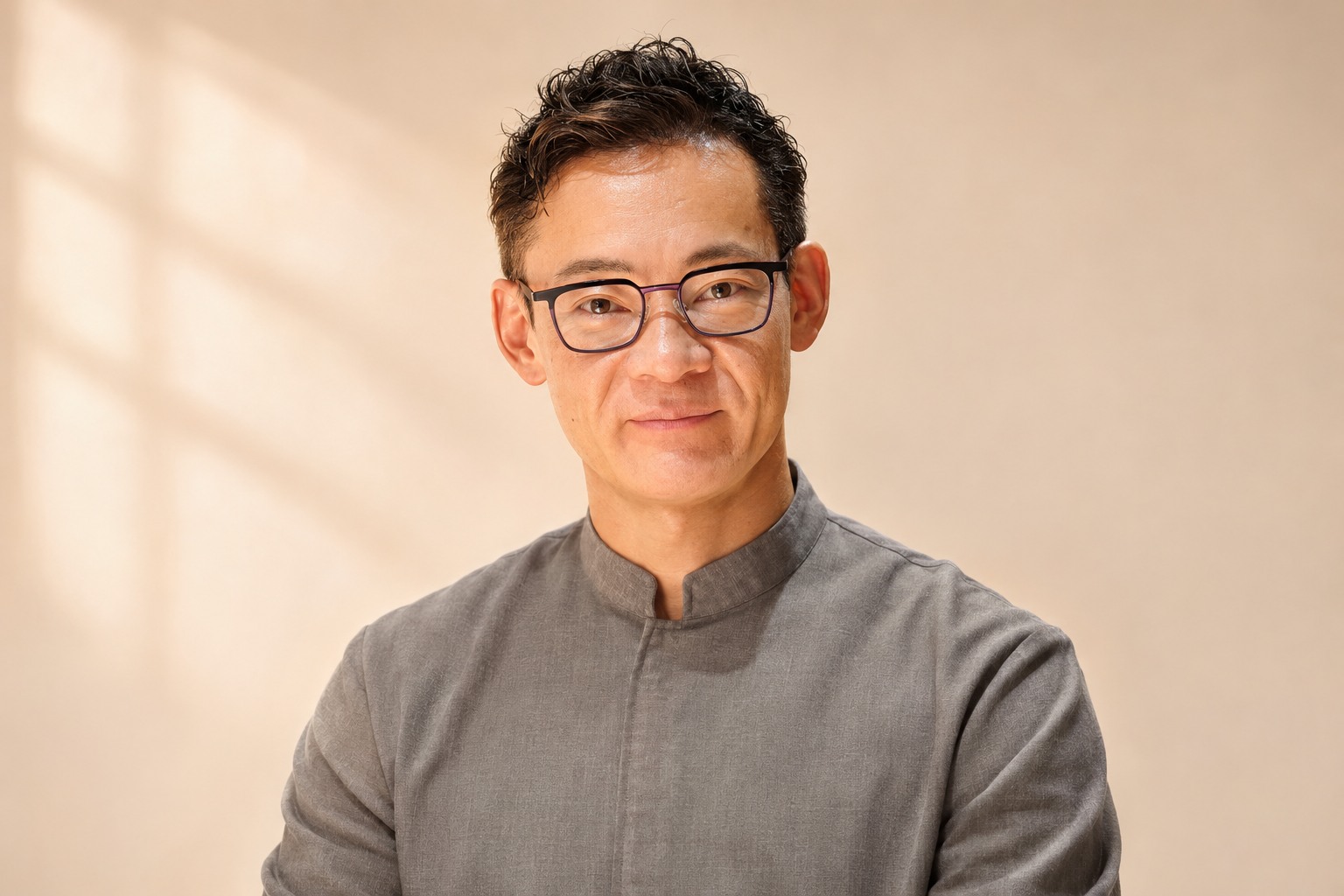
Hajime Yoneda

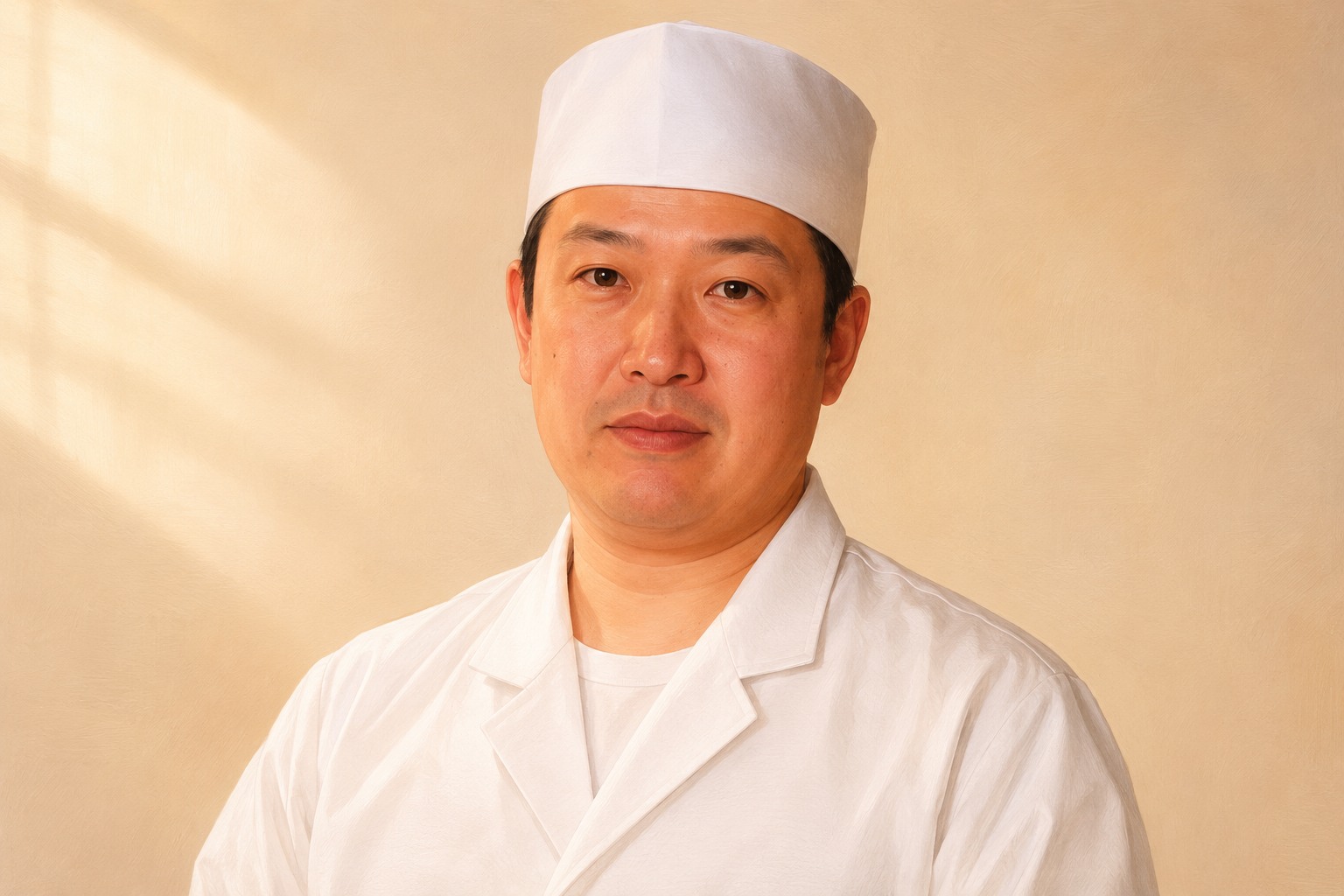
Hajime Yoneda connects an engineer’s precision with questions about nature, life and the universe. At HAJIME in Osaka, ingredients become part of a carefully paced creative experience.
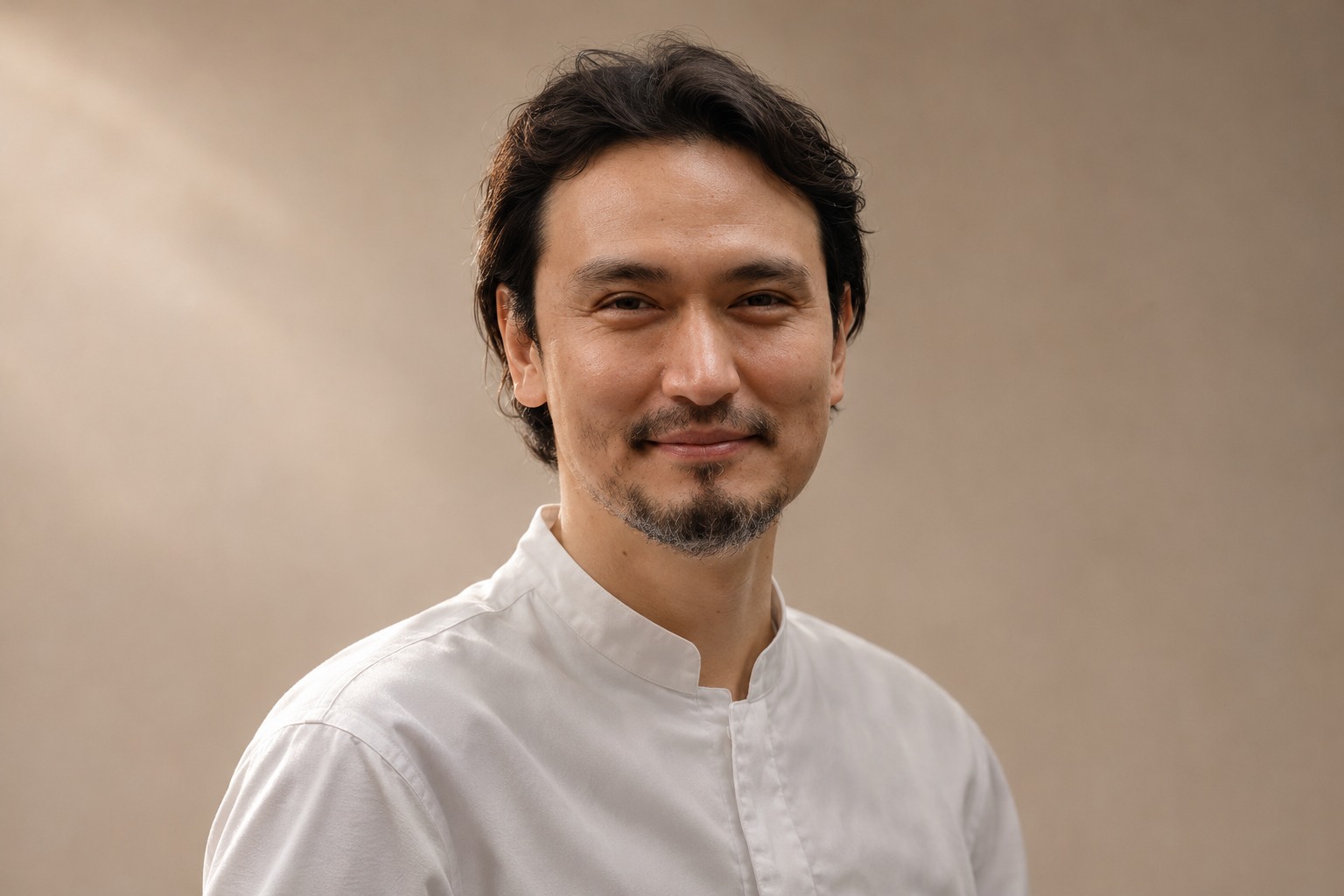
Hiroyasu Kawate

Florilège · Aubergine with herbs · Squid with vegetables

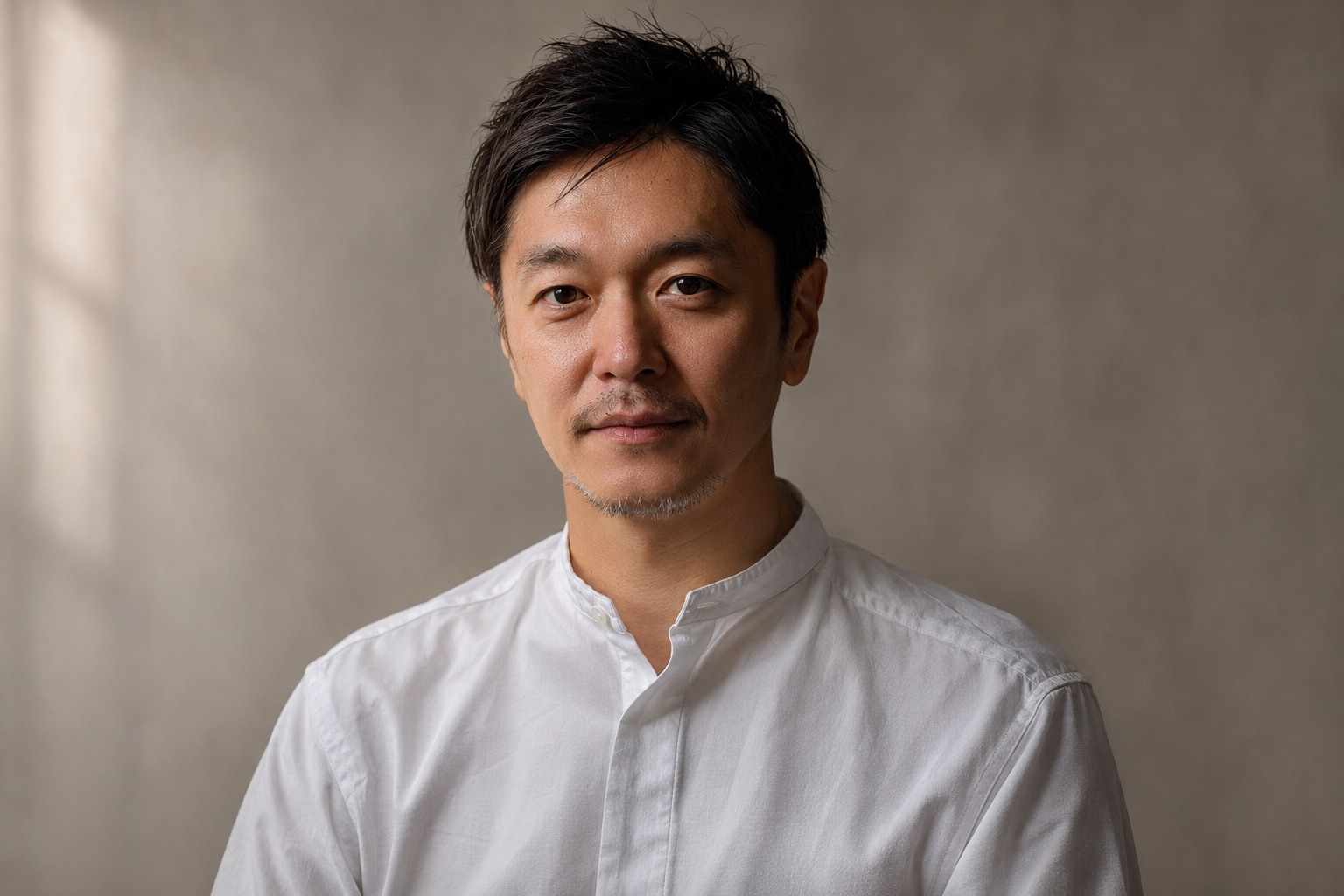
Hiroyasu Kawate

At Florilège in Azabudai Hills, Hiroyasu Kawate combines French training, vegetable-led cooking and the shared experience of a long communal table.

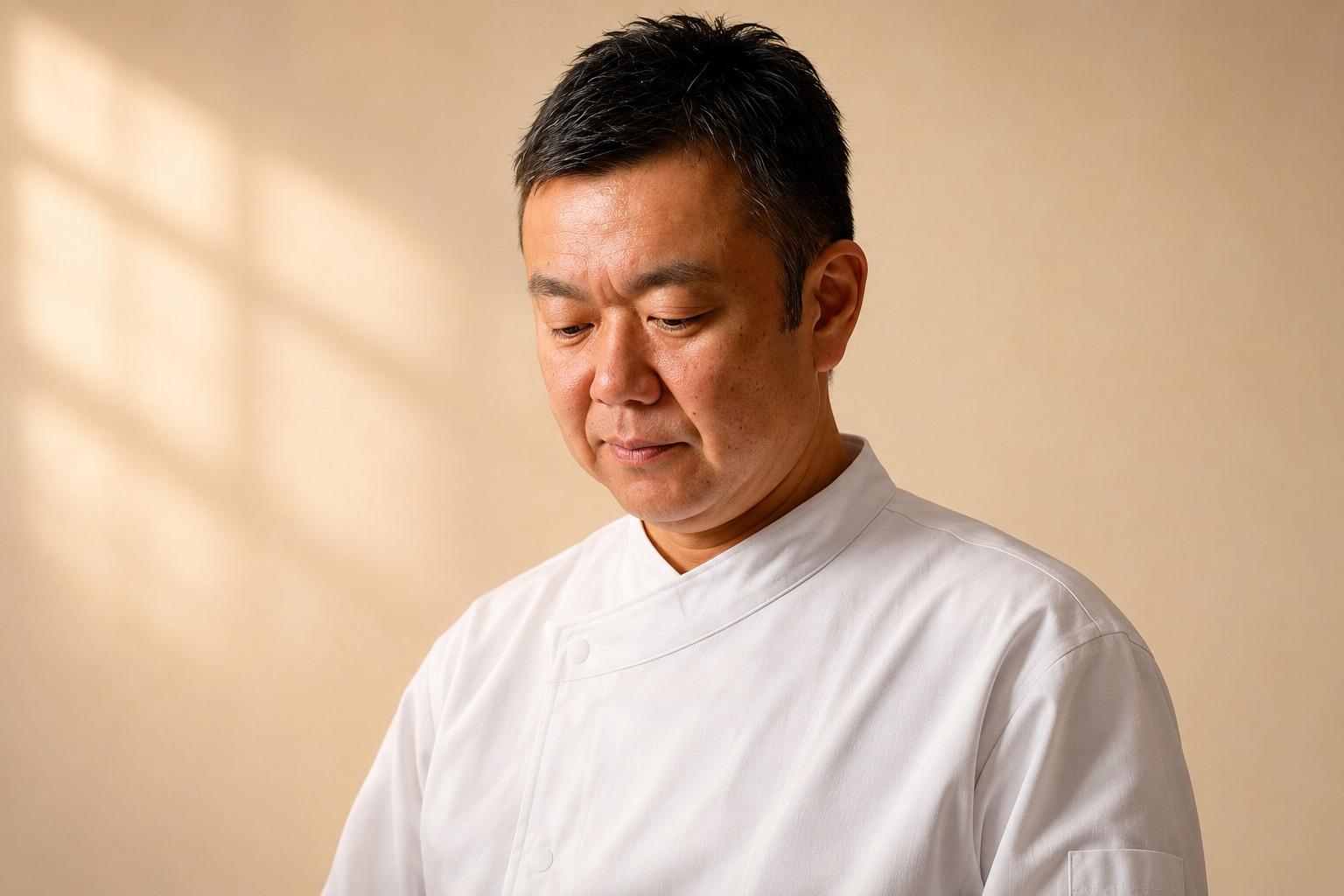
Hitoshi Takahata

Taian · Grilled salmon · Burdock and beef rolls

Hitoshi Takahata

Hitoshi Takahata combines kaiseki structure, kappo hospitality and charcoal cooking at Taian. Broths, seasonal ingredients and thoughtful timing give each part of the meal its own place.

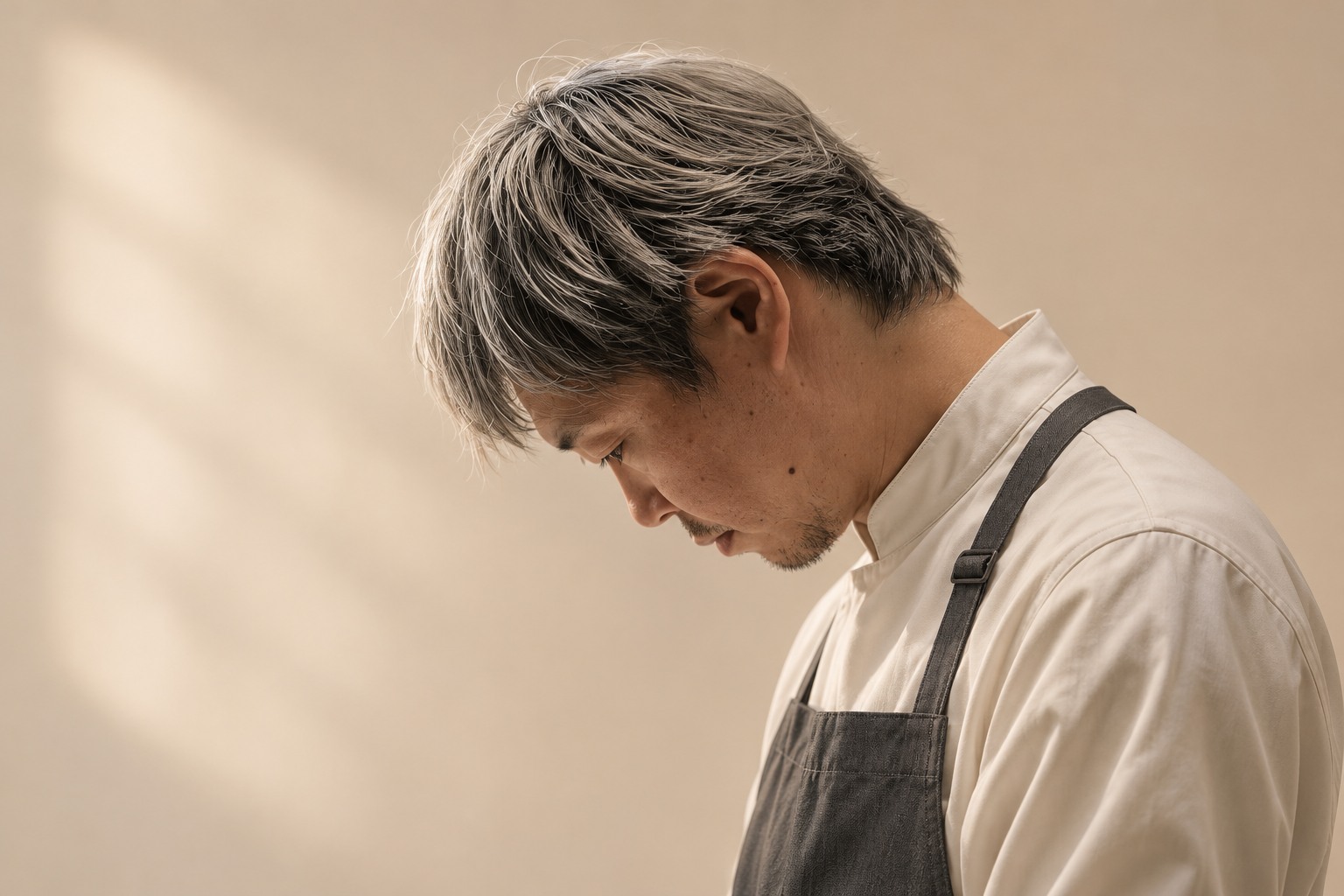
Seiji Yamamoto

Nihonryori RyuGin · Dashi · Japanese tea

Seiji Yamamoto

At RyuGin in Hibiya, Seiji Yamamoto explores Japanese seasonal cooking through carefully judged aroma, temperature, texture and the natural flavour of each ingredient.

Shinobu Namae

L’Effervescence · Turnip with herbs

Shinobu Namae

Shinobu Namae’s L’Effervescence brings French technique and Japanese ingredients together with a wider interest in producers, ecology and the social life of food.

Shintaro Matsuo

Koryu · Seasonal sashimi · Crab with pea sauce

Shintaro Matsuo

Shintaro Matsuo explores Osaka’s seafood, vegetables and generous depth of flavour at Koryu. Seasonal Japanese cooking unfolds through precise preparation and the atmosphere of a counter-side meal.

Tetsuya Fujiwara

Fujiya 1935 · Green-tea bread · Corn pasta

Tetsuya Fujiwara

Tetsuya Fujiwara carries a four-generation Osaka restaurant story into contemporary seasonal cooking. At Fujiya 1935, Japanese ingredients meet European experience, playful textures and careful timing.

Yoshihiro Narisawa

NARISAWA · Rustic bread with butter

Yoshihiro Narisawa

At NARISAWA in Minami Aoyama, Yoshihiro Narisawa brings Japan’s forests, farms and fishing communities into a distinctive style he calls Innovative Satoyama Cuisine.

Yusuke Takada

La Cime · Okonomiyaki · Salt-butter roll

Yusuke Takada

Yusuke Takada brings Amami Oshima memories and French training into La Cime. Curiosity about ingredients, classical foundations and a free creative spirit shape his Osaka restaurant.

Zaiyu Hasegawa

DEN · Seasonal vegetable salad · Sticky-rice-stuffed chicken wings

Zaiyu Hasegawa

Zaiyu Hasegawa brings the warmth of home cooking, seasonal Japanese ingredients and a playful sense of humour to DEN in Tokyo’s Jingumae district.

Dishes

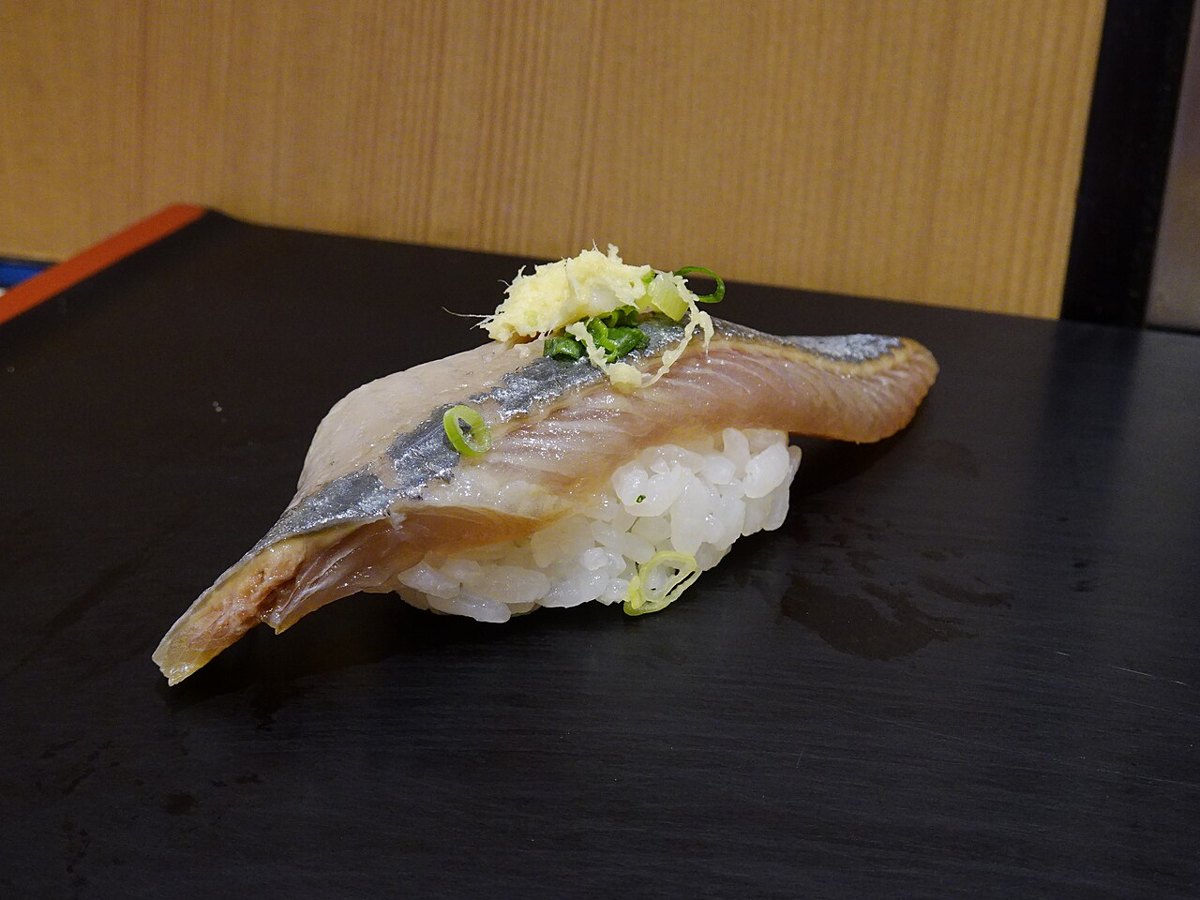
Edomae-zushi

Edomae-zushi

A sushi tradition shaped by the seafood of Edo Bay, extending beyond raw fish. Curing, marinating and cooking techniques appear in different forms across a chef’s menu.

Ramen

Ramen

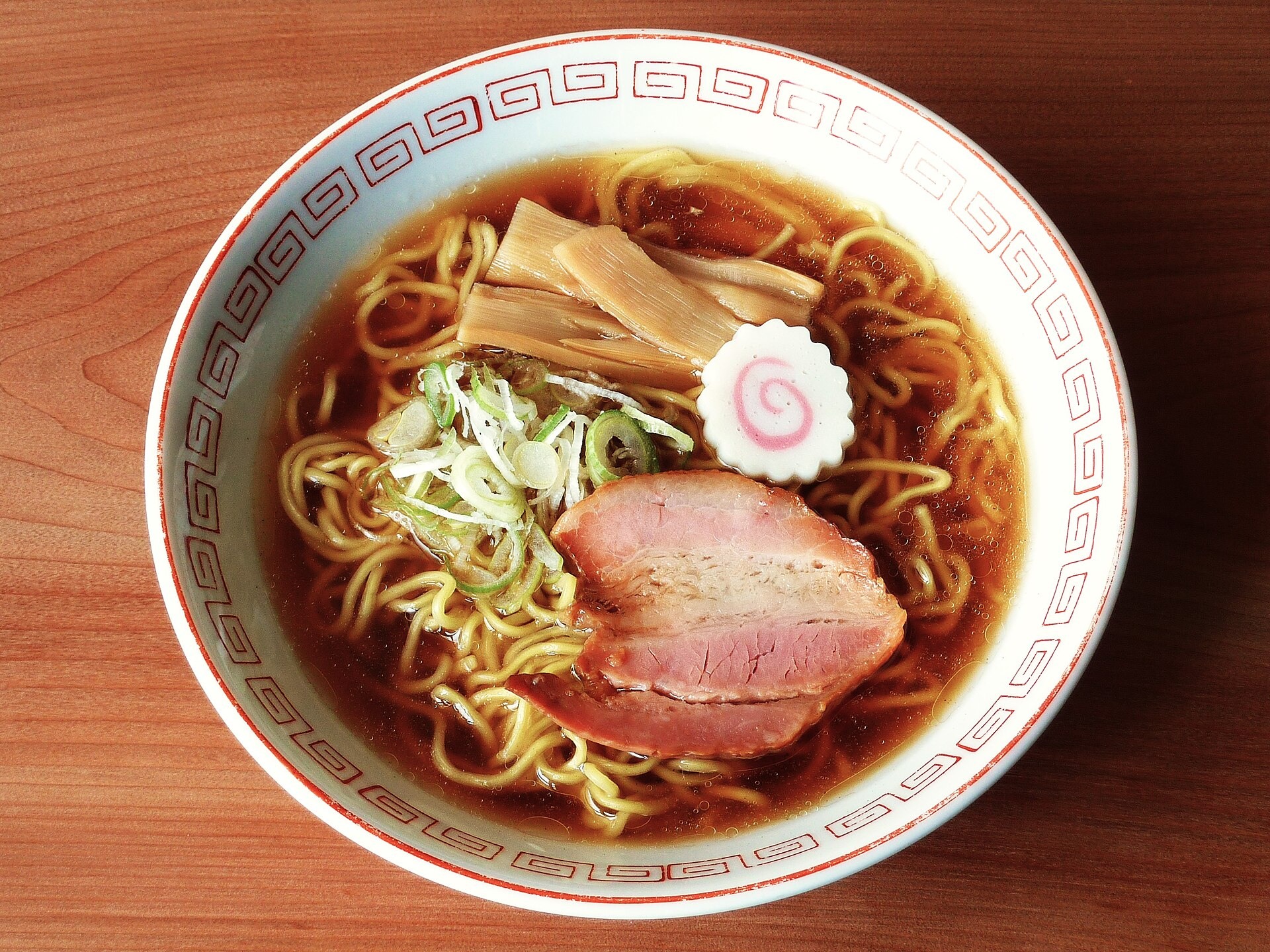
noodles, broth, spices, egg — savoury, soft texture.

Tempura

Tempura

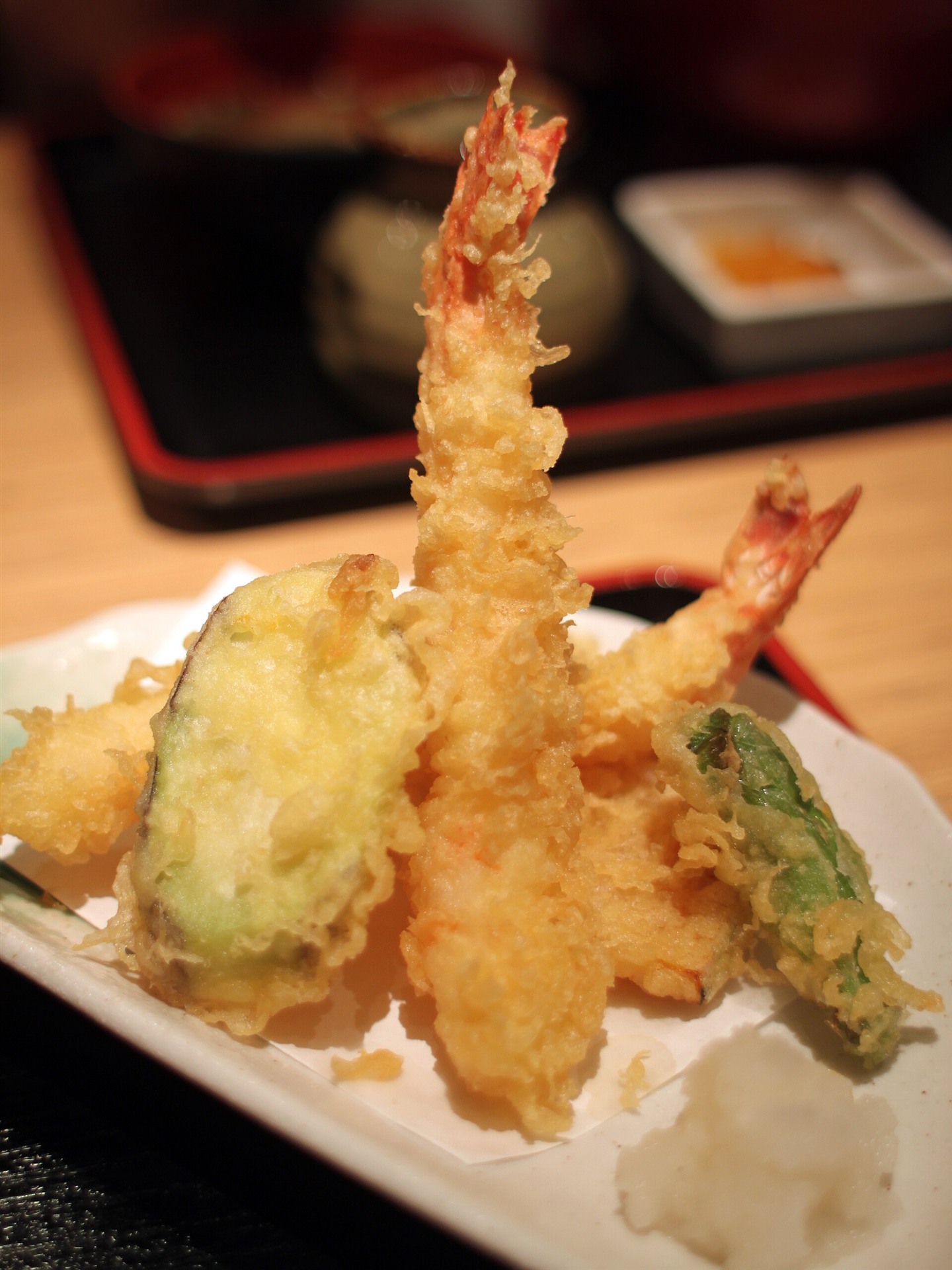
prawns, vegetables, flour, water — delicate texture, crisp surface.

Zaru soba

Zaru soba

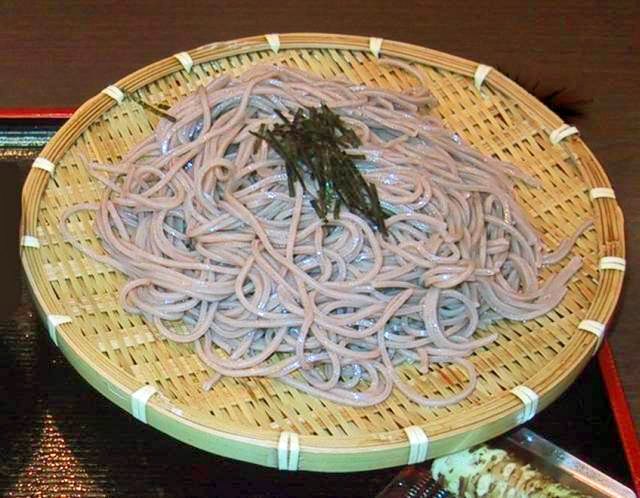
Chilled buckwheat noodles are dipped a little at a time into a separate bowl of tsuyu. Soba may also contain wheat, while a dashi-based dipping sauce can contain fish.

Osaka-style okonomiyaki

Osaka-style okonomiyaki

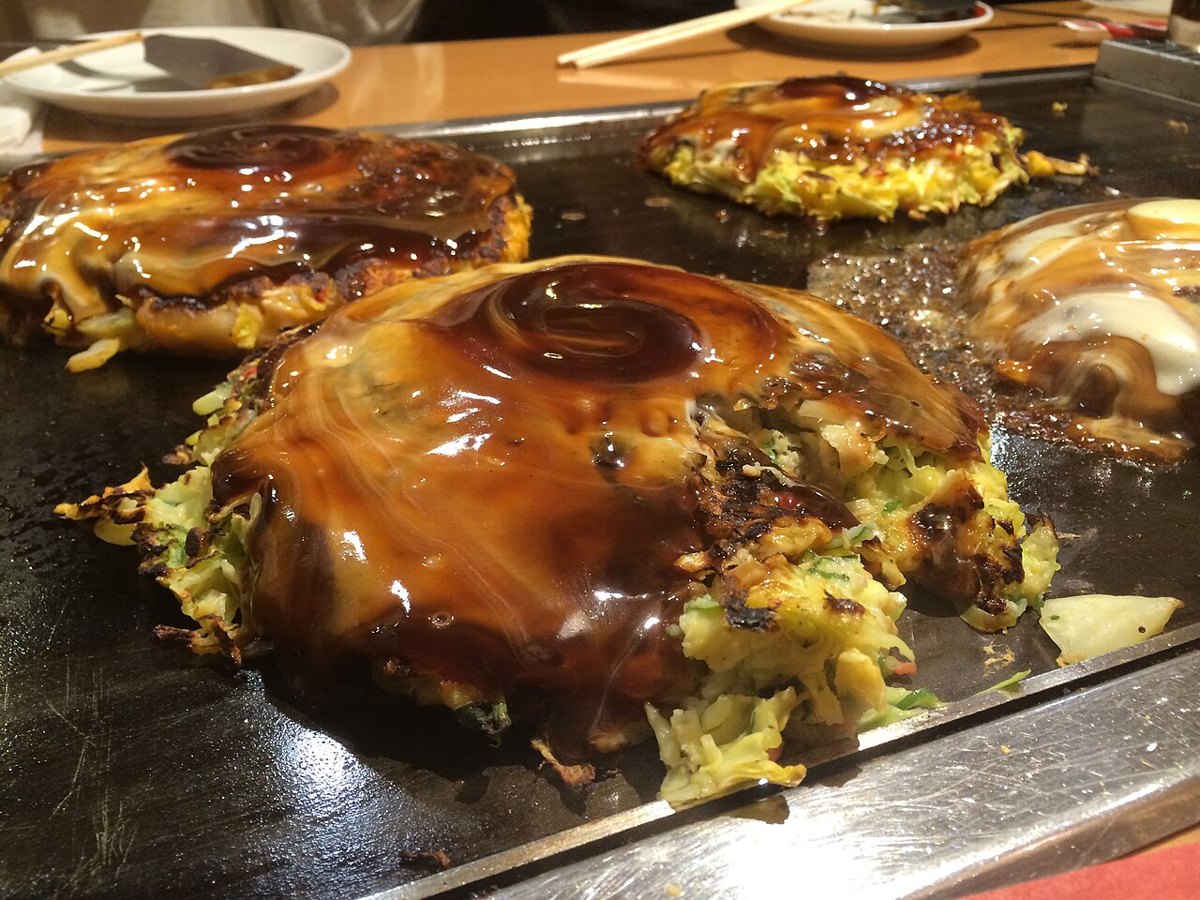
A cabbage-and-batter dish cooked on a griddle and finished with sauce. Osaka versions generally mix the ingredients, unlike Hiroshima’s better-known layered technique.

Takoyaki

Takoyaki

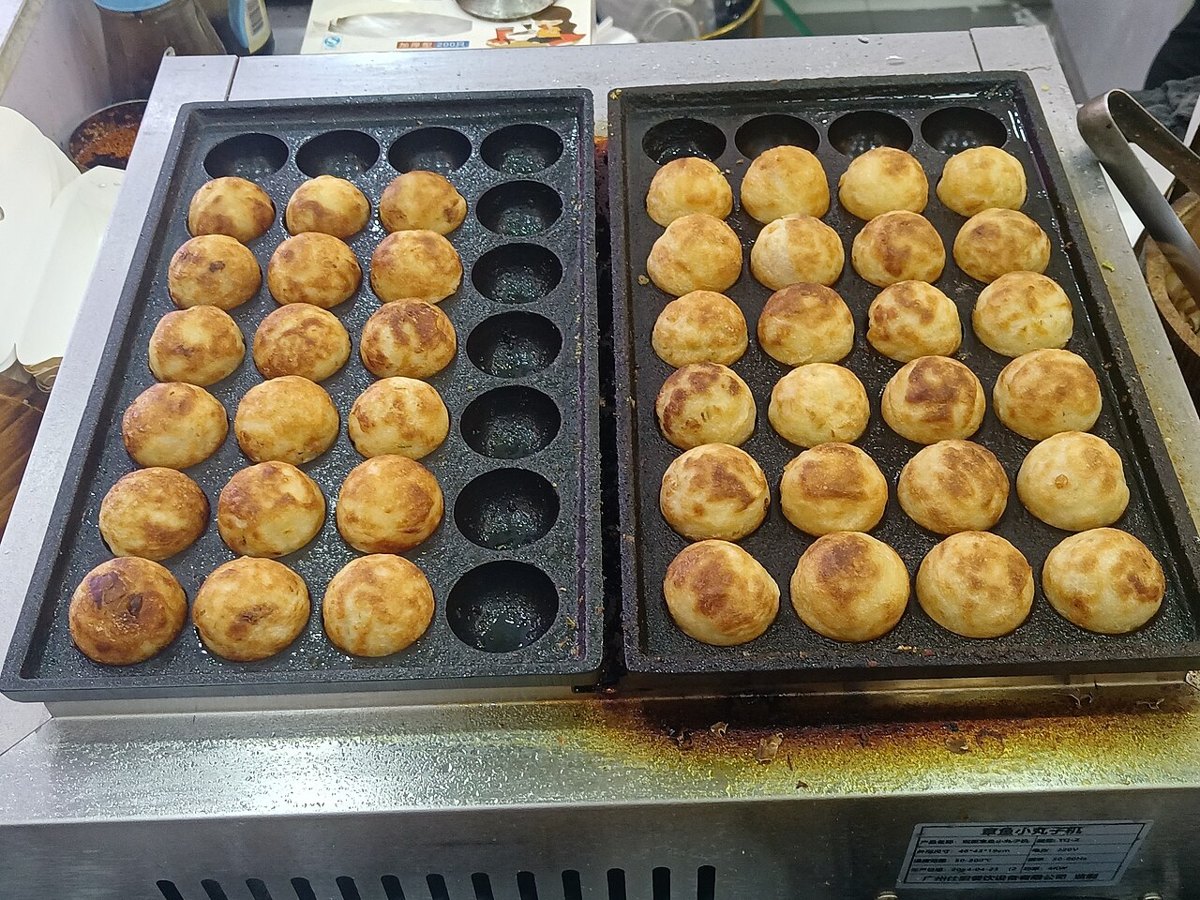
Hot batter balls with octopus, turned in a moulded griddle. Sauce, mayonnaise and bonito-flake toppings vary; the centres can remain extremely hot.

Yakitori

Yakitori

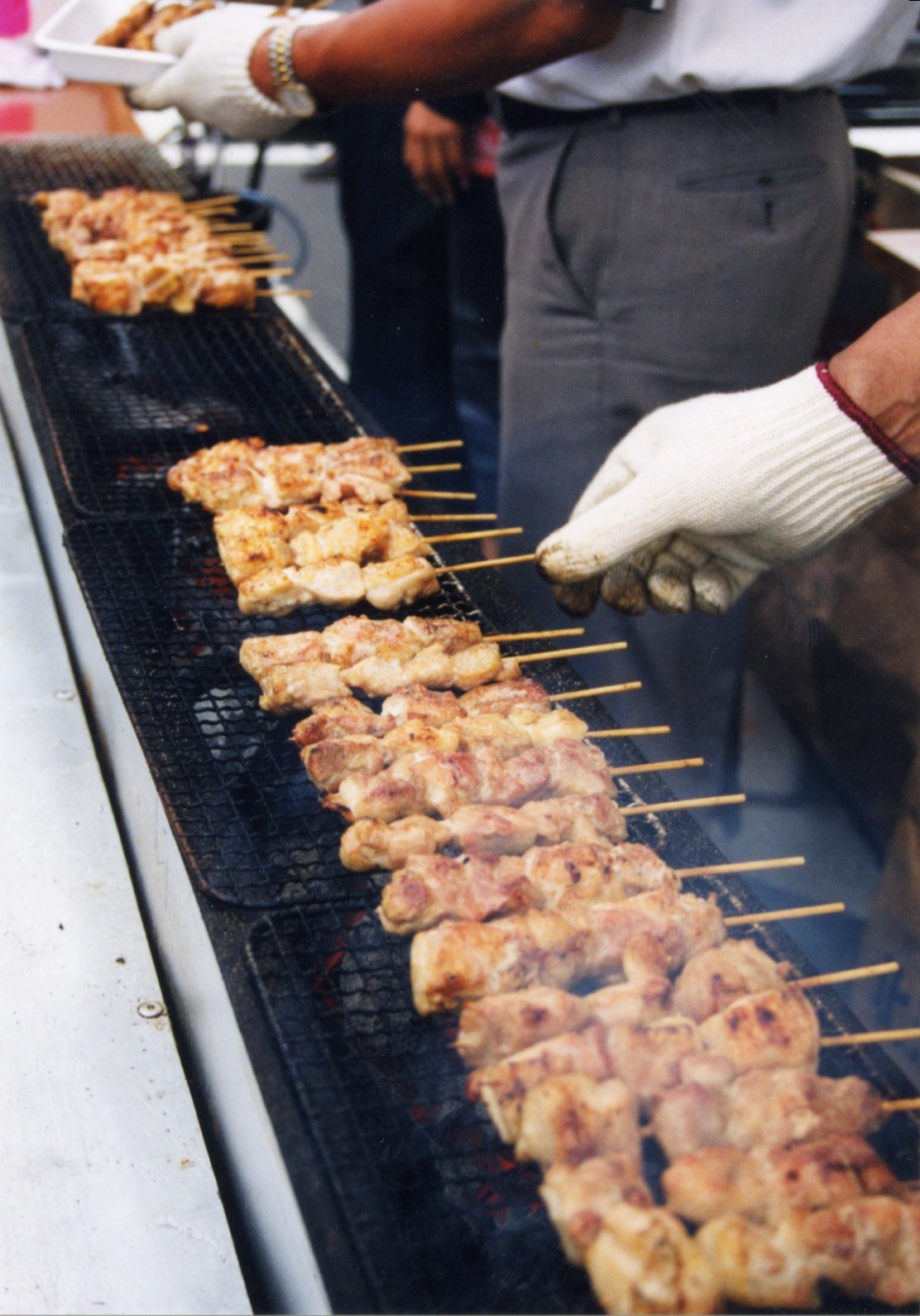
chicken, spring onions, soy sauce, Mirin — smoky, glazed surface.

Sukiyaki

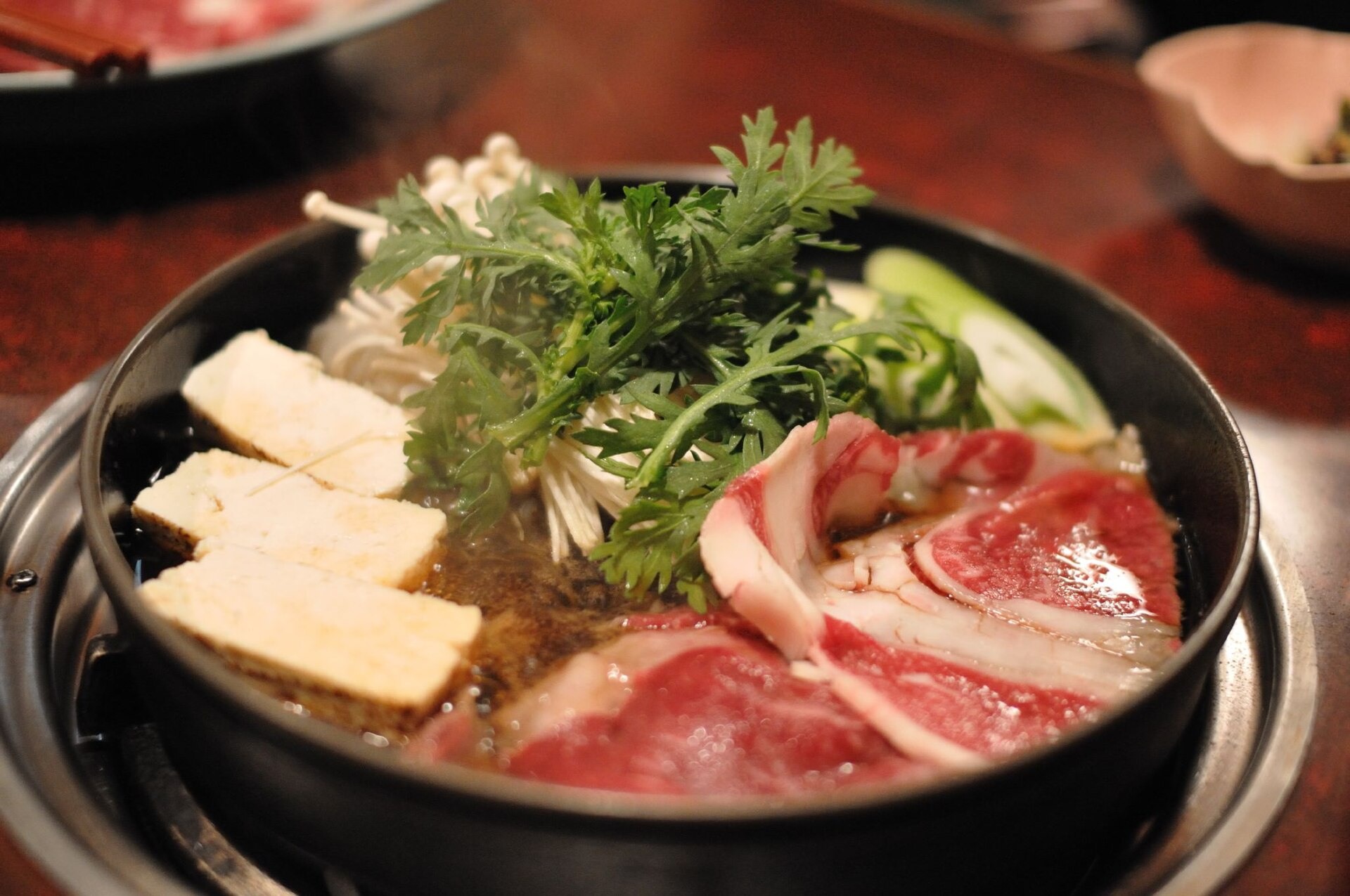
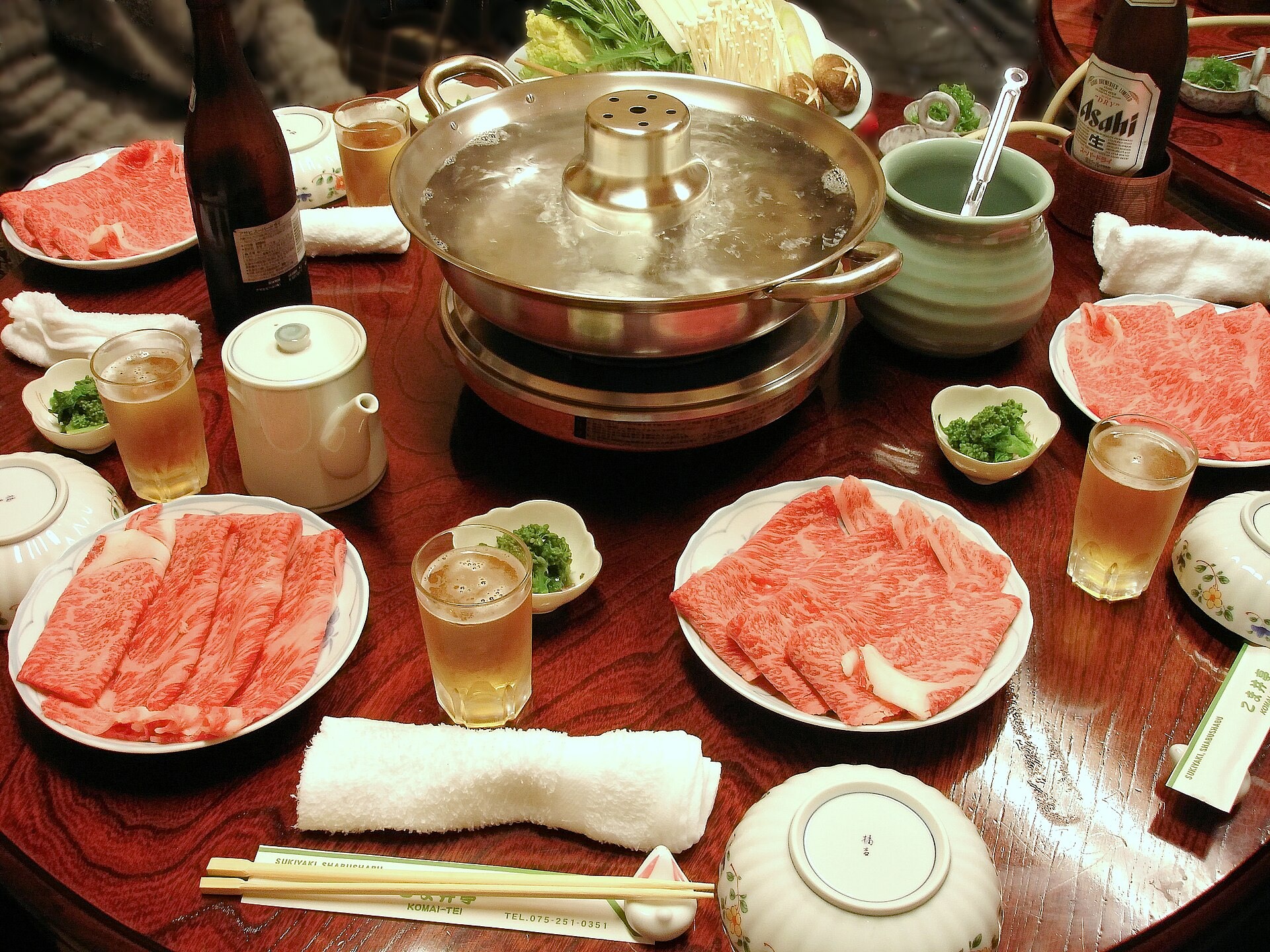
Sukiyaki

beef, tofu, mushrooms, spring onions — sweet and savoury, warm, comforting flavour.

Onigiri

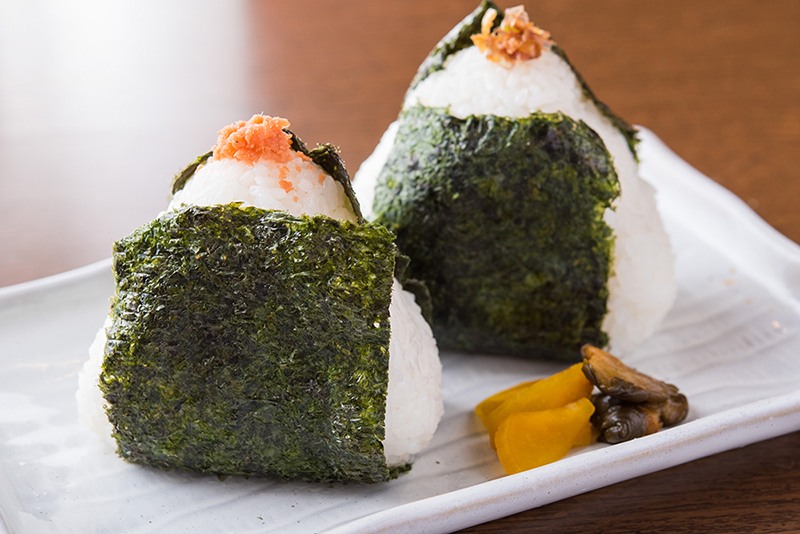
Onigiri

rice, Nori, Umeboshi, salmon — easy to eat by hand, savoury.

Unadon

Unadon

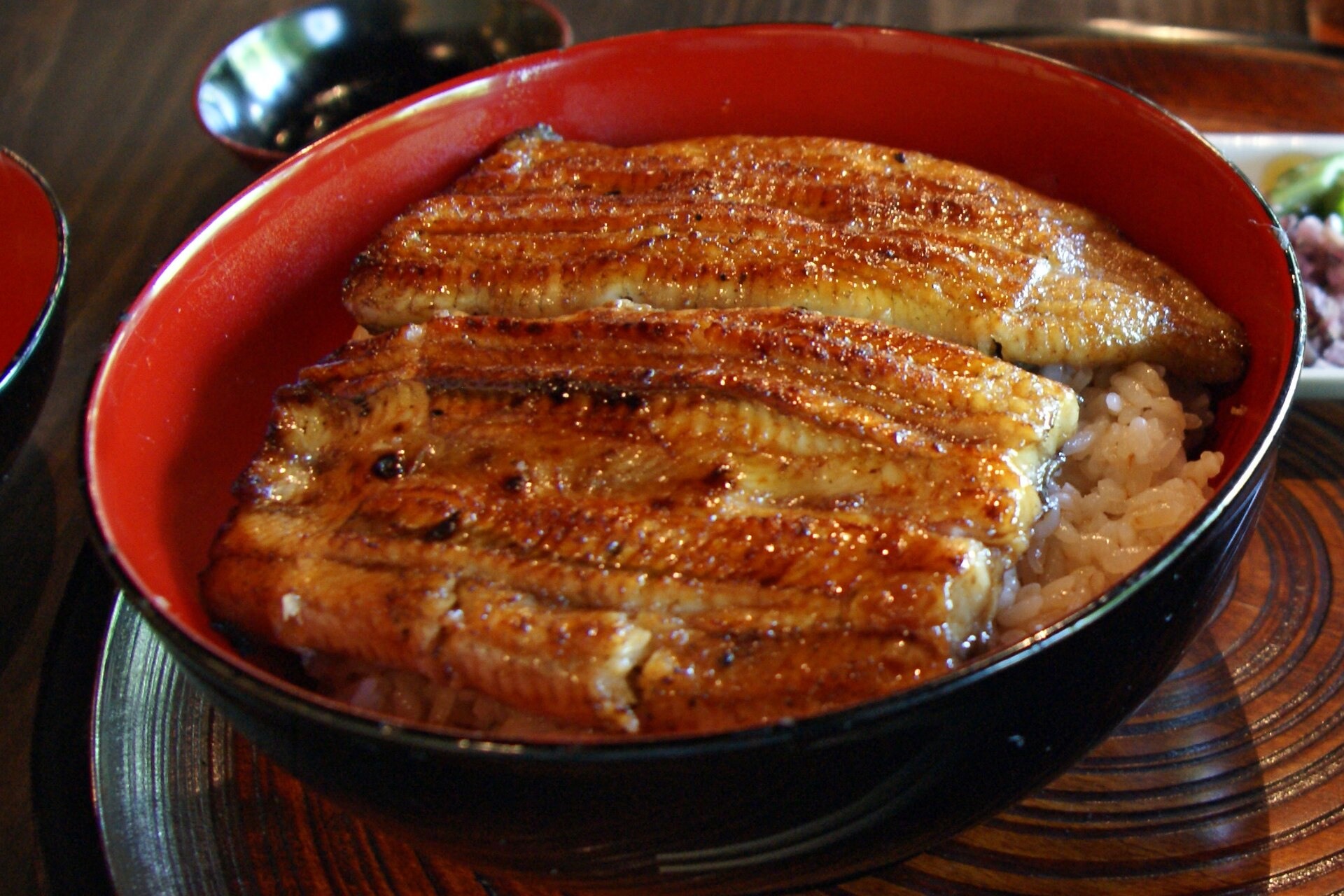
eel, rice, soy sauce, Mirin — glazed surface, tender centre.

Region

Tokyo

Tokyo

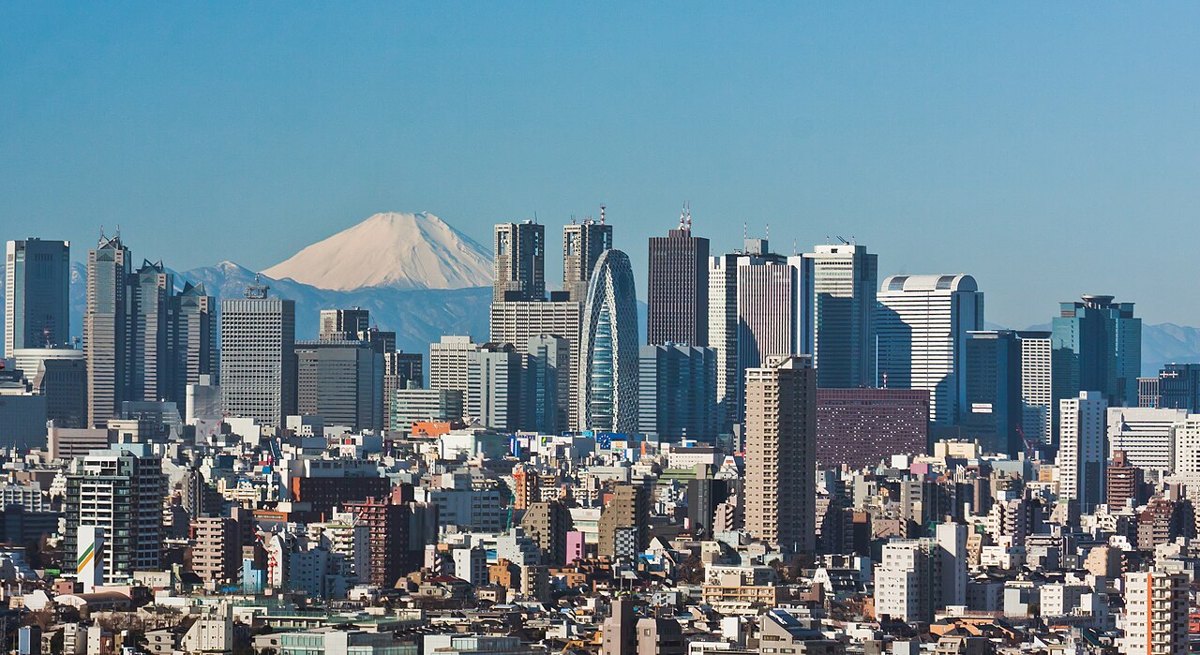
Tokyo’s food culture grew from Edo, supplied by coastal fishing, nearby farms and busy merchants. Sushi, soba and tempura developed strong urban identities; the modern city adds regional Japanese kitchens and international cooking without losing the appeal of a tiny specialist counter.

Osaka

Osaka

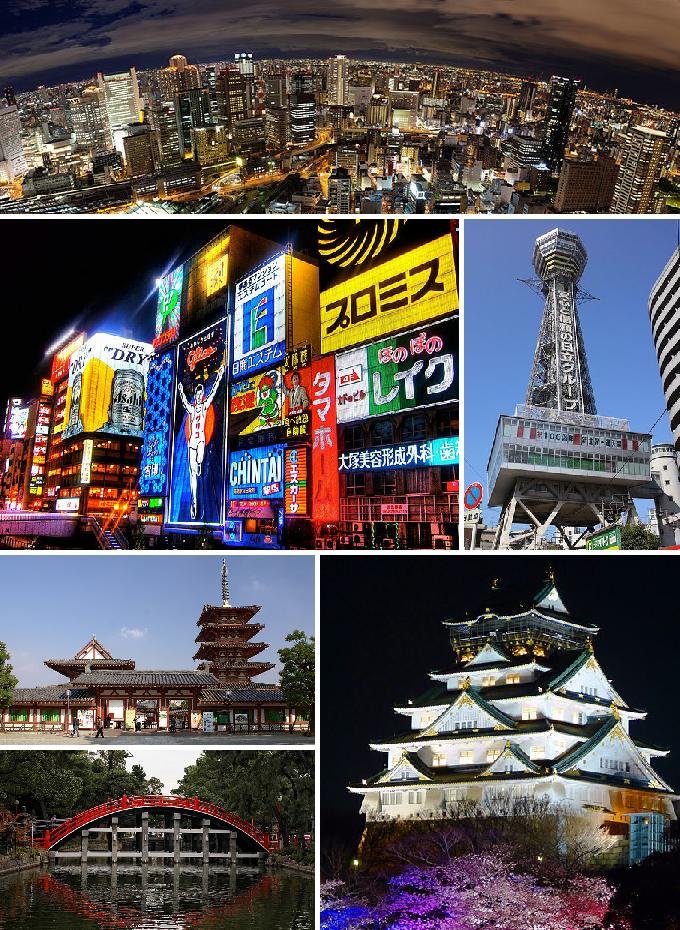
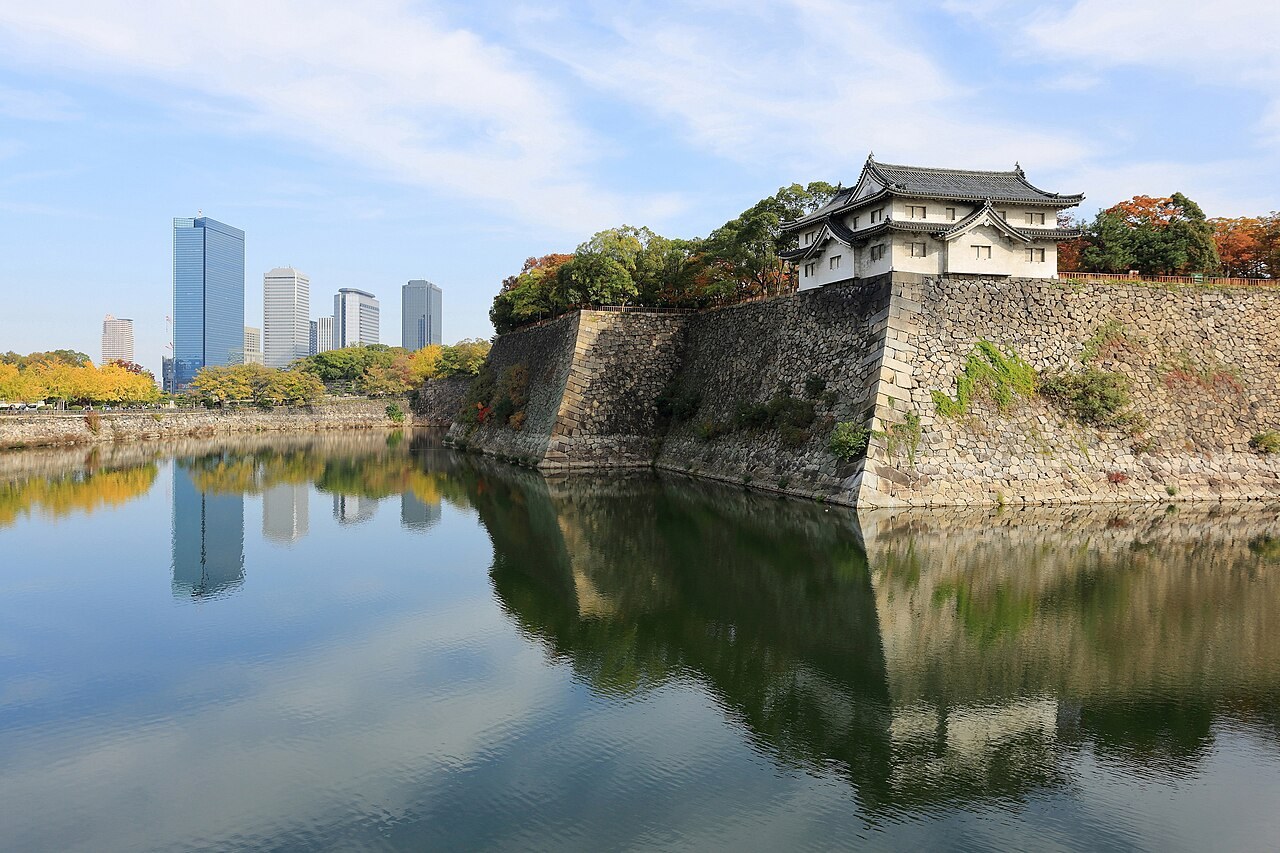
Osaka’s merchant history and role in the rice trade earned it a reputation as Japan’s kitchen. Dashi, flour-based street dishes and lively counters reflect that commercial city, while refined restaurants draw on the wider Kansai region’s produce and seasonality.

Cities

Osaka

Osaka

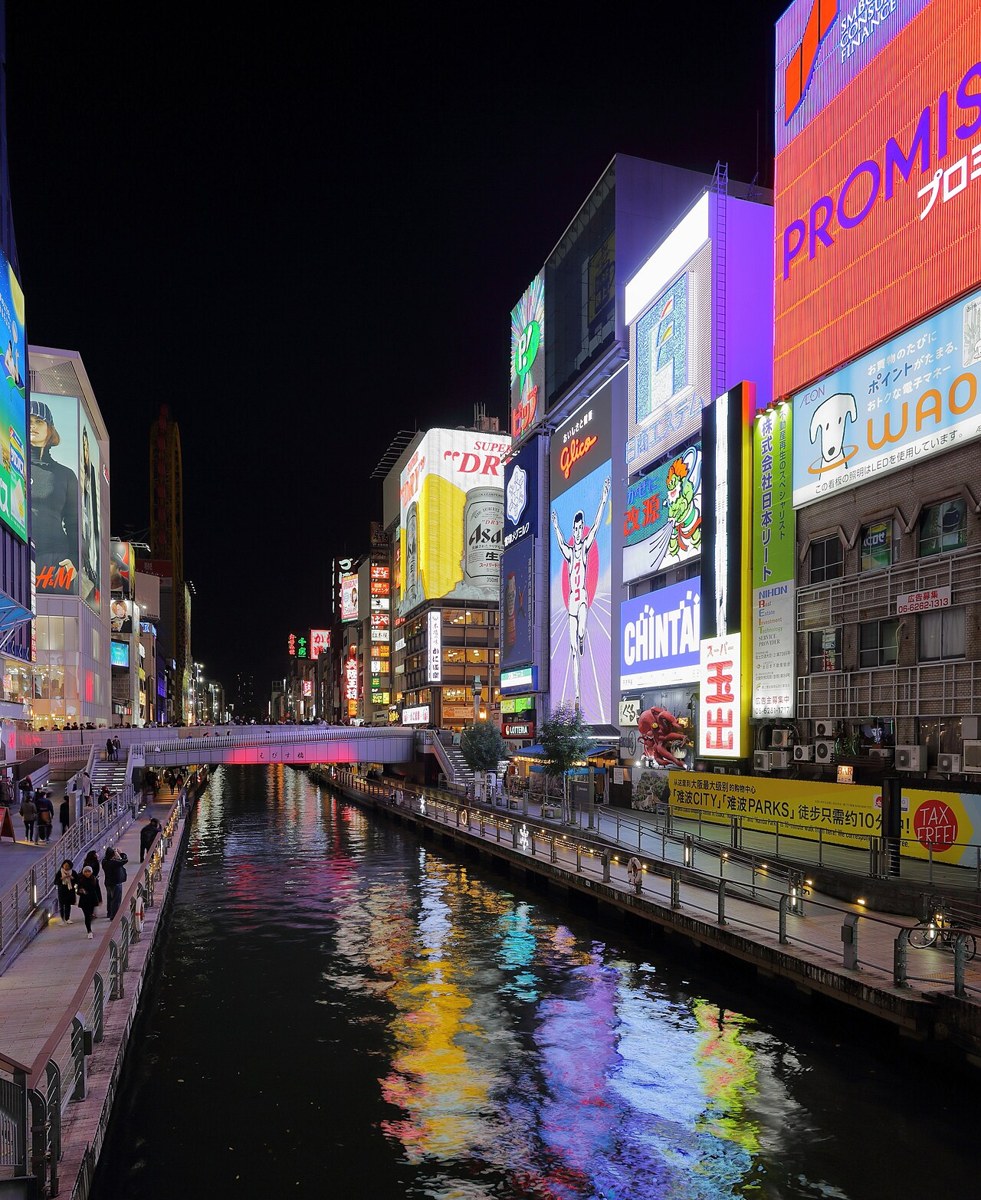
Hot griddle food in Dōtonbori and dark-roasted coffee in Sennichimae. Explore Osaka’s konamon culture while keeping okonomiyaki and takoyaki distinct.

Tokyo

Tokyo

Explore Edo-rooted soba and sushi alongside the personal rituals of small coffee bars. A noodle stop in Kanda and coffee in Ginza reveal different neighbourhood stories.

Sources and editorial notes +