Restaurant
Nihonryori RyuGin
At RyuGin in Hibiya, Seiji Yamamoto explores Japanese seasonal cooking through carefully judged aroma, temperature, texture and the natural flavour of each ingredient.

At RyuGin in Hibiya, Seiji Yamamoto explores Japanese seasonal cooking through carefully judged aroma, temperature, texture and the natural flavour of each ingredient.
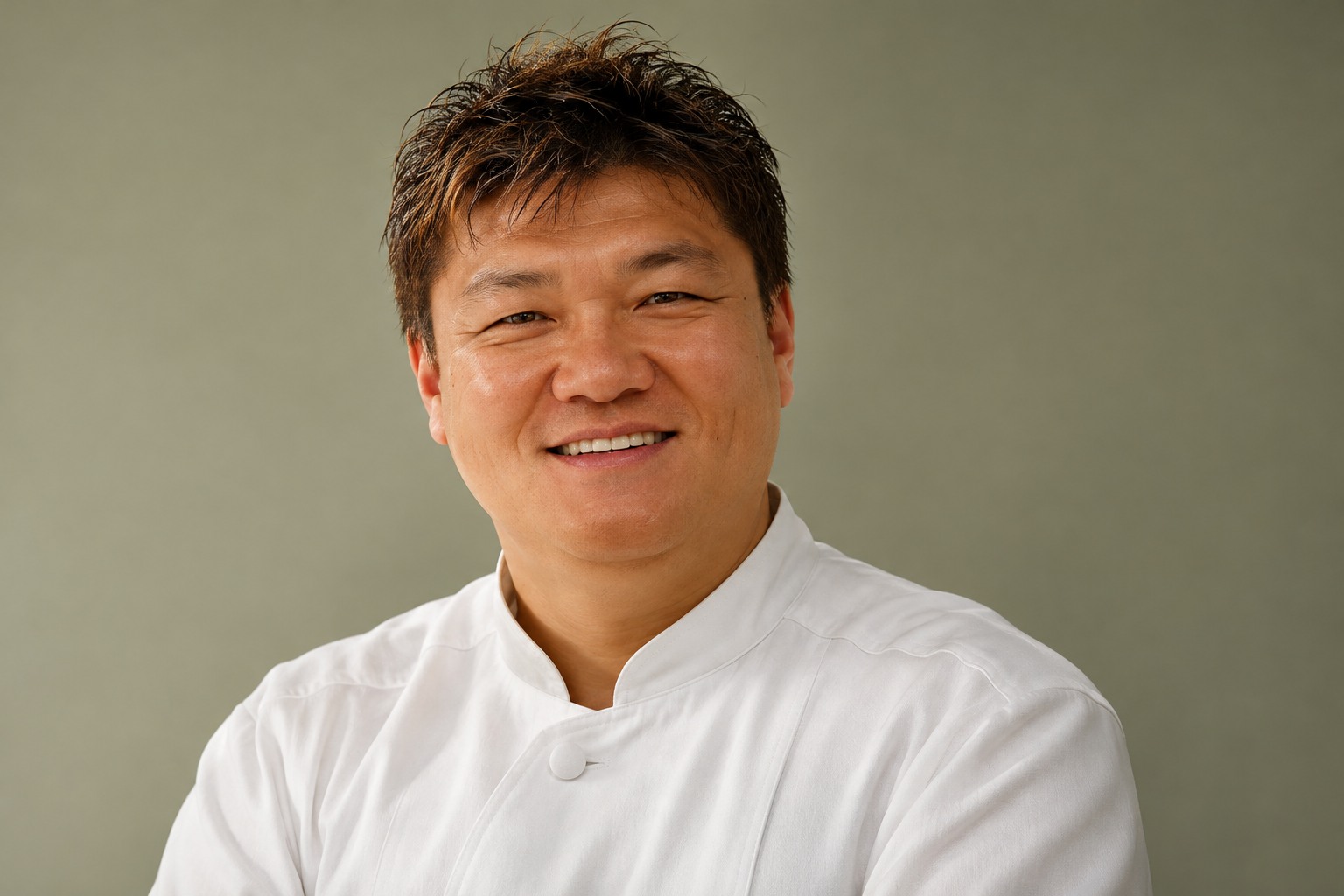
Born in Kagawa in 1970, Seiji Yamamoto opened RyuGin in Roppongi in 2003. The restaurant moved to Tokyo Midtown Hibiya in 2018, placing its next chapter above one of central Tokyo’s busiest cultural districts. His official biography presents the cook as an assistant to the ingredient: skill matters because it helps a natural flavour speak clearly. That idea offers a useful starting point for a cuisine often described through its technical ambition. The setting has changed, but Japanese seasonality and the search for a complete sensory experience remain central to his work.
Yamamoto’s cooking asks diners to pay attention to more than appearance. The temperature of a broth, the scent released as a bowl is opened and the contrast between tender and crisp textures all contribute to a course. RyuGin’s published menu moves through dashi, raw seafood, charcoal-grilled fish, simmered dishes and regional meat before rice and sweets. Read that sequence as a changing rhythm rather than a collection of isolated highlights. It shows how a Japanese meal can move between concentrated flavour and quieter moments, with technique supporting the character of each ingredient.
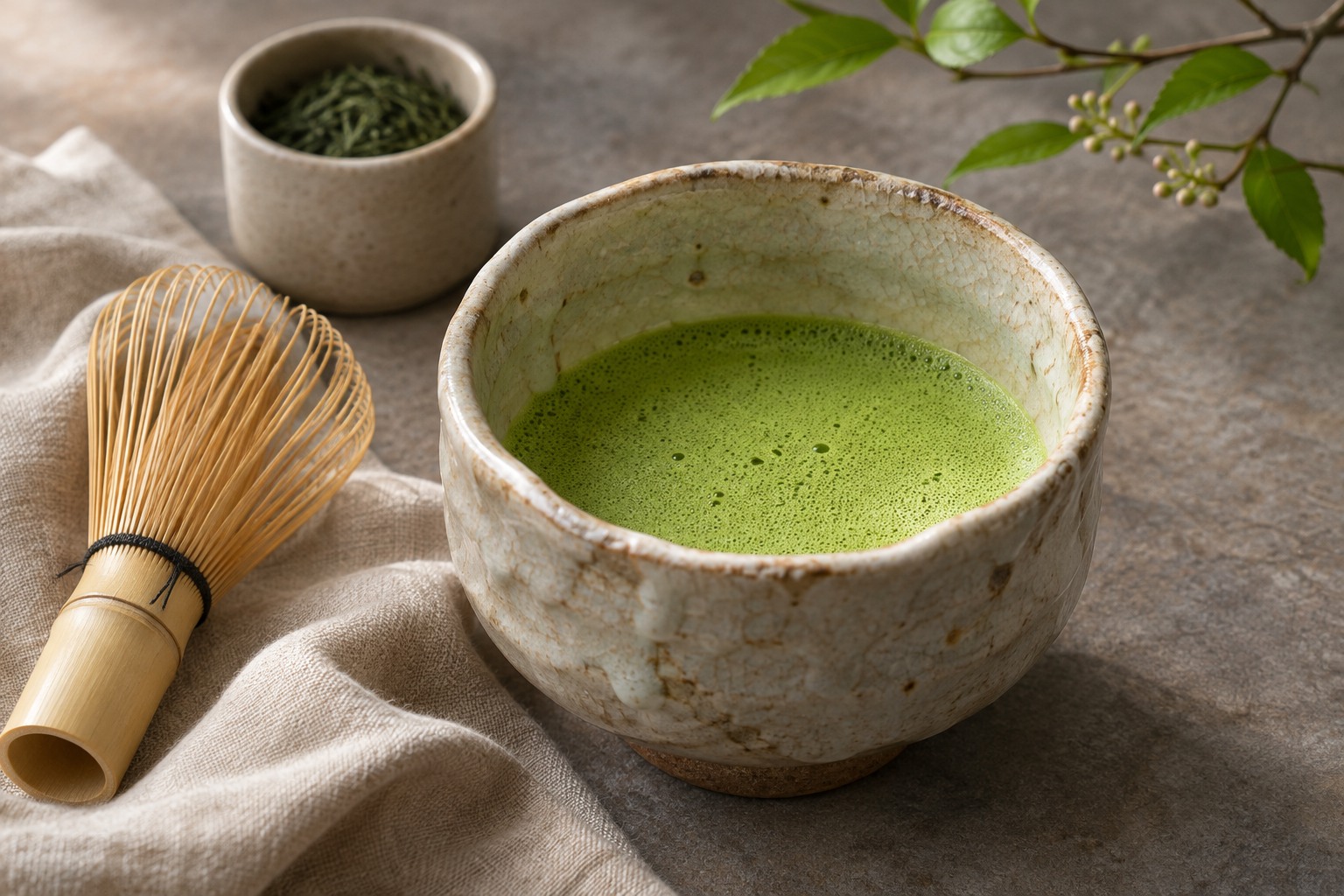
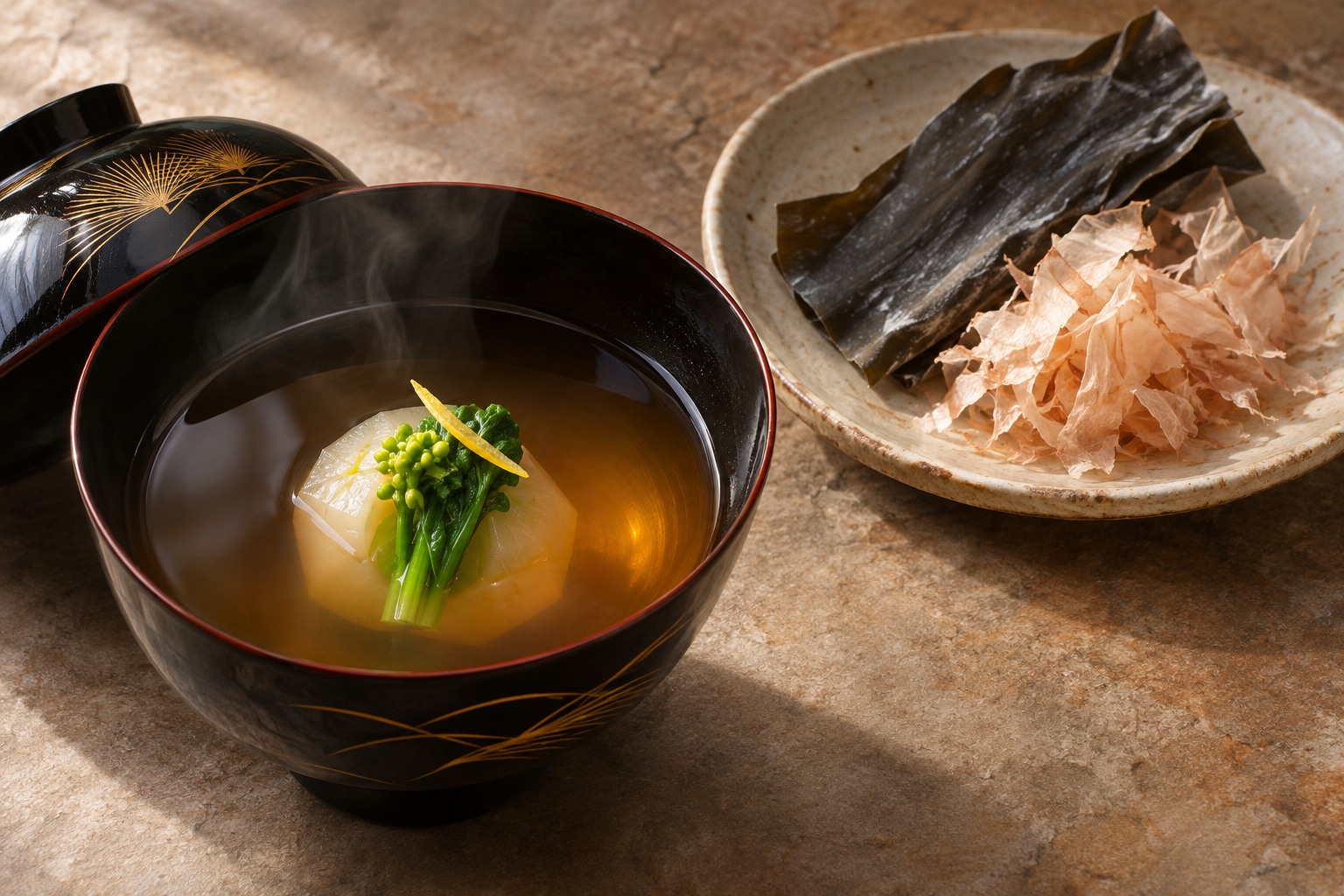
Dashi is one of the clearest ways into Yamamoto’s culinary thinking. His public workshop film explains the relationship between kombu and katsuobushi and the depth they bring to Japanese cooking. The restaurant’s menu also gives tea a considered place in the meal, drawing several selections from its own tea range and finishing with usucha. That makes RyuGin interesting to travellers who want to follow Japanese drinks as closely as the food. Seafood remains fundamental to the kitchen, so guests with dietary restrictions should discuss them directly when arranging a booking.
Yamamoto has shared his work at culinary congresses in Japan, Europe and the United States. RyuGin has also welcomed international trainees since 2005, turning the restaurant into a place of exchange as well as service. In 2019 he received the American Express Icon Award at Asia’s 50 Best Restaurants and worked on the gala dinner for the G20 Osaka Summit. These dated milestones help place his wider career without replacing the food itself. The films below pair an early kitchen introduction with the 2019 award portrait, following both his working style and his role as an ambassador for Japanese cuisine.
The current Tokyo restaurant occupies the seventh floor of Tokyo Midtown Hibiya at 1-1-2 Yurakucho. Choose the Hibiya address when planning your journey: older films and articles may still show the former Roppongi premises. Follow the official restaurant website for booking arrangements and tell the team about allergies before committing to the meal. A seafood-centred tasting menu requires more planning than a casual stop for lunch. The linked restaurant details and map below make the location easy to find, while the dashi and interview films offer a thoughtful introduction before you arrive.
7F Tokyo Midtown Hibiya, 1-1-2 Yurakucho, Chiyoda-ku, Tokyo 100-0006, Japan
Filmed in RyuGin’s former Roppongi kitchen in 2012, this short sequence captures the team’s concentration and the coordination behind service.
Seiji Yamamoto presents RyuGin in this early restaurant portrait, introducing his approach to Japanese fine dining before the move to Hibiya.
The 2019 Icon Award film introduces Seiji Yamamoto’s career, his Japanese ingredients and his influence on the next generation of cooks.
At RyuGin in Hibiya, Seiji Yamamoto explores Japanese seasonal cooking through carefully judged aroma, temperature, texture and the natural flavour of each ingredient.