Dishes
Osaka-style okonomiyaki
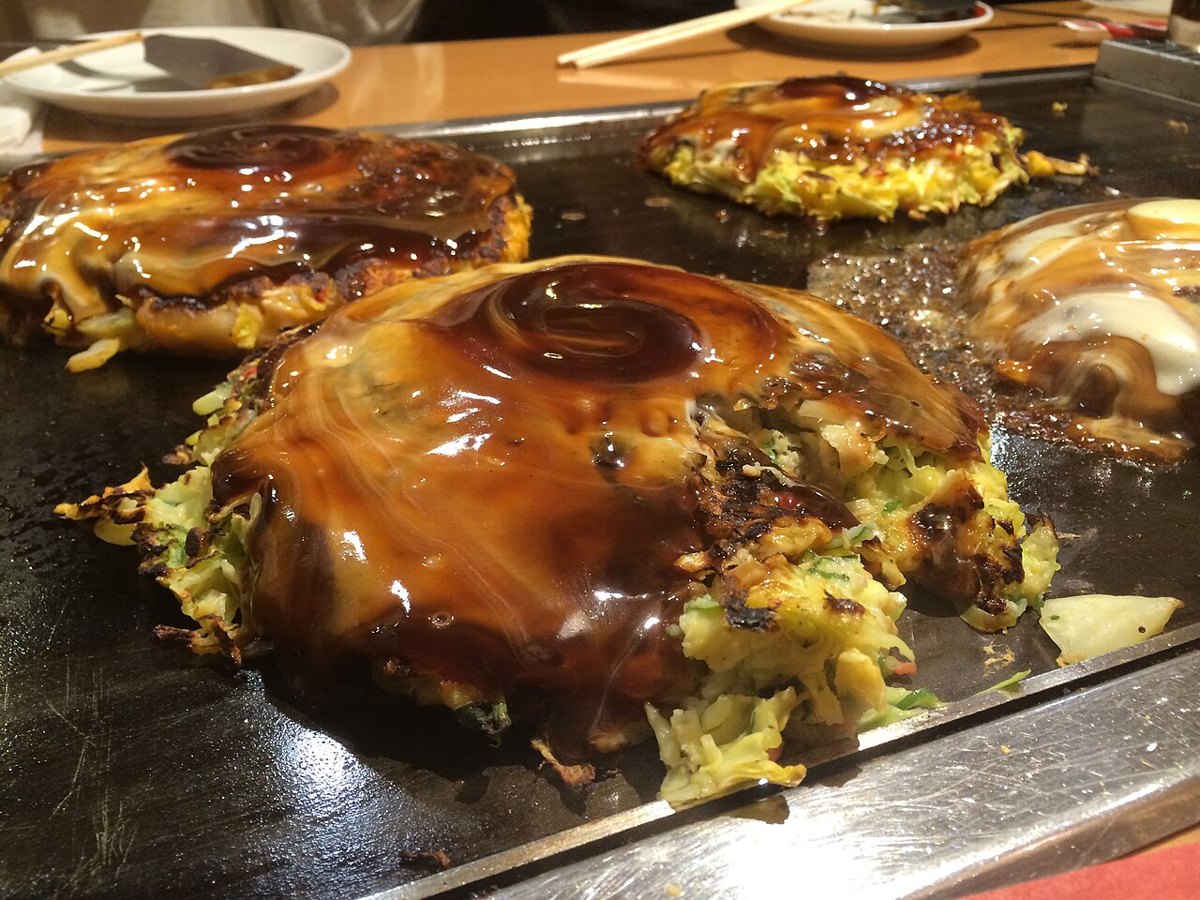
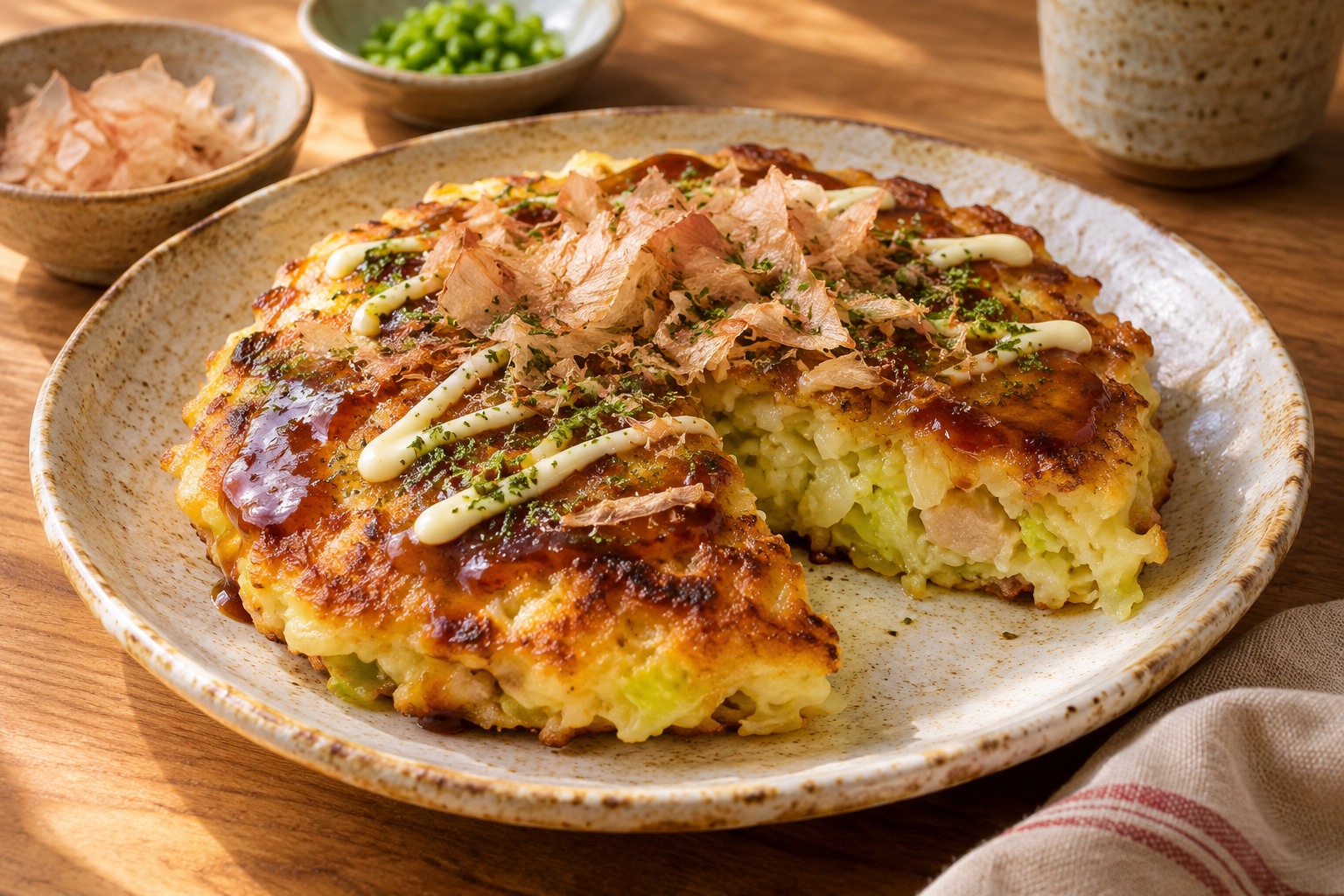
A cabbage-and-batter dish cooked on a griddle and finished with sauce. Osaka versions generally mix the ingredients, unlike Hiroshima’s better-known layered technique.

Hot griddle food in Dōtonbori and dark-roasted coffee in Sennichimae. Explore Osaka’s konamon culture while keeping okonomiyaki and takoyaki distinct.
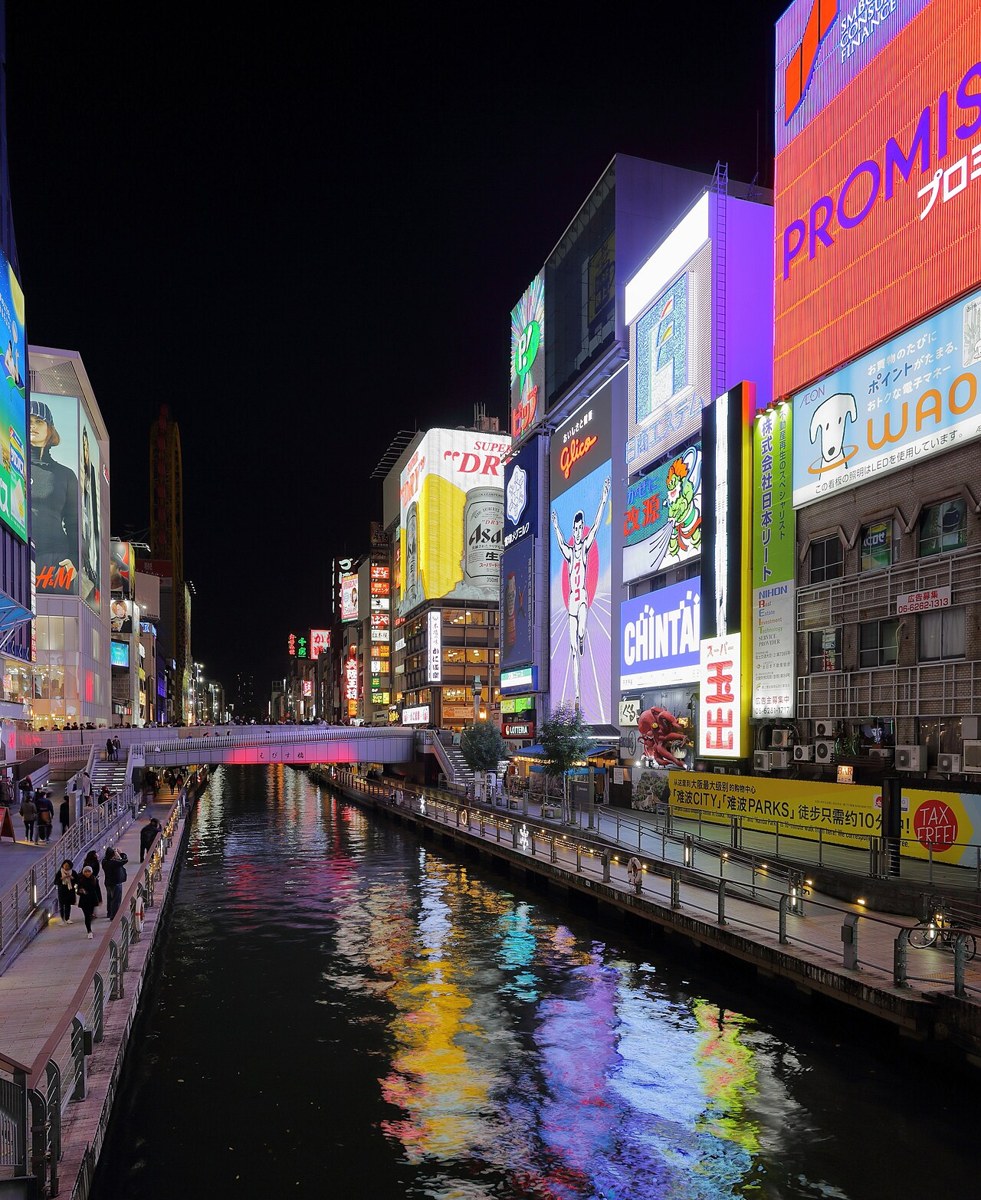
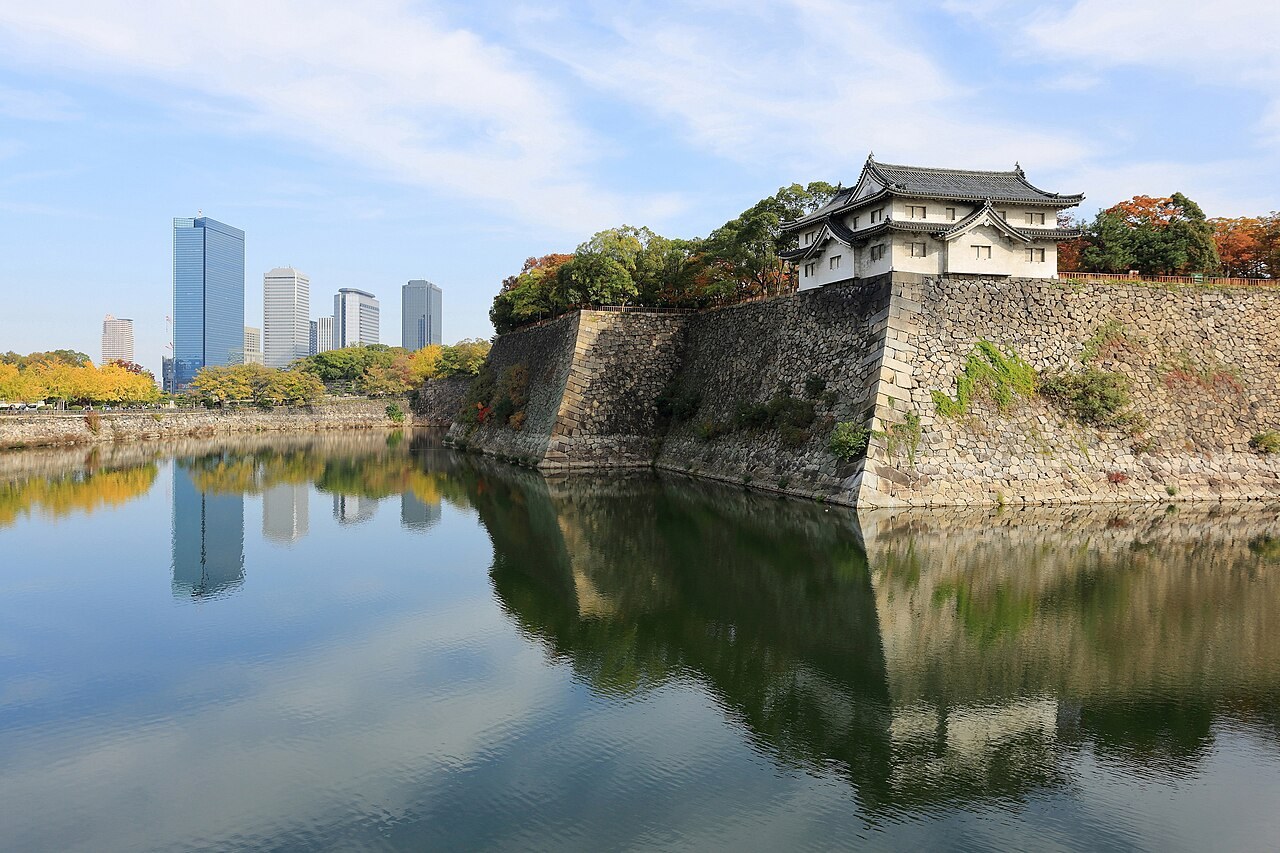
A cabbage-and-batter dish cooked on a griddle and finished with sauce. Osaka versions generally mix the ingredients, unlike Hiroshima’s better-known layered technique.
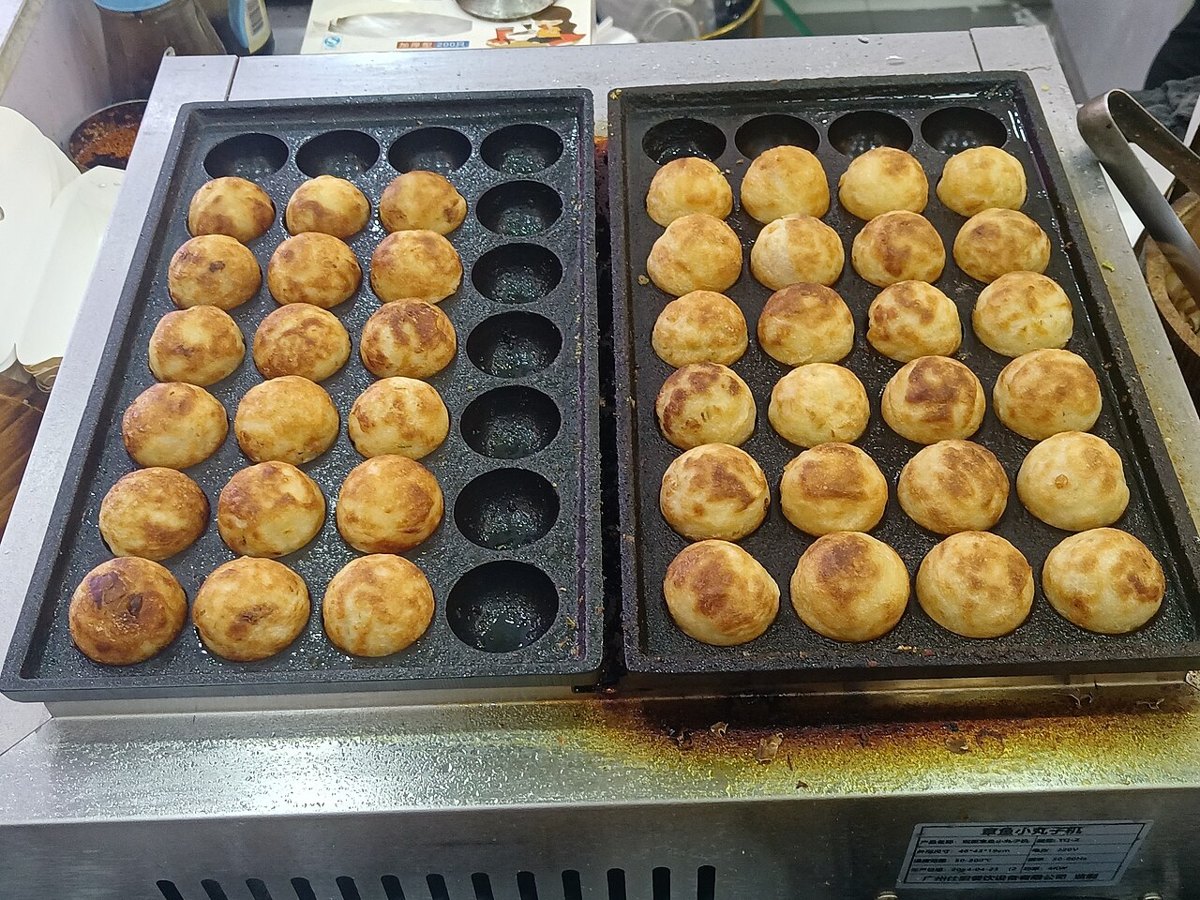
A cabbage-and-batter dish cooked on a griddle and finished with sauce. Osaka versions generally mix the ingredients, unlike Hiroshima’s better-known layered technique.
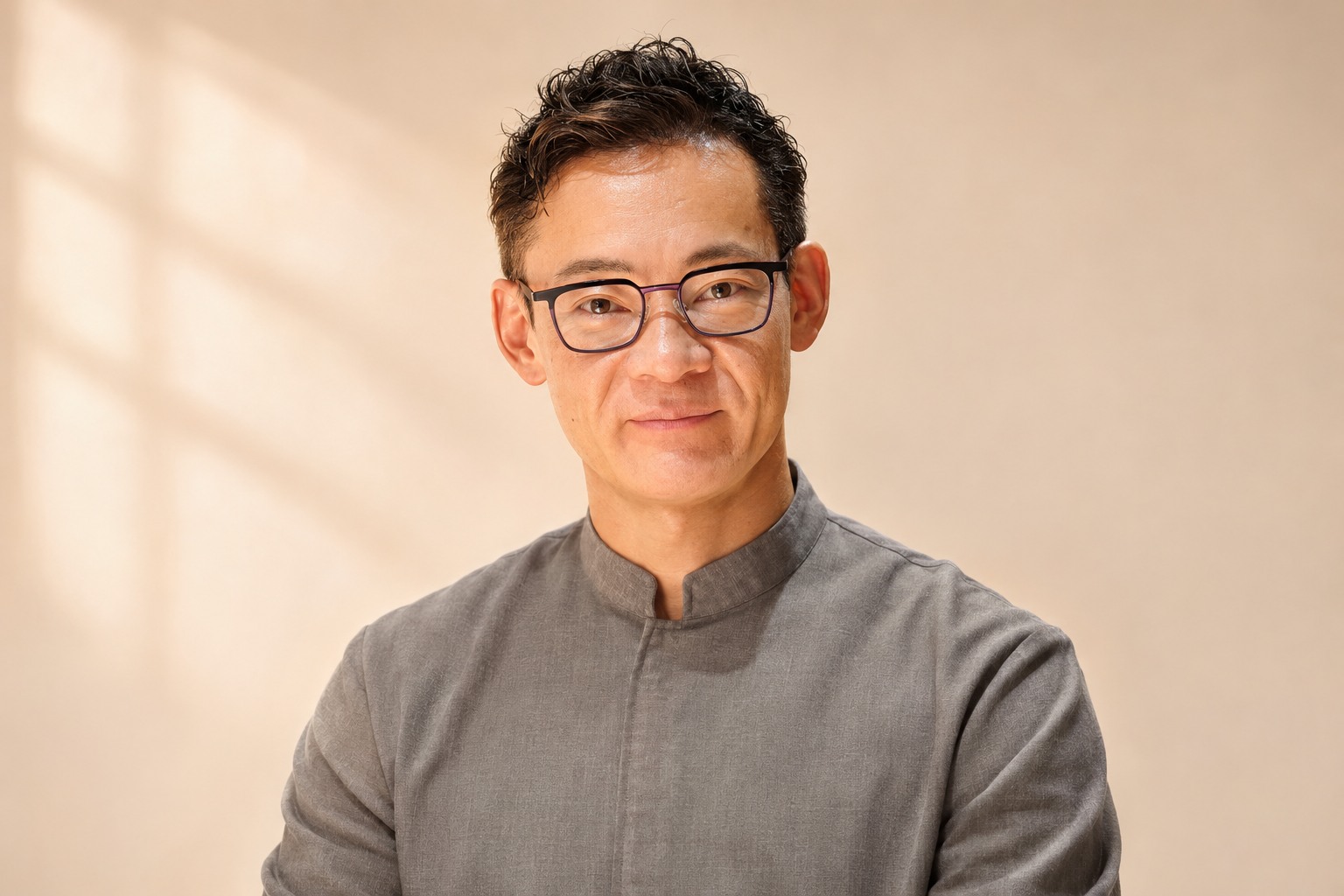
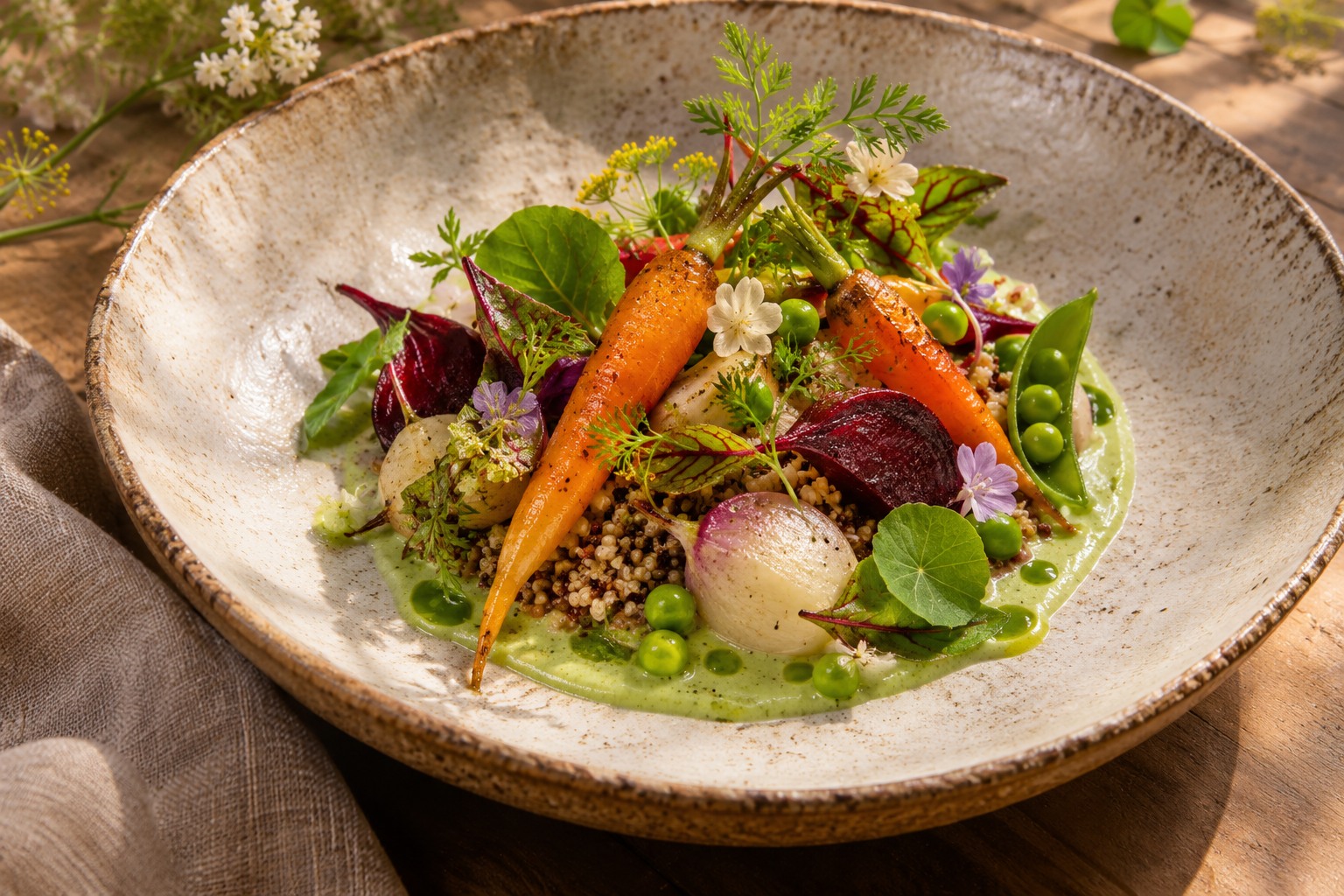
HAJIME · Seasonal vegetable plate · Vegetable broth
Hajime Yoneda connects an engineer’s precision with questions about nature, life and the universe. At HAJIME in Osaka, ingredients become part of a carefully paced creative experience.
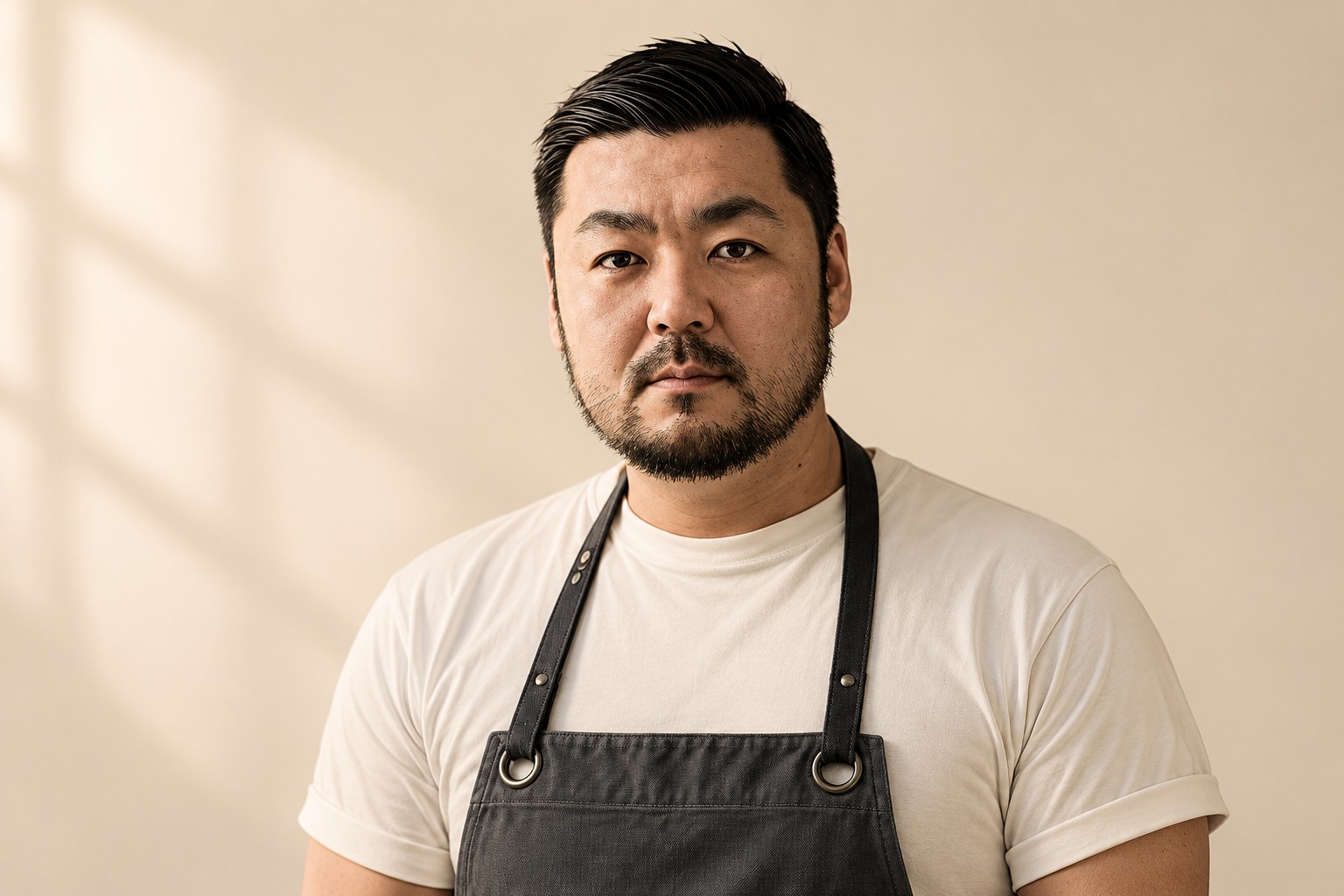
La Cime · Okonomiyaki · Salt-butter roll
Yusuke Takada brings Amami Oshima memories and French training into La Cime. Curiosity about ingredients, classical foundations and a free creative spirit shape his Osaka restaurant.
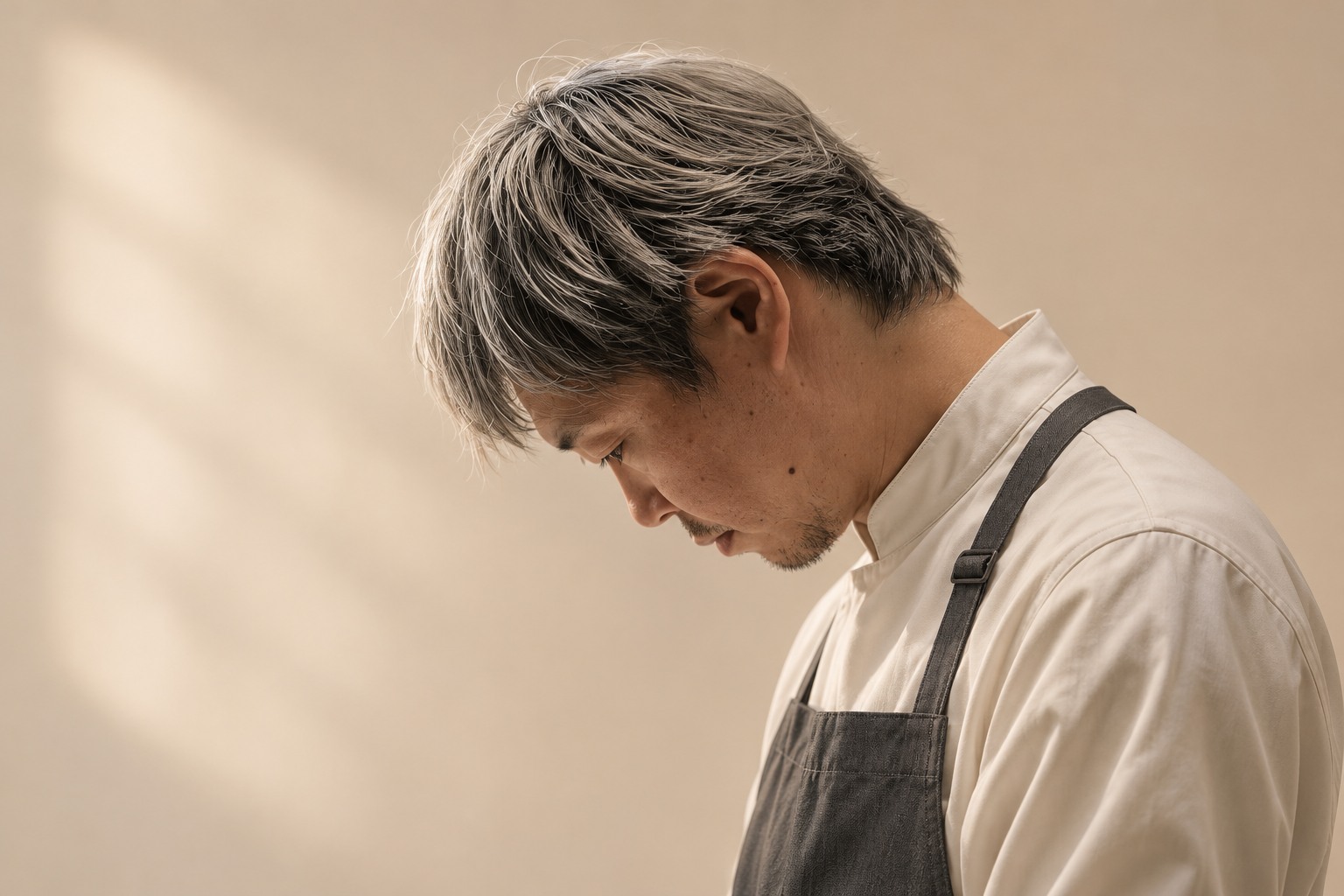
Fujiya 1935 · Green-tea bread · Corn pasta
Tetsuya Fujiwara carries a four-generation Osaka restaurant story into contemporary seasonal cooking. At Fujiya 1935, Japanese ingredients meet European experience, playful textures and careful timing.
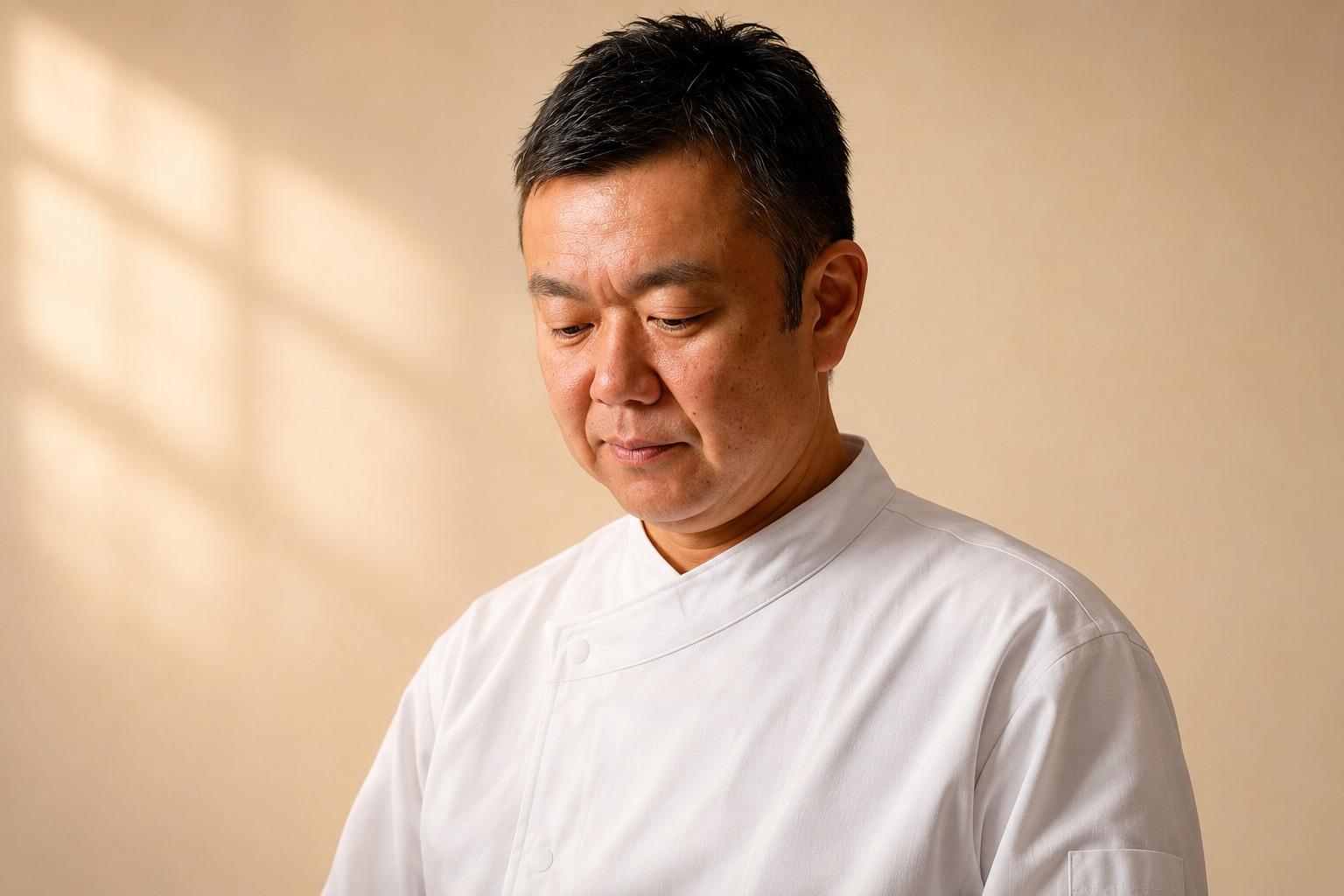
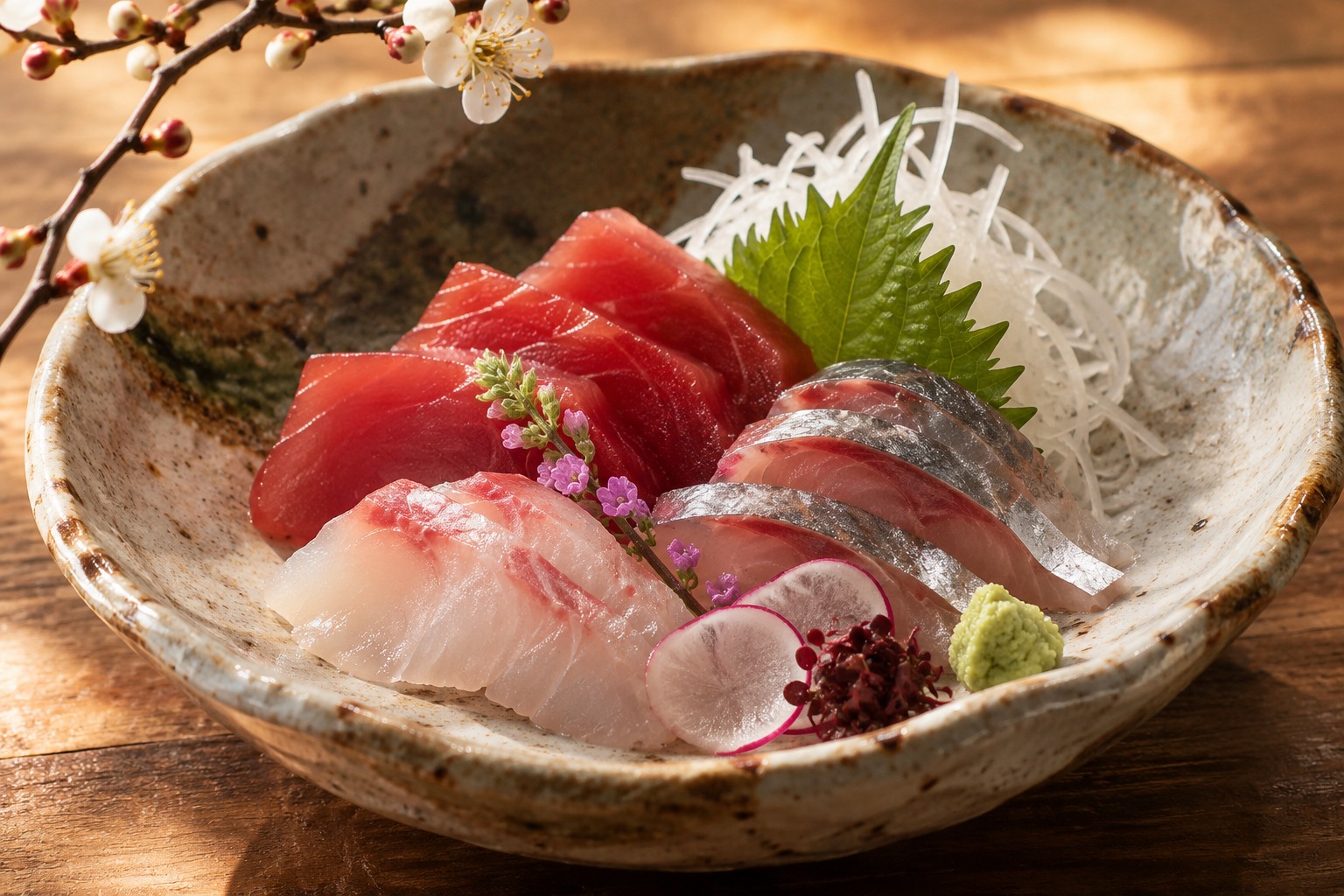
Koryu · Seasonal sashimi · Crab with pea sauce
Shintaro Matsuo explores Osaka’s seafood, vegetables and generous depth of flavour at Koryu. Seasonal Japanese cooking unfolds through precise preparation and the atmosphere of a counter-side meal.
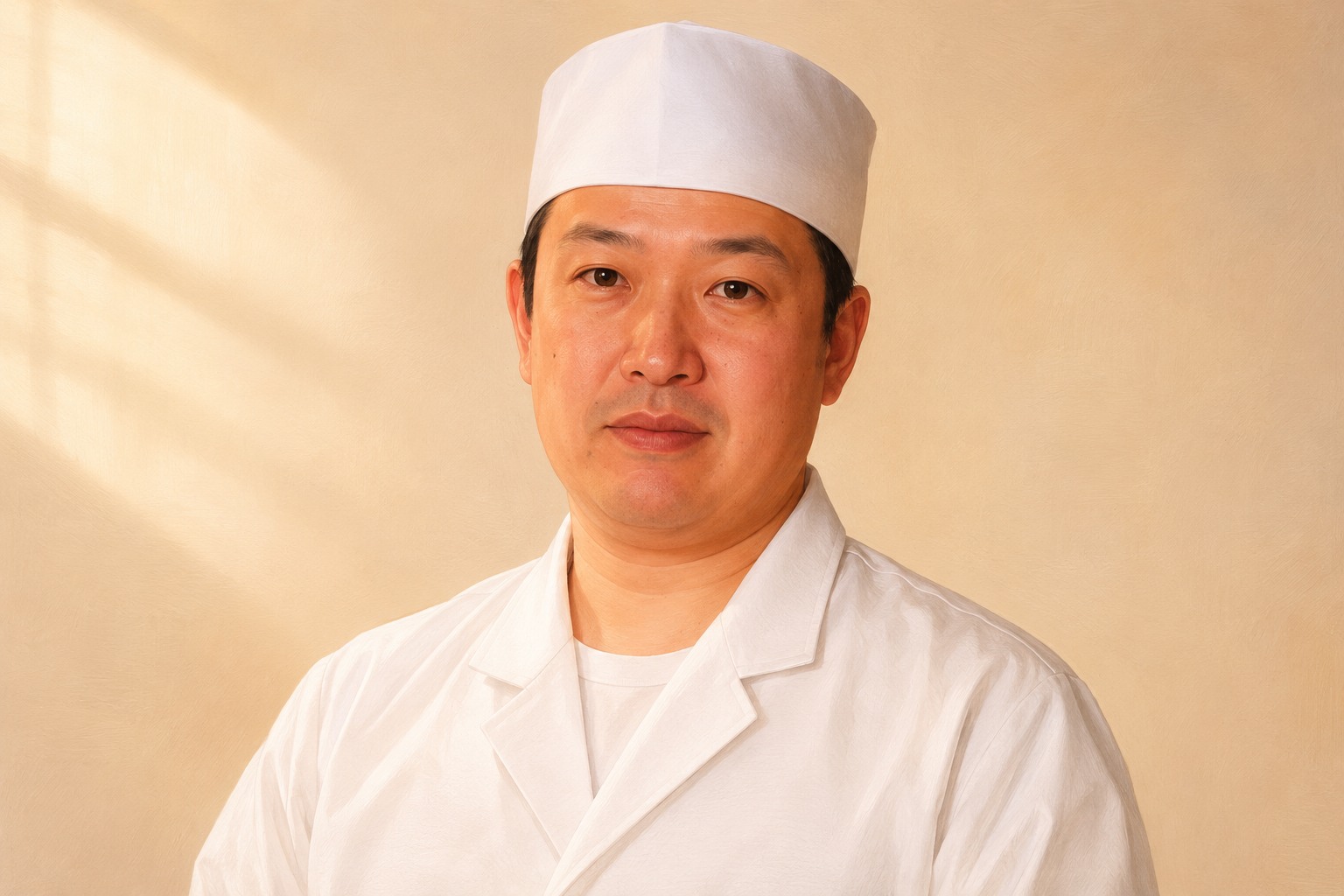
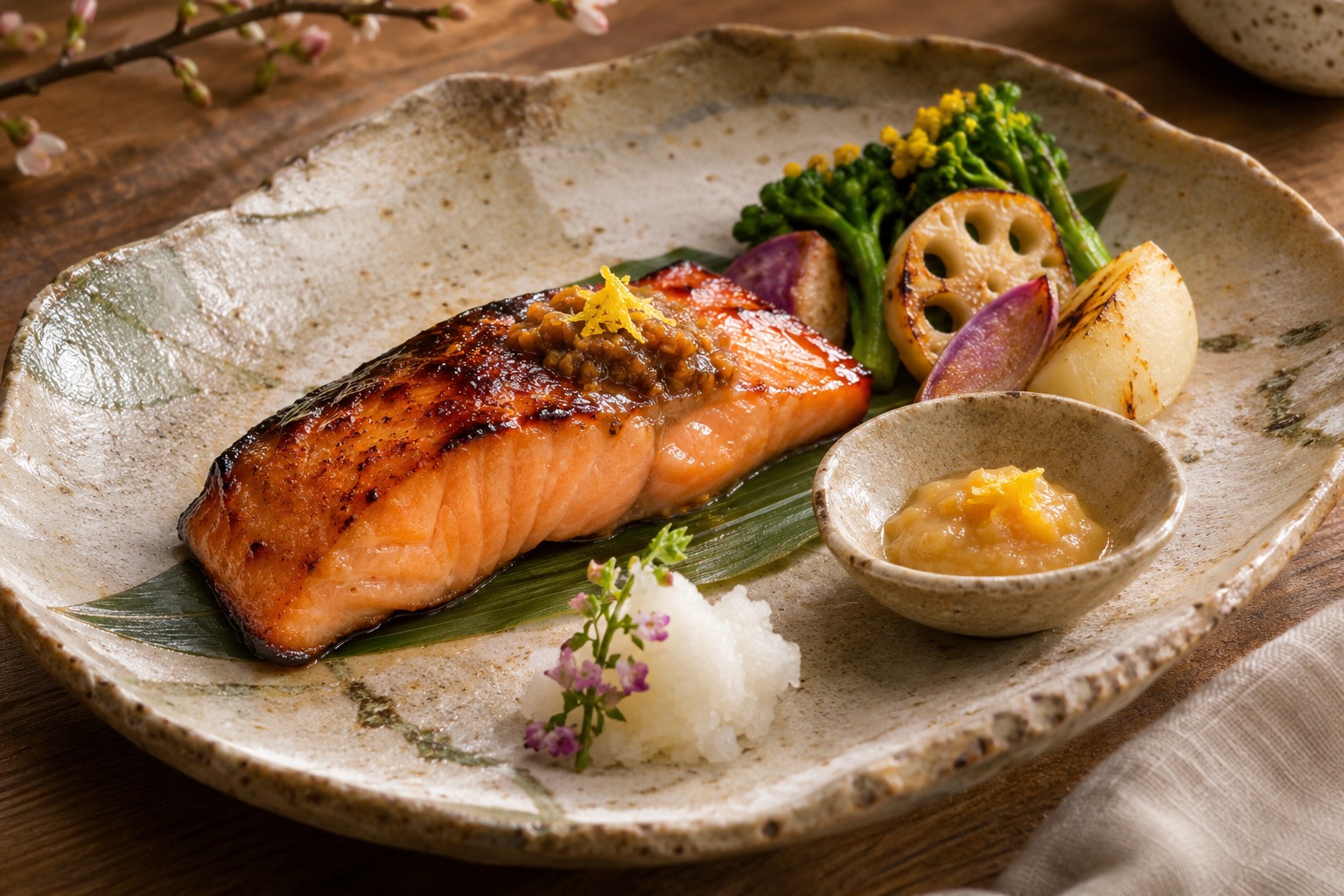
Taian · Grilled salmon · Burdock and beef rolls
Hitoshi Takahata combines kaiseki structure, kappo hospitality and charcoal cooking at Taian. Broths, seasonal ingredients and thoughtful timing give each part of the meal its own place.
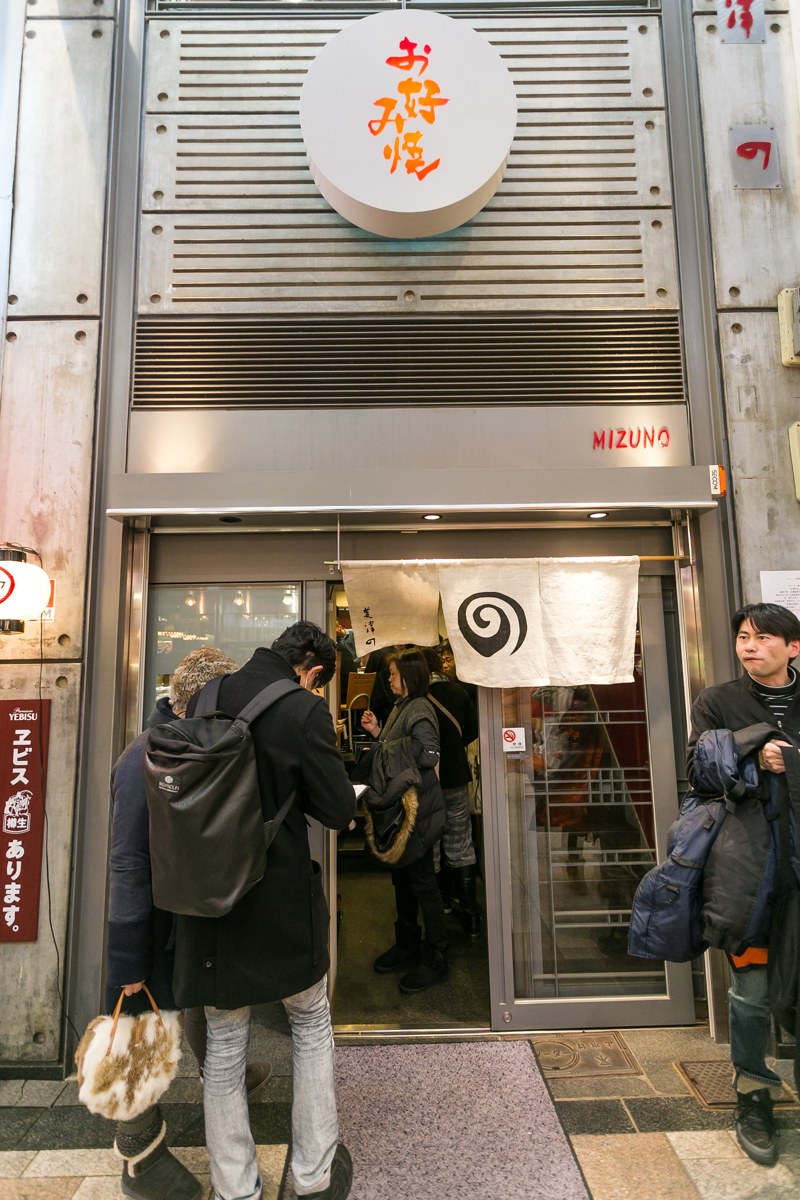
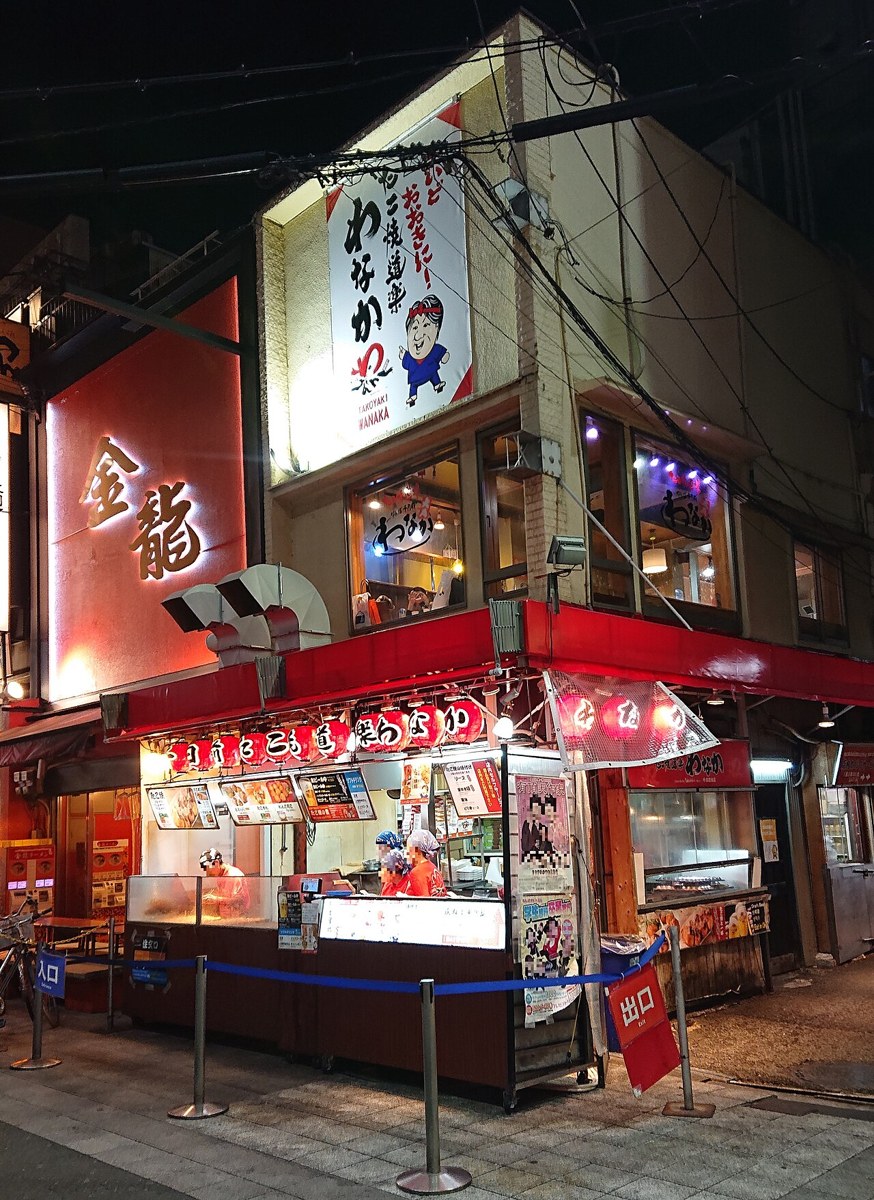
A long-established okonomiyaki restaurant in Osaka’s Dotonbori district.

Marufuku began in Osaka in 1934 and moved its main shop to Sennichimae in 1946. Its deeply roasted, concentrated coffee belongs to the kissaten tradition, with the main shop offering a slower counterpoint to the streets around Namba.
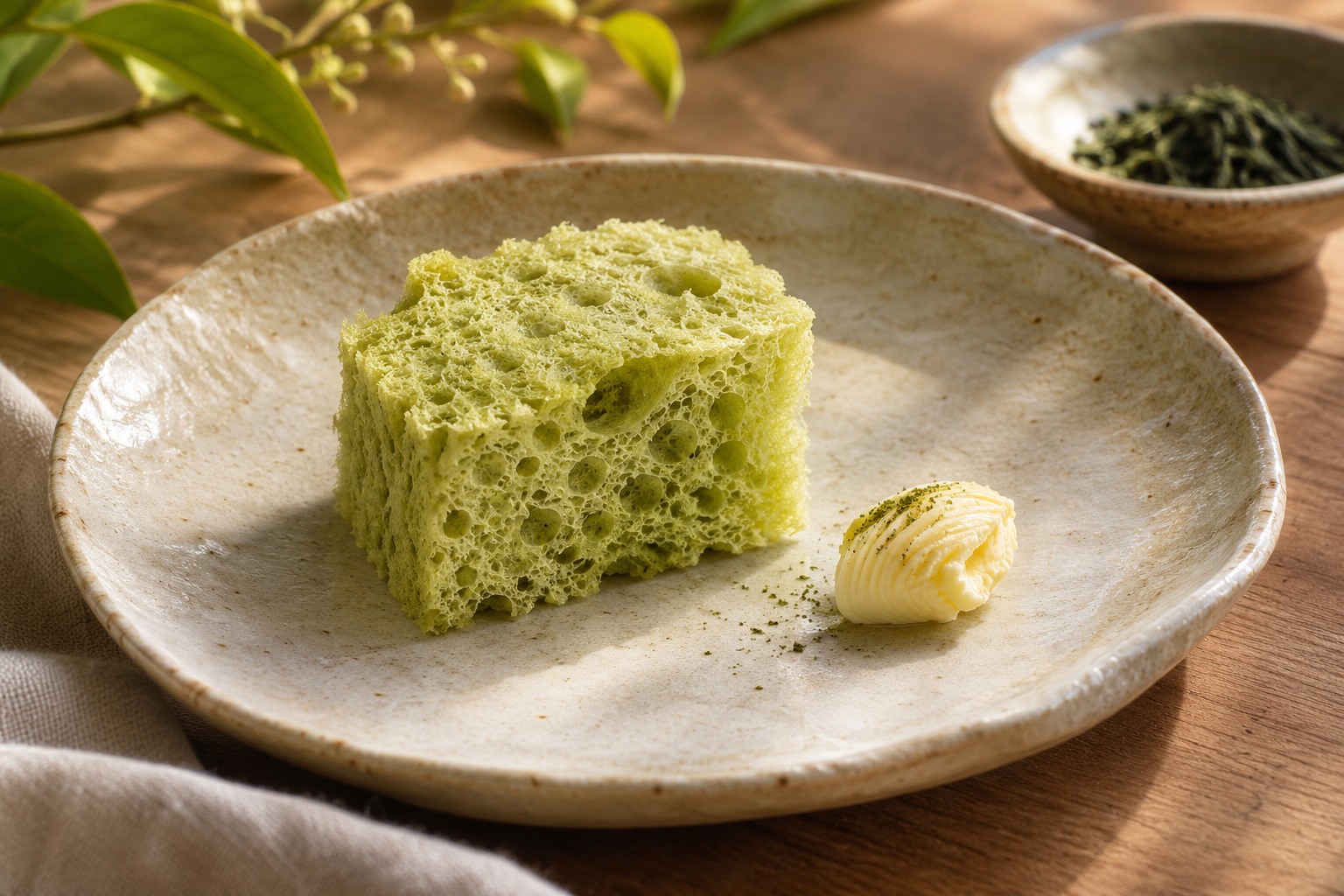
Tetsuya Fujiwara carries a four-generation Osaka restaurant story into contemporary seasonal cooking. At Fujiya 1935, Japanese ingredients meet European experience, playful textures and careful timing.