Restaurant
L’Arcangelo
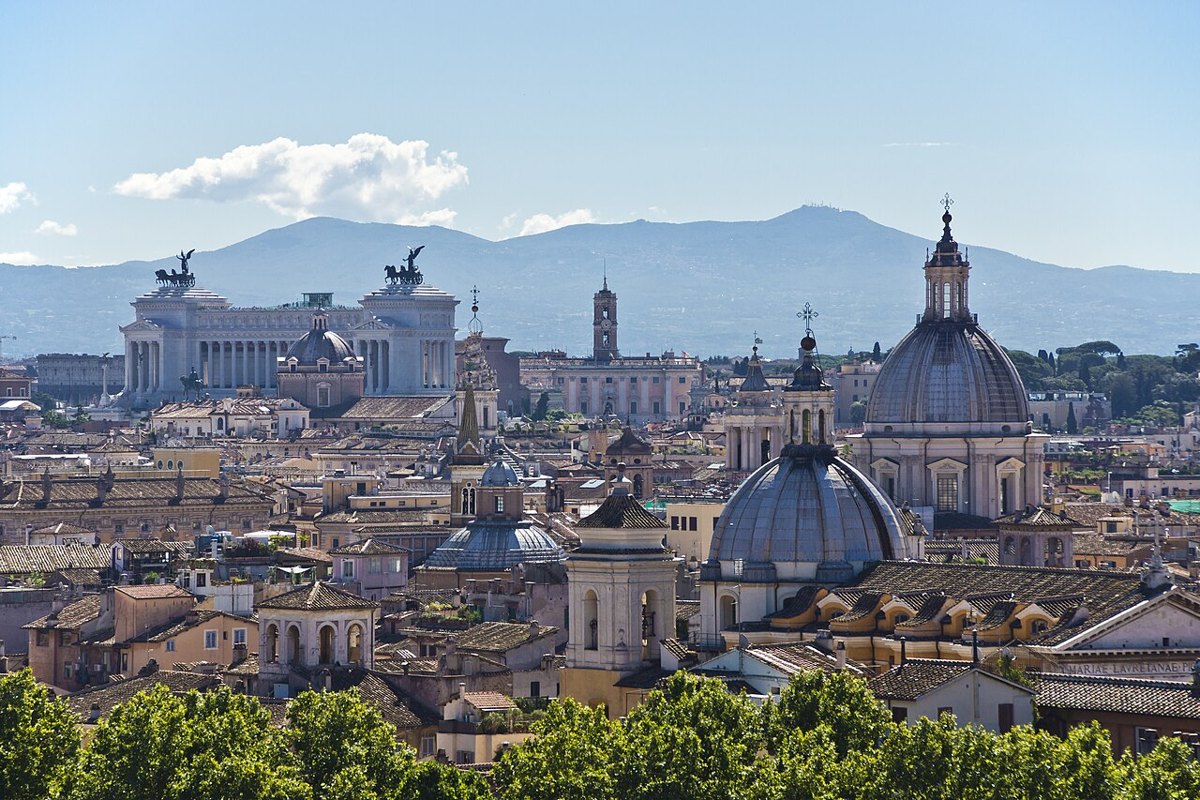
Arcangelo Dandini cooks through the memories of Rome and the Castelli Romani, connecting a family restaurant tradition with pasta, supplì and the pleasures of a welcoming table.

Arcangelo Dandini cooks through the memories of Rome and the Castelli Romani, connecting a family restaurant tradition with pasta, supplì and the pleasures of a welcoming table.
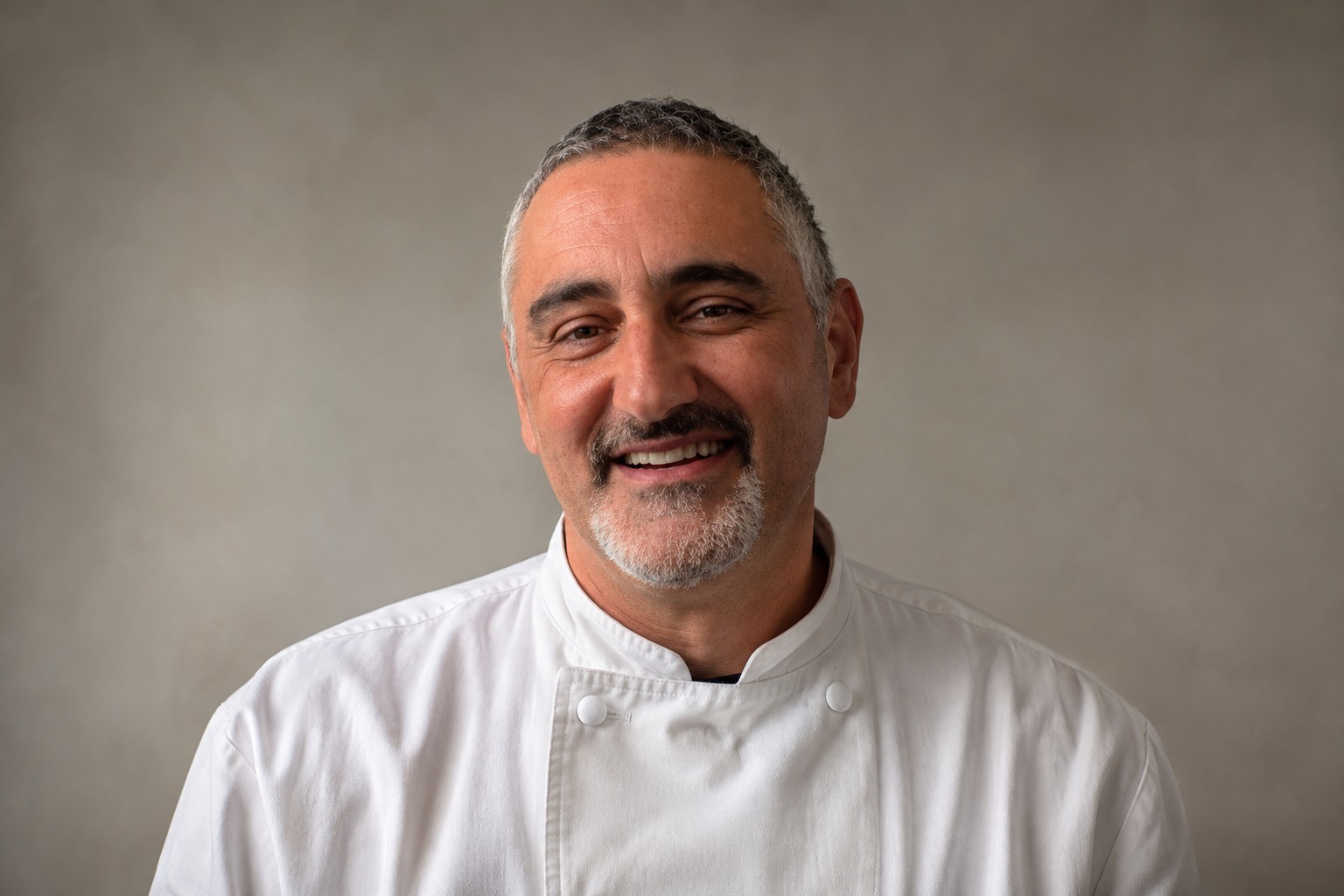
Born in 1962, Arcangelo Dandini comes from the Castelli Romani and a family of restaurateurs extending through four generations. He describes his cooking through childhood memories and the experiences that remain attached to particular tastes. L’Arcangelo in Prati is the restaurant where that personal history meets guests, with family photographs and objects recalling his early years. The point of departure is Roman cuisine, but memory makes it individual rather than a fixed collection of famous dishes. A meal offers a chance to see how a chef can stay close to a city’s traditions while choosing what those traditions mean to him.
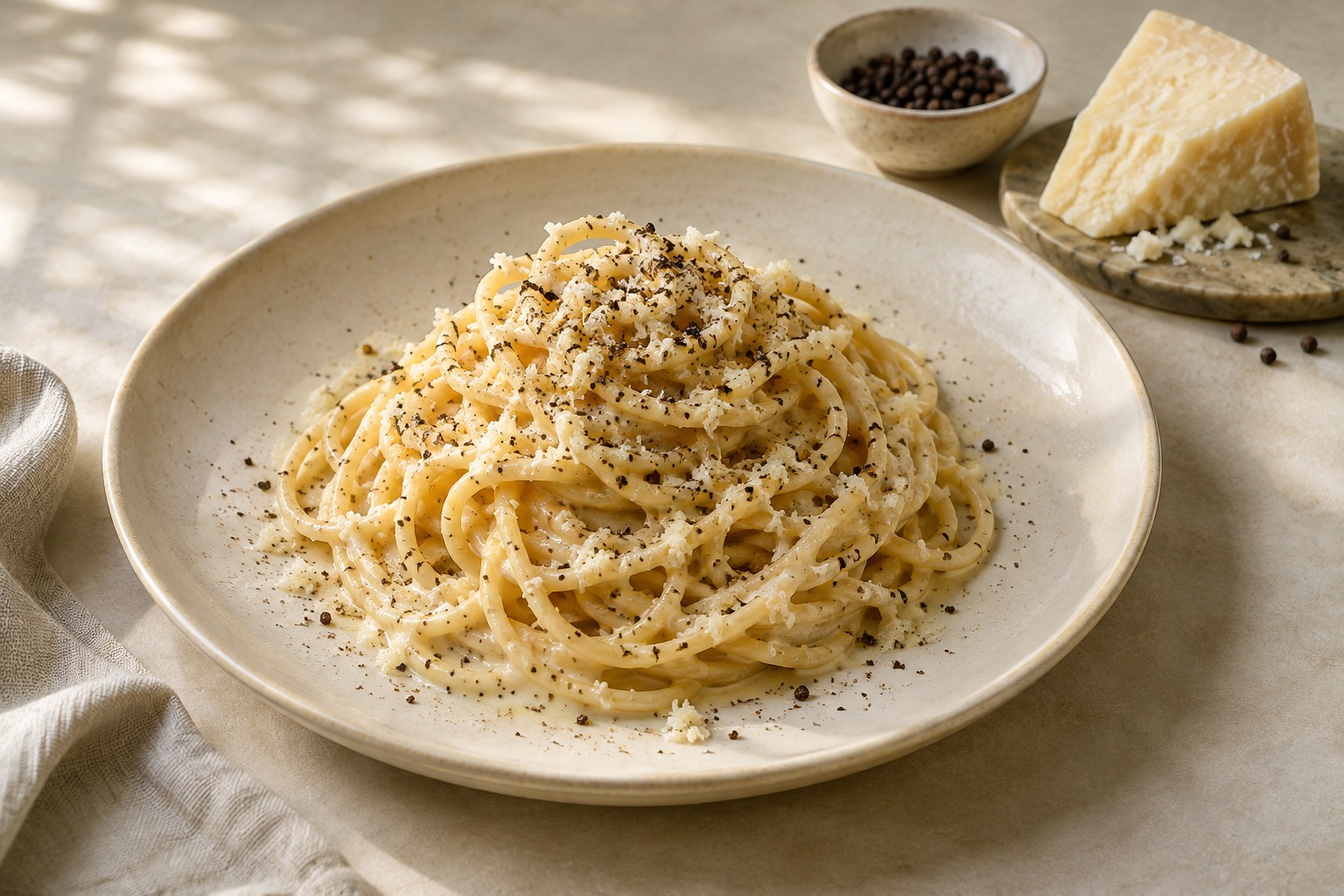
The Michelin Guide describes L’Arcangelo through its attention to regional products and the care given to familiar recipes. That is a useful perspective for a city where the name of a dish can seem to promise that every version will be the same. Ingredient selection, the texture of pasta and the handling of a sauce still make a difference. Dandini’s short cacio e pepe demonstration shows him responding to a question from an audience with an improvised cooking lesson. Watching the preparation makes a classic combination of cheese, pepper and pasta feel like a set of practical decisions rather than simply a recipe title.
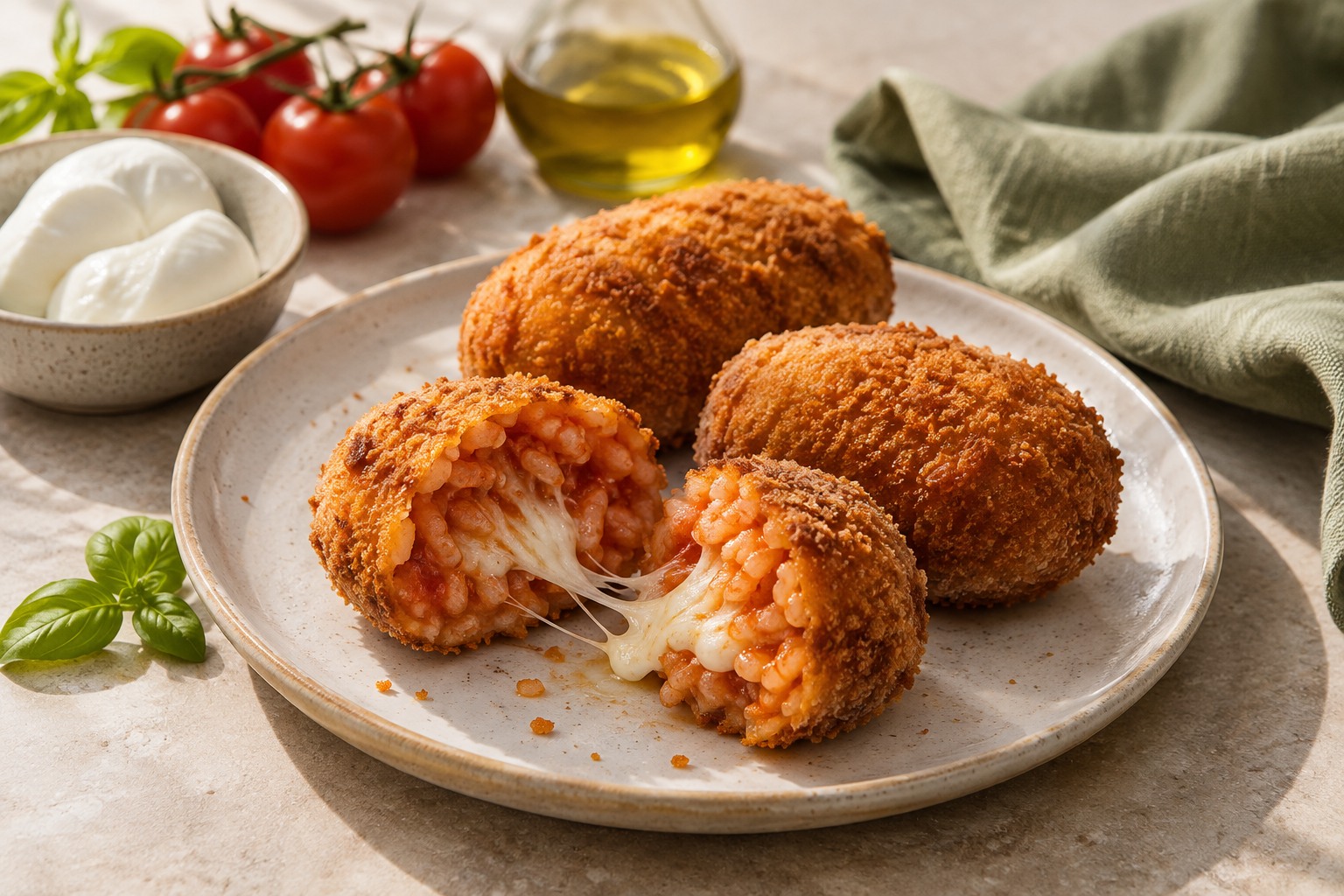
Dandini is also associated with Supplizio on Via dei Banchi Vecchi, where Roman street food gives another expression to his work. The supplì demonstration with Stefano Callegari follows the snack from its history through rice preparation, shaping, breading and frying. It explains why the crust, the flavour of the rice and the mozzarella filling each matter. The version discussed includes traditional savoury ingredients such as chicken giblets and sausage, showing that the story can be richer than rice and cheese alone. For travellers, a supplì stop and a seated dinner offer two different ways to explore the same culinary memory.
Dandini’s books provide another route into his relationship with Roman food. Memoria a mozzichi presents his interpretation of the city’s cooking through several historical strands, including ancient Rome, Jewish-Roman traditions, Renaissance papal banquets and the better-known cooking of Testaccio. Animelle combines food with personal recollections and a journey through his own cuisine. These are invitations to look beyond the best-known pasta names and notice the layers of history that shape a local table. The restaurant visit filmed by The Gusto adds the atmosphere of L’Arcangelo and the chef’s storytelling to the practical cooking demonstrations.
L’Arcangelo is at Via Giuseppe Gioacchino Belli 59 in Prati, near Piazza Cavour. The current Michelin listing confirms the address and +39 06 321 0992 phone number, which can be used to ask about a table and the available menu. Discuss dietary requirements before visiting and choose a time that allows for a relaxed dinner. Supplizio is a separate address at Via dei Banchi Vecchi 143 and suits a different kind of stop. The map below leads to the Prati restaurant. Together, the two settings show the range between the intimacy of a Roman dining room and the immediate pleasure of a crisp supplì.
Via Giuseppe Gioacchino Belli 59, 00193 Roma, Italy
Arcangelo Dandini and Stefano Callegari explore the history and preparation of Roman supplì, covering rice, filling, breading and frying in a detailed Italia Squisita lesson.
Responding to a question at a public event, Arcangelo Dandini gives an improvised lesson on cacio e pepe and the handling of its cheese-and-pepper sauce.
The Gusto visits L’Arcangelo in Rome for a meal and a conversation about Arcangelo Dandini’s memories and interpretation of Roman cooking.
Arcangelo Dandini cooks through the memories of Rome and the Castelli Romani, connecting a family restaurant tradition with pasta, supplì and the pleasures of a welcoming table.