Restaurant
Luciano — Cucina Italiana
Luciano Monosilio is known for carbonara, but his Rome kitchen opens a wider conversation about wheat, dried pasta and the precision behind familiar Italian food.

Luciano Monosilio is known for carbonara, but his Rome kitchen opens a wider conversation about wheat, dried pasta and the precision behind familiar Italian food.
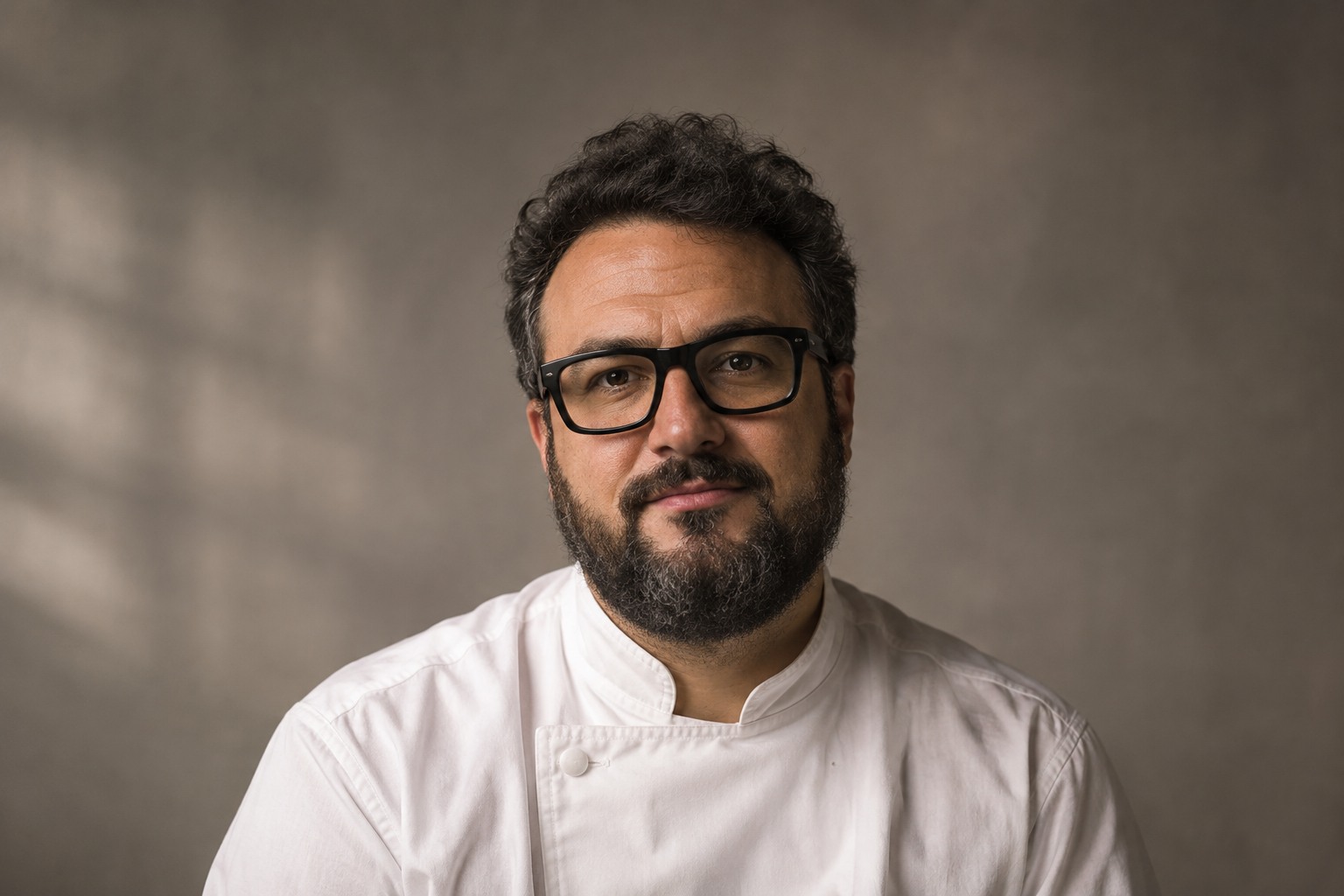
Born in 1984 in Albano Laziale, Luciano Monosilio began cooking as a child and followed hotel-school training into professional kitchens. Early work at Roscioli introduced him to a demanding food culture, while experience in Cape Town and stages with Fulvio Pierangelini, Mauro Uliassi and Enrico Crippa broadened his technique. He received a Michelin star at twenty-seven while working in Pipero’s kitchen at the Rex. In 2018, he chose a different format: a contemporary trattoria in central Rome with a laboratory for durum-wheat pasta. That choice made pasta production a visible centre of his own restaurant project.
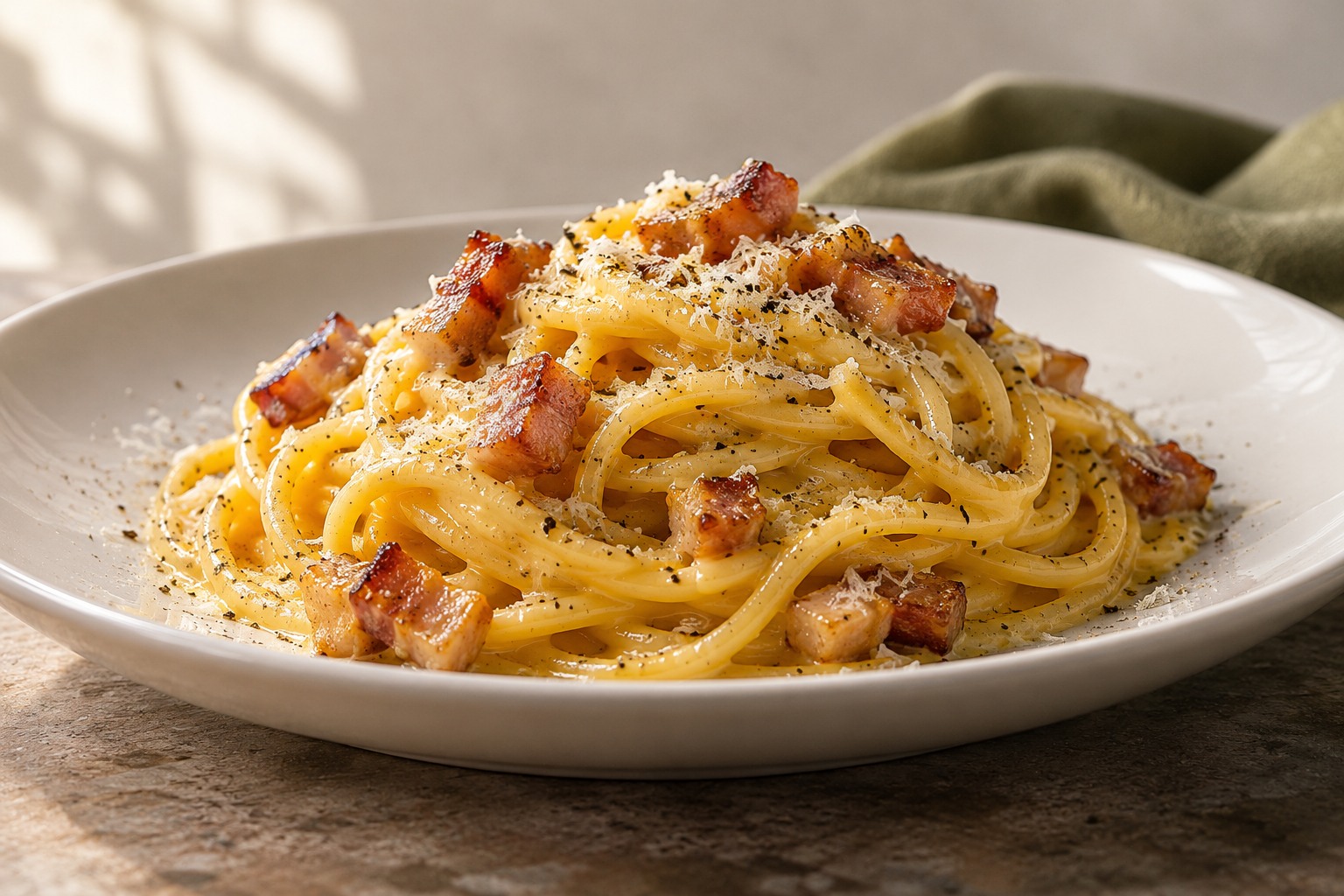
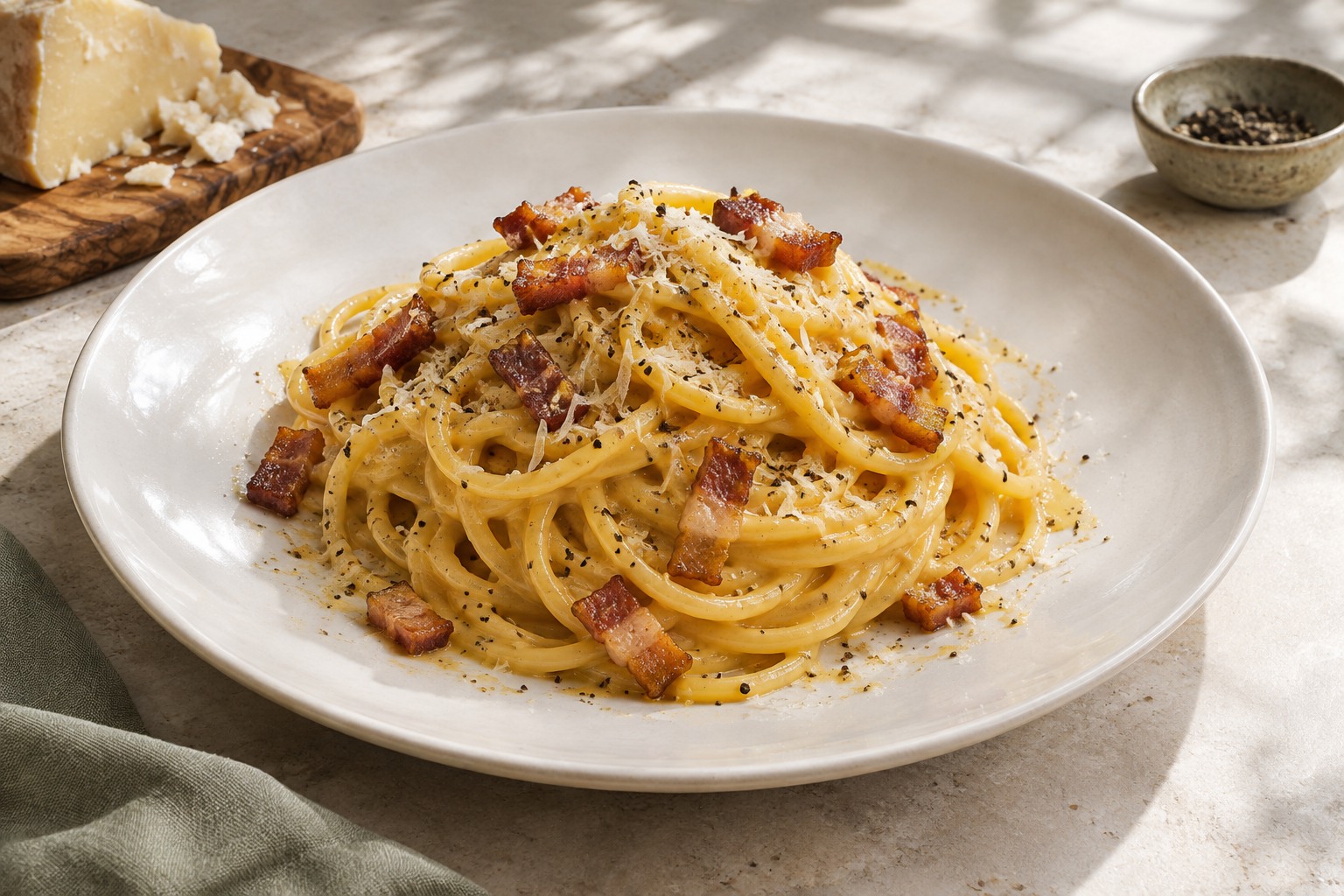
Carbonara is the dish most closely associated with Monosilio, earning him the widely used nickname King of Carbonara. The interest is not a long ingredient list but the control needed to turn pasta, egg, cheese, cured pork and pepper into a balanced dish. Temperature and the handling of the emulsion affect whether the sauce remains glossy and coats the strands evenly. The Aden Films visit follows the preparation at Luciano — Cucina Italiana in Rome, giving a close view of that work. It is an inviting starting point for understanding why a familiar recipe can become a chef’s calling card.
Monosilio’s interest extends from the finished sauce back to grain, flour and the production of pasta. His restaurant project includes a pasta laboratory, and his wider work treats durum-wheat semolina pasta as something worthy of precise study. The cooking lesson on five pasta methods is particularly useful: it compares cooking to order, risotto-style cooking, one-pot preparation, pressure cooking and cooking without an active flame. Seeing those approaches together makes it easier to understand the effects of water, starch and timing. The technique is not separate from pleasure; it is a means of getting a consistent texture and a sauce that belongs with the pasta.
A separate film with Alex explores aglio e olio, where garlic, oil, chilli and the pasta itself leave very little room to hide an imbalance. That demonstration complements the richer carbonara and shows another side of Monosilio’s thinking. The restaurant also draws on regional Italian cooking more broadly, linking the care of a home table with techniques learned in fine dining. Its setting includes Veleno, a cocktail space beside the pasta laboratory, offering another way to combine food and drinks. For a meal, the current restaurant menu gives a wider view than ordering solely on the strength of one celebrated recipe.
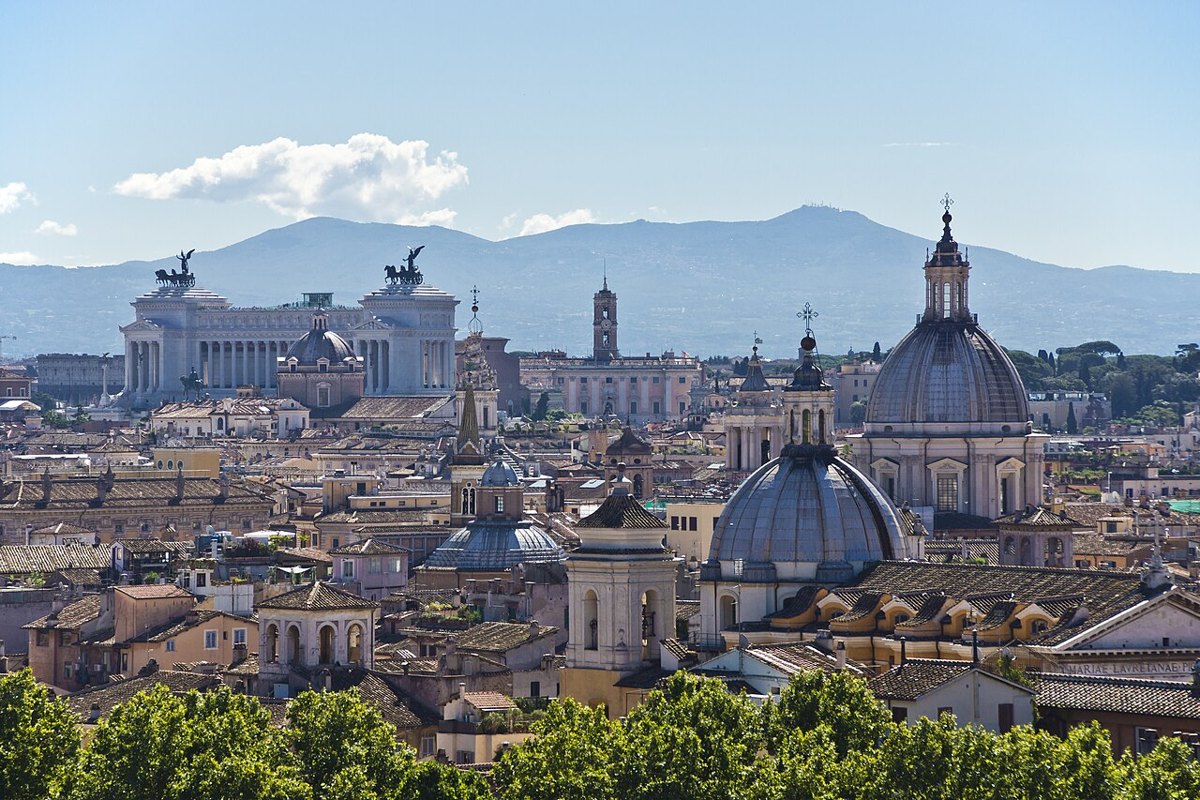
Luciano — Cucina Italiana is at Piazza del Teatro di Pompeo 18, a short walk from Campo de’ Fiori in the Parione area. The current official restaurant site provides the menu and booking link, with +39 06 5153 1465 as the contact number. Check the available setting and explain dietary needs when making a reservation. A visit can be centred on carbonara, but leaving room to explore another preparation offers a fuller picture of the kitchen. The map below identifies this restaurant rather than Monosilio’s other projects, such as Il Maratoneta or the separate pasta-production business.
Piazza del Teatro di Pompeo 18, 00186 Roma, Italy
Aden Films visits Luciano — Cucina Italiana in Rome to follow Luciano Monosilio’s spaghetti carbonara, from kitchen preparation to the finished plate.
Luciano Monosilio and Alex explore aglio e olio, showing how careful handling of garlic, oil and pasta changes a seemingly simple dish.
Luciano Monosilio compares five ways to cook pasta, from cooking to order and risotto-style methods to one-pot, pressure and off-heat cooking.
Luciano Monosilio is known for carbonara, but his Rome kitchen opens a wider conversation about wheat, dried pasta and the precision behind familiar Italian food.