Restaurant
Red Rooster Harlem
Marcus Samuelsson connects Ethiopian roots, a Swedish upbringing and Harlem’s food culture at Red Rooster, where comfort food, music and a neighbourhood table meet.

Marcus Samuelsson connects Ethiopian roots, a Swedish upbringing and Harlem’s food culture at Red Rooster, where comfort food, music and a neighbourhood table meet.
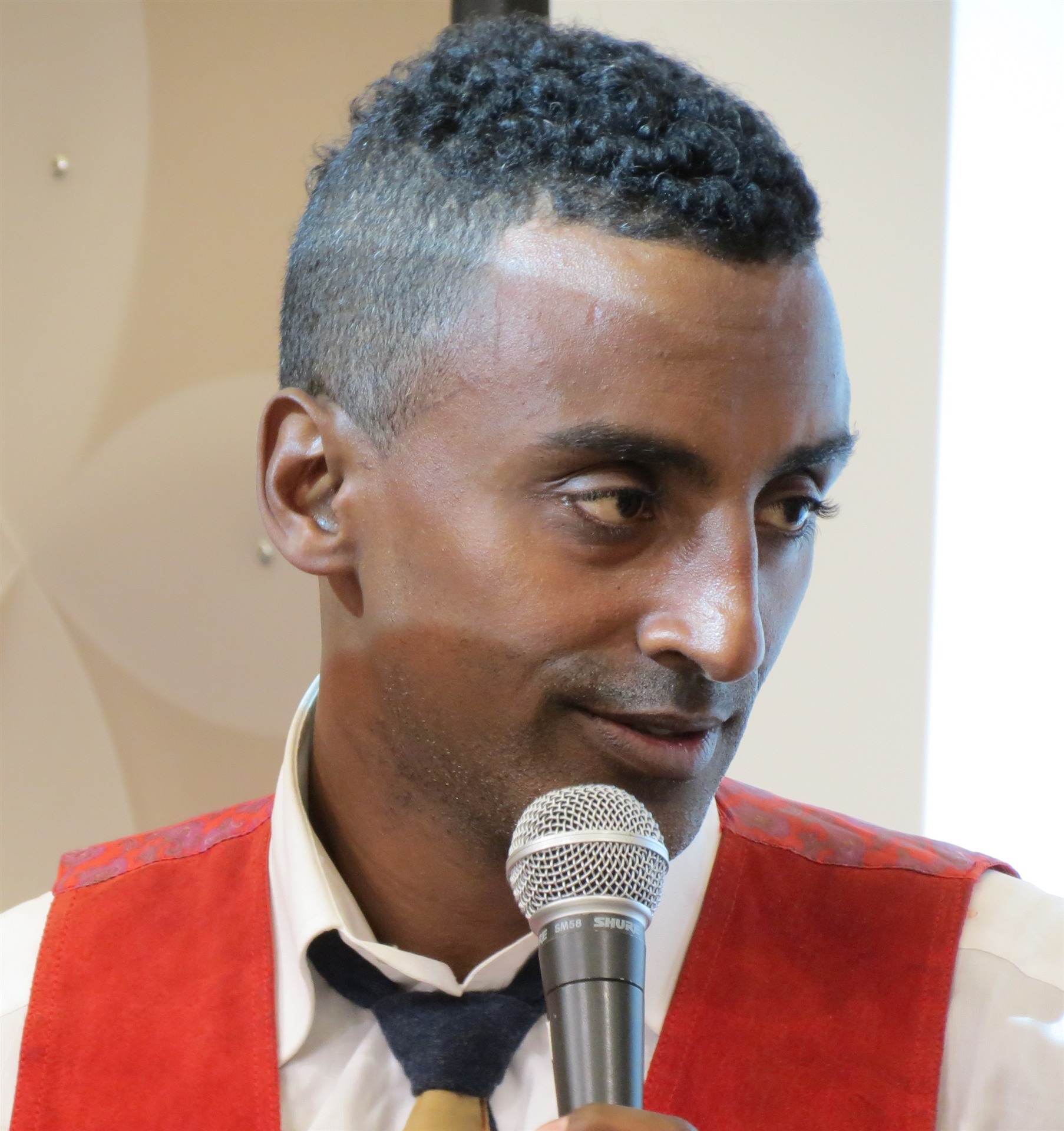
Marcus Samuelsson was born in Ethiopia and grew up in Sweden, where cooking with his grandmother became an early influence. Training in European kitchens, including Switzerland and France, preceded his New York career. His work at Aquavit introduced many diners to his cooking before he opened Red Rooster Harlem in 2010. That journey is not a single national label. It brings together family memories, professional training and the food cultures he has encountered, creating several ways to understand the flavours he chooses to share.
On Lenox Avenue, Red Rooster connects American comfort food with Harlem’s cultural life. Its founders describe a restaurant intended to support the neighbourhood through food, opportunity and a place to gather. Music is part of that setting, with live performances and a dining room welcoming neighbours, visitors and artists. The restaurant’s current presentation includes dishes such as fried chicken, shrimp and grits, and chicken with waffles. The attraction is therefore broader than a famous chef’s name: a visit is also an encounter with a particular New York neighbourhood and its traditions.
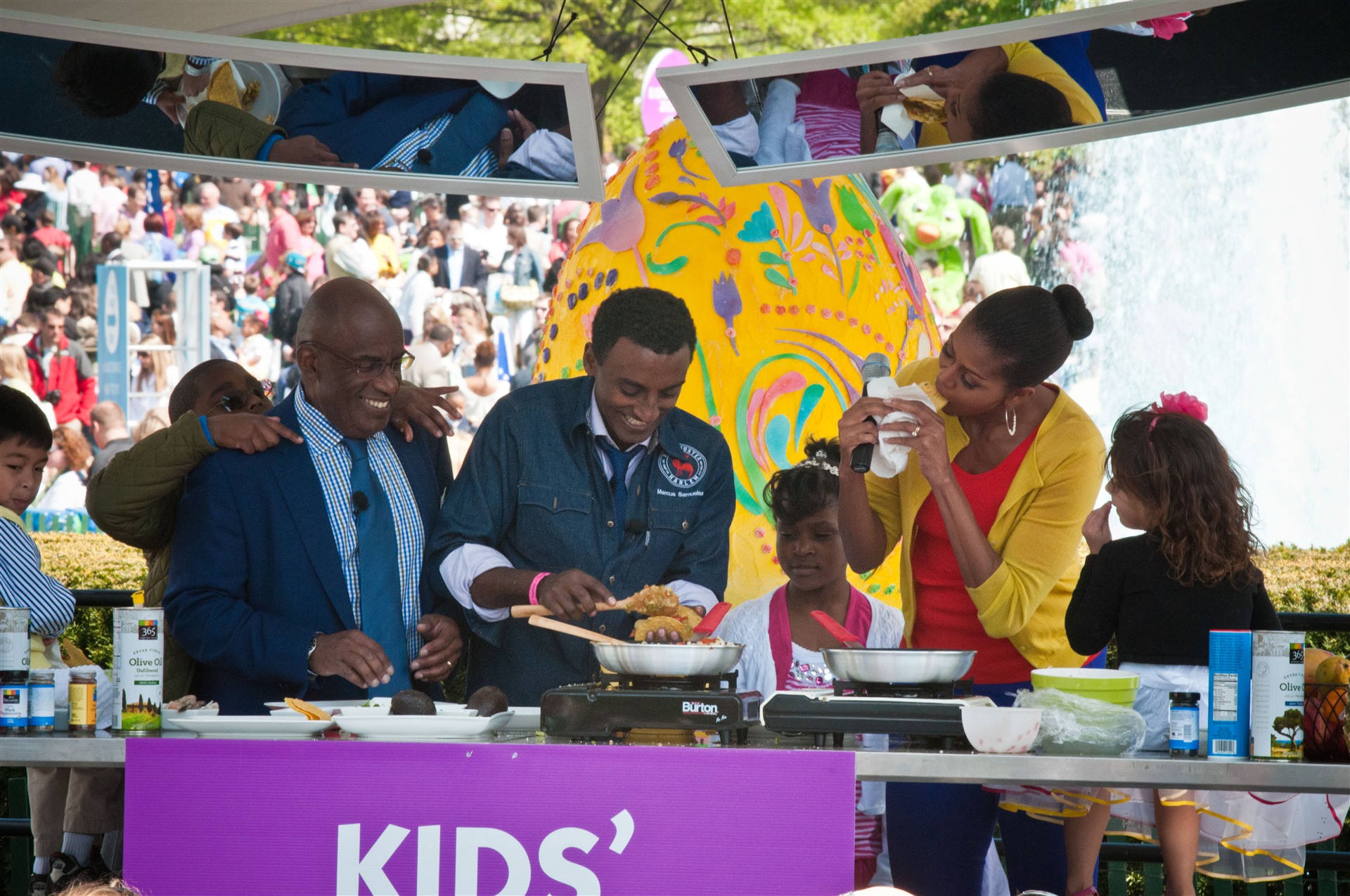
The cooking videos introduce two different strands of Samuelsson’s food. His fried-chicken lesson uses a spice mixture that includes berbere, connecting a familiar American preparation with another part of his culinary background. The Ethiopian lesson demonstrates tibs, giving a more direct introduction to that tradition. A separate conversation with Eric Ripert combines cooking with memories of his career and a discussion of opportunities in the industry. These films offer ideas for the home kitchen as well as context for the chef’s wider work.
Samuelsson’s memoir Yes, Chef follows his personal journey, while The Rise: Black Cooks and the Soul of American Food brings attention to Black food professionals and their work. His public activity also includes co-chairing Careers through Culinary Arts Program, supporting opportunities for young people. In 2023 he received an Emmy for the short-form programme My Mark. Alongside the restaurants and television appearances, these projects show his interest in who gets to tell food stories and how a professional career can open doors for others.
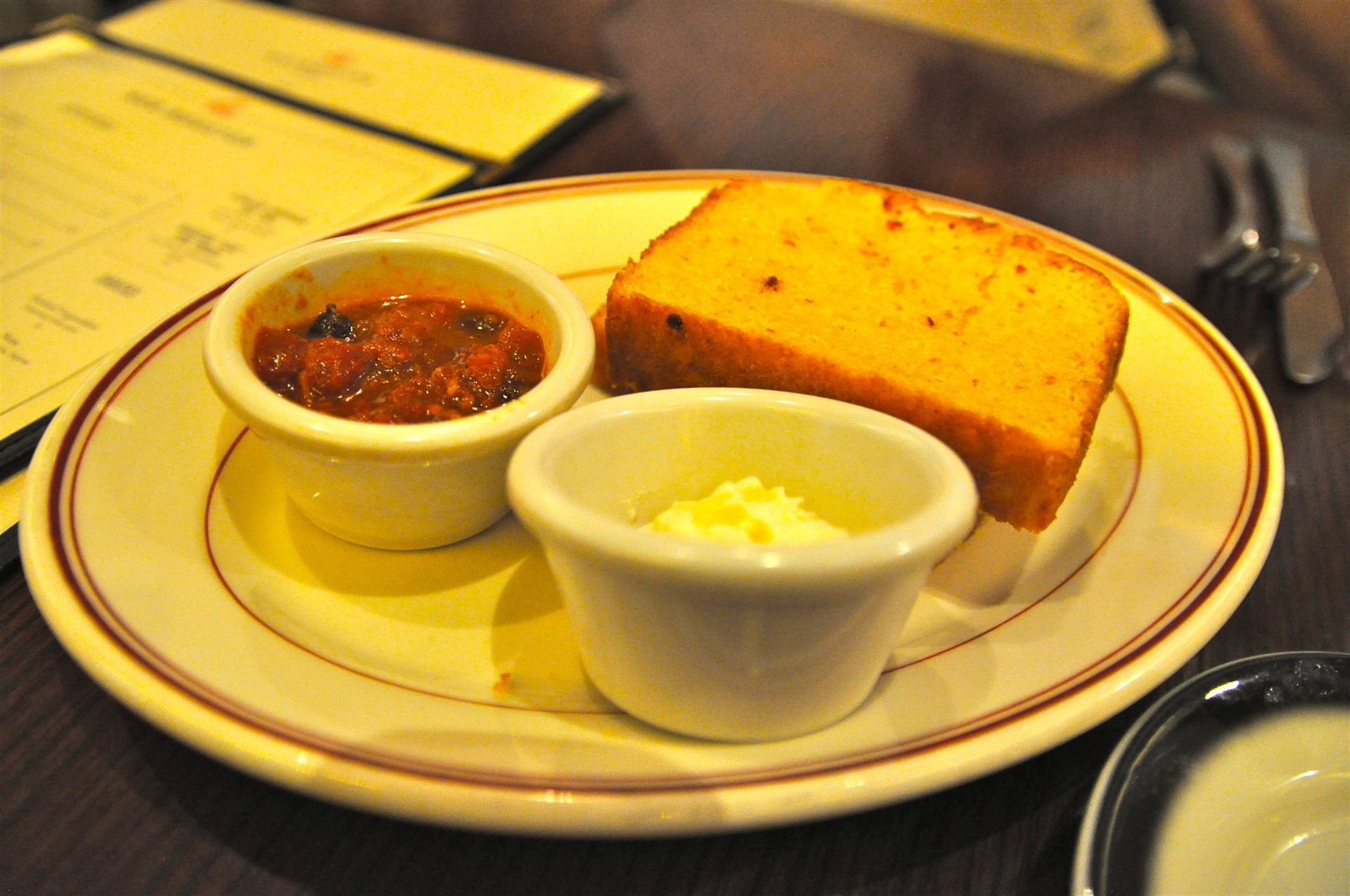
Red Rooster Harlem is at 310 Lenox Avenue, New York, NY 10027, with enquiries on +1 212 792 9001. Check the official site for the current menu, reservations and live-music programme, since dining and performances may have different arrangements. The 2026 visitor film introduces the Harlem restaurant through a meal centred on fried chicken. The real cornbread photograph in the gallery dates from July 2011 and is identified as historical. Use the map for Harlem; Red Rooster Overtown in Miami is a separate restaurant with its own setting and bookings.
310 Lenox Avenue, Harlem, New York, NY 10027, United States
Marcus Samuelsson demonstrates fried chicken with a berbere-based spice mixture, showing the seasoning, preparation and frying.
Marcus Samuelsson introduces Ethiopian tibs in this Tasty cooking lesson, exploring another strand of his culinary background.
In this 2013 On the Table conversation, Eric Ripert and Marcus Samuelsson prepare salmon with teff noodles while discussing Samuelsson’s career and food influences.
James Andrews visits Red Rooster Harlem in this 2026 film, trying the restaurant’s fried chicken and introducing its neighbourhood setting.
Marcus Samuelsson connects Ethiopian roots, a Swedish upbringing and Harlem’s food culture at Red Rooster, where comfort food, music and a neighbourhood table meet.

Pastrami on the Lower East Side, espresso in Greenwich Village and a slice of cheesecake. Start reading New York’s food through its neighbourhoods and migration stories.