Restaurant
Takao Takano
Takao Takano seeks clarity through a few carefully chosen ingredients. Japanese memories and years of French cooking meet in an intimate Lyon restaurant where the product leads the plate.

Takao Takano seeks clarity through a few carefully chosen ingredients. Japanese memories and years of French cooking meet in an intimate Lyon restaurant where the product leads the plate.
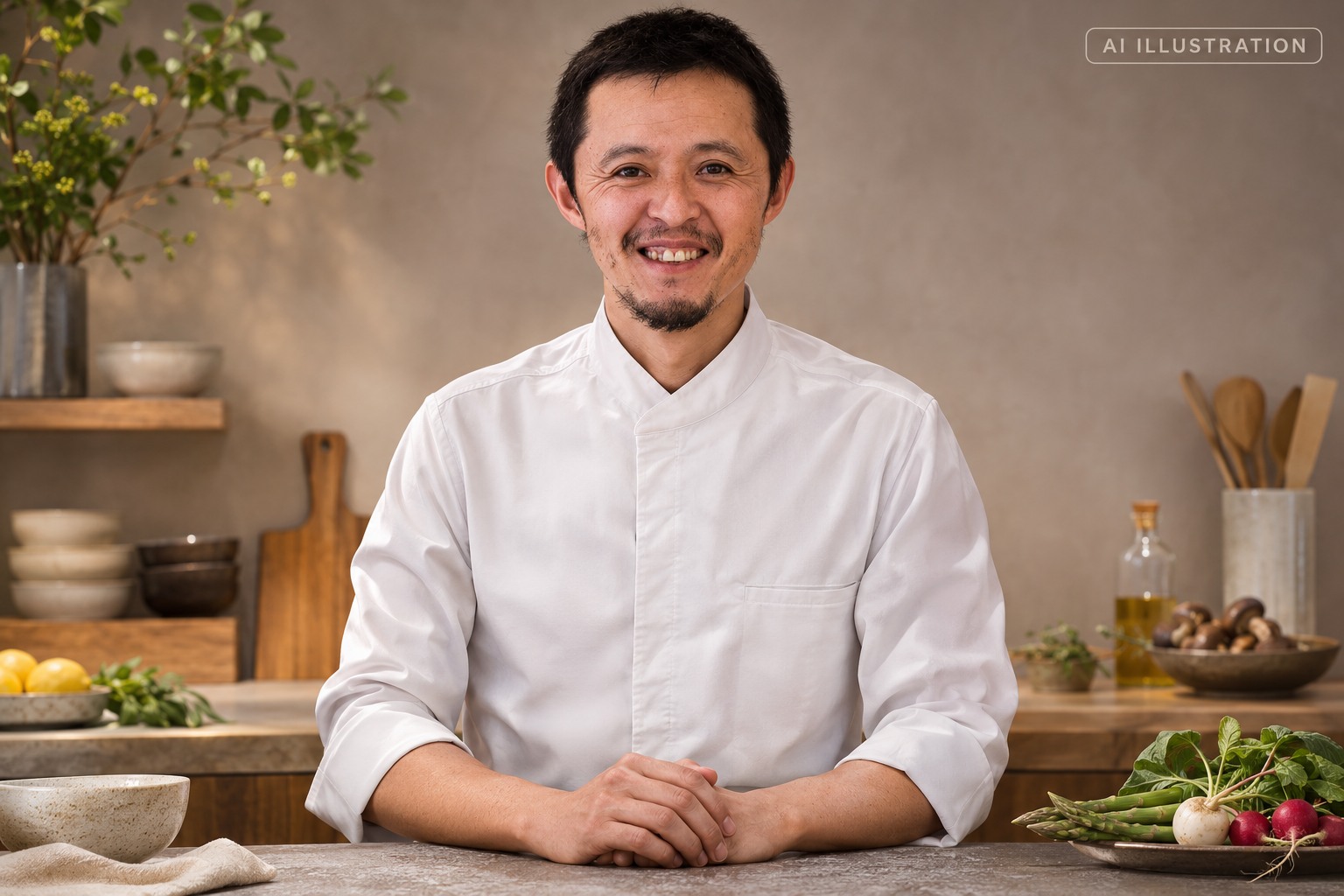
Takao Takano grew up in Japan’s Yamanashi region and entered cooking after first considering a different career. He spent twelve years learning French cooking and dining-room work in Tokyo, including time with Masahiro Morishige. In 2002 he came to Lyon, drawn to Nicolas Le Bec’s food. Working with Le Bec helped deepen his understanding of French ingredients and technique. That experience gave him a foundation for a personal style shaped by close observation and restraint rather than the simple addition of Japanese flavours to French dishes.
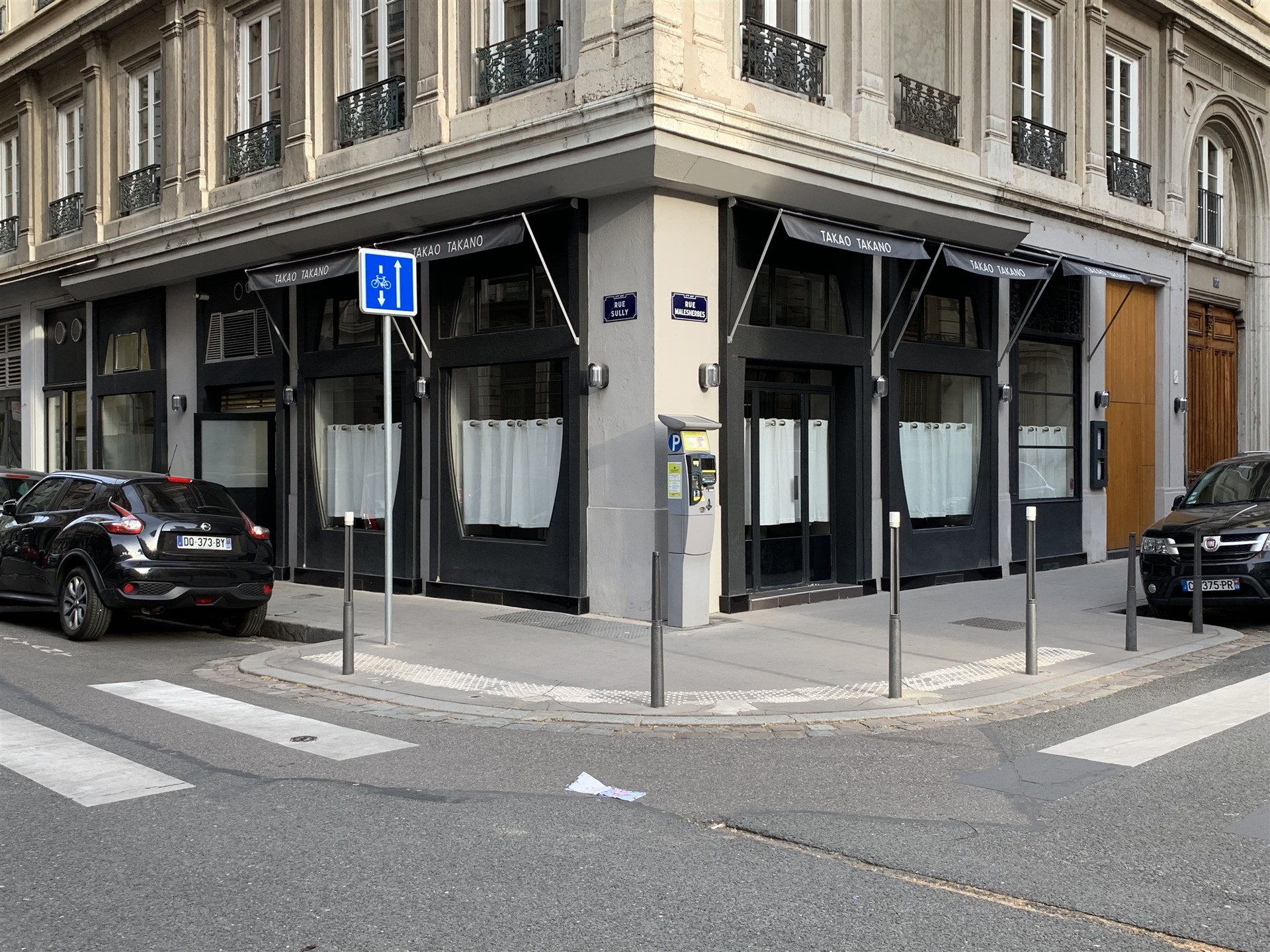
Takano opened his own restaurant on Rue Malesherbes in 2013. It gained a first Michelin star in 2014 and a second in 2018. Lyon’s tourism office describes an apartment-like setting with a small number of tables, bringing the concentration of a fine-dining kitchen into a more intimate room. The restaurant’s own presentation places nature, memories and respect for ingredients at the centre. It is a setting where a short description on the menu can open into a much more detailed experience of flavour and texture.
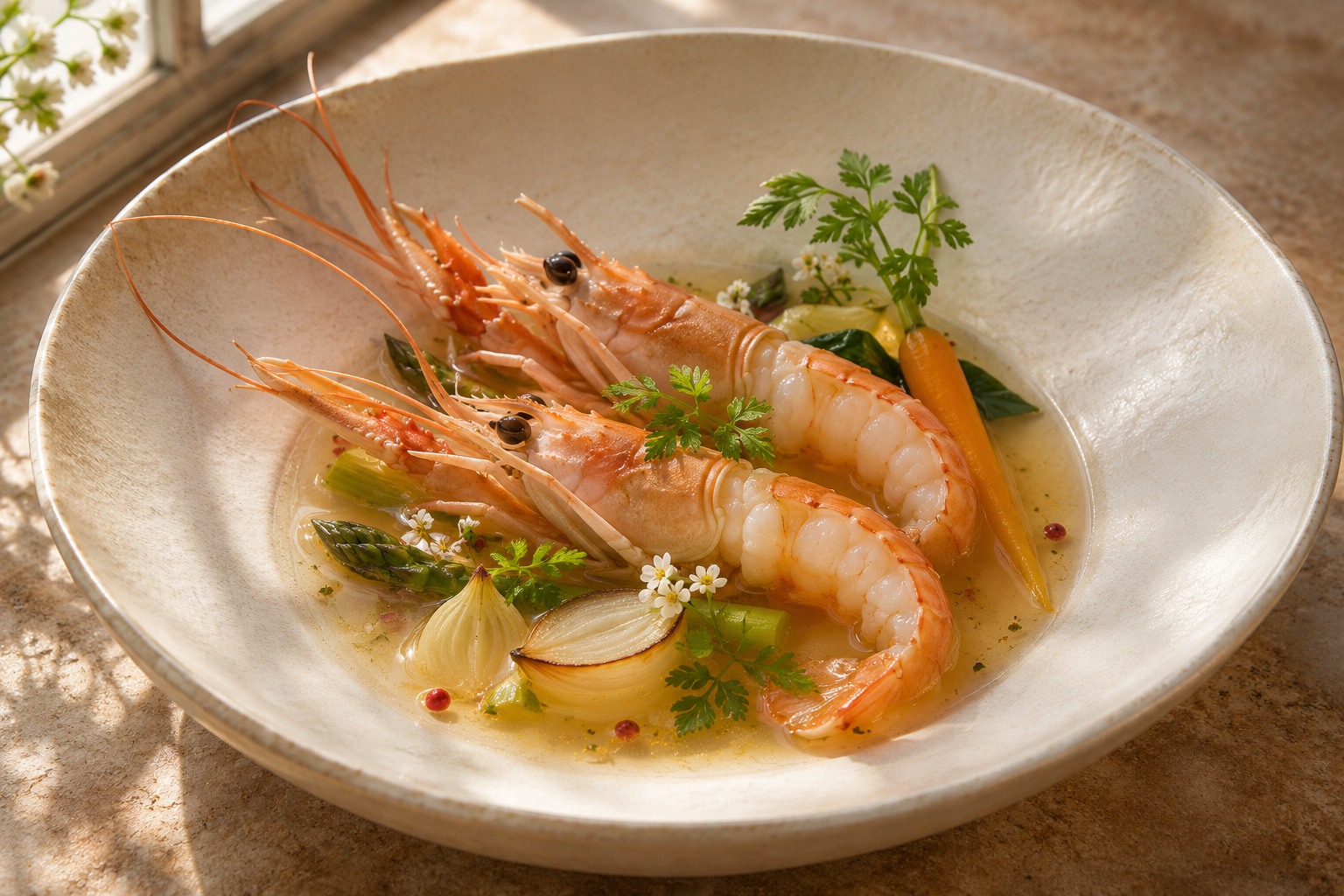
In a 2023 interview, Takano explained his preference for a plate built around a protein, a vegetable and a sauce, with seasonings linking them. Such apparent simplicity asks a great deal of selection, cooking and balance. An earlier interview described langoustines with a gently spiced broth, a useful example of how delicacy can carry a dish. The appeal lies in noticing the main ingredient clearly while discovering the work around it. Seasonal availability means these documented examples introduce an approach rather than a fixed menu.
The 2026 Palate Passport tour visits Takao Takano from about 1:14 before moving on to other Lyon food and drink addresses. A longer Lyon Capitale interview from 2014 records an earlier stage of his independent restaurant career. The 2011 television report belongs to his previous work with Le Bec, before the Rue Malesherbes opening. Seen together, the films offer a timeline rather than three versions of the same visit. The gallery includes the actual Malesherbes façade photographed in 2019 alongside original editorial illustrations.
Takao Takano is at 33 Rue Malesherbes, 69006 Lyon; the phone is +33 4 82 31 43 39. The official site provides the current service information and booking entry point. A small dining room makes advance planning useful, especially if your trip allows only one evening. Share dietary requirements with the restaurant before reserving and check the current menu format. The map points to the chef’s own restaurant in the sixth arrondissement. Foch is the nearby metro stop suggested by Lyon’s tourism office, making it a practical starting point for the visit.
33 Rue Malesherbes, 69006 Lyon, France
The 2026 Palate Passport Lyon tour visits Takao Takano from about 1:14, then continues to other restaurants, bars and Rhône Valley stops.
This 2011 report follows Takano’s first-star recognition during his earlier work with Le Bec, before his own Rue Malesherbes restaurant opened.
Lyon Capitale’s 2014 interview offers a longer conversation with Takao Takano early in his independent Lyon restaurant career.
Takao Takano seeks clarity through a few carefully chosen ingredients. Japanese memories and years of French cooking meet in an intimate Lyon restaurant where the product leads the plate.