Skip to content
A world of local flavours
Language

Mexico

History and food culture

Maize, beans, squash and chilli are foundations of Mexican cooking. Nixtamalisation transforms maize for tortillas and tamales; Indigenous knowledge later met ingredients introduced during the Spanish colonial period, creating many distinct regional kitchens.

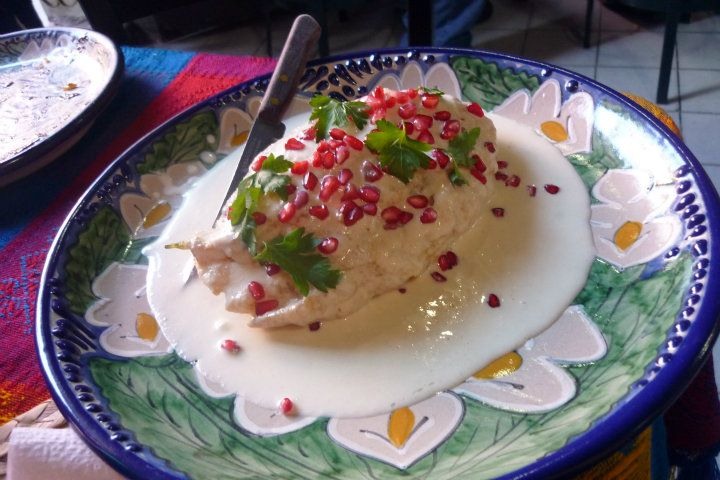
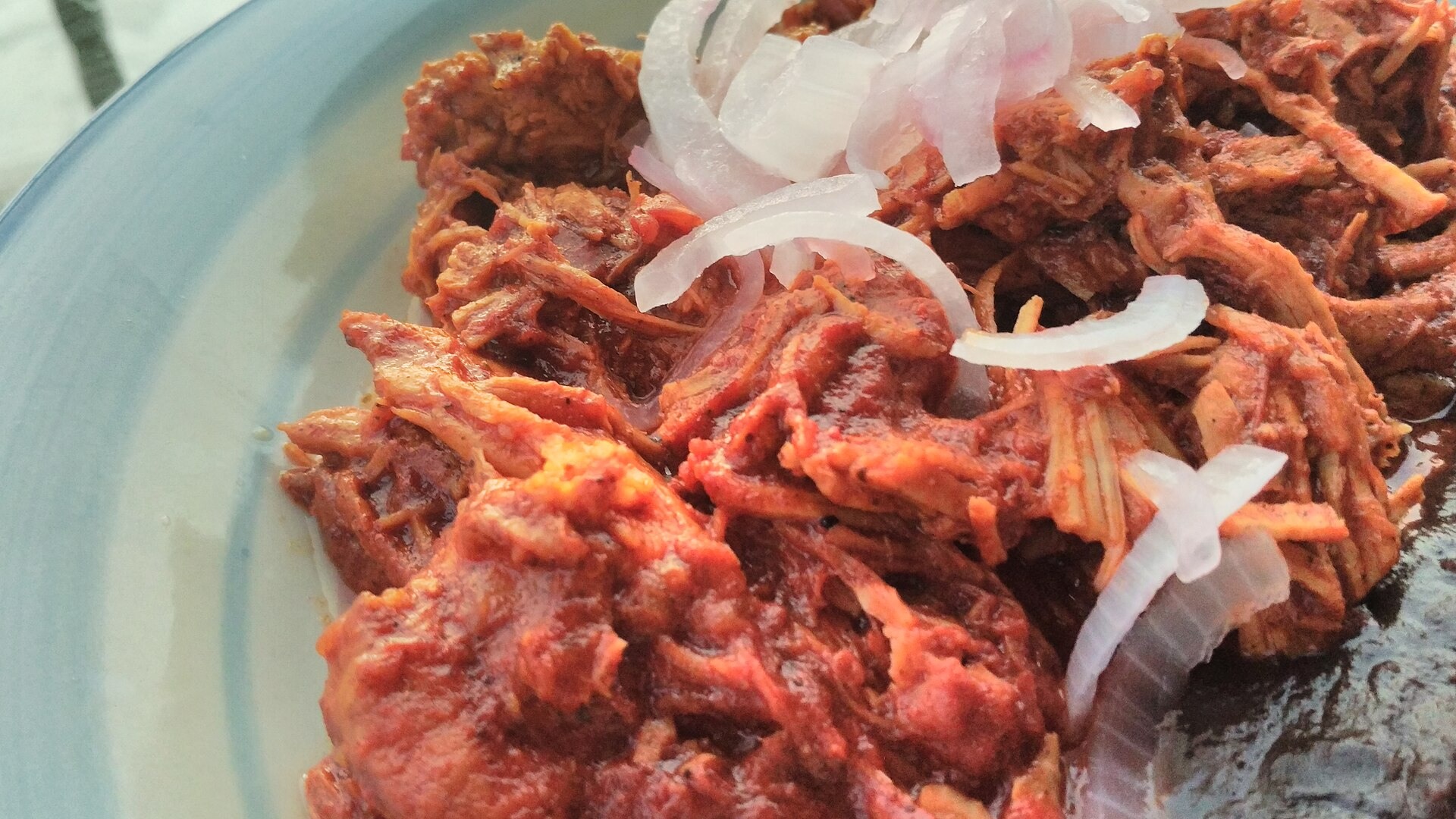
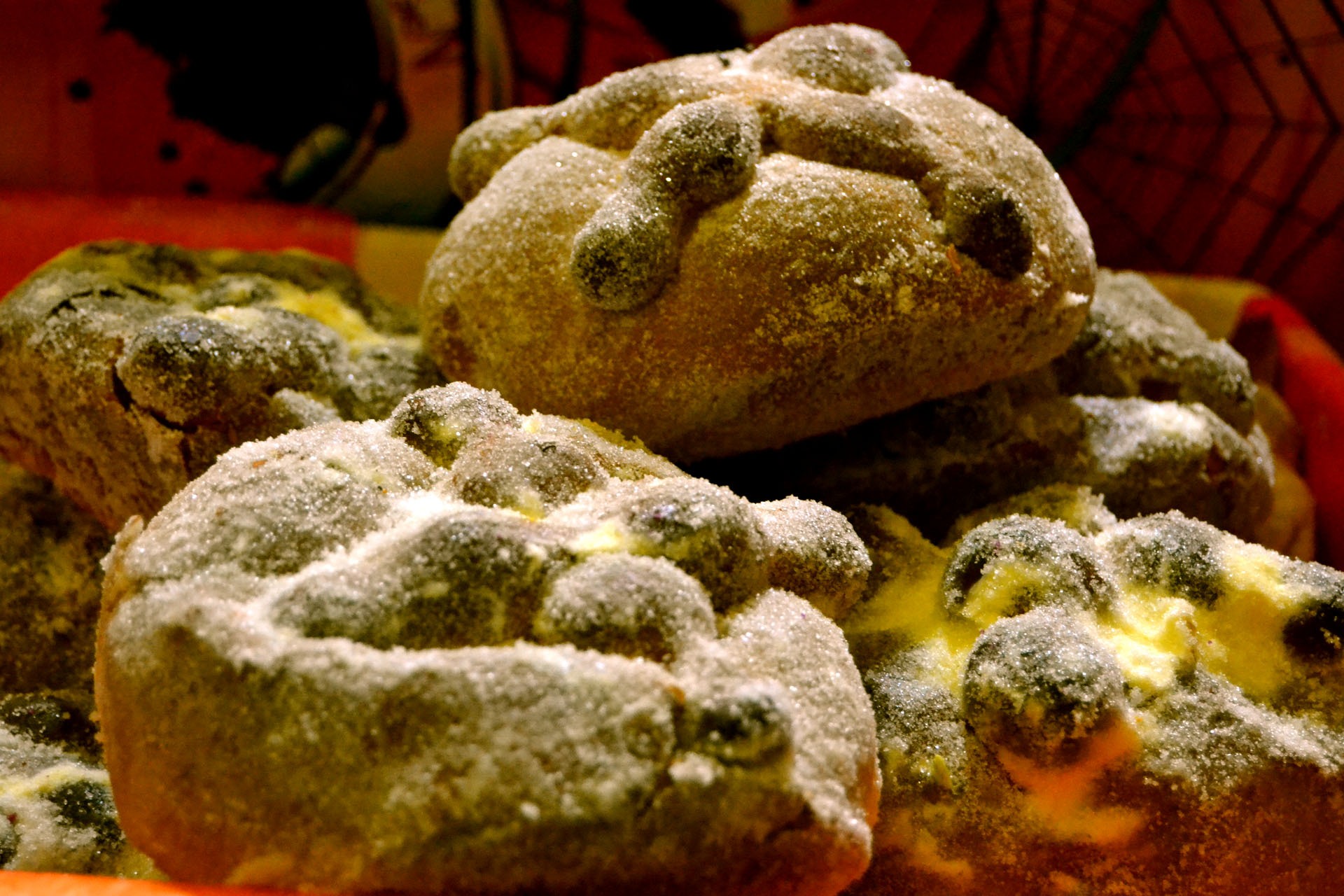
Oaxaca's moles, Puebla's chiles en nogada and Yucatán's cochinita pibil share a country rather than a single flavour. Markets bring sopes, quesadillas and elote; celebratory breads and long-simmered pozole connect food with family gatherings and the calendar.

Chefs in this country

Alejandro Ruiz

Casa Oaxaca El Restaurante · Chile de agua with fish and passion fruit · Stuffed squash blossoms

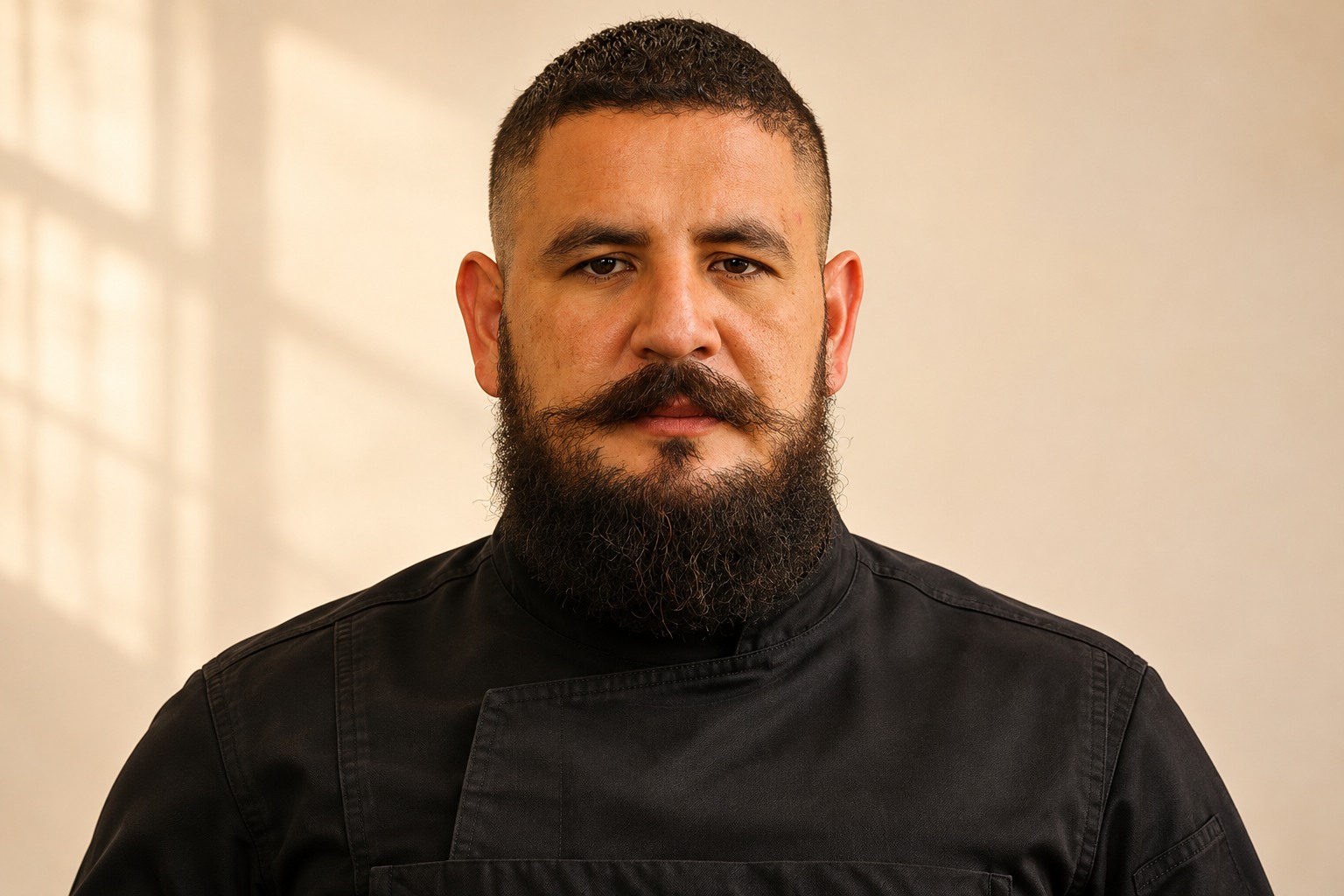
Alejandro Ruiz

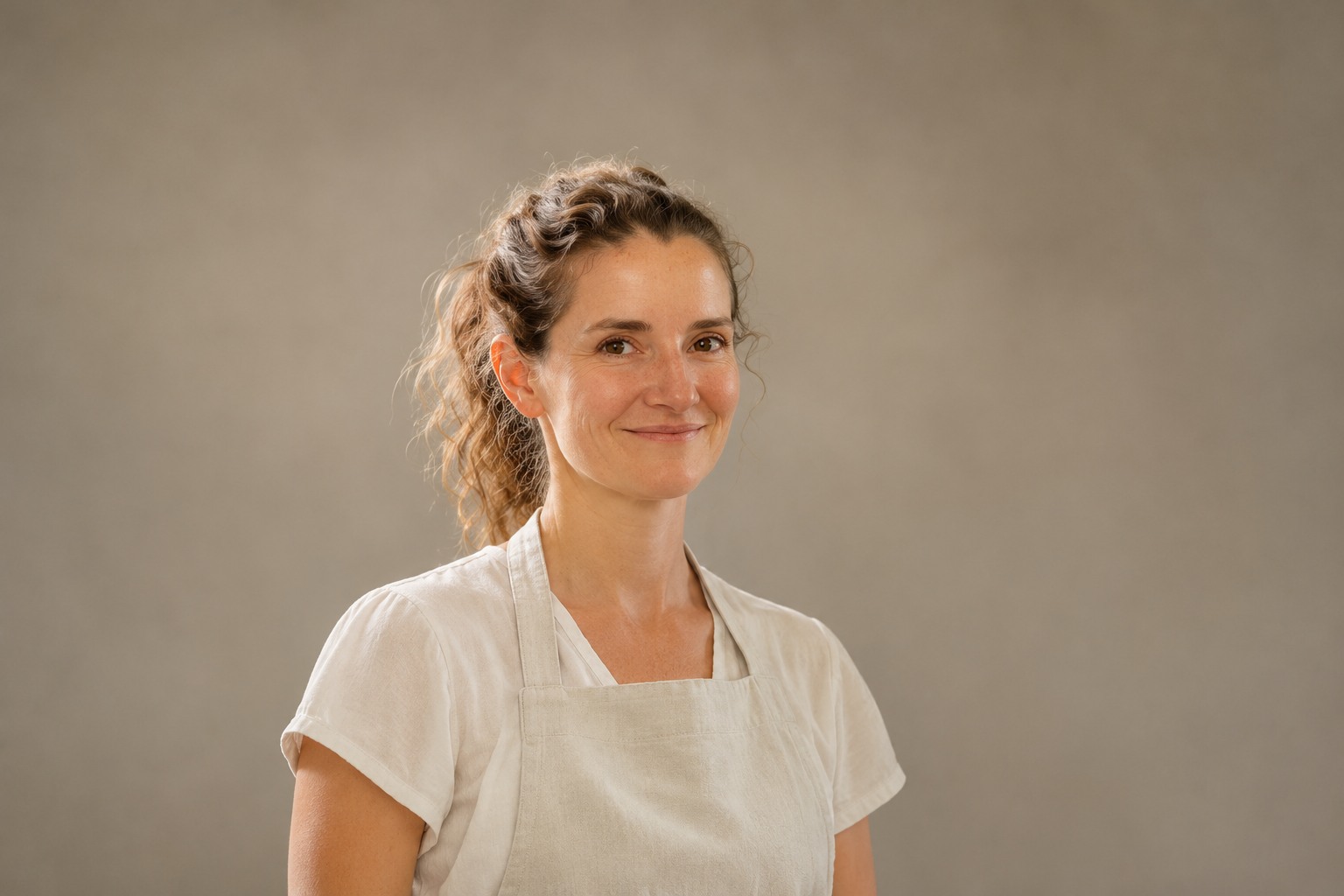
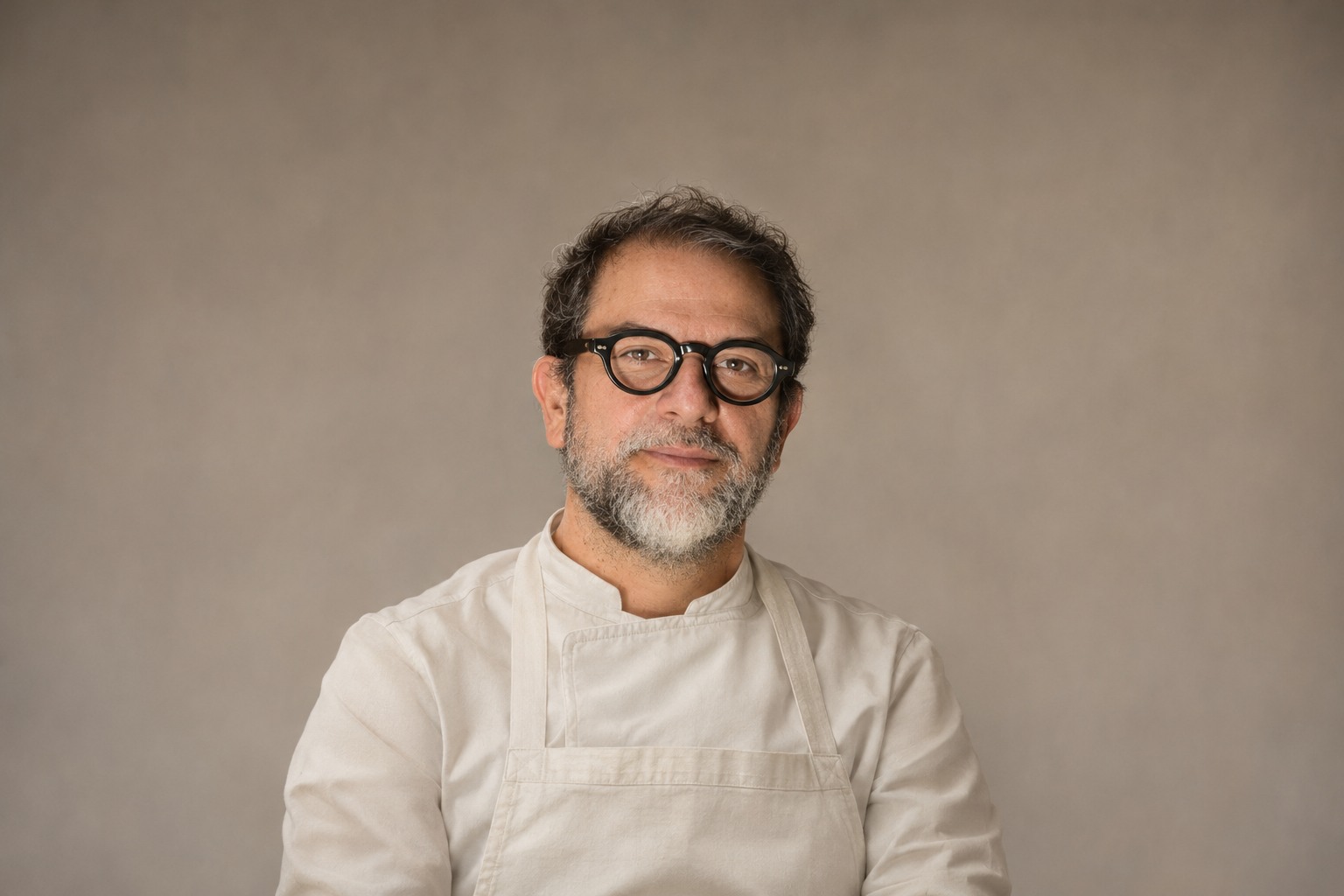
Alejandro Ruiz brings Oaxaca’s fields, herbs and family cooking into a contemporary restaurant language. At Casa Oaxaca, local chillies, seafood, corn and carefully chosen accompaniments reveal the region’s range.

Celia Florián

Las Quince Letras · Mole negro · Garnachas istmeñas

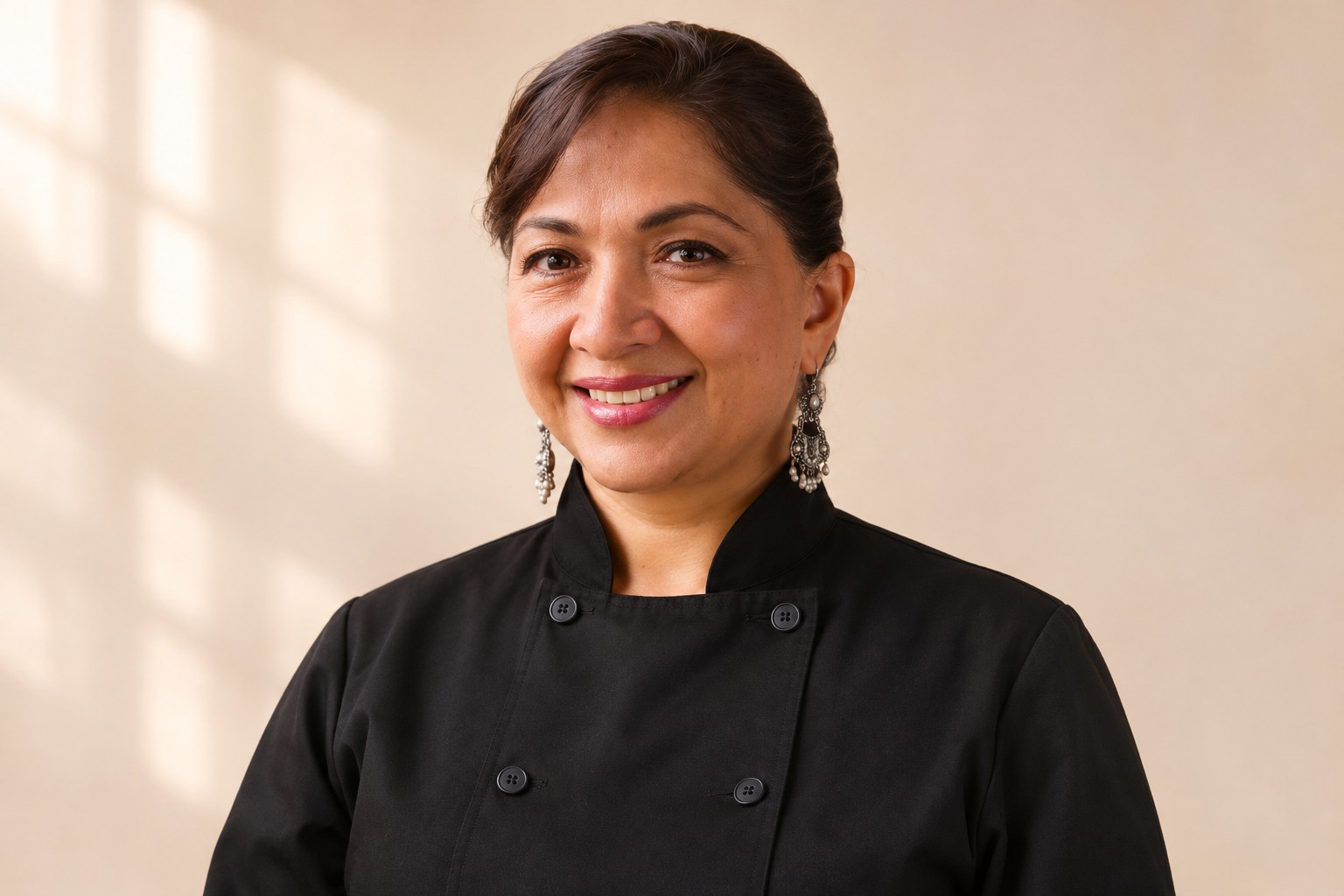
Celia Florián

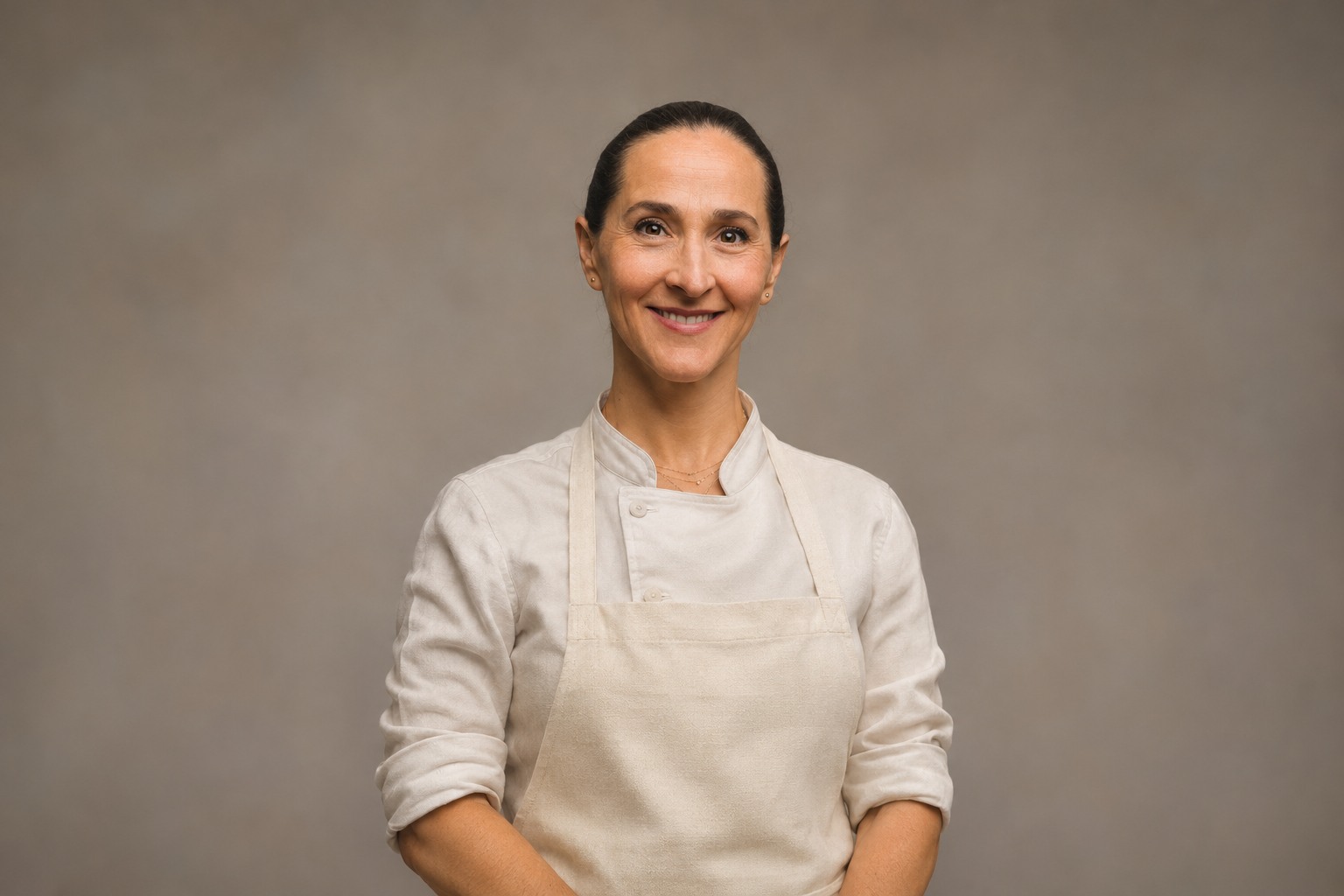
Celia Florián preserves and shares Oaxacan family cooking at Las Quince Letras. Mole negro, Isthmus garnachas and ingredients from the garden connect her village upbringing with a long-running city restaurant.

Eduardo García

Máximo · Steak with vegetables

Eduardo García

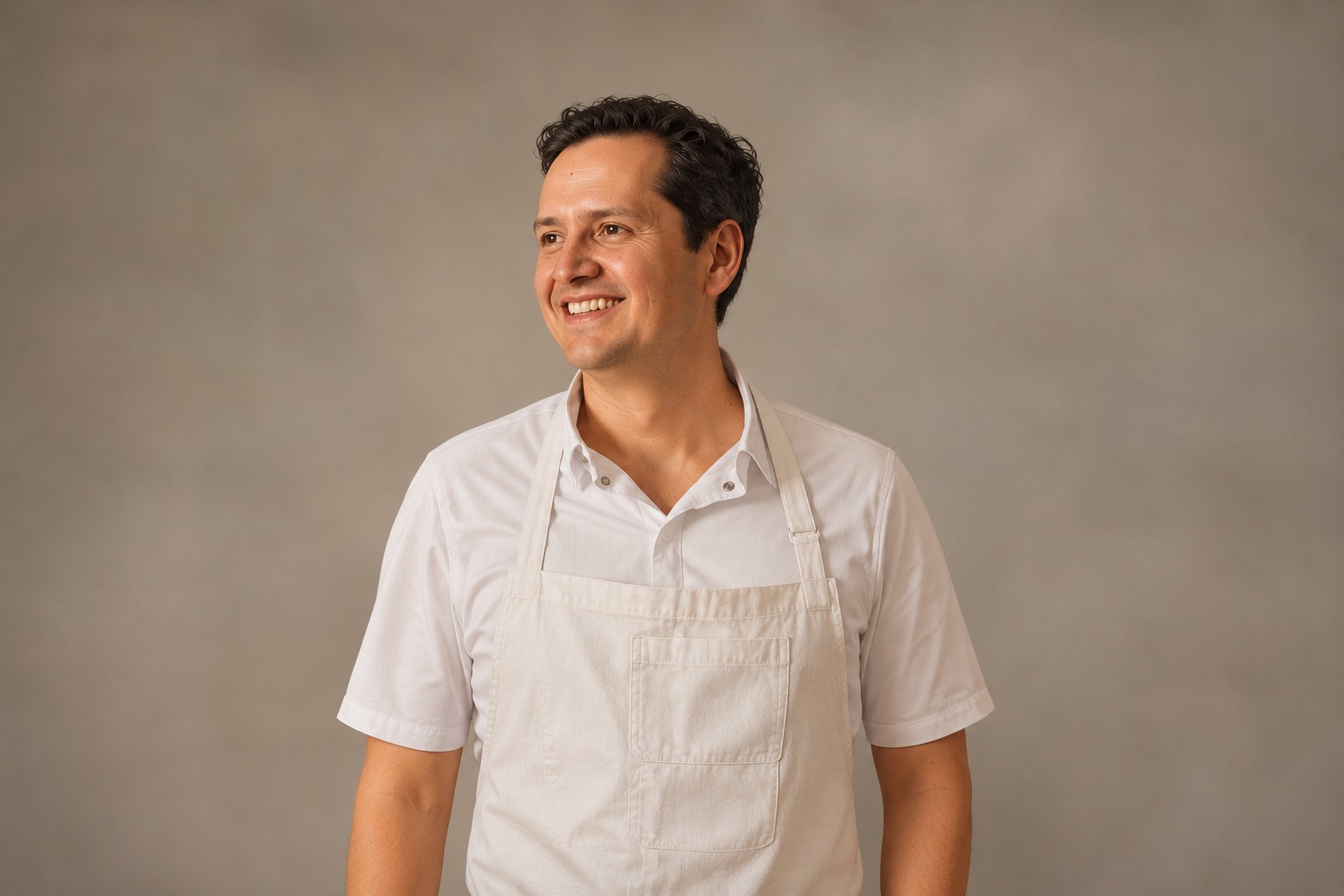
Eduardo ‘Lalo’ García builds Máximo around the quality of the day’s produce, connecting his experience of agricultural work with a direct, generous approach to restaurant cooking.

Elena Reygadas

Rosetta · Guava bread

Elena Reygadas

Elena Reygadas puts Mexican produce, the vegetable world and the pleasure of sharing at the centre of Rosetta, with bread and neighbourhood cafés offering other entrances to her work.

Enrique Olvera

Pujol · Mole with maize

Enrique Olvera

Enrique Olvera explores Mexican ingredients and culinary memory at Pujol, while a wider family of restaurants, books and projects carries that conversation to other cities.

Gabriela Cámara

Contramar · Tuna tostada · Pescado a la talla

Gabriela Cámara

Gabriela Cámara brings the feel of a coastal meal to Mexico City at Contramar, where seafood, freshly made tortillas and dishes for sharing define a lively table.

Jorge Vallejo

Quintonil · Maize with herbs · Nopal with vegetables

Jorge Vallejo

Jorge Vallejo and Alejandra Flores built Quintonil around Mexican ingredients and hospitality, with a kitchen that explores regional knowledge through a changing contemporary menu.

José Manuel Baños

Pitiona · Fish in pipián · Cacao dessert

José Manuel Baños

José Manuel Baños brings family memories from Oaxaca’s coast into the experimental kitchen of Pitiona. Traditional ingredients meet contemporary textures, with local growers and regional recipes at the centre.

Olga Cabrera

Tierra del Sol · Tetelas · Atole

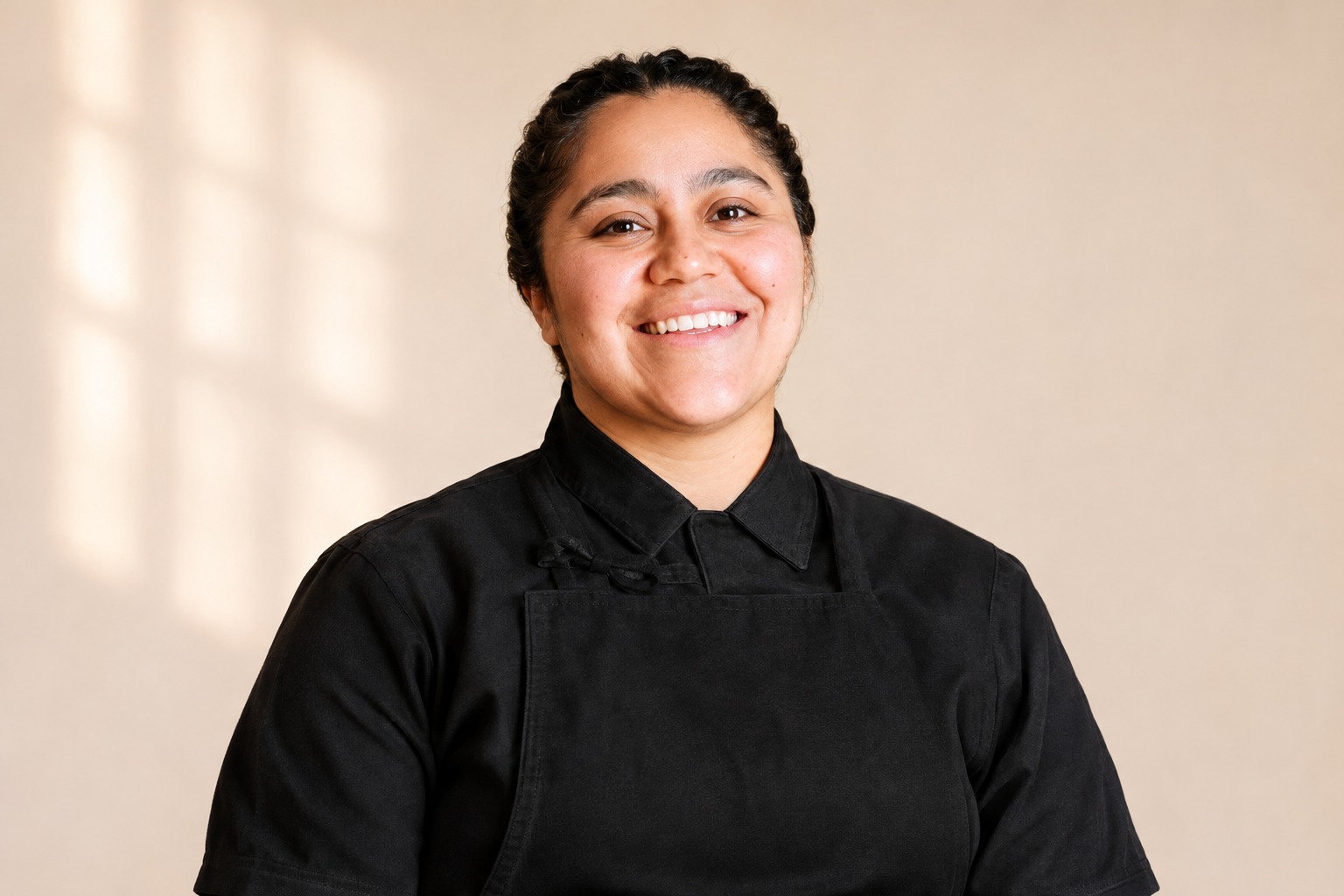
Olga Cabrera

Olga Cabrera shares Mixtec food knowledge through Tierra del Sol, Masea and La Atolería. Corn, moles, toasted masa and warm atoles connect family memory with the pleasures of a meal in Oaxaca city.

Thalía Barrios

Levadura de Olla · Native tomato salad · Tamal with two moles

Thalía Barrios

Thalía Barrios brings the food knowledge of Oaxaca’s Sierra Sur to Levadura de Olla. Native tomatoes, corn, ceremonial dishes and traditional drinks reveal a cuisine shaped by village life and close attention to the land.

Dishes

Tacos al pastor

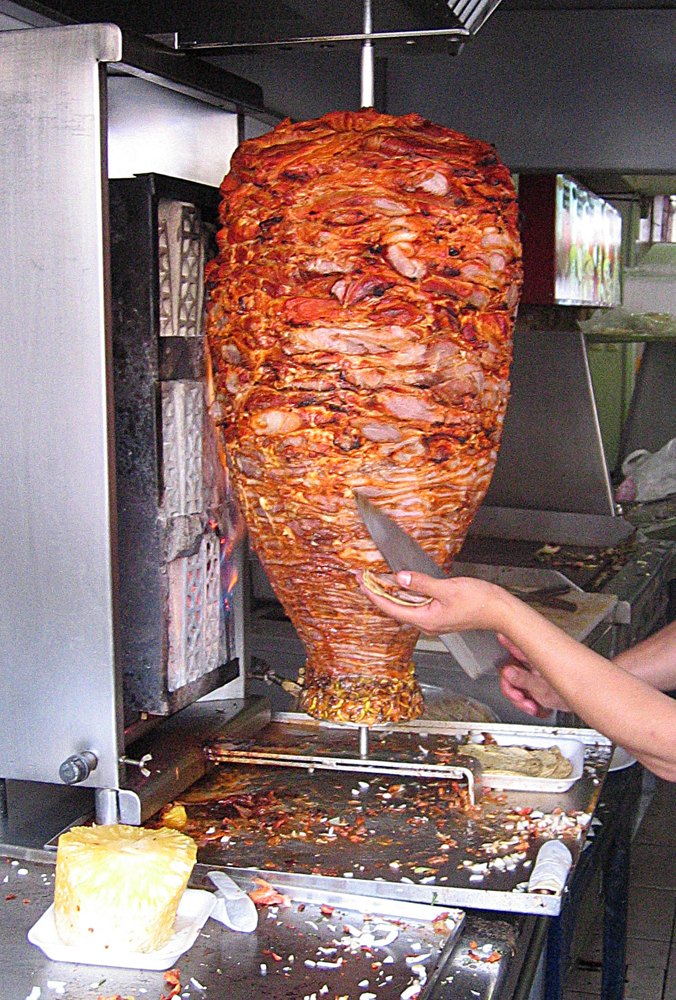
Tacos al pastor

Marinated pork cooked on a vertical spit and served in small tortillas. A technique associated with Middle Eastern migration developed a distinct Mexican identity, with pineapple and garnishes varying by vendor.

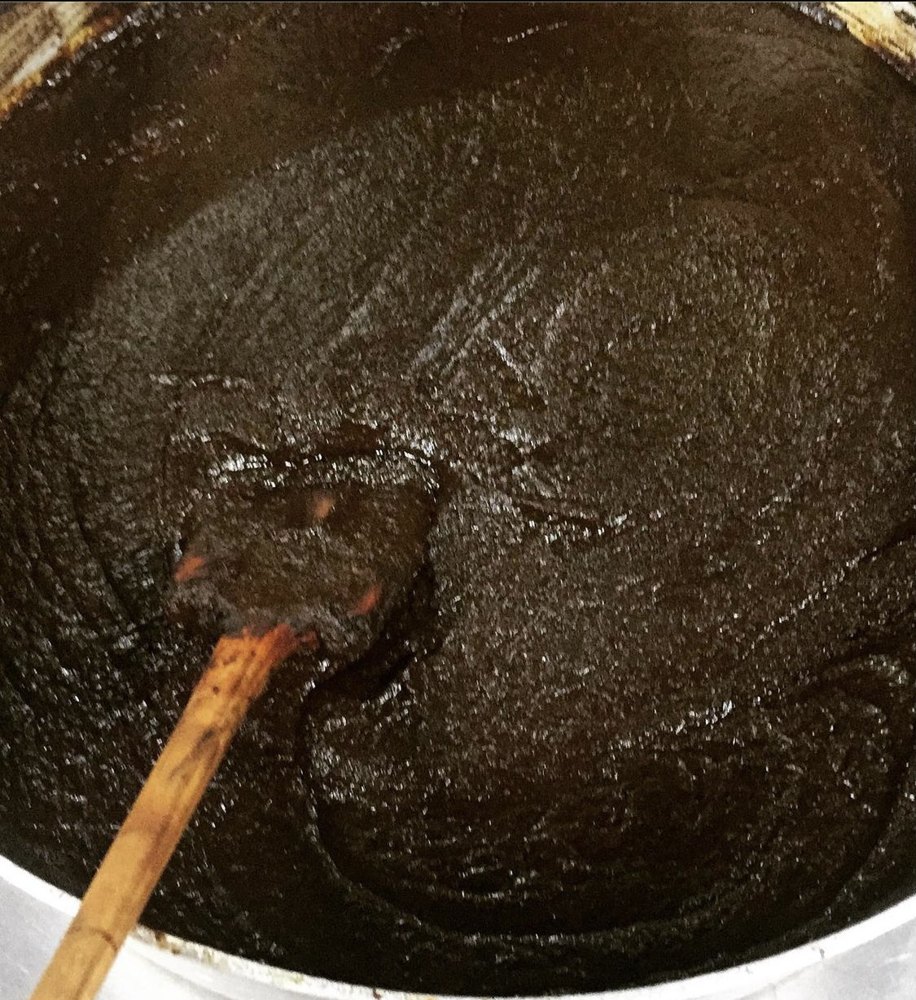
Mole negro

Mole negro

A complex sauce of chillies, seeds, spices and, in some recipes, chocolate. One of Oaxaca’s many moles, with ingredient lists and ratios varying between families and kitchens.

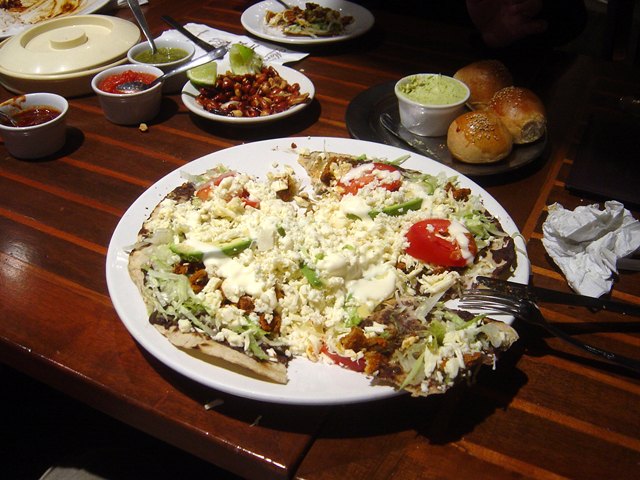
Tlayuda

Tlayuda

A large corn tortilla with beans and assorted toppings; asiento, quesillo and meat are common options. Our accessible home version does not stand in for every local interpretation.

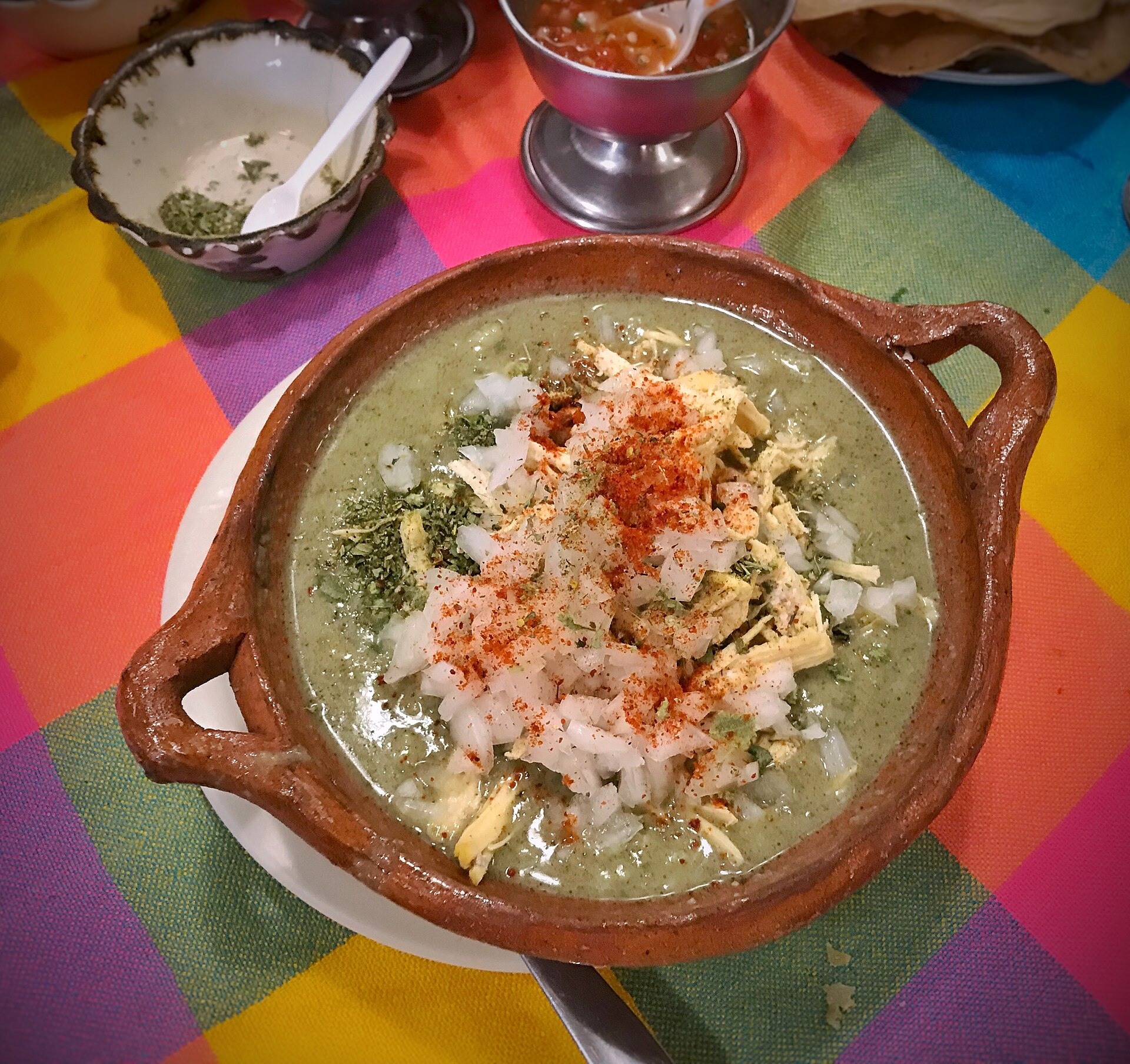
Pozole

Pozole

Hominy, pork, chilli, garlic — hearty, aromatic seasoning.

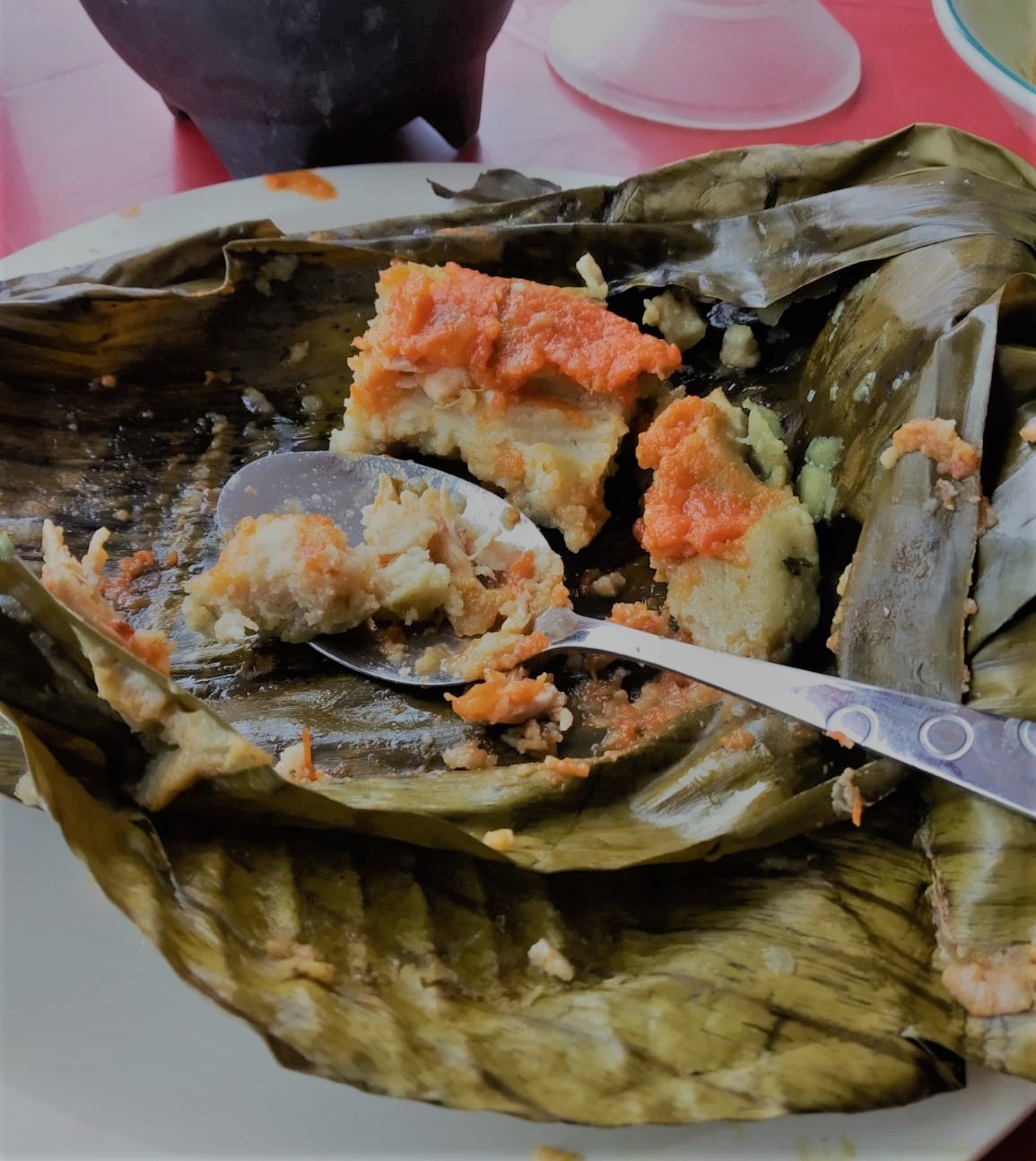
Tamales

Tamales

Masa, maize husks, fat, chilli — soft texture, aromatic seasoning.

Birria

Birria

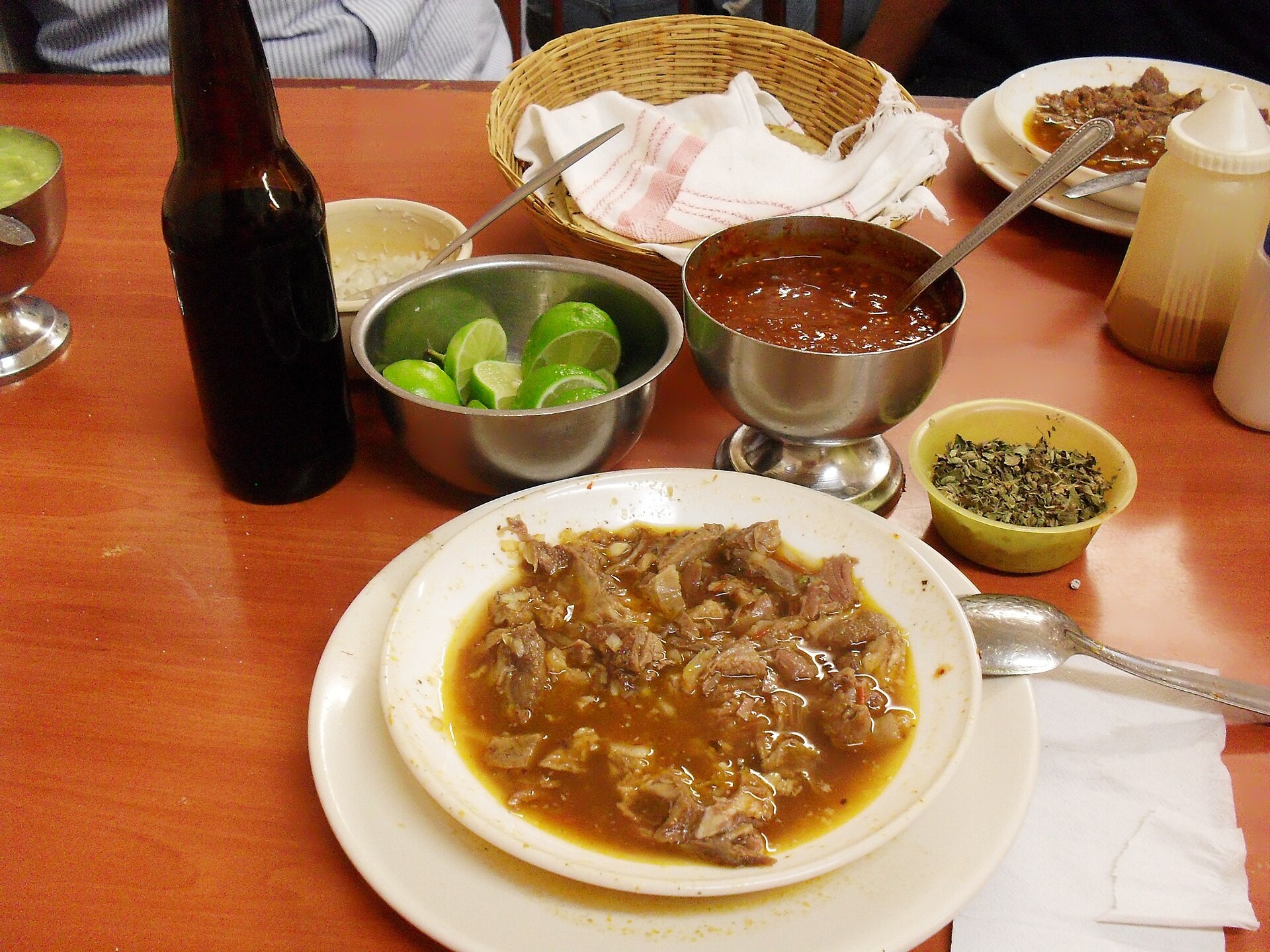
goat meat, dried chilli, tomato, garlic — aromatic seasoning, tender centre.

Chilaquiles verdes

Chilaquiles verdes

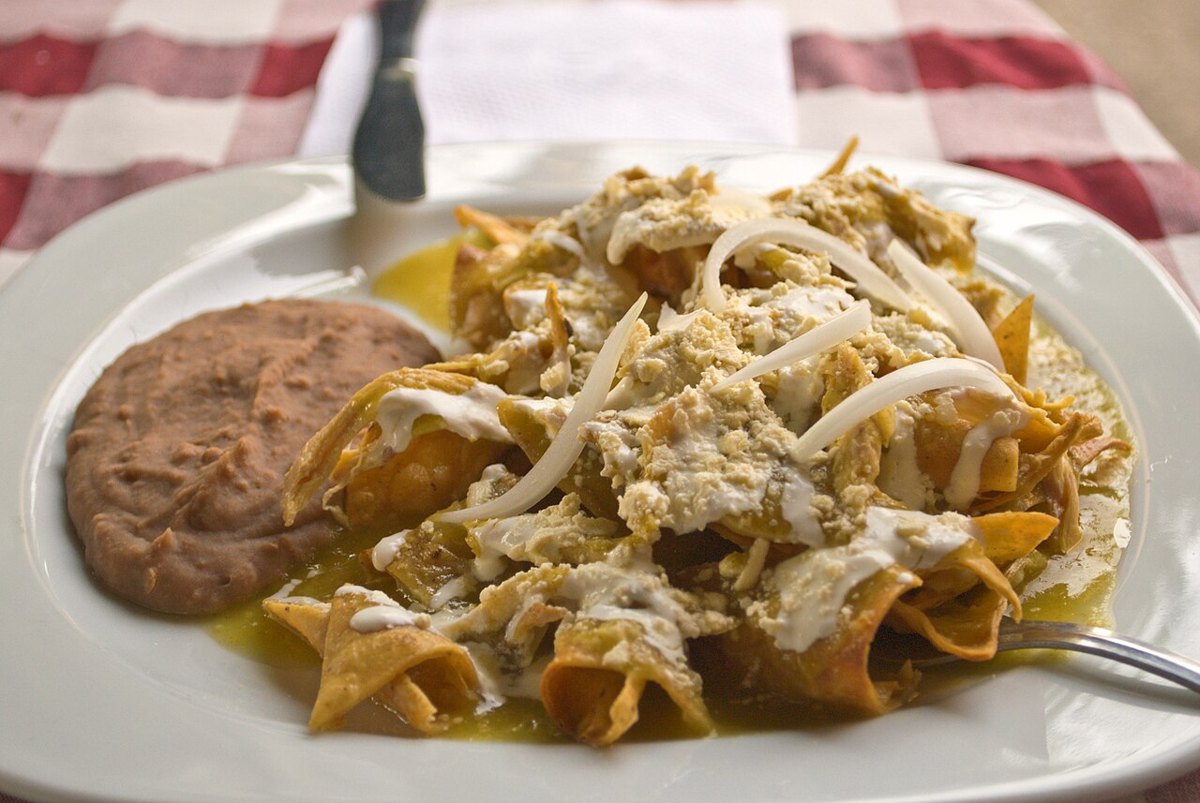
A breakfast dish of tortilla pieces dressed in hot salsa. Green or red sauce, cheese, crema and added proteins vary; the balance of crisp and soft depends on when they are combined.

Aguachile

Aguachile

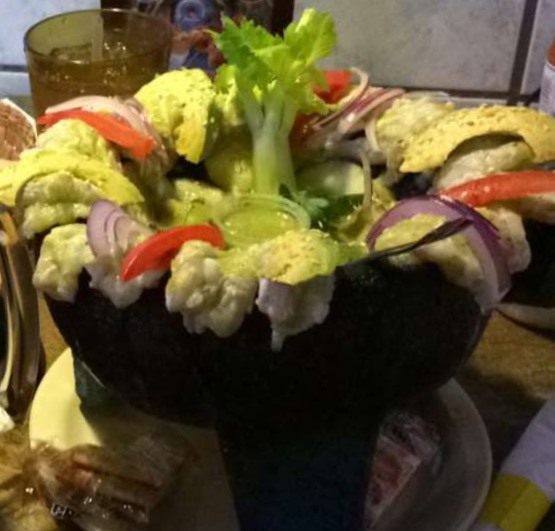
prawns, lime, chilli, cucumber — fresh, bright flavours, warm, comforting flavour.

Sopes

Sopes

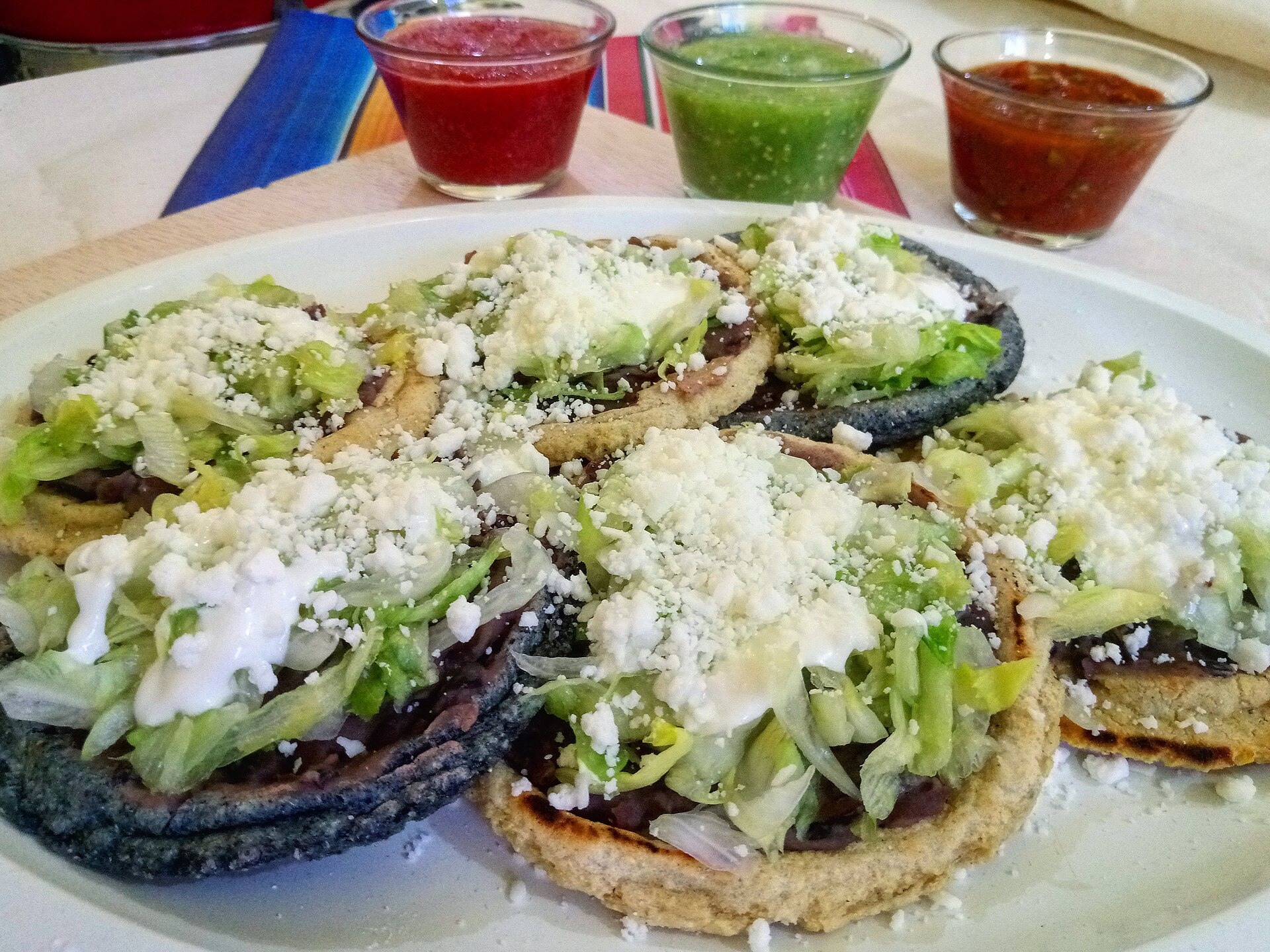
Masa, beans, cheese, lettuce — thick consistency, hearty.

Quesadillas

Quesadillas

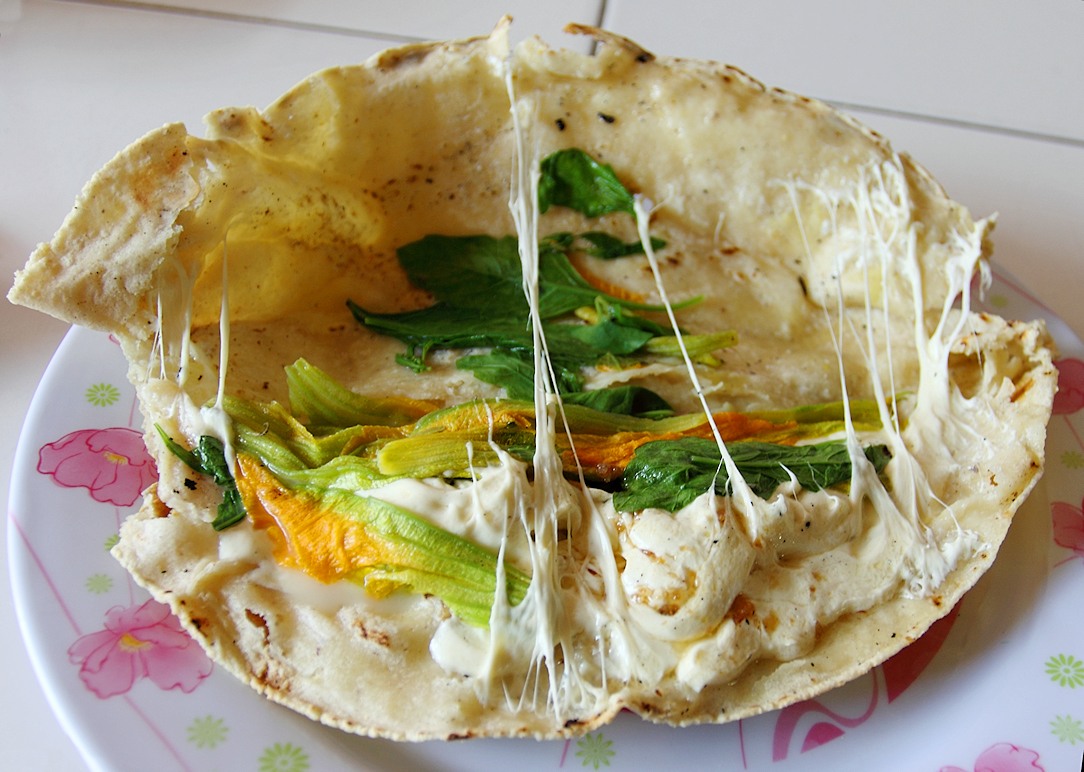
Tortillas, cheese, mushrooms, squash blossoms — tender centre, carefully browned surface.

Elote

Elote

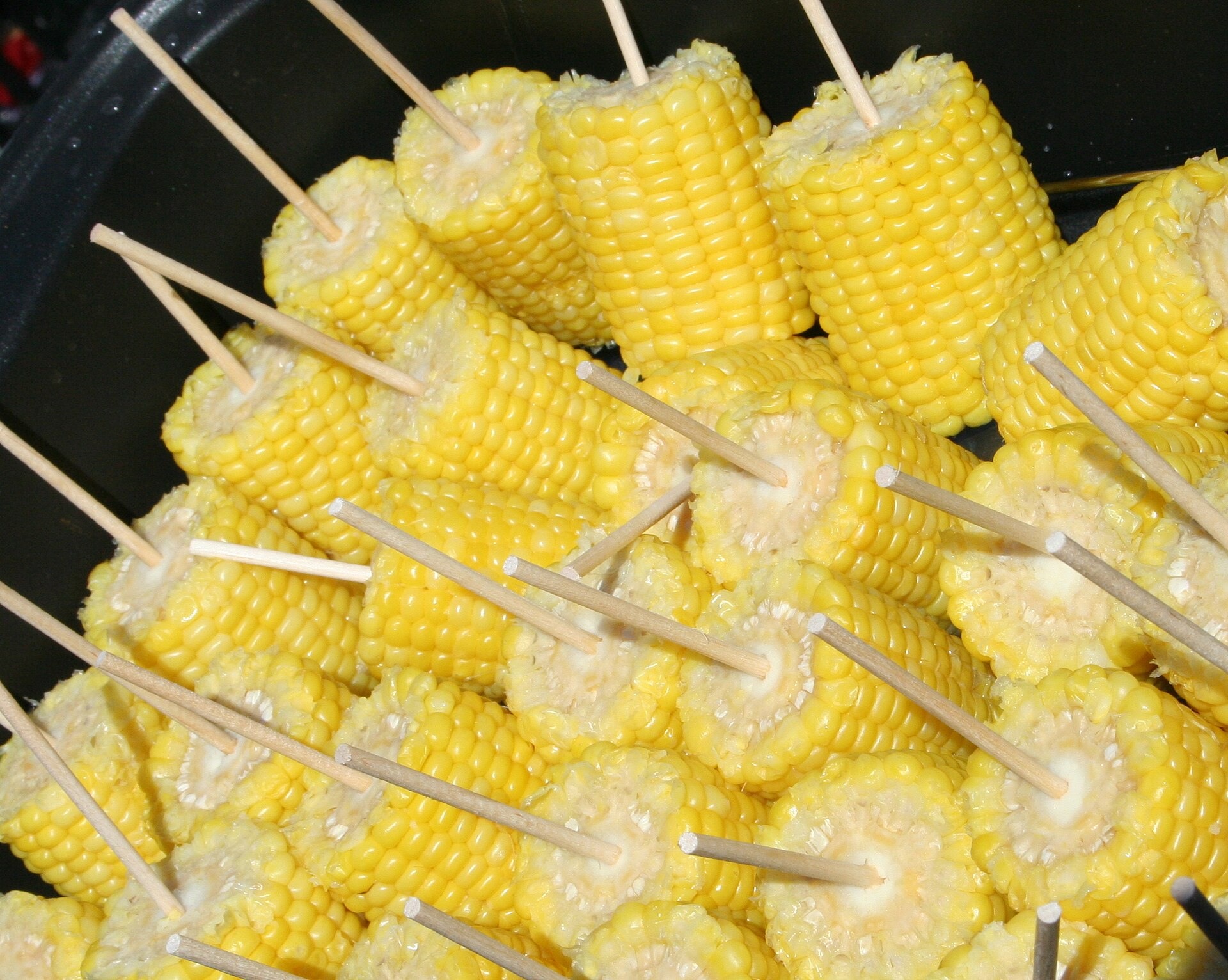
maize, mayonnaise, cheese, chilli — sweet and savoury, bright acidity.

Region

Mexico City

Mexico City

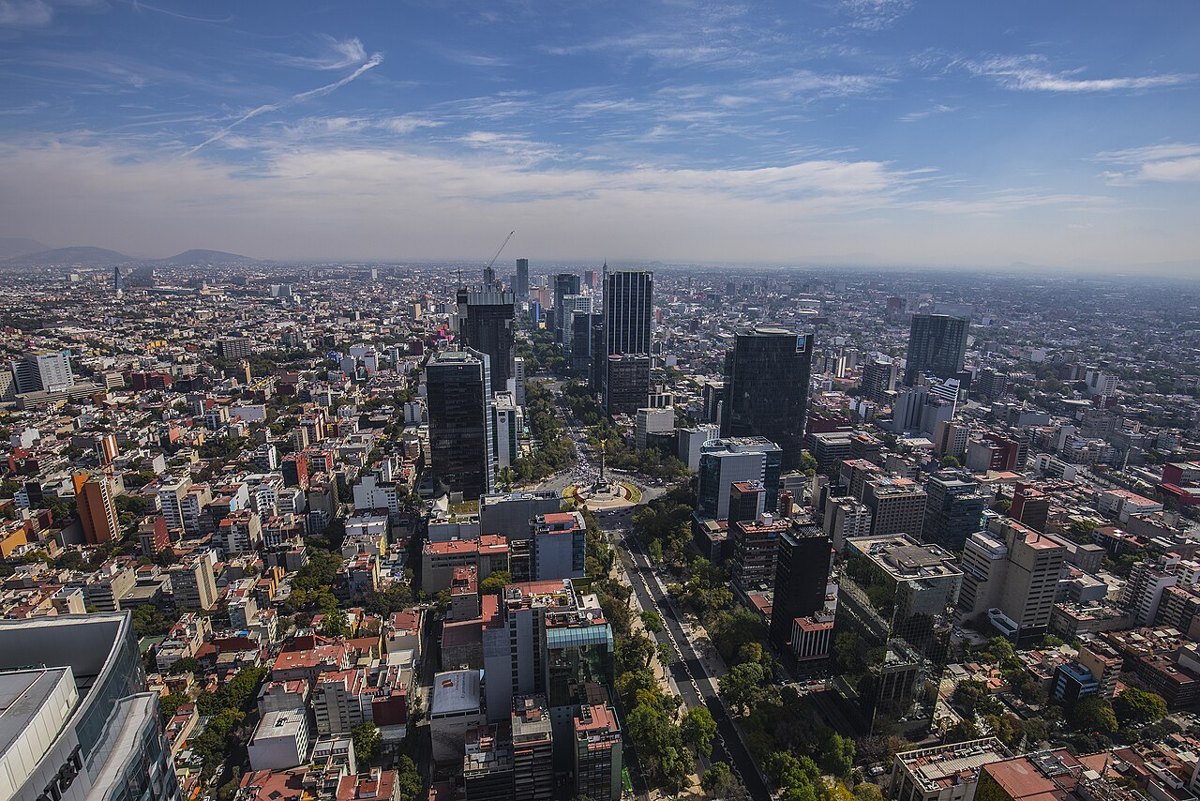
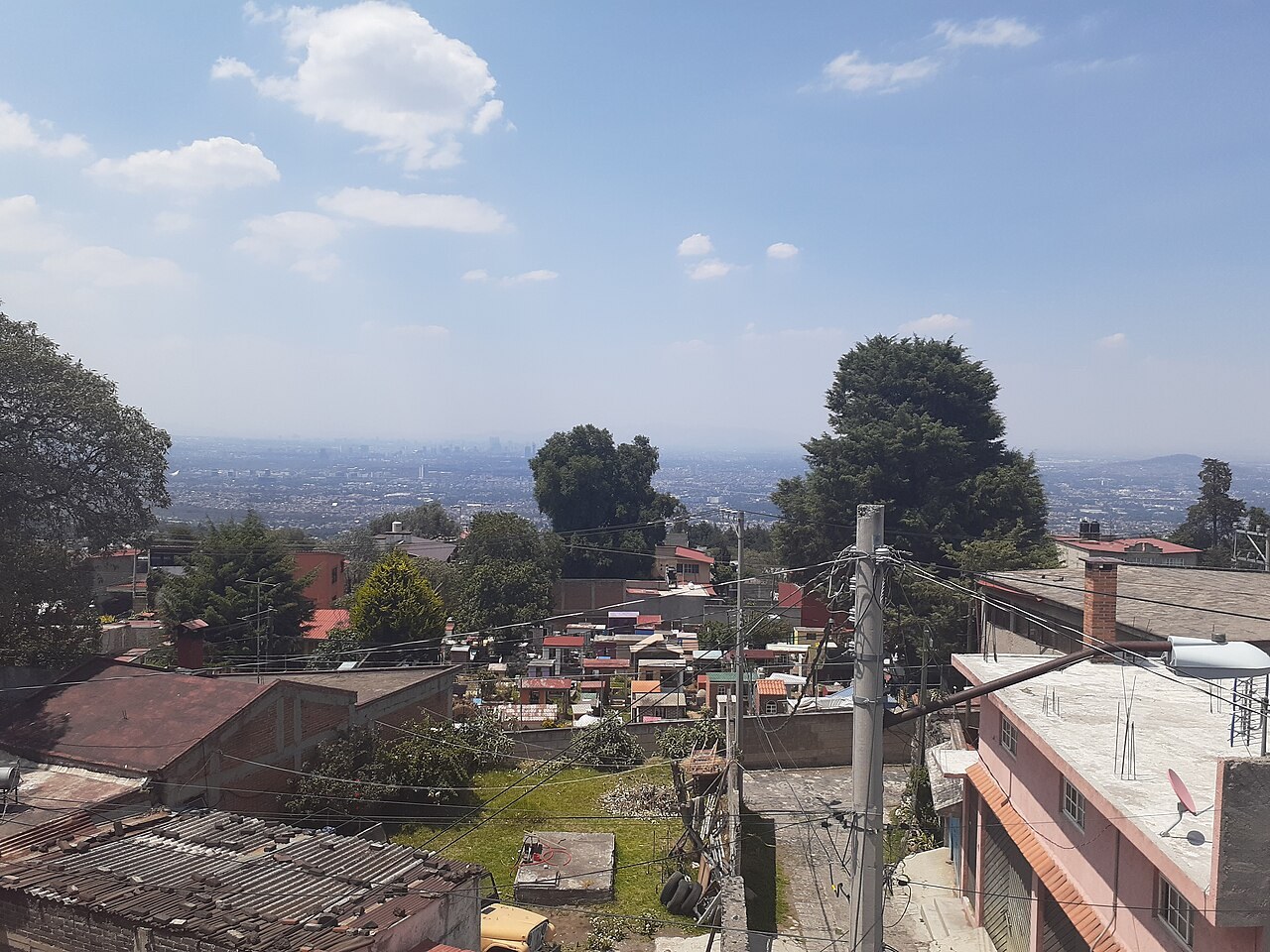
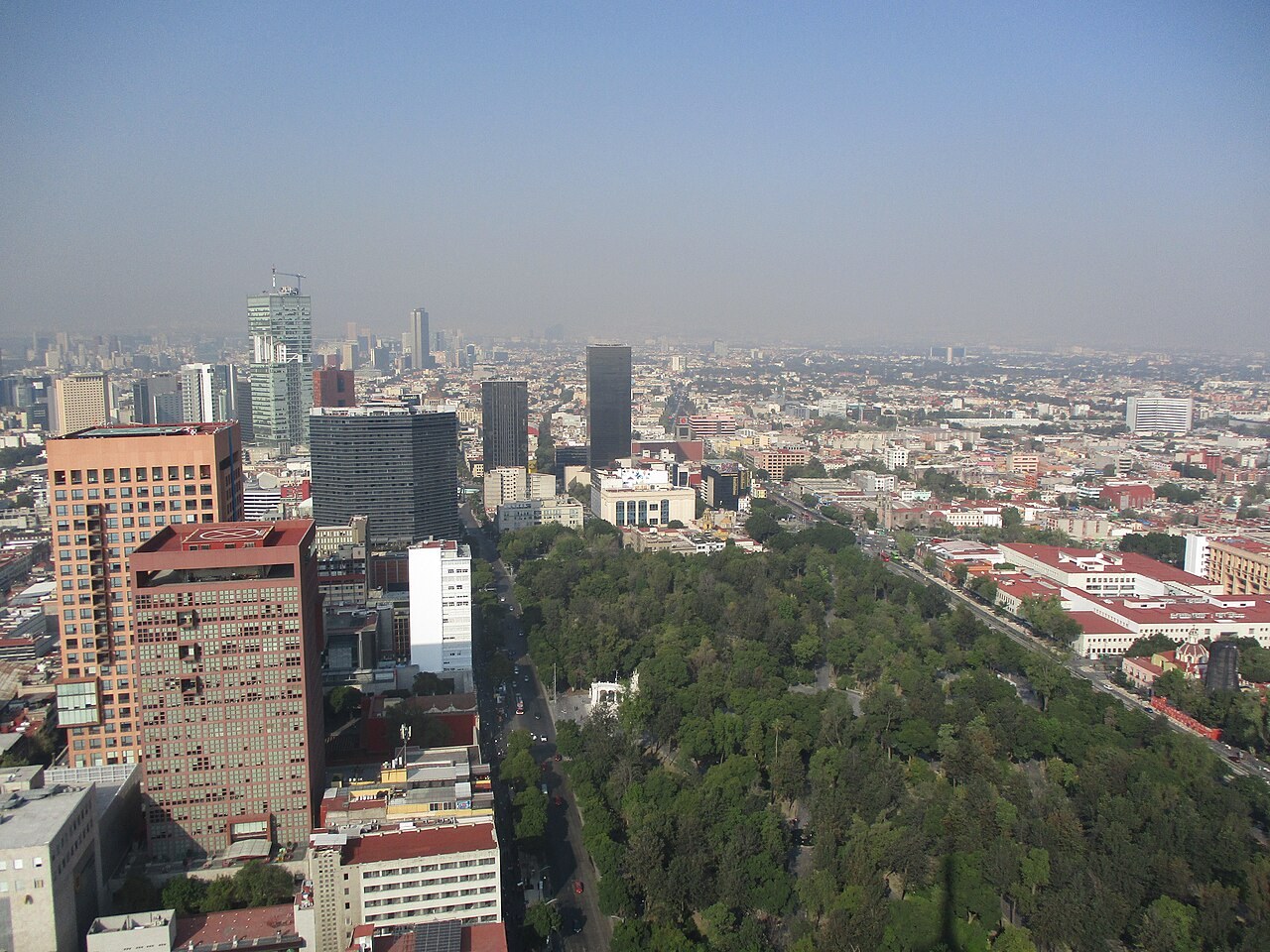
Mexico City was built over the lake city of Tenochtitlan, whose markets and chinampa agriculture remain central to its food history. Maize, beans and chillies meet colonial and later migrant influences in markets, antojito stalls, bakeries and a remarkable restaurant culture.

Oaxaca de Juárez

Oaxaca de Juárez

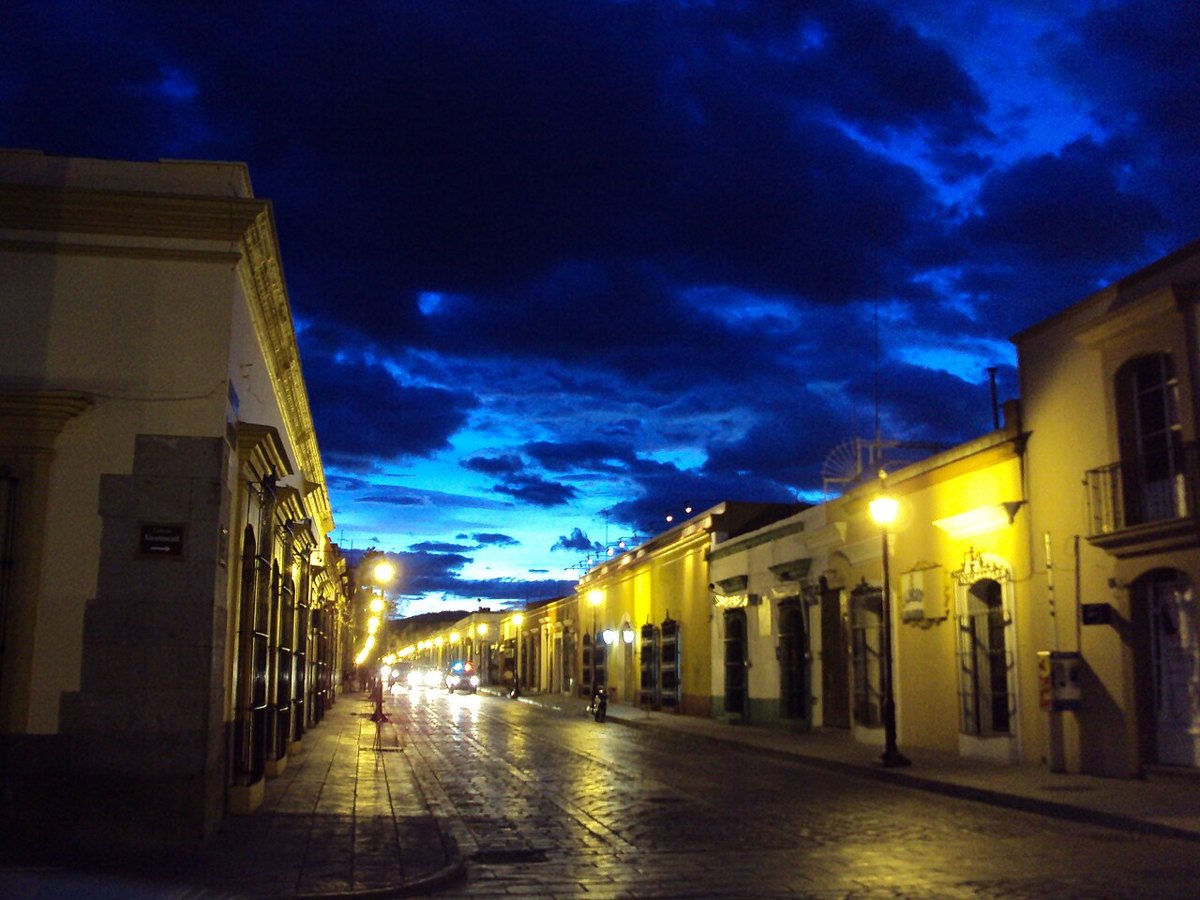
Oaxaca’s valleys, mountains and Indigenous communities preserve a remarkable diversity of maize, chillies, herbs and cooking knowledge. Markets and village kitchens keep nixtamal, moles and tamales in daily use, while cooks carry specific family and community traditions into the city.

Cities

Mexico City

Mexico City

Tortillas dressed in salsa for breakfast and tacos al pastor from vertical spits later on. Historic Centro dining rooms and coffee stops are just a starting point for this enormous city.

Oaxaca de Juárez

Oaxaca de Juárez

Tlayuda’s crisp surface, mole negro’s layers and Oaxacan coffee. Distinguish the city from surrounding communities and resist reducing the region to a single mole recipe.

Sources and editorial notes +