Skip to content
A world of local flavours
Language

South Korea

History and food culture

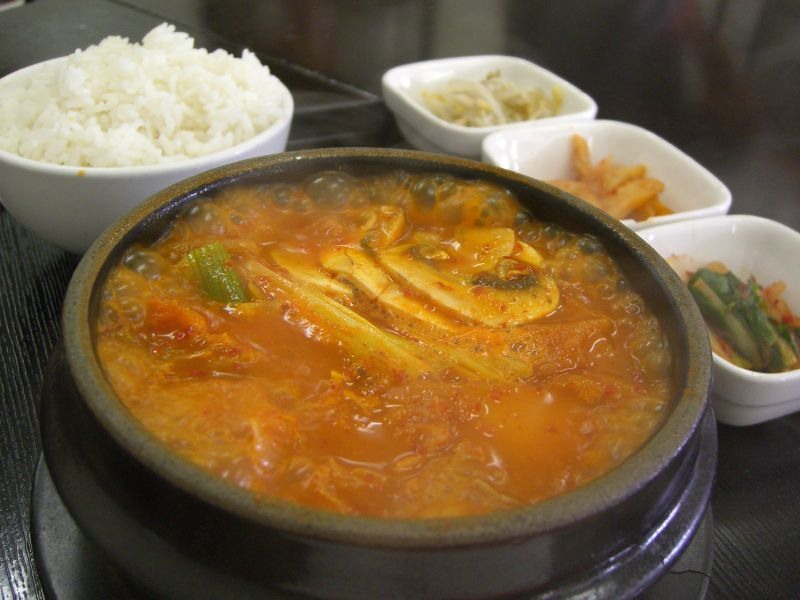
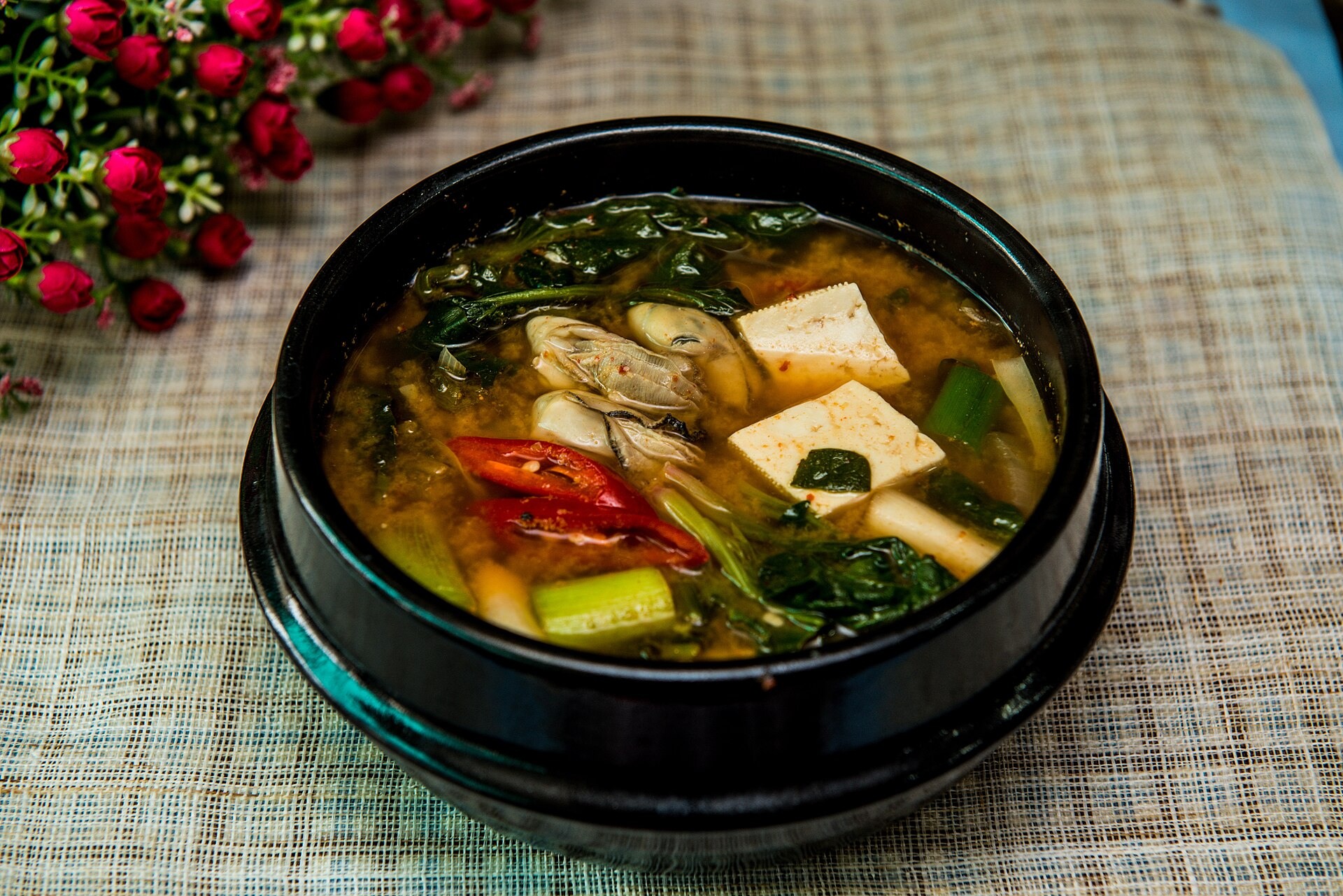
Korean food developed around rice, seasonal vegetables and fermentation. Kimjang, the communal preparation of kimchi for winter, preserves both food and knowledge; soybean pastes and careful side dishes give the table much of its depth.

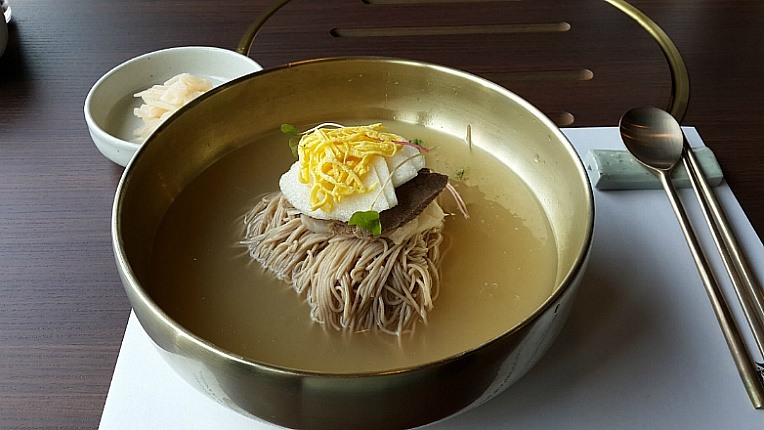
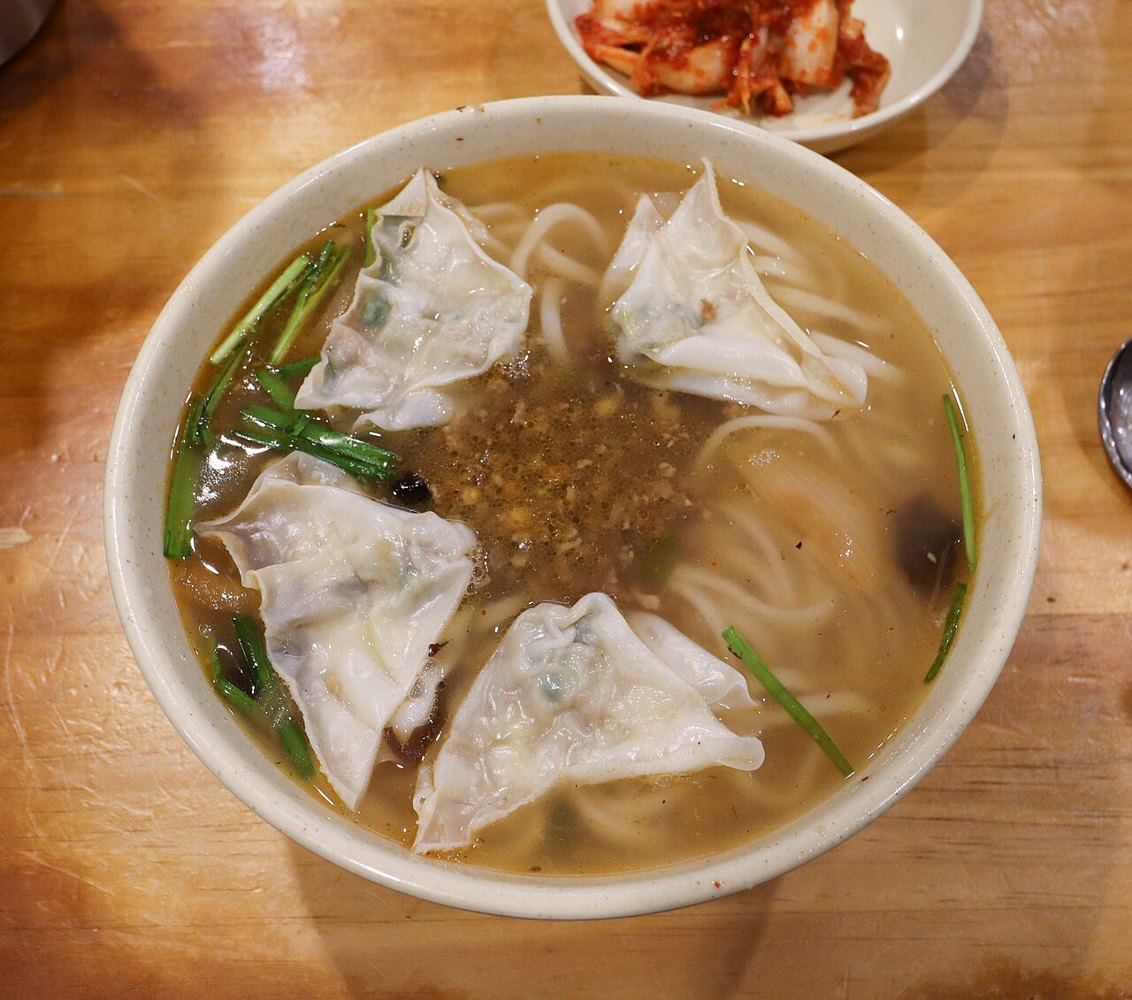
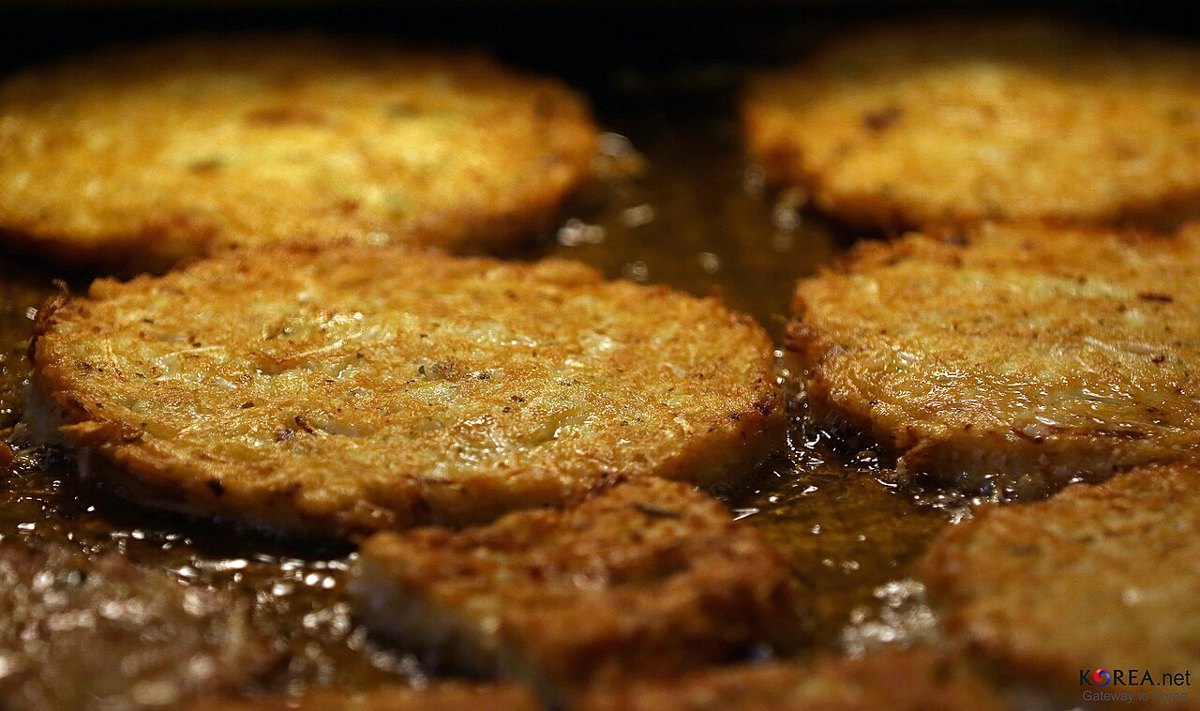
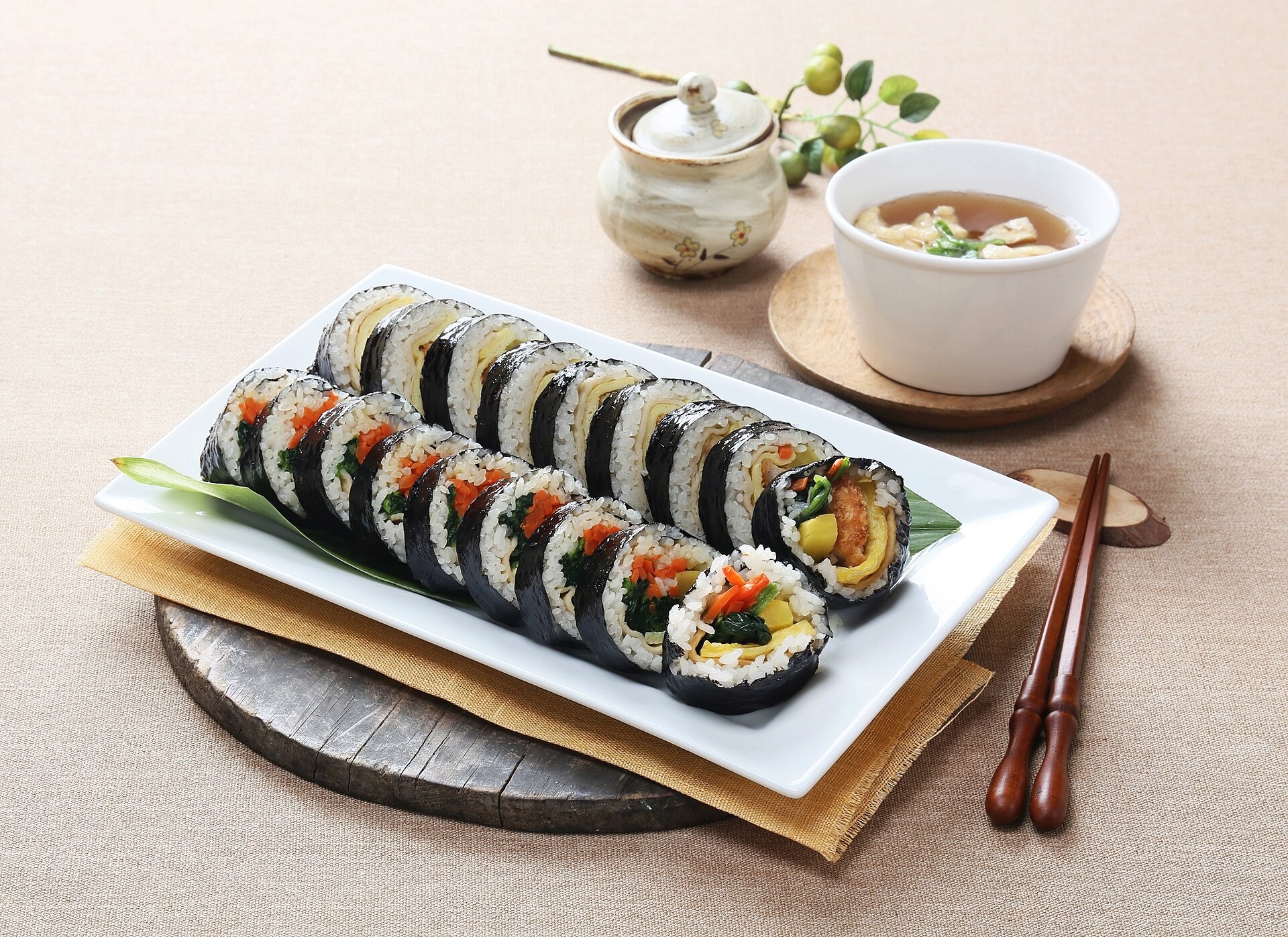
Seoul's noodle shops and markets offer kalguksu, bindaetteok and gimbap alongside restaurant barbecue. Bibimbap mixes contrasting vegetables and textures; jjigae stews, cold naengmyeon and sweet hotteok show how the meal changes with weather and setting.

Chefs in this country

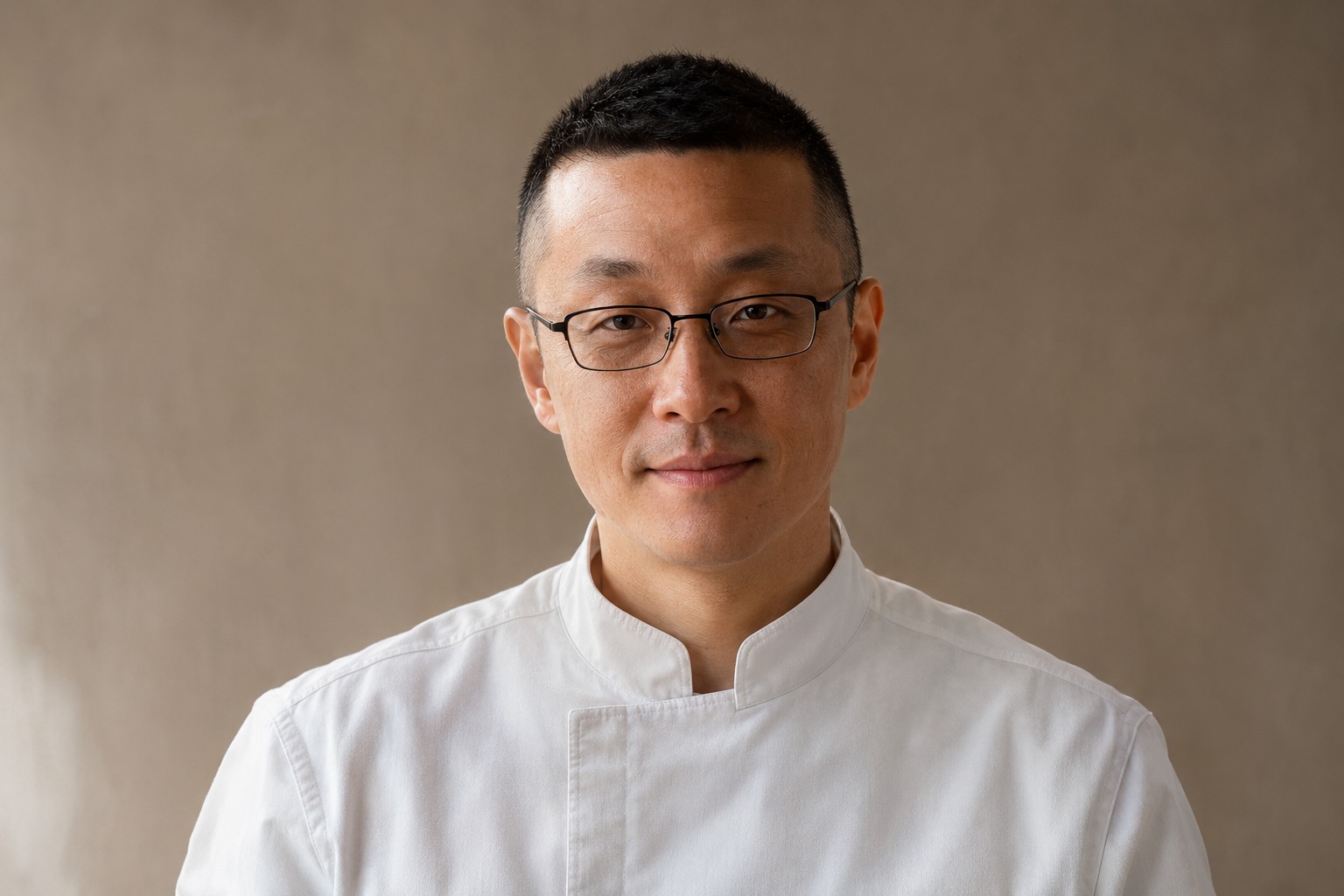
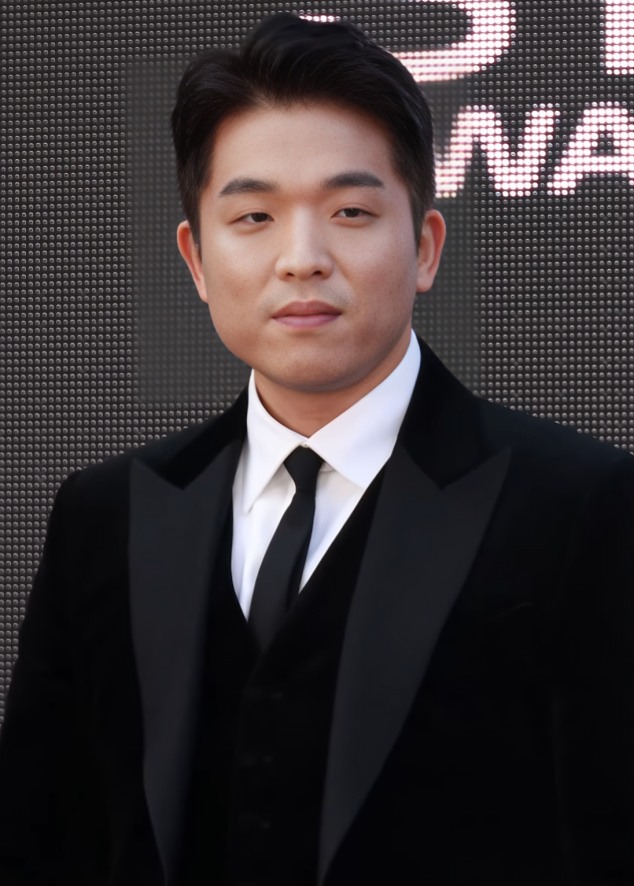
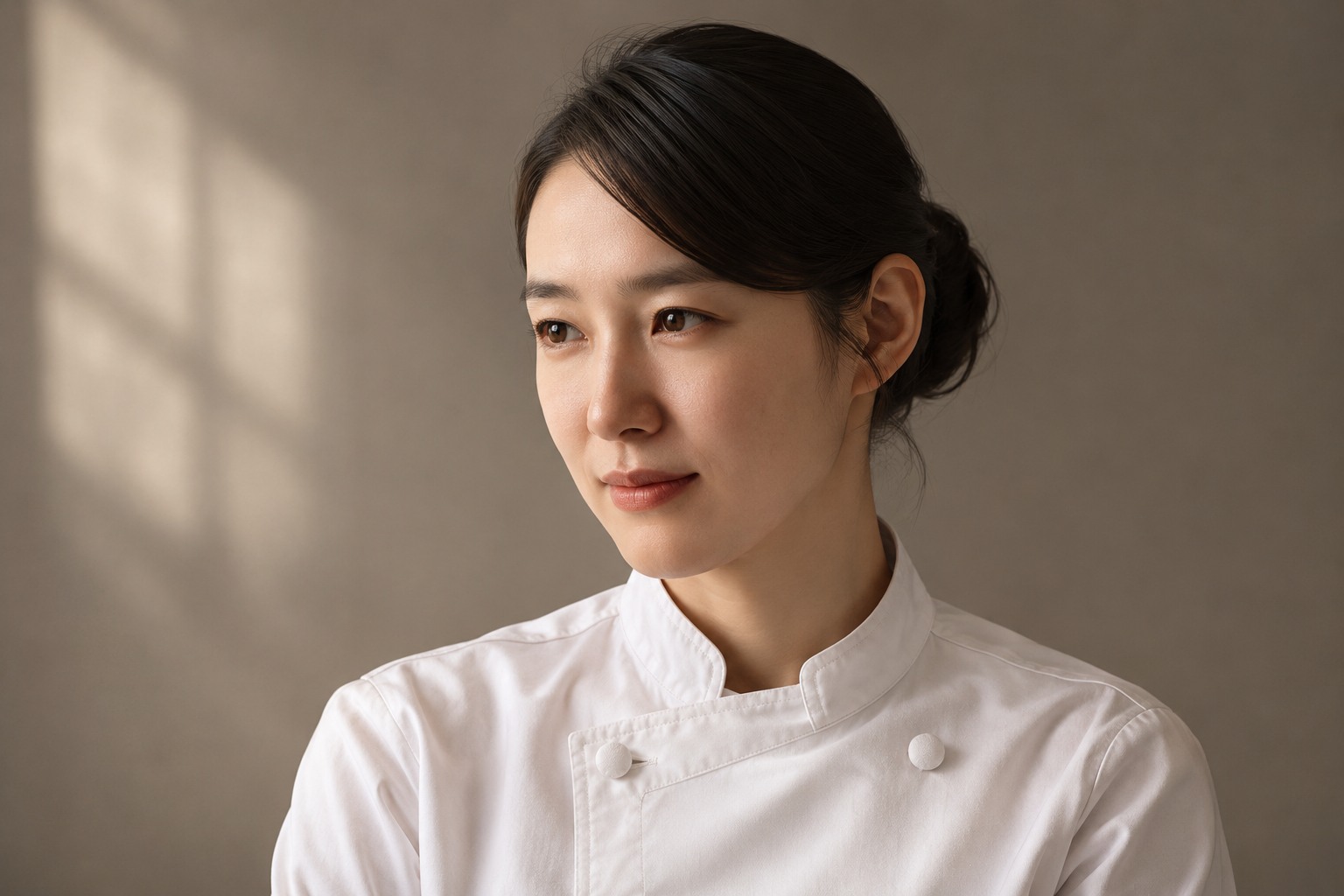
Hee-eun Kim

Soul · Abalone with seaweed and mushrooms · Duck with vegetables

Hee-eun Kim

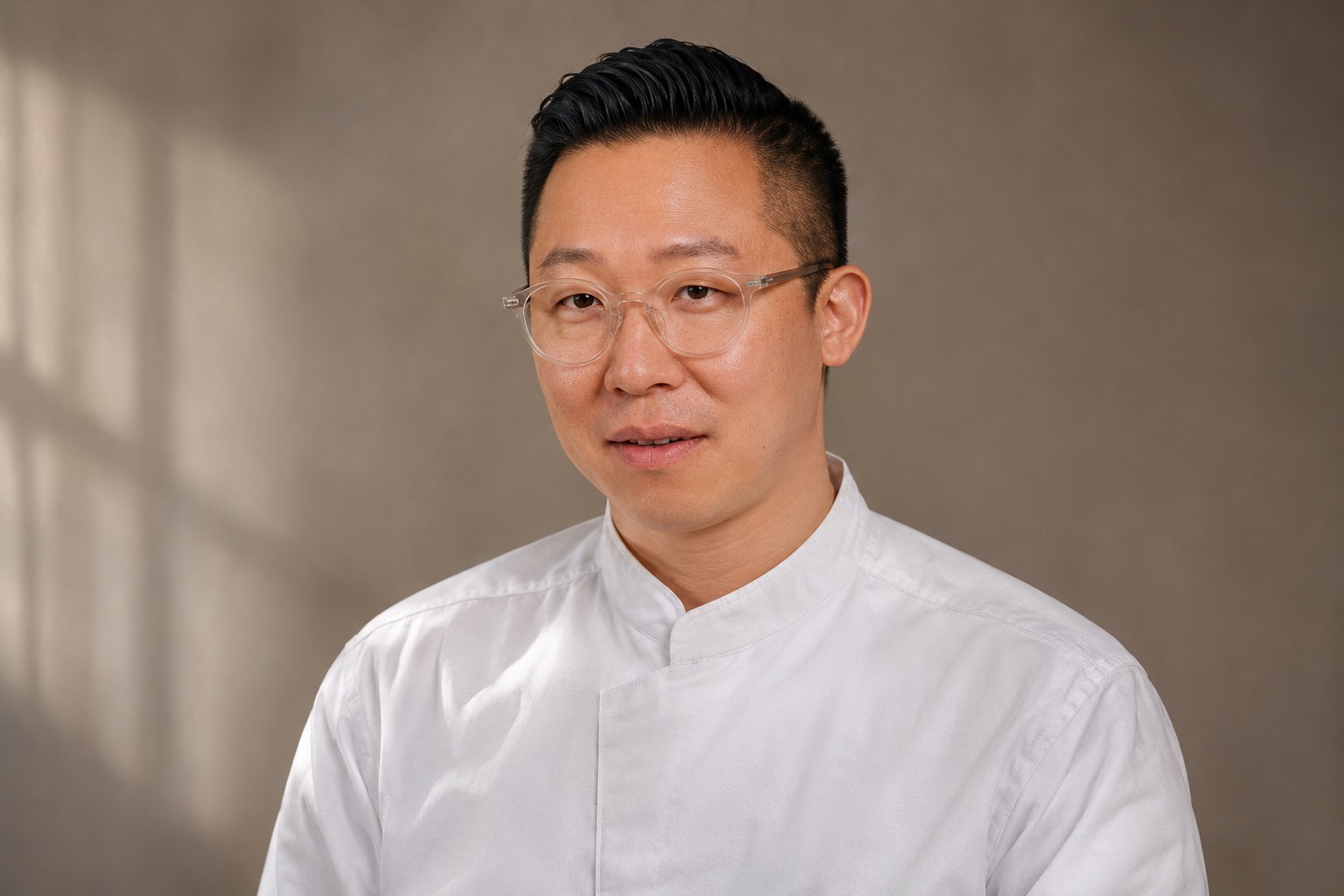
Hee-eun Kim and Yoon Dae-hyun bring Korean food memories, seasonal ingredients and a shared love of cooking to Soul in Haebangchon, with ceramics and careful sauces shaping the experience.
Jun Lee

Soigné · Barley with vegetables · Ssam

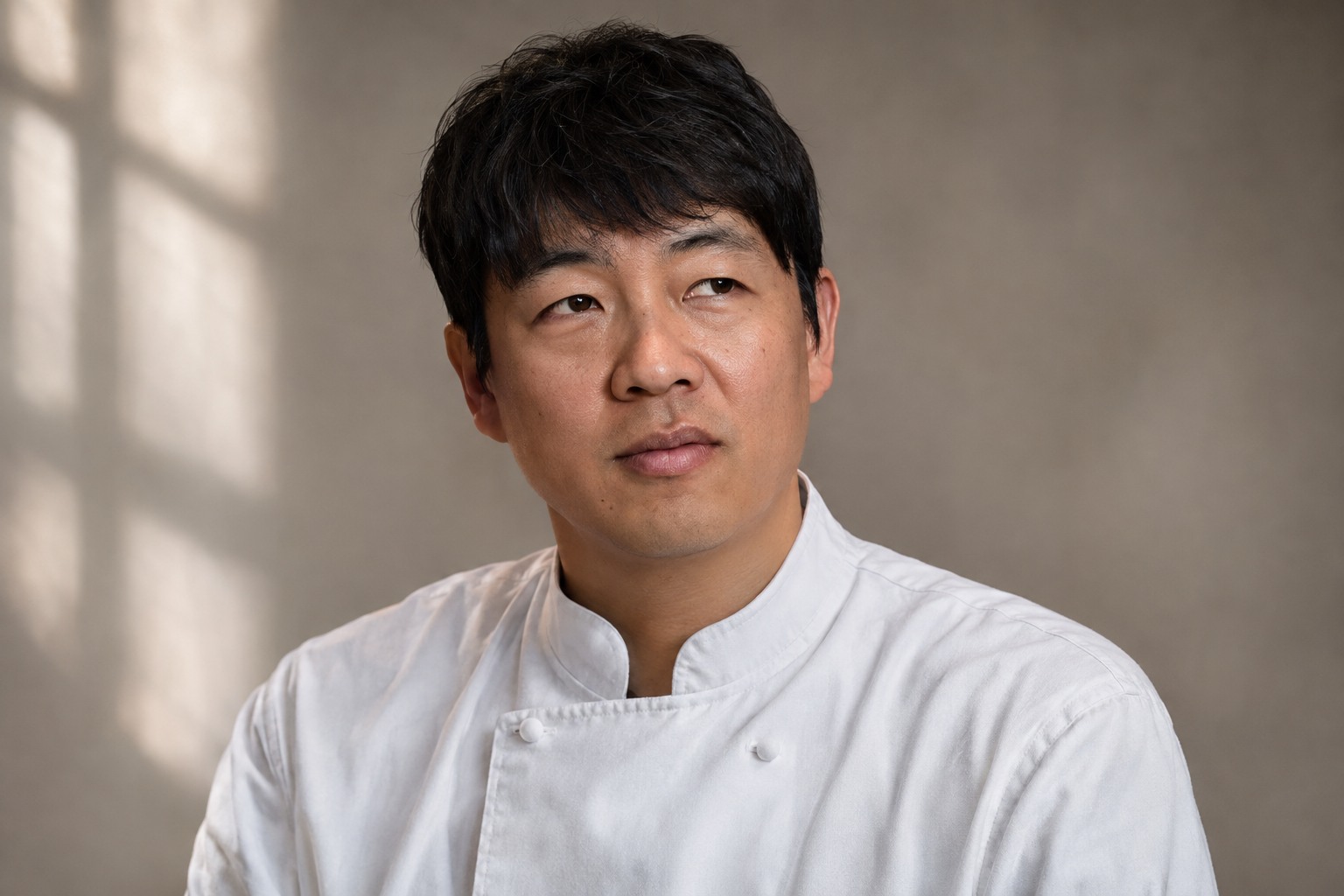
Jun Lee

Jun Lee brings Seoul’s mix of Korean and international influences to Soigné, with themed menus and an inventive interest in barley, seaweed, tea and familiar food memories.

Jungsik Yim

Jungsik Seoul · Kimbap · Banchan

Jungsik Yim

Jungsik Yim helped shape New Korean cooking, taking the flavours of kimbap, kimchi and banchan into a contemporary restaurant experience in Seoul and New York.

Mingoo Kang

Mingles · Rice and sesame dessert

Mingoo Kang

Mingoo Kang explores the depth of Korean fermentation at Mingles, where seasonal ingredients, long-cooked broths and unexpected desserts connect a contemporary meal with familiar flavours.

Sung Anh

Mosu Seoul · Tilefish in anchovy broth · Burdock with herbs

Sung Anh

Sung Anh’s Mosu explores seasonal Korean ingredients through precise, restrained cooking. Its new Seoul address offers a closer view of the kitchen and a fresh chapter in the restaurant’s story.

Dishes

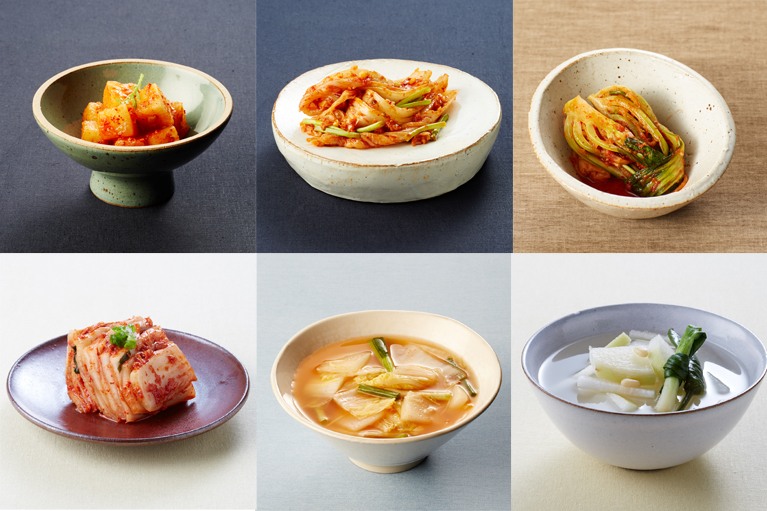
Kimchi

Kimchi

cabbage, radish, Gochugaru, garlic — bright acidity, aromatic seasoning.

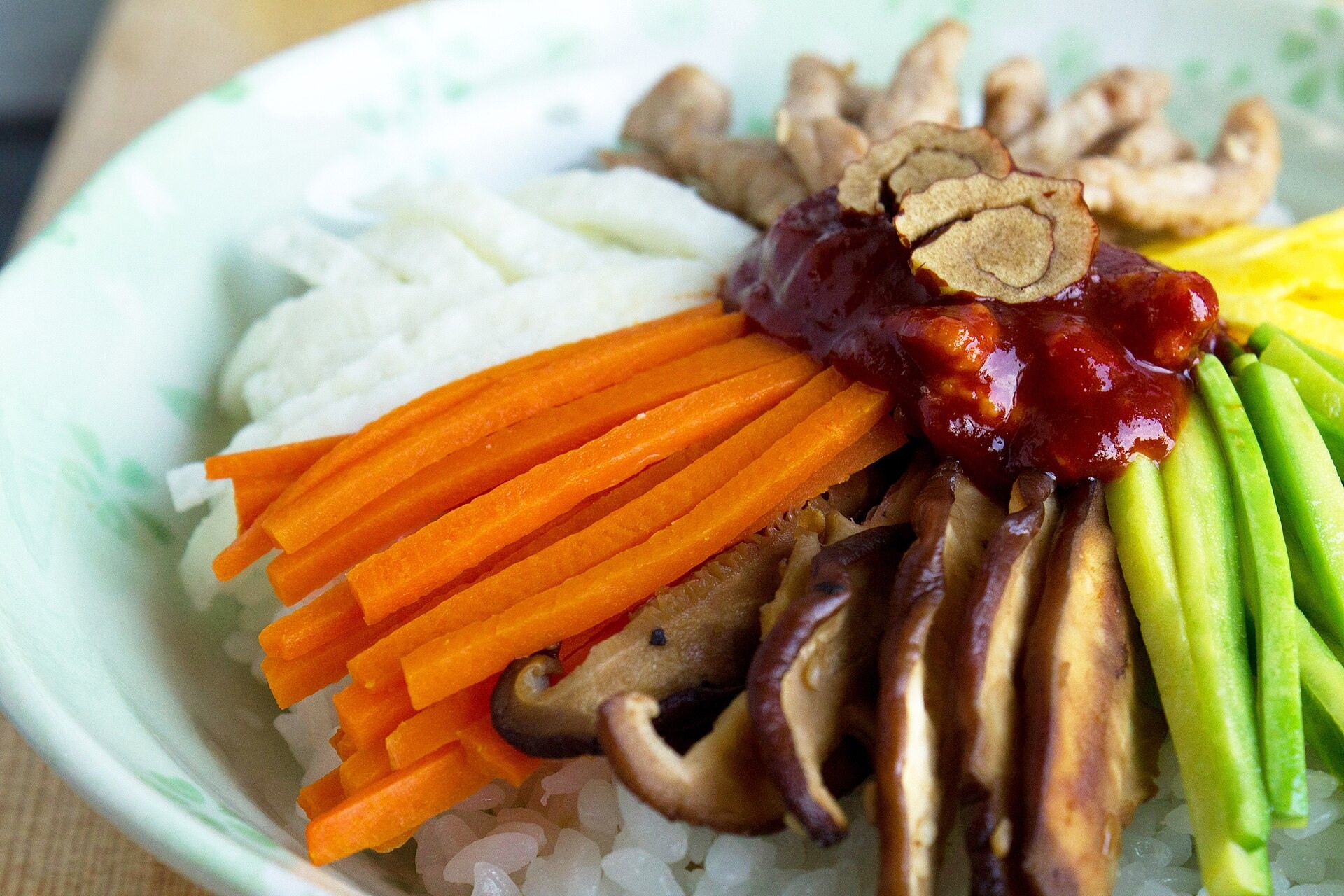
Bibimbap

Bibimbap

rice, vegetables, egg, Gochujang — fresh, bright flavours, savoury.

Bulgogi

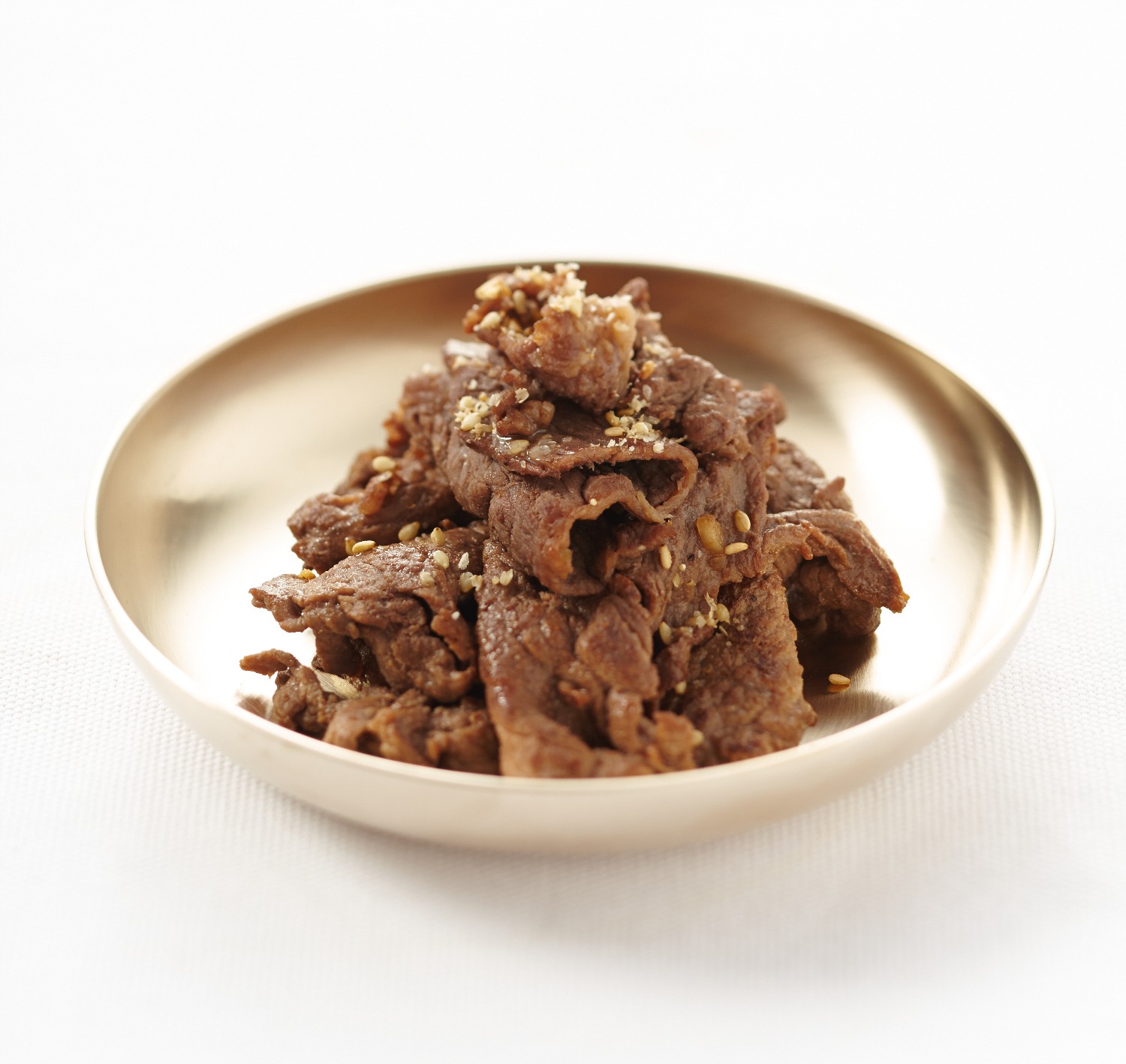
Bulgogi

beef, soy sauce, pear, garlic — sweet and savoury, tender centre.

Galbi

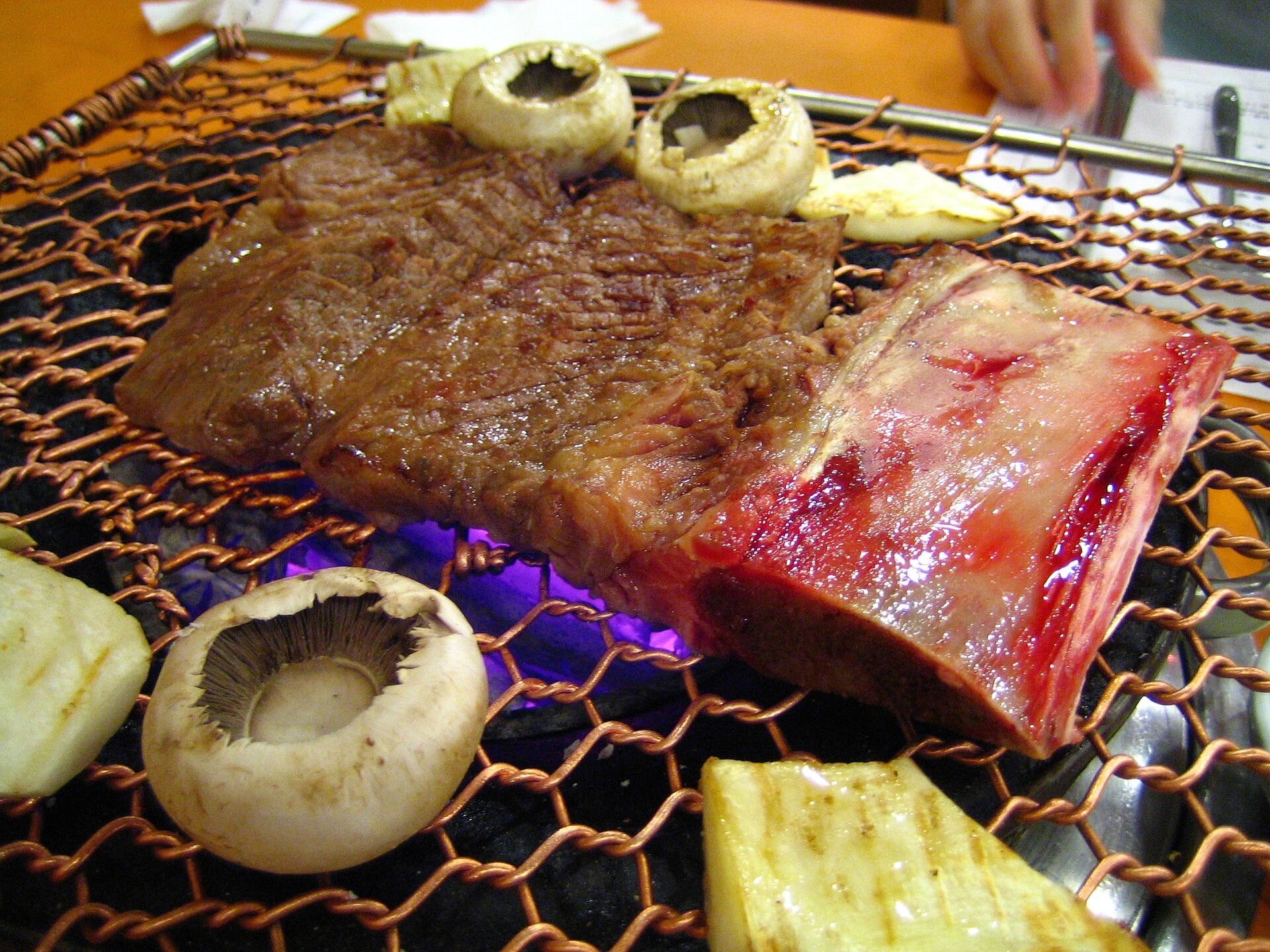
Galbi

beef ribs, soy sauce, garlic, pear — glazed surface, juicy.

Japchae

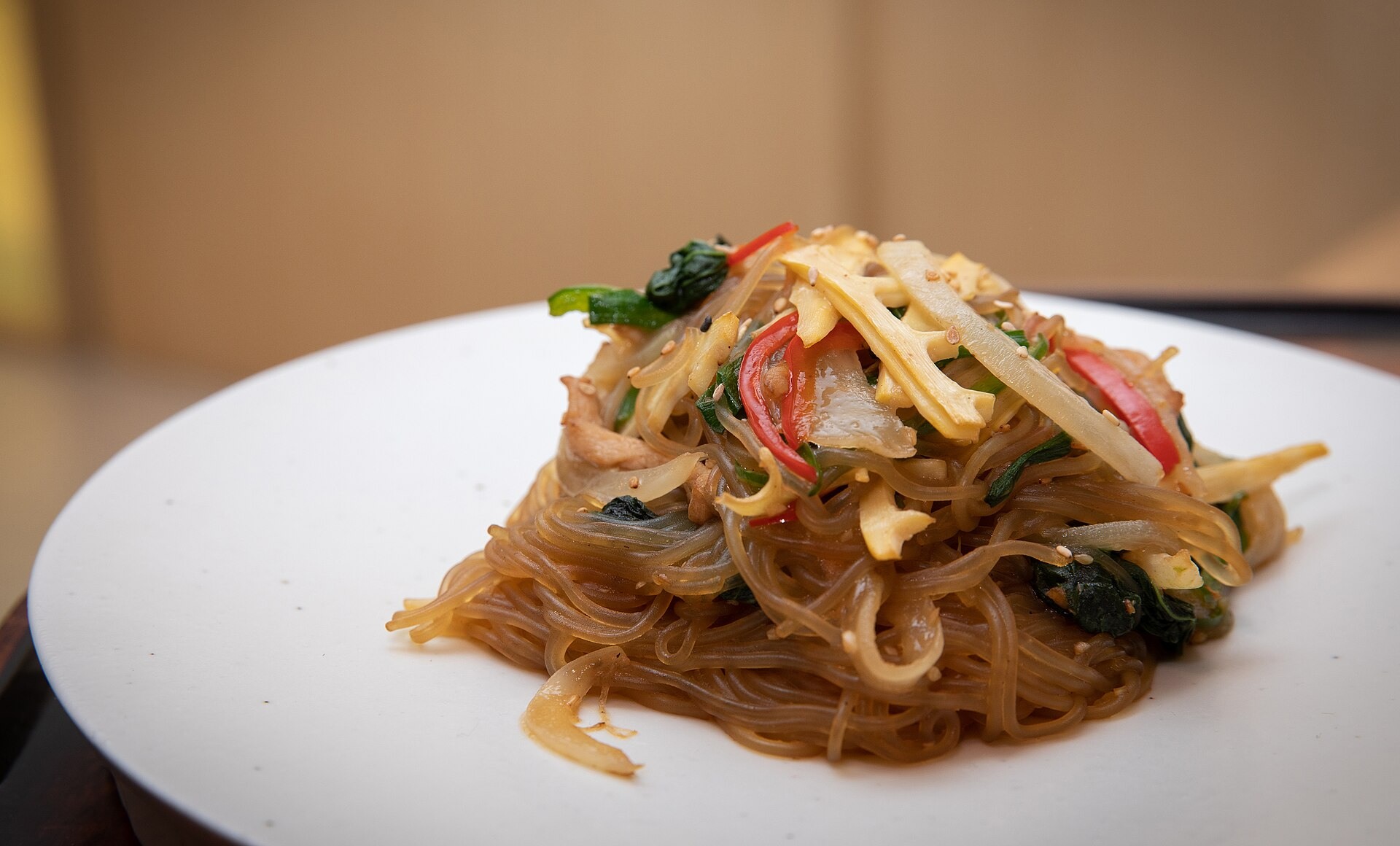
Japchae

glass noodles, spinach, carrot, mushrooms — glossy sauce, soft texture.

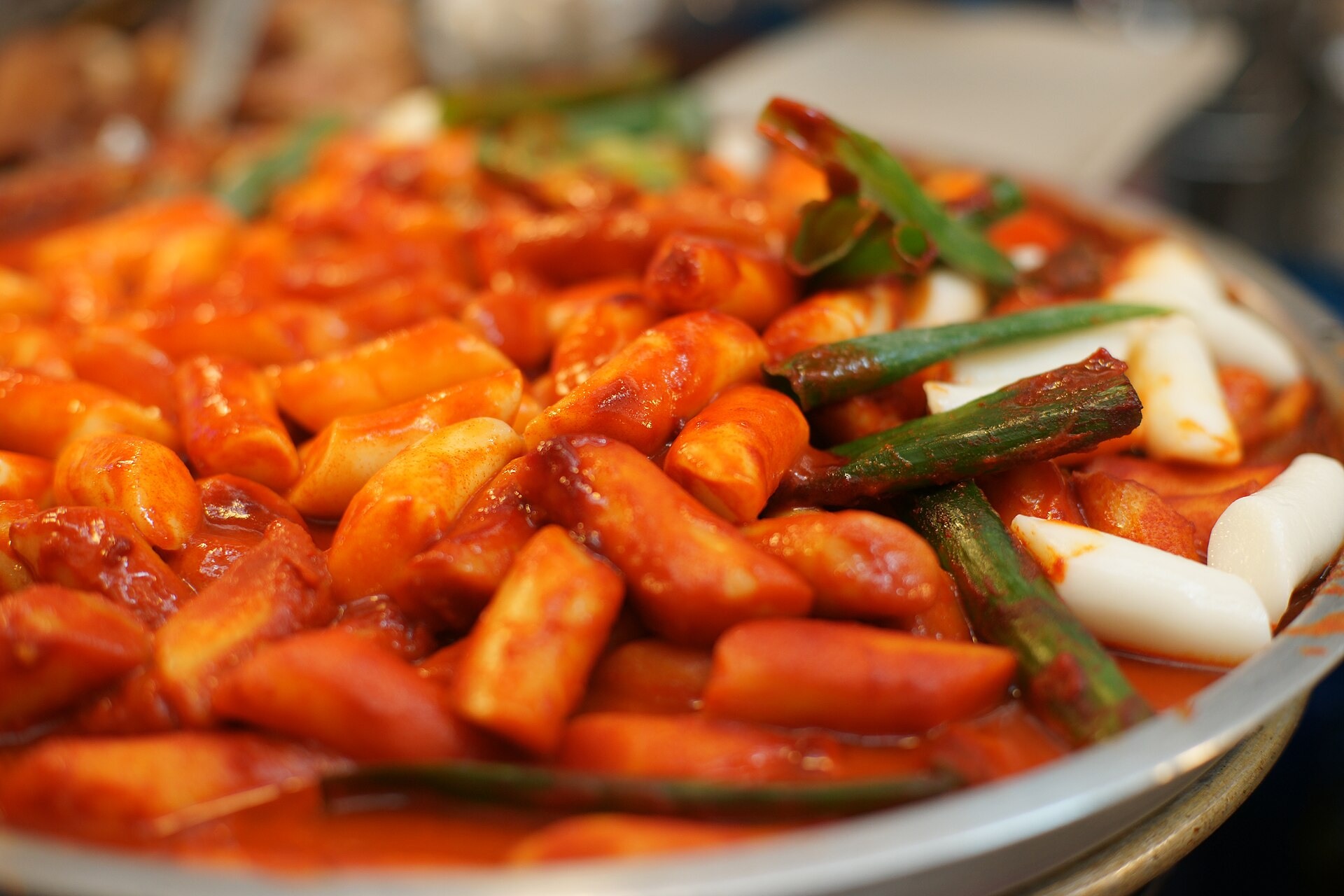
Tteokbokki

Tteokbokki

rice cakes, Gochujang, fish cake, spring onions — chewy, warm, comforting flavour.

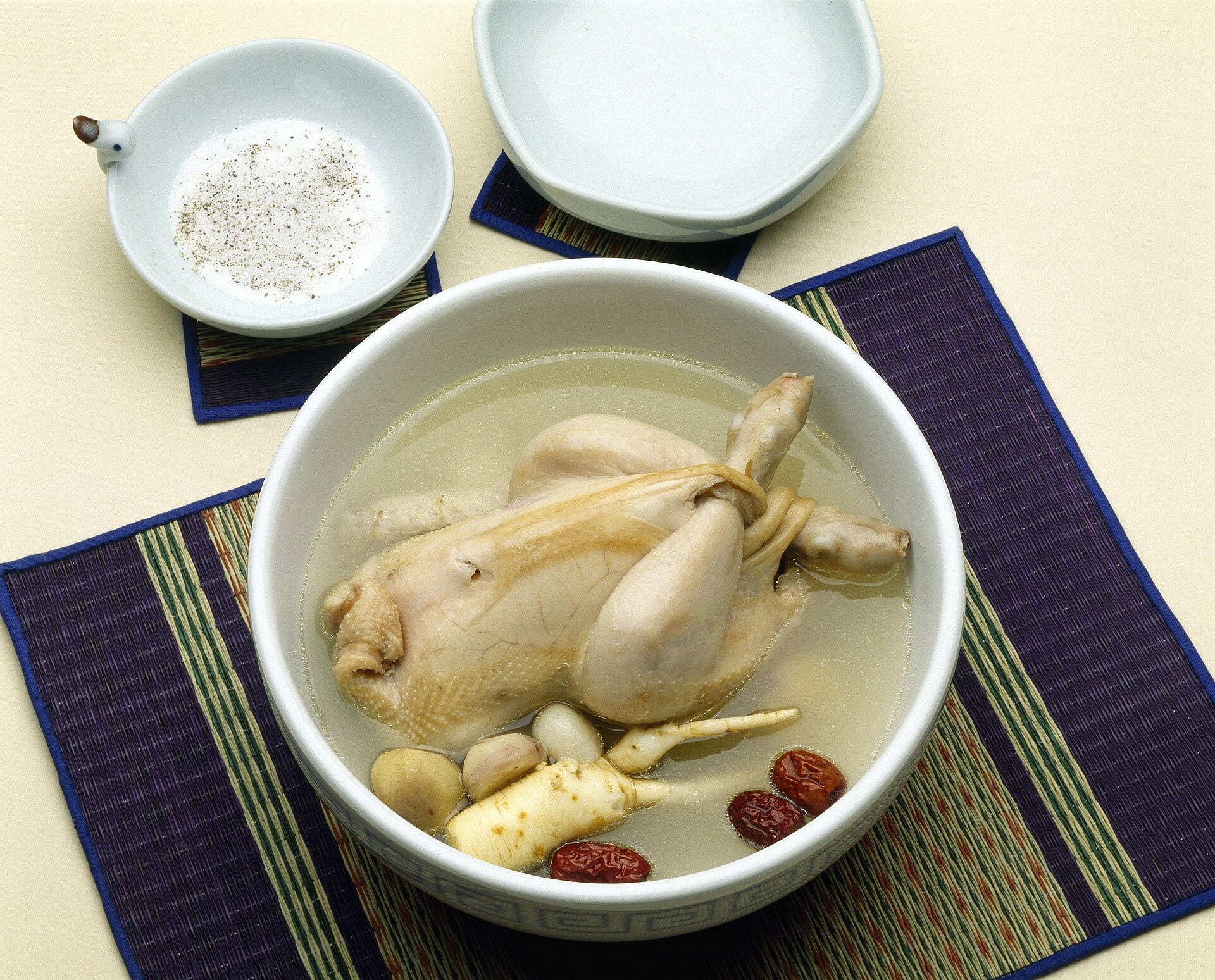
Samgyetang

Samgyetang

chicken, glutinous rice, ginseng, Jujube — aromatic seasoning, warm, comforting flavour.

Kalguksu

Kalguksu

The name refers to knife-cut noodles, served in broths that may use chicken, seafood or other bases. Myeongdong’s well-known interpretation does not define every Korean version.

Bindaetteok

Bindaetteok

A pan-fried pancake made from soaked, ground mung beans, strongly associated with Gwangjang Market. Sprouts, kimchi and meat additions differ between stalls.

Hotteok

Hotteok

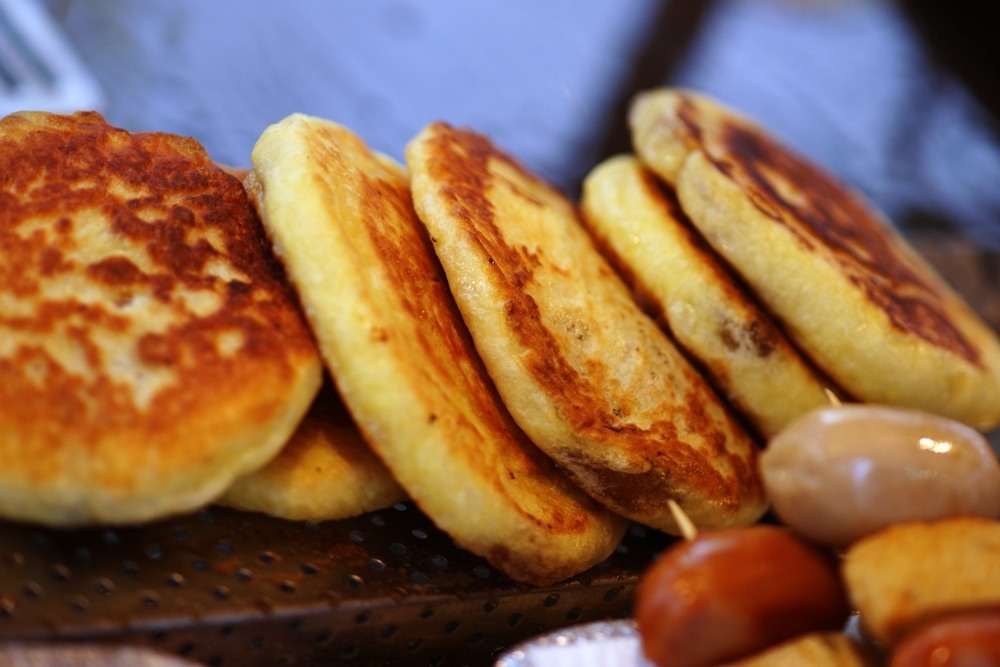
flour, yeast, brown sugar, cinnamon — crisp surface, glazed surface.

Region

Seoul

Seoul

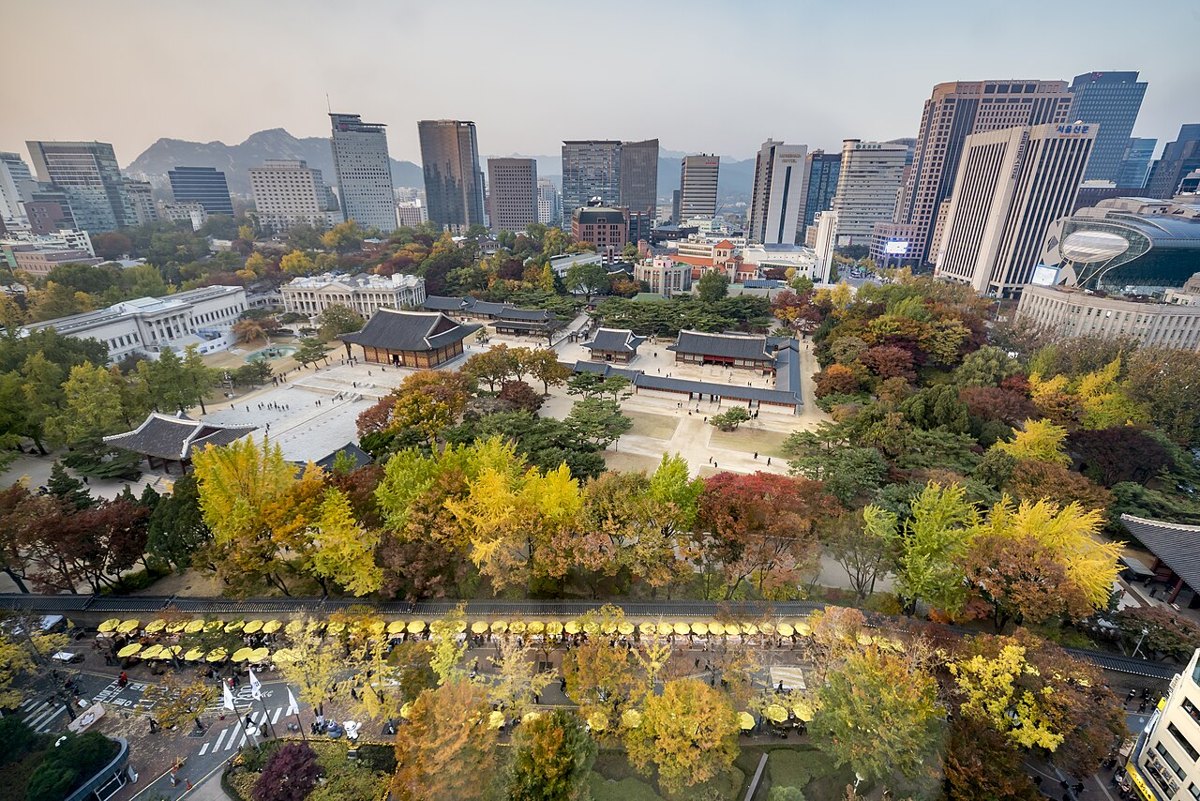
Seoul’s long role as a capital brought court food, markets and regional migrants into close contact. Rice, soups, noodles and fermented seasonings sit at the centre of daily meals; modern chefs reinterpret that pantry alongside the city’s powerful barbecue and street-food cultures.

Cities

Seoul

Seoul

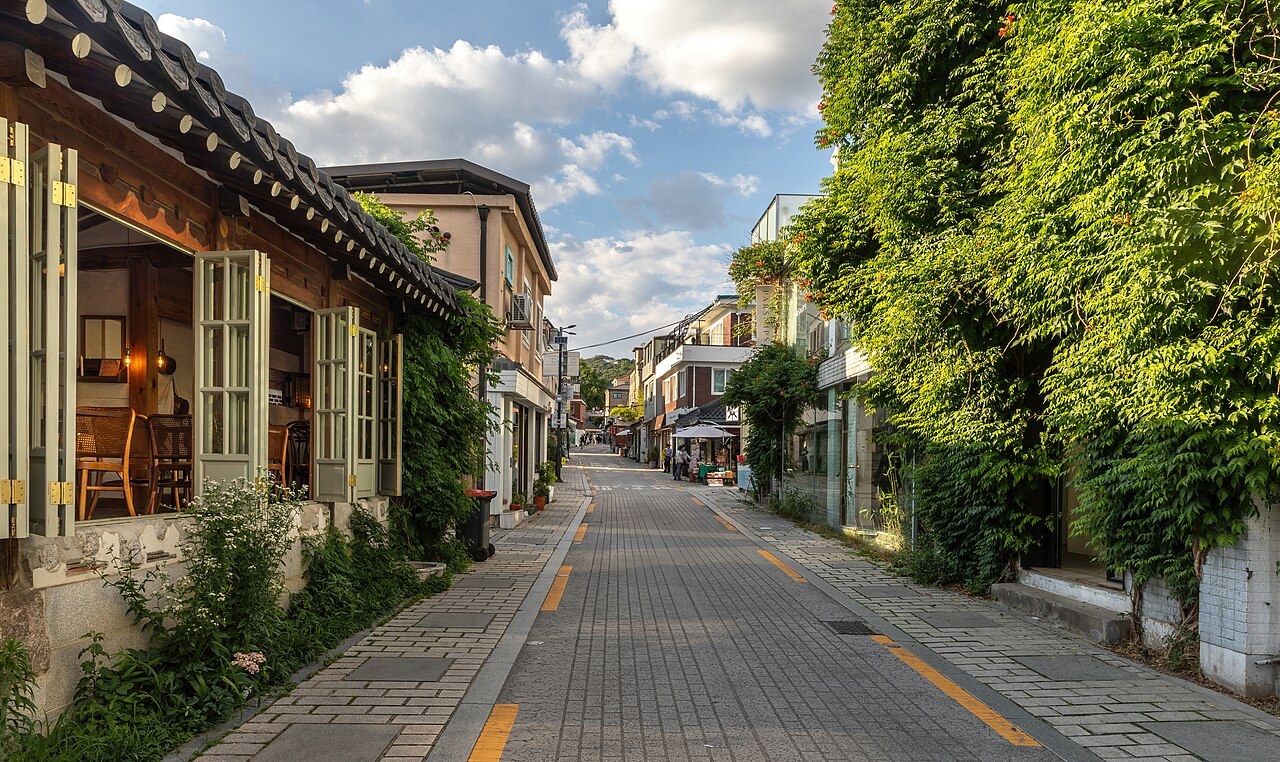
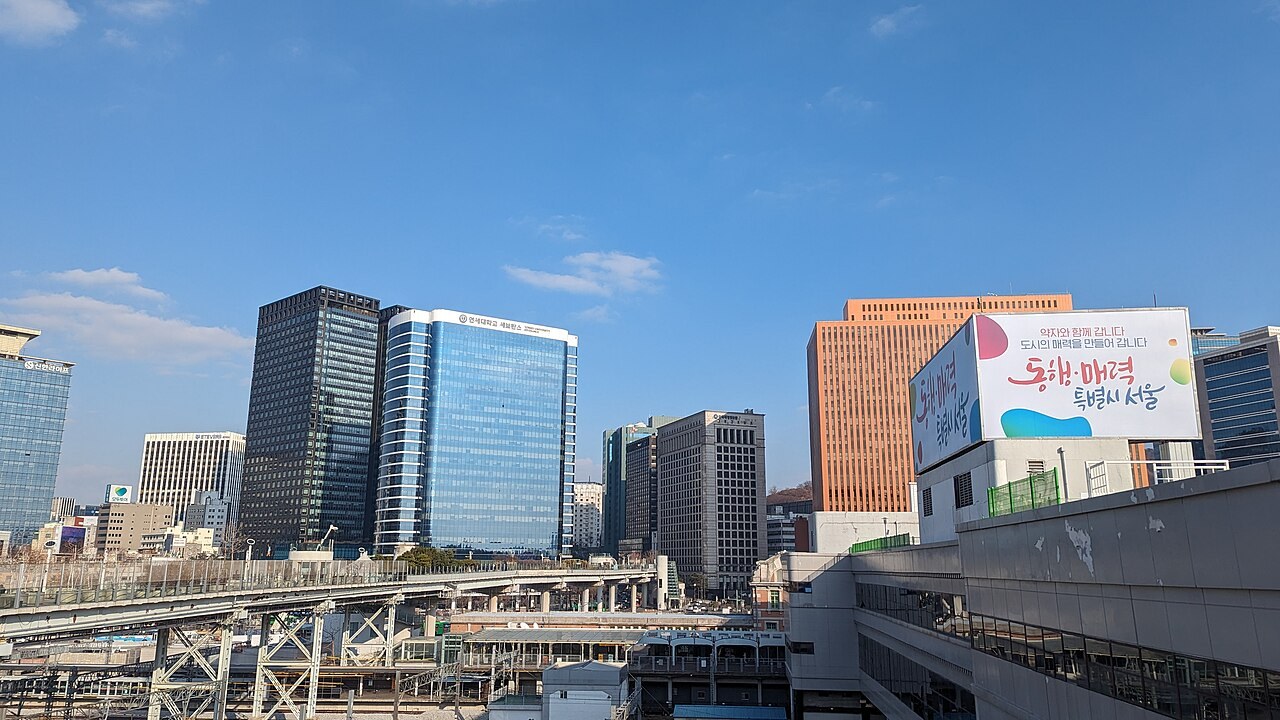
A Seoul of knife-cut noodles and market mung-bean pancakes. Explore separate neighbourhoods for a warm bowl in Myeongdong and coffee in an Anguk hanok courtyard.

Sources and editorial notes +