
Seoul
History and food culture
Seoul’s long role as a capital brought court food, markets and regional migrants into close contact. Rice, soups, noodles and fermented seasonings sit at the centre of daily meals; modern chefs reinterpret that pantry alongside the city’s powerful barbecue and street-food cultures.
At the local table
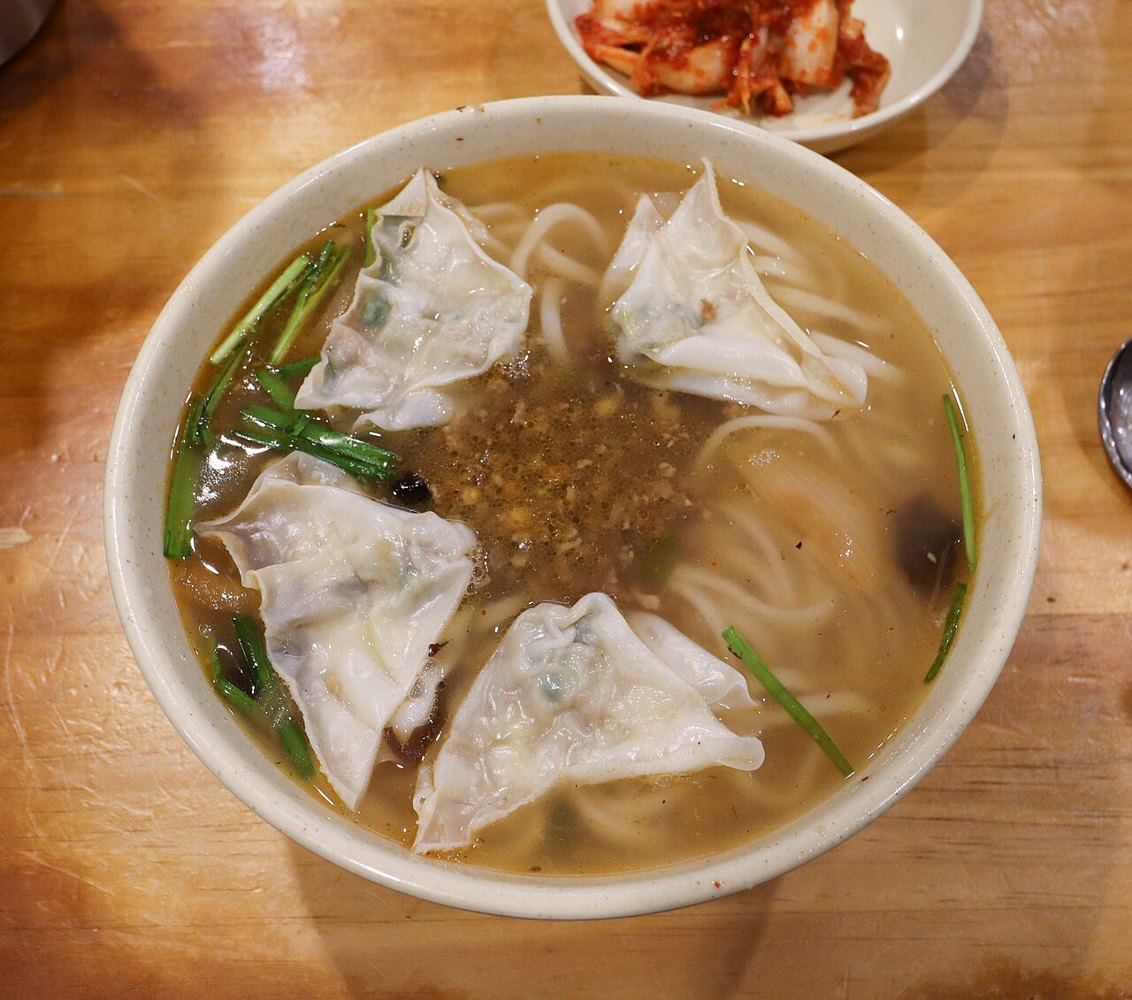
Kalguksu — The name refers to knife-cut noodles, served in broths that may use chicken, seafood or other bases. Myeongdong’s well-known interpretation does not define every Korean version.
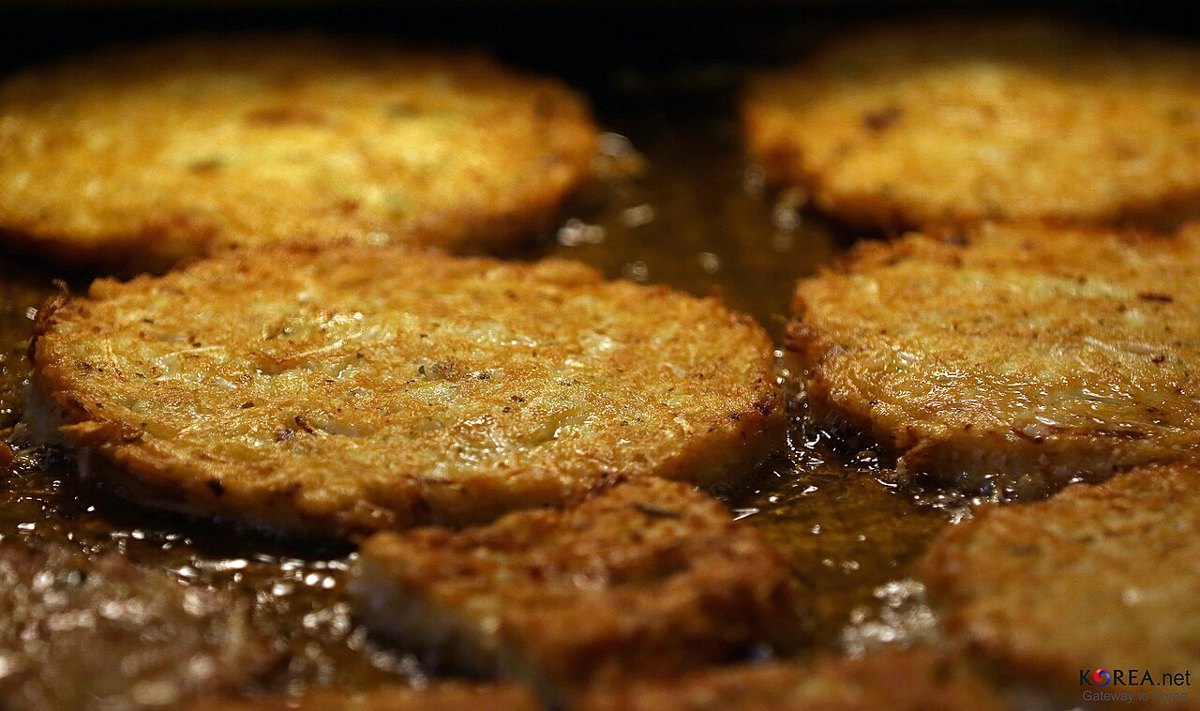
Bindaetteok — A pan-fried pancake made from soaked, ground mung beans, strongly associated with Gwangjang Market. Sprouts, kimchi and meat additions differ between stalls.
Cooks shaping the region
Hee-eun Kim — Soul.
Dishes
Dishes
Bindaetteok
A pan-fried pancake made from soaked, ground mung beans, strongly associated with Gwangjang Market. Sprouts, kimchi and meat additions differ between stalls.
Chefs
Mingles · Rice and sesame dessert
Chefs
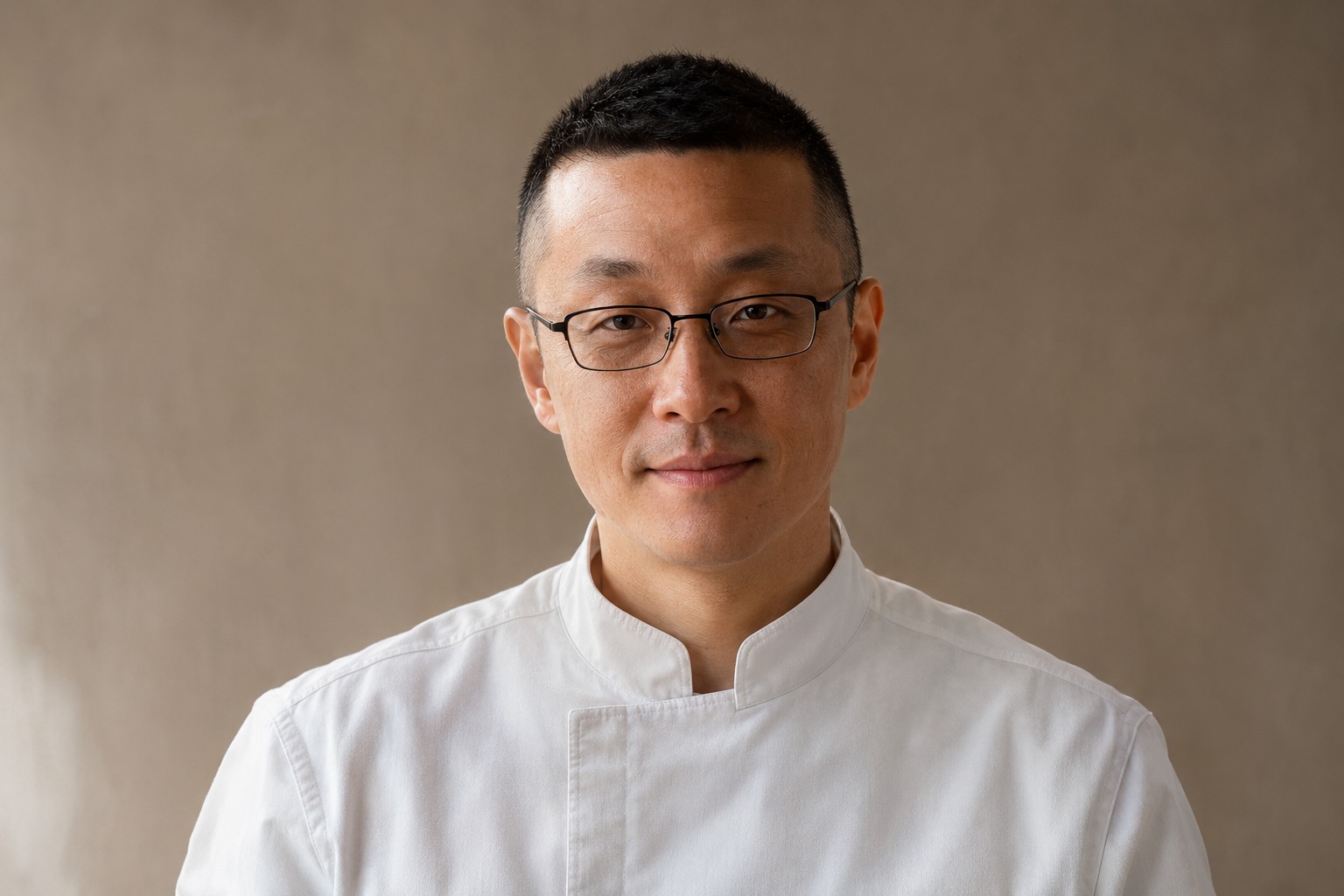
Mingoo Kang
Mingoo Kang explores the depth of Korean fermentation at Mingles, where seasonal ingredients, long-cooked broths and unexpected desserts connect a contemporary meal with familiar flavours.
Jungsik Seoul · Kimbap · Banchan
Chefs
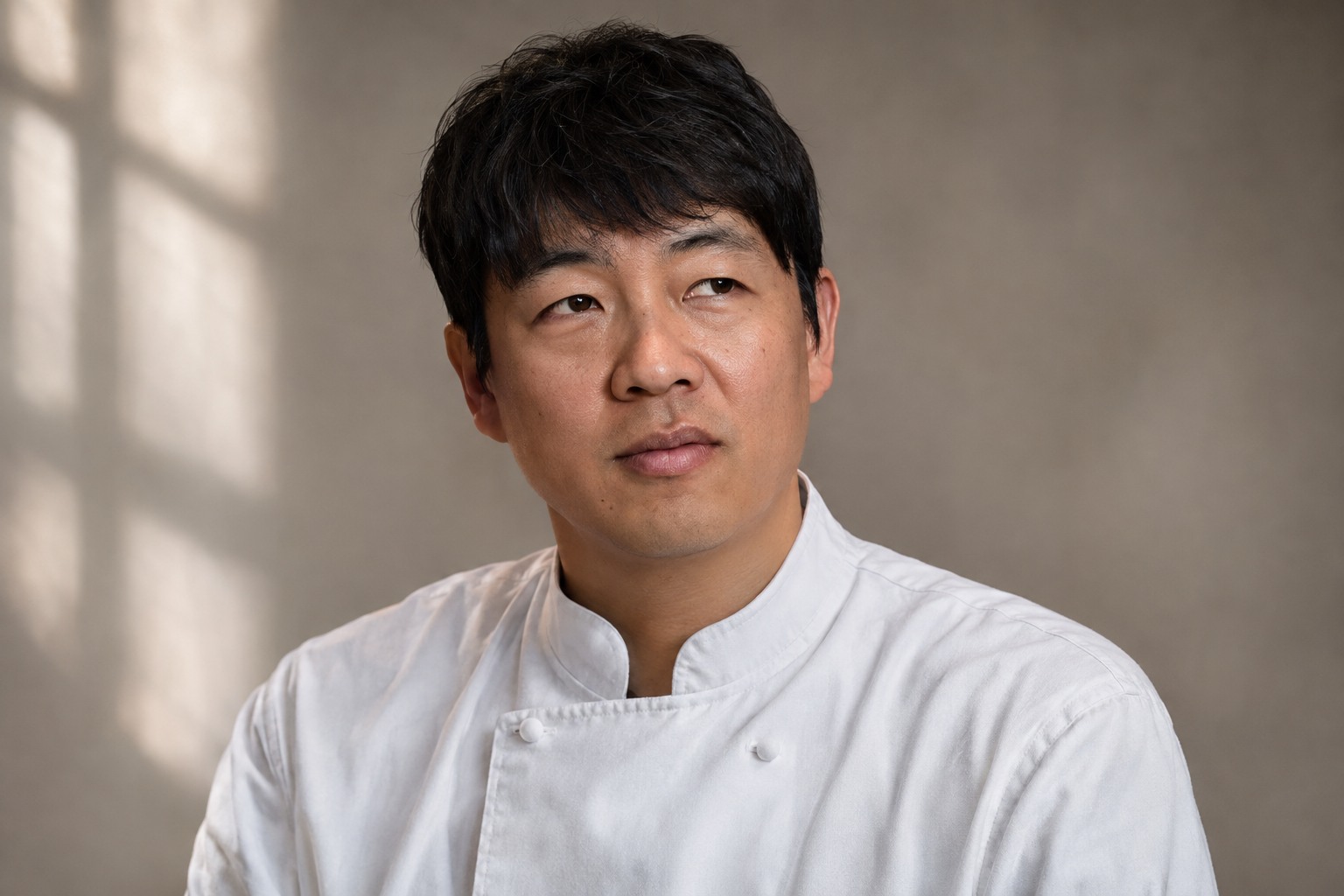
Jungsik Yim
Jungsik Yim helped shape New Korean cooking, taking the flavours of kimbap, kimchi and banchan into a contemporary restaurant experience in Seoul and New York.
Soigné · Barley with vegetables · Ssam
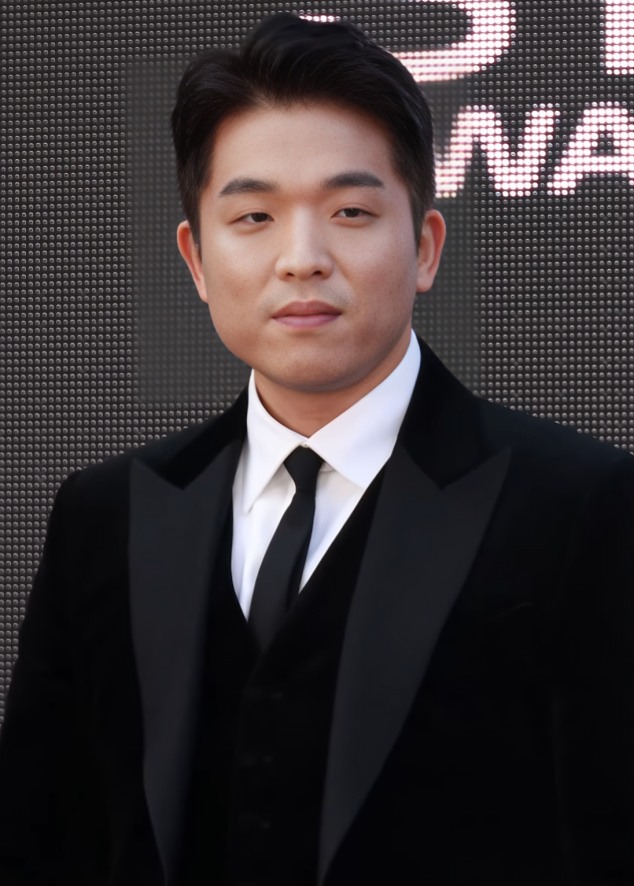
Mosu Seoul · Tilefish in anchovy broth · Burdock with herbs
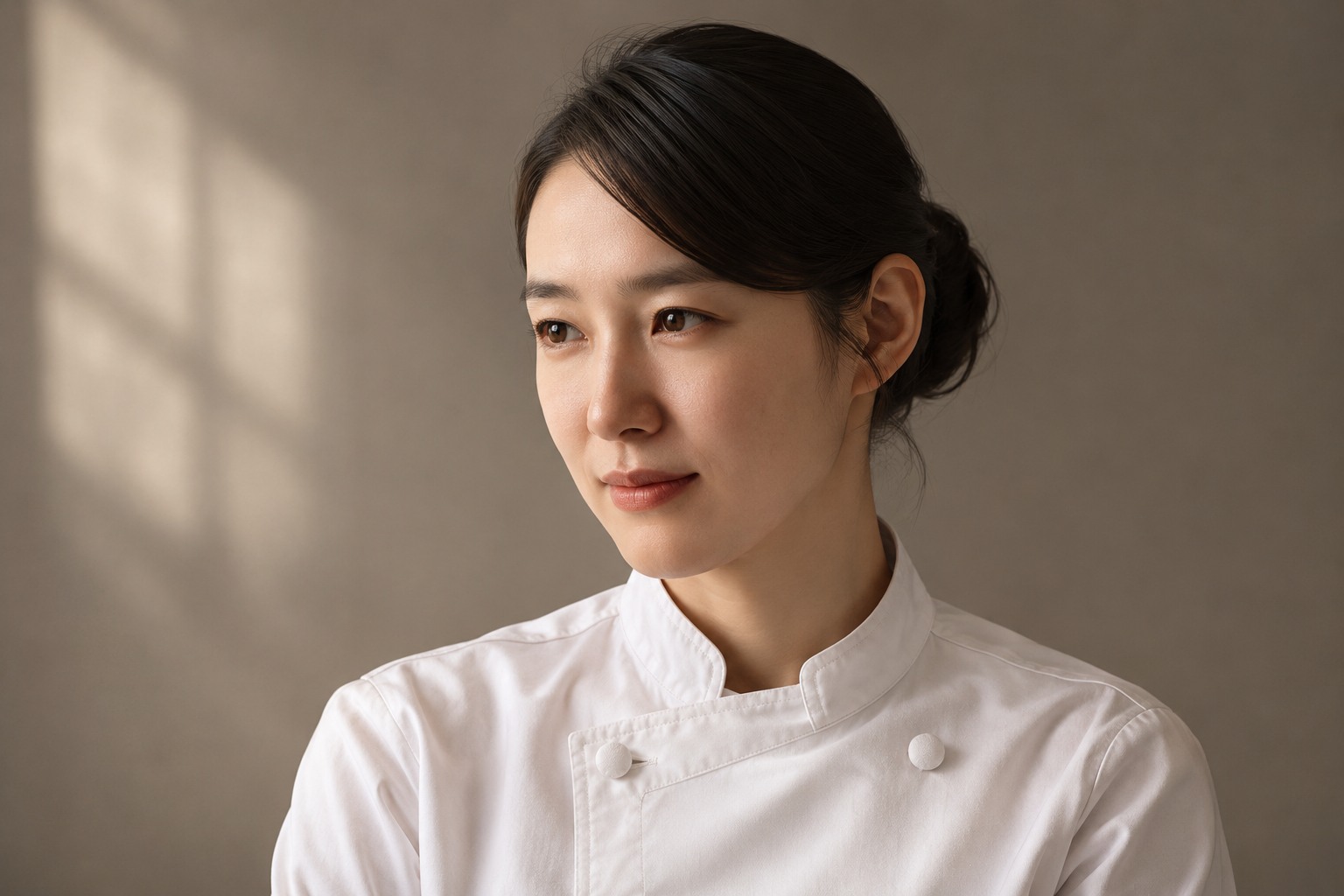
Soul · Abalone with seaweed and mushrooms · Duck with vegetables
Chefs
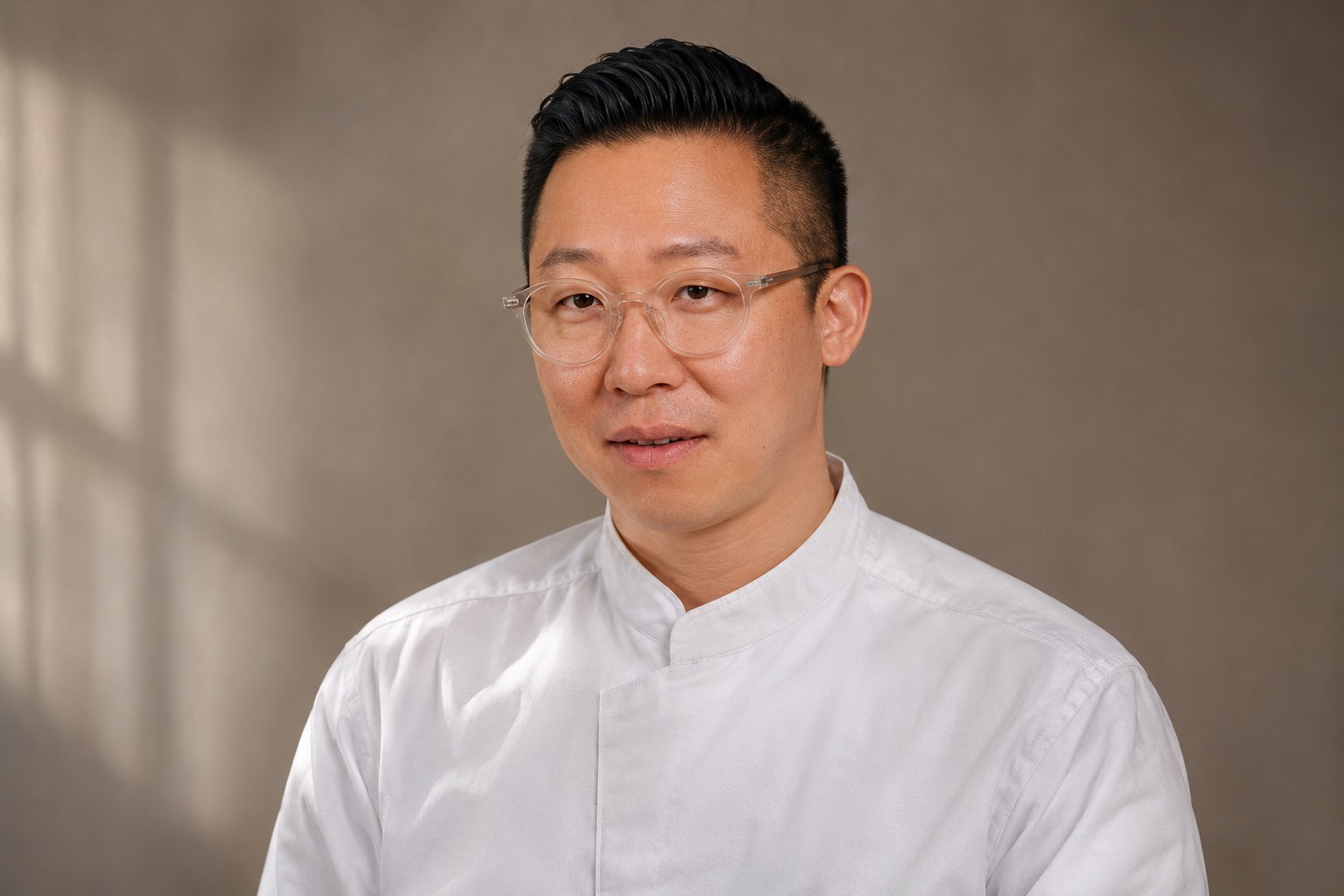
Hee-eun Kim
Hee-eun Kim and Yoon Dae-hyun bring Korean food memories, seasonal ingredients and a shared love of cooking to Soul in Haebangchon, with ceramics and careful sauces shaping the experience.