
Bangkok
History and food culture
Bangkok’s canals and river markets supplied a royal capital that also grew through Chinese migration and trade. Noodle shops, curry stalls and generations of family cooking share the city with elaborate court-derived dishes; a single street can bring several of those histories together.
At the local table
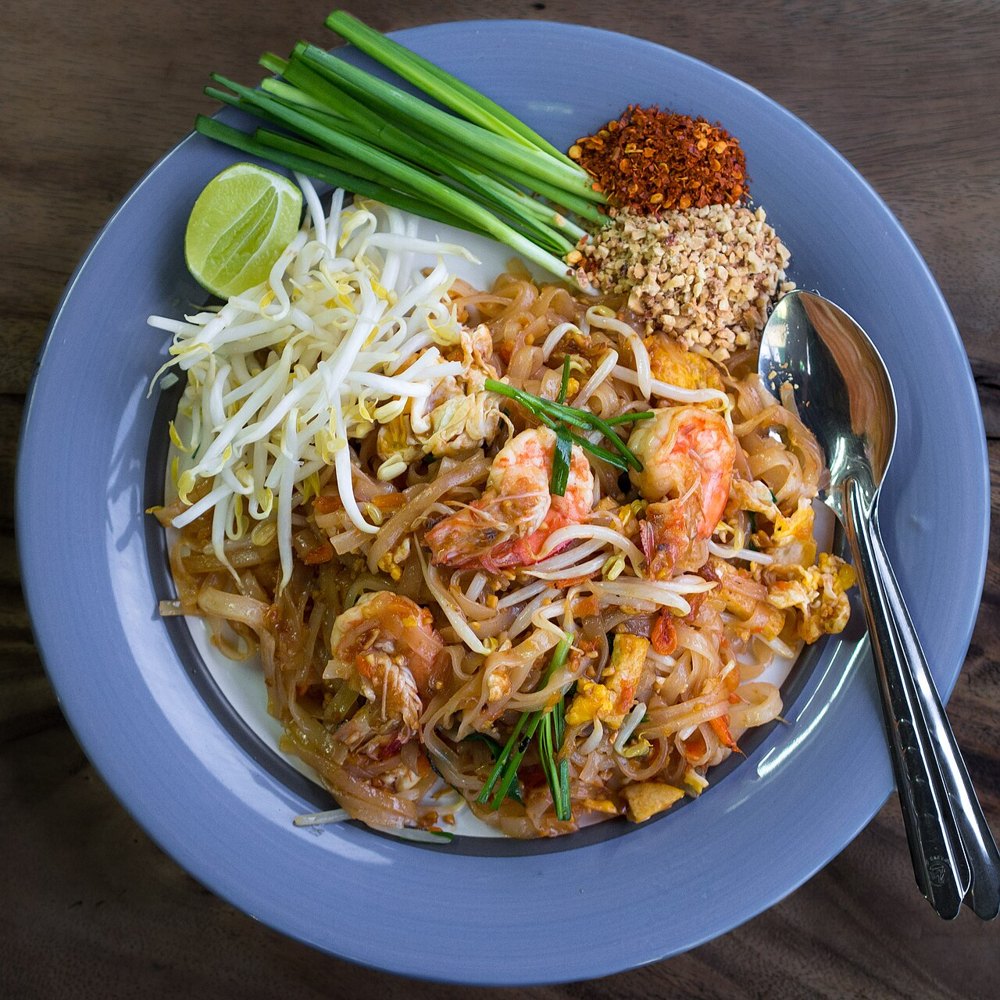
Pad thai — Stir-fried rice noodles balancing tamarind, sweetness and savoury sauce. Prawns, tofu and eggs vary by vendor; ask separately about fish sauce and peanuts.
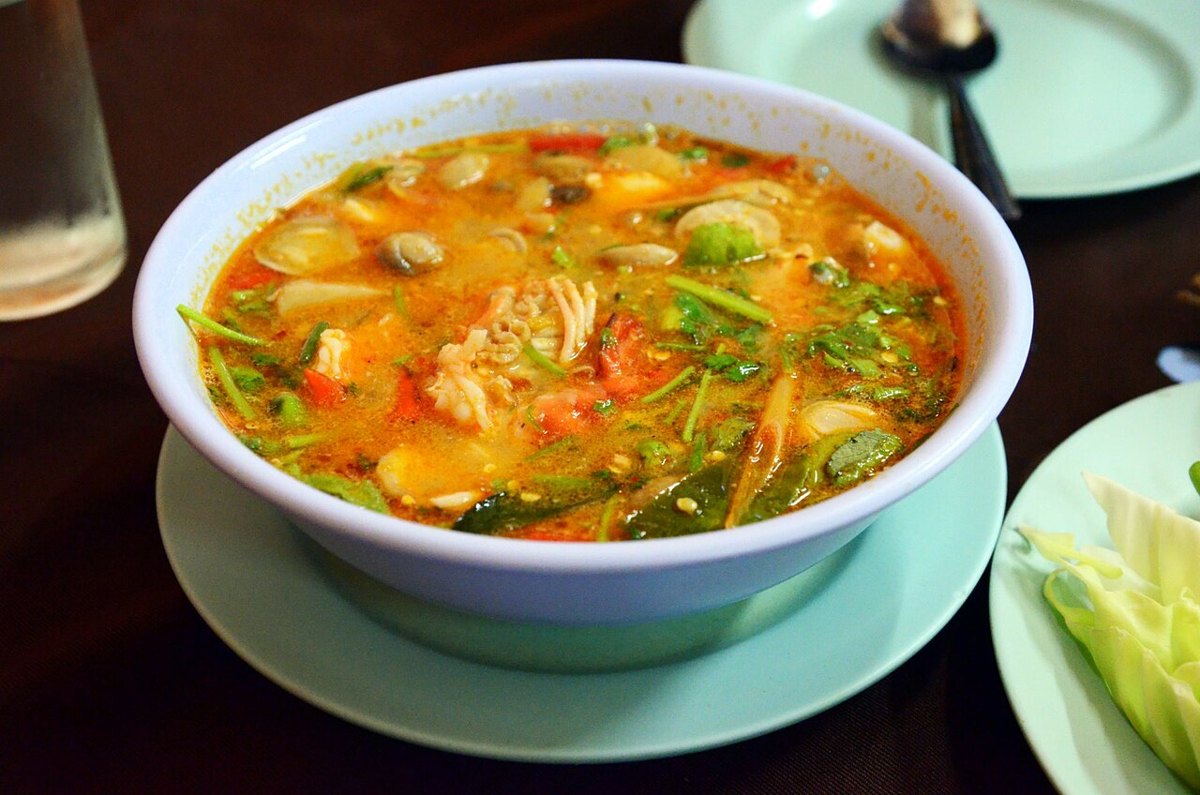
Tom yum — A sour-hot soup family scented with lemongrass, galangal and makrut lime leaves. Clear and creamier versions use different proteins; it is not one uniform prawn soup.
Cooks shaping the region
Pichaya Soontornyanakij — POTONG.
Chudaree Debhakam — Baan Tepa.
Garima Arora — Gaa.
Dishes
Chefs
Le Du · River prawn with herbs
Chefs
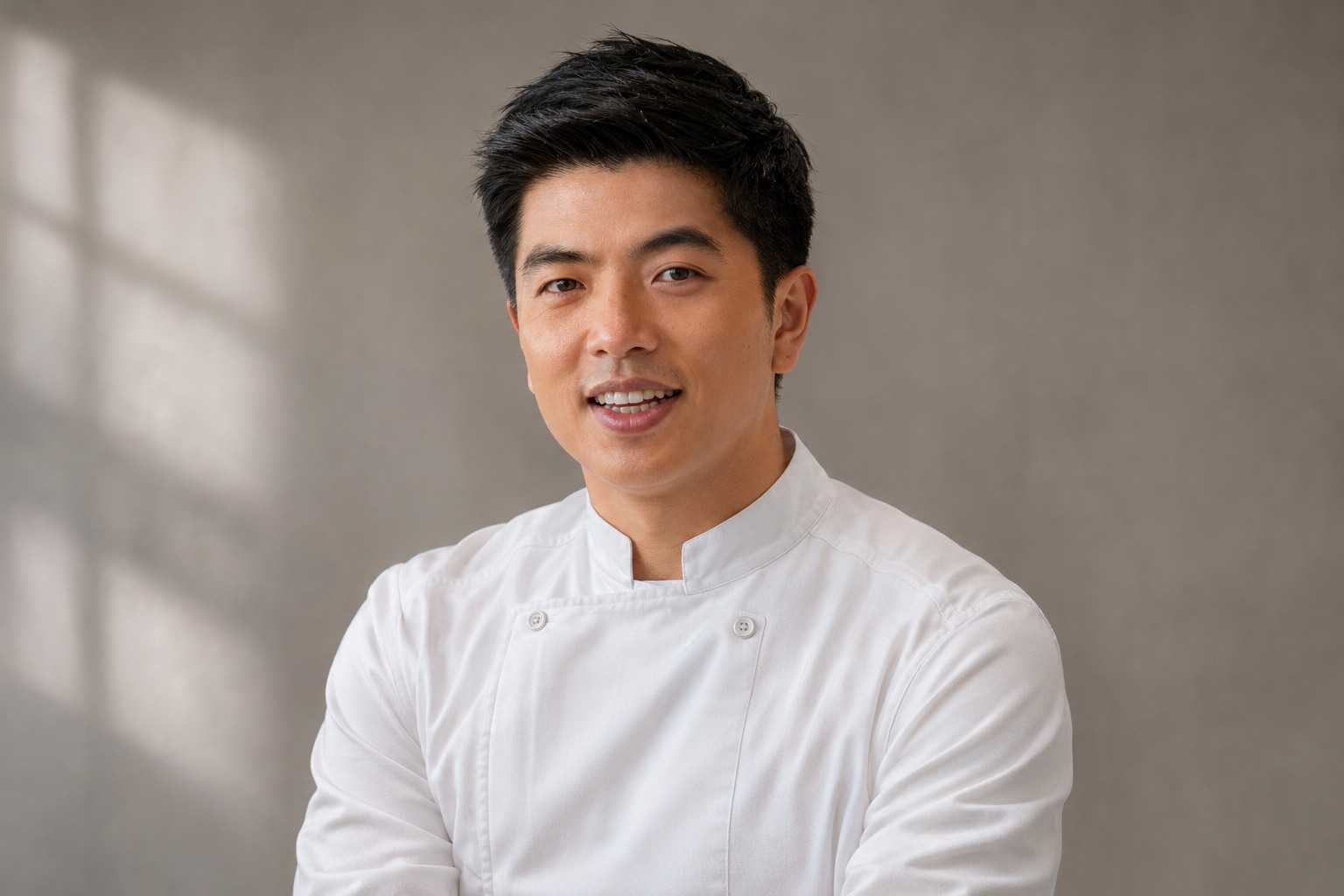
Thitid Tassanakajohn
Chef Ton follows Thailand’s seasons at Le Du, connecting local growers and familiar flavours with the precision of contemporary restaurant cooking.
POTONG · Duck with sauce
Chefs
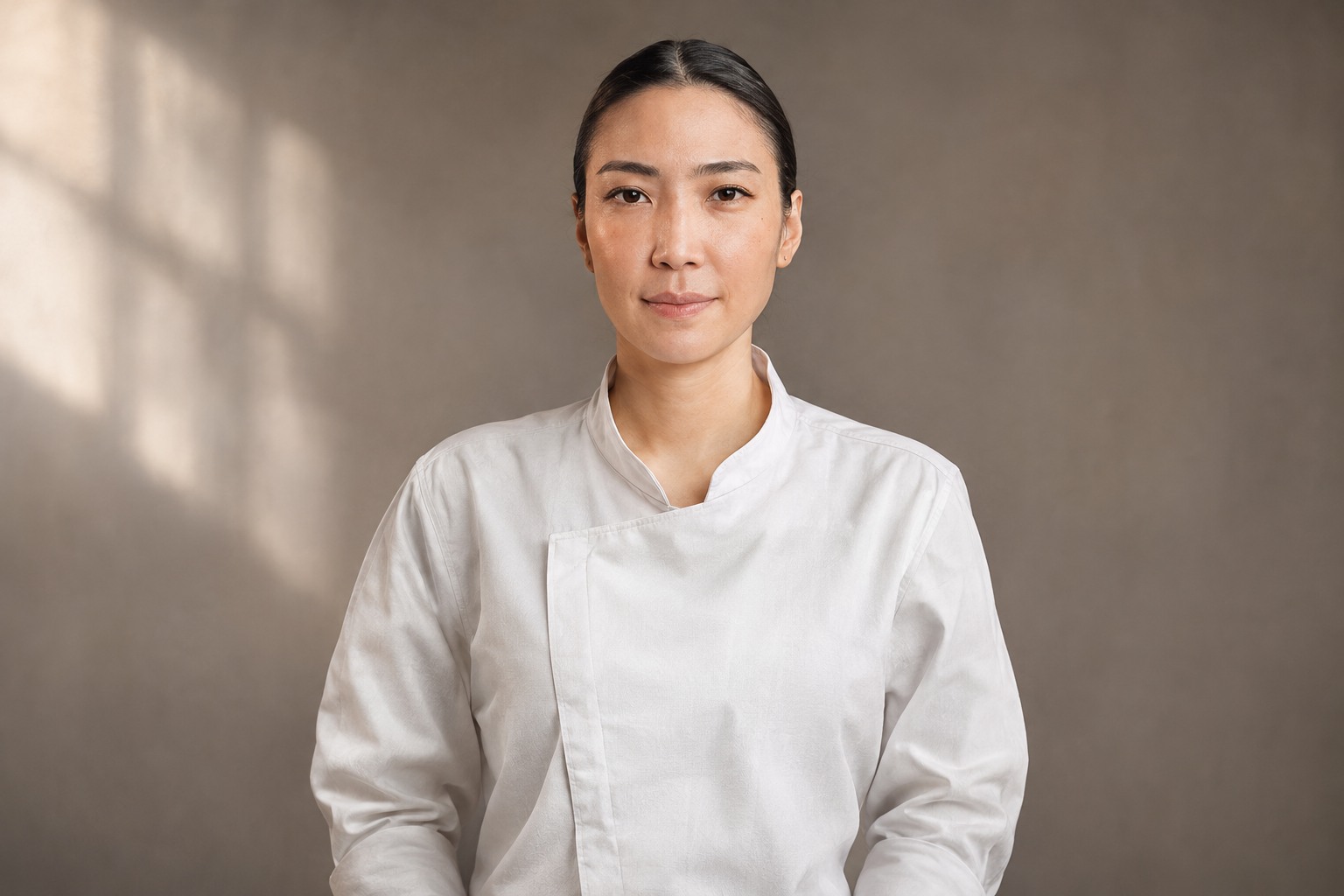
Pichaya Soontornyanakij
Chef Pam brings her Thai-Chinese family story to POTONG, where a restored Chinatown shophouse connects layered flavours, personal memories and contemporary cooking.
SORN · Southern Thai fish curry
Chefs
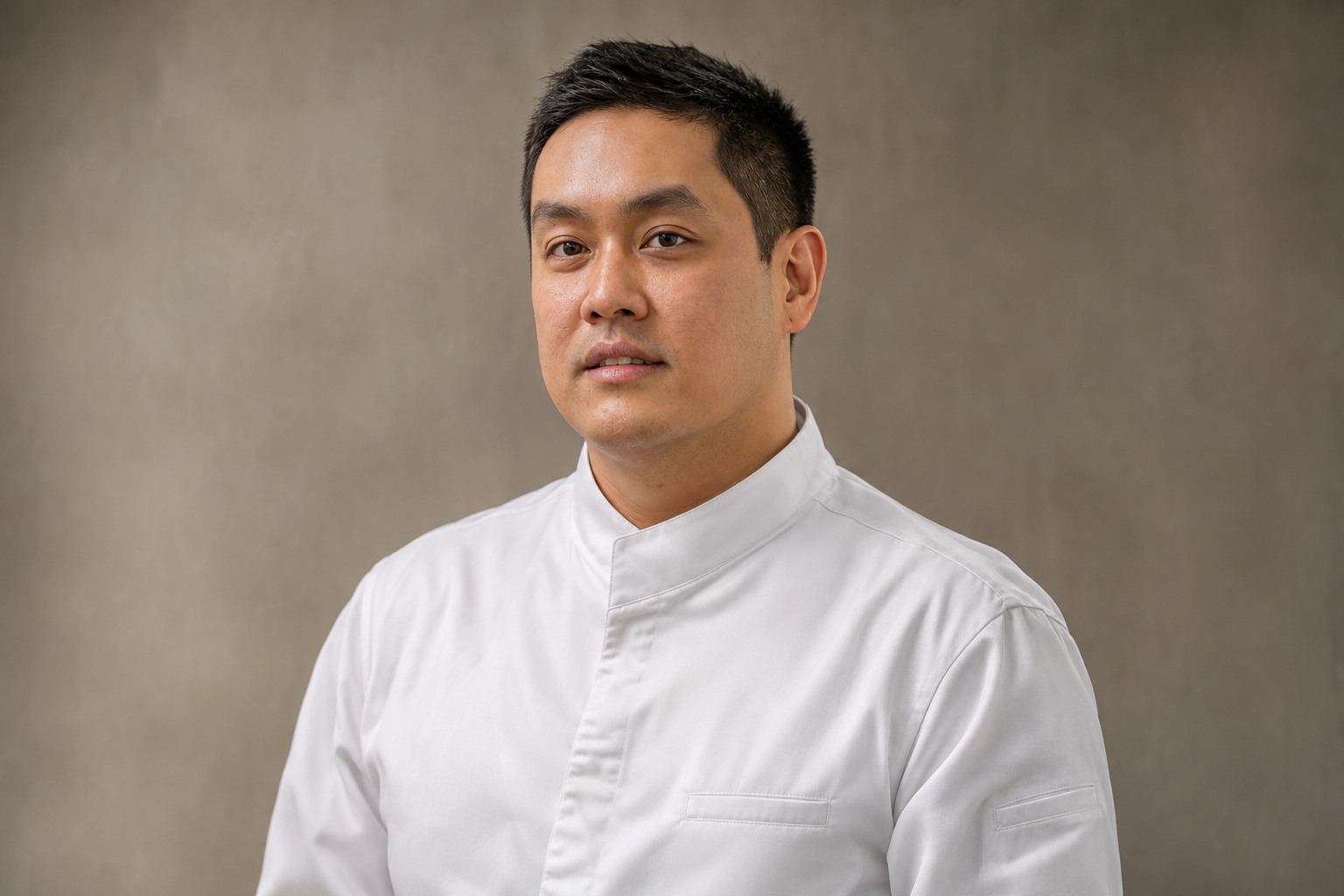
Supaksorn Jongsiri
Chef Ice builds SORN around southern Thailand: family memories, regional ingredients and the slow work behind deeply layered curries, rice and seafood.
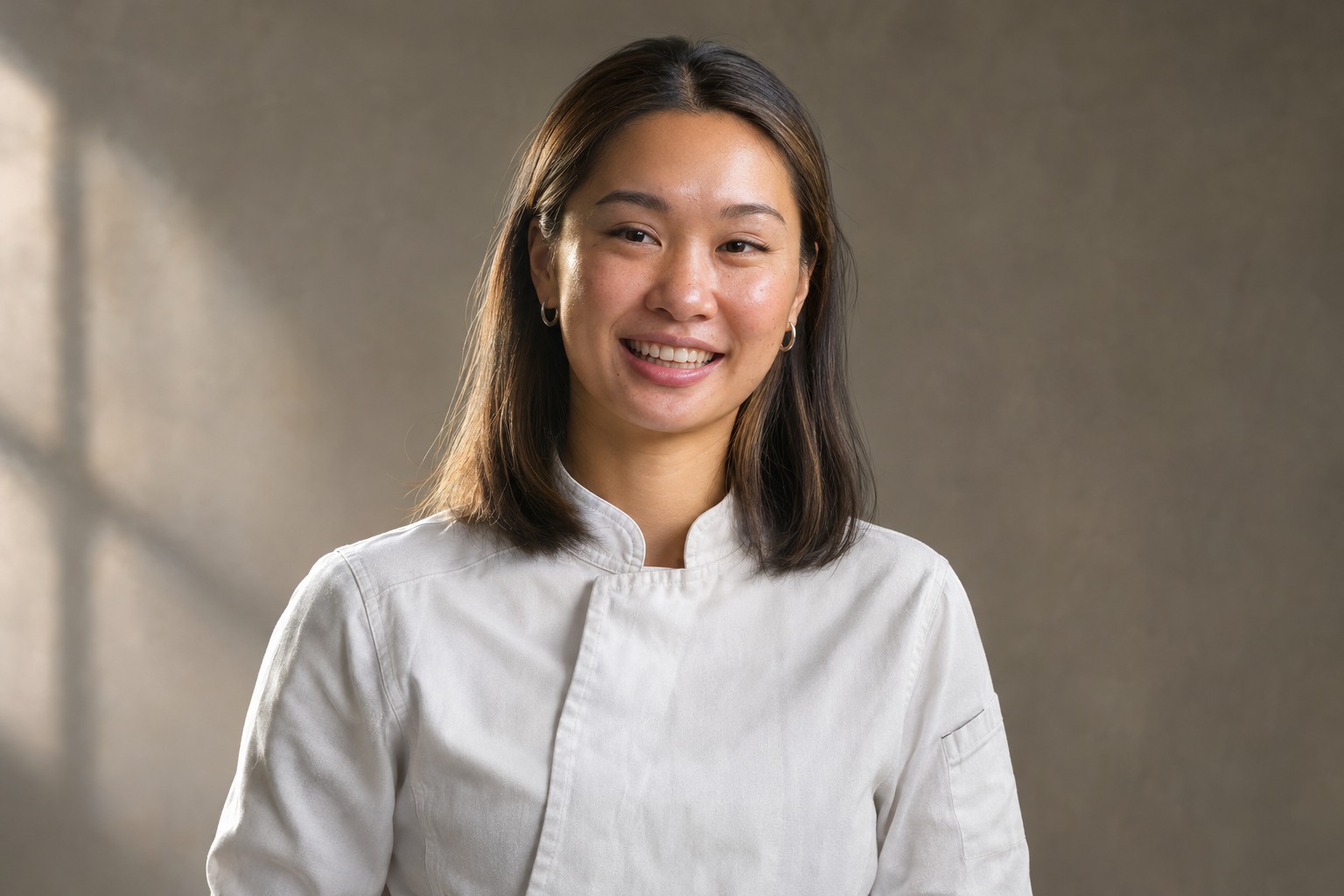
Baan Tepa · River prawn with herbs · Rice noodles with herbs
Chefs
Chudaree Debhakam
Chef Tam connects Thai ingredients, farming and family history at Baan Tepa, turning a house and garden into a place for exploring how food is grown, cooked and shared.
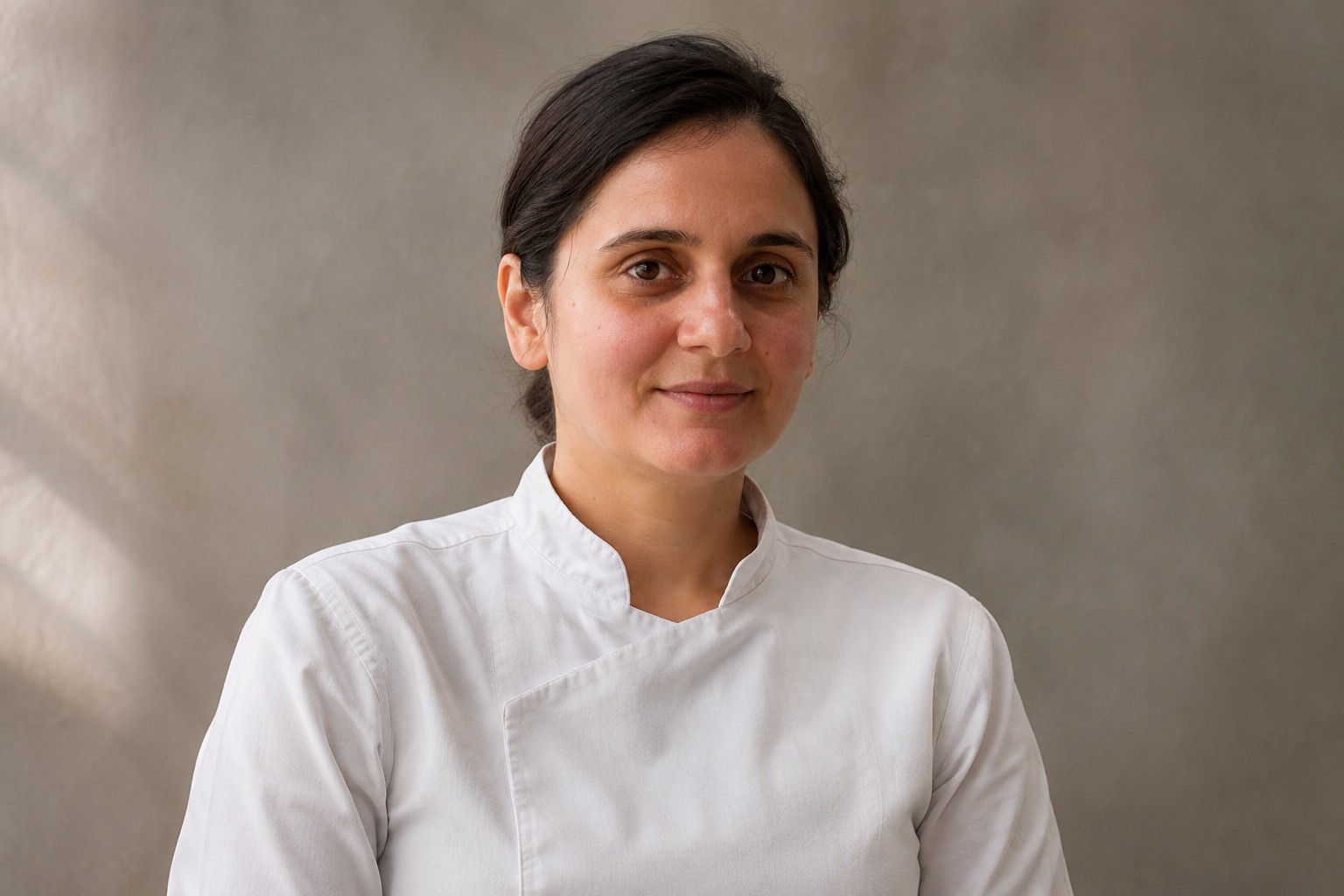
Gaa · Masala chai
Chefs
Garima Arora
Garima Arora explores contemporary Indian cooking at Gaa in Bangkok, drawing on Indian techniques, local ingredients and the pleasures of a shared meal or an afternoon chai.