Restaurant
POTONG
MICHELIN 1Chef Pam brings her Thai-Chinese family story to POTONG, where a restored Chinatown shophouse connects layered flavours, personal memories and contemporary cooking.

Chef Pam brings her Thai-Chinese family story to POTONG, where a restored Chinatown shophouse connects layered flavours, personal memories and contemporary cooking.
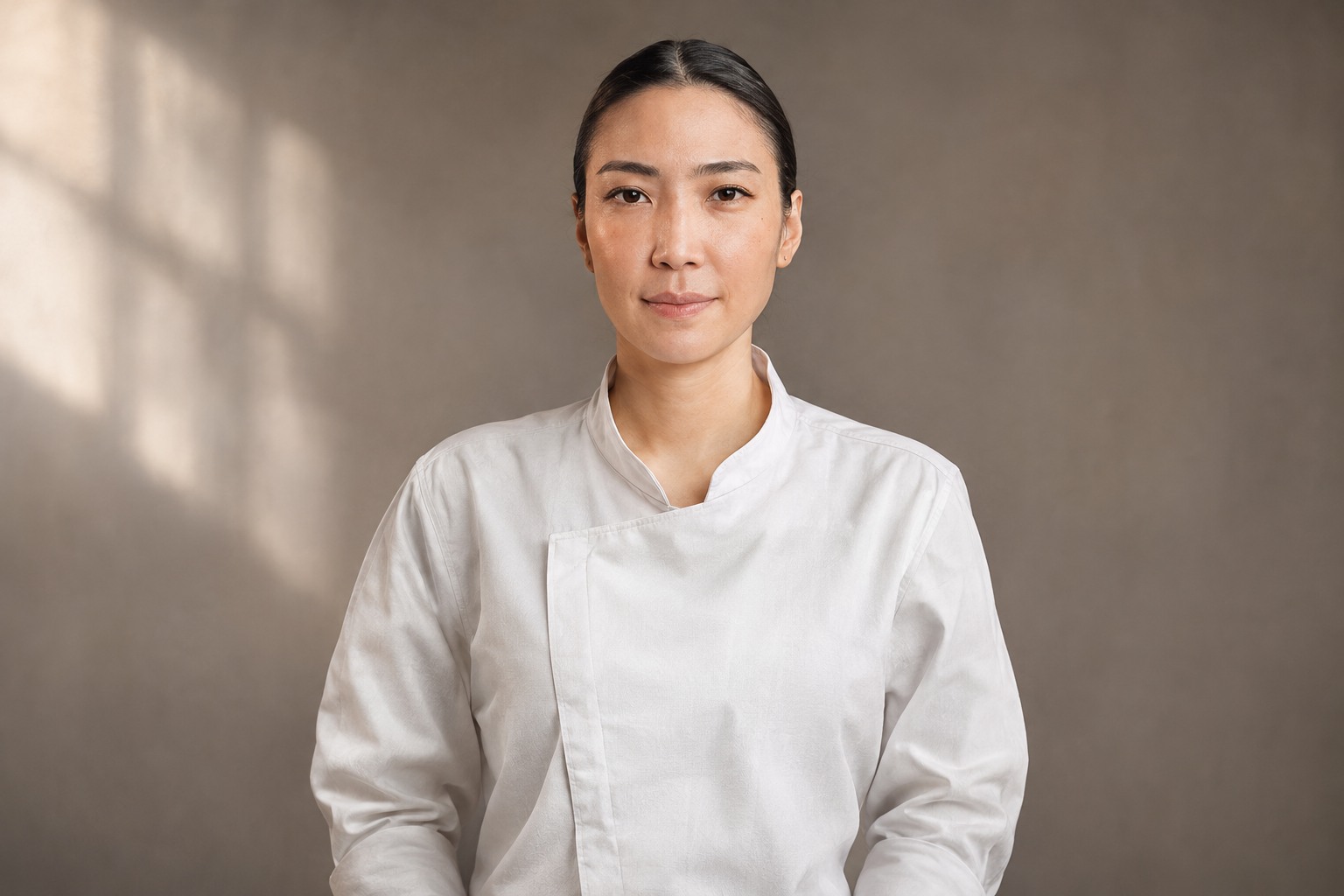
Pichaya Soontornyanakij, known as Chef Pam, grew up in Bangkok with Thai, Chinese and Australian family connections. Her experience includes work at Jean-Georges in the United States before returning to Thailand. At POTONG, that wider training meets a particularly personal setting: the building once held her family’s Chinese herbal medicine business. She received Asia’s Best Female Chef award in 2024 and the corresponding world award in 2025. The restaurant also entered the World’s 50 Best Restaurants list at number thirteen in 2025.
The five-storey Sino-Portuguese shophouse dates from 1910 and carries the history of four generations. The family reclaimed the property in 2018, followed by design work and renovation. POTONG opened in September 2021 after the disruption of the pandemic. Its rooms connect a Chinatown address with family objects, memories and a new restaurant experience. The upstairs Opium Bar is another part of the building’s life, with its own drinks offering. The setting adds context to the food without turning the chef’s family history into a static display.
Pam describes five guiding elements: salt, acid, spice, texture and the Maillard reaction. They draw attention to how a dish develops in the mouth, from initial seasoning to the contrast between soft and crisp parts. Browning provides another layer of aroma and flavour. This framework gives diners a way to explore the menu beyond identifying a single main ingredient. It also connects Thai-Chinese cooking with the practical work of fermenting, ageing, cooking and assembling the different components of a plate.
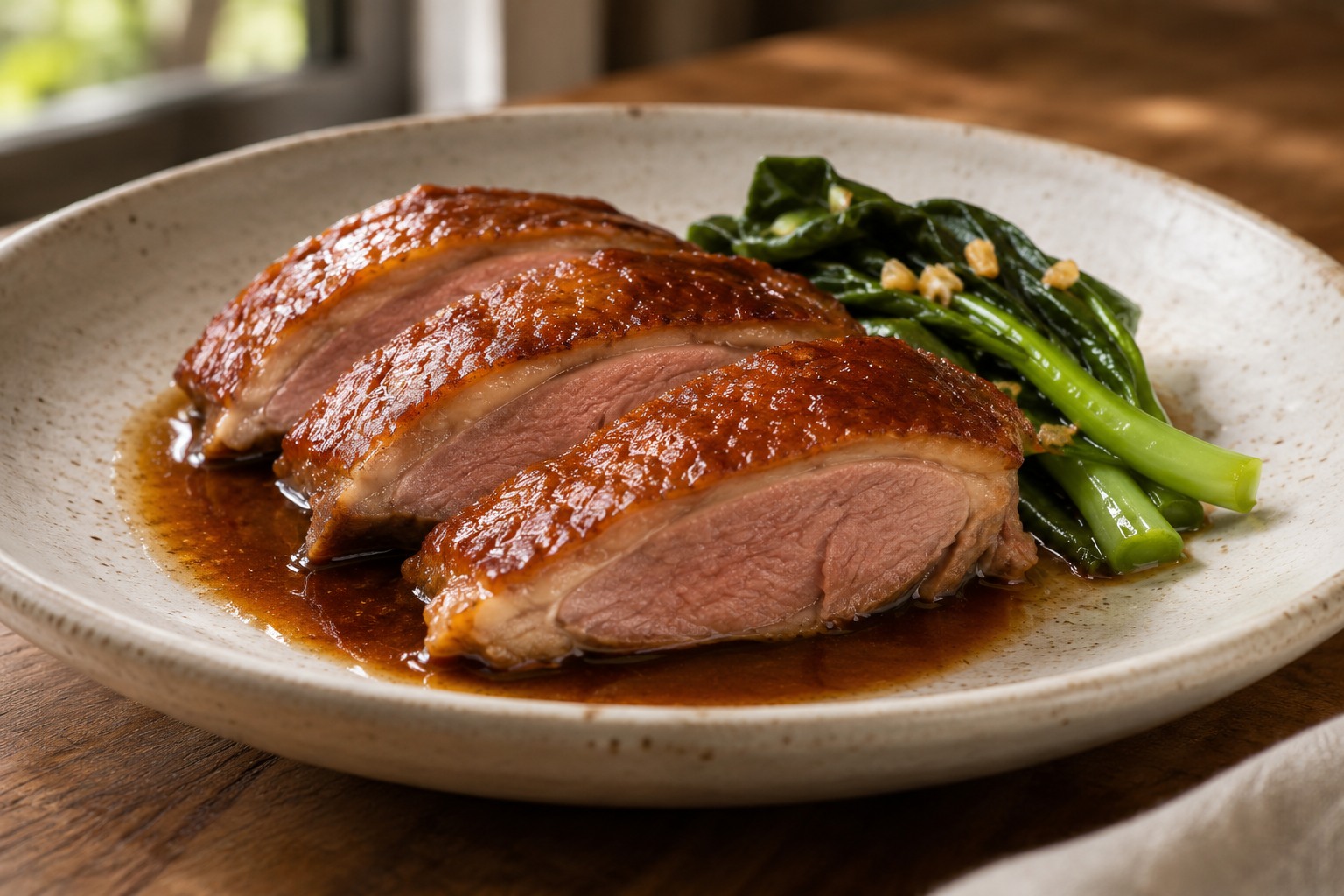
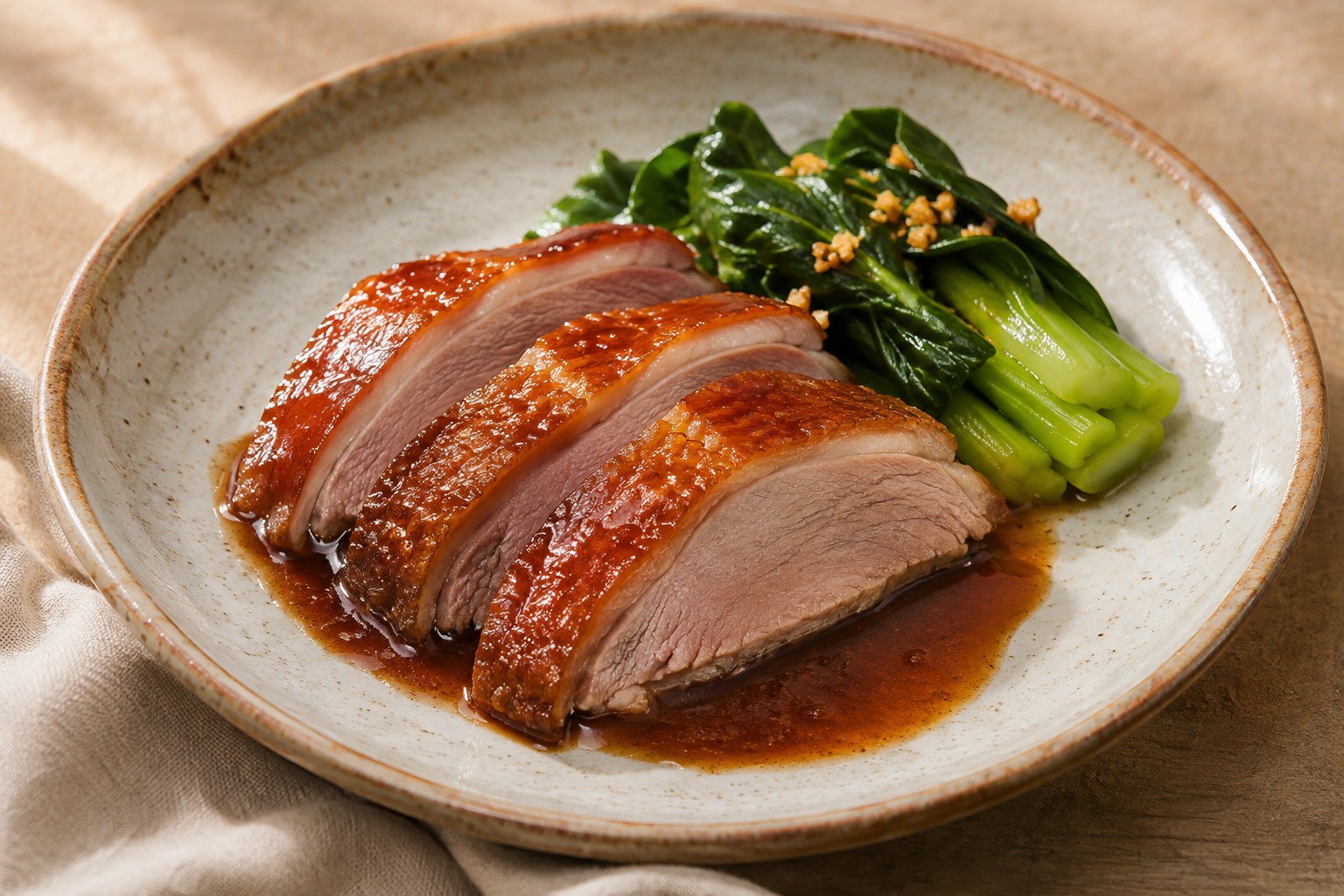
Aged duck is closely associated with POTONG; the restaurant profile describes a fourteen-day ageing process. Another film follows an intricate interpretation of pad Thai, showing how a familiar dish can become a more elaborate preparation. Pandan, peanuts and tamarind appear in a bonbon example described by the World’s 50 Best Restaurants. These different formats show how savoury depth, acidity, fragrance and texture can carry through a meal. The early official film offers a historical introduction to the restaurant, while later visits show its developing service.
POTONG is at 422 Vanich 1 Road, Samphanthawong, Bangkok 10100. The official contact page lists +66 82 979 3950 and provides current reservation information. Book through the restaurant’s own channels and discuss any dietary requirements before committing to a tasting menu. The contact details in early opening films are historical, so use the current site for planning. The map below identifies the restaurant’s Chinatown building; a visit to the upstairs bar should be checked against its own availability and booking information.
422 Vanich 1 Road, Samphanthawong, Bangkok 10100, Thailand
Alexander the Guest visits POTONG in 2025, exploring Chef Pam’s Thai-Chinese tasting menu and the restored family building in Bangkok’s Chinatown.
Chef Pam’s official 2021 introduction presents the family shophouse and the ideas behind POTONG before its opening. The film captures an early chapter of the restaurant.
Plating Art Media follows Chef Pam’s detailed pad Thai preparation at POTONG, focusing on the separate elements and the final assembly.
Chef Pam brings her Thai-Chinese family story to POTONG, where a restored Chinatown shophouse connects layered flavours, personal memories and contemporary cooking.