Skip to content
A world of local flavours
Language

Lebanon

History and food culture

Lebanese cooking joins Mediterranean coastal produce with mountain village traditions: olive oil, bulgur, pulses, citrus and generous fresh herbs. Shared Ottoman-era foodways, neighbourhood bakeries and emigrant communities carried this kitchen across the region and around the world.

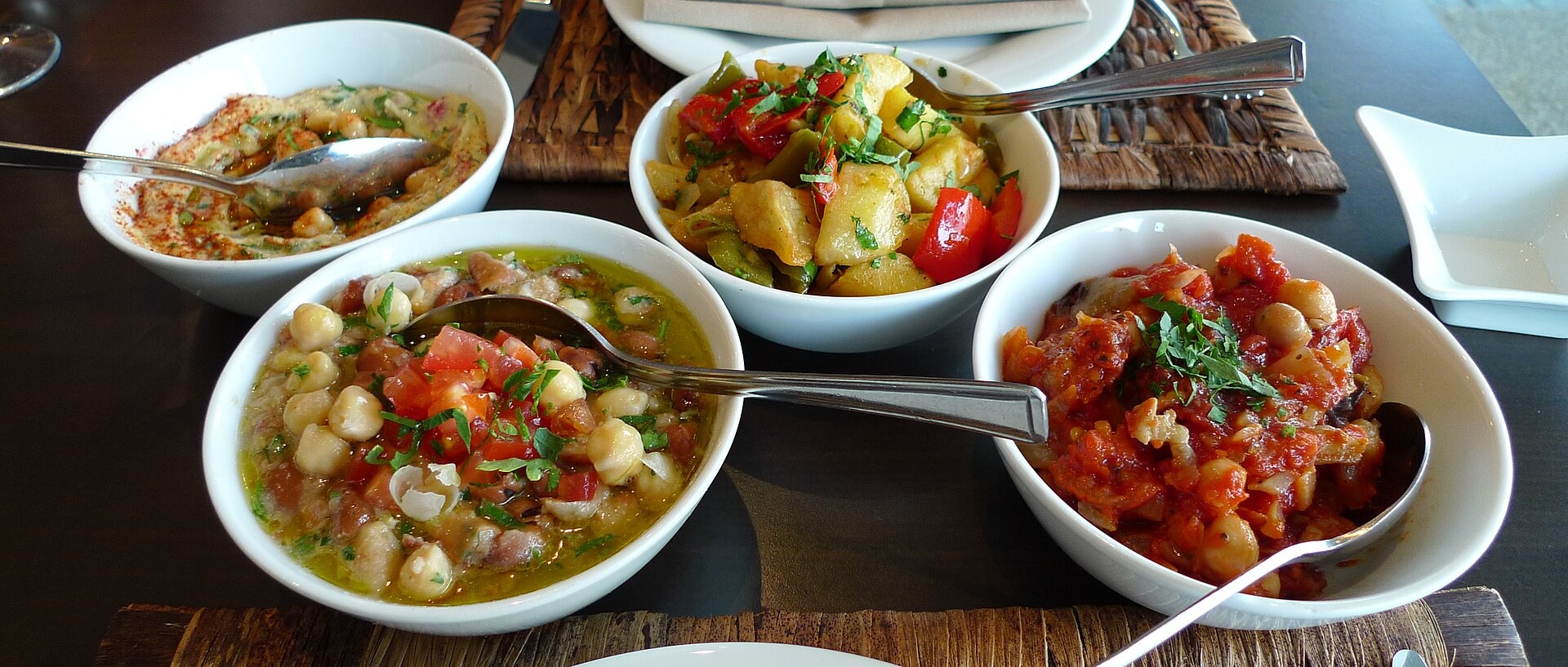
Mezze is more than a collection of small plates: hummus, tabbouleh, kibbeh and warm bread create a shared way of eating. Beirut moves from morning man’ousheh to pulse dishes and evening grills. Sumac, pomegranate molasses and lemon sharpen the rounded flavour of olive oil.

Chefs in this country

Aline Kamakian

Mayrig Beirut · Mante · Cherry kebab

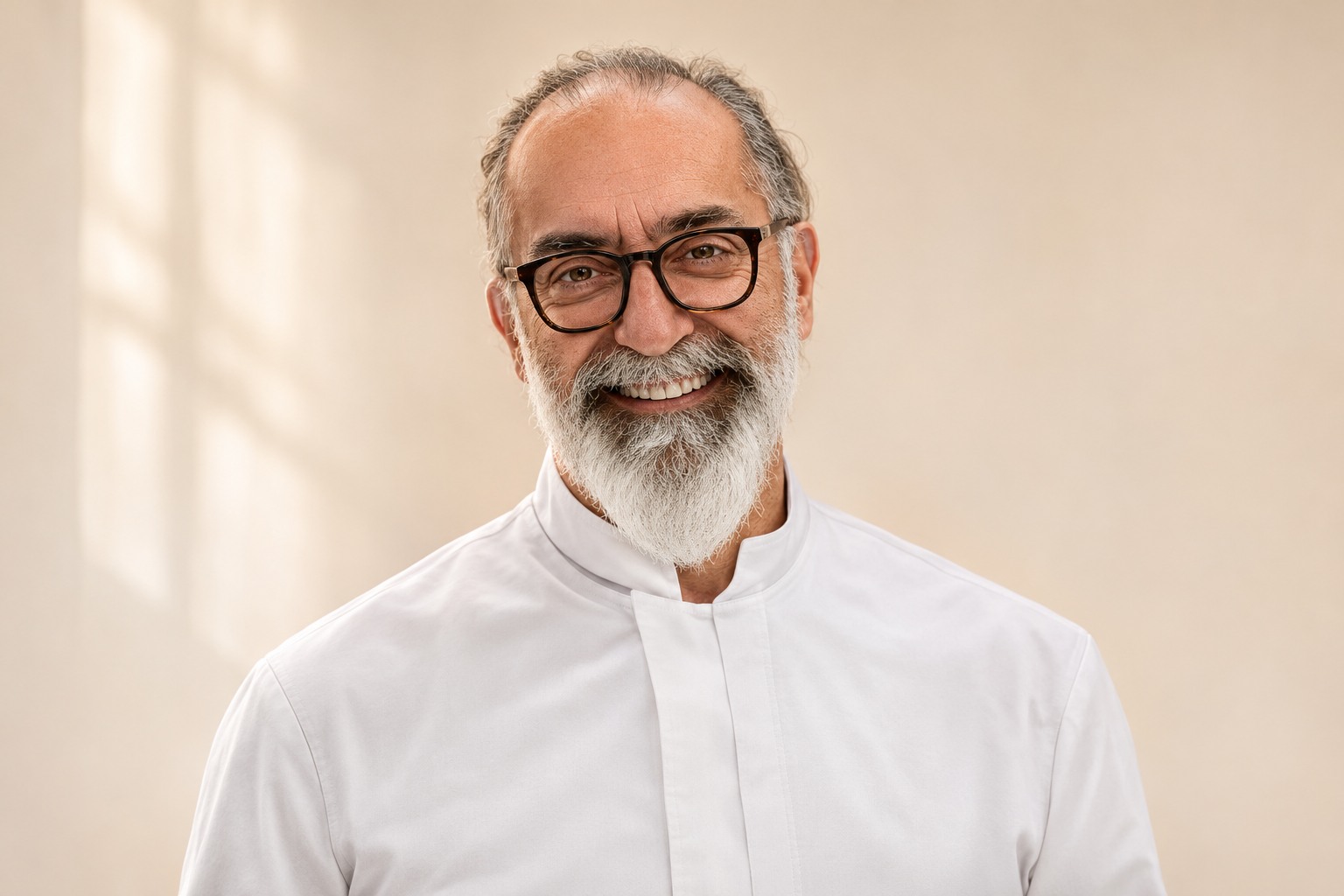
Aline Kamakian

Aline Kamakian shares Armenian family cooking through Mayrig, recipes and conversations. Her Beirut story joins a father’s restaurant dream, a mother’s food memories and a continuing commitment to feeding communities.
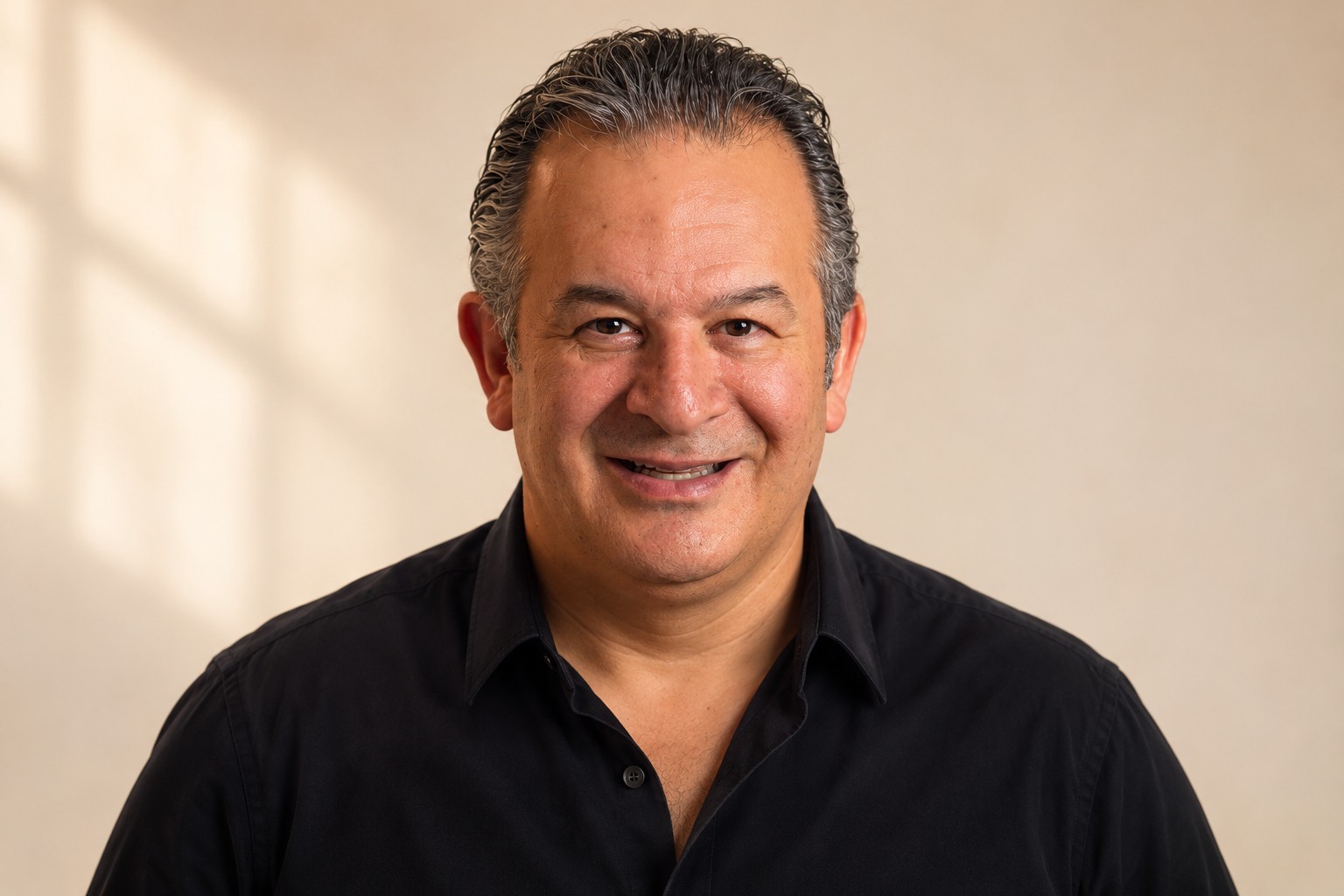
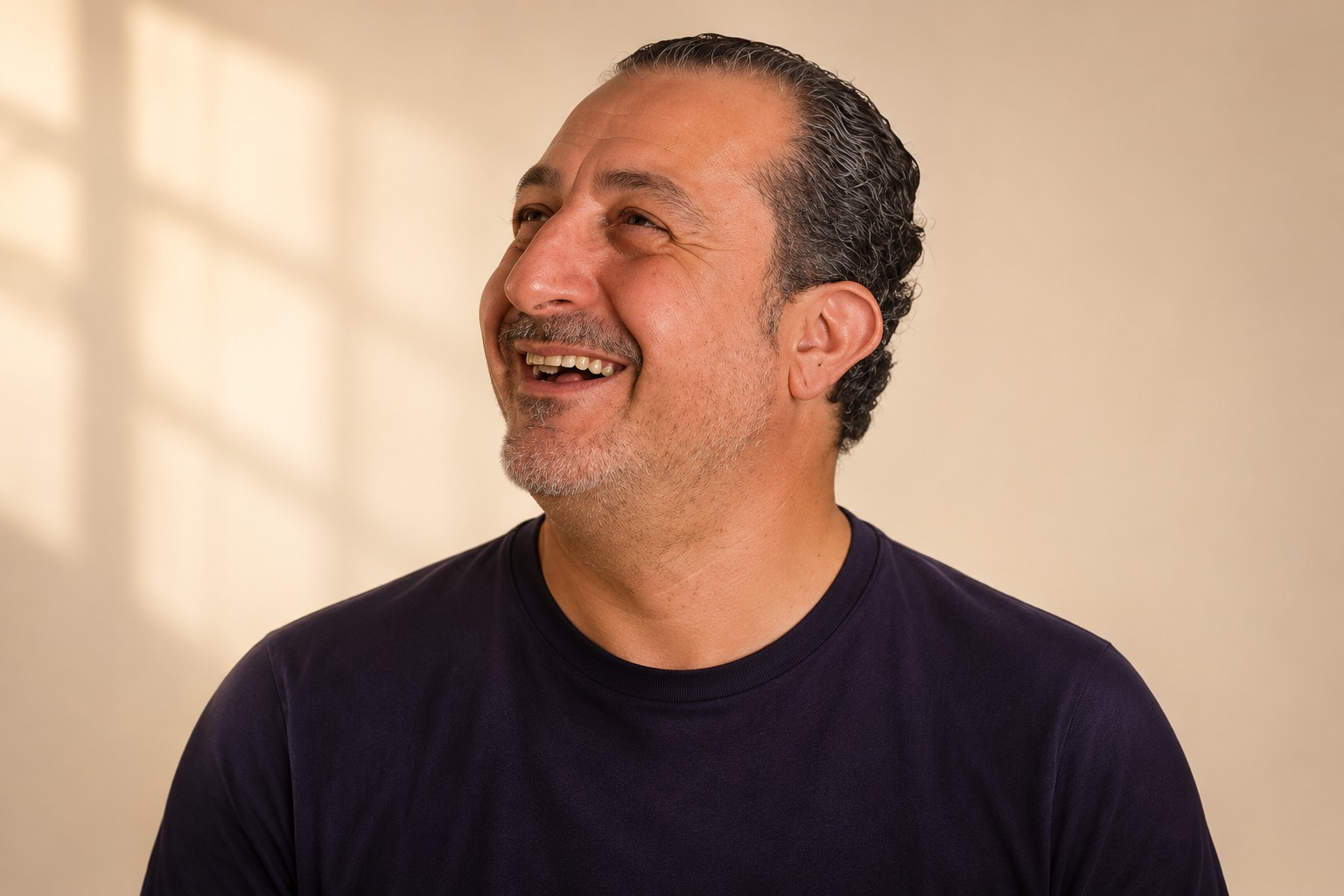
Hussein Hadid

Hussein Hadid Kitchen · Truffle risotto · Fresh pasta with herbs

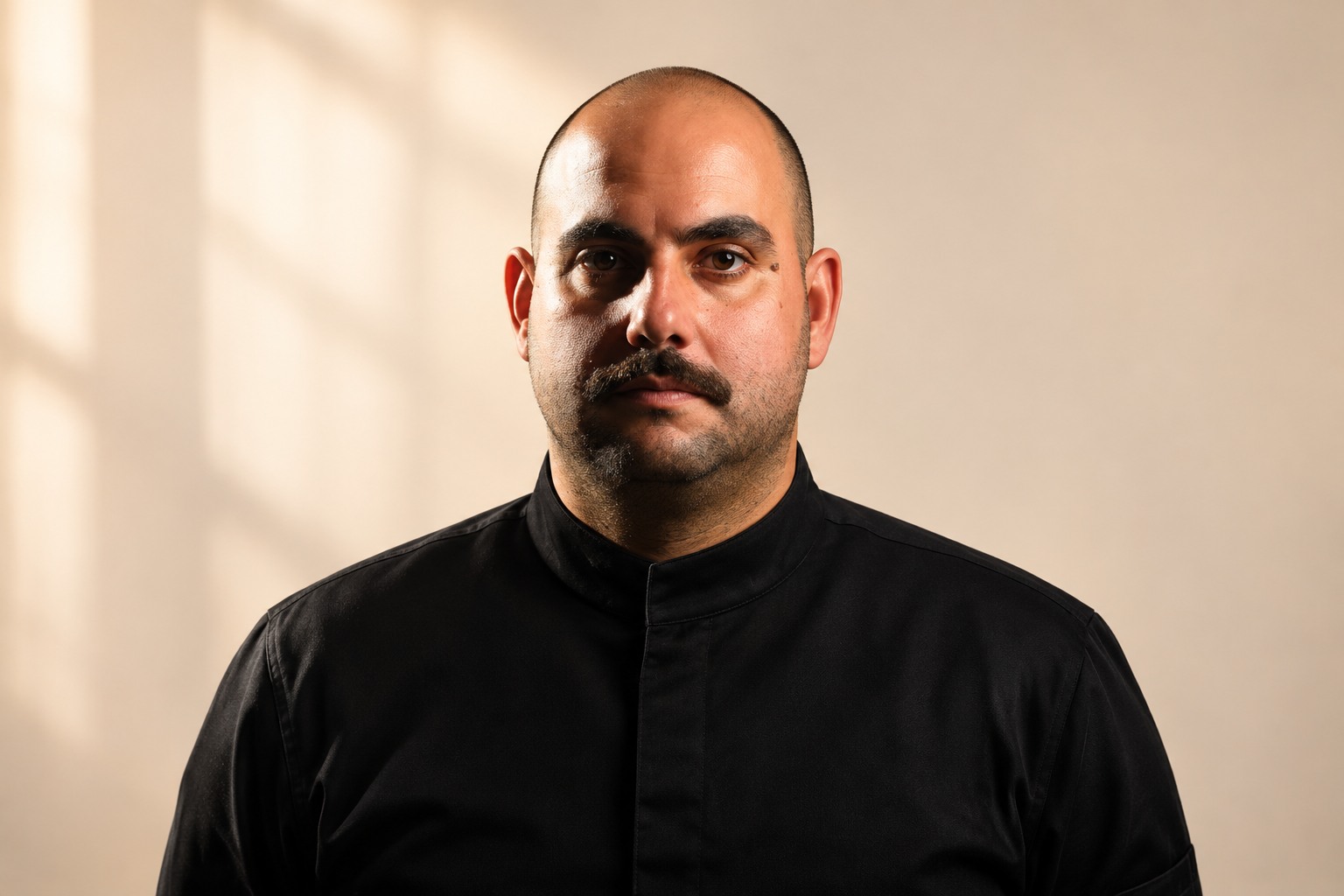
Hussein Hadid

Hussein Hadid’s Beirut kitchen combines private dining, catering and practical teaching. A career linking Middle Eastern roots with international training is expressed through carefully planned, shared meals.

Kamal Mouzawak

Tawlet Mar Mikhael · Tabbouleh · Courgette with tomato

Kamal Mouzawak

Kamal Mouzawak built Souk el Tayeb and Tawlet around producers and home cooks. His work gives Lebanon’s regional food traditions a shared table, with the people behind each dish at the centre.

Maroun Chedid

Ritage Garden · Walnut and potato kebbeh · Orange-blossom crème brûlée

Maroun Chedid

Maroun Chedid connects Lebanese produce with a broad Mediterranean repertoire. Ritage Garden, a cooking academy and his own recipes reveal different sides of a career built around ingredients and teaching.

Tarek Alameddine

Beihouse · Freekotta · Watermelon Experience

Tarek Alameddine

Tarek Alameddine brings foraging, preservation and fermentation into a contemporary Lebanese kitchen. At Beihouse, familiar ingredients meet techniques developed through work in Copenhagen, Cairo and Beirut.

Dishes

Hummus

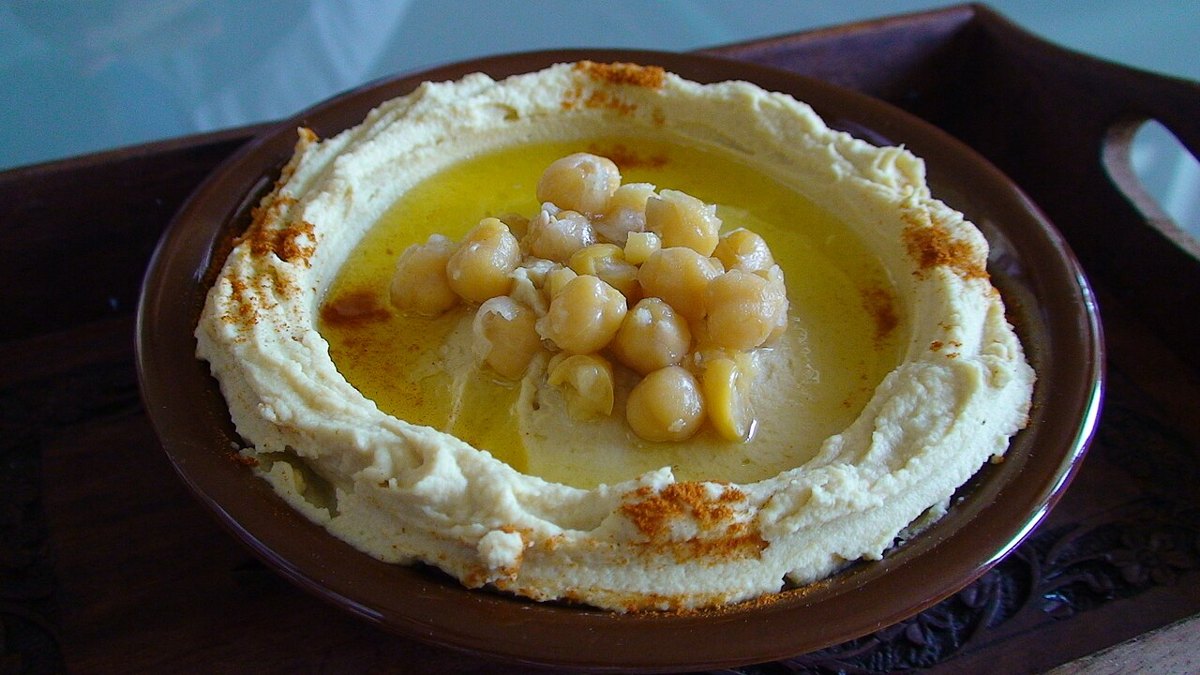
Hummus

A smooth mezze of chickpeas, tahini and lemon, shared across the Levant.

Tabbouleh

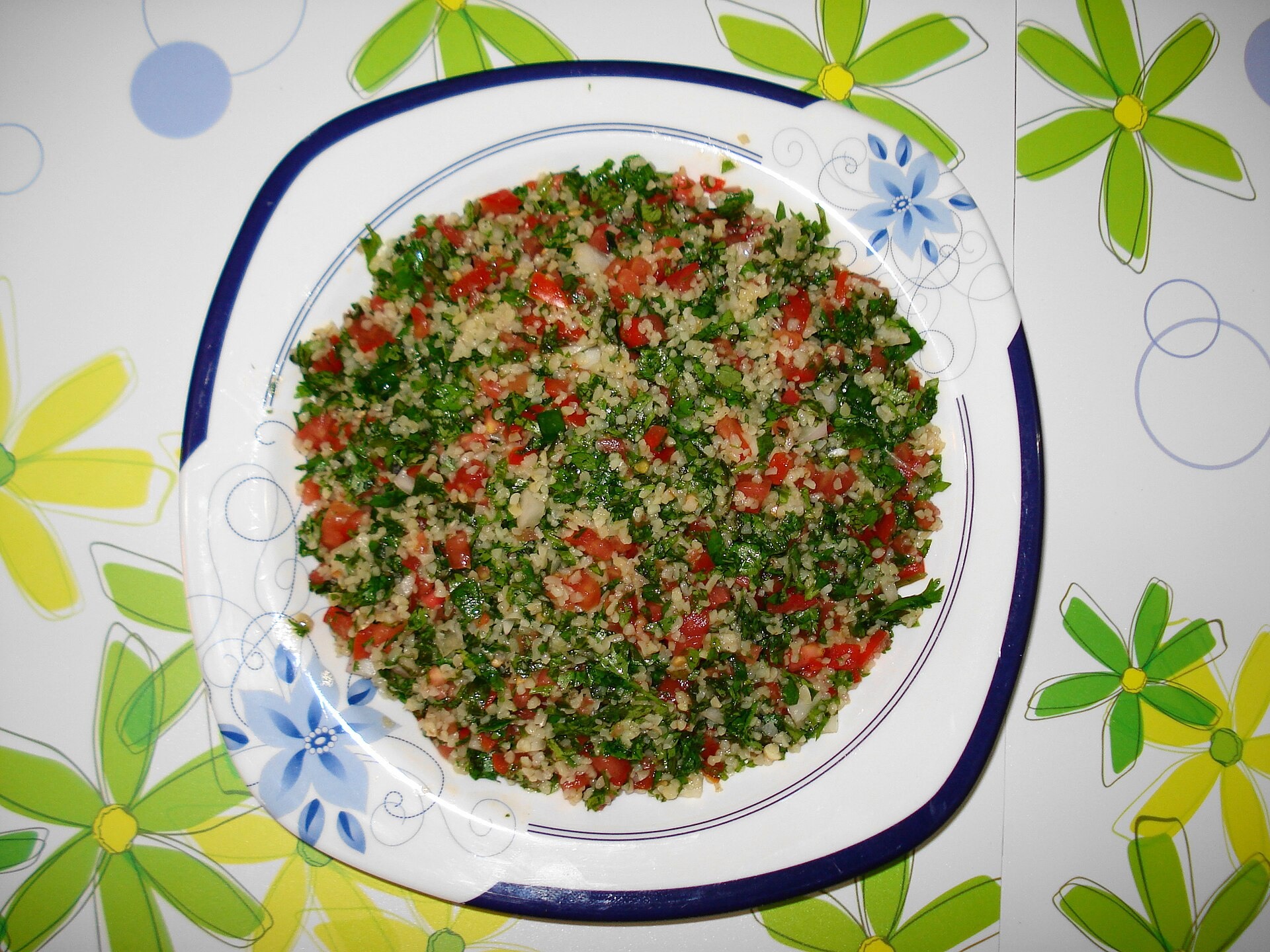
Tabbouleh

parsley, tomato, bulgur, mint — fresh, bright flavours, bright acidity.

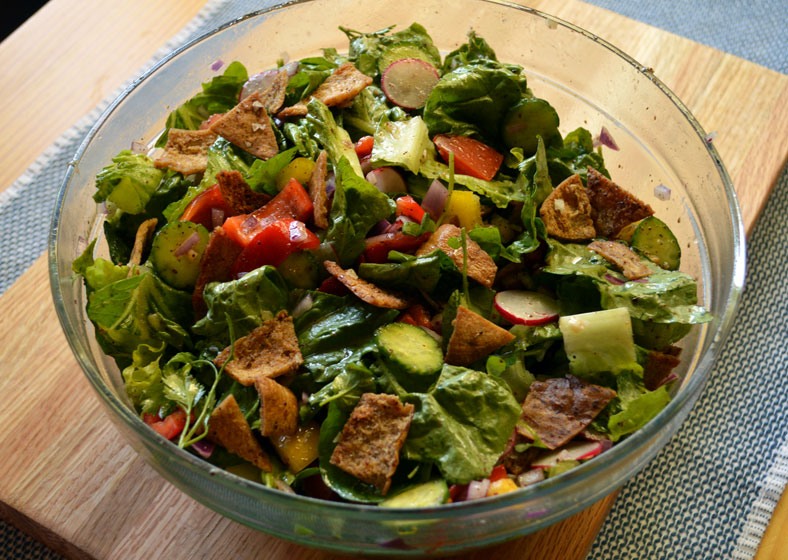
Fattoush

Fattoush

tomato, cucumber, lettuce, Pita — fresh, bright flavours, crisp surface.

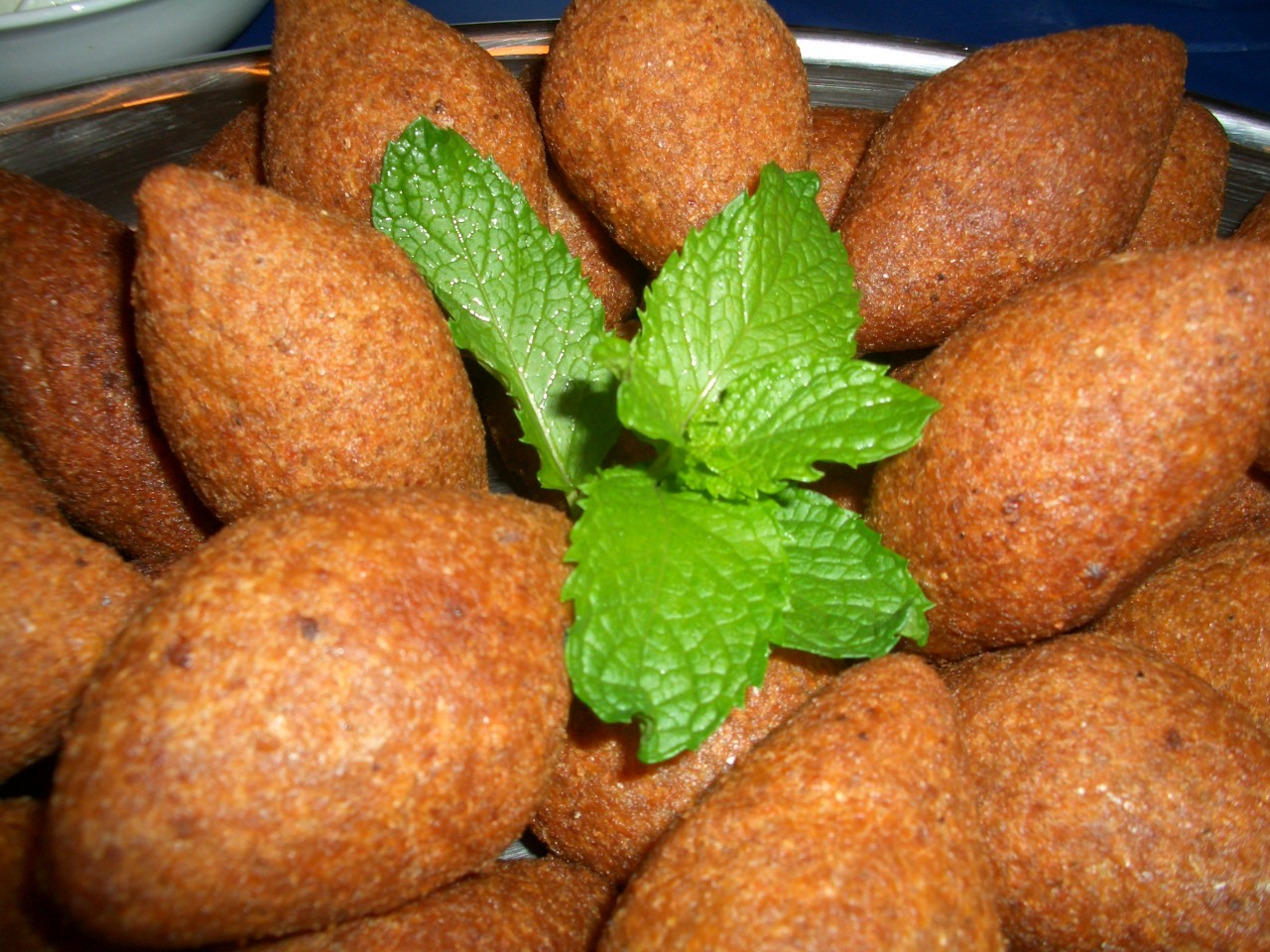
Kibbeh

Kibbeh

bulgur, lamb, onion, pine nuts — aromatic seasoning, crisp surface.

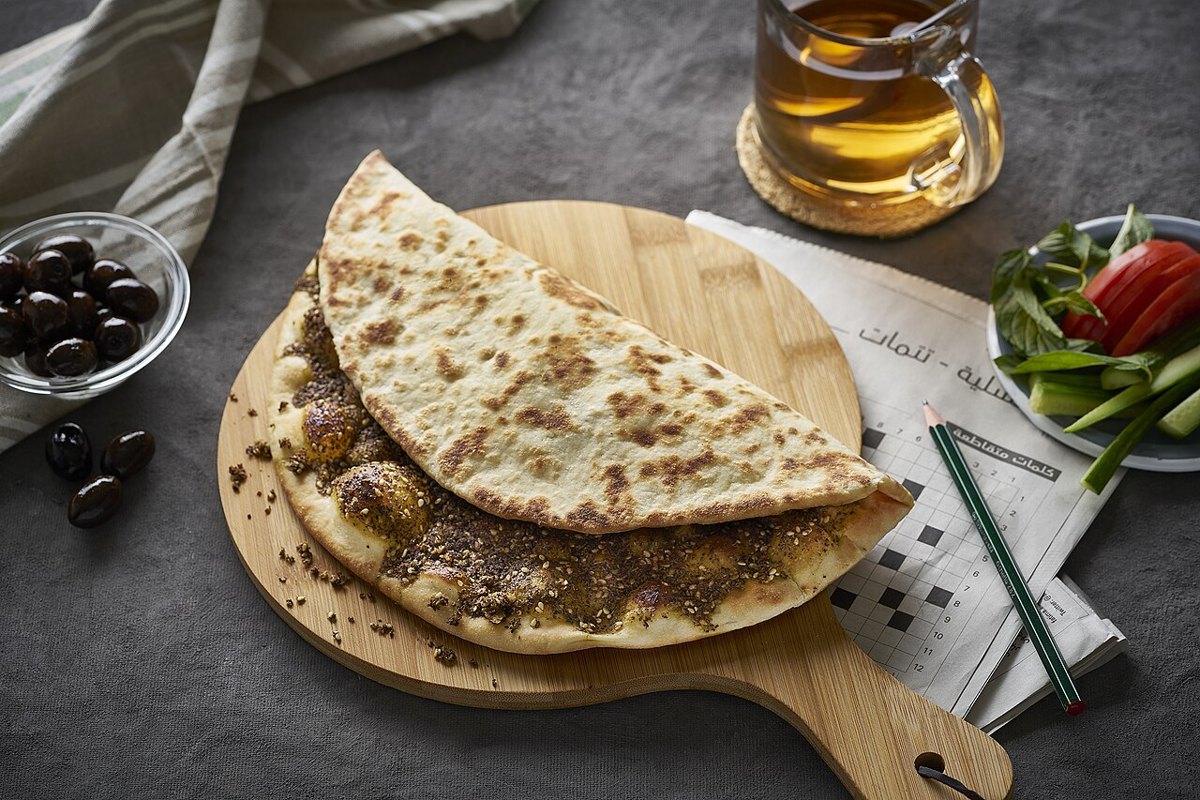
Man’oushe za’atar

Man’oushe za’atar

A baked flatbread finished with za’atar, cheese or other toppings. An important Lebanese breakfast tradition, with fillings and folding styles varying between bakeries.

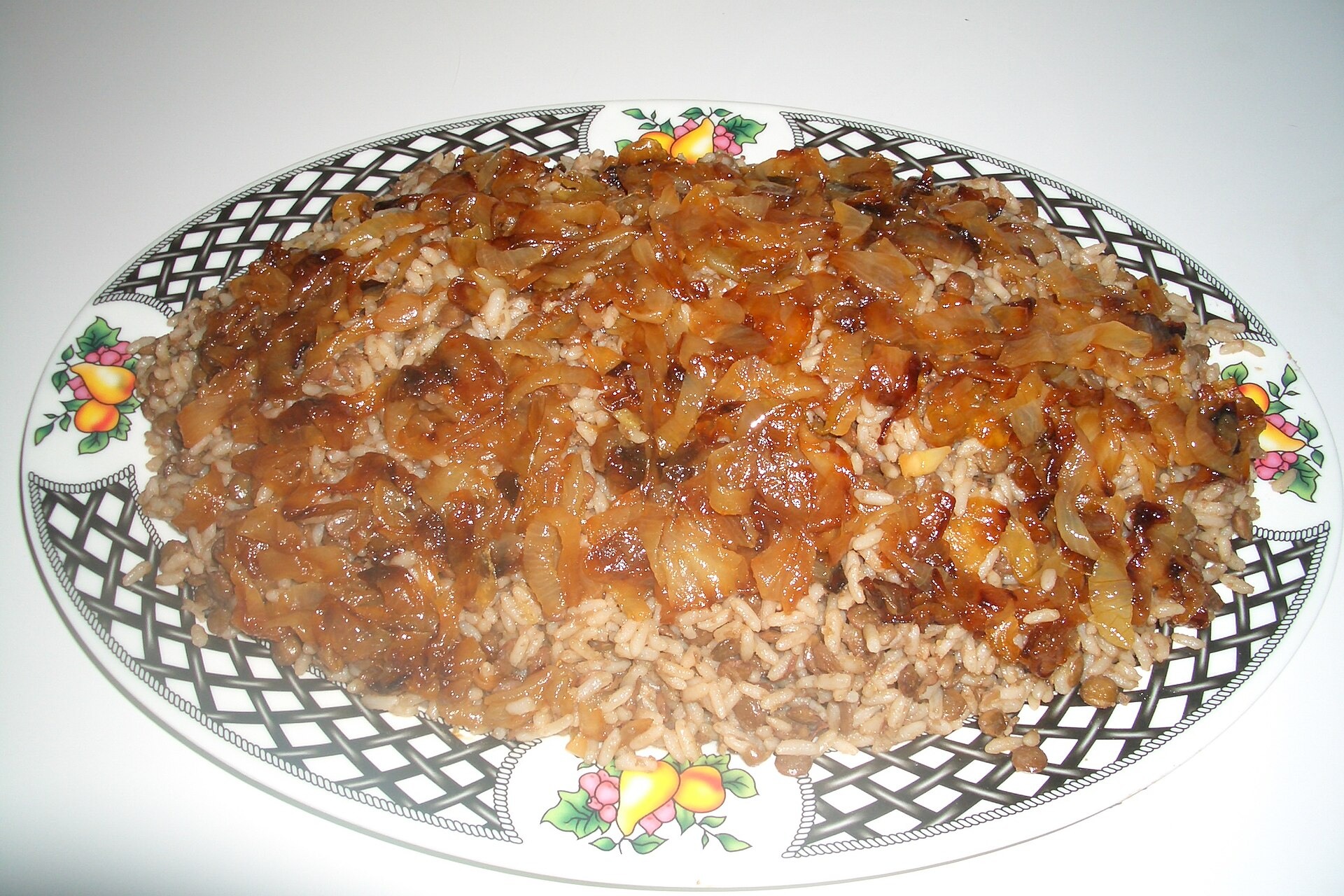
Mujadara

Mujadara

lentils, rice, onion, olive oil — earthy flavour, sweet and savoury.

Warak enab

Warak enab

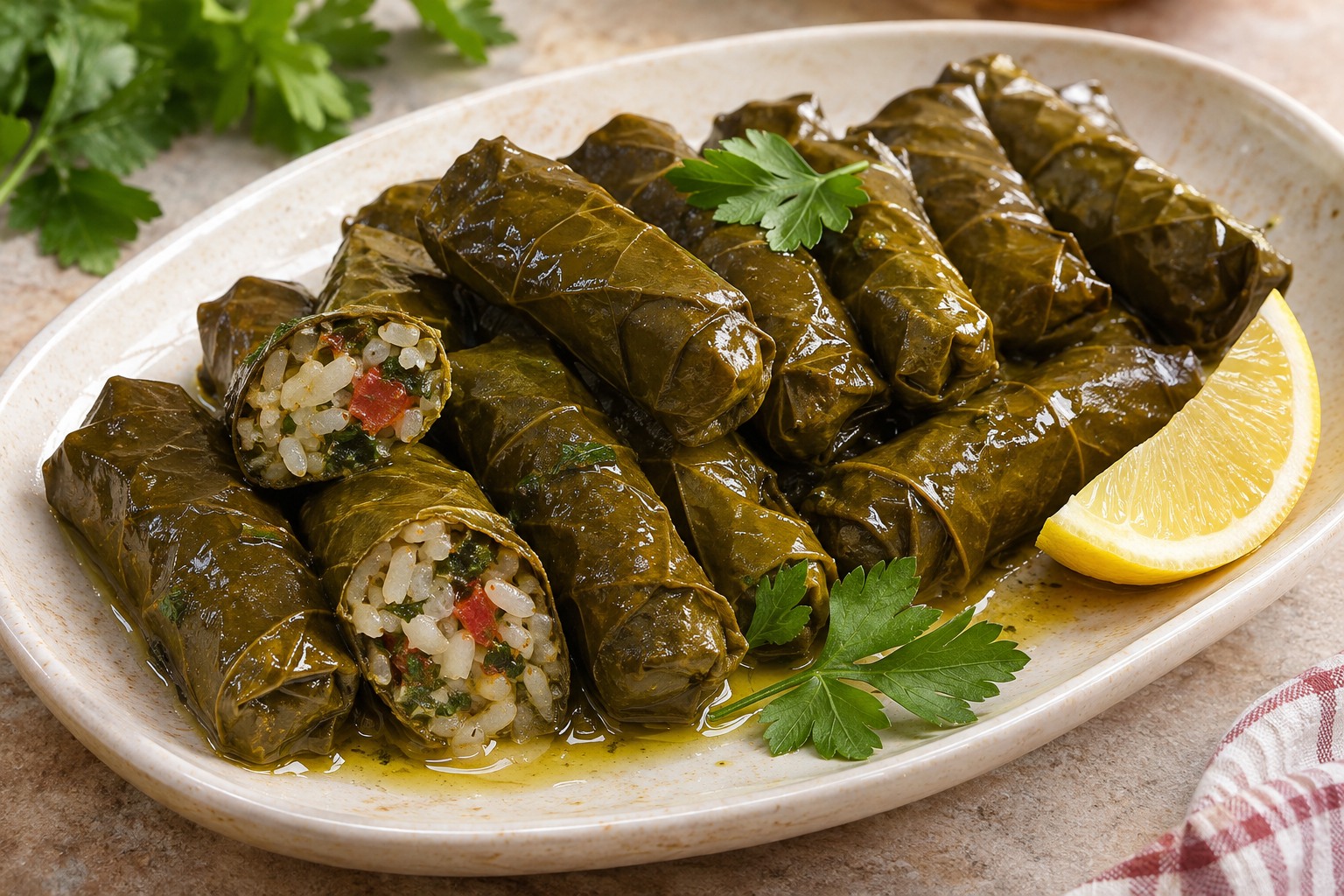
vine leaves, rice, parsley, tomato — bright acidity, fresh, bright flavours.

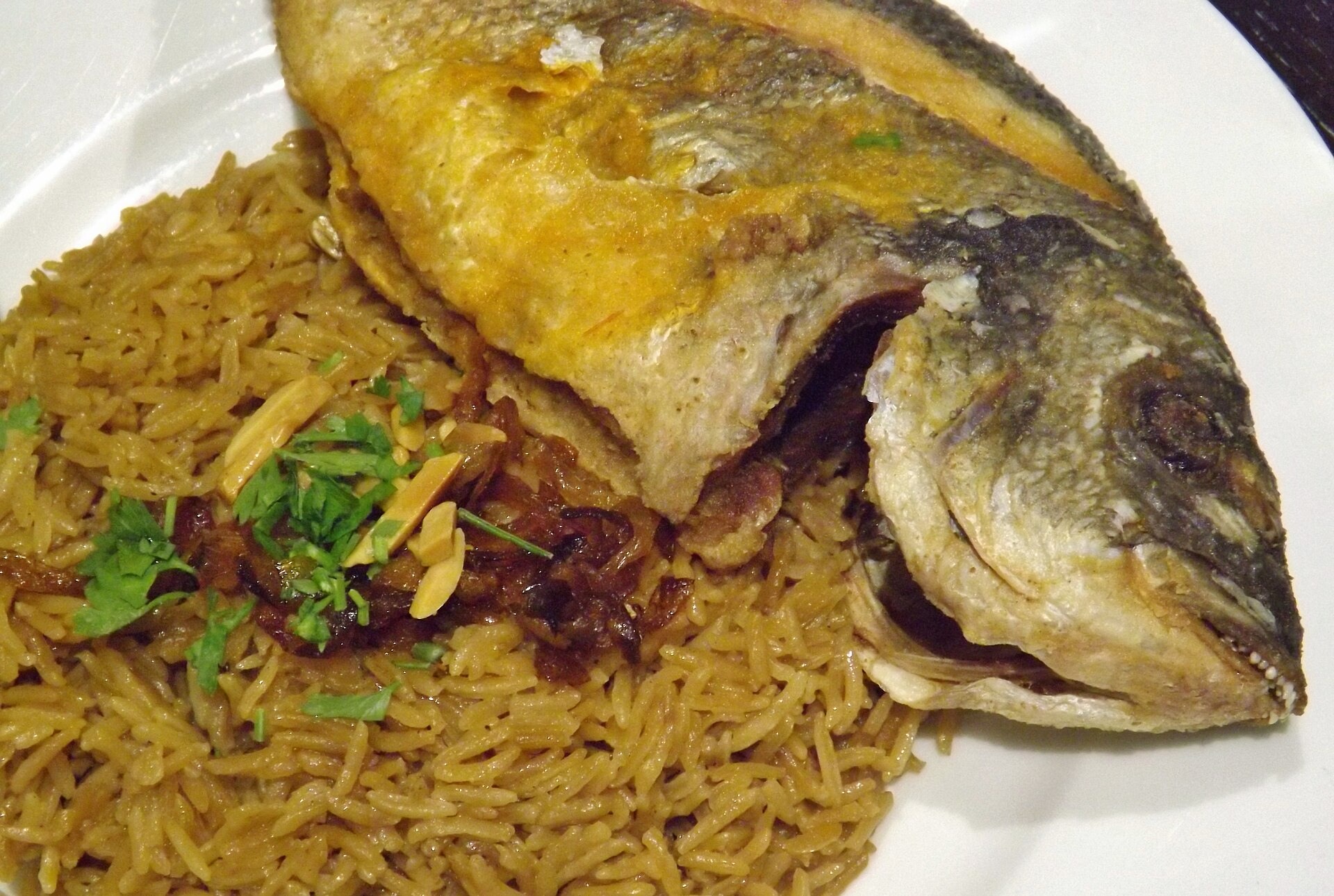
Sayadieh

Sayadieh

fish, rice, onion, spices — aromatic seasoning, sweet and savoury.

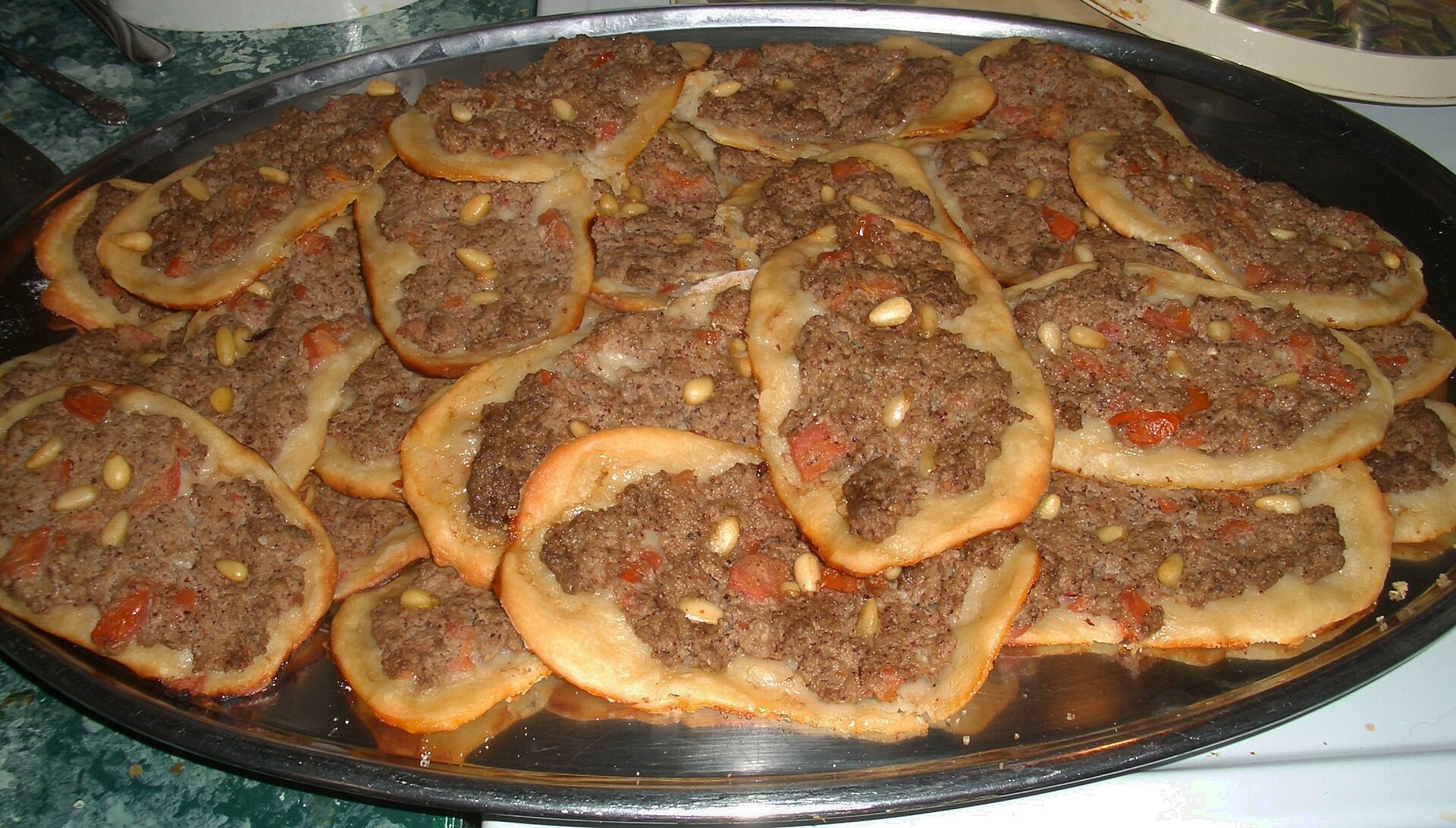
Sfiha

Sfiha

flour, lamb, tomato, onion — savoury, bright acidity.

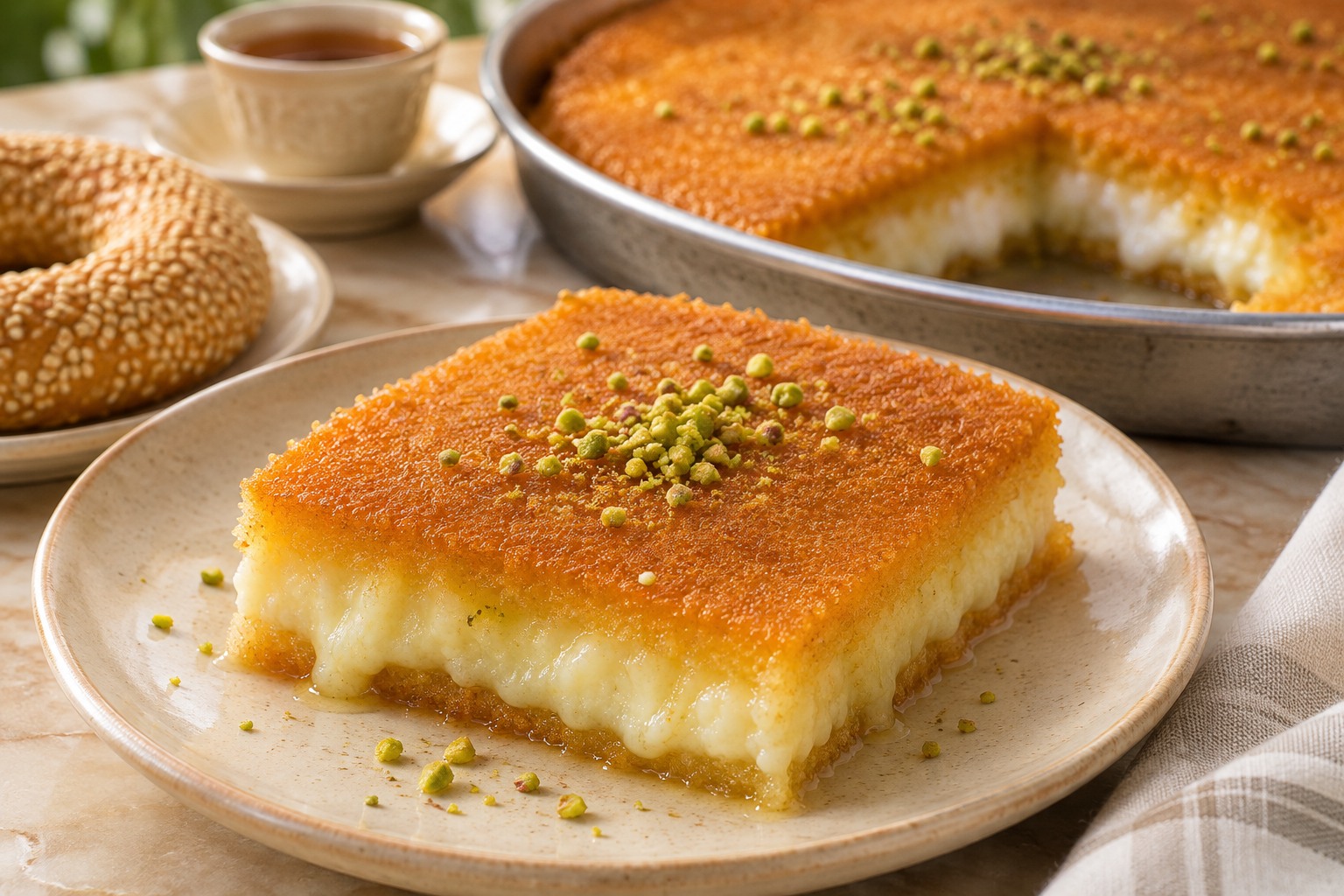
Knefeh

Knefeh

semolina, cheese, butter, sugar — tender centre, glazed surface.

Region

Beirut

Beirut

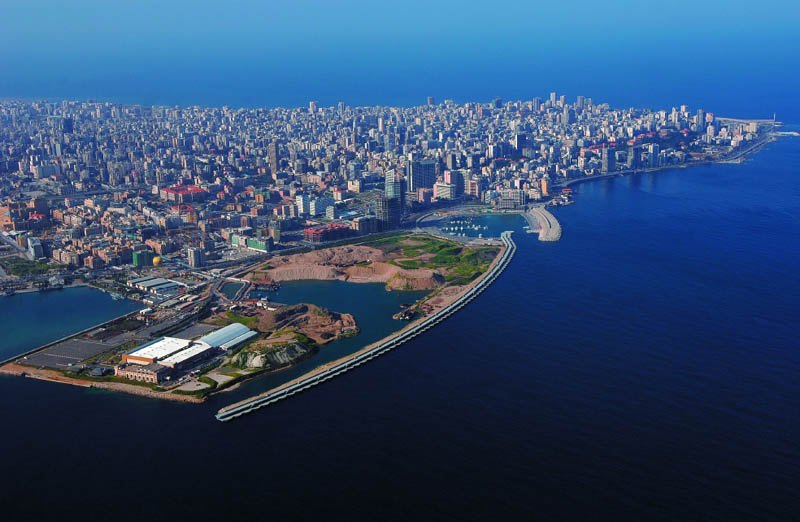
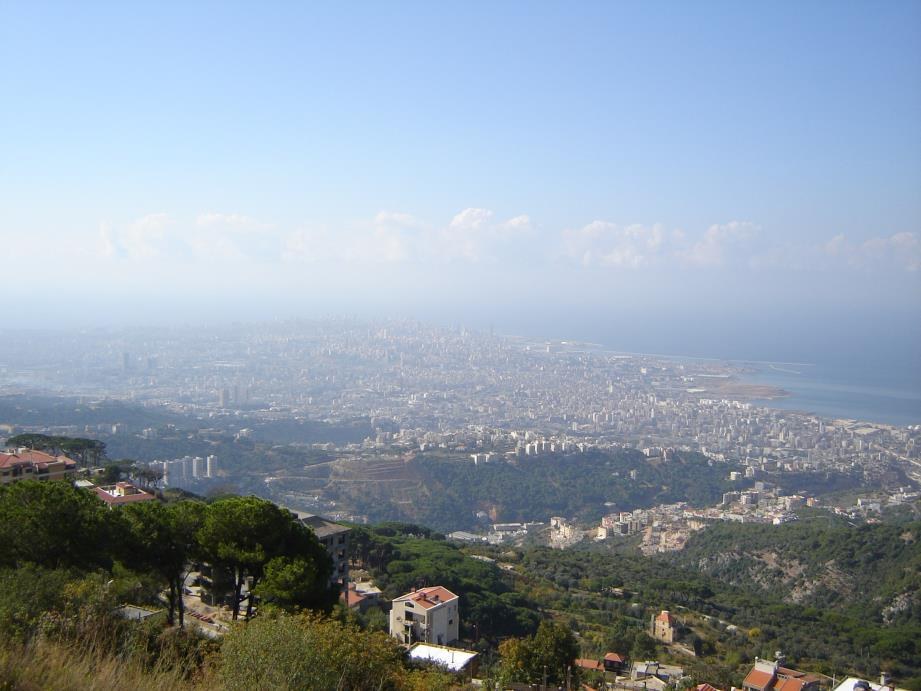
Beirut’s position as a Mediterranean port made it a meeting place for mountain produce, coastal fishing and successive communities. Bakeries, vegetable sellers and mezze restaurants preserve everyday cooking, while the city’s chefs also draw on Armenian, Levantine and wider international experience.

Cities

Beirut

Beirut

Mezze tables, man’oushe from the oven and coffee in Hamra. Explore Beirut through shared Levantine traditions, checking transport and venue conditions for the day of your visit.

Sources and editorial notes +