Restaurant
Tawlet Mar Mikhael
Kamal Mouzawak built Souk el Tayeb and Tawlet around producers and home cooks. His work gives Lebanon’s regional food traditions a shared table, with the people behind each dish at the centre.

Kamal Mouzawak built Souk el Tayeb and Tawlet around producers and home cooks. His work gives Lebanon’s regional food traditions a shared table, with the people behind each dish at the centre.
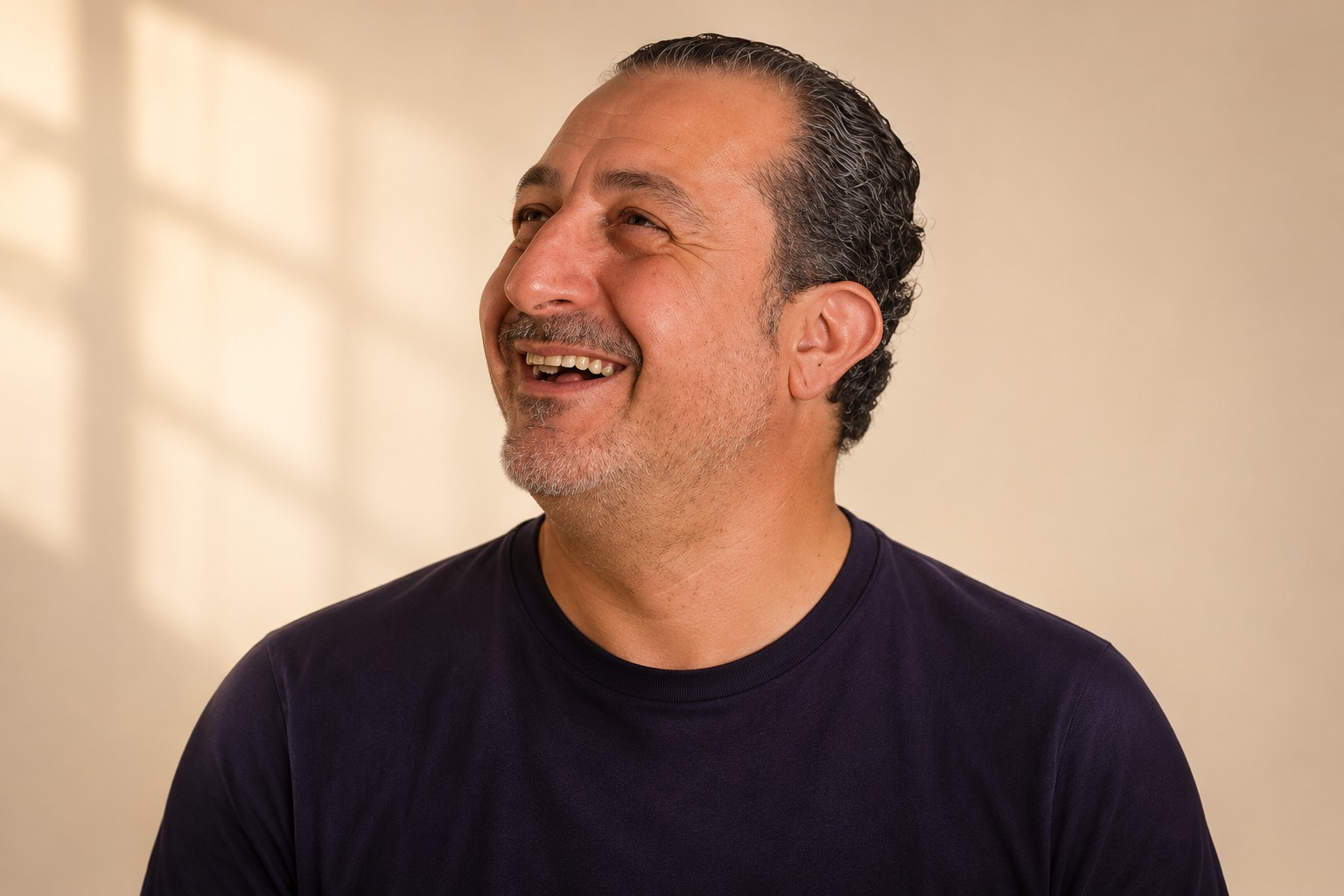
Born into a family of farmers and producers, Kamal Mouzawak grew up with ingredients close to their source. He studied graphic design before moving into travel and food writing, teaching and television cooking. Discovering Lebanon through its people and regional dishes shaped his next project. Rather than building a career around one signature tasting menu, he created settings where producers and cooks could tell their own stories through food.
Souk el Tayeb began in Beirut in 2004 as a producers’ market. Regional Food & Feast festivals followed in 2007, and Tawlet opened in 2009 as a farmers’ kitchen. The organisation connects small-scale producers with urban diners and supports the preservation of local food traditions. Christine Codsi joined the development of Tawlet. Its rotating cooks, many of them women from different Lebanese regions, make the meal a collective expression of place.
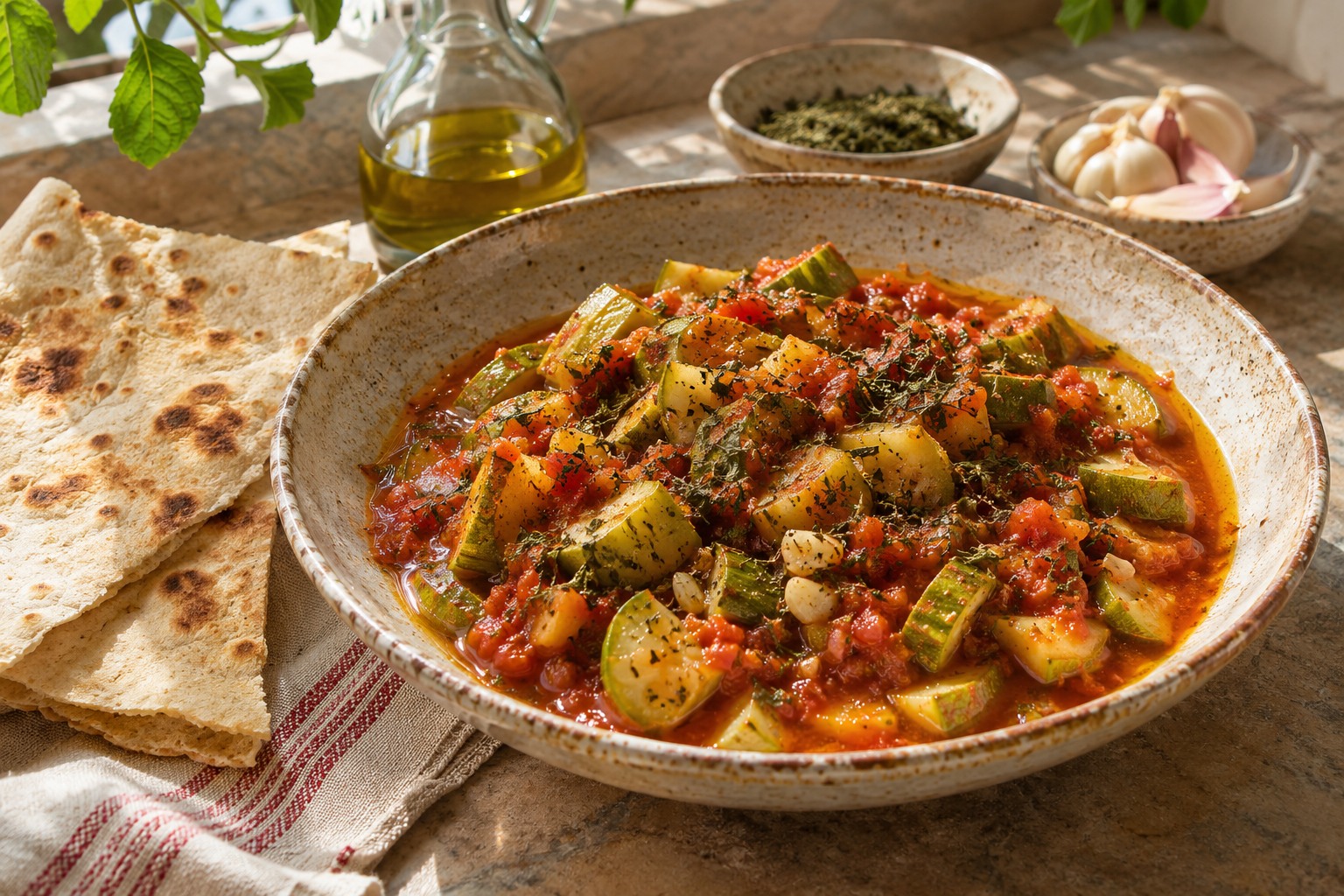
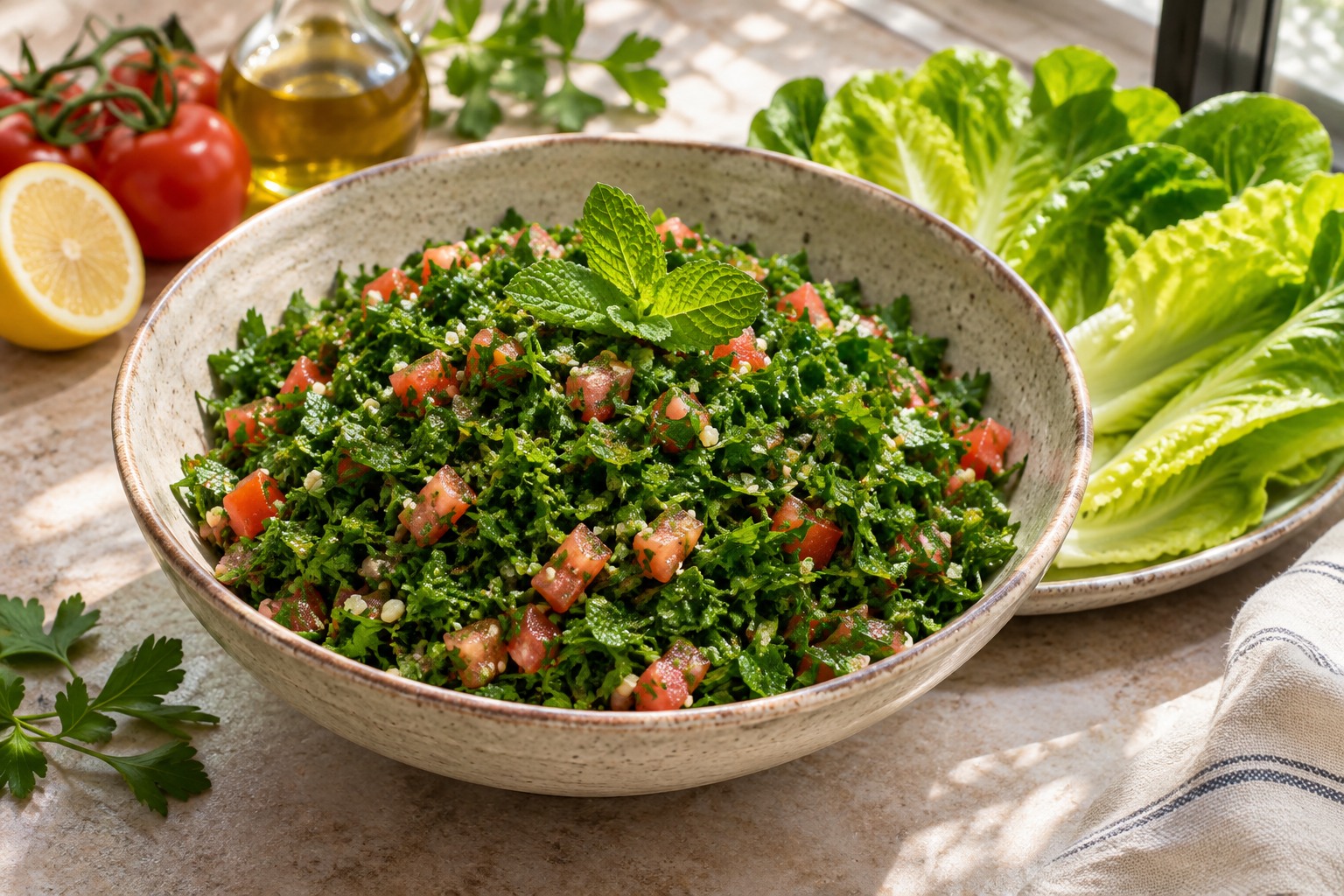
Tawlet’s repertoire changes with the cook and season. Documented examples include zucchini with tomato and dried mint, kibbeh in yogurt, lentil-and-bulgur dishes and orange-blossom milk pudding. Mouzawak’s conversations often return to tabbouleh: finely chopped parsley, tomato, mint, a little bulgur, lemon and olive oil. The point is to notice regional and household differences, then meet the people whose work keeps those differences alive.
Mouzawak received Middle East & North Africa’s 50 Best’s Icon Award in 2022. His 2012 TEDx talk explains how sharing food can connect communities, while the longer Sarde conversation discusses mouneh preserves, hospitality, tabbouleh and freekeh. The afikra discussion turns to producers, small businesses and cultural identity. A short 2013 Tawlet film provides an earlier view of the farmers’ kitchen and the voices it brings to the table.
The operator lists Tawlet Mar Mikhael on Armenia Street with +961 81 266 060; ask for the current weekly menu and service arrangements. Souk el Tayeb’s Saturday market is now listed separately at Jisr el Wati, Tohwita, on the organisation’s official links page. Use the relevant location for a restaurant meal or market visit. Tawlet Paris, Ammiq, Douma and Bakish are separate places, each with its own programme and cooks.
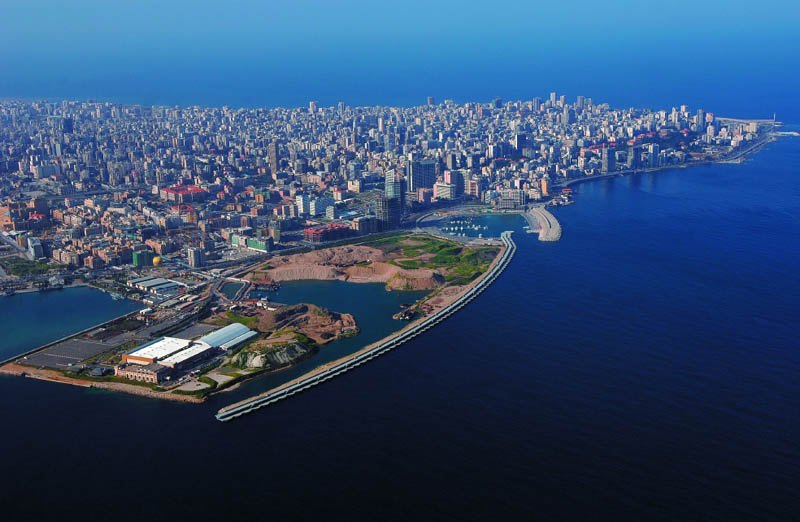
Armenia Street, Mar Mikhael, Beirut, Lebanon
Mouzawak discusses Lebanon’s regional food heritage, preserves, hospitality, tabbouleh and freekeh in this extended Sarde conversation.
In his 2012 TEDx talk, Mouzawak explains how a producers’ market and a shared kitchen can help bring communities together.
The afikra conversation explores Souk el Tayeb, small producers and the relationship between food, cultural identity and social enterprise.
This short 2013 film introduces Mouzawak and Tawlet’s rotating regional cooks, offering an early view of the farmers’ kitchen.
Kamal Mouzawak built Souk el Tayeb and Tawlet around producers and home cooks. His work gives Lebanon’s regional food traditions a shared table, with the people behind each dish at the centre.