Restaurant
Mi Xun Teahouse
Steven Tang explores plant-based Sichuan cooking at Mi Xun Teahouse. Mushrooms, seasonal vegetables and carefully chosen teas connect a quiet Chengdu courtyard with the region’s farms and flavours.

Steven Tang explores plant-based Sichuan cooking at Mi Xun Teahouse. Mushrooms, seasonal vegetables and carefully chosen teas connect a quiet Chengdu courtyard with the region’s farms and flavours.
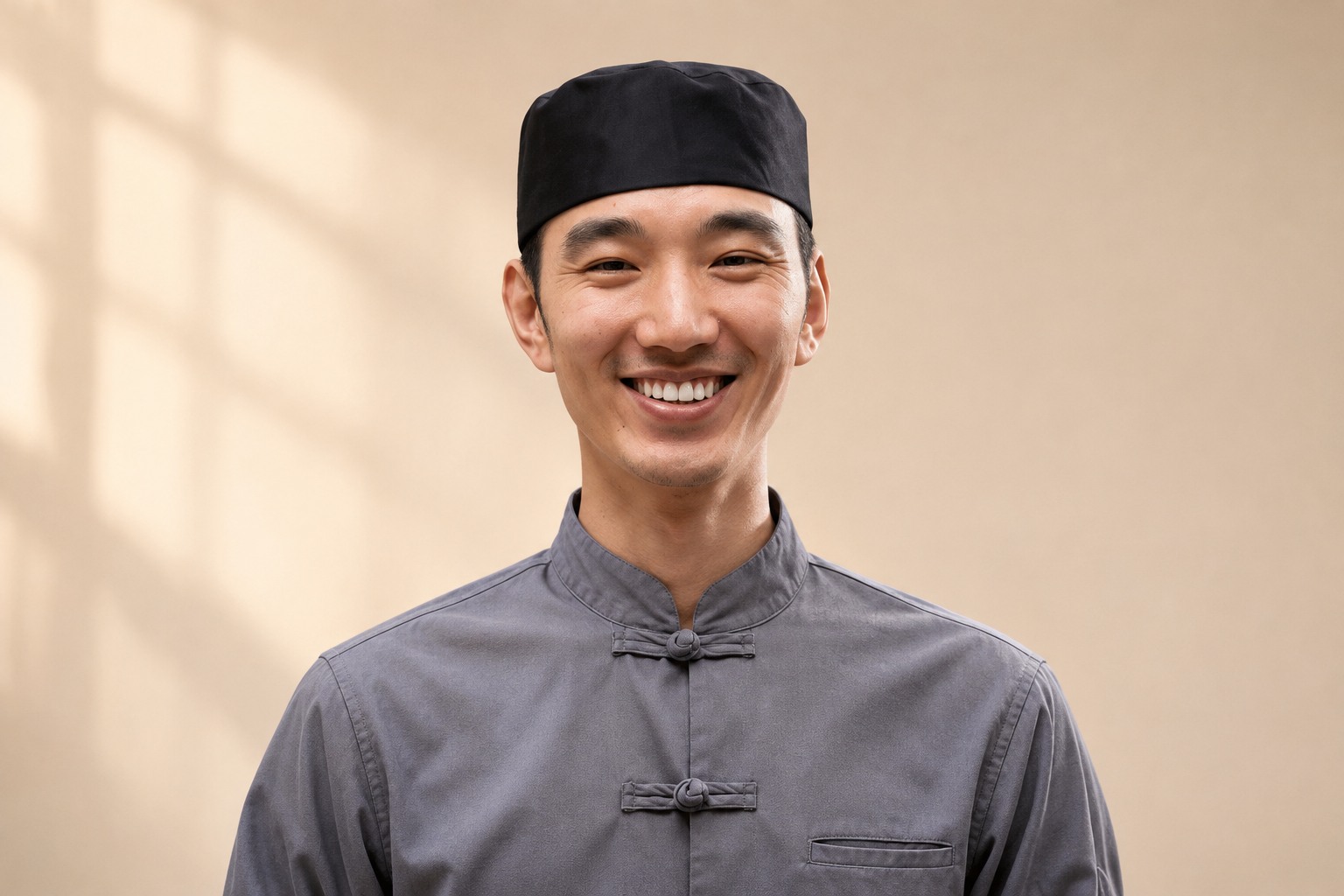
Steven Tang is chef de cuisine at Mi Xun Teahouse in Upper House Chengdu, formerly The Temple House. His public conversation with The Set Collection focuses on the connection between Sichuan cooking, local ingredients and a vegetarian menu. He describes learning from the region and admires Lan Guijun’s approach. His work shows how the character of a cuisine can remain recognisable when its main ingredients and textures change.
The restaurant’s courtyard sits near Daci Monastery, whose vegetarian traditions form part of the inspiration. Tang builds depth through mushrooms, vegetables, stocks and seasoning rather than simply removing meat from a familiar plate. The team works with farms around Chengdu and finds uses for ingredients such as mushroom trimmings in stock. This attention to sourcing and kitchen practice complements the pleasures of flavour and texture at the table.
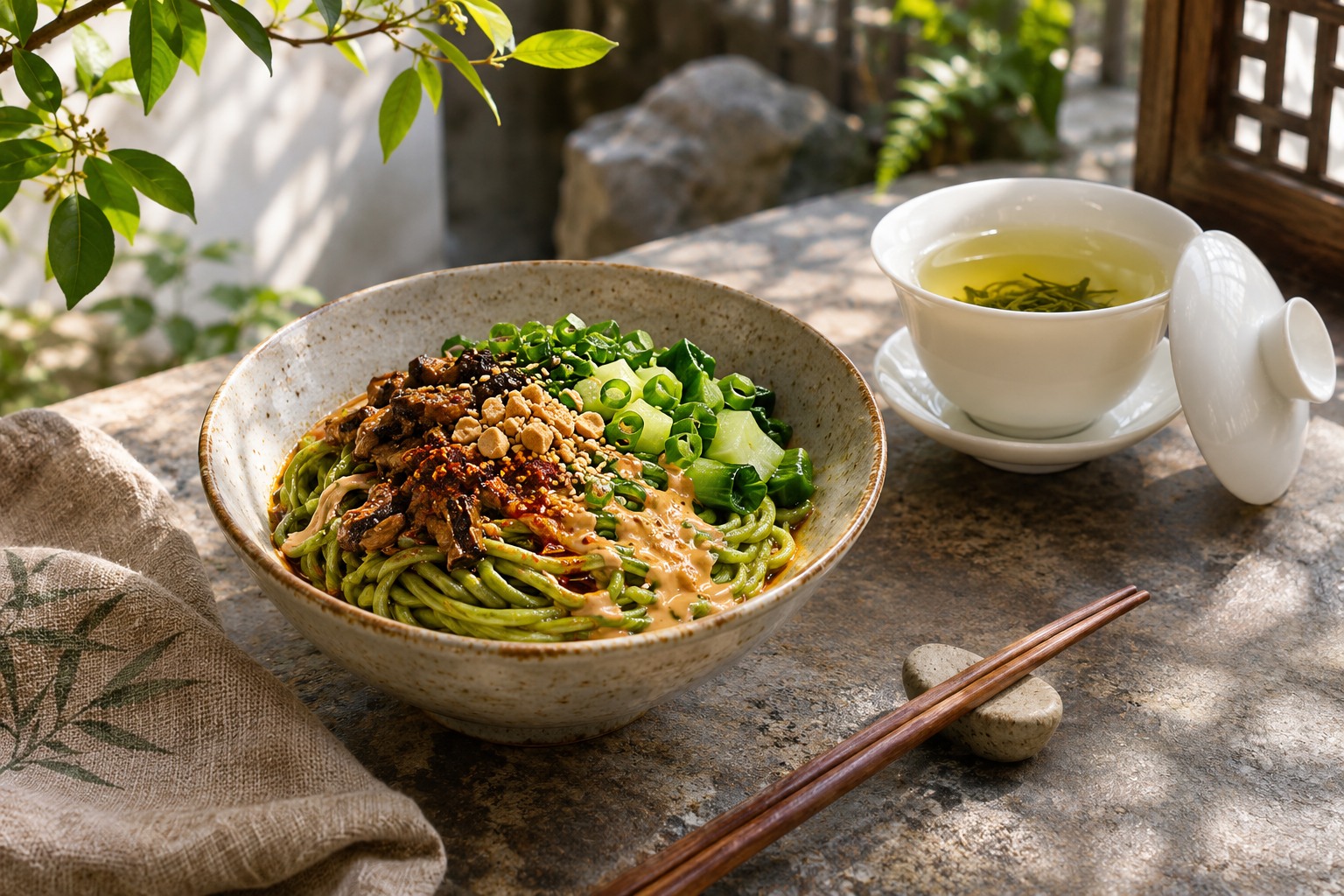
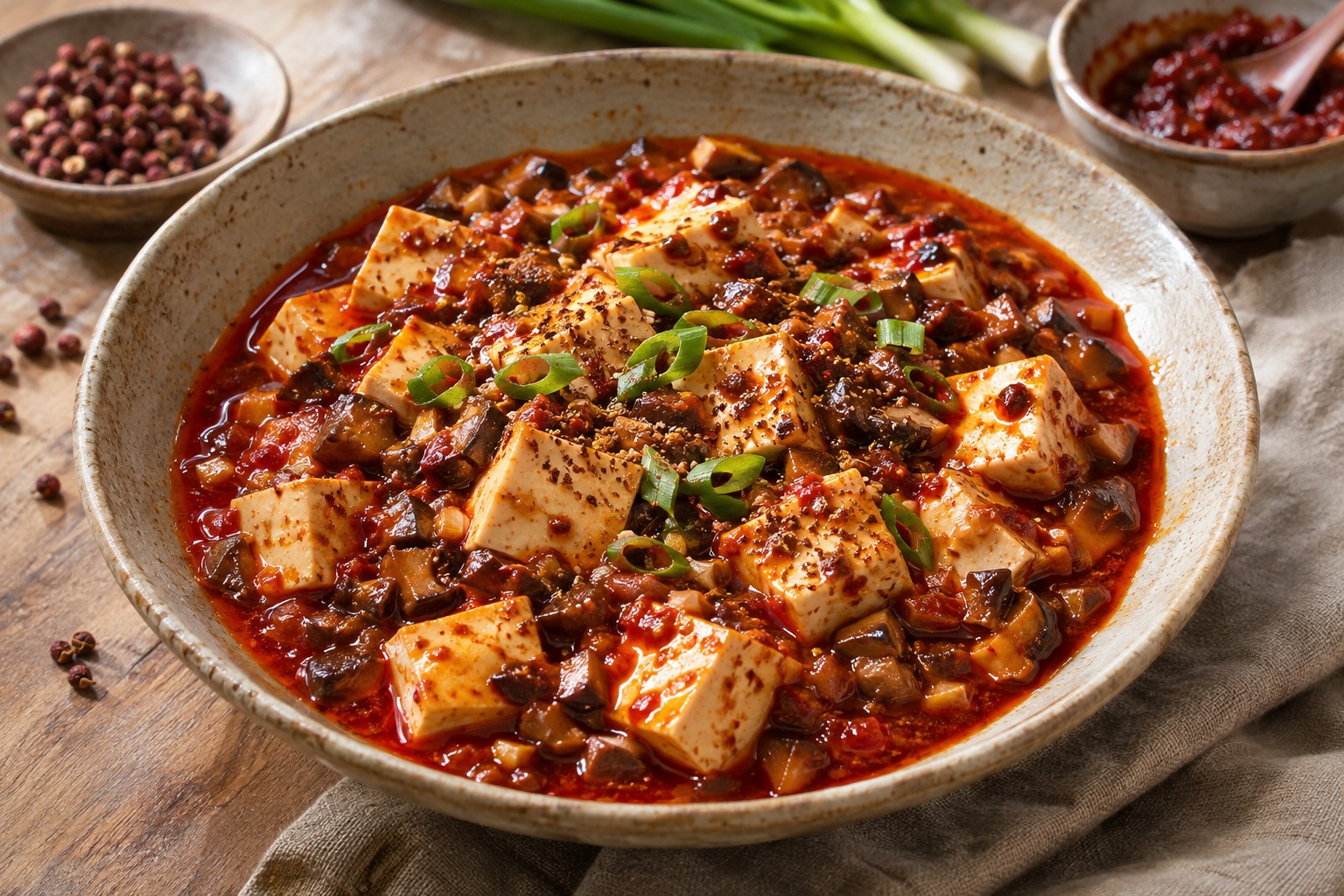
Mushroom mapo tofu gives a familiar Sichuan dish a plant-based interpretation, using mushrooms for savoury depth. Handmade green spinach dan dan noodles bring colour and an egg-free dough, with mushroom broth, chilli and peanut-sesame flavours. These examples make the vegetarian approach easy to understand through the food itself. Discuss individual dietary requirements with the team, as vegetarian cooking can still include nuts, sesame, soy or other allergens.
The 2026 Shanshui dining series draws inspiration from Qingcheng and Dujiangyan, linking mountain produce, water and preserved ingredients. Tea has a central role: Qingcheng green tea and pairings developed with head sommelier Cederic Yao extend the experience beyond the plate. Mi Xun holds one star and a Green Star in the MICHELIN Guide Chengdu 2027. Older hotel films show the teahouse’s setting and history rather than Tang’s current menu.
Mi Xun Teahouse is at 81 Bitieshi Street, Jinjiang, within Upper House Chengdu. Contact +86 28 6297 4193 or teahouse_cd@upperhouse.com for dining and tea arrangements. The official site separates lunch, afternoon tea and dinner, so choose the experience you want when enquiring. The courtyard makes a natural pause near Taikoo Li and Daci Monastery, with the menu and tea selection providing another way to explore Chengdu.
81 Bitieshi Street, Jinjiang, Chengdu 610021, China
Aden Films visits Mi Xun Teahouse as part of a three-stop Chengdu food journey, showing its vegetarian Sichuan dishes.
The Mi Xun chapter of this 2023 Chengdu vlog follows a vegetarian tasting meal, alongside shopping and other city stops.
Swire Hotels’ 2015 introduction shows the teahouse and its courtyard in the hotel’s earlier Temple House period.
Steven Tang explores plant-based Sichuan cooking at Mi Xun Teahouse. Mushrooms, seasonal vegetables and carefully chosen teas connect a quiet Chengdu courtyard with the region’s farms and flavours.