
Skip to content
A world of local flavours
Language

China

History and food culture

China's cuisines grew around different crops, climates and trading networks. Wheat noodles and breads mark many northern tables, while rice anchors much of the south; fermentation, drying and precise cutting developed alongside fresh market cooking.

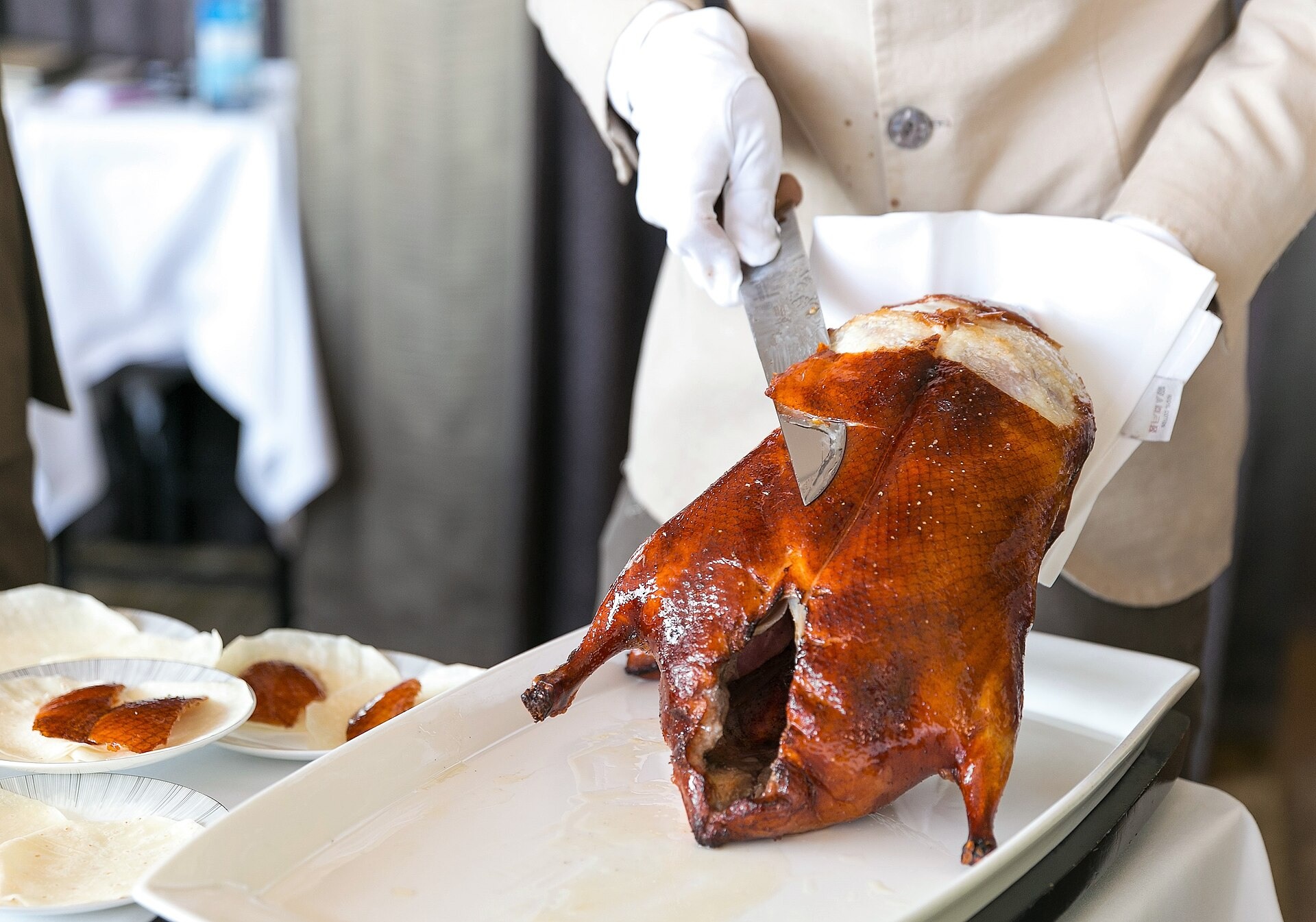
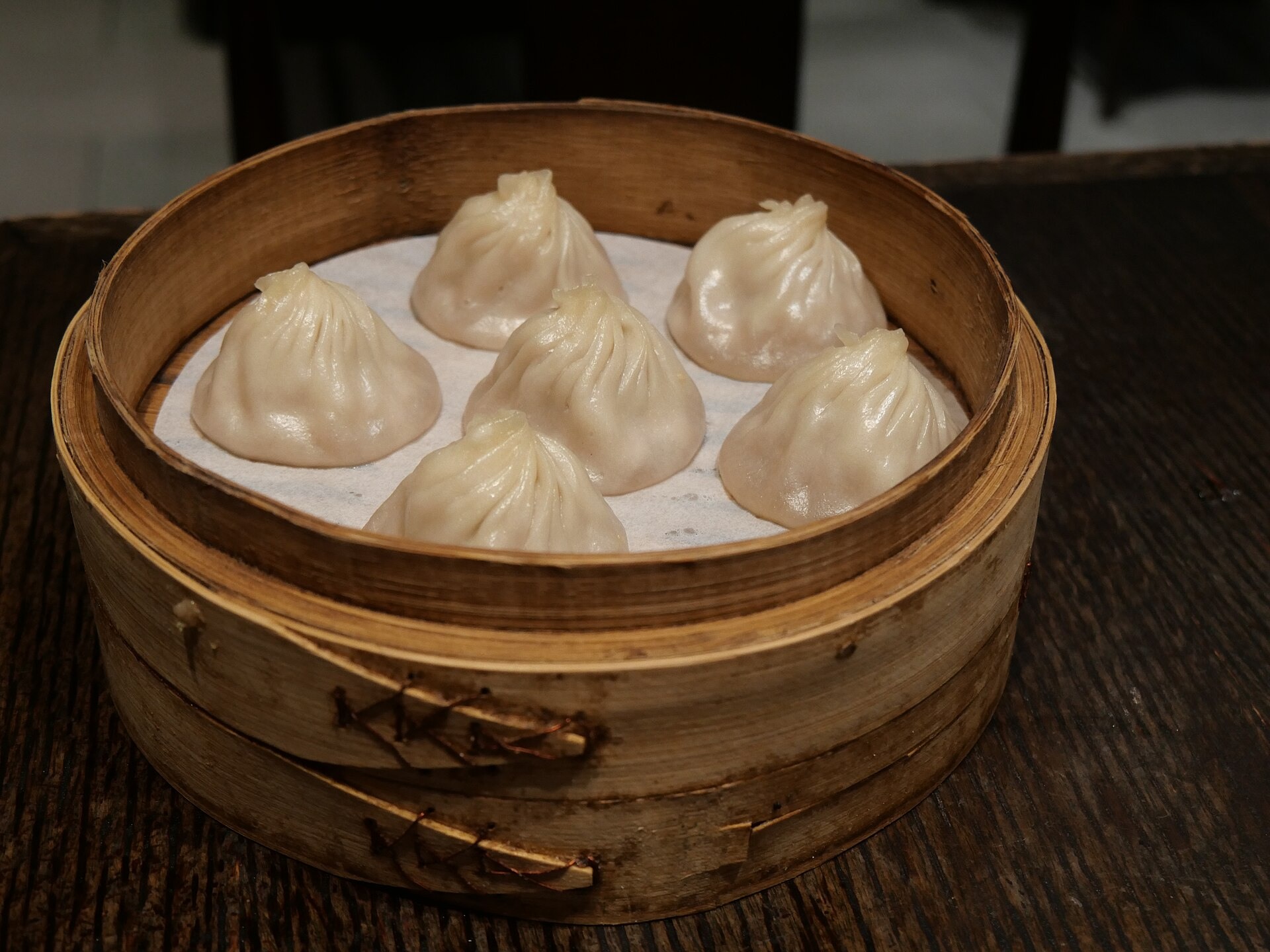
Sichuan pairs chilli heat with the tingling aroma of Sichuan pepper. Cantonese kitchens bring dim sum, roast meats and delicate seafood; Beijing's lacquered duck and Jiangnan's soup dumplings show why one short label cannot describe every Chinese meal.

Chefs in this country

Antimo Maria Merone

Estro · Red-prawn linguine · Aubergine bottoni

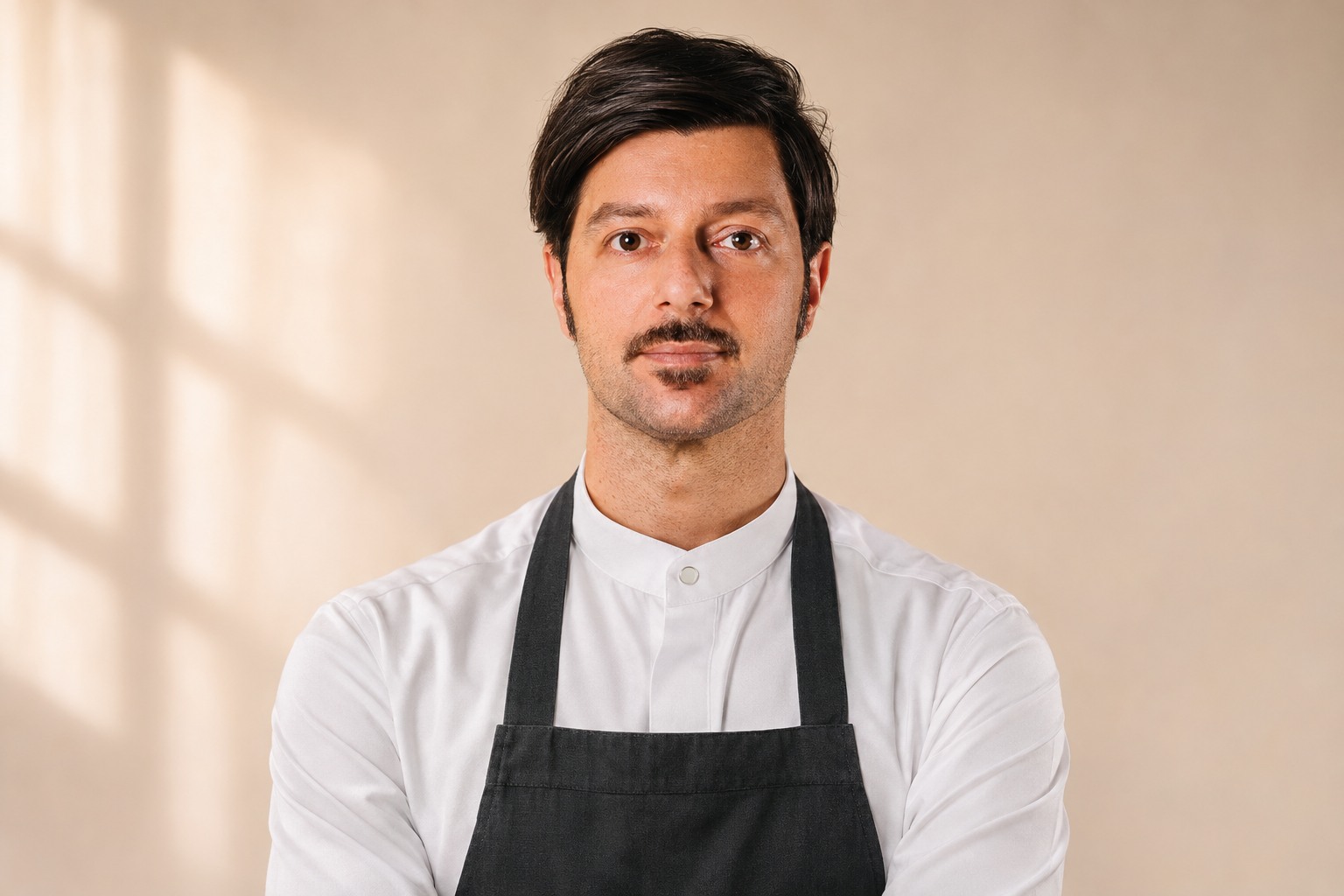
Antimo Maria Merone

Antimo Maria Merone brings Neapolitan memories and an international career to Estro. Seasonal ingredients and contemporary techniques give southern Italian cooking a personal Hong Kong setting.
Danny Yip

The Chairman · Crab with sticky rice · Roast goose

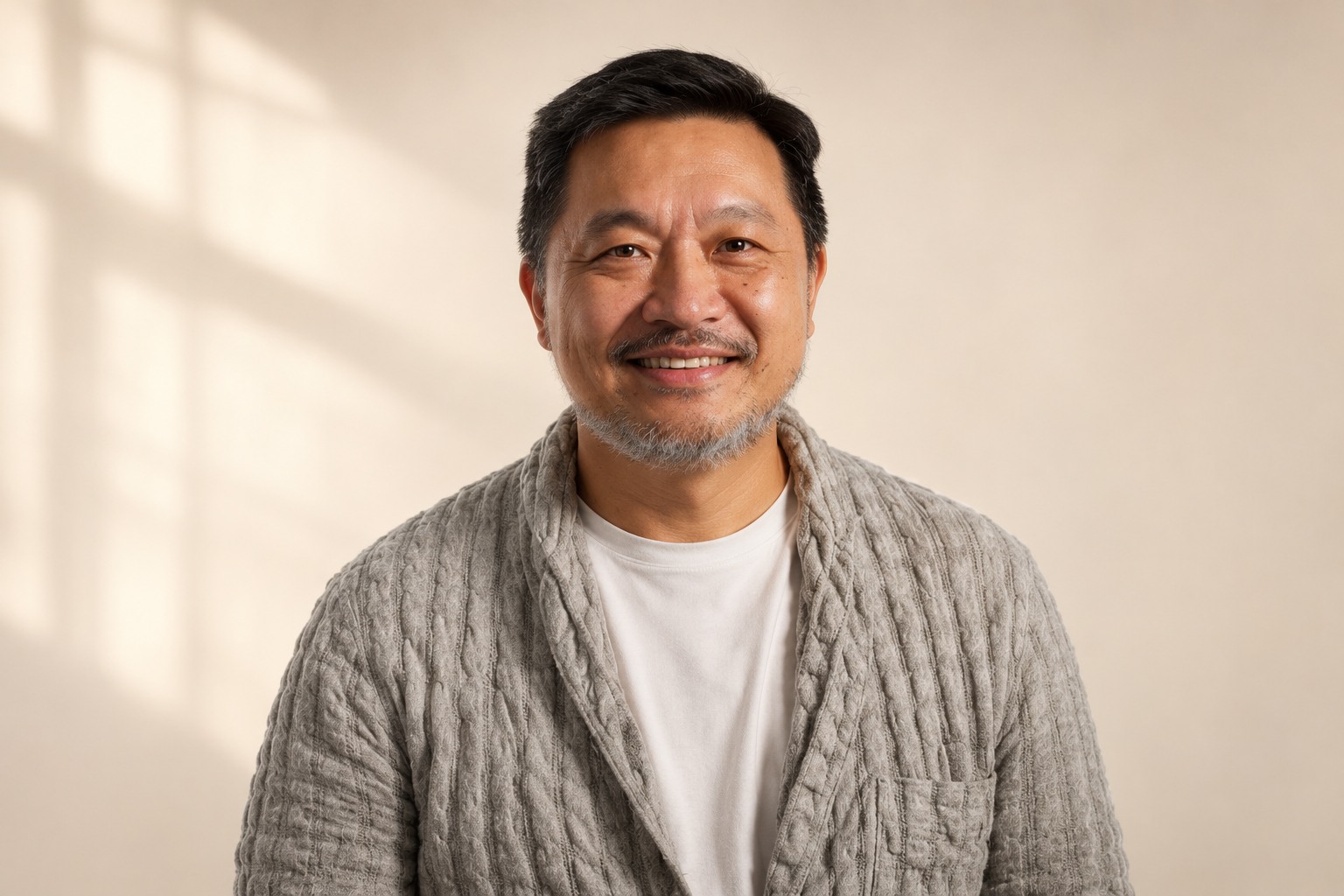
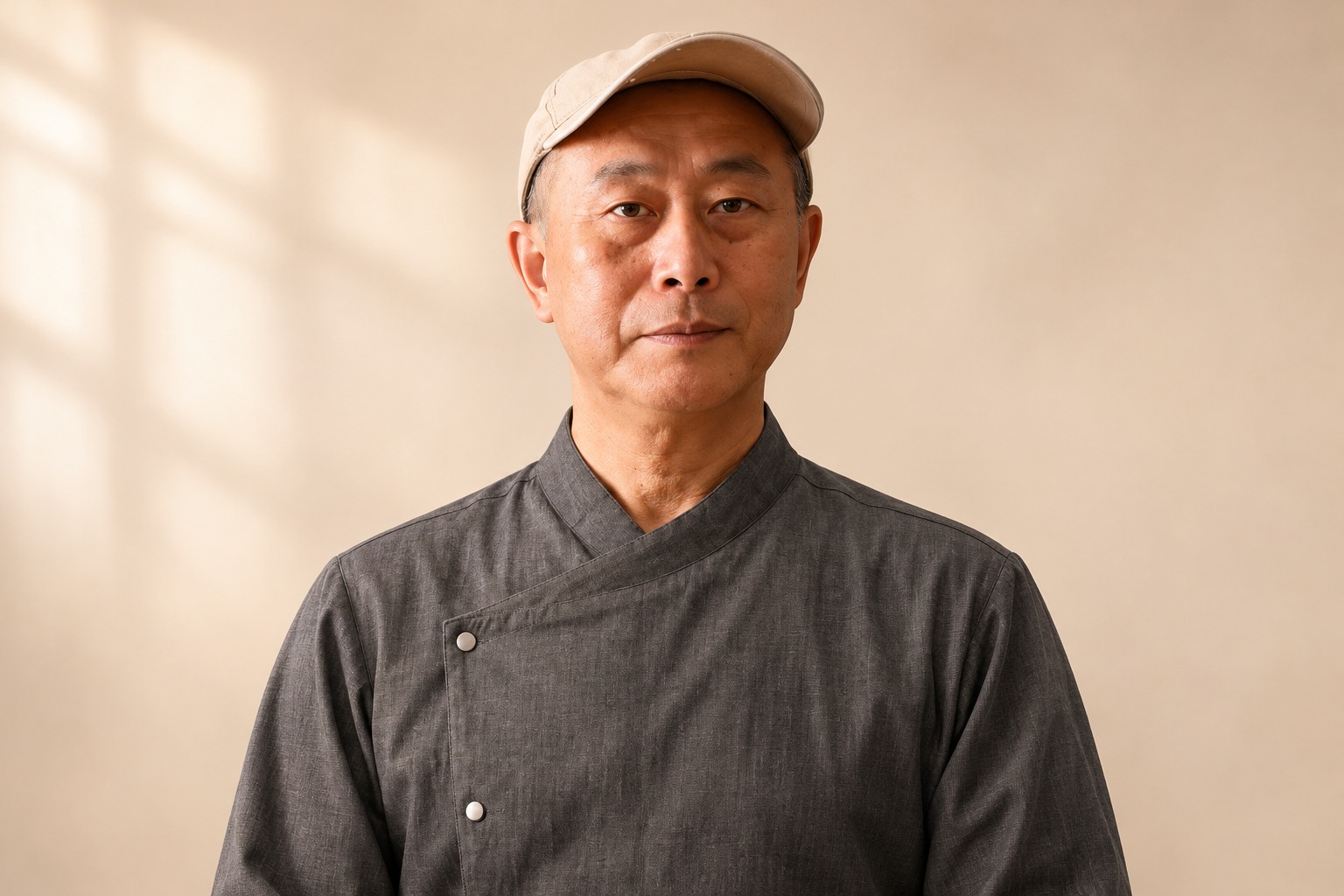
Danny Yip

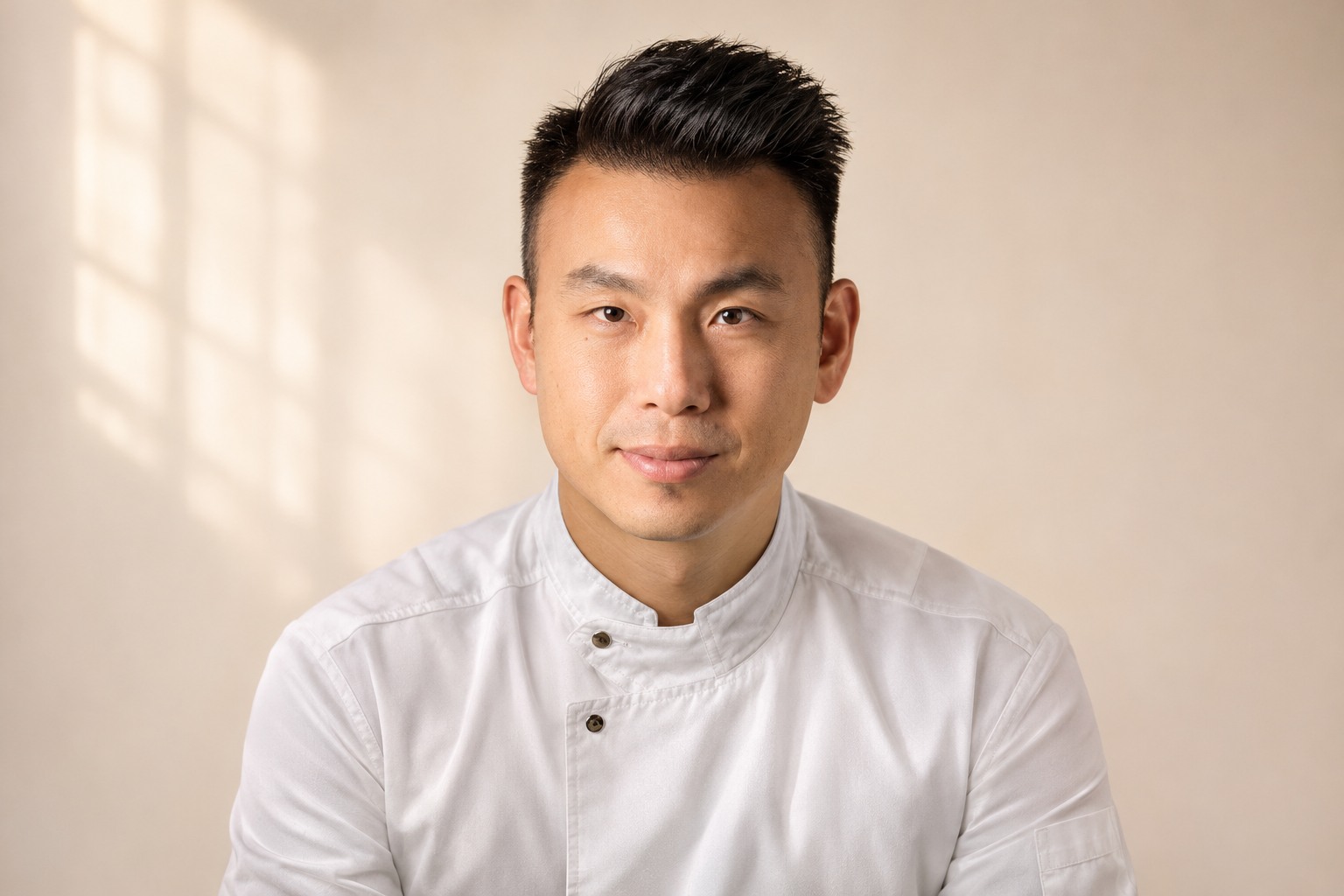
Danny Yip develops a contemporary Cantonese language at The Chairman with head chef Kwok Keung Tung. Local seafood, patient sauce-making and shared dishes give the restaurant its character.

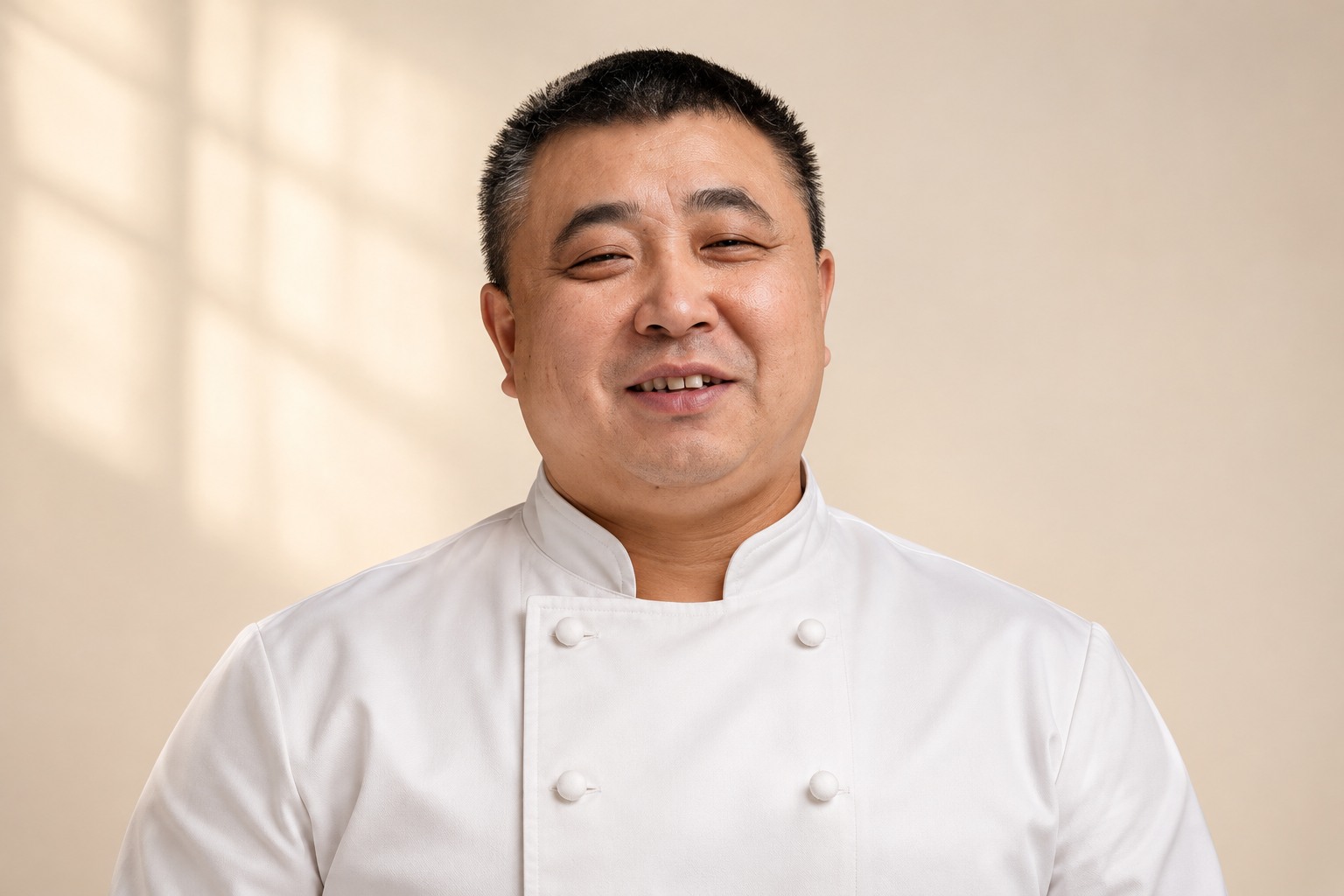
Lan Guijun

Yu Zhi Lan · Golden noodles · Chicken feet with pickled pepper

Lan Guijun

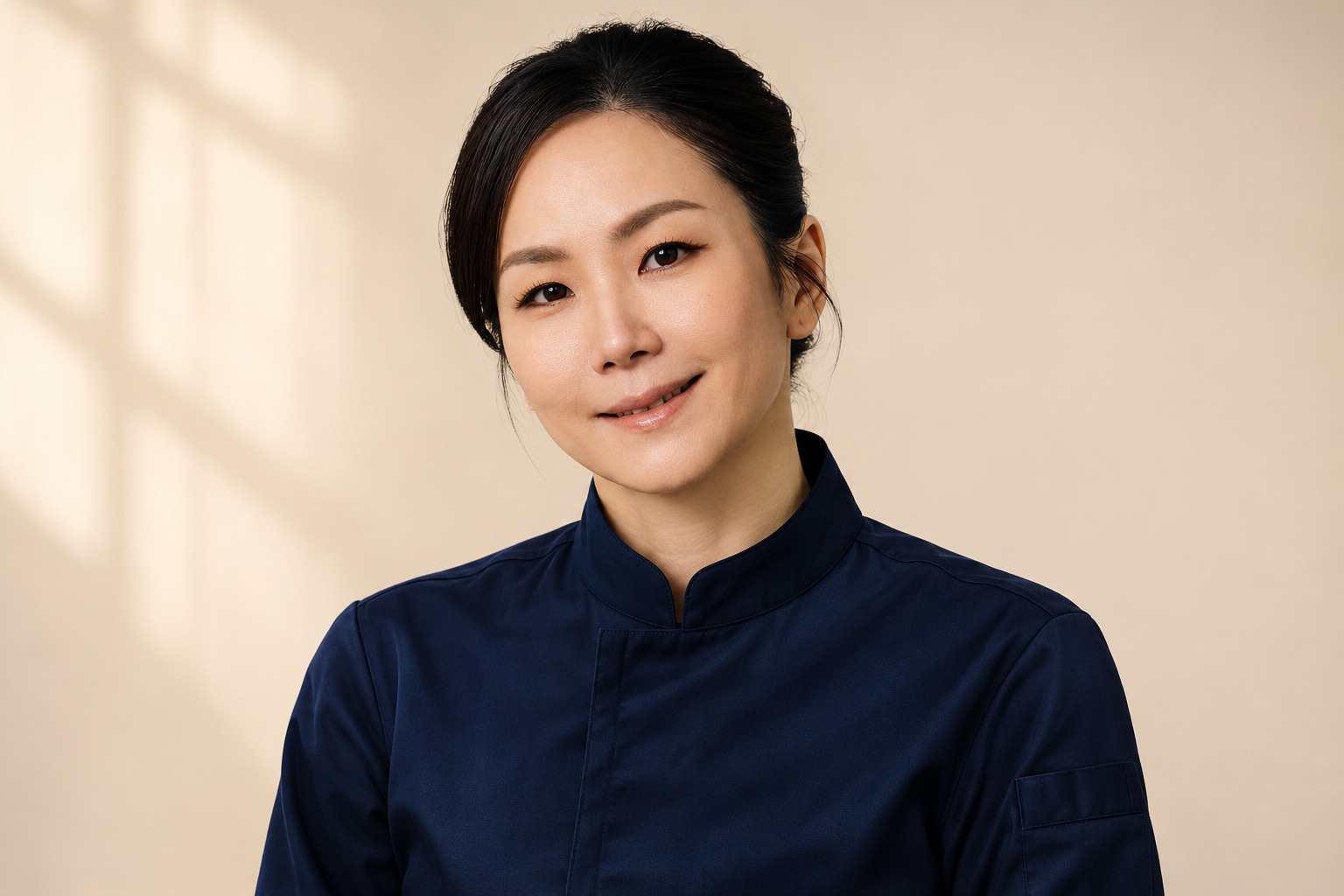
Lan Guijun explores the depth of Sichuan cooking through clear stocks, delicate knife work and a personal sense of flavour. At Yu Zhi Lan, a long career becomes an intimate, seasonal dining experience.

Richard Ekkebus

Amber · Cuttlefish with peas · Sea urchin with cauliflower

Richard Ekkebus

Richard Ekkebus brings French training and a long relationship with Hong Kong to Amber. Seafood, precise flavours and thoughtful sourcing shape a restaurant that keeps evolving.

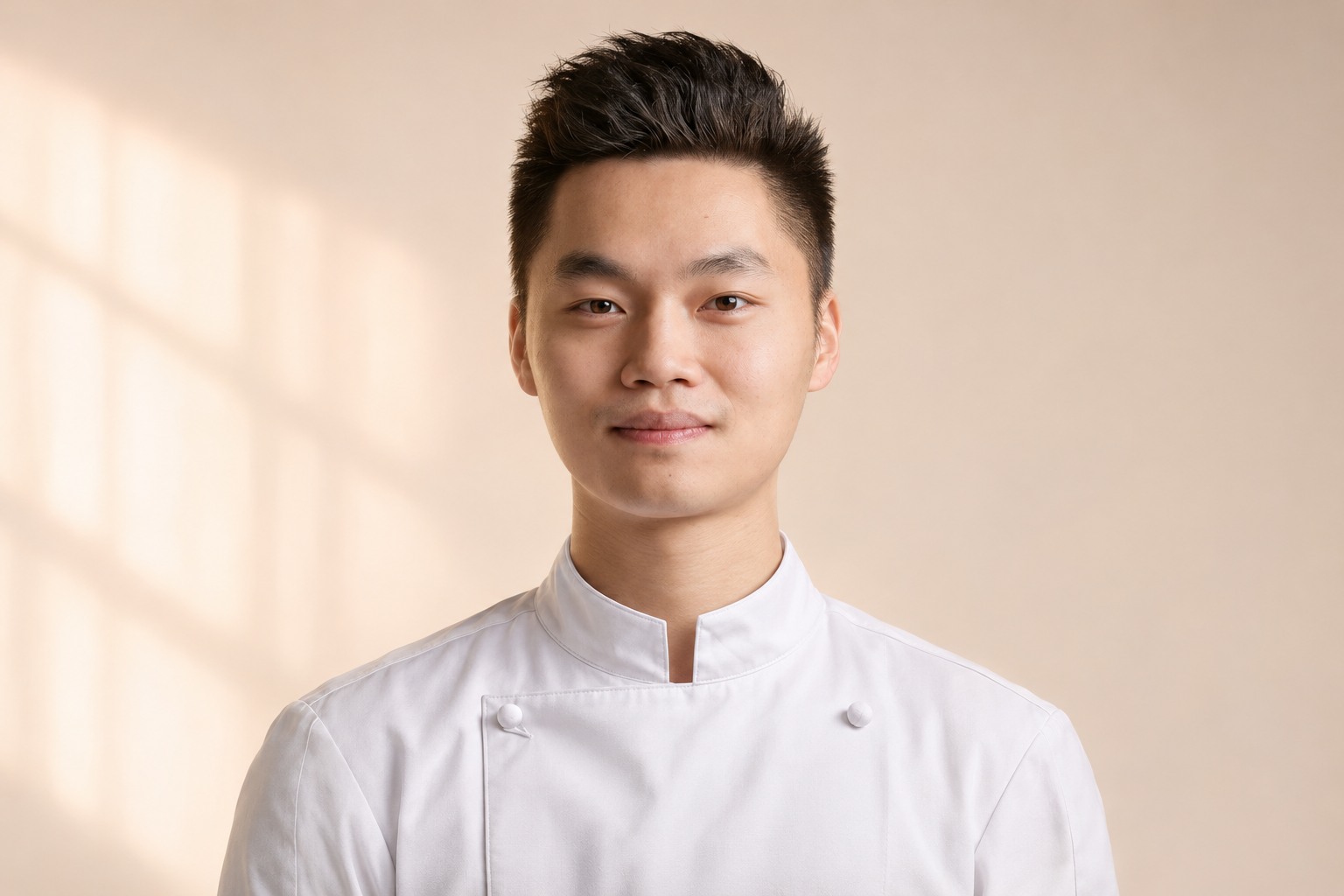
Steven Tang

Mi Xun Teahouse · Mushroom mapo tofu · Spinach noodles in tea broth

Steven Tang

Steven Tang explores plant-based Sichuan cooking at Mi Xun Teahouse. Mushrooms, seasonal vegetables and carefully chosen teas connect a quiet Chengdu courtyard with the region’s farms and flavours.

Vicky Cheng

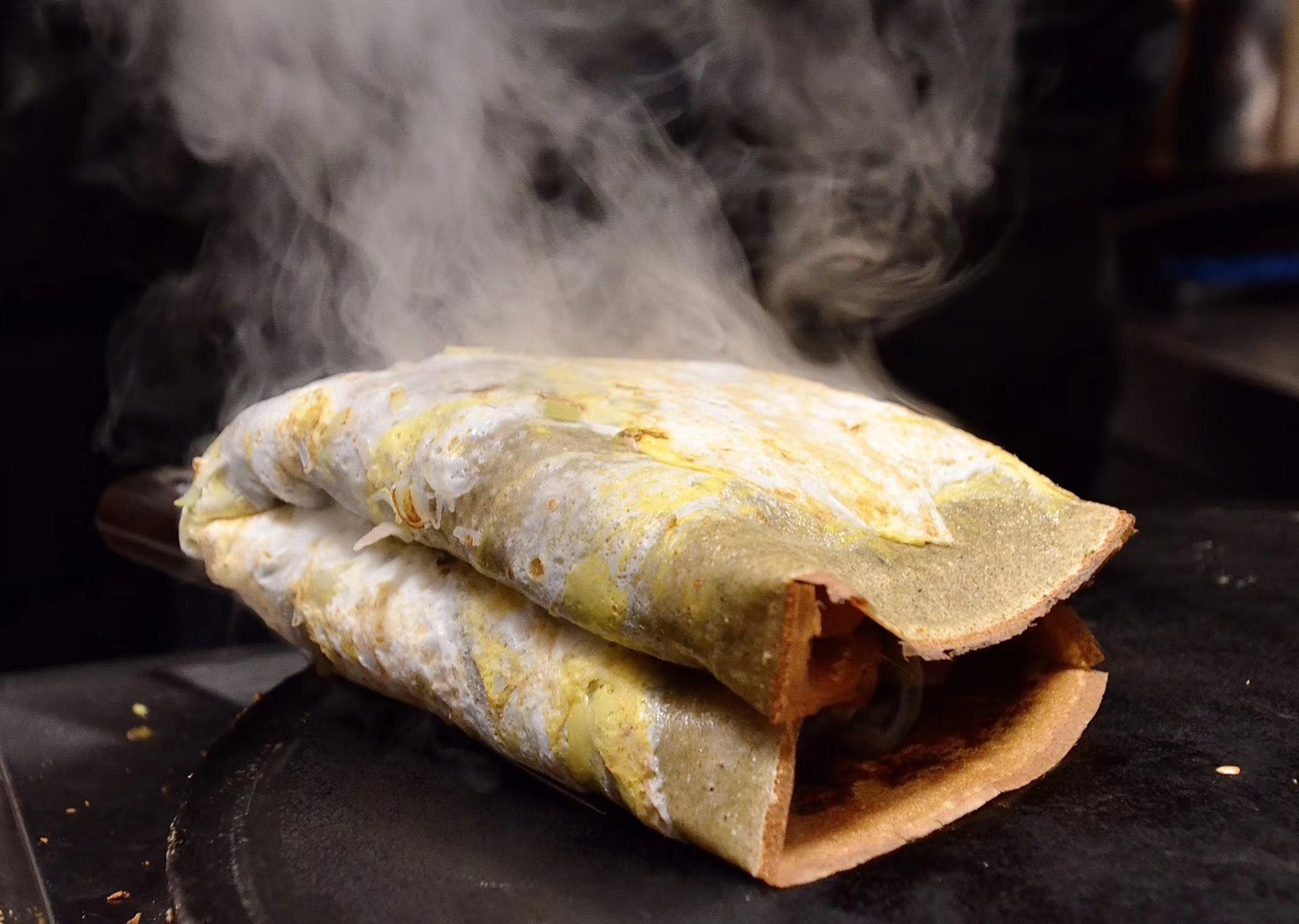
VEA · Abalone pithivier · Oyster and scallion pancake

Vicky Cheng

Vicky Cheng connects Chinese ingredients and food memories with French training. VEA and WING offer two different ways to explore his evolving relationship with Hong Kong cooking.

Vicky Lau

TATE · Soy textures · Tea dessert

Vicky Lau

Vicky Lau brings a designer’s eye and Hong Kong’s layered food culture to TATE. Ingredient-led stories, soy textures and tea reveal different sides of her culinary world.

Wen Xing

Fu Rong Huang · Snowflake chicken · Fuqi feipian

Wen Xing

Wen Xing keeps a broad traditional Sichuan repertoire alive at Fu Rong Huang. Gentle chicken dishes, carefully blended chilli oils and familiar shared plates reveal the region’s layers of flavour.

Xu Fan

Xu’s Cuisine — Wangjiang · Chicken douhua · Fish with green Sichuan pepper

Xu Fan

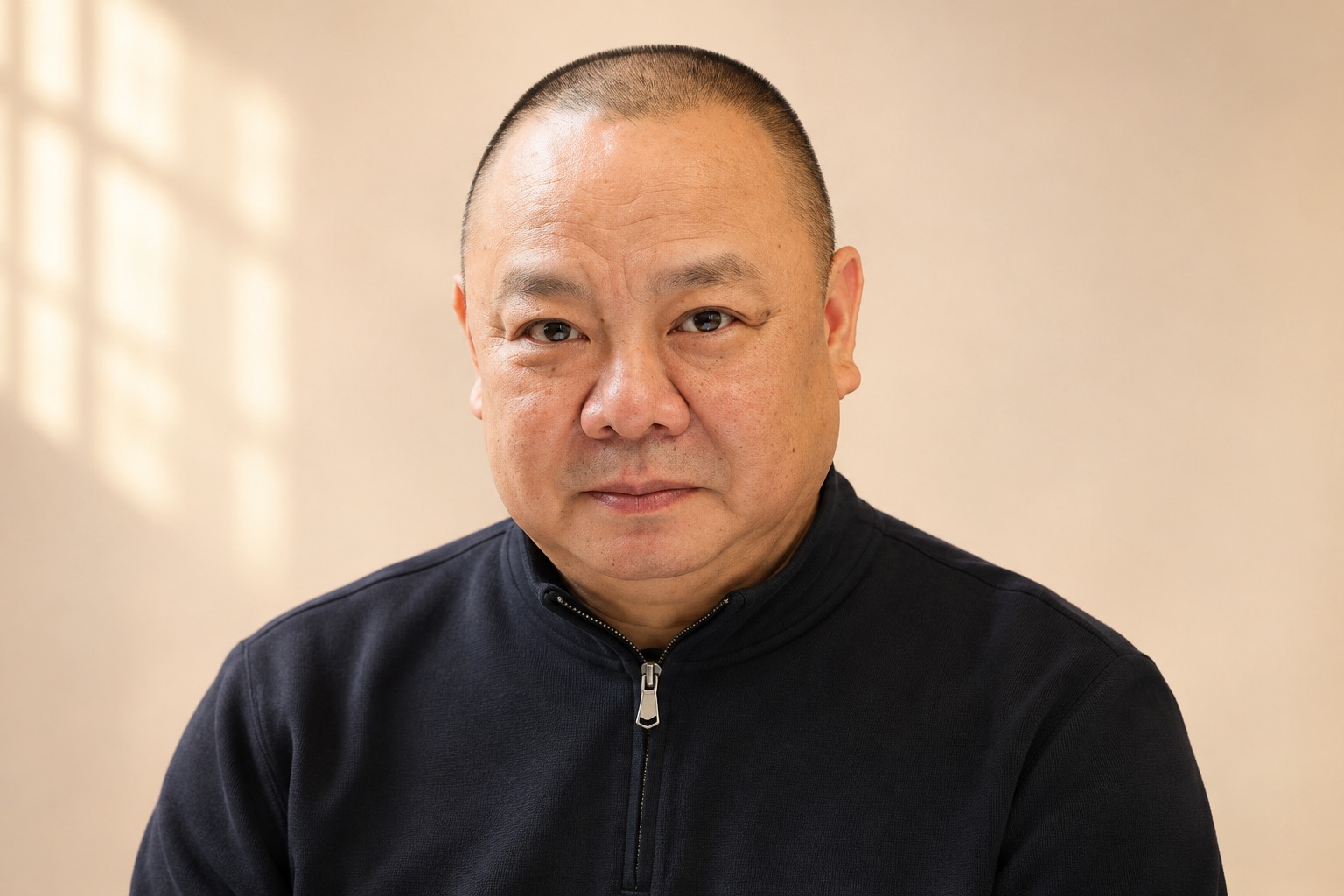
Xu Fan brings the broad Sichuan repertoire into a contemporary Chengdu restaurant. Delicate chicken preparations, fresh pepper aromas and carefully judged seasoning sit beside familiar shared dishes at Xu’s Cuisine.

Yang Yanbin

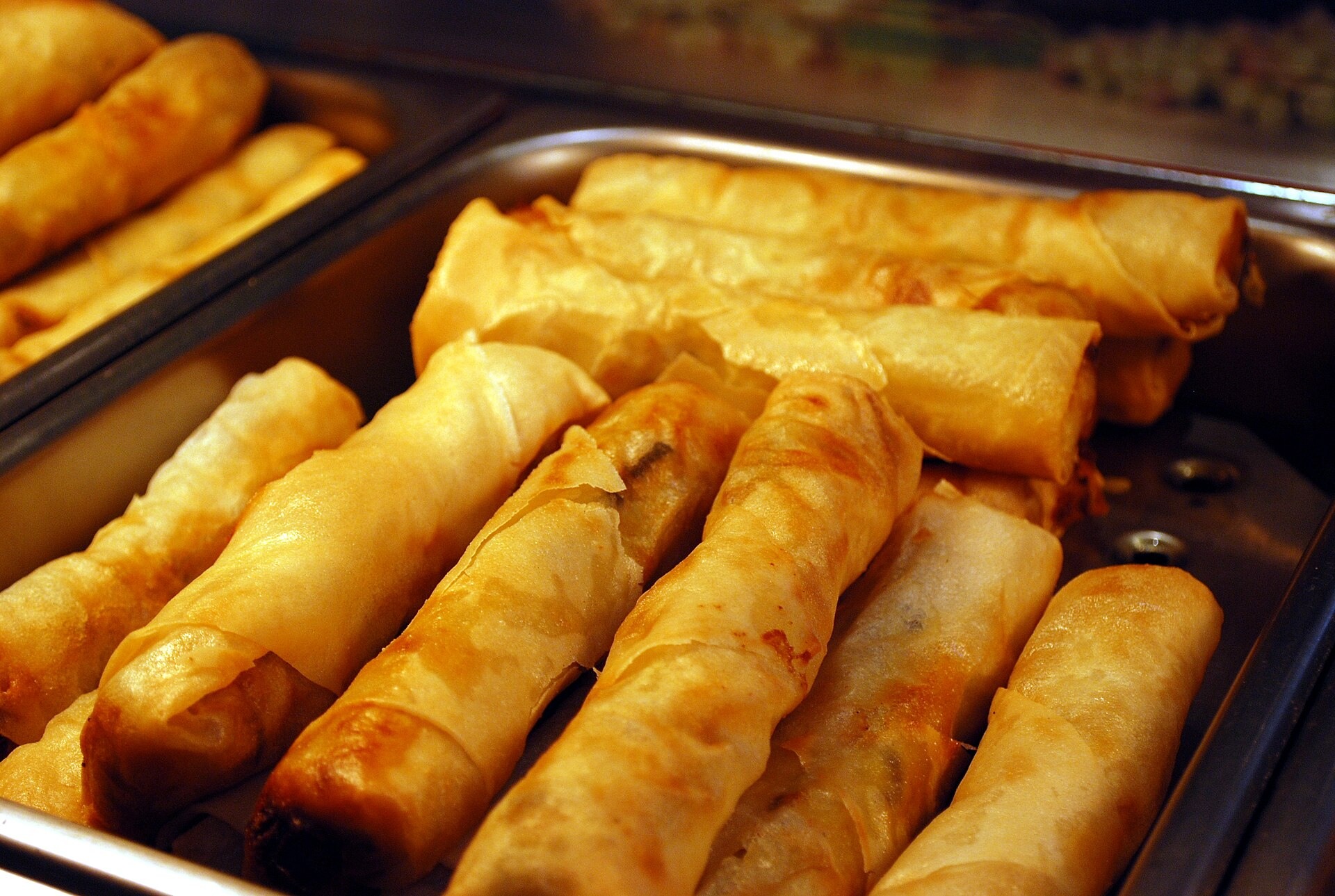
Hokkien Cuisine · Five-spice rolls · Lychee pork

Yang Yanbin

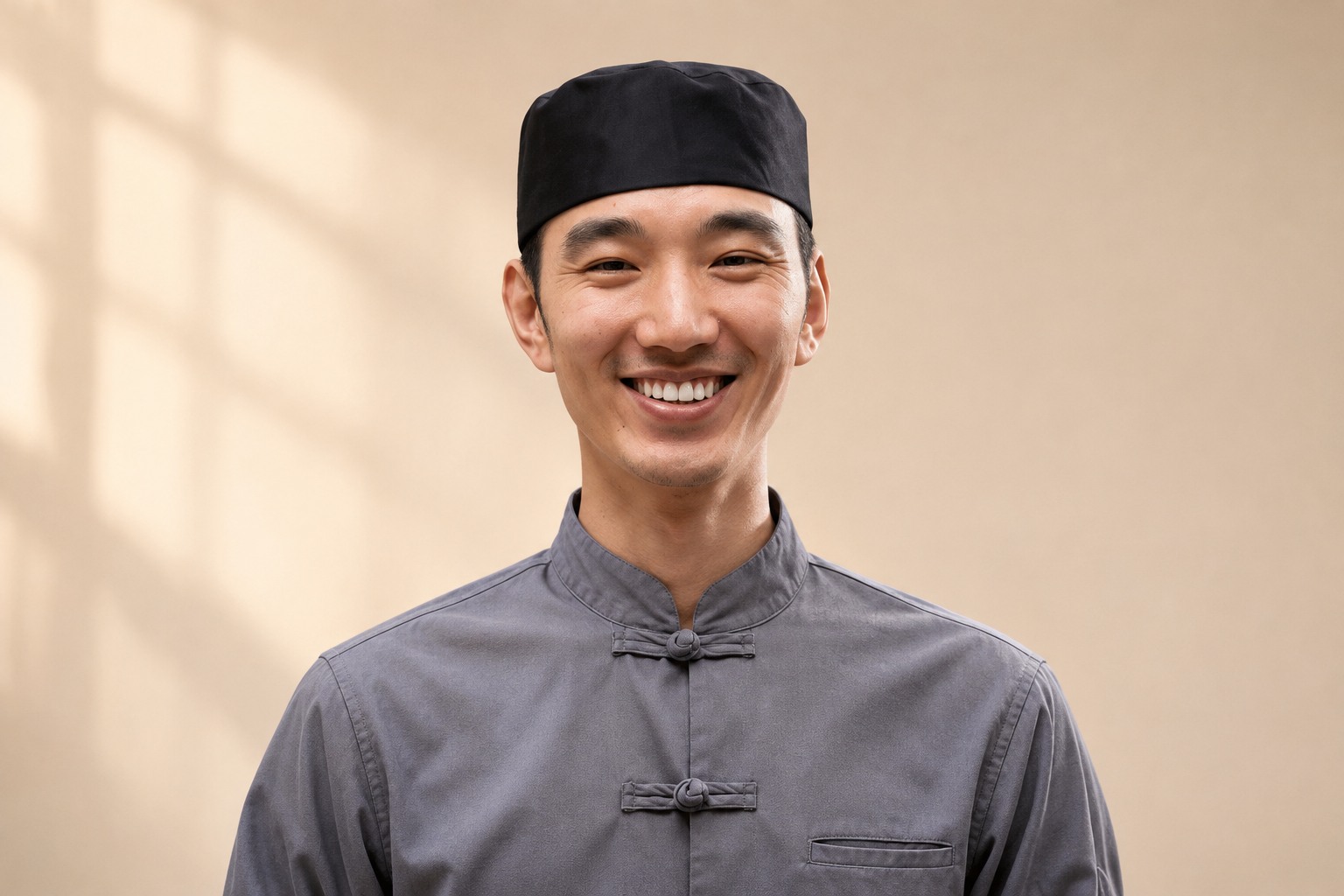
Yang Yanbin, also known as Justin Yang, connects Fujian’s coastal food traditions with contemporary restaurant cooking. Hokkien Cuisine is the Chengdu chapter of a career that now also includes Hong Kong.

Dishes

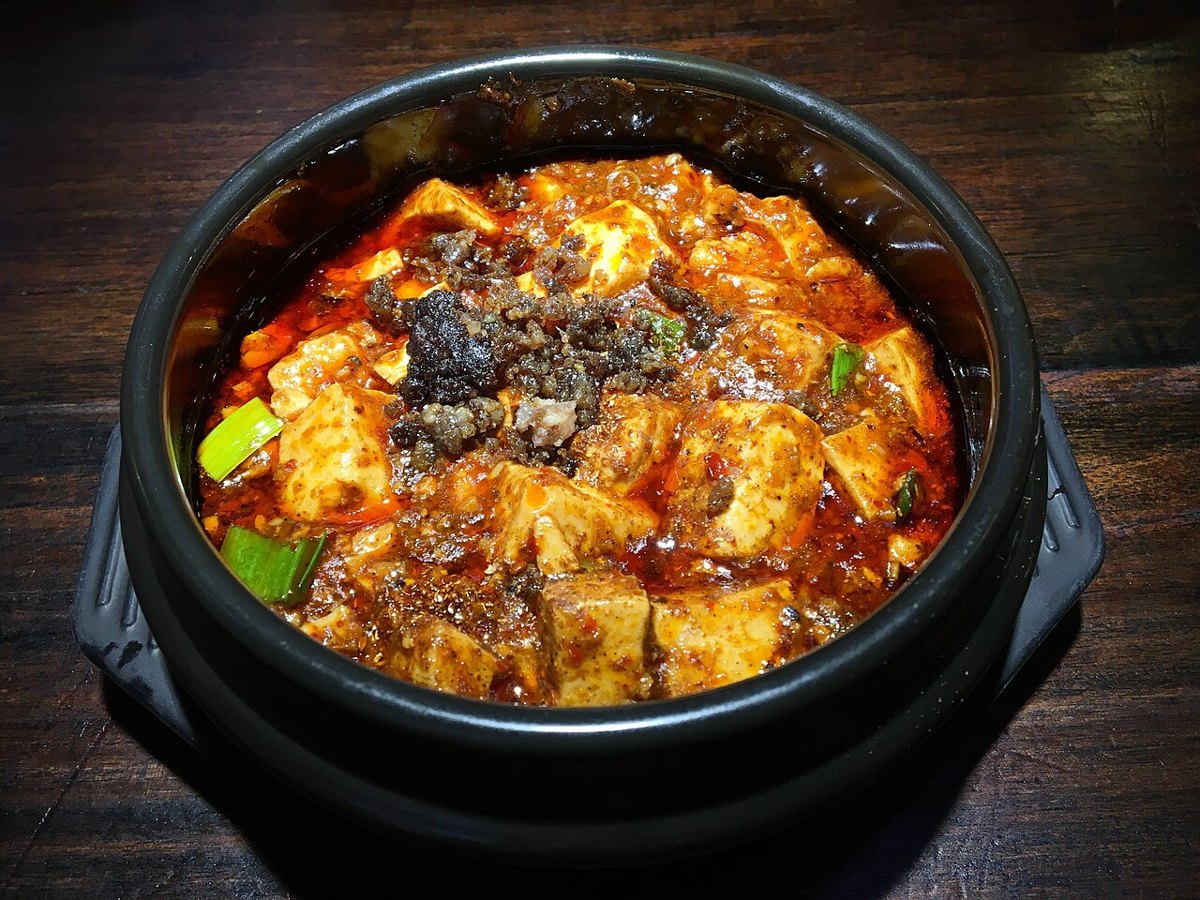
Mapo tofu

Mapo tofu

Tofu with fermented chilli broad-bean paste and Sichuan pepper. Traditional beef versions coexist with home variations; doubanjiang’s salt and heat vary significantly by brand.

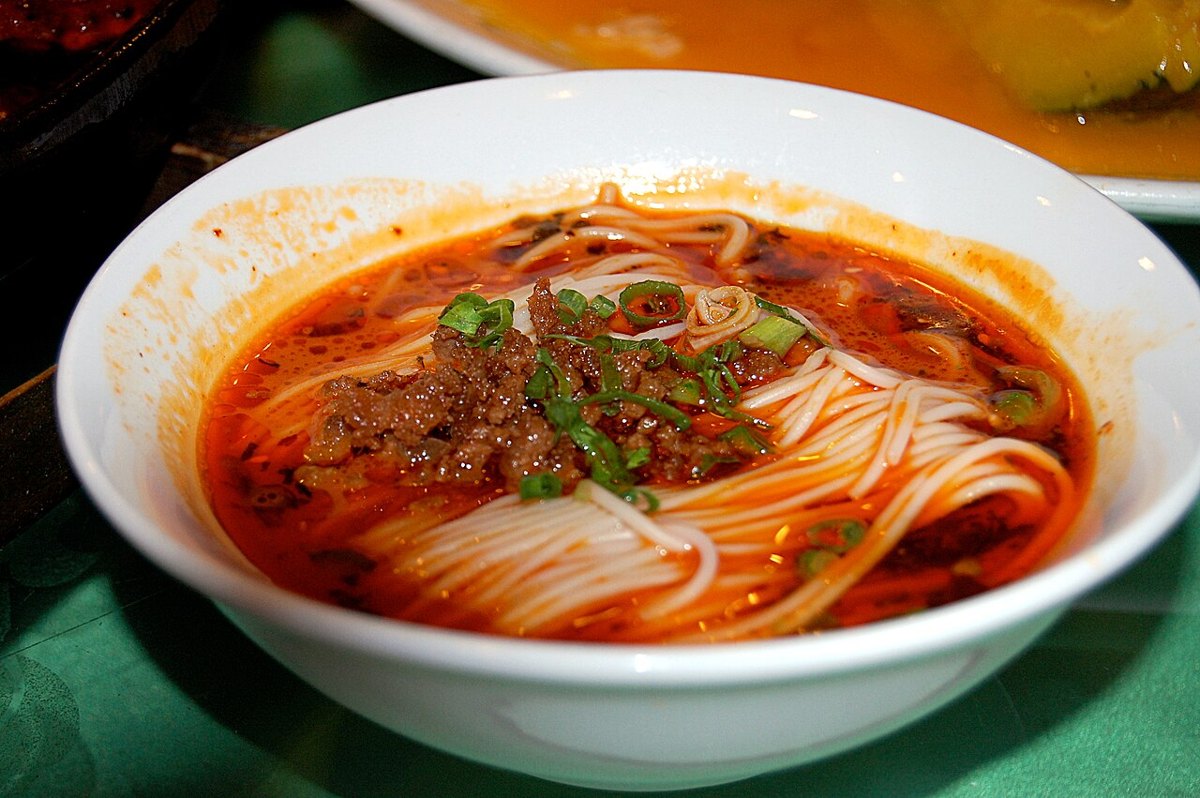
Dandan mian

Dandan mian

Noodles tossed with sauce that may include chilli oil, preserved vegetables and meat or meat-free components. Broth and sesame-paste use differ between local and overseas interpretations.

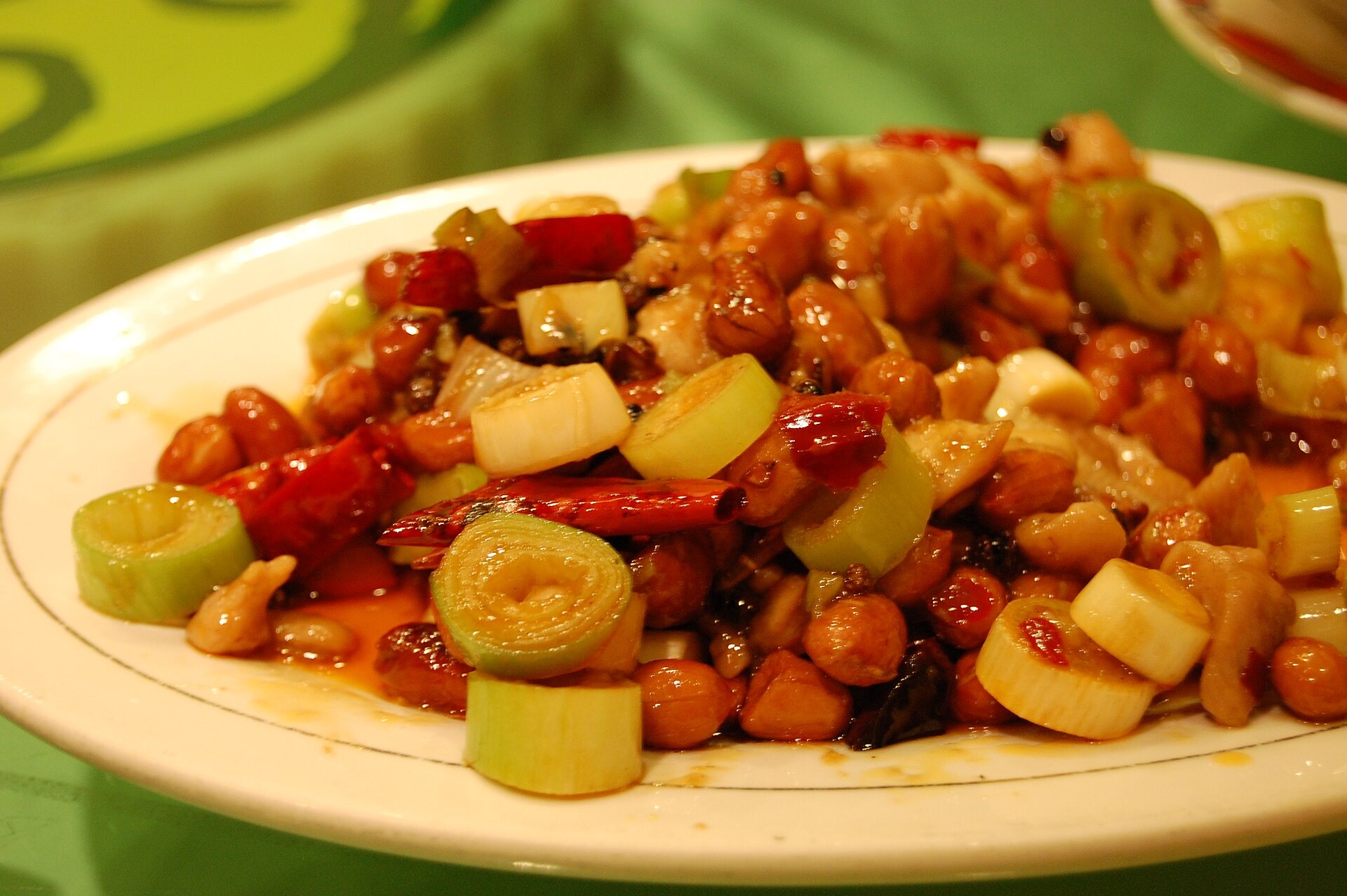
Kung pao chicken

Kung pao chicken

chicken, peanuts, dried chilli, Sichuan pepper — bright acidity, numbing Sichuan-pepper sensation.

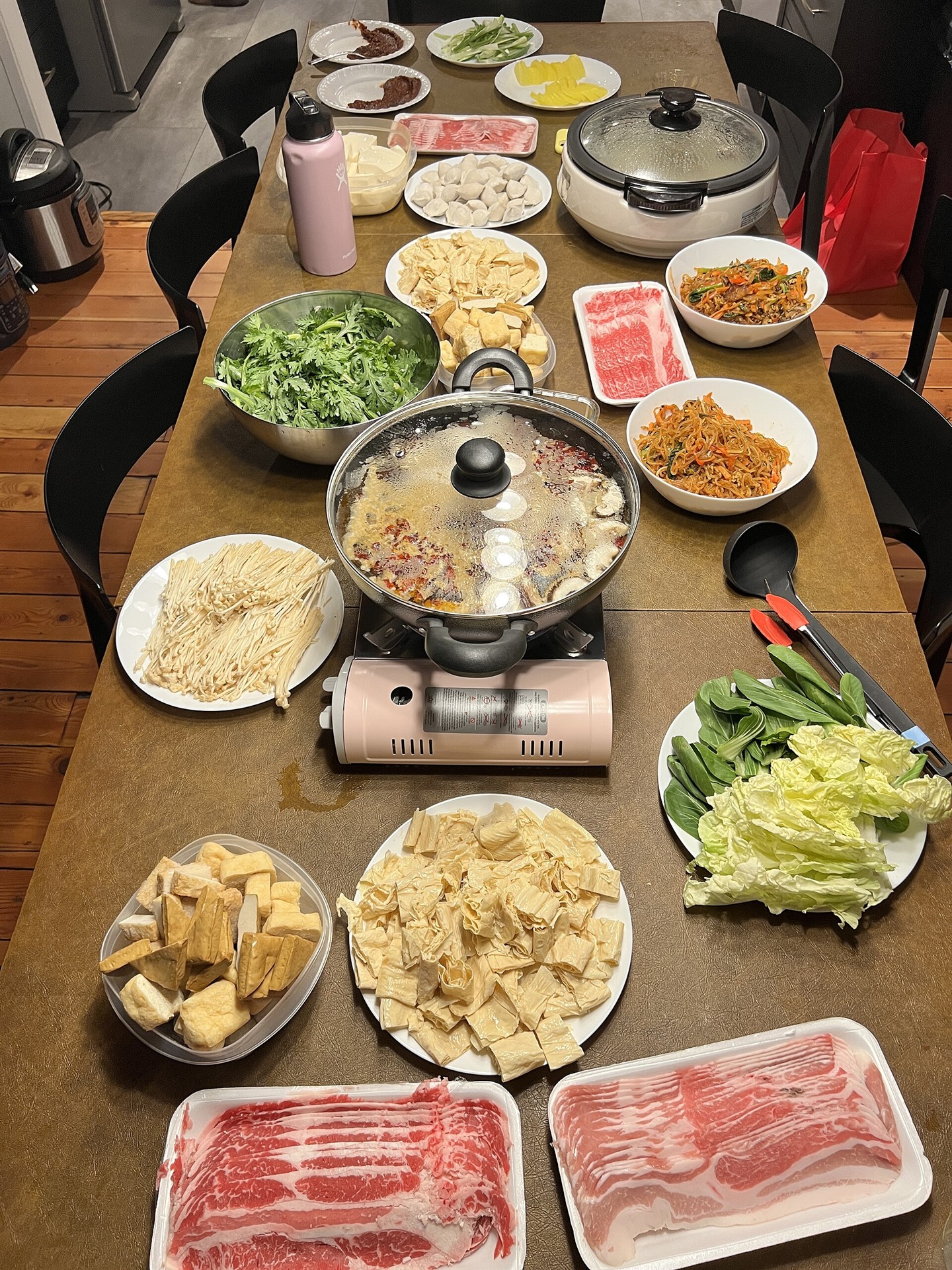
Hot pot

Hot pot

broth, meat, tofu, mushrooms — warm, comforting flavour, made for sharing.

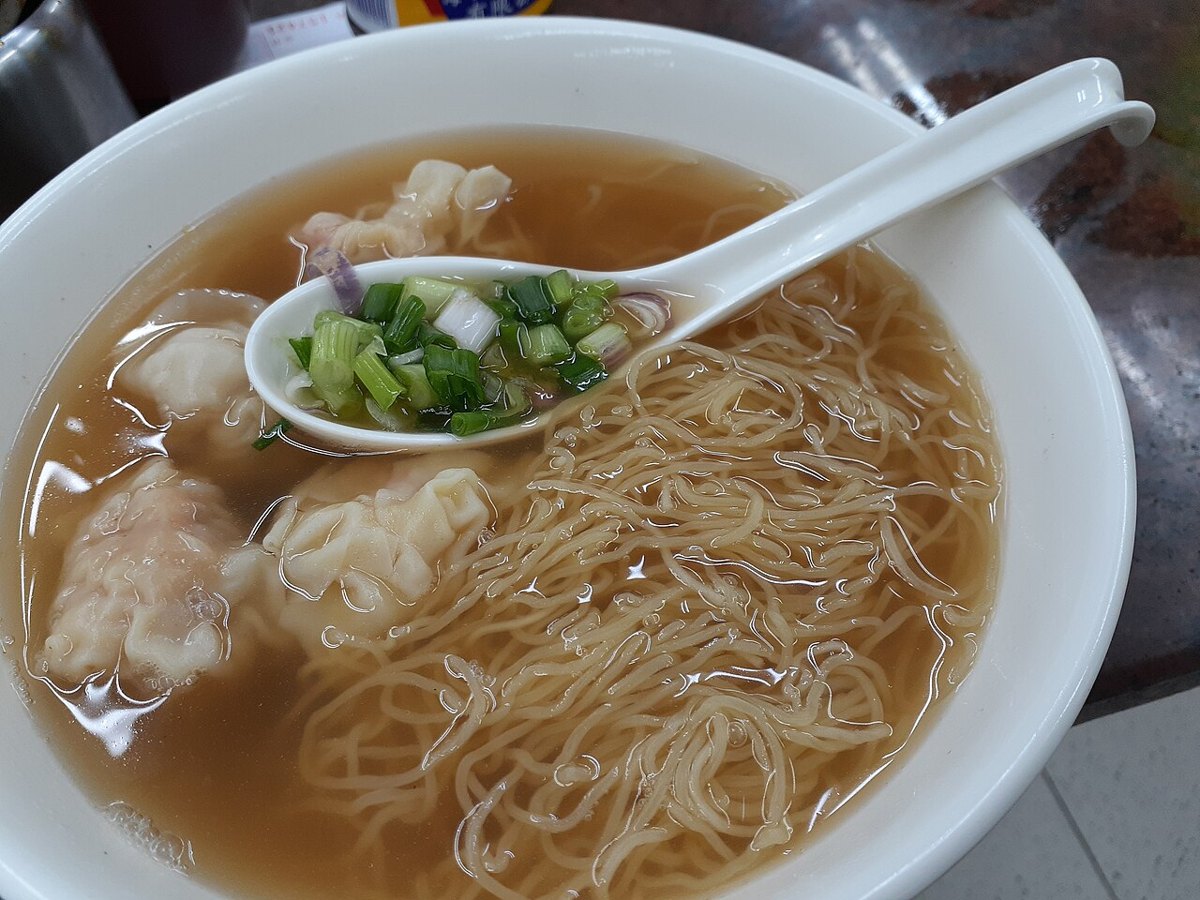
Wonton noodles

Wonton noodles

Fine egg noodles, wontons and clear broth. Prawn and pork are common, but the filling, stock and portion size should be checked on the business’s own menu.

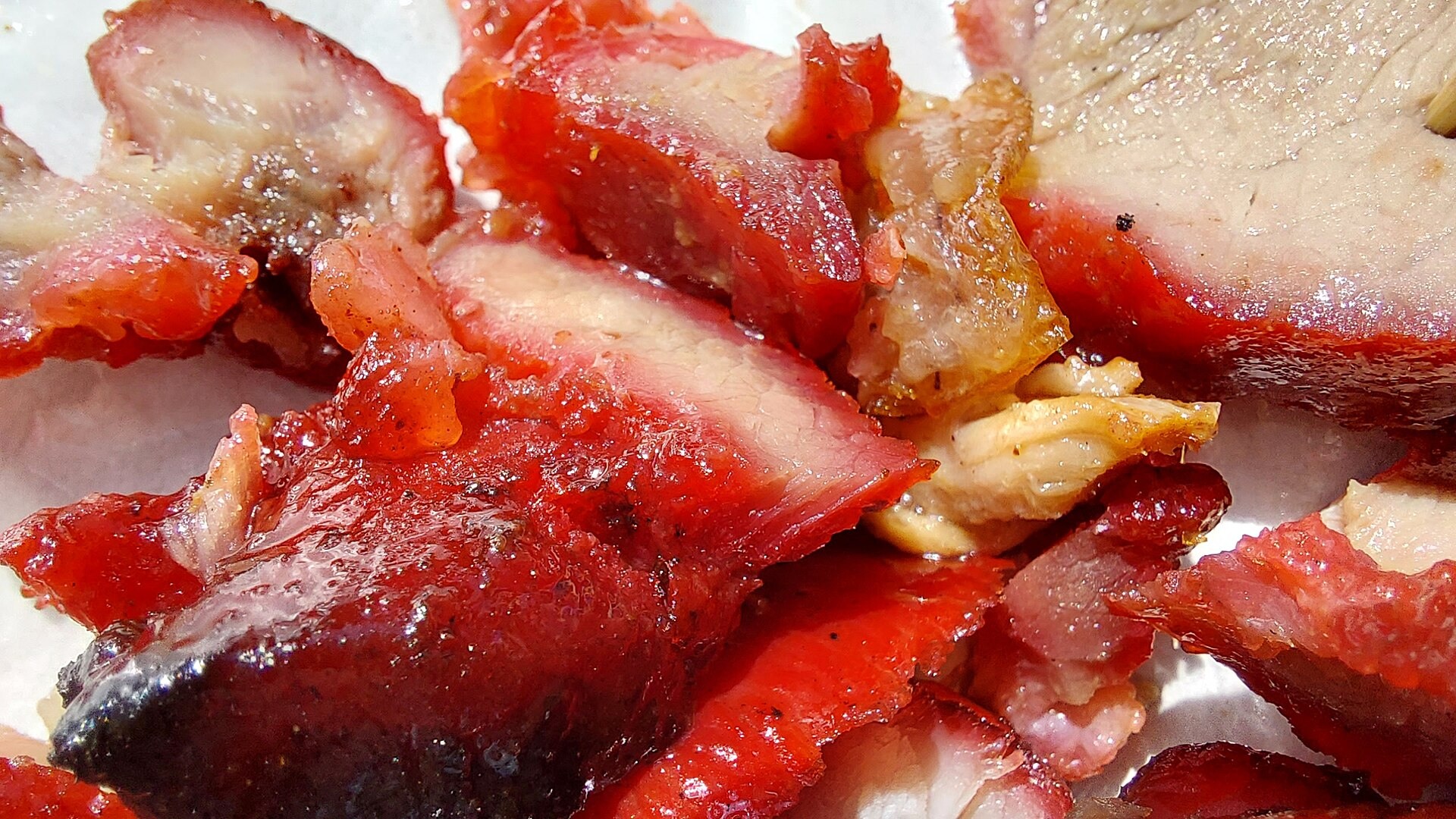
Char siu

Char siu

pork, honey, soy sauce, five-spice powder — sweet and savoury, carefully browned surface.

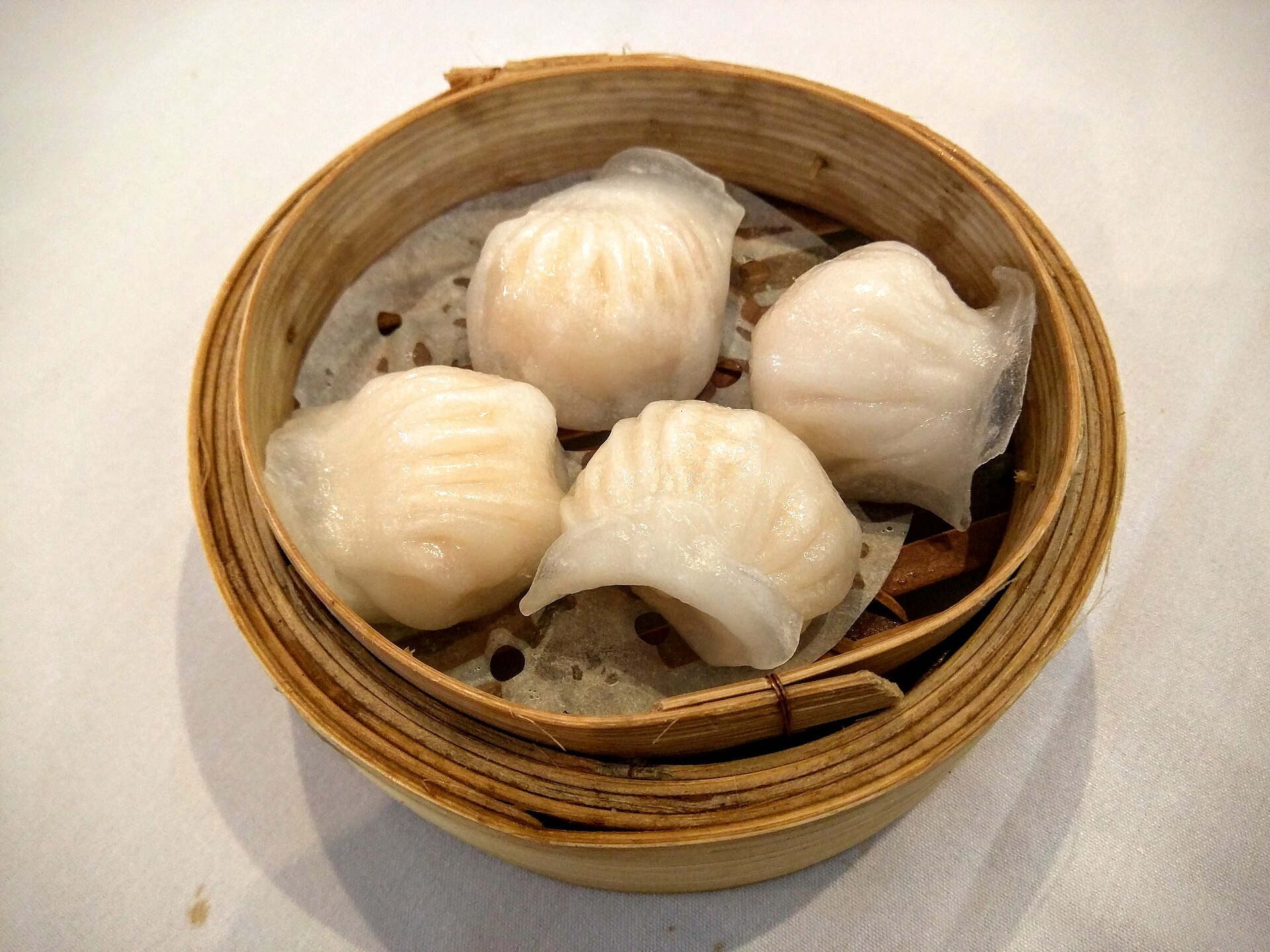
Har gow

Har gow

prawns, starch, Tapioca, bamboo shoots — thin, translucent shell, delicate texture.

Congee

Congee

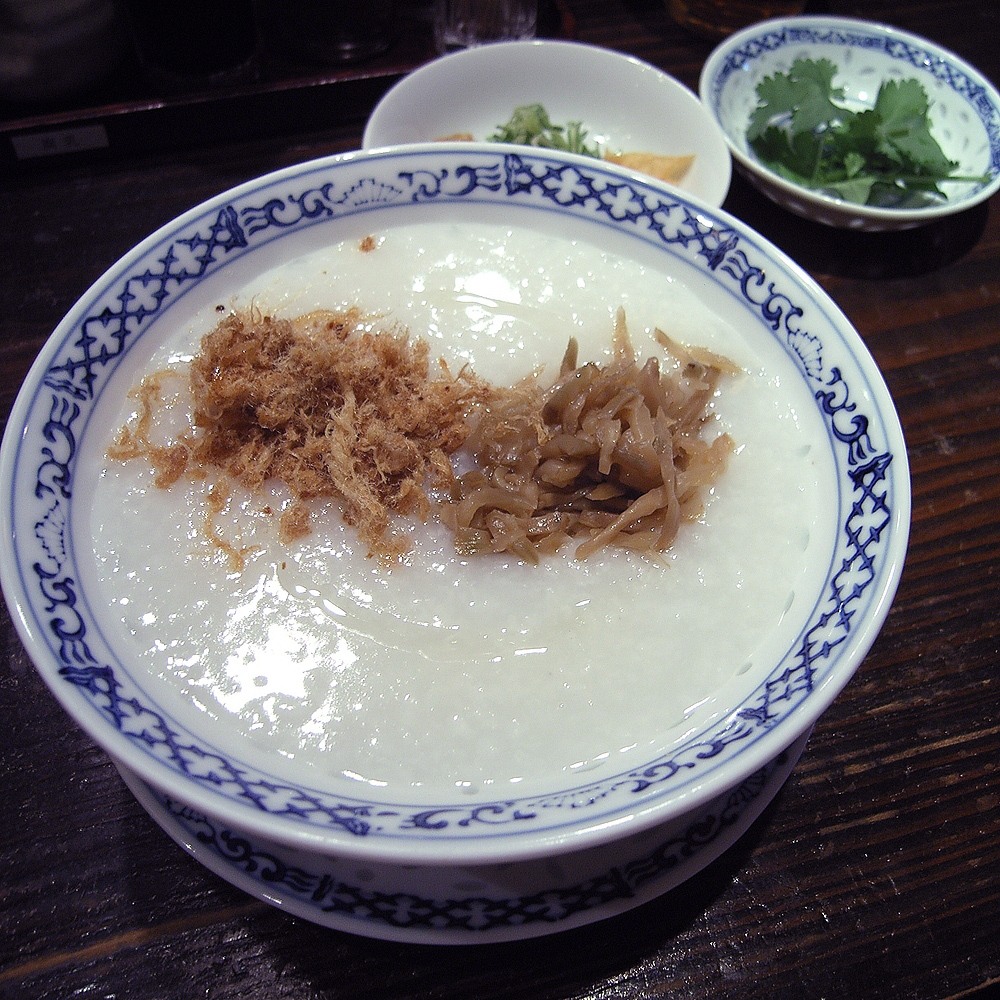
rice, water, ginger, spring onions — silky texture, warm, comforting flavour.

Zongzi

Zongzi

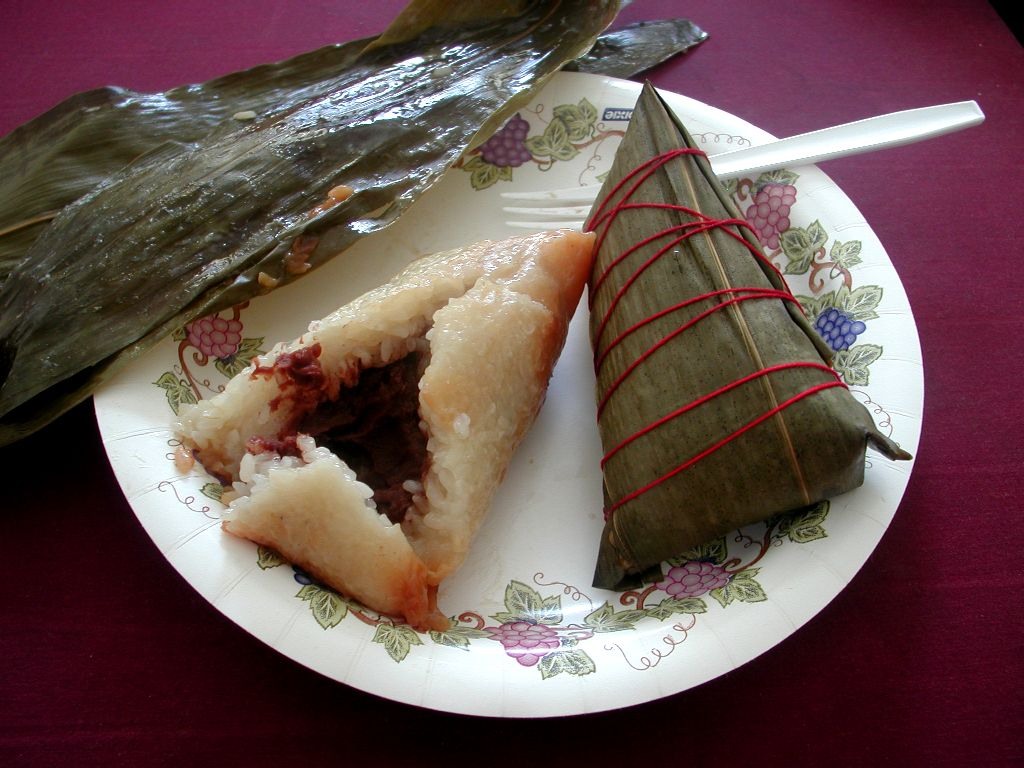
glutinous rice, bamboo leaves, pork, beans — glazed surface, aromatic seasoning.

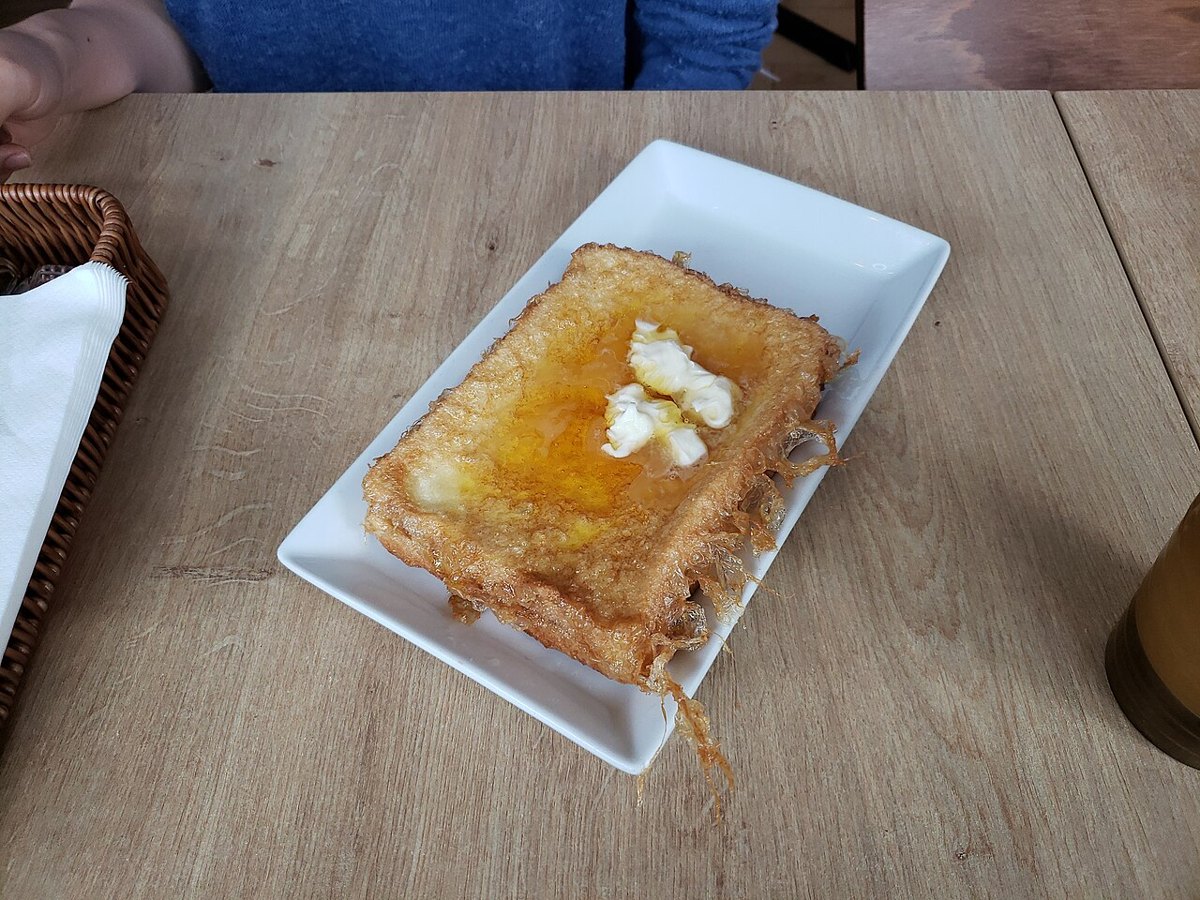
Hong Kong-style French toast

Hong Kong-style French toast

Filled bread dipped in egg and fried, often finished with butter and syrup. Peanut butter is a common filling, but individual cafés use different versions.

Region

Hong Kong SAR

Hong Kong SAR

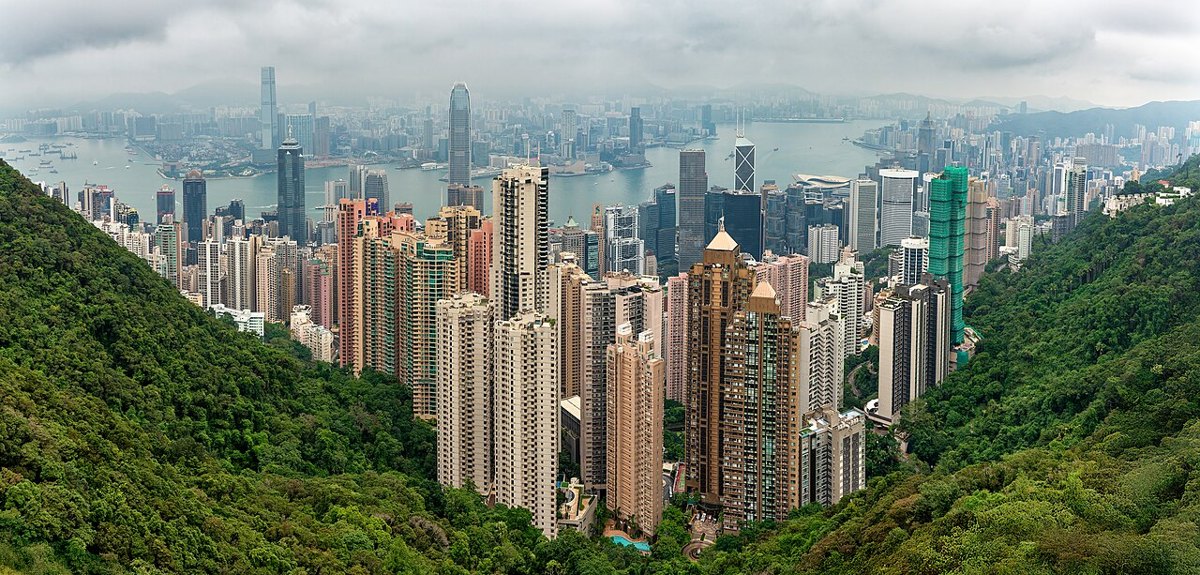
Hong Kong’s harbour and Cantonese roots created a city of seafood markets, dim sum and roast-meat shops. Migration and its history under British colonial rule also shaped cha chaan teng cafés, where milk tea and bakery dishes became a language of everyday urban life.

Sichuan

Sichuan

The Sichuan Basin’s farms and trading towns supplied a cuisine rich in preserved vegetables, broad-bean paste and layered seasoning. Chengdu’s teahouses and markets made food a social ritual; chilli heat is only one part of a repertoire that also values fragrance, sourness and delicate broths.

Cities

Chengdu

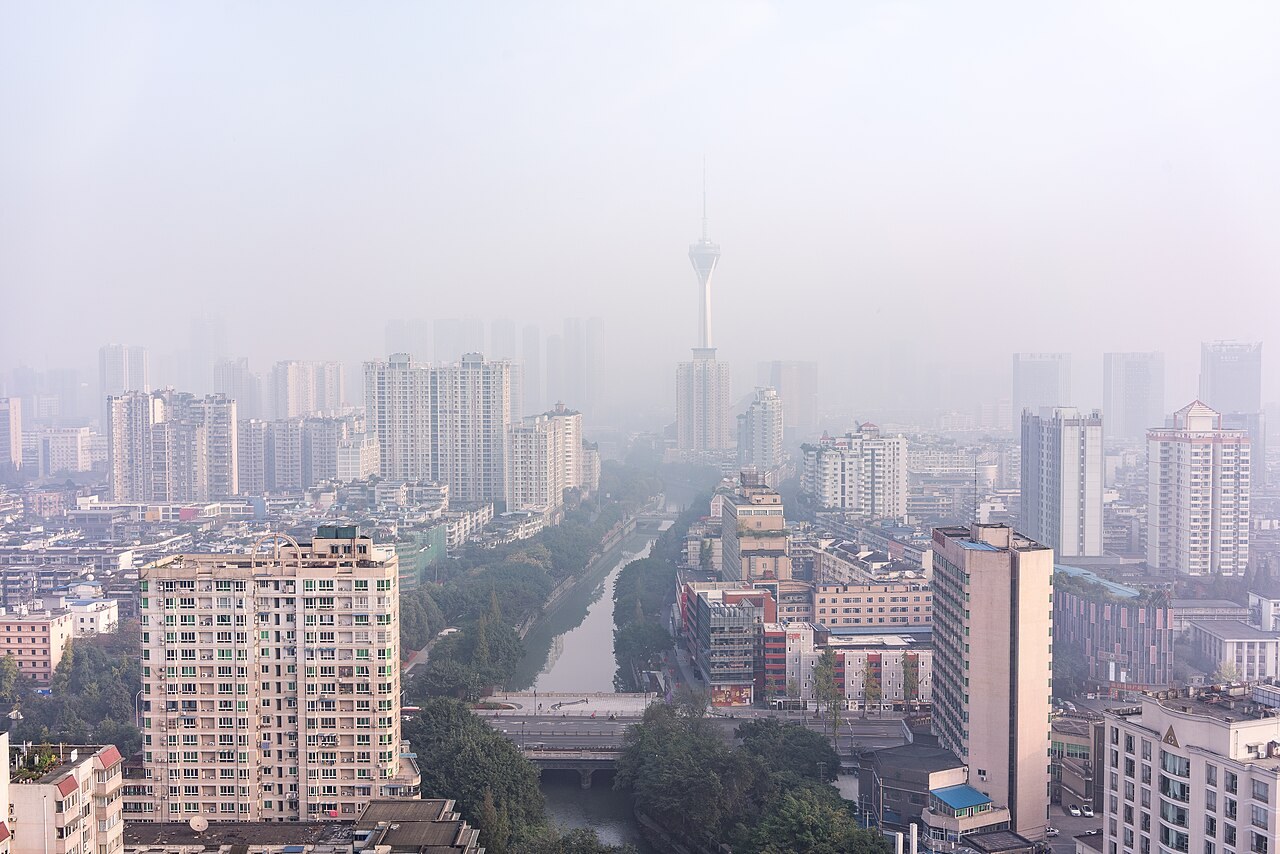
Chengdu

Mapo tofu’s hot-numbing balance, dan dan noodles and gaiwan tea in the park. Explore Sichuan’s range of aromas and textures without defining Chengdu through chilli alone.

Hong Kong

Hong Kong

Milk tea and French toast at a cha chaan teng, wonton noodles at another stop. Discover Hong Kong’s everyday food through its quick-service rhythm and drink choices.

Sources and editorial notes +