
Sichuan

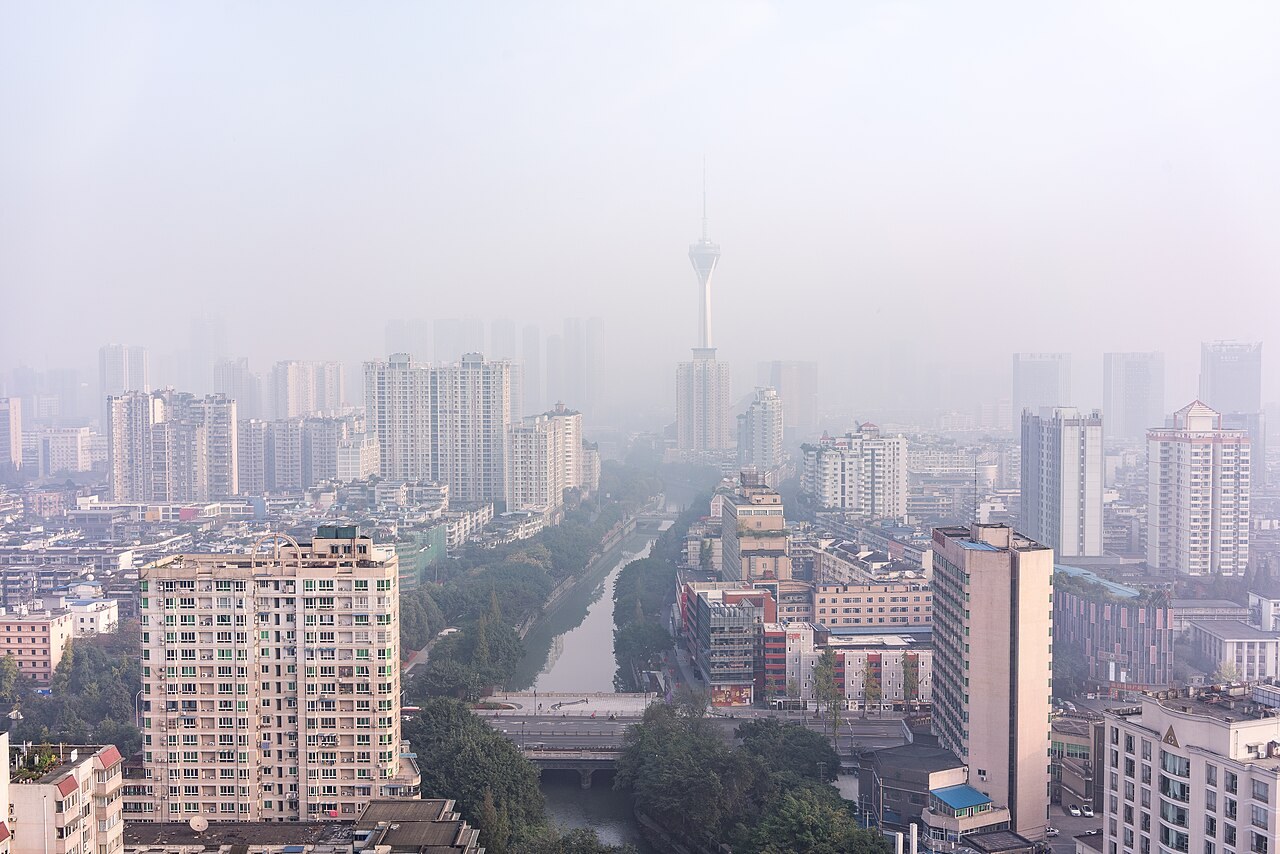

History and food culture
The Sichuan Basin’s farms and trading towns supplied a cuisine rich in preserved vegetables, broad-bean paste and layered seasoning. Chengdu’s teahouses and markets made food a social ritual; chilli heat is only one part of a repertoire that also values fragrance, sourness and delicate broths.
At the local table
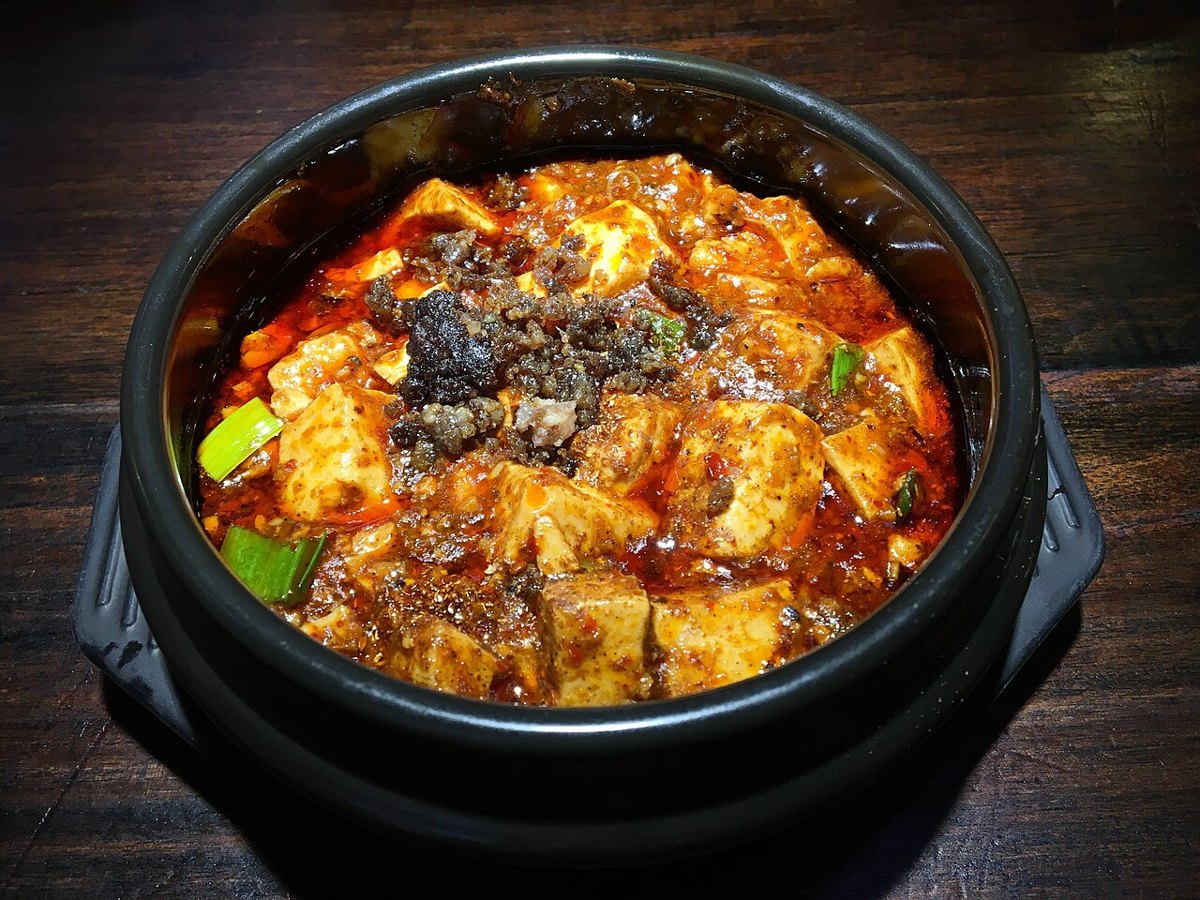
Mapo tofu — Tofu with fermented chilli broad-bean paste and Sichuan pepper. Traditional beef versions coexist with home variations; doubanjiang’s salt and heat vary significantly by brand.
Dandan mian — Noodles tossed with sauce that may include chilli oil, preserved vegetables and meat or meat-free components. Broth and sesame-paste use differ between local and overseas interpretations.
Cooks shaping the region
Xu Fan — Xu’s Cuisine — Wangjiang.
Dishes
Dishes
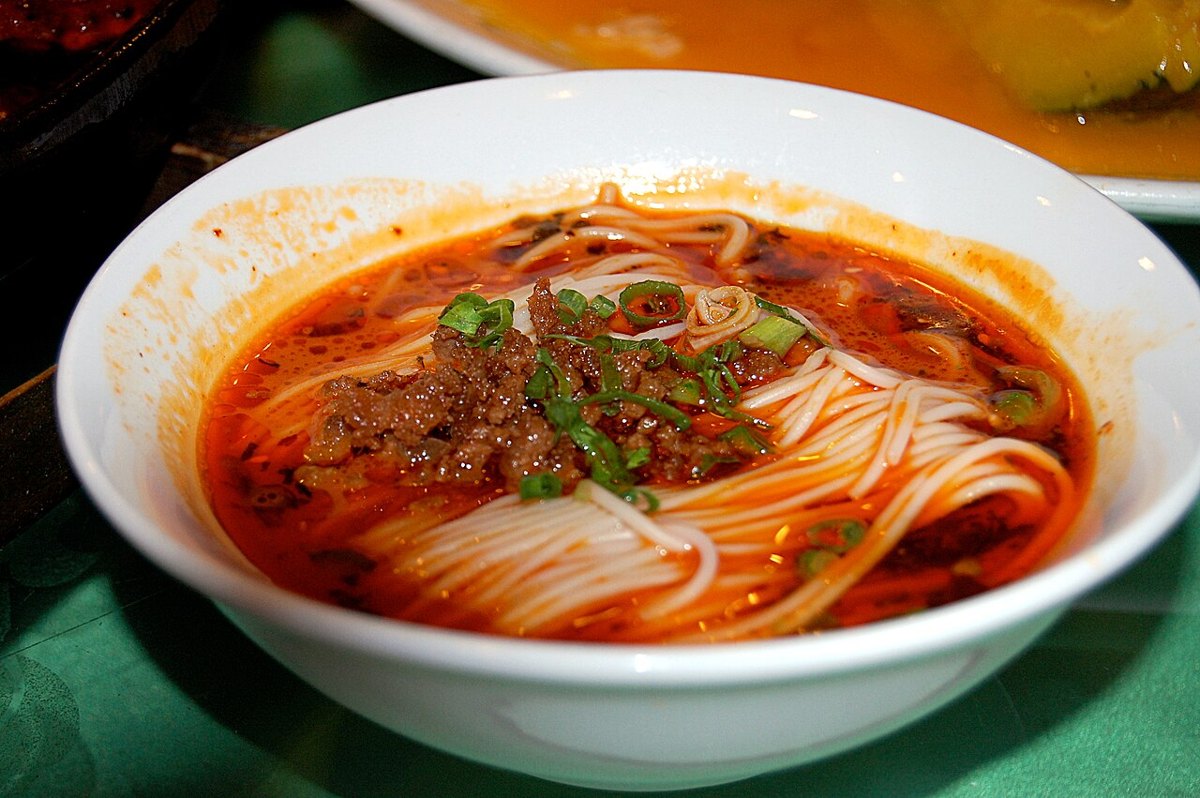
Dandan mian
Noodles tossed with sauce that may include chilli oil, preserved vegetables and meat or meat-free components. Broth and sesame-paste use differ between local and overseas interpretations.
Chefs
Yu Zhi Lan · Golden noodles · Chicken feet with pickled pepper
Chefs
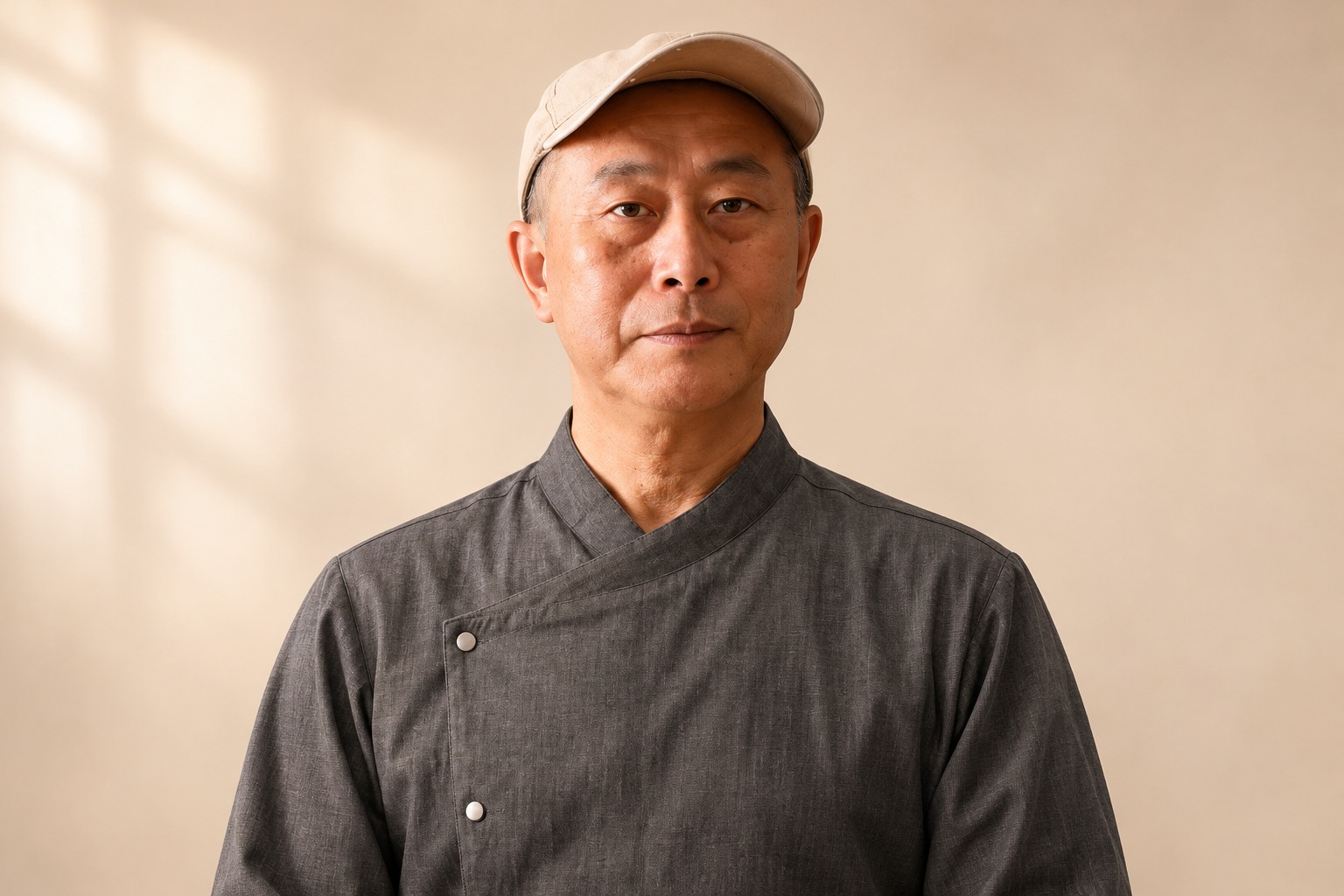
Lan Guijun
Lan Guijun explores the depth of Sichuan cooking through clear stocks, delicate knife work and a personal sense of flavour. At Yu Zhi Lan, a long career becomes an intimate, seasonal dining experience.
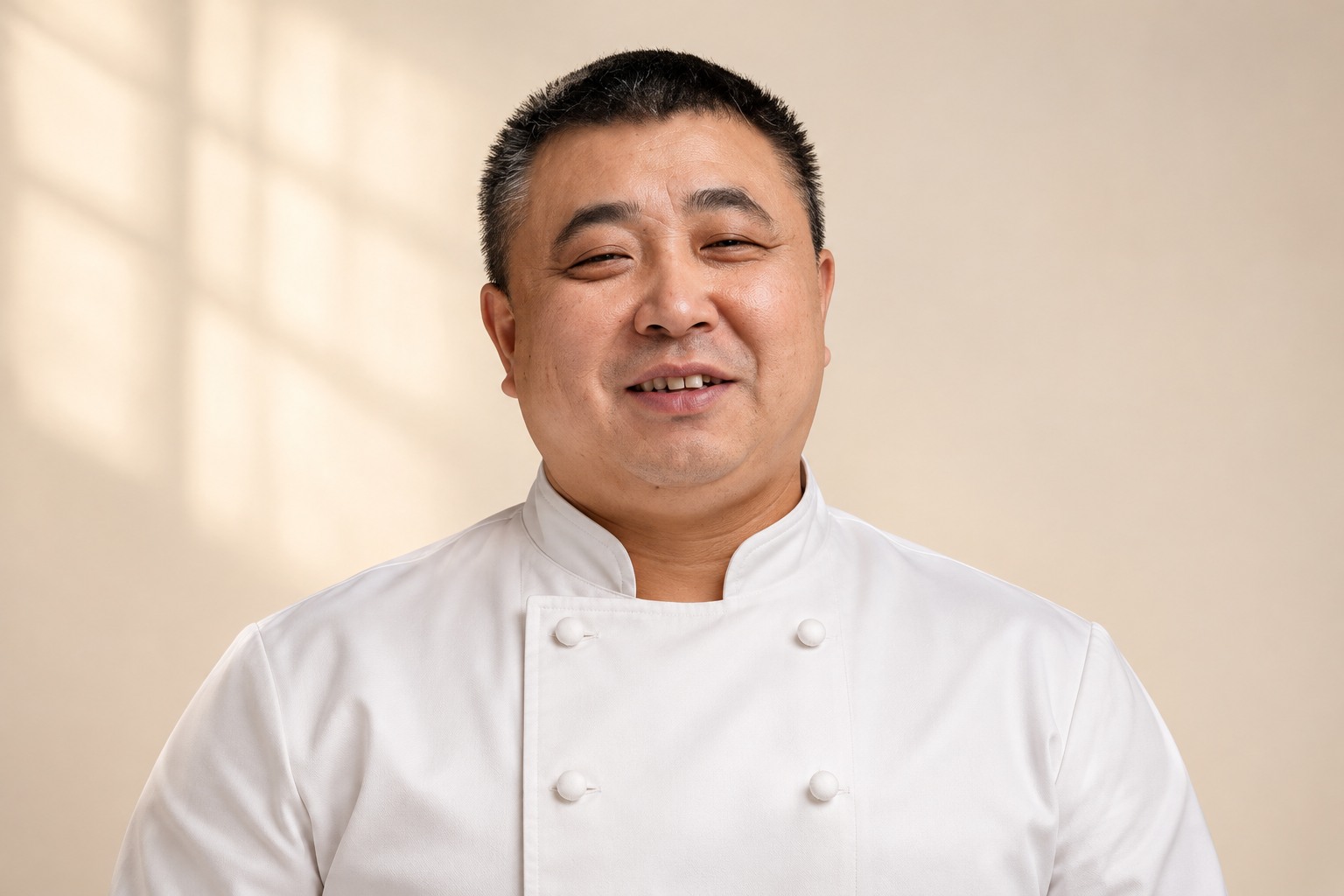
Xu’s Cuisine — Wangjiang · Chicken douhua · Fish with green Sichuan pepper
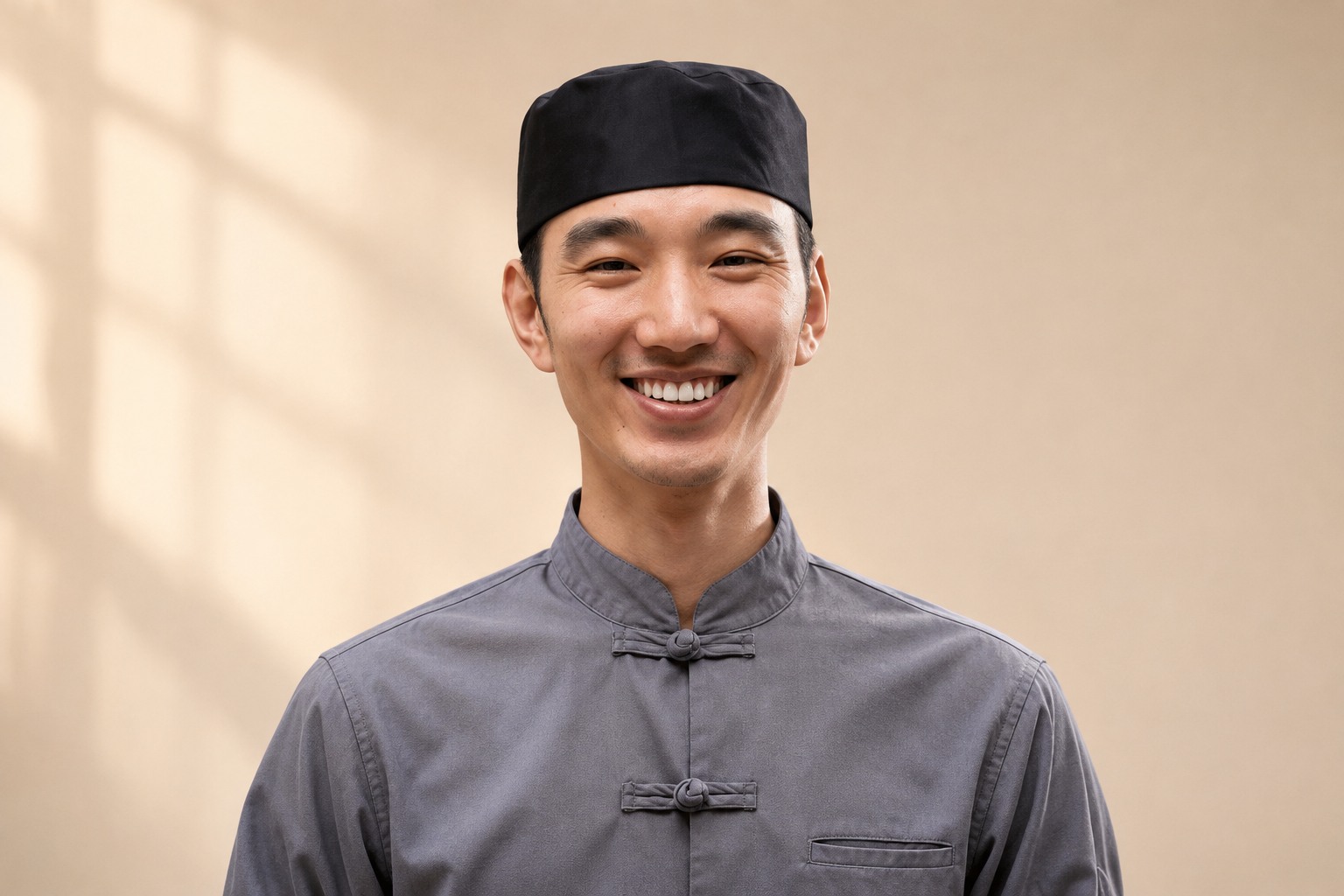
Mi Xun Teahouse · Mushroom mapo tofu · Spinach noodles in tea broth
Chefs
Steven Tang
Steven Tang explores plant-based Sichuan cooking at Mi Xun Teahouse. Mushrooms, seasonal vegetables and carefully chosen teas connect a quiet Chengdu courtyard with the region’s farms and flavours.
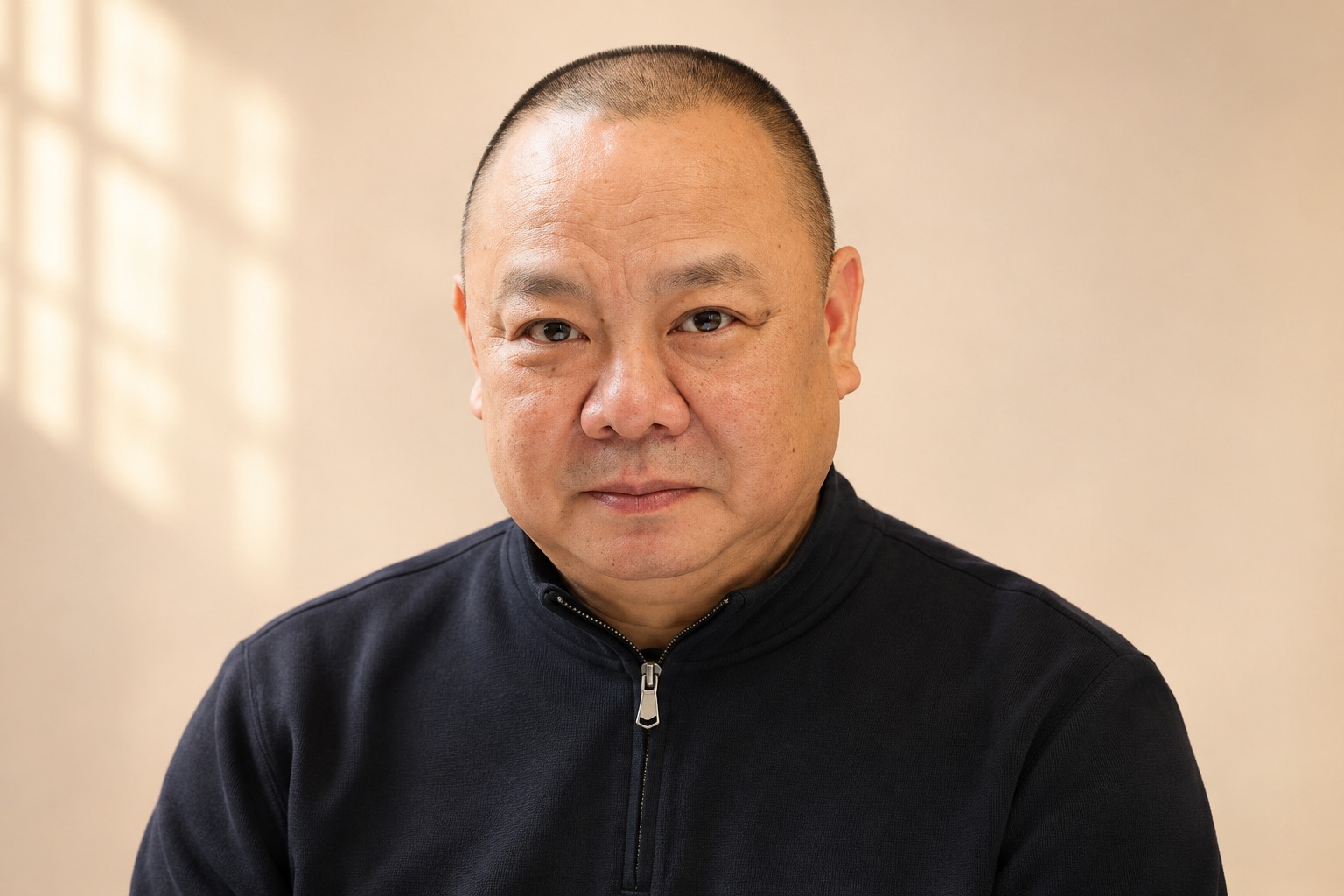
Fu Rong Huang · Snowflake chicken · Fuqi feipian
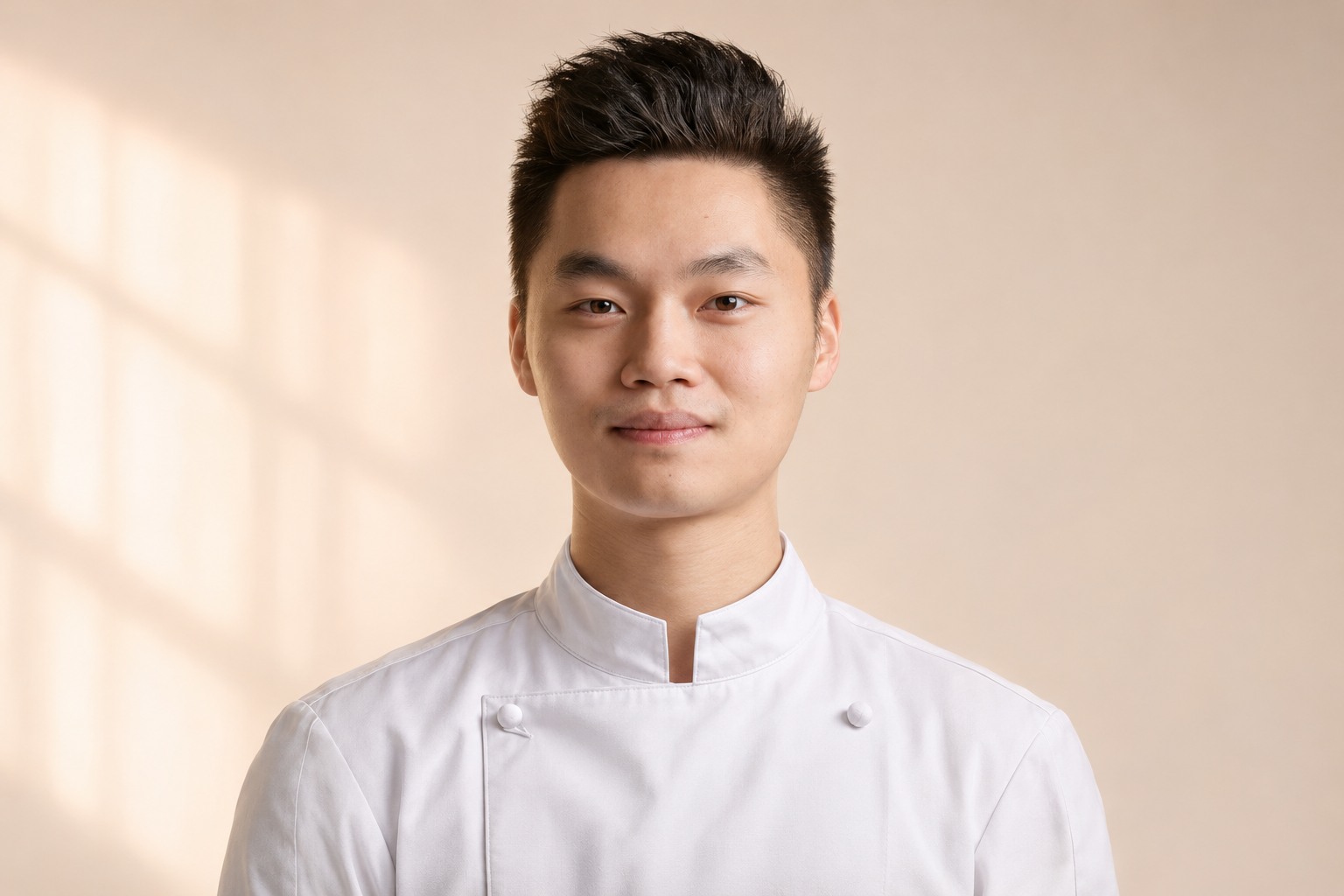
Hokkien Cuisine · Five-spice rolls · Lychee pork
Chefs
Yang Yanbin
Yang Yanbin, also known as Justin Yang, connects Fujian’s coastal food traditions with contemporary restaurant cooking. Hokkien Cuisine is the Chengdu chapter of a career that now also includes Hong Kong.